JK Song / 송종근
1.8K posts

JK Song / 송종근
@jongkeun
Korean adoptee. 해외입양인 ❗ Prioritize UNCRC ❗ End ICA (inter country adoption) ❗ Demand adoption file transparency 📧 [email protected]


@xGremlin The more this is shared, the less likely it will play out. At this point, it seems like a move to $81,000 will kill everyone sharing this thesis, at that point bulls will be everywhere overleveraged, and that over excitement can trigger the final leg down.


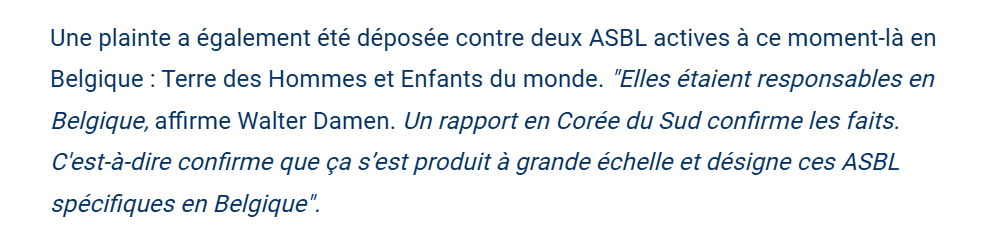
2/2 Enfants du Monde (Wereldkinderen) kreeg in 2024 nog de onderscheiding 'Koninklijke Organisatie'. Net zoals Wereldkinderen's directeur Ina Hut en oprichters Lucile van Tuyll en Rene Hoksbergen koninklijke onderscheidingen kregen. #adoptie #kinderhandel


Why do you want to temporarily extradite Park Wang-yeol, who is one of the three biggest drug lords in Southeast Asia and has already been sentenced to 60 years in prison in the Philippines, to Korea now? @CIA @FBI @realDonaldTrump @ShineShadowNews


Uit onderzoek van NRC blijkt dat de OSF van George Soros een bedrag van 7 miljoen spendeert aan Nederlandse projecten. @GeertenWaling vraagt zich af wat we moeten denken van buitenlandse inmenging door private partijen, zoals rijke filantropen. buff.ly/2IFNbup


The structure of South Korea’s National Election Commission (NEC) harbors deep-seated risks of conflict of interest and corruption. This stems from a long-standing practice—dating back to 1963—of having sitting Supreme Court Justices serve as Chairperson of the Central Election Commission, while regional court chief judges or senior judges concurrently chair provincial, city, district, and county election commissions. Core Problem: Judicial Overlap as Chairperson The NEC serves as both the overseer of elections and the defendant in lawsuits alleging fraud or invalidation. Yet its Chairperson (a sitting Supreme Court Justice) acts as the final adjudicator in related cases at the highest level, and most regional chairs are also sitting judges. This directly violates the fundamental principle of Nemo iudex in causa sua (“no one should be a judge in their own case”), creating an extreme and inherent conflict of interest. Consequences • Election fraud or invalidation claims are virtually impossible to sustain: The NEC has achieved near-total victories in recent litigation (approximately 150 cases in recent years), reinforced by this structural bias. • Separation of powers is undermined: The judiciary effectively dominates an independent constitutional body, while the non-full-time Chairperson results in weak internal oversight. • A “mutual protection loop” forms: Among the current Constitutional Court Justices, several have previously served as regional NEC chairs during their judicial careers, highlighting interconnected networks. Corruption as a “Family Company” System The February 27, 2025, audit by the Board of Audit and Inspection (BAI), covering 291 instances of career recruitments from 2013 to 2023 (or up to 2022 in some reports), uncovered a total of 878 regulatory violations (216 at the central level + 662 at regional levels). High- and mid-level officials frequently solicited hires for family members and relatives through practices such as interview score manipulation, internal-only interview panels, hidden job postings, and document tampering. Internal statements included remarks like “The NEC is a family company” and “Hiring relatives is a tradition.” At least 10 confirmed cases involved preferential hiring of children of top officials, with some individuals even receiving promotions; follow-up actions included disciplinary demands for 32 officials and ongoing cancellation procedures for some hires as of April 2025. Structural Root Causes • Concurrent service by sitting judges combined with a closed, part-time operational system. • Long-term personal networks that facilitate solicitation and cover-ups. • External oversight effectively blocked: On February 27, 2025, the Constitutional Court ruled unanimously (in case 2023Hun-Na5) that the BAI’s inspection of the NEC’s personnel management (including recruitment) was unconstitutional, as it infringed on the NEC’s independent authority as a constitutional body—not an administrative agency subject to routine audits. Conclusion This judge-dominated, self-protecting system has effectively turned the NEC into a de facto “family company” within the judiciary. It explains why election irregularities are rarely acknowledged or upheld, and why even massive hiring corruption (878 violations) faces limited real accountability, with external audits now barred. Without fundamental reform—particularly ending the practice of concurrent judge chairmanships—election fairness and the integrity of Korean democracy remain structurally threatened. The public must confront and demand change in this corrupt system to reclaim true electoral sovereignty. @A1Policy @Heritage @HudsonInstitute @realDonaldTrump @SecRubio @marcorubio @newtgingrich @FredFleitz @GordonGChang @DrTaraO @ColonelRETJohn2 @MorseHTan @bmarcois @NewshamGrant @CPAC @FBI @NEWSMAX


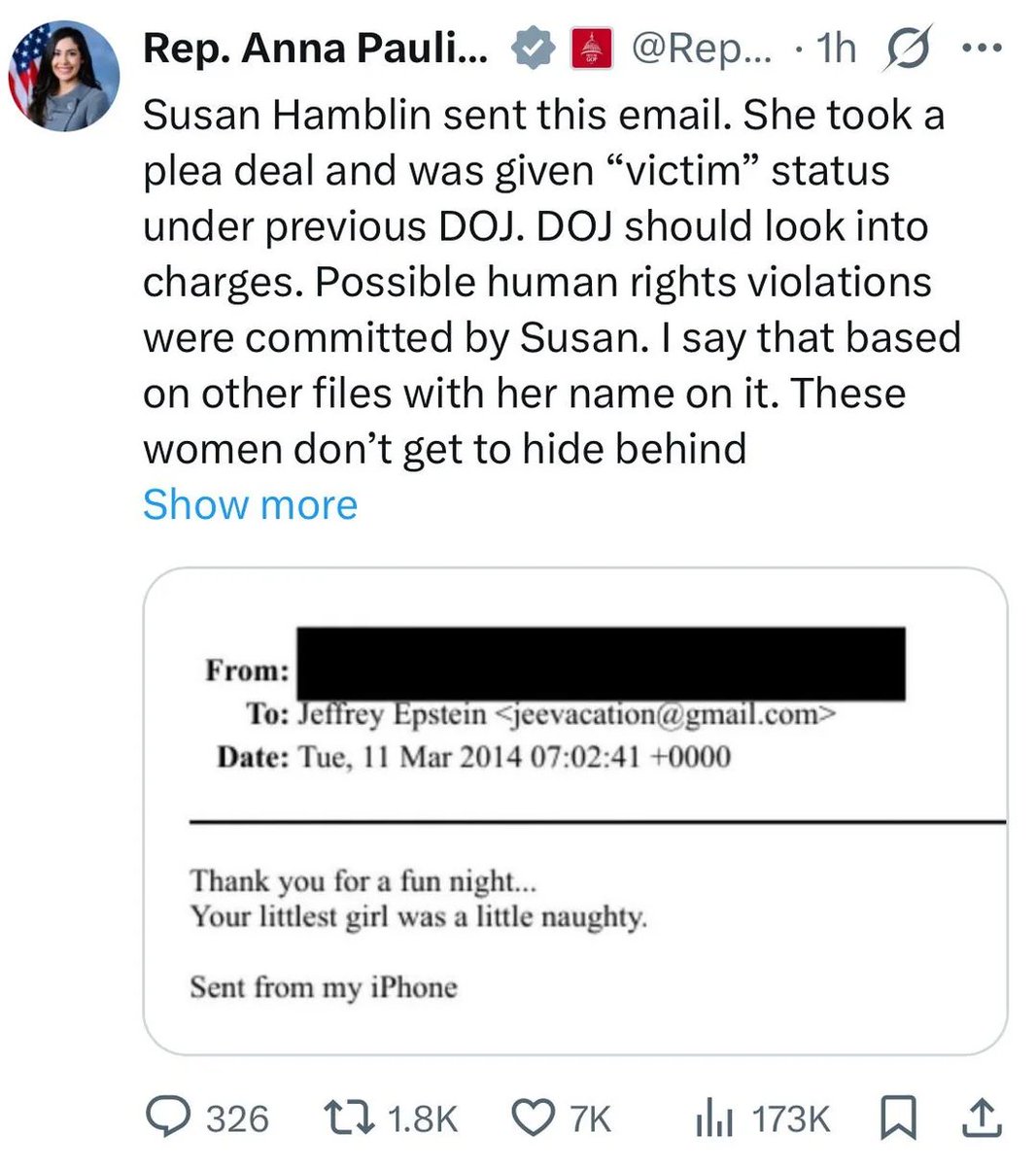
Is that Susan Hamblin? justice.gov/epstein/files/…