Jeremy Schultz

4.4K posts

Jeremy Schultz banner
Jeremy Schultz

Jeremy Schultz

@jschultz

Tech and AI-native communications pro and philomath. Fan of books, local brews, wicked guitars, and 2-wheeled machines.

Portland, OR Katılım Ekim 2007
2.7K Takip Edilen1.9K Takipçiler
Jeremy Schultz
Jeremy Schultz@jschultz·
@Alex_Intel_ This perspective leaves out the fact that the revenue for TSMC's depreciated fabs generate pure profit, something Intel minimized by rushing to the next nodes. It blinded the company from the extremely obvious strength of the foundry model.
English
0
0
1
206
Save Standard Time
Save Standard Time@SaveStandard·
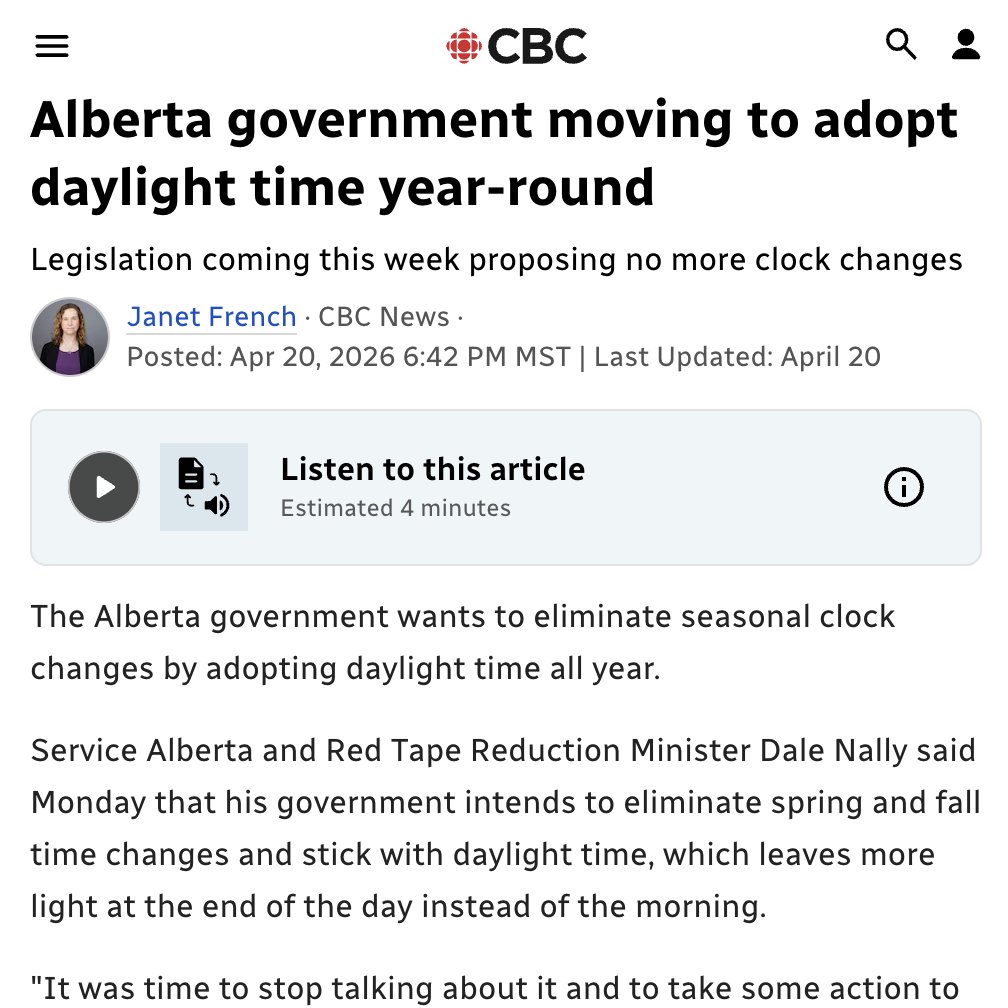
Voters said no to permanent DST. Morning sunlight is essential to natural health and safety. End Daylight Saving Time, restore permanent Mountain Standard Time! @DaleNally_AB
Save Standard Time tweet media
English
27
61
210
3.1K
Alex & Books 📚
Alex & Books 📚@AlexAndBooks_·
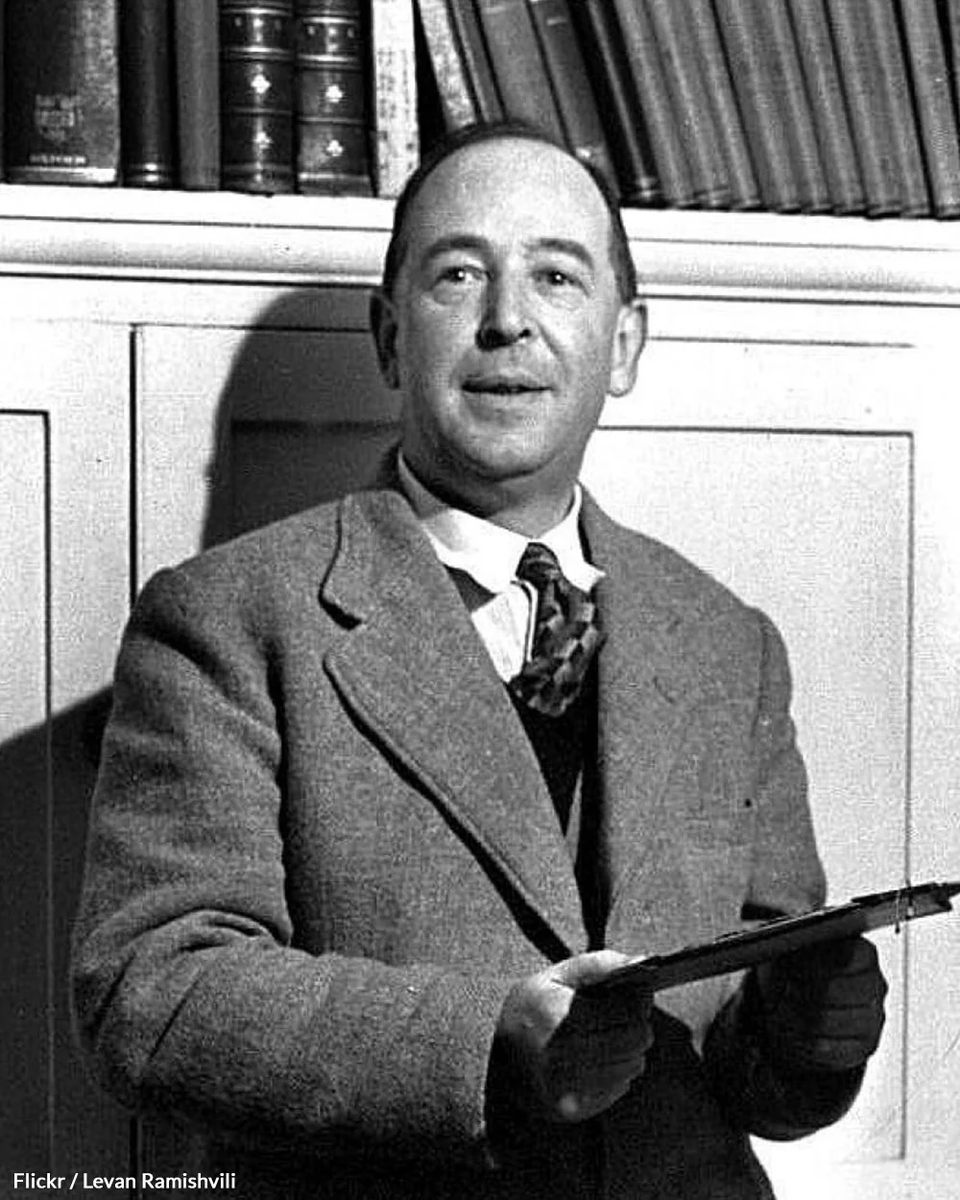
“It is a good rule, after reading a new book, never to allow yourself another new one till you have read an old one in between. If that is too much for you, you should at least read one old one to every three new ones.” –C.S. Lewis
Alex & Books 📚 tweet media
English
8
37
170
6.1K
Jeremy Schultz
Jeremy Schultz@jschultz·
@DKThomp "The Bear" has some of this energy...the fine art of microgreens.
English
0
0
1
444
Jeremy Schultz
Jeremy Schultz@jschultz·
@EFF You cite views but you're still posting to Bluesky and Mastodon? What's the real reason? Like it or not, the tech conversation is on X.
English
1
1
6
595
EFF
EFF@EFF·
When you go online, your rights should go with you. X is no longer where the fight is happening. EFF takes on big fights, and we win by putting our time, skills, and members’ support where they will have the most impact. Right now, that means Bluesky, Mastodon, LinkedIn, Instagram, TikTok, Facebook, YouTube, and eff.org. We hope you follow us there and keep supporting the work we do. eff.org/deeplinks/2026… (5/5)
English
264
233
1.4K
588.1K
EFF
EFF@EFF·
After almost twenty years on the platform, EFF is logging off of X. This isn’t a decision we made lightly, but it might be overdue. 🧵(1/5)
English
873
792
4.3K
4.4M
Jeremy Schultz
Jeremy Schultz@jschultz·
@DKThomp With streaming we now have a view into what people actually listen to. Before, we only had radio (pushed) and sales, not what's being played. I don't find this trend surprising at all (especially coupled with the fact that I don't think anyone has figured out recommendations).
English
2
0
16
1.1K
Jeremy Schultz
Jeremy Schultz@jschultz·
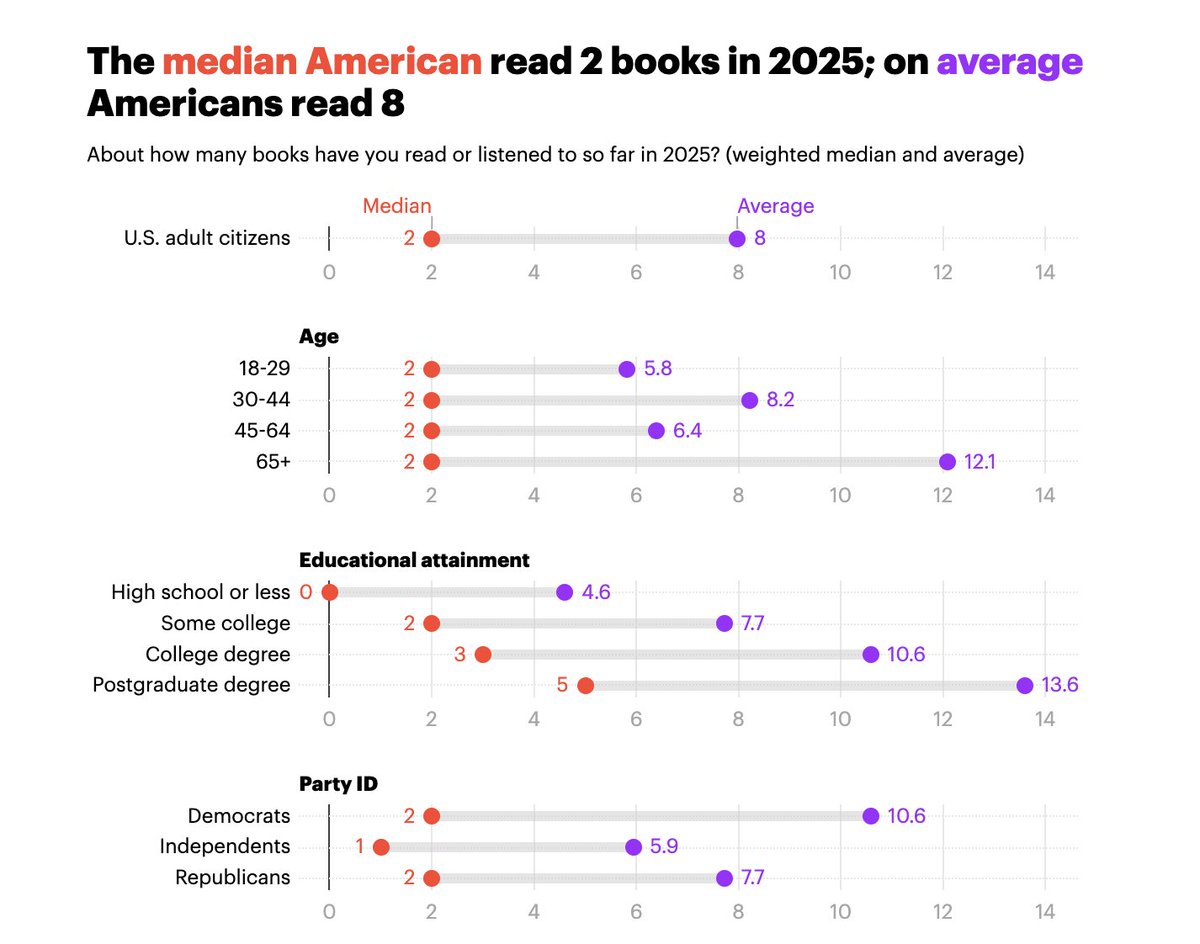
@AlexAndBooks_ Here with my very meta admonition that people who gather data need to read "The End of Average." Averages hide so much information...I want to see the real distribution.
English
0
0
0
23
Alex & Books 📚
Alex & Books 📚@AlexAndBooks_·
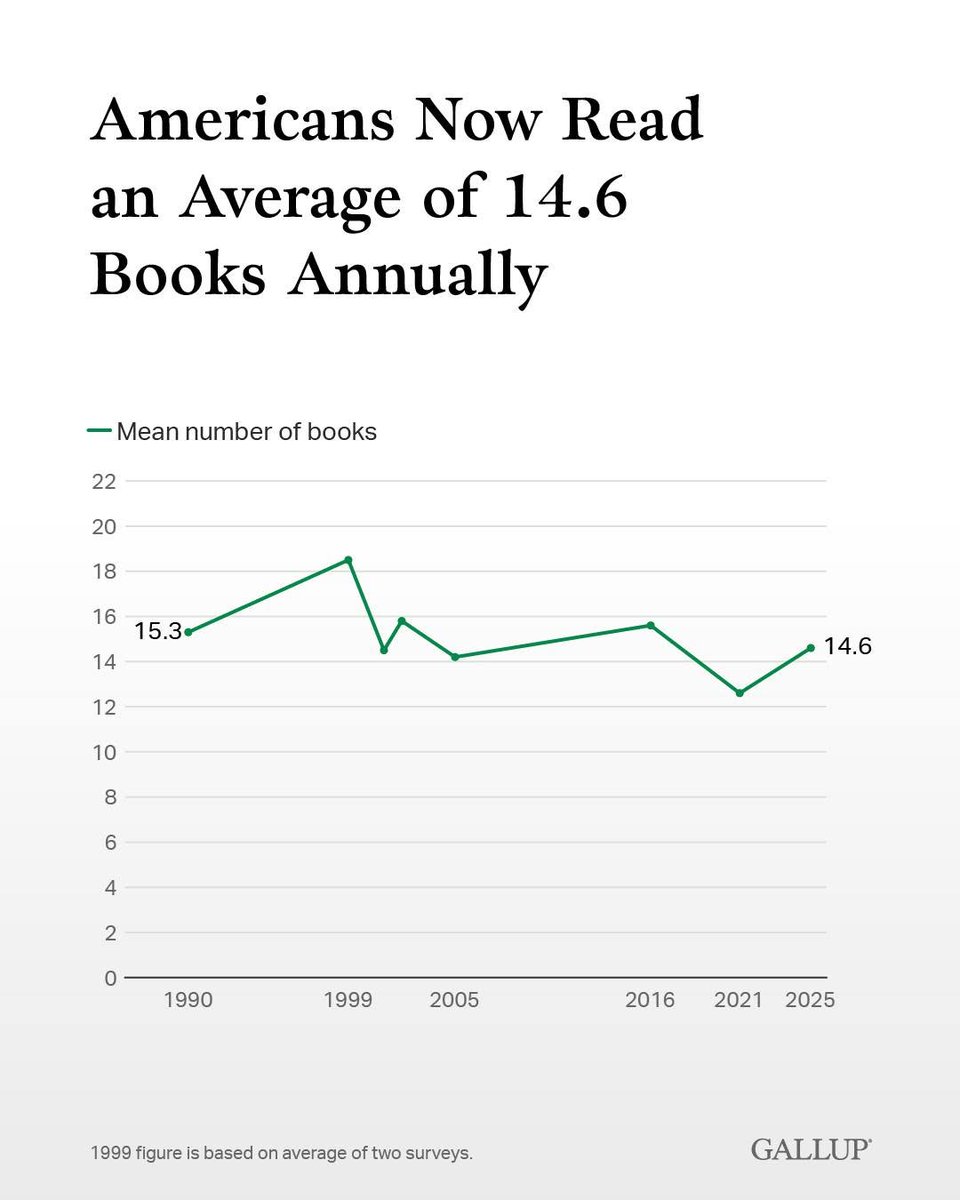
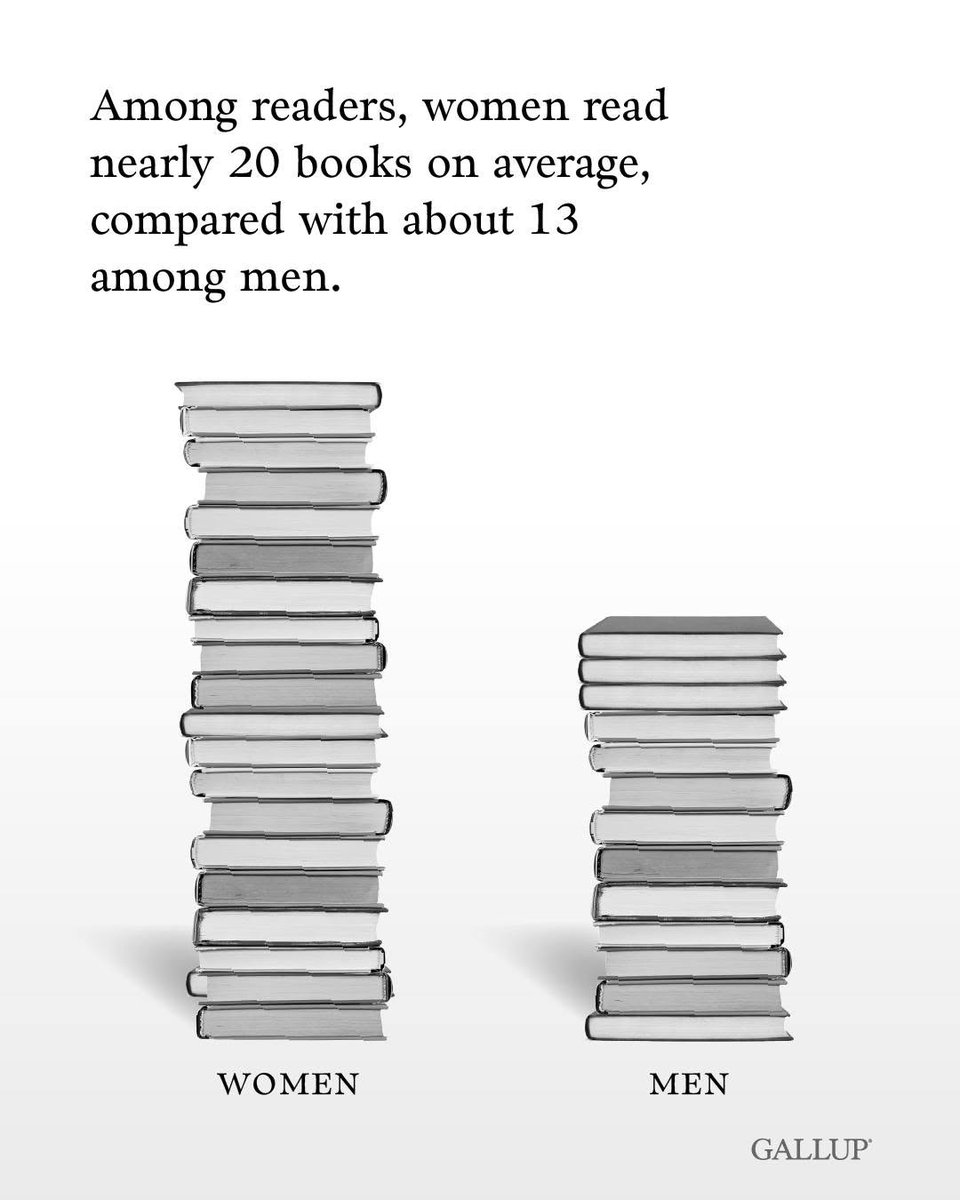
Here are the most recent stats on reading: • The average adult reads 14.6 books per year • Women on average read 20 books a year • Men on average read 13 books a year • 48% of adults read 6+ books in 2025 Overall, it looks like reading is on the rise.
Alex & Books 📚 tweet mediaAlex & Books 📚 tweet mediaAlex & Books 📚 tweet mediaAlex & Books 📚 tweet media
English
19
8
66
7.3K
Jeremy Schultz
Jeremy Schultz@jschultz·
@michaelmiraflor This is where all the volume is in laptops. Having returned to a Windows work machine for the first time in years, I think the Neo is going to slay.
English
0
0
0
45
Jeremy Schultz
Jeremy Schultz@jschultz·
@DavidEpstein I love this kind of treatment, nicely done! Too many book lists are...just lists.
English
1
0
1
455
David Epstein
David Epstein@DavidEpstein·
I read a lot (and yeah I count audiobooks). I made a video summarizing 34 books I love in about a minute each. Link below...
David Epstein tweet media
English
2
2
46
11.8K
Jeremy Schultz
Jeremy Schultz@jschultz·
@AlexAndBooks_ averages are useless (The End of Average is a highly underrated book btw 😉)...I'd like to see the distribution
English
0
0
0
62
Alex & Books 📚
Alex & Books 📚@AlexAndBooks_·
This is crazy: The average adult read 8 books in 2025. But the median adult read just 2 books in 2025!
Alex & Books 📚 tweet media
English
17
9
86
8K
Jeremy Schultz
Jeremy Schultz@jschultz·
@BStulberg #4 and #5 are huge...I can't believe how strong the Tiger Woods myth is, people spending at least half the year's weekends hauling their 13-year-old soccer "phenom" around the planet, just waiting for them to burn out at any moment.
English
1
0
1
156
Brad Stulberg
Brad Stulberg@BStulberg·
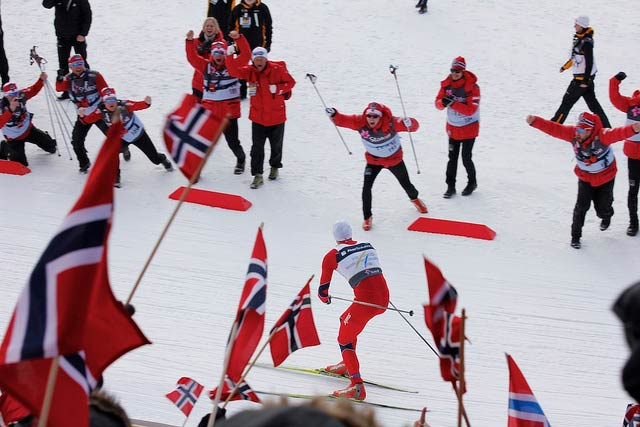
Norway consistently wins the most medals at the Winter Olympic Games, with a population of just 5.6 million people. A big part of their success is how they treat youth sports—and it’s the opposite of what we do in the US. Here’s what we can learn from Norway: 1. Scorekeeping: In the US: Youth sports tend to be hyper competitive even at early ages. Leagues almost always keep score. In Norway: Scorekeeping isn’t even allowed until age 13. Removing winners and losers keeps the focus on the process not outcomes. It keeps kids engaged longer because it minimizes pressure (and tears) and maximizes fun, learning, and growth. The goal isn’t to win a third grade championship. It’s to love sport and keep playing. 2. Trophies: In the US: If you give everyone a trophy, you’re creating snowflakes who will never gain a competitive edge. In Norway: Whenever trophies are awarded, they are handed out to everyone. If getting a trophy makes young kids feel good, we should give them trophies. Maybe they’ll come back and play again next year!! As for the creation of snowflakes with no competitive edge—Norway’s athletes are tough as nails and all they do is win. 3. Prioritizing Fun: In the US: Far too often, the goal is to win. In Norway: The national philosophy is “joy of sport.” Youth sports in the US are driven by adults, ego, and money. Youth sports in Norway are driven by fun. Only half of kids in the US participate in sports. The number one reason they drop out: because they aren’t having fun anymore. In Norway, 93% of kids participate in youth sports. Fun is the foremost goal. 4. Playing Multiple Sports: In the US: There’s pressure to specialize early and play your best sport year round. In Norway: Try as many sports as you can before specializing as late as college. Norway encourages kids to try all types of sport. This reduces injury and burnout and increases all-around athleticism. It also helps promotes match quality, or finding the sport you are best suited for as your body develops, which is impossible if you commit to a single sport too early. 5. Affordability In the US: There is increasingly a pay-to-play model with high fees for leagues, equipment, and travel. This excludes many kids from playing. In Norway: It’s a national priority to keep youth sports affordable and therefore accessible for all. Kids aren’t priced out, which creates opportunities for everyone to participate (and develop into athletes), regardless of their parents’ income level. We could learn a lot from Norway: In the US, 70% of kids drop out of youth sports by age 13. This not only diminishes an elite-athlete pipeline, but it also destroys an opportunity for healthy habits and all the character lessons kids can learn from sport. In Norway, lifelong participation in sport is the norm. The goal isn’t to have the best 9U team. It’s to develop the best athletes. Those are two very different things. And Norway has the gold medals to prove it.
Brad Stulberg tweet media
English
623
1K
5.3K
2.1M
Jeremy Schultz
Jeremy Schultz@jschultz·
@benthompson That's fascinating, but makes sense. I had a dim view of delivery even as a kid after we suffered a couple long-delayed and/or incorrect orders...we always did takeout (and I still drive around the corner to our local Dominoes now, heh).
English
0
0
0
279
Amy Nixon
Amy Nixon@texasrunnerDFW·
I may be in a minority here, but I absolutely love when Daylight Savings Time ends I enjoy waking up to light mornings The earlier dark evenings are cozy and delightful to an introverted soul. Sit by the fire, read a book, or just go to bed early—all my favorite things!
English
1K
348
7K
246.7K
Ben Bajarin
Ben Bajarin@BenBajarin·
I'm sure it's wishful thinking, but I hope it isn't, that Jensen is showing a picture of an Intel transistor in this slide.
Ben Bajarin tweet media
English
12
6
95
13.3K
Jeremy Schultz
Jeremy Schultz@jschultz·
@GergelyOrosz The primary source of this, in my experience, is too many folks don't understand tech well enough to assess those super interesting stories (worse, they're too afraid to ask and probe). Combine that with rewards for "protecting the brand" == boring.
English
0
0
1
144
Gergely Orosz
Gergely Orosz@GergelyOrosz·
PR stands for "public relations." It's a team inside a company that attempts to control the public image of a company. Amusingly, at several tech companies, PR teams have become "the no publicity" teams. They end up blocking devs sharing what would be super interesting stuff
English
15
7
216
72.3K
Jeremy Schultz
Jeremy Schultz@jschultz·
Here’s your next must-read—so well reported and written, my goodness:
Jeremy Schultz tweet media
English
0
0
0
88