@PrajwalTomar_ i highly doubt it, but one more week of localmodel hypes and i try them again
English
k0ba.eth
439 posts






@marcjoffe @Eric_Blair_2000 The family home I grew up in was $100k in the 1980s in Northampton and before that we were in an apartment in Bensalem.

New work with @AlecRad and @DavidDuvenaud: Have you ever dreamed of talking to someone from the past? Introducing talkie, a 13B model trained only on pre-1931 text. Vintage models should help us to understand how LMs generalize (e.g., can we teach talkie to code?). Thread:
I sequenced my genome at home, on my kitchen table. I wrote up exactly how I did it - the equipment, protocol, theory, and cost: iwantosequencemygenomeathome.com


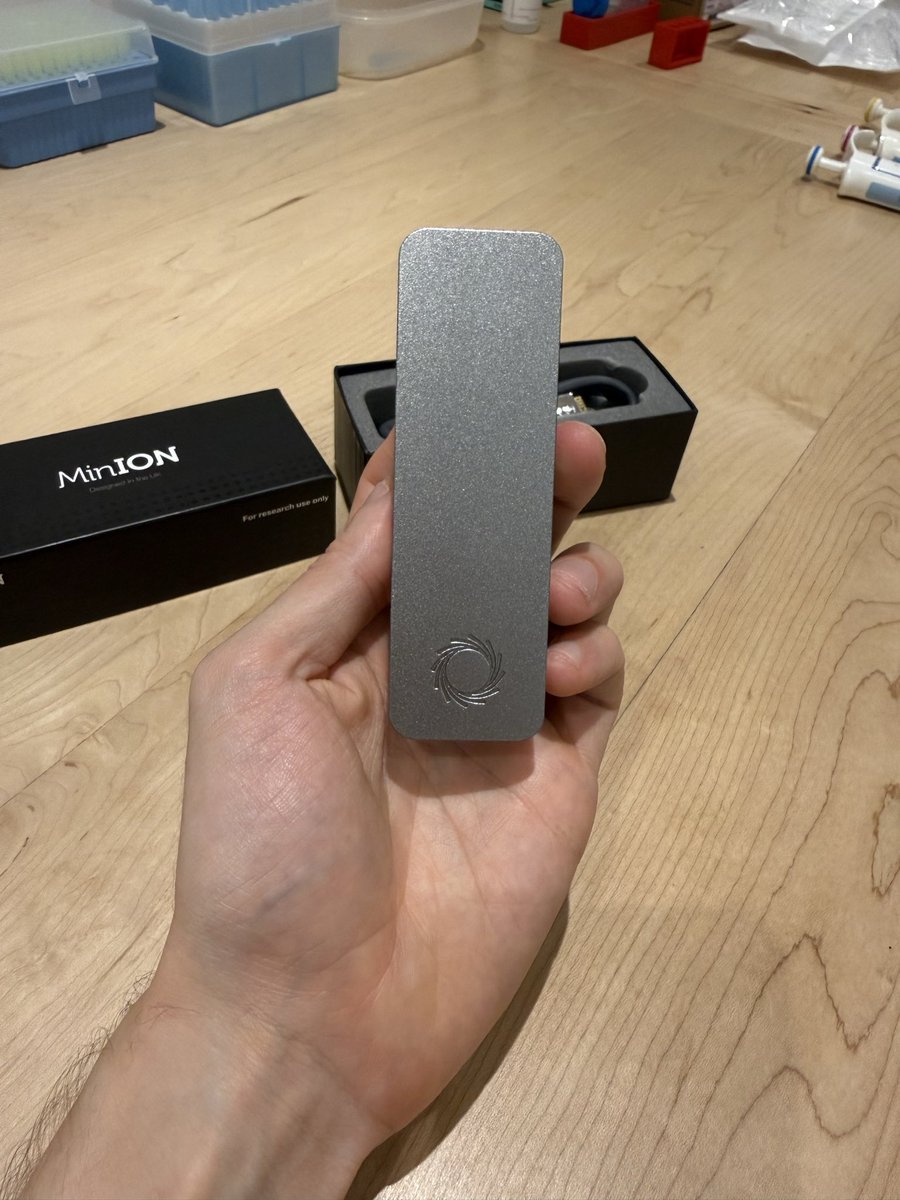

I'm lucky enough to have a great doctor and access to excellent Bay Area medical care. I've taken lots of standard screening tests over the years and have tried lots of "health tech" devices and tools. With all this said, by far the most useful preventative medical advice that I've ever received has come from unleashing coding agents on my genome, having them investigate my specific mutations, and having them recommend specific follow-on tests and treatments. Population averages are population averages, but we ourselves are not averages. For example, it turns out that I probably have a 30x(!) higher-than-average predisposition to melanoma. Fortunately, there are both specific supplements that help counteract the particular mutations I have, and of course I can significantly dial up my screening frequency. So, this is very useful to know. I don't know exactly how much the analysis cost, but probably less than $100. Sequencing my genome cost a few hundred dollars. (One often sees papers and articles claiming that models aren't very good at medical reasoning. These analyses are usually based on employing several-year-old models, which is a kind of ludicrous malpractice. It is true that you still have to carefully monitor the agents' reasoning, and they do on occasion jump to conclusions or skip steps, requiring some nudging and re-steering. But, overall, they are almost literally infinitely better for this kind of work than what one can otherwise obtain today.) There are still lots of questions about how this will diffuse and get adopted, but it seems very clear that medical practice is about to improve enormously. Exciting times!

@levelsio @sonofatailor I’d say the colors are a bit too positive for the current state of the world.

This is how a $100K MRR app onboards its users. Take a look at how indie dev @jayvraavi does it with his 100% bootstrapped Nomadtable app 👇 Onboarding - Clean, polished design - Collects key user data early - Builds your profile step by step - Asks for review mid onboarding Paywall - Soft paywall - Focused on a single annual plan - 3 day free trial Proof you can build a 6 figure app as a solo dev Start building yours with Anything



Claude Opus 4.7 Benchmarks


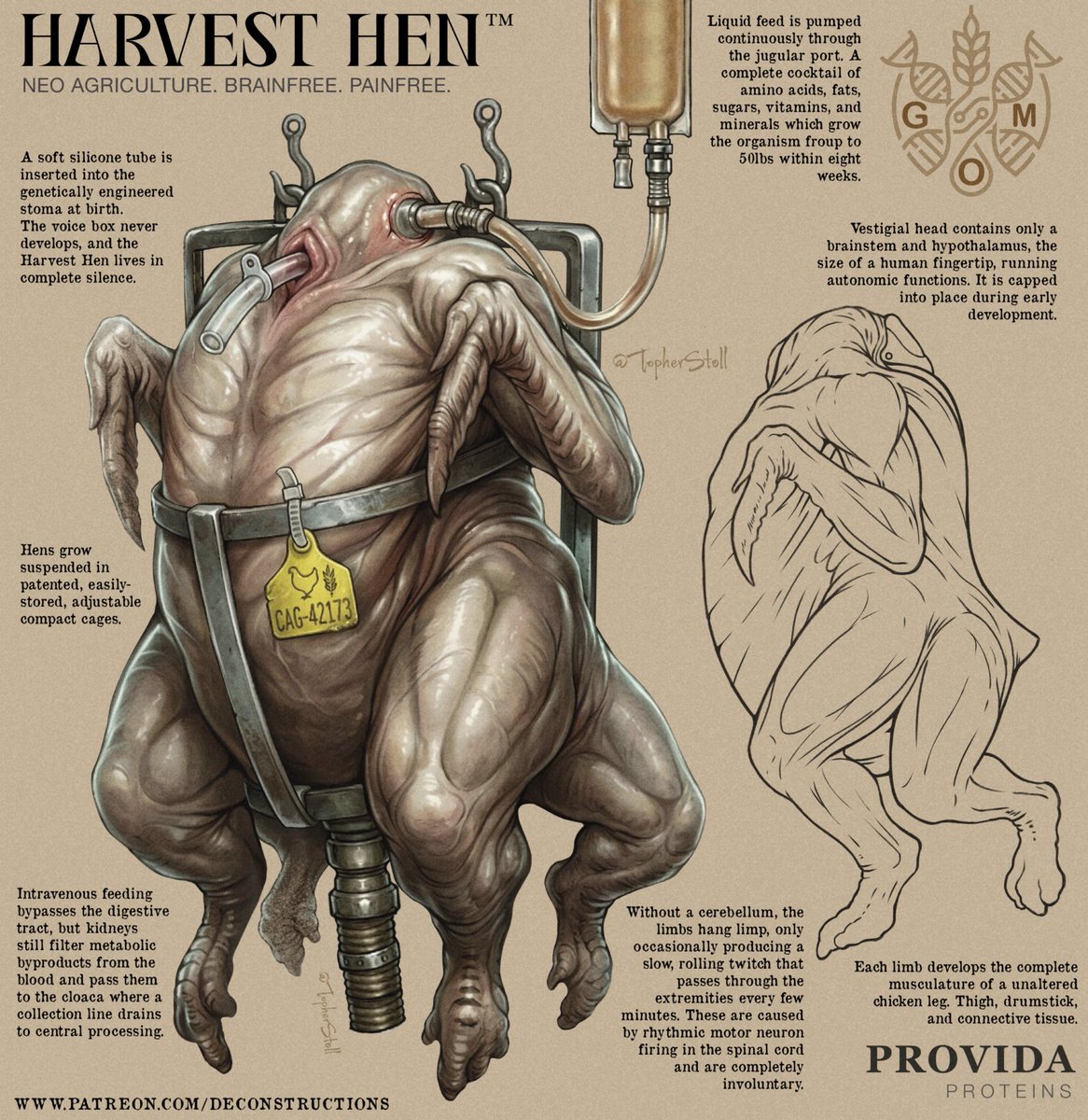
the ultimate solution is through technology we engineer what has been called a bodyoid: brainless animal bodies that provide as much meat as we desire without harming any sentient beings this would transform medicine - the same platform would allow us to grow organs on demand, eliminate transplant waiting lists, and produce perfectly matched tissues for each patient experimental therapies could be tested on full biological systems without involving conscious animals, regenerative medicine would accelerate as entire replacement tissues become manufacturable in the same way that agriculture turned food from a scarce resource into an abundant one, engineered bodyoids would turn biological material into infrastructure - meat without slaughter, organs without donors, and medical research without sentient suffering