

KARISHMA BHATIA
16 posts


Happy to inform you all that I received #LinnéSys: Systematics Research Fund for my work on resolving taxonomy of big plant genus #Impatiens
Funded by @LinneanSociety @SystAssn
#IamTaxonomist #Botany #Balsam #Botany2025 #Flora #FRLH #HimalayanBotanist #FloraofIndia #Plants
TDU Postgrad Connect@TDUPGConnect
We are happy to inform you that Mr. Ashutosh Sharma, TDU PhD student, has received The LinnéSys: Systematics Research Fund from The Linnean Society of London & The Systematics Association Details - tdu.edu.in/news/global-re… @Ashutosh_05sn #tdubengaluru #Taxonomy #LinneanSociety
English
KARISHMA BHATIA retweetledi
KARISHMA BHATIA retweetledi

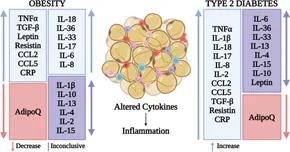
Please look at this review we just published. Cytokines and their relevance in metabolic disorder as seen from clinical studies. frontiersin.org/journals/endoc… @Shriivikas @krishmagopal
English
KARISHMA BHATIA retweetledi

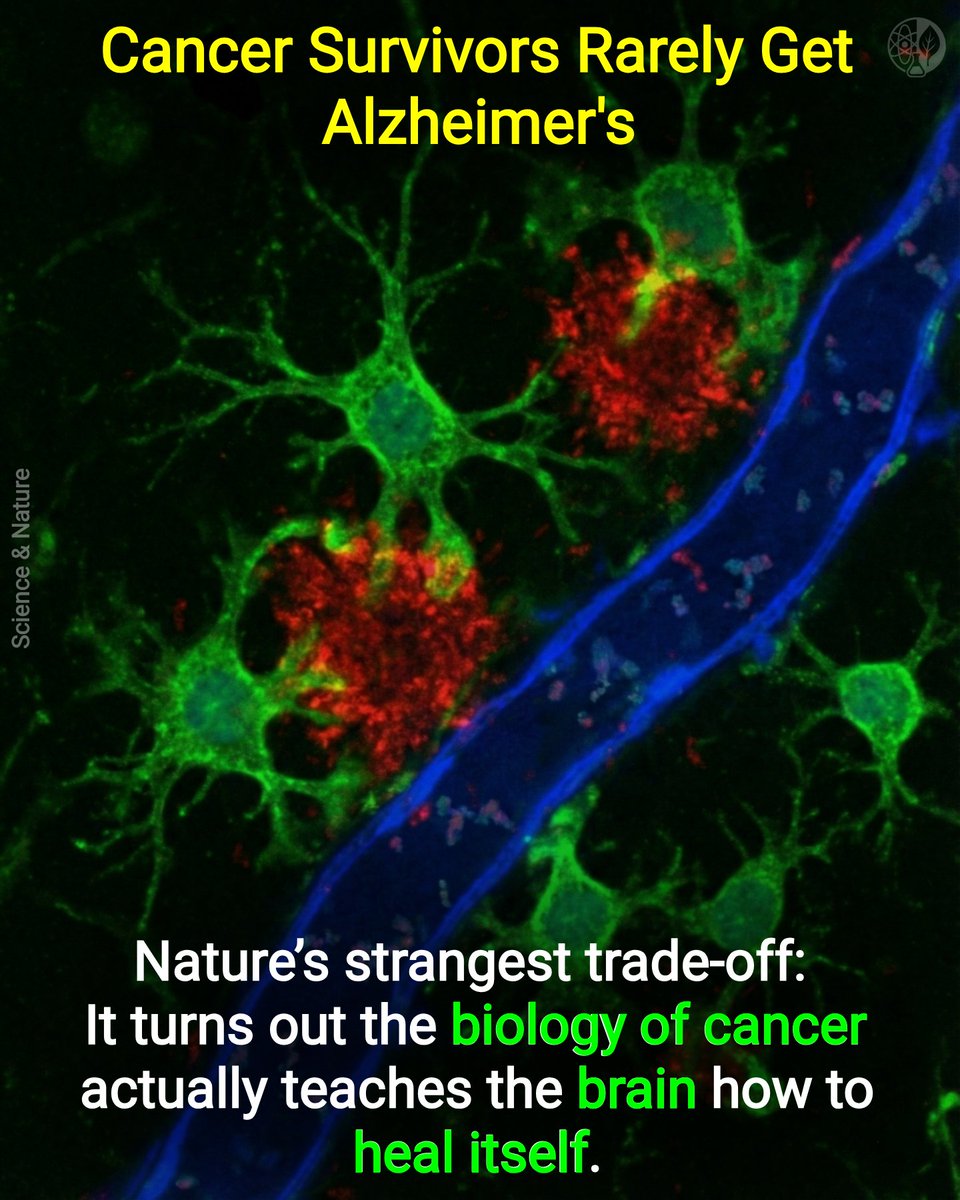
For decades, scientists have been puzzled by a strange medical paradox known as "inverse comorbidity": people who survive cancer almost never develop Alzheimer’s disease, and vice versa.
Is it just a difference in genetics? Or is something else going on?
A groundbreaking new study published this week in the journal Cell has finally provided the answer—and it could rewrite the future of Alzheimer’s treatment.
The Discovery: The Body's Hidden "Cleanup Crew"
Researchers at Huazhong University have discovered that tumors outside the brain secrete a specific protein called Cystatin-C. This protein enters the bloodstream, crosses the blood-brain barrier, and binds to the brain's immune cells (microglia).
Once attached, it acts like a "wake-up call," triggering these cells to aggressively hunt down and digest the toxic amyloid plaques responsible for Alzheimer's.
This discovery isn't about using cancer as a cure. It’s about identifying the mechanism. Now that we know Cystatin-C is the key, scientists believe we can develop drugs that mimic this protein—essentially switching on the brain's natural cleaning system without the presence of a tumor.
It is a massive leap forward in understanding how the immune system interacts with neurodegenerative disease.
👇 What do you think about this biological trade-off? Let us know in the comments!
Journal Reference: Xinyan Li et al, Peripheral cancer attenuates amyloid pathology in Alzheimer's disease via cystatin-c activation of TREM2, Cell (2026). DOI: 10.1016/j.cell.2025.12.020
#MedicalBreakthrough #AlzheimersResearch #Immunology #CystatinC #BrainHealth
English
KARISHMA BHATIA retweetledi
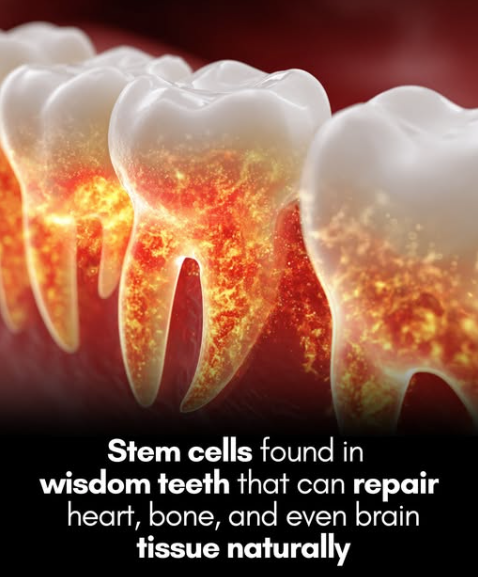
Your wisdom teeth could save your life.
They contain stem cells that could repair your heart, bone, and even brain tissue.
What was once considered medical waste may soon be a powerful tool in regenerative medicine.
Scientists have discovered that wisdom teeth — often removed and discarded in adolescence or young adulthood — contain a rich supply of mesenchymal stem cells capable of transforming into bone, muscle, nerve, and other vital tissues.
Dental stem cells have shown promise in preclinical studies for conditions ranging from arthritis and diabetes to cognitive disorders like Alzheimer’s and Parkinson’s disease.
And unlike stem cell collection from bone marrow or blood, harvesting dental pulp during wisdom tooth removal involves no additional procedures or discomfort.
[Journal of Natural Science, Biology and Medicine. "Current overview on dental stem cells applications in regenerative dentistry." Stem Save (2025). Current Clinical Applications for Stem Cells]
English
KARISHMA BHATIA retweetledi
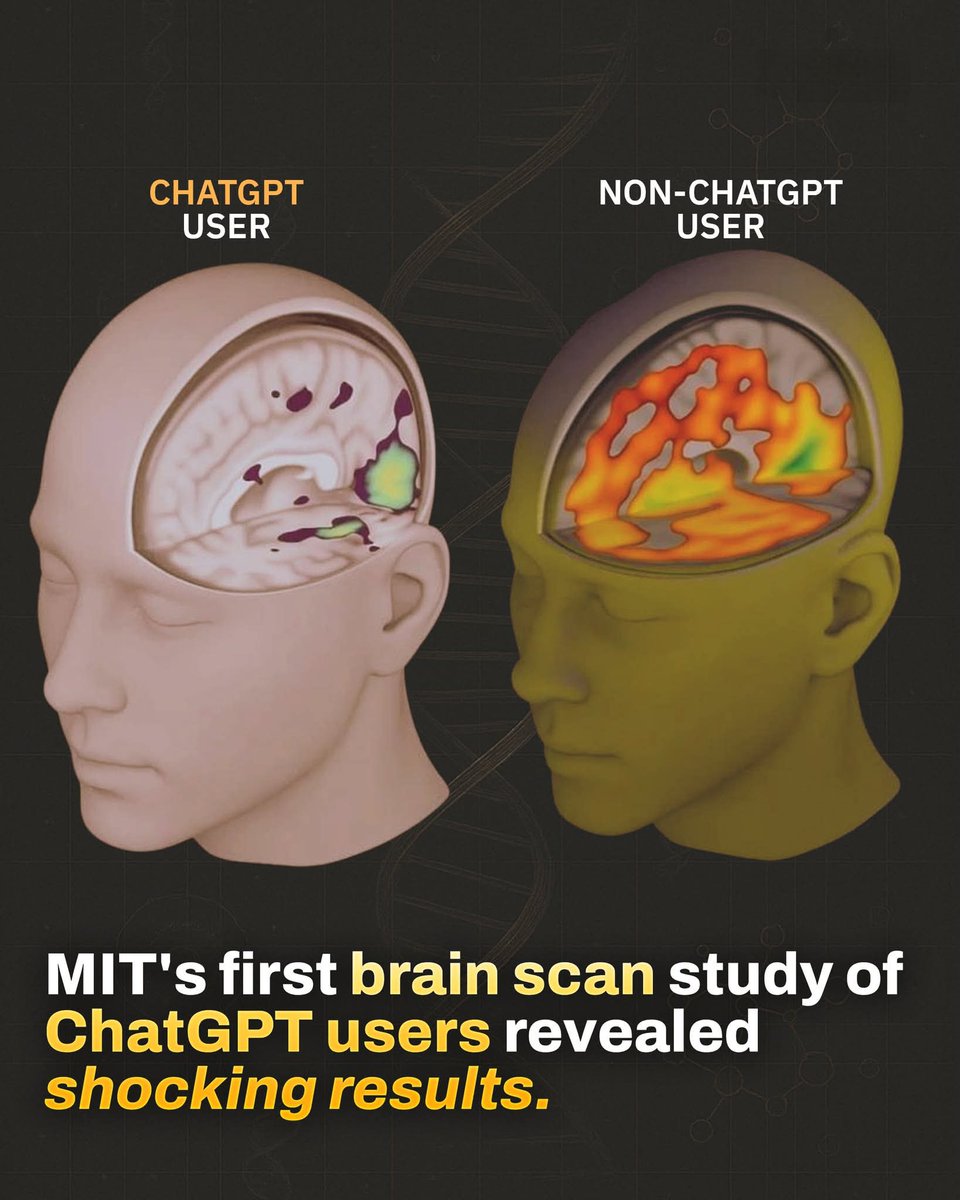
🧠 MIT recently completed the first brain-scan study on ChatGPT users—and the results are deeply revealing.
Rather than boosting brain function, prolonged AI use may be dulling it.
Over four months of cognitive data suggest we might be measuring productivity all wrong ⤵️
In MIT’s study, participants had their brains scanned while using ChatGPT.
→ 83.3% of users couldn’t recall a single sentence they’d written just minutes earlier.
→ In contrast, those writing without AI had no trouble remembering.
Brain connectivity dropped sharply—from 79 to 42 points.
→ That’s a 47% drop in neural engagement.
→ The lowest cognitive performance among all user groups.
Even after stopping ChatGPT use in later sessions, these users showed continued under-engagement.
→ Their performance remained lower than those who never used AI.
→ This suggests more than dependency—it’s cognitive weakening.
Beyond the scans, educators flagged the writing itself.
→ Essays were technically solid, but often called “robotic,” “soulless,” and “lacking depth.”
Here’s the paradox:
→ ChatGPT makes you 60% faster at completing tasks…
→ But it reduces the mental effort required for learning by 32%.
The top-performing group?
→ Those who began without AI and added it later.
→ They retained the best memory, brain activity, and overall scores.
Using ChatGPT can feel empowering—but it may quietly offload your thinking.
→ You gain speed, but lose engagement.
→ You get answers, but stop learning how to think.
The takeaway isn’t to avoid AI—but to use it intentionally.
→ Use it to assist, not replace your mind.
→ Build cognitive strength—not dependency.
MIT’s early study on AI and the brain lays out the stakes. The way we use these tools matters more than ever.
English
KARISHMA BHATIA retweetledi

It’s not so much about how long you move; it’s how often.
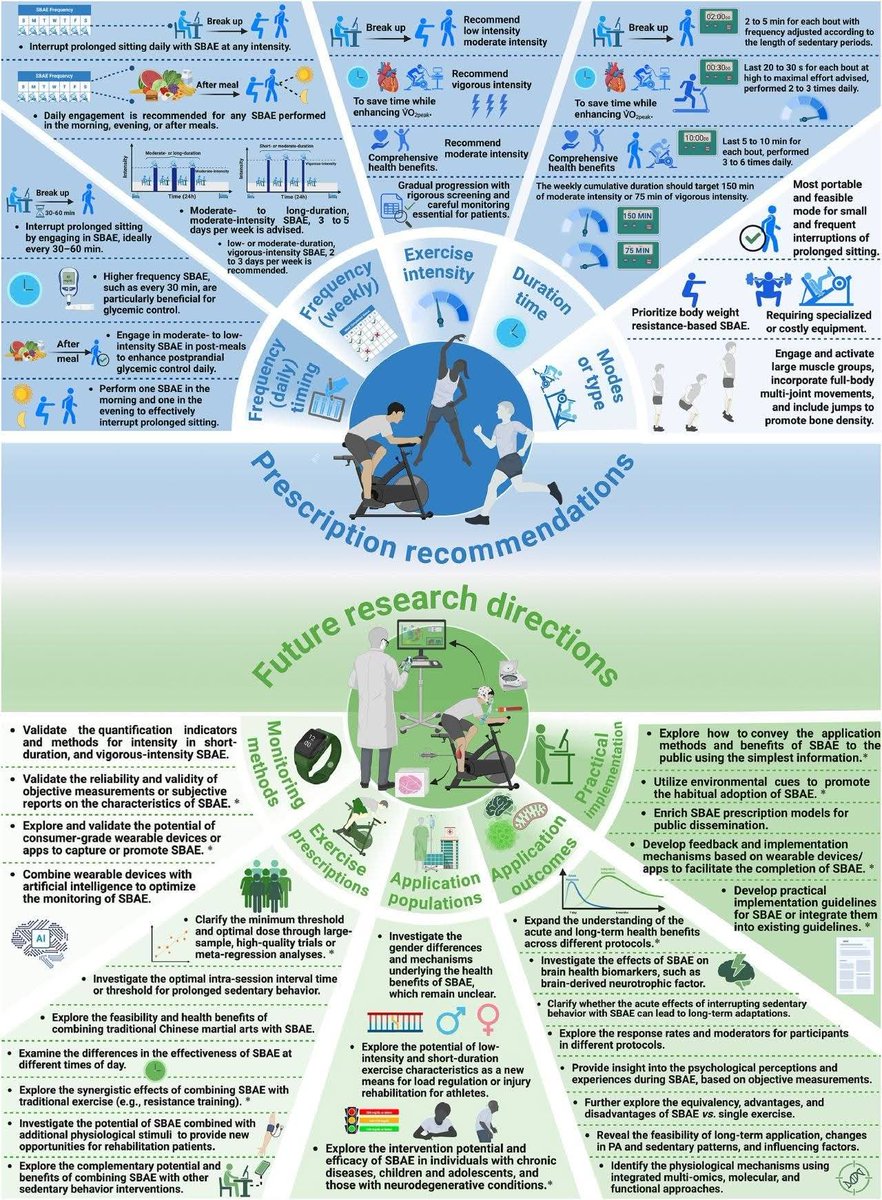
A growing body of research shows that you don’t need long gym sessions to improve health. The 2025 expert consensus statement (citation below) highlights how brief, frequent bursts of movement throughout the day, called short bouts of accumulated exercise (SBAE), can deliver many of the same benefits as structured workouts.
1️⃣ What Is SBAE?
Short bouts of accumulated exercise are small sessions of movement, often 2–10 minutes, performed several times per day.
They “add up” to meaningful totals of physical activity over time.
🟢 Example: Walking up the stairs, doing air squats after a meeting, or brisk walking after meals.
2️⃣ Why It Works
Each short bout boosts blood flow, glucose control, and mitochondrial activity, while breaking up long periods of sitting — a key driver of metabolic and cardiovascular risk.
🟢 Example: Even a 2–5 minute walk every 30 minutes can help regulate blood sugar and reduce insulin spikes.
3️⃣ How to Apply It (Prescription Recommendations)
The consensus provides a practical “exercise prescription” for SBAE:
Frequency: Move every 30–60 minutes, several times daily.
Intensity: Start light to moderate; progress to brief vigorous bouts if tolerated.
Duration: Aim for ≥150 minutes per week of total activity, accumulated in short bouts.
Timing: Post-meal movement is especially beneficial for glucose control.
Type: Prioritize bodyweight or resistance-based movements that activate large muscle groups.
🟢 Example: Three 10-minute brisk walks daily = similar cardiovascular benefit as a single 30-minute session.
4️⃣ Key Benefits of SBAE
Improves insulin sensitivity and glycemic control
Enhances vascular function and blood flow
Reduces inflammation and oxidative stress
Supports cardiometabolic health and mental well-being
🟢 Example: Studies show SBAE improves blood pressure and mood, even in people who don’t meet standard exercise guidelines.
5️⃣ Who It’s For
SBAE is feasible for nearly everyone, including older adults, people with limited mobility, and those managing chronic conditions like type 2 diabetes or cardiovascular disease.
🟢 Example: Breaking up sitting with 2–5 minutes of movement is a practical, accessible strategy for desk workers and older adults alike.
6️⃣ Future Directions
The consensus calls for research into:
Optimizing intensity and timing for different populations.
Using wearable tech and AI to track and personalize SBAE.
Integrating SBAE into clinical guidelines for chronic disease prevention.
You don’t need a gym or an hour - just consistency.
Short bouts of accumulated exercise break the “sit–disease” cycle, enhance metabolic health, and make movement accessible for all.
Yin M, Chen P, Mao L. Expert Author Group. Short bouts of accumulated exercise: Review and consensus statement on definition, efficacy, feasibility, practical applications, and future directions. J Sport Health Sci. 2025 Sep 18:101088.
English
KARISHMA BHATIA retweetledi

Mitochondria were never engines, they’re brakes coming off. Biology sold you a factory, a furnace, a tiny power plant, because it made the math easier, but the reality is older and simpler: life isn’t powered by something being “made,” it’s powered by something being released.
Charge already wants to flow, electrons already want to fall, protons already want to drift; the only question is how much resistance sits in the way, and mitochondria are the organelles that remove just enough impedance for the universe’s default direction to finally express itself inside a cell.
That’s why metabolism looks like energy production when really it’s geometry correction, why ATP rises not because mitochondria “produce energy,” but because they lower the friction that stops energy from moving, why every disease maps to increased drag and every recovery maps to restored flow.
You weren’t built to generate power.
You were built to stop blocking it.
Once you see that, the whole ATP-religion collapses in one line:
you don’t run on molecules, you run on the removal of resistance.


English
KARISHMA BHATIA retweetledi

Exercise is known to be good for us, but how much exercise and is there something like too much exercise?
Exercise is often seen to have a J-shaped curve with mortality risk - not enough is bad but too much is also harmful (PMID: 26187713)
How much is optimal then?⬇️⬇️

English
KARISHMA BHATIA retweetledi

Researchers in Science have uncovered a surprising role for cholesterol regulation in immune cells.
By controlling T cell signaling, the cholesterol transporter protein Aster-A not only shapes immune responses but also influences how the body absorbs fat—protecting mice from obesity.
Learn more in this #SciencePerspective: scim.ag/4p1PQ0X

English
KARISHMA BHATIA retweetledi

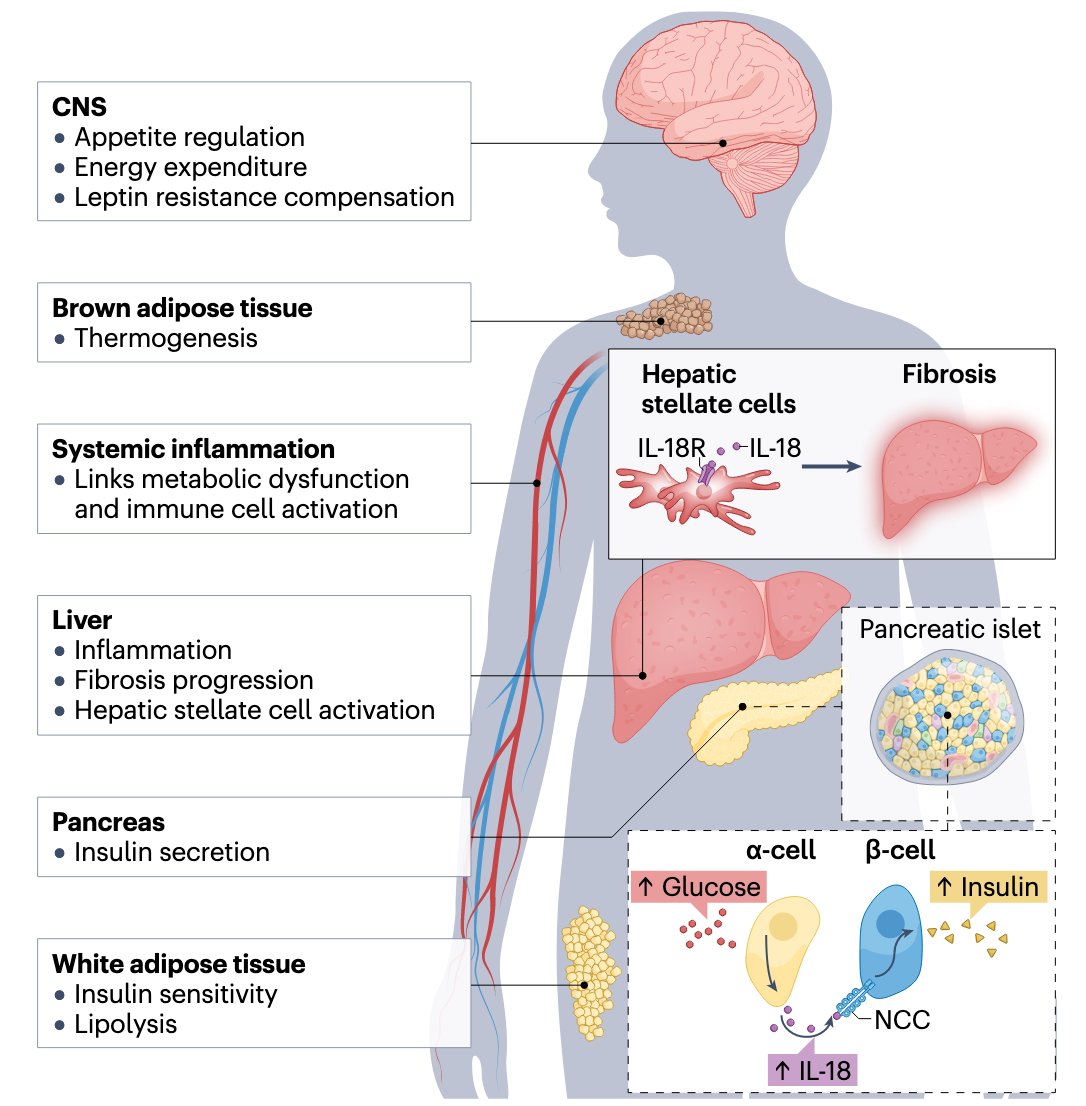
More evidence that inflammation is a root cause of obesity & t2D. Here, a review in Nature on the macrophage produced IL-18 cytokine. IL-18 deficiency leads to hyperphagia & obesity 🐭. Elevated levels lead to liver fibrosis. What to make of this? 1/3
English
KARISHMA BHATIA retweetledi
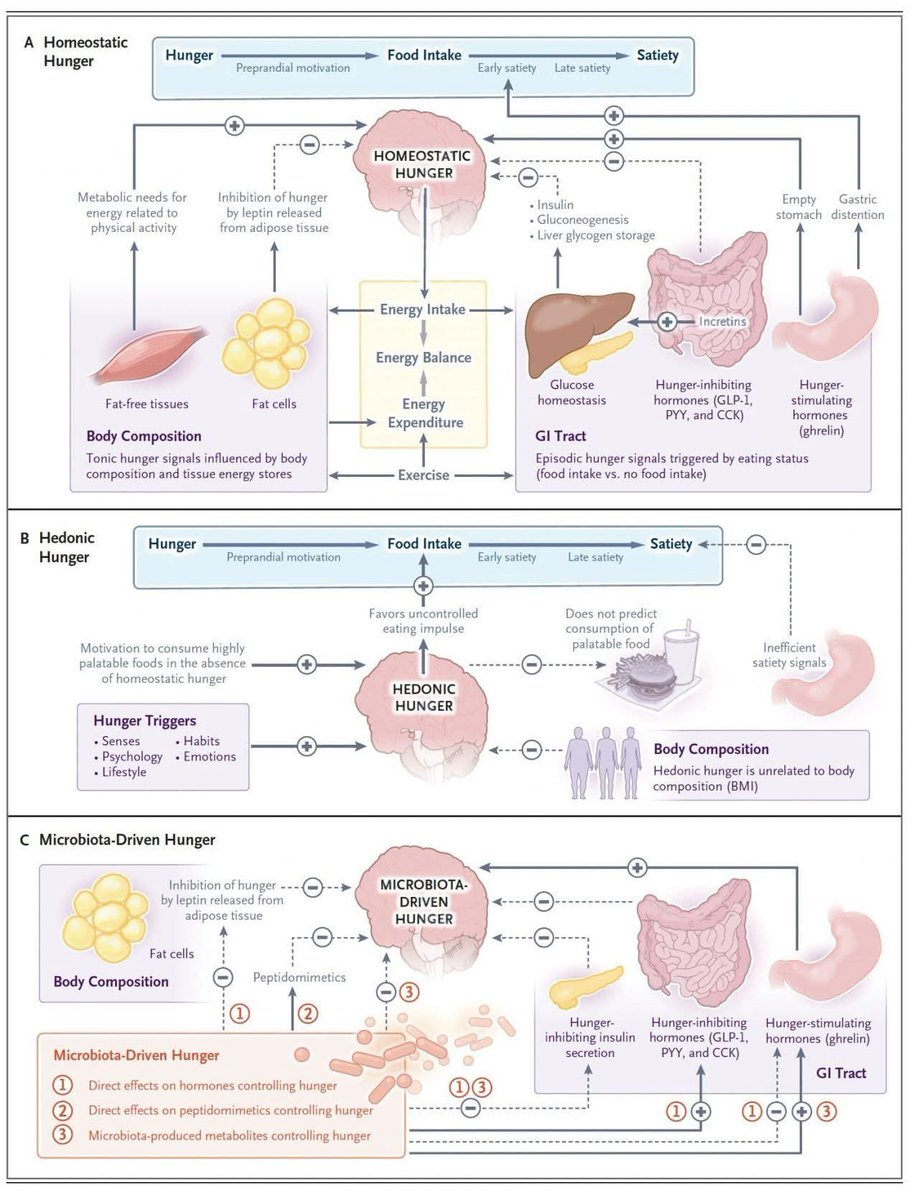
3 types of hunger explained "simply"
Hunger isn’t just about an empty stomach. Your brain receives signals from body composition, hormones, emotions, and even gut microbes. Here’s how the three major types work:
1️⃣ Homeostatic Hunger (Energy Balance Hunger)
This is your body’s “fuel gauge.” It rises and falls based on energy needs and metabolic signals.
What drives it: Ghrelin from the stomach stimulates hunger; leptin from fat cells and incretin hormones (GLP-1, PYY, CCK) reduce it.
What it does: Ensures your intake matches your energy needs for exercise, growth, and tissue repair.
🟢 Example: After a long run, homeostatic hunger pushes you to replace calories and glycogen.
2️⃣ Hedonic Hunger (Reward-Driven Hunger)
This is your “food pleasure” system. It’s triggered by sight, smell, habits, and emotions, not by actual energy needs.
What drives it: Brain reward circuits activated by highly palatable foods (sugar, fat, salt).
What it does: Encourages eating even when you’re not truly hungry. Weak satiety signals make it harder to stop.
🟢 Example: Craving dessert after dinner even though you’re full.
3️⃣ Microbiota-Driven Hunger (Gut Microbe Hunger)
Your gut bacteria also shape hunger signals by producing metabolites that influence hormones and the brain.
What drives it: Microbes generate compounds that mimic hunger or satiety signals, affect insulin, and modulate ghrelin, GLP-1, and PYY.
What it does: Links gut health to appetite regulation and metabolic control.
🟢 Example: Certain bacterial imbalances may increase cravings or weaken satiety, nudging overeating.
English
KARISHMA BHATIA retweetledi
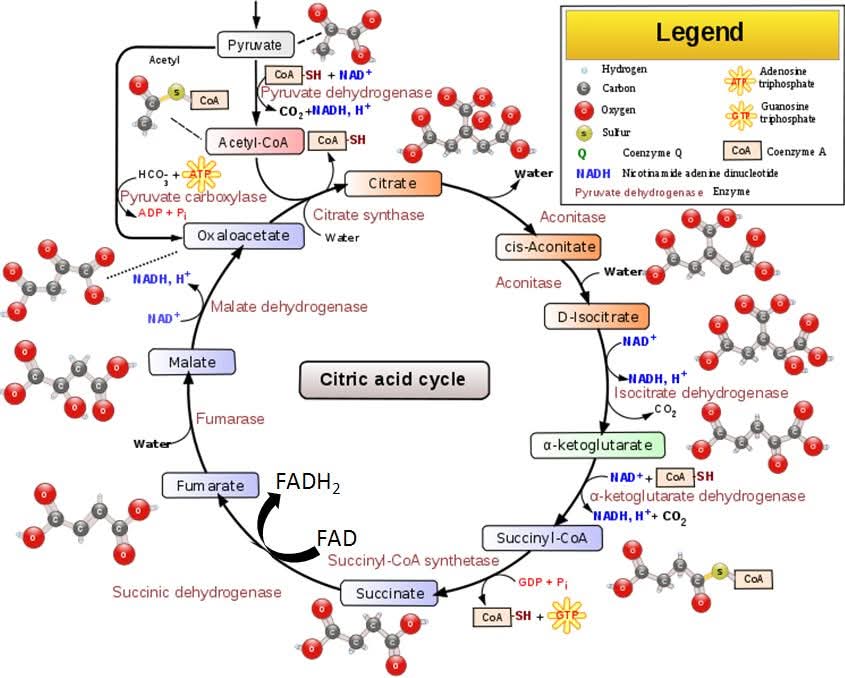
A Simple Guide to the Krebs Cycle. It's easier to understand than you think.
The Krebs cycle (also called the citric acid cycle) is the engine room of your cells. It takes the food you eat and turns it into the energy currency your body runs on: ATP. Here’s how it works, step by step:
1️⃣ Fuel Enters as Acetyl-CoA
Carbs, fats, and proteins all break down into acetyl-CoA, the entry ticket into the cycle.
🟢 Example: A slice of bread, a piece of meat, or olive oil will all eventually feed into this same pathway.
2️⃣ Citrate is Made
Acetyl-CoA joins oxaloacetate to form citrate — this starts the cycle rolling.
🟢 Example: This is why it’s called the “citric acid cycle.”
3️⃣ Stepwise Transformations
Citrate is shuffled through a series of chemical changes (isocitrate → α-ketoglutarate → succinyl-CoA → succinate → fumarate → malate → oxaloacetate).
🟢 Example: Each step extracts energy in small packets.
4️⃣ High-Energy Carriers Are Made
At multiple steps, electrons are pulled out and stored in NADH and FADH₂.
🟢 Example: Think of NADH and FADH₂ as charged batteries carrying energy to the next stage.
5️⃣ ATP is Generated
One molecule of ATP (or its cousin GTP) is made directly in the cycle.
🟢 Example: This is like pocket change compared to the big payoff later.
6️⃣ CO₂ is Released
As carbons are stripped from the molecules, carbon dioxide (CO₂) is released as waste.
🟢 Example: The CO₂ you breathe out is literally waste gas from your Krebs cycle.
7️⃣ Oxaloacetate is Recycled
The cycle regenerates oxaloacetate so it can combine with a new acetyl-CoA — the cycle spins again.
🟢 Example: It’s like a wheel that keeps turning as long as fuel is supplied.
The Krebs cycle is the hub of metabolism. It takes food (via acetyl-CoA), spins it through a cycle, strips out electrons, and sends them to the electron transport chain where the real energy payoff (lots of ATP) is made. Every breath you take and every calorie you eat feeds into this cycle.
English
KARISHMA BHATIA retweetledi
I strongly agree with this. I have seen many slim people with Type 2 diabetes and fatty liver.
Dr.V.Mohan@drmohanv
Nice article by Umesh Isalkar in TOI Health explaining why, even if somebody looks slim, they can still be very unfit and unhealthy. That’s why we need to still have regular check ups. Thank you Umesh for quoting my work. #Type2Diabetes #LeanDiabetes #DrVMohan #TOIHealth #TimesofIndia #TheHindu #Timesnow #Obesity #weightloss #MinistryofHealth #ICMR @timesofindia @the_hindu @IndianExpress @MoHFW_INDIA @ICMRDELHI @ncdirindia @icmr_nie @ICMRNIN @WHO @IntDiabetesFed @EASDnews @DBTIndia @TimesNow @ThePrintIndia @EconomicTimes @dinathanthi @DinakaranNews @sunnewstamil
English
@Shriivikas Thank you vikas for all ur help (from bench to paper work) and making lab a joyful place to work
English

Congratulations @karishmagopal .
Lab will definitely miss you.
Party is long overdue.
Truly a best lab senior.
Sanjeev Upadhyay@pardeshiya
Karishma submitted her thesis today. Established a model to study obesity and diabetes. Single handedly established my lab.
English
@pardeshiya Thank u sir for believing in me and invaluable guidance and support right from bench to theoretical insights
English
Karishma submitted her thesis today. Established a model to study obesity and diabetes. Single handedly established my lab.

English