Sabitlenmiş Tweet

so @monad mainnet is here, it's not going away. still not clear about what it does?
monad & chill, and be ready, with this video (sound on)
English
kitty4D.sui.sol (🟣)(🟣)
5.7K posts
@kitty4DHD
content creator, web3 dev / hacker https://t.co/ga4TtCJlUS $MRC https://t.co/3jFybfmjJn 👙



vibe coding a crypto bridge that's a bridge so you can bridge while you bridge


this is my mocat 🐱 proof of my identity on-chain, evolving w every credential i eat. u want one too? adopt ur very own at this url → app.moca.network/r/ECHMWD


someone traced the all the non profit grants for the age verification laws old.reddit.com/r/linux/commen…

10 likes and I’ll drop a code.
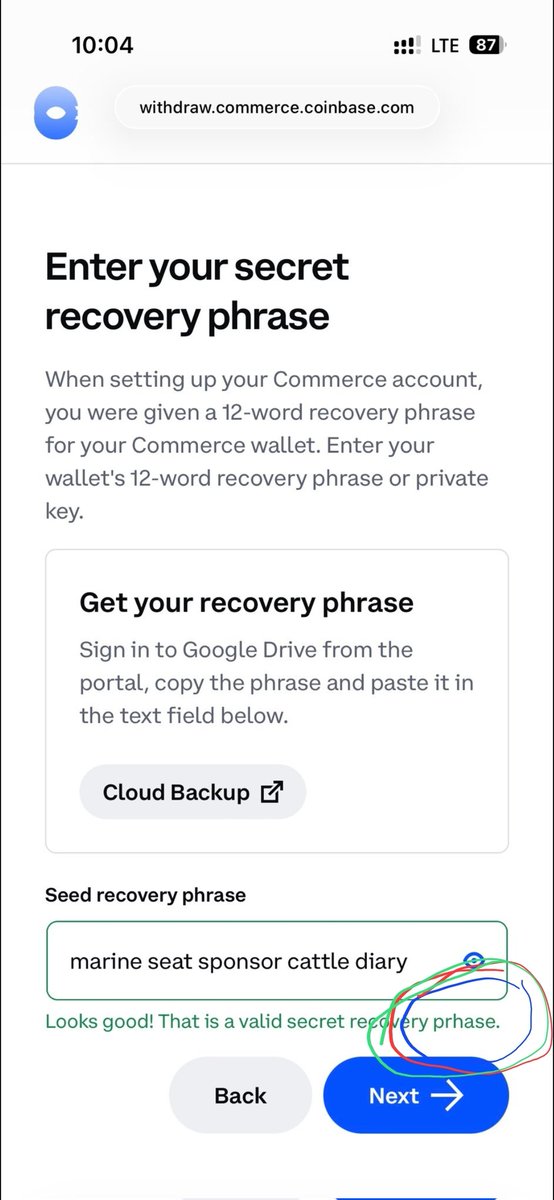
this warning text btw - it's not even a bright yellow, the font size is so small that the yield symbol is only recognizable because .. well, for me i think it's due to knowing traffic symbols, i dunno if this blurry triangle can be assumed to be recognized by the world? that RED text btw stands out more, and that's not something that would flag someone of a danger other than, yeah, everything here is gonna be volatile most likely and we're accustomed to that

Earlier today, a user attempted to buy AAVE using $50M USDT through the Aave interface. Given the unusually large size of the single order, the Aave interface, like most trading interfaces, warned the user about extraordinary slippage and required confirmation via a checkbox. The user confirmed the warning on their mobile device and proceeded with the swap, accepting the high slippage, which ultimately resulted in receiving only 324 AAVE in return. The transaction could not be moved forward without the user explicitly accepting the risk through the confirmation checkbox. The CoW Swap routers functioned as intended, and the integration followed standard industry practices. However, while the user was able to proceed with the swap, the final outcome was clearly far from optimal. Events like this do occur in DeFi, but the scale of this transaction was significantly larger than what is typically seen in the space. We sympathize with the user and will try to make a contact with the user and we will return $600K in fees collected from the transaction. The key takeaway is that while DeFi should remain open and permissionless, allowing users to perform transactions freely, there are additional guardrails the industry can build to better protect users. Our team will be investigating ways to improve these safeguards going forward.