ahajournals.org/doi/10.1161/CI…
Refractory cardiac arrest can be treated, with the correct system, structure and, above all, the right time to reperfusion
Beth Padron found her husband Luis crumpled on the bathroom floor. "Call 911!" she screamed to her daughters.
Beth dropped to the floor to see if Luis was breathing. He wasn't. With coaching from the 911 operator, she started pumping on his chest. Although she felt his ribs break, Beth kept going.
Within minutes, paramedics arrived. For 30 minutes, they shocked him multiple times with an automated external defibrillator, or AED, and gave him epinephrine before his heart started beating again.
Paramedics put a tube in Luis' throat to help him breathe. To help reduce permanent brain damage, doctors lowered his body temperature, a treatment called therapeutic hypothermia.
Two days after his cardiac arrest, Luis opened his eyes. Doctors removed his breathing tube. He was still groggy from being sedated. "My beautiful wife," he said to Beth, his voice quiet and scratchy.
Physically, Luis was OK, but he did have some short-term memory loss. He never learned why he’d gone into cardiac arrest at age 50.
Nine days after Luis collapsed, he went home with an implantable cardioverter defibrillator, or ICD, that would shock his heart if it ever stopped again. By the time Luis returned to his job as a software engineer in the next month, his short-term memory had returned to normal.
Now, Luis often thinks about how he wouldn't be alive if it weren't for his wife's quick action. The Padrons are planning a CPR training session for their extended family.
"I always envisioned if I needed to use CPR, it would be some random person in the street," Beth said. "Not in my house and not my husband. From the minute we arrived at the hospital, everyone told me I saved his life.
“Everyone needs to learn CPR."
Read Luis' Story From the Heart: spr.ly/6018Ap6NC
On this app, you can read the negatives about choosing medicine as a career
Yes. There are downsides. But the huge upside is the exact opposite of this PERSUASION entry about meaningless jobs. persuasion.community/p/the-death-of…
A career in medicine is full of meaning. Todos los Dias
🥁 What’s that sound? Drums. Boots hitting the pavement. Cheers from the crowd.
Today Greece celebrates #IndependenceDay and the whole country turns into a sea of blue and white. Streets close for school parades, soldiers march through squares and fighter jets roar overhead. Get to the designated spots by 10am or climb a hill for some killer views.
When the parade’s over, find a taverna and dig into the dish of the day and the perfect excuse to keep celebrating. Or just go with whatever feels right. 💙 #discovergreece#25thOfMarch
Photo: storiesbysomeone (IG)
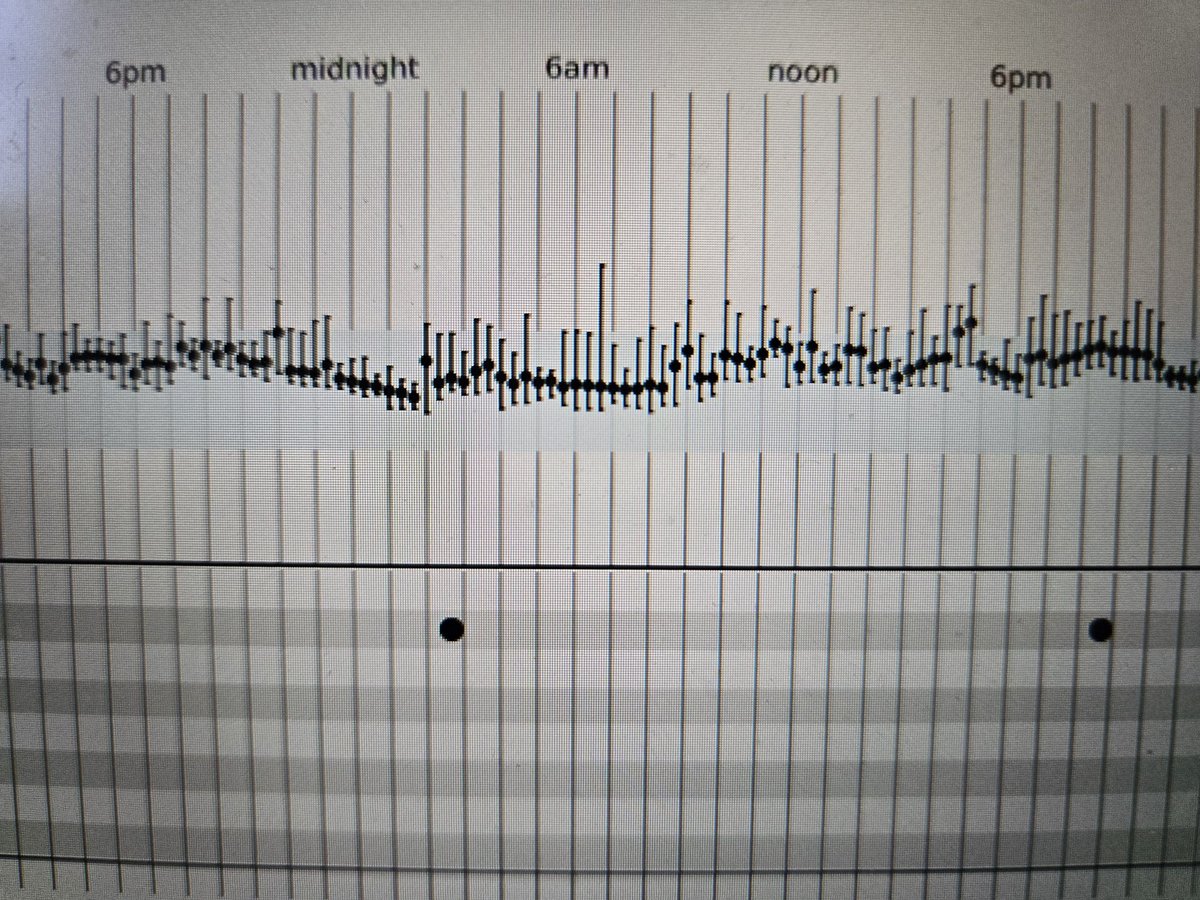
I used to be totally unexcited by clinic visits for palpitations until today. Appropriate reassurance can sometimes be more potent than an ablation or starting a new medication. All that matters is our patient is feeling better when leaving the clinic. #palpitations
In our most recent work with the University of Minnesota Electrophysiolgy Division, we provide the first description of syncope linked to neck and upper extremity stretching! Full publication details below: heartrhythmjournal.com/article/S1547-…
@PhysInHistory Indeed, although the periodic movement of the planets around the sun is pretty much the same, each year is not the same as the previous or the next. Happy New Year!
Heraclitus (around 500 BCE) was one of the first scholars in ancient physics to address the role of time in the universe, a key concept in modern and present-day physics.
Heraclitus was a Greek philosopher of Ephesus who was active around 500 BCE. He propounded a distinctive theory which he expressed in oracular language. He is best known for his doctrines that things are constantly changing (universal flux), that opposites coincide (unity of opposites), and that fire is the basic material of the world.
He also addressed the role of time in the universe, a key concept in modern and present-day physics. He believed that the world is governed by a rational principle he called logos, which he identified with fire, God, and destiny. He was critical of his predecessors and contemporaries for their lack of wisdom and insight. He influenced later philosophers such as Plato, Aristotle, and the Stoics.
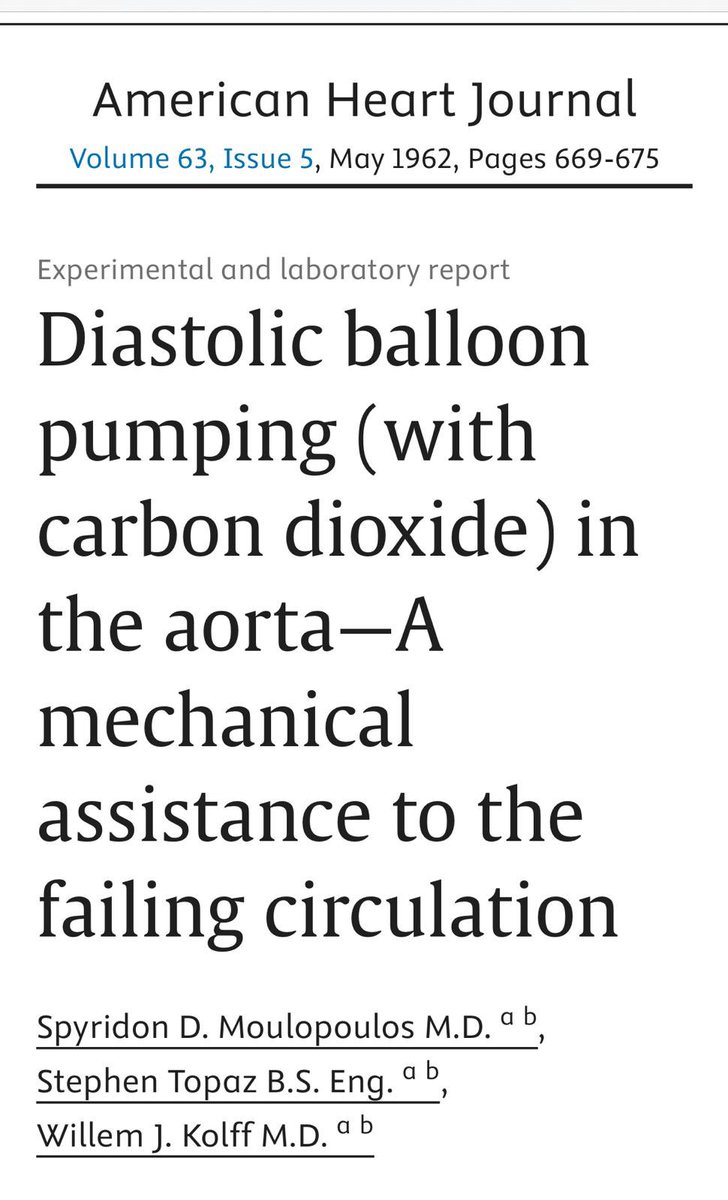
The father of IABP, Greek cardiologist Spyridon Moulopoulos passed away at age 98 today. His work at the Cleveland Clinic in the early 60s saved millions of patients in the ensuing decades. He also established the first heart failure clinic in his native Greece in the 80s.