
Sabitlenmiş Tweet
C KRISHNAGOPAL
48.5K posts

C KRISHNAGOPAL
@krishkaran2009
I will rise again and again Urban nomad, policy by practice, water and sanitation is bread and butter
Katılım Mayıs 2009
1.3K Takip Edilen486 Takipçiler
C KRISHNAGOPAL retweetledi

Friends, I have created my own “Video on Demand”(VOD) Channel. It has a curated set of my films. Like any other OTT, create a login and rent away the films.
To stay fiercely independent and express freely, I need your love. ✊🏽
Link in first comment.

English
C KRISHNAGOPAL retweetledi

Bombay, 1885. In a courtroom, a 22-year-old woman listened as a man claimed he had a legal right to her. His name was Dadaji Bhikaji. According to the law, he was her husband. To her, however, he was nothing of the sort.
Rukhmabai had been married at the age of eleven. The union had been arranged by her family, as was common for many girls in India at the time. After the wedding ceremony, she returned to live with her mother, expected to join her husband once she reached adulthood.
But her life took a different path.
After her stepfather's death, her mother married Dr. Sakharam Arjun, a progressive physician who believed in women's education. For the first time, Rukhmabai was given access to learning. She studied English, mathematics, and science, gaining an education that was exceptionally rare for a woman of her era.
By the time she reached adulthood, she had made up her mind: she would not live with a man she had never chosen.
Dadaji Bhikaji refused to accept her decision. In 1884, he filed a lawsuit seeking the restoration of his “conjugal rights,” asking the court to compel Rukhmabai to move in with him and fulfill the role of a wife.
Her response was unequivocal. She did not recognize the marriage as valid. She had been a child, incapable of giving meaningful consent, and she regarded the man as a stranger.
Her words caused outrage.
In colonial India, child marriage was deeply entrenched in society and supported by long-standing traditions. Challenging the practice meant confronting social norms, religious authorities, and established customs.
The case quickly became a national sensation. Newspapers across India and Britain reported on every development. Public opinion was sharply divided. Conservatives accused her of attacking tradition, while reformers saw her struggle as a fight for justice and personal freedom.
Rukhmabai refused to remain silent.
Writing under the pseudonym “A Hindoo Lady,” she published articles and letters in newspapers, condemning child marriage and criticizing a society that denied education to girls. She described the devastating impact that forced marriages had on the lives of young girls.
One of her most famous letters, published in The Times of India in 1885, recounted how child marriage had affected her own life. The letter was reprinted widely and sparked debate far beyond India's borders.
Yet public attention could not shield her from the law.
In March 1887, the court delivered a harsh ruling. The judge ordered that Rukhmabai must either live with her husband or face six months in prison for contempt of court.
Her answer came immediately.
She would rather go to prison.
The declaration shocked the public. A young woman willingly choosing imprisonment over submission to an unwanted marriage was almost unimaginable at the time.
Reactions were swift and intense. Some newspapers attacked her relentlessly, while others rallied to her defense. The controversy reached the highest levels of the British colonial administration.
Eventually, an out-of-court settlement was reached. Dadaji Bhikaji agreed to withdraw the case in exchange for financial compensation. Rukhmabai won the freedom she had fought so fiercely to protect.
But her story did not end there.
Her case had exposed a troubling reality: in India, the legal age of consent was only ten years old. Public pressure and reform campaigns helped bring about legislative change. In 1891, the age of consent was raised to twelve. Although still far too low by modern standards, it marked an important first step toward reform.
Then came a new challenge.
Determined to become a doctor, Rukhmabai pursued medical studies. After facing obstacles in India, she was admitted to the London School of Medicine for Women. With support from reformers and charitable organizations, she traveled to England to continue her education.
She studied there for six years.
In 1895, she returned to India as a qualified physician, becoming one of the country's first female doctors.
The girl who had been forced into marriage at eleven had become a respected medical professional.
For decades, she dedicated her life to treating women and children, improving women's healthcare, and advocating for girls' education. She never married again. When asked why, she reportedly replied with characteristic wit that she had already had enough experience of marriage to last a lifetime.
Rukhmabai died in 1955 at the age of ninety-one, having witnessed profound changes in both India and the status of women.
For many years, her name remained largely forgotten. Today, she is remembered as a pioneering figure whose courage helped pave the way for reforms in women's and children's rights.
It all began in a courtroom, when a judge presented her with two choices: obey or go to prison.
She chose freedom.

English
C KRISHNAGOPAL retweetledi

नरेंद्र मोदी बहुत नाराज हैं 😡
सरकार ने सिर्फ 11 दिन में पेट्रोल-डीजल के दाम पूरे 8 रुपए बढ़ा दिए.
मोदी ने इसे शासन चलाने की नाकामयाबी का सबूत बताया है.
मोदी ने प्रधानमंत्री से पेट्रोल-डीजल के जो दाम बढ़े हैं, उसे वापस लेने की मांग रखी है.
क्या मोदी की बात सुनी जाएगी 🤔
हिन्दी
C KRISHNAGOPAL retweetledi

Rest in Peace, Chilli Komban 🐘. He survived electric shocks and they blocked his migration paths, now tragically drown to death in the PAP contour canal. The relentless expansion of human population & infrastructure continues to fragment our geography at the cost of wildlife 💔
Tamil Nadu Geography@TNGeography
Chilli Komban 🐘 tusker (Anamalai) was seen walking along Valparai-Pollachi road (not the late Chilli komban of Munnar). For decades, he is known for travelling btw Nelliyampathy forest (KL) & Navamalai in TN (Anamalai Tiger Reserve). In 2020, he survived electric shock 1/4
English
C KRISHNAGOPAL retweetledi

@TANGEDCO_Offcl Power shutdown since 9.30 PM. 24th Nedungundram, area under Vandalur Power division. No action yet. It's 12.10 AM 25th
English
C KRISHNAGOPAL retweetledi
🚨 Installed 3kW Solar Plant in March 2026 and Received ₹1,08,000 in Govt Subsidies
Total Vendor Cost: ₹1.8 Lakh
Central Subsidy: ₹78,000
UP State Subsidy: ₹30,000
Net Cost: ₹72,000
Here is a complete, step-by-step tutorial on the PM Surya Ghar scheme. A thread 🧵👇
English
C KRISHNAGOPAL retweetledi

கணவர் விட்டு போன கனவை காப்பாற்றும் உமா சேதுராமன்….
என் கணவர் கிளினிக் ஆரம்பித்து 4 வருடங்களிலேயே இறந்துவிட்டார்.
அப்போது பலர், நீ டாக்டர் இல்லை… அதுவும் கோவிட் காலத்தில் இந்த கிளினிக்கை நடத்த முடியாது. வேறு யாரிடமாவது கொடுத்துவிடலாம் என்று சொன்னார்கள்.
ஆனால் என் மனதில் தோன்றியது ஒன்றே ஒன்று தான்… அவர் ஆசையாக ஆரம்பித்த கிளினிக் நல்லபடியாக போய்க்கொண்டிருக்கிறது.
அதை தொடர்ந்து நடத்தும் வாய்ப்பு எனக்குக் கிடைத்திருக்கிறது. நமக்கும் குழந்தைகள் இருக்கிறார்கள். இருக்கும் வாழ்க்கையை நாமே முன்னெடுத்து செல்ல வேண்டும் என்று நினைத்தேன்.
அவர் விட்டுச் சென்ற கனவை, என் கனவாக எடுத்துக்கொண்டு, அந்த கிளினிக்கை கடந்த 5 வருடங்களாக வெற்றிகரமாக நடத்தி வருகிறேன்.

தமிழ்
C KRISHNAGOPAL retweetledi
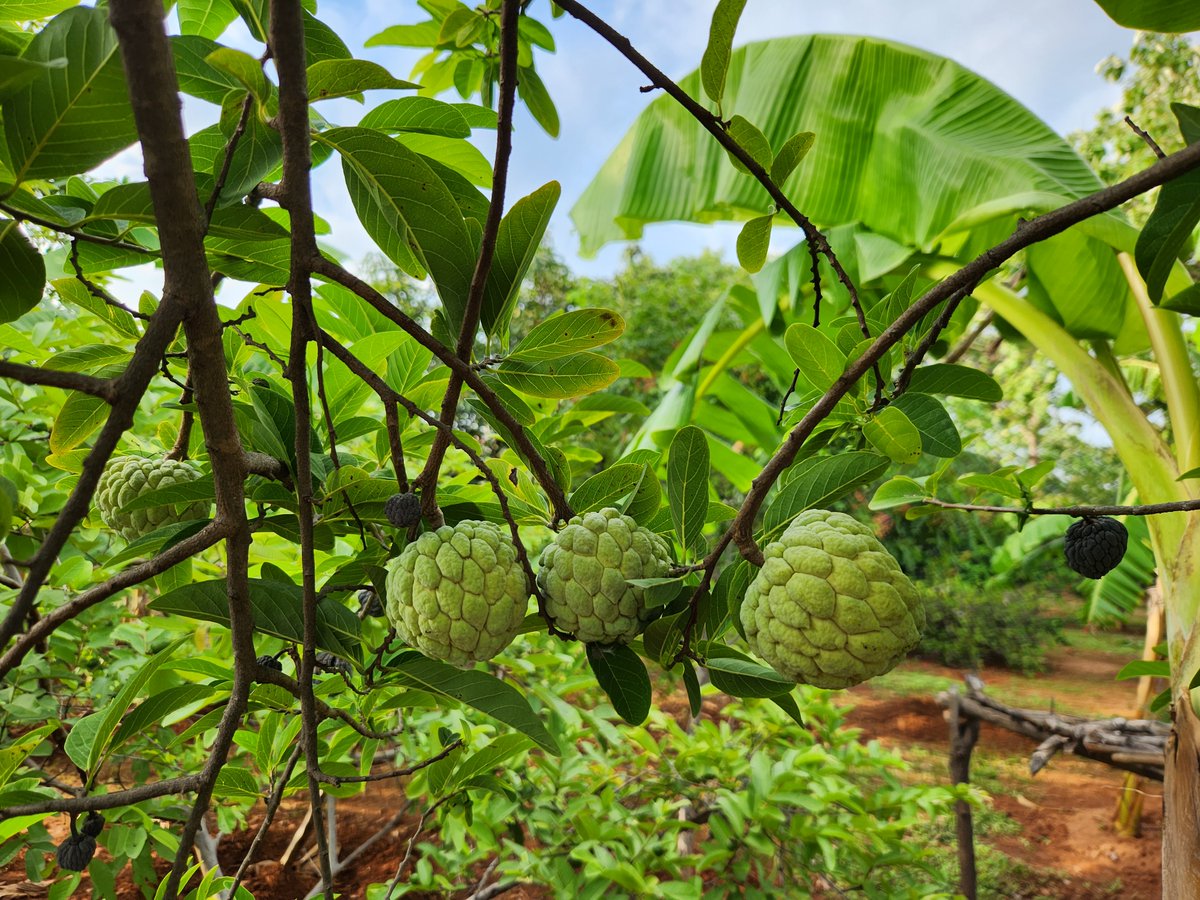
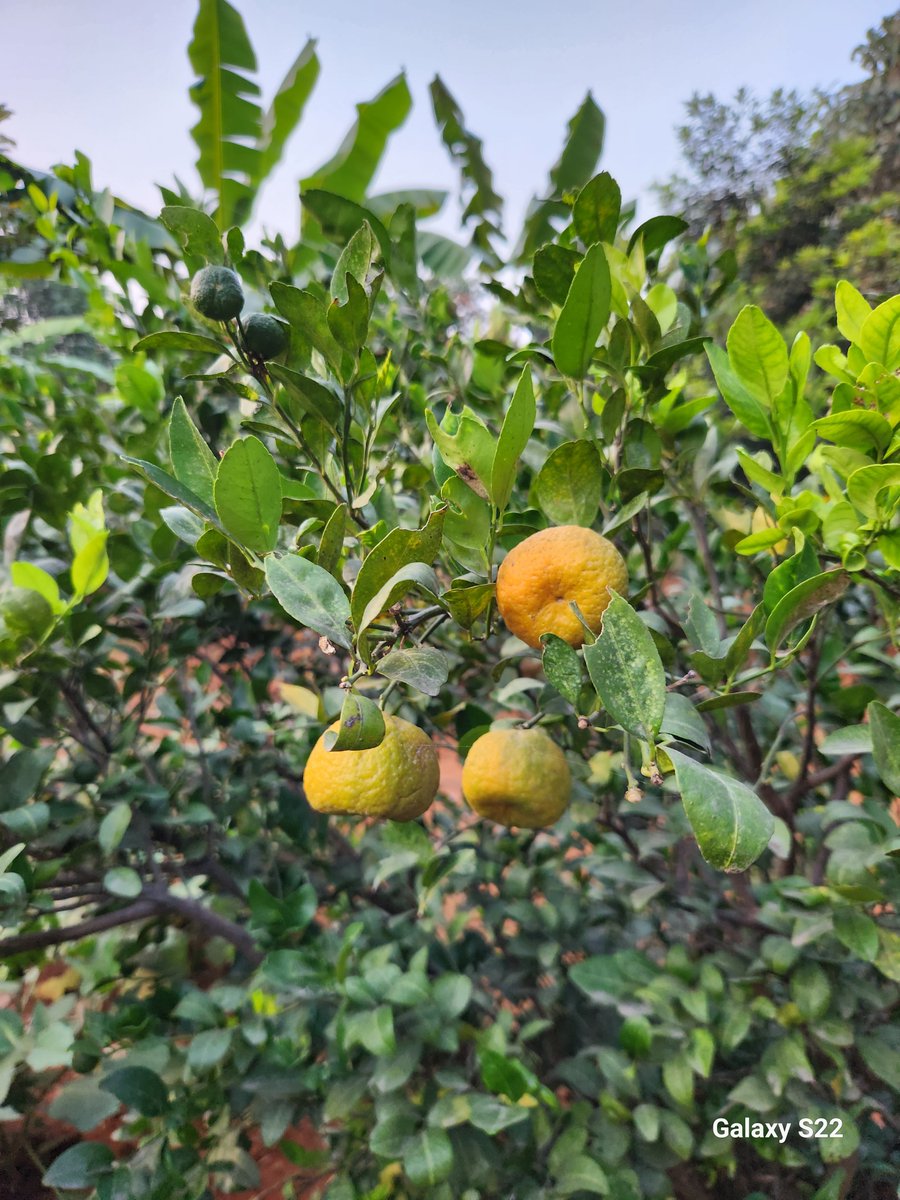
14 years back, when I had some savings, I had two options:
1. My senior colleagues (popular neurologists in Chennai and Hyderabad) advised me to invest in own private clinic, which would increase the number of patients and thus revenue.
2. My wish: To own a farm, where we would grow fruits and vegetables; and can spend some time during weekends.
I chose the second option.
14 years later, I am happy with my decision. (1/4)

English
C KRISHNAGOPAL retweetledi

C KRISHNAGOPAL retweetledi
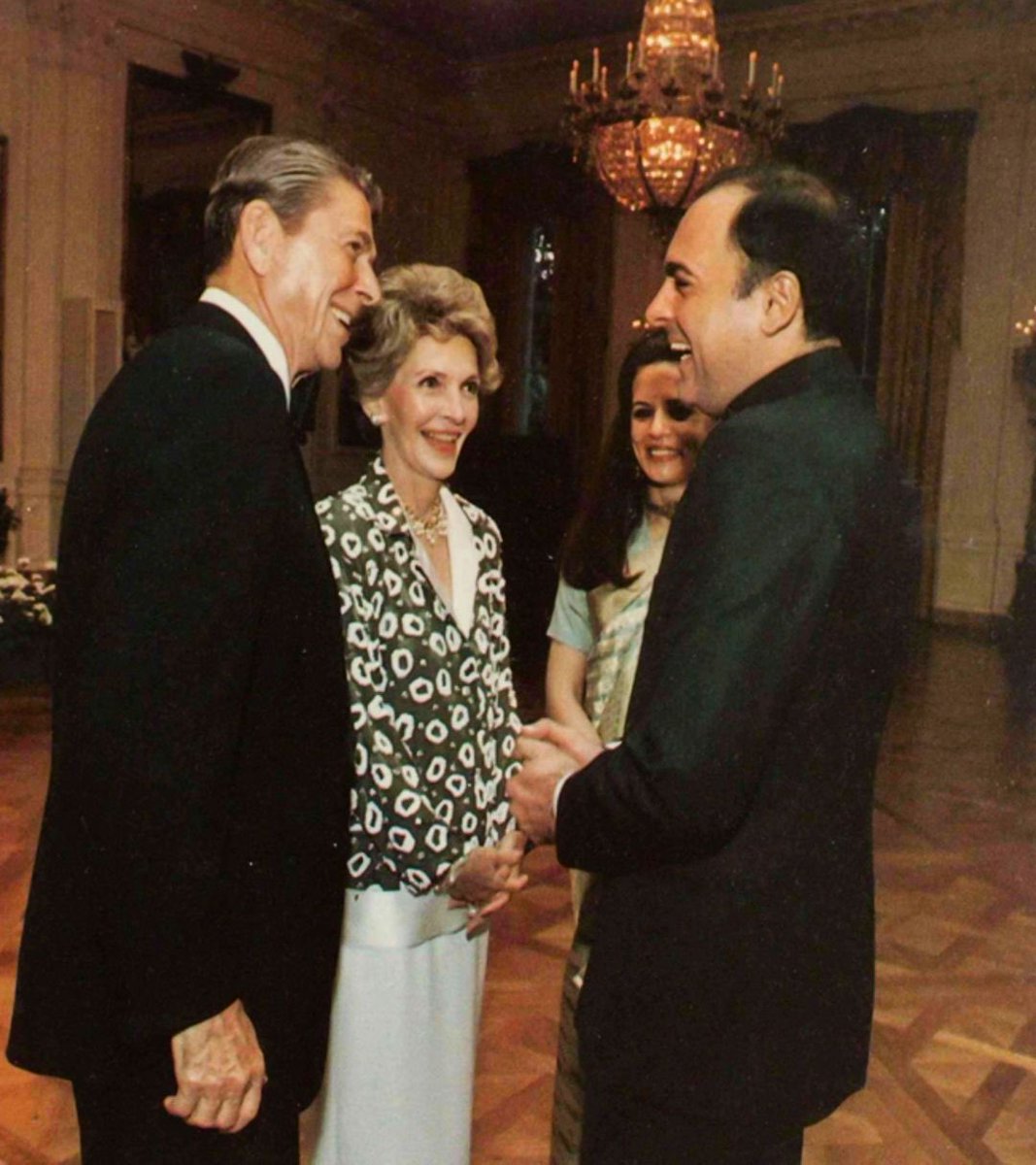
The year was 1985. Gorbachev had just been elected. The world didn’t know yet if this meant the end the cold war.
PM Rajiv Gandhi lands in the United States. Still just 40. Only 7 months into office. Critics barking at his door. He faced a US government deeply suspicious of Indo Soviet ties, an American public, contemptuous of socialism and a belligerent press.
Then Rajiv Gandhi did something very rare for a global press event. He took on the world’s press. Completely unscripted. When he was done he had changed the dynamic forever. He gave the world a new modern dynamic India, unafraid of the geopolitical transition the world was in. An India, the world had not seen before. A masterclass in diplomacy - read and be astounded-
Question : Mr. Prime Minister, India claims to be non-aligned, yet your first official trip abroad was to the Soviet Union, and you have consistently supported their positions. Isn't India actually tilted heavily towards Moscow..??
Rajiv Gandhi : We will not be tied to the apron strings of any major power. We do not lean left or right. India always stands up straight. We look at things on their merits. Our friendship with the Soviet Union is time tested. They have stood by us in times of need. But I don't think our friendship with one country should be at the cost of friendship with another.
Question: India has already detonated a nuclear device in 1974. With Pakistan reportedly developing a bomb, can you tell us plainly, does India currently have nuclear weapons, or are you secretly building one..??
Rajiv Gandhi : We do not have a nuclear bomb. We have no intention of making a nuclear bomb. We are a peaceful nation. But let me also make it clear that if we are forced into a corner, and if our security is threatened by a nuclear neighbor, we will have to rethink our options. But we hope it never comes to that point.
Question : India is a poor country that relies heavily on foreign aid. Yet, your government spends vast amounts of money on heavy military equipment and defense. How do you justify this to your citizens..??
Rajiv Gandhi : We do not want to spend a single paisa on defense that could otherwise go into building a school, a hospital, or a road. But look at our neighborhood. When highly sophisticated weapons, far beyond the legitimate defense needs of a country, are pumped into our region, we have no choice but to protect our borders. Security cannot be compromised for development, because without security, there is no development.
Question: In light of the horrific Union Carbide chemical disaster in Bhopal just a few months ago, do you feel American corporations cannot be trusted, and will this hurt US investments in India..??
Rajiv Gandhi : Bhopal was a terrible tragedy, and it showed a gross disregard for safety standards that would never be permitted even in the United States. There must be equal responsibility and accountability for human lives, whether in America or in India. However, this does not mean India is closing its doors to foreign technology. We want American technology and investments, but we also want corporations that respect our laws and our people.
Question : Did you bring any message to Washington from Palestine Liberation Organization leader Yasser Arafat.
Rajiv Gandhi : No, we have not brought any message from Arafat or anyone else. We try not to be messengers." PERIOD
English
C KRISHNAGOPAL retweetledi

C KRISHNAGOPAL retweetledi

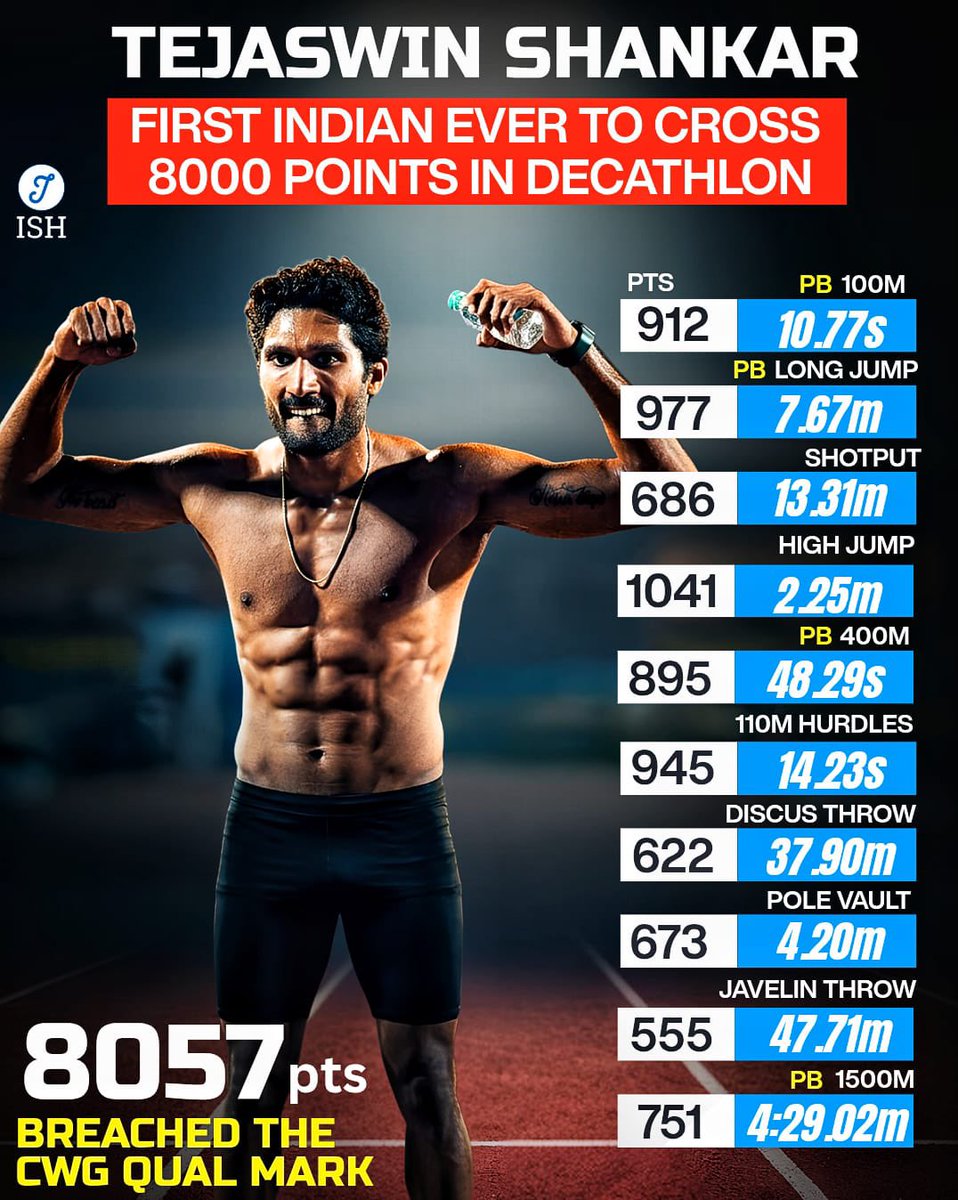
🇮🇳 TEJASWIN SHANKAR CREATES HISTORY! 🔥
8057 points.
New National Record.
First Indian ever to cross the 8000-point mark in Men’s Decathlon. 💪
An incredible two-day performance at the National Federation Cup 2026 with PBs in the 100m, long jump, 400m and 1500m. ⚡
India’s greatest decathlon performance ever. 👏

IndiaSportsHub@IndiaSportsHub
Tejaswin Shankar Breaks 8000 Mark Wins Gold, Betters NR at #Federation Championship 2026
English
C KRISHNAGOPAL retweetledi
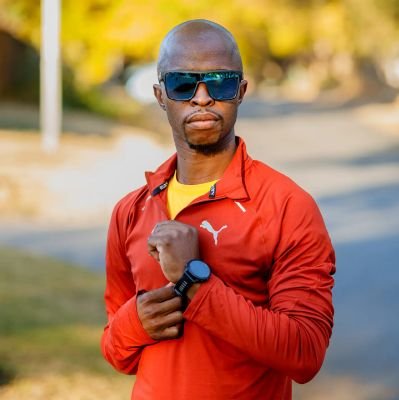
Is there someone out there who still believes running is not for them? Oh this beautiful sport is for everyone ♥️ Today I was supporting at the Cape Town Marathon Peace 10km run and i would do it over and over again
English
C KRISHNAGOPAL retweetledi

Her name was Snehalatha Reddy.
She was born in 1932 in Andhra Pradesh into a family of second generation Indian Christian converts. Her father had served as a Major in the British Army.
She grew up deeply resenting colonial rule. When she went to college, she reverted to her Indian name, wore only Indian clothes and learned Bharatanatyam.
She became an actress in Kannada and Telugu cinema and theatre. She co founded the Madras Players theatre group.
In 1970, she starred in Samskara, a Kannada film directed by her husband Pattabhi Rama Reddy.
The film initially faced censorship issues before later winning the National Award.
Snehalatha and her husband were close to socialist politics and associated with leaders like George Fernandes and Ram Manohar Lohia.
On the night of June 25 1975, Indira Gandhi declared the Emergency and suspended fundamental rights across India.
On May 2 1976, police arrested Snehalatha Reddy under the Maintenance of Internal Security Act in connection with the Baroda Dynamite Case.
George Fernandes and several others were formally accused of plotting sabotage against the government during the Emergency.
But when the final chargesheet was filed, Snehalatha Reddy’s name was reportedly not included.
She remained imprisoned anyway.
She spent nearly eight months in Bengaluru Central Jail, much of it in solitary confinement.
She had suffered from chronic asthma since childhood. Despite her condition, she reportedly received irregular medical treatment in prison and went into asthmatic coma more than once.
During her imprisonment, she kept a diary.
In it she wrote, “What is the purpose of every human being born in this world? Is it not to lift mankind a little higher towards perfection?”
She was released on parole on January 15 1977.
Five days later, on January 20, she died after her health had severely deteriorated from chronic asthma and lung infection.
She was 44 years old.
Her prison diary was later published posthumously as A Prison Diary.
In 2019, a documentary on her life and imprisonment was also released.
She spent months in prison during the Emergency without being named in the final chargesheet of the case she had been arrested in.
Five days after her release, she was dead.
Follow for stories India deserves to remember.

English
Bilal Habib@wildwithwolves
How do we build coexistence between humans and elephants in Assam? A new two-decade spatial analysis shows that restoring forest connectivity, using early warning systems, and planting unpalatable buffer crops like chili and ginger can help save lives. 🐘🌱 #Coexistence #Conservation #AsianElephant @wii_india @EnvironmentPib @moefcc @GobindsagarBha1 @rameshpandeyifs @SPYadavIFS @vrtiwari1 @bhlab_india @paragnigam09 @AnukulNath4 @dmittal_ifs @thePeerJ peerj.com/articles/21082/
QAM
C KRISHNAGOPAL retweetledi
How do we build coexistence between humans and elephants in Assam? A new two-decade spatial analysis shows that restoring forest connectivity, using early warning systems, and planting unpalatable buffer crops like chili and ginger can help save lives. 🐘🌱 #Coexistence #Conservation #AsianElephant
@wii_india @EnvironmentPib @moefcc @GobindsagarBha1 @rameshpandeyifs @SPYadavIFS @vrtiwari1 @bhlab_india @paragnigam09 @AnukulNath4 @dmittal_ifs @thePeerJ peerj.com/articles/21082/
English
C KRISHNAGOPAL retweetledi
C KRISHNAGOPAL retweetledi

@SriramMadras @TVKVijayHQ I think time has changed as there is more transparency right now with RTI and social media impact. So this may work out for the better.
English
@tweet_nav @SriramMadras @TVKVijayHQ Around 48000 appeals are pending before the TNSIC and many of them taking 2 to 3 years to get a final verdict. RTI has not moved this behemoth of bureaucracy from delivering without corruption. But we have to start somewhere
English

I’m hearing that @TVKVijayHQ government might opt for an open tendering system. Honestly, it is a welcome change, but it’s going to face some massive challenges.
Here is the fundamental difference between now and the past: when MGR first became Chief Minister, and even when Jayalalithaa first took power, the vast majority of the bureaucracy was actually clean. Today, it is the exact opposite.
Because the system is so compromised, an open tender process introduces serious risks. We'll likely see companies from all over India underquoting just to win bids, officials finding new ways to rig the system, and the bureaucracy celebrating these loopholes. The end result could be more red tape and delayed projects ultimately benefiting the bureaucrats.
That said, these kinds of teething issues are true for any new system. It’s going to be really interesting to see how this one actually evolves, if and when implemented.
English