Kristina Simmons

25.3K posts

Kristina Simmons

Kristina Simmons

@ksimm

Never a boring day. Founder and Managing Partner @overwatervc 👩‍💻 Previously @khoslaventures, @a16z @lululemon.

Bay Area, CA Katılım Ekim 2008
1.2K Takip Edilen7.5K Takipçiler
Kristina Simmons
Kristina Simmons@ksimm·
@bryan_johnson The reasons for autoimmune issues are so underexplored. I really believe there can and should be a lot to innovate on here. As someone who has had celiacs and severe post partem thyroiditis 2x (fully recovered) not one doctor can tell me why.
English
0
0
0
149
Bryan Johnson
Bryan Johnson@bryan_johnson·
Much of the internet thinks: > meat will remedy my autoimmune gastritis > sunlight is the cure > the culprit is the food I consume These are unlikely. The sunlight assessment is claiming low vitamin D levels are making my immune system misfire. My vitamin D has been sustainably high for years. The meat argument claims that animal tissue contains missing nutrients that will cure me. This is a misunderstanding of my condition. My low ferritin is a downstream consequence of autoimmune gastritis and not the cause of it. The autoimmune attack destroys my stomach's acid producing parietal cells. That compromises my gut's highly acidic microenvironment that is required to absorb iron. As evidence, for years we’ve tried every possible oral iron formulation to correct it, including proferrin, a heme iron polypeptide similar to how iron exists in meat, lactoferrin, as well as non-complex forms including iron bisglycinate. We also tried different times of the day, and pairings to improve absorption. Nothing worked. My autoimmune profile began at a young age when I was regularly eating red meat and was in the sun for multiple hours a day. I was diagnosed with autoimmune thyroid disease when I was 21 years old. In immunology, the connection between thyroid and stomach autoimmunity is sufficiently common and tightly linked that it has a name: thyrogastric syndrome. My body’s genetic and immunological architecture made a mistake decades ago, failing to distinguish between my own tissues and external threats. Trying to cure a decades old, genetically driven, antigen specific immune failure by switching to a meat diet or getting sunlight is like trying to fix a corrupted line of software code by altering the temperature of the room. If I am to fix this mistake inside my body, I first need to figure out what specifically went wrong. That’s why I am sequencing one million of my immune cells. By isolating and sequencing these individual cells, we can identify the rogue platoon of soldiers who are doing the damage. Once we know who they are, we can design specific solutions to stop their attacks. ## How I’m sequencing my immune system Think of your immune cells as trillions of soldiers. Each carries a unique key designed to unlock and destroy a specific threat, like a virus or bacteria. A standard blood test allows you to see how many soldiers you have, but not their keys. Sequencing 1 million individual immune cells allows us to read the exact pattern of the teeth on every single key. This is important for my autoimmune gastritis (AIG) because a specific platoon of rogue soldiers has developed keys that unlock an attack on my stomach lining. Right now, we don’t know who they are. This test will inform us of which soldiers have gone rogue and are attacking me from within. Once we know soldier and key, we know what therapy path to pursue to shut them down.
Bryan Johnson@bryan_johnson

Bad news #1: I have an autoimmune disease. My stomach is eating itself. Bad news #2: 2–5% of people have this, too. Likely more, because it hides. Good news: I'm going to try and solve it. Will share all. As a kid, I ate sugar cereal, drank sugary soda, and gobbled down fast food. I had a few healthy years in my early 20s but then became a young father of three and began building a business. Juggling that stress and grind, I let my health slip and gained 40 lbs. Within a few years I’d fallen into a deep, chronic depression. Somewhere in that timeline, my body began developing an autoimmune process affecting my thyroid and then my stomach lining. It’s called Autoimmune Gastritis (AIG). My hypothyroidism got diagnosed when I was 21 years old with a routine blood draw. That enabled me to begin proactive management, supplementing levothyroxine and Armour Thyroid. They are the hormones my body should be producing on its own but wasn’t. By taking these pills daily, my body was able to operate as though my thyroid was functioning properly. What I didn’t know was that something else was going on inside my body: my stomach had begun attacking itself. But there was no routine test to find out and I didn’t have any symptoms. I just discovered it in May. I'm unsure how long I've had it. AIG causes irreversible damage: nutritional deficiency, anemia, and over a long horizon, elevated cancer risk. When AIG is discovered today, standard medical care concedes defeat, stating that nothing can be done except managing the condition, no matter how awful or lethal the effects. Looking back over the past few years, I can now see the early signals we were picking up in measurement but hadn’t connected the dots. For 11 years, I’ve had low ferritin, without anemia. We continually tried to raise my iron levels with food and supplementation but nothing would work. We chased the obvious solutions first. A plant-based diet means all my iron is the hard-to-absorb, non-heme kind. Hard training, sauna, and hyperbaric oxygen all raise the body's demand for iron. But none of them explained the core failure: despite me taking iron orally, trialing every formulation, and using every timing trick, none of the iron would stick. What I didn’t fully appreciate until recently is how many stones my previous providers had left unturned. The low ferritin kept getting explained away but not fixed. I overhauled my medical team earlier this year. It was the rebuild to lay the groundwork for Immortals Care, our $1M a year protocol. With greater capacity, we revisited everything. On the surface, my low ferritin was easy to dismiss by most standards of care. My hemoglobin and hematocrit were normal. Ferritin measures stored iron, while hemoglobin measures circulating iron, and because the body drains its reserves first to keep hemoglobin normal, you can be fully iron deficient with a perfectly normal hemoglobin and hematocrit. This is why my low ferritin kept getting dismissed: the numbers that define anemia looked fine, so no one asked why my iron reserves wouldn't refill. My team pressed on that question. They first turned to a colonoscopy. I was 48 years old and overdue. It was good health hygiene to have while also serving a specific purpose of searching for a hidden source of blood loss such as a polyp or even cancer in my bowels. Either one of those would be an explanation of why the iron kept disappearing. At the same time, they began connecting the dots. Iron absorption depends on stomach acid, so one theory was that my stomach acid was disrupted. They also knew that thyroid and stomach autoimmunity often travel together, so often that the pairing has a name: thyrogastric syndrome. Put against my 27+ year history of autoimmune thyroid disease, the pieces pointed to a single hypothesis: my own immune system was attacking my stomach. To our surprise, my colonoscopy came back clean. A perfectly healthy colon, better than 95% of colonoscopies of men, according to the gastroenterologist. That ruled out the first concern and worst possible outcome: slow continuous bleeding from colon cancer, or pre-cancerous polyp. My team had exercised great foresight though, anticipating this possible outcome. In addition to a colonoscopy, they’d ordered an upper endoscopy to be performed at the same time. The combined procedure is a bi-directional endoscopy. Probes would look at my entire intestinal tract, up from below and down the throat. Additionally, we had several blood biomarkers measured ahead of the procedure to try and pick up on any signals that would give the gastroenterologist guidance for what to look for while doing visual inspections. Fifteen minutes before the procedure, my blood results returned, finding elevated levels of anti-parietal-cells-antibodies (APCA). They came back at roughly five times the upper limit of normal (103, against a ceiling of 20 Units/mL). It was a positive result confirming the suspicion of AIG being the culprit behind my low ferritin, the other type of gastritis, driven by a bacterial infection, was already ruled out, as we knew I am negative to H. pylori. Even before this finding, my team had ordered five biopsies to be taken from three regions of my stomach. The biopsies were the critical piece. Had they not been ordered, the bi-directional endoscopy would have been completed and AIG remained undiagnosed as there were no visual signatures of the condition in my intestines. Two days later, the results of biopsies came in, showing clear signs of early autoimmune gastritis: early atrophy confined to the acid-producing lining, with the rest of the stomach still spared. My team had anticipated this, methodically tracing every line of evidence. We now had a formal diagnosis. I have autoimmune gastritis AIG. My stomach is eating itself. So this was never one problem. It was three, linked to one another: the iron deficiency, the autoimmune gastritis driving it, and the autoimmune thyroid disease alongside it. Iron and thyroid feed each other both ways, low iron impairs the conversion of thyroid hormone into its active form, and an under active thyroid impairs how the body uses iron. Each made the other harder to fix. Autoimmune gastritis affects an estimated 2–5% of people, and likely more, because it hides and is challenging to diagnose. It's usually silent for years, surfacing only once the stomach has atrophied enough to do real damage: iron deficiency first, then B12 deficiency, then anemia from both, and over a long horizon, raised stomach-cancer risk. In one study of people with precancerous gastric lesions, roughly 18% carried the autoimmune antibodies, and only about 1% had ever been diagnosed. And the earliest clue, low ferritin, is the one standard medicine waves through. Low iron stores get normalized and rarely investigated at all when anemia hasn't shown up yet. That blind spot is what hid mine for a decade. The good news: the iron deficiency is now corrected. I received a 1,000 mg Monoferric iron infusion. This was chosen for two reasons after considering multiple formulations. First, it can safely deliver a full dose of iron in a single infusion (1,000 mg), while older options like Venofer require several separate appointments to reach the same total. Second, certain other IV iron formulations can cause a drop in blood phosphate levels, an important mineral for bones and energy. Monoferric is much less likely to do this, which matters given how closely we track long-term metabolic and bone health parameters. As mentioned earlier, current medical standards treat AIG as something to be managed, not resolved. It's worth noting that many of you give me a hard time, inviting me to "live life" and engage in self-destructive behaviors like a "normal person". I'm cool with the playful ribbing. Also, had I not taken care of my health during the past five years, my situation could potentially be very serious. You too may have a lurking health issue that is undiagnosed and could increase in severity from unhealthy life choices, without your knowing. The absence of symptoms is not the presence of health. A gentle nudge that minding your health, no matter your situation in life, is good decision making. My team and I are going to try and solve my AIG. This is how we’re approaching it: First, routine monitoring keeps the disease in view: ferritin and iron, B12, the pepsinogen I/II ratio, gastrin, and chromogranin A. Gastrin is the dial to watch. If it climbs, the disease is advancing, and the risk of gastric neuroendocrine tumors climbs with it. Second, we’re doing advanced characterization of the disease. We’ll do a repeat biopsy to read the immune infiltrate, deep cytokine profiling, and T-cell subset analysis, to see which pathways are actually firing. That testing drives the intervention plan, including the experimental approaches we intend to develop. + If gastrin and chromogranin rise: damp the gastrin drive (netazepide) and tighten endoscopic surveillance. If the profile is Th1 / interferon-driven: target JAK/STAT. + If it's Th17 / IL-17-driven: target IL-17 and STAT3. + If regulatory T cells are failing: rebuild them (low-dose IL-2, induced Tregs). + If it's antibody- and B-cell-driven and antigen-specific: engineered cell therapy (CAAR-T). Which organizes into four tiers, from available today to frontier: Tier 1, now: protect and support; zinc-L-carnosine, and acid replacement (betaine HCl with pepsin) under physician supervision. This is specific to my case and not something to self-prescribe, especially given the cancer-surveillance considerations above. Tier 2, target the signaling , JAK/STAT, GSK-3, IL-17, and damp the gastrin drive (netazepide). Tier 3, reset the cells, induced regulatory T cells (iTregs). Tier 4, frontier: engineered T-cell therapy (CAR-T / CAAR-T), custom AI-designed antibodies, or synthetic proteins, that can specifically seek out inactivate or destroy the rogue immune cells attacking my stomach lining. To be clear: there's no approved cure for autoimmune gastritis today. Medicine treats it as something to manage, not solve. Tiers 2 through 4 are investigational preclinical evidence at best, and in several cases therapies that still have to be built. If you're working on autoimmune gastritis, antigen-specific tolerance, regulatory T cells, or CAAR-T for organ-specific autoimmunity, please reach out. Modern medicine has normalized too many conditions that erode our health, function, and comfort, shrinking the goal to monitoring and management while a cure is rarely even attempted. Most of these verdicts were handed down decades ago, in an era that predates nearly all of our current tech and science, and they have gone largely unchallenged. We want to change that. In the age of AI, multiomics, and custom-built DNA, proteins, and cells, no condition should be presumed incurable simply because no one has yet tried to cure it with today's stack. I’ll end on a personal note. We fill our days mostly on things that are trivial next to what we ultimately care about. We know, deep down, however, that in the noise of it all, health is easily forgotten until it’s the only thing that matters. We spend a fraction of our lives truly sober to the preciousness of life. We feel it when someone we love dies, when a child is born, when we come close to death ourselves, or when a diagnosis marks our limit. In those moments, we are sobered, and the rarity of it all becomes self evident. Imagine the existence we’d build together if that clarity didn’t fade. I wish all of you the very best. Care for yourself, care for others, care for the planet and care for our animal friends. Care for life as it’s the most precious gift there is.

English
1.3K
89
2.9K
1.7M
Katherine Boyle
Katherine Boyle@KTmBoyle·
We’re taking a family portrait tomorrow, despite the hassle of little kids. We realized this could be the last big American birthday we experience together. We’ll thank ourselves decades from now, and our children and future grandchildren will carry America 250 with them. 🇺🇸
English
9
2
218
8.6K
Tesla North America
Tesla North America@tesla_na·
First builds of Model Y Long Wheelbase at Giga Texas
Tesla North America tweet media
English
802
2.3K
11.3K
3.3M
Kristina Simmons
Kristina Simmons@ksimm·
My friend, @seanmehra, wrote a poetry book on startups, founder life, and what it's like from the inside. 200 reflections on the rollercoaster of building and the sacrifices it takes: amazon.com/dp/B0H67CVVZ2 --
English
0
0
3
164
ian
ian@IanRountree·
I started Cantos a decade ago with a $4.5M fund 1 and delusions of associated grandeur. I called it “cantos” dreaming that I might partner with founder-heroes whose impact would propagate through time, remembered as legends. 10 years might have jaded me but it’s quite the opposite. Now I KNOW the future can be shaped. Our portfolio founders have shown me—so our ambitions are as grand as ever. May your deeds echo a thousand years. 🏛️
Cantos@cantos

We have two exciting announcements today as Cantos turns 10… First, we closed our new fund earlier this year. Canto IV is a $70M fund purpose-built to lead pre-seed and seed rounds. We oversubscribed, wanting to keep it right-sized for being a founder's most aligned first partner. Second, we launched our new look with help from our friends at @asimov_co! Cantos is so-named as an ode to epic poems, where grand stories are written in "cantos" rather than chapters. We view founders as the protagonists of today's epics and seek to back those whose deeds become the stuff of legend. Our new website is a testament to the scale of their ambitions, with visions from a future they will have shaped. Resonat in Æternum 🖋️

English
130
14
388
72.3K
Anthea Guo
Anthea Guo@TheAntheaGuo·
Lumeria is now backed by Y Combinator! Misdiagnosed 4 times in 5 months, I became allergic to my own sweat. So I built the lumoscope: multispectral imaging that tracks your skin, flags product allergies, and guides your routine from home. Waitlist: lnkd.in/gMJjvegM
Anthea Guo tweet mediaAnthea Guo tweet media
English
38
8
438
54.1K
𝖦𝗋𝗂𝗆𝖾𝗌 ⏳
Every woman on earth should be demanding solutions for menopause - your heart, your bones, your connective tissue, beauty, mental health, intellect - And no one tells u about this Whoever invests in this now will be rich. Please God spare the millennials
English
758
474
8.5K
5.5M
Kristina Simmons retweetledi
Karan Singhal
Karan Singhal@thekaransinghal·
One of the ways scaling test-time compute can benefit people most: have reasoning models think really hard about rare undiagnosed diseases. Today we’re sharing published evidence that this can work, in some of the most difficult pediatric cases!
OpenAI@OpenAI

Together with researchers at Boston Children’s Hospital and Harvard, we published a study in NEJM AI showing how o3 Deep Research helped clinicians revisit previously unsolved rare pediatric disease cases, and find answers for families who had waited years.

English
110
91
842
441.8K
Mike Schroepfer
Mike Schroepfer@schrep·
Solar panels got cheap. Really cheap. The bottleneck now is deployment: installation, storage, transmission, grid flexibility, permitting, and rising power demand from AI and industry. That's where I'm paying attention.
TBPN@tbpn

Gigascale Founder and former Meta CTO @schrep says new solar startups will go after installation costs rather than compete with China on solar panels. "If you look at a solar farm, you lay down all this steel and put up all this framing for the panels. When that panel was the most expensive thing on the field, then [startups producing solar panels] made sense." "But solar panels are now the cheapest thing in the field. All the rest of the stuff costs more than the panel." "I think what we're going to see is startups saying, 'Let's rethink how we actually deploy solar from a form-factor and automation perspective. And just go after installation costs.'"

English
7
9
60
20K
Kristina Simmons retweetledi
Christina Farr
Christina Farr@chrissyfarr·
Forget criminal cold cases. The next thing is medical cold cases. Unsolved diagnoses that finally now can be solved because of AI. The future is bright when it comes to our ability to better diagnose disease. openai.com/index/diagnose…
English
2
5
24
1.9K
Kristina Simmons
Kristina Simmons@ksimm·
@billclerico @PrimalNick ❤️. My husband caught his just in time purely by luck of going to the doctor early and asking. Had he waited another six months, it would've been a different story.
English
0
0
0
46
Nick Donahue
Nick Donahue@PrimalNick·
Almost a year ago, my dad passed away from stage 4 colon cancer. He was a relatively healthy person who hiked and dieted everyday. Randomly after rapidly losing 60 lbs, he decided to get checked out. They couldn’t figure out what was wrong. After many scans and the persistence of my step-mom, they discovered he had stage 4 colon cancer. If fast, low-cost scanning existed and a strong culture towards people doing it regularly, he’d still be here. Thanks for doing this @DavidSHolz ❤️
Midjourney@midjourney

Announcing a new division of Midjourney called "Midjourney Medical"

English
33
12
558
67.2K
Grace Ellis
Grace Ellis@garcegarce·
Folks, I am closing the books on—gasp—15 years at Andreessen Horowitz. I am still in awe of what we’ve built and do not take for granted these past 15 years, which have felt like 15 minutes in some respects. When the inimitable @wennmachers invited me onboard (I think I was employee number 20-something and thought we were already a sizable firm!), it was to build the brand of a16z and to raise the profile of one @bhorowitz. (Fun fact: One of my first announcements was how the firm had raised a combined $2.7B in our first three years, and one of my last was the $15B we’d closed in January, with now over $100B under management across multiple funds.) While Ben has been a key throughline in my journey, along the way I also had the tremendous privilege and responsibility of leading marketing—first, for our enterprise investing team and portfolio, and later, for our growth fund and portfolio. Both of my boys, now 11 and 7, also came into the world during this time, so a16z is interwoven into the fabric of our lives. I remain beyond proud of the work that we, the marketing team, did over the years, so much of it unsung and behind the scenes. Maybe this time around, I should write the book and Ben, as he once jokingly told me, would do the marketing for it. To know that the brand of a16z is now part of my legacy is remarkable. What makes a place is the people and I take with me some of my deepest friendships. You know who you are and I cannot imagine these past many years without you. ❤️ And to Margit, who made this journey possible, so much love and respect for you. 🙏 As for what’s ahead, I’m fully embracing what I believe to be the true ethos of the firm, which is to expect the unexpected. After a tenure like mine, I really have to close this door before I can even think about opening another, so the only plan I have is to take a well-earned break this summer with my family. 🙌 In the words of my own TeamG, more TK!
English
41
4
227
58.3K
Rachael Horwitz
Rachael Horwitz@RachaelRad·
Over a decade ago I was invited to a women in tech dinner in SF that was hosted by a women’s magazine from NYC. The room was filled with the really well known leaders of the time from FB, Twitter, Google, in media, etc. I was seated at the far end of the table in a quiet corner next to Gwynne Shotwell. I had not heard of her but spent the entire evening just talking to her about her career, what she had learned, she gave me advice. I told her about my in-laws who worked at a national lab, we talked about her work. It was a delightful way to spend the evening. She was very generous with her time. I left totally inspired. What a story 🥂 fortune.com/2026/06/15/gwy…
English
5
4
109
16.2K
Kristina Simmons retweetledi
Jeff Nobbs
Jeff Nobbs@jeffnobbs·
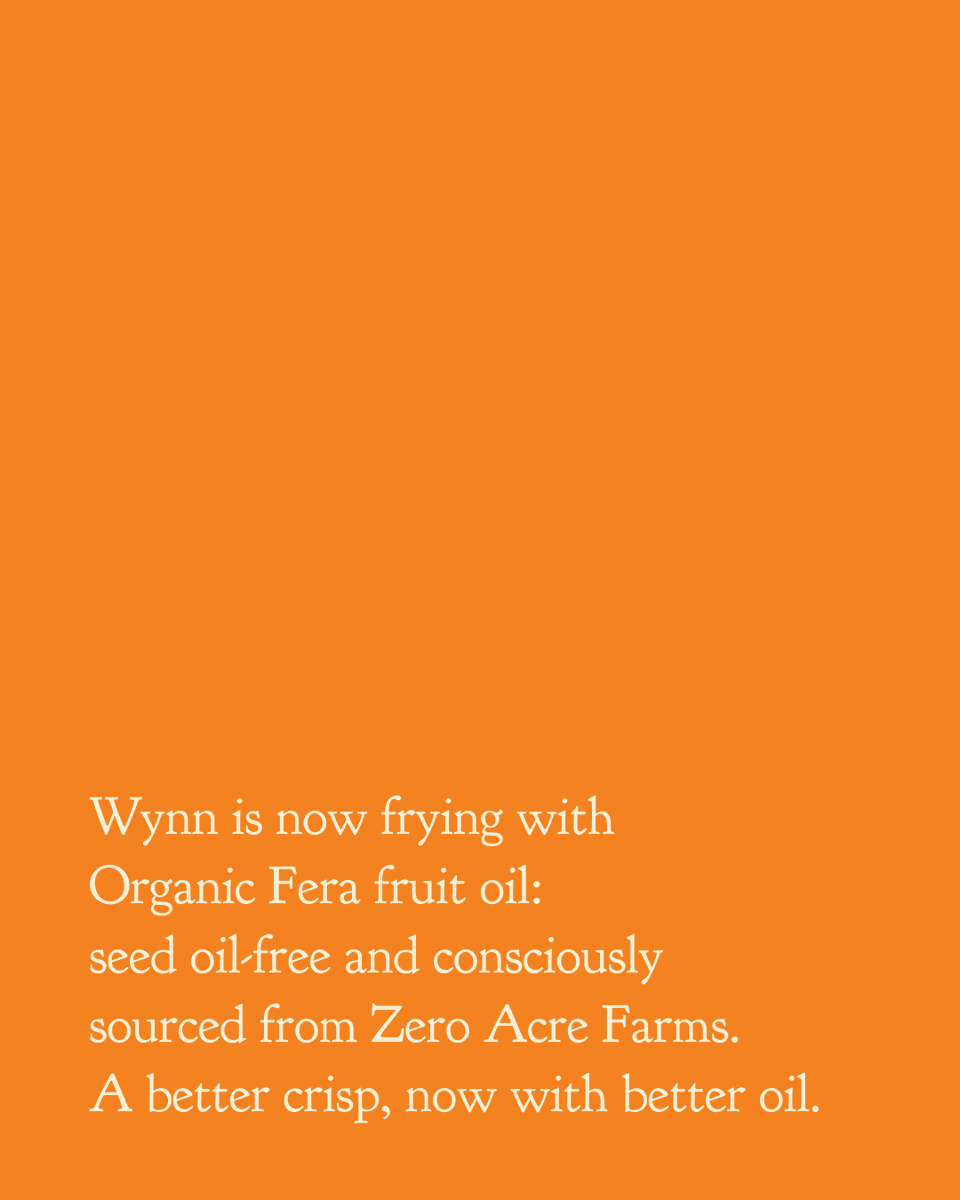
The Wynn Las Vegas is no longer frying with seed oils. A huge move by the world’s largest 5-star resort. All 20+ restaurants at Wynn and Encore are now frying exclusively with Organic Fera fruit oil. This is no small feat. Huge kudos to @WynnLasVegas for making this change.
Jeff Nobbs tweet mediaJeff Nobbs tweet media
English
4
6
40
2.3K
Kristina Simmons
Kristina Simmons@ksimm·
Gwynne Shotwell is so incredible. That is all.🚀 🤩
English
1
1
3
284