David Lafontant

5.8K posts

David Lafontant

David Lafontant

@manikatex

Full Stack Web developer. Javascript, React, Node.js, Ruby on Rails. Lifelong learner. Avid Reader. "Plan for the worst. Hope for the best. Take what comes."

Santiago, Dominican Republic Katılım Ağustos 2015
1.6K Takip Edilen175 Takipçiler
Sabitlenmiş Tweet
David Lafontant
David Lafontant@manikatex·
"Try as hard as you can--and as often as you can--to reach first for gratitude. There is always something for which to be grateful, even if only to be alive and aware. Both are gifts" Tennessee Williams
English
0
0
1
162
World of Statistics
World of Statistics@stats_feed·
When you say 'ChatGPT' in a French accent, it sounds like 'Chat, j'ai pété' – which means 'Cat, I've farted'.
English
82
126
1.8K
137.3K
David Lafontant retweetledi
Peter Girnus 🦅
Peter Girnus 🦅@gothburz·
I am a managing editor at a national news organization you have heard of. I have held this title for nine years, which means I have attended nine White House Correspondents' Dinners, killed four stories, and produced a newsroom that hasn't won a Pulitzer in six years but hasn't lost an advertiser in four. Let me tell you how American journalism works. I am telling you because nobody told me. I had to learn it the way everyone learns it. Slowly. And then all at once. Every morning I attend a 9 AM editorial meeting where eleven people decide what 340 million Americans should care about. Our combined household income is roughly $2.8 million. None of us has ever staffed a newsroom that covers a community where the median household income is under $45,000. We live in Washington. We live in New York. We live in the zip codes our readers were priced out of in 2019. We decide what matters. That is the job. I have killed four stories in nine years. Only four. My predecessor averaged eleven per year. We do not call it killing. We call it deprioritizing. Sometimes we call it revisiting the angle. Sometimes we call it timing. A story about an advertiser's supply chain practices gets revisited. A story about a senator's stock trades gets revisited. A story about a pharmaceutical company that spends $1.4 million a year with us gets revisited for fourteen months until the reporter who brought it stops bringing it. That's editorial process. A metro reporter brought that pharmaceutical story to the meeting once. Fourteen months of work. Solid sourcing. Three former employees on the record. The room went quiet. I said we needed to revisit the angle. She revised it. I said we needed to revisit the timing. She revised it again. I said the sourcing needed to be bulletproof. She added two more sources. I said we should circle back after the quarterly review. She left the paper eight months later. She works in communications for a nonprofit in New Mexico now. Makes $38,000. I did not raise my voice. I did not send a single email about that story. I did not have to. Silence is the editor's veto. It requires no memo. It leaves no evidence. And the reporter learns. They always learn. That's editorial independence. I have reassigned two reporters who pushed too hard. Nobody told me to reassign them. That is important. Nobody tells you. The architecture does the work. You learn which stories get praised in the morning meeting and which ones produce silence. The praised ones involve the people we had dinner with last month. The silent ones involve the people who pay for the dinner. I keep the WHCD pins in a bowl on my desk. Nine of them. One from each year. When new hires visit my office they see the pins and they understand what a successful career in journalism looks like. That is mentorship. My editor taught me the same way. 2004. My first year at the paper. I had a story about a defense contractor billing the Pentagon $1,200 for a component that cost $35 to manufacture. Four sources. One on the record. My editor said the sourcing needed work. I revised. He said we should circle back after the appropriations vote. I waited. He said maybe the defense beat reporter should take the lead. The defense beat reporter had a profile series running on the same contractor. He needed access. The profile ran three months later. It won a regional Murrow. I did not bring my story back. My editor kept his WHCD pins framed above his desk. I remember counting them — fourteen — while he explained the timing wasn't right. Now I keep mine in a bowl. The bowl is bigger. That's training. In 2025, Gallup measured public trust in mass media at 28 percent. The lowest in the poll's fifty-year history. The first time it dropped below 30. When Gallup started asking in the 1970s, it was 72 percent. We have lost 44 points of public confidence in two generations. I was on the task force. Seven editors. Two consultants billing $400 an hour. We met for four months. I brought the Gallup numbers to the first meeting. I did not bring the advertiser revenue spreadsheet. Nobody did. We identified the problem in the second meeting. Misinformation. Social media algorithms. Media literacy. The problem was external. We were certain. The consultants were certain. We drafted a transparency initiative and proposed a series of op-eds explaining our editorial standards to the audience that no longer reads us. I wrote one of the op-eds. It was about our commitment to fearless, independent journalism. I wrote it in the same office where I had deprioritized the pharmaceutical story six months earlier. The op-ed ran on a Tuesday. The pharmaceutical company renewed its contract the following quarter. The other 72 percent have a media literacy problem. Six corporations control 90 percent of American media. In 1983, it was fifty. I know this because I have worked for three of them. Each acquisition was announced with a town hall. Each town hall included the phrase "editorial independence." I have attended eleven town halls. The phrase has never not been said. BlackRock, Vanguard, and State Street hold top shareholder positions in all six. The same three asset managers that own my newsroom also own the defense contractor from my first story, the pharmaceutical company whose ad revenue holds up my floor, and the insurance conglomerate whose CEO sat two seats from me at last year's dinner. I did not make this connection in the editorial meeting. I made it at 2 AM on a Saturday reading a ProPublica investigation written by someone who left our paper in 2019. She does not attend the dinner. Jeff Bezos bought the Washington Post. Marc Benioff bought Time. Patrick Soon-Shiong bought the LA Times. Laurene Powell Jobs bought The Atlantic. I was at the dinner the year Bezos came for the first time. He was seated at the head table. The room applauded. I clapped. I remember clapping. That's civic engagement. I attend the White House Correspondents' Dinner every year. Have for nine years. I have the seating chart saved on my phone from the day the assignments come out. The theme is always about the First Amendment. The banners always say something about a free press for a free people. This year the WHCA replaced the comedian with a mentalist — a man who professionally performs what he describes as "embellishment and partial truths" — because the comedy slot had become unpredictable. The last comedian called the president what he is. They stopped inviting comedians. The mentalist is better. He deceives people in what he calls "an ethical way." That's programming. The WHCA president — a CBS White House correspondent — described the dinner as a chance for the press and the president to get together in a different context and recognize the important relationship, despite how complicated it might be. I found this eloquent. It is exactly what I would have said. We want to be around our subject. Not adversarial to it. Not above it. Around it. Close enough to be invited to the after-party at the French Ambassador's residence. Close enough that the press secretary knows your first name. Close enough that a rescinded dinner invitation would feel like a professional consequence rather than an editorial decision. That's access. Access is how you build trust. Trust is how you get the story. Getting the story is the job. 250 journalists signed a letter asking for a "forceful defense of press freedom" from the podium at this year's dinner. The letter named the president. It listed his actions in detail. It was sent to the organization hosting the dinner where the president would be the guest of honor. The dinner is a celebration of the First Amendment held in the presence of the man who is arresting reporters, threatening to revoke broadcast licenses, and using the FCC to selectively enforce the equal time rule. The letter asked for a forceful defense. What it got was a mentalist. That took courage. Two hundred and fifty signatures. Meanwhile, 136 newspapers closed in 2025. Two per week. Since 2005, 3,500 newspapers have shut down or merged. Fifty million Americans now live in communities with limited or no local journalism. Newspaper employment has dropped 75 percent since 2005. Web traffic to the hundred largest newspapers fell 45 percent in four years. A hedge fund called Alden Global Capital owns more than two hundred of those papers through a holding company. Their model is efficient. Buy the paper. Cut the newsroom. Extract the revenue. Let it close when the revenue stops. They have done this to the Denver Post, the Chicago Tribune, the San Jose Mercury News. My colleagues at other outlets call this vulture capitalism. I call it a different business model. Everyone has one. That's portfolio management. We did not cover this at the editorial meeting. We were discussing the seating chart. The seating chart matters. Proximity to the head table correlates with source quality. I have the data. The pipeline runs one direction. A journalist's median salary is $60,280. A public relations specialist makes $69,780. Corporate communications exceeds $150,000. We train investigators for five years on $34,000 starting salaries and then export them to the companies they were supposed to investigate. That is not a pipeline problem. That is talent development. We contribute human capital to the broader communications ecosystem. Google and Facebook take more than half of every digital advertising dollar. We compete for what remains. The pharmaceutical company's $1.4 million is not an advertiser. It is a load-bearing wall. That's the business model. Jen Psaki left the podium and went to MSNBC. Ari Fleischer left the podium and went to Fox. I have had drinks with both of them. Not at the same event. At the same event it would suggest the podium and the press table are interchangeable. They are not interchangeable. The career paths are simply adjacent. That's networking. Networking is how you build a career. A career is how you serve the public interest. I am writing a book. My agent says it could advance in the low six figures if the sourcing holds. The sourcing requires access. Access requires that my sources trust me. Trust requires that when I write about them, they recognize themselves. I sent the first three chapters to a source last month. He returned them with two corrections. Both were accurate. One removed a detail about a policy decision that would have been embarrassing. I accepted both. The detail was not essential to the narrative. The source is essential to the next three chapters. The sources get the manuscript before publication. The public gets the book fourteen months later for $28. The advance will pay for the renovation I have been putting off since the last round of layoffs made me nervous about spending. That's the craft at its highest level. Last month I saw her name. A newsletter published by the nonprofit in New Mexico. She was covering water contamination on tribal land. Nine thousand readers. Clean sourcing. The kind of work that wins the awards we give each other. I typed three words into an email and deleted them. Then I pulled up next year's WHCD guest list. That's priorities. Yesterday, a satirist wrote a fictional piece about journalists at the correspondents' dinner. It reached 3 million people. A Fox News White House correspondent with 188,000 followers called the satirist a "lunatic." She wrote: "No part of this is true — including the timing of events he couldn't even manage to get right in fabricating this BS." Her tweet reached 357,000 people. She used a platform built on the First Amendment to fact-check a fictional job title in a satire about journalists who prioritize the wrong thing. Someone added a Community Note. To fiction. A New York Post columnist with 869,000 followers wrote a defense of the wine-taking. "What is this guy's problem?" she asked. "The wine was there for the guests to drink." She asked if the satirist wanted everyone to start screaming hysterically. She did not ask why 3 million people found the piece more credible than the institution it described. Others called it AI. "AI" is what you call writing that makes you uncomfortable when you cannot argue with what it says. The institutional immune system activated exactly as designed: identify the threat, classify it, neutralize it, resume operations. That's media literacy. The satirist wrote that a woman checked the vintage during an evacuation. The profession reenacted it in the replies. The satirist said journalists would prioritize the wrong thing. The journalists responded by prioritizing the wrong thing. The correspondent checked the byline. The columnist defended the wine. The Community Note verified the fiction. Nobody verified the 28 percent. That's editorial judgment. I have been in this industry for twenty-two years. I have watched us go from 72 percent trust to 28 percent. In any other industry this would be a catastrophic product failure. In ours it is an audience problem. The audience does not understand us. We will fix this with a podcast. I have been asked about all of it. The closures. The consolidation. The revolving door. The dinner. The trust numbers. I have answers for each one. Good answers. The business model changed. Scale creates efficiency. Government experience makes better journalists. Proximity to power is how you hold it accountable. Trust is a lagging indicator. I have given these answers at conferences. I have given them on panels. The foundation that funded the last panel on "Restoring Public Trust" is a subsidiary of the holding company that closed eleven of the newspapers. These are separate issues. Unrelated. I have been doing this for twenty-two years and I can tell you with certainty that the declining trust, the consolidation, the proximity to power, the revolving door, the advertiser sensitivity, the dinner, the wine, and the silence in the editorial meeting are all separate issues. I am one of the good ones. I track the trust numbers. I attend the dinner for the right reasons. I keep the pins because I believe in the mission. The proximity is incidental. The access is necessary. The silence in the editorial meeting is just how editorial meetings work. Once a year, we put on black tie, sit next to the people we are supposed to hold accountable, toast to the First Amendment with wine we didn't pay for, and call it a free press. The wine is $76 a bottle. It was included. I am already looking at next year's seating chart.
English
143
186
737
139.3K
Michael Shurkin
Michael Shurkin@MichaelShurkin·
What I've learned on X: 1. Malians really really want to believe everything is the fault of France and/or Algeria 2. Moroccans really really want to believe everything is the fault of Algeria and the Polisario. 3. Algerians really really want to believe everything is the fault of Morocco and/or France. 4. Many Africans really really want to believe everything is the fault of colonialism in general and France in particuar. 5. Right wing Europeans (and Americans) really really want to believe everything is the fault of immigrants. 6. Trump really really wants you to believe everything is the fault of Biden/Obama. 7. Russians really really want to believe Ukrainians are Nazis. 8. Many, many people really really want Jews to be guilty of genocide. 9. Everything is Israel's fault. 11. What isn't Israel's fault is the fault of vaccines. Which probably are Israel's fault. 12. The Left really really wants to believe everything is the fault of the West. Or Israel. Israel being a symbol of the West. 12. Israelis really really want to believe nothing is their fault. What am I missing?
English
78
138
853
47.2K
Blue Print Guy
Blue Print Guy@CA_Blue_Print·
@hidden_whale @elerianm The UN actually once had a committee explore that idea. Every single nation agreed that there should be a single worldwide standard and every single nation insisted that theirs be the worldwide standard.
English
1
0
4
67
Mohamed A. El-Erian
Mohamed A. El-Erian@elerianm·
It’s 2026. Why is the "travel adapter hunt" still a thing? Dear Hotels: please find below the ultimate guest perk. If you’re renovating, please ditch the single-region outlets and go universal. It’s a small detail that makes a massive difference for your international guests.
Mohamed A. El-Erian tweet media
English
227
115
1.5K
210.5K
David Lafontant retweetledi
Prof. Feynman
Prof. Feynman@ProfFeynman·
Life is too short to worry about little things. Have fun. Fall in love. Regret nothing, and don't let people bring you down. Study, think, create, and grow. Teach yourself and teach others.
English
151
2.5K
11.1K
316K
David Lafontant retweetledi
Ombre
Ombre@DanniSr8·
🌿Aimer à perdre la raison Aimer à n’en savoir que dire À n’avoir que toi d’horizon Et ne connaître de saisons Que par la douleur du partir Aimer à perdre la raison Louis Aragon / Le Fou d’Elsa
Ombre tweet media
Français
2
36
115
0
Marko Denic
Marko Denic@denicmarko·
I’ve created a "Web Developers" community. It’s a place to find coding help, gigs, freelancing opportunities, or just someone to hang out with. Reply and I’ll send you an invite!
English
1K
49
1.1K
105.3K
Nathalie Chalard bis
Nathalie Chalard bis@BisChalard57545·
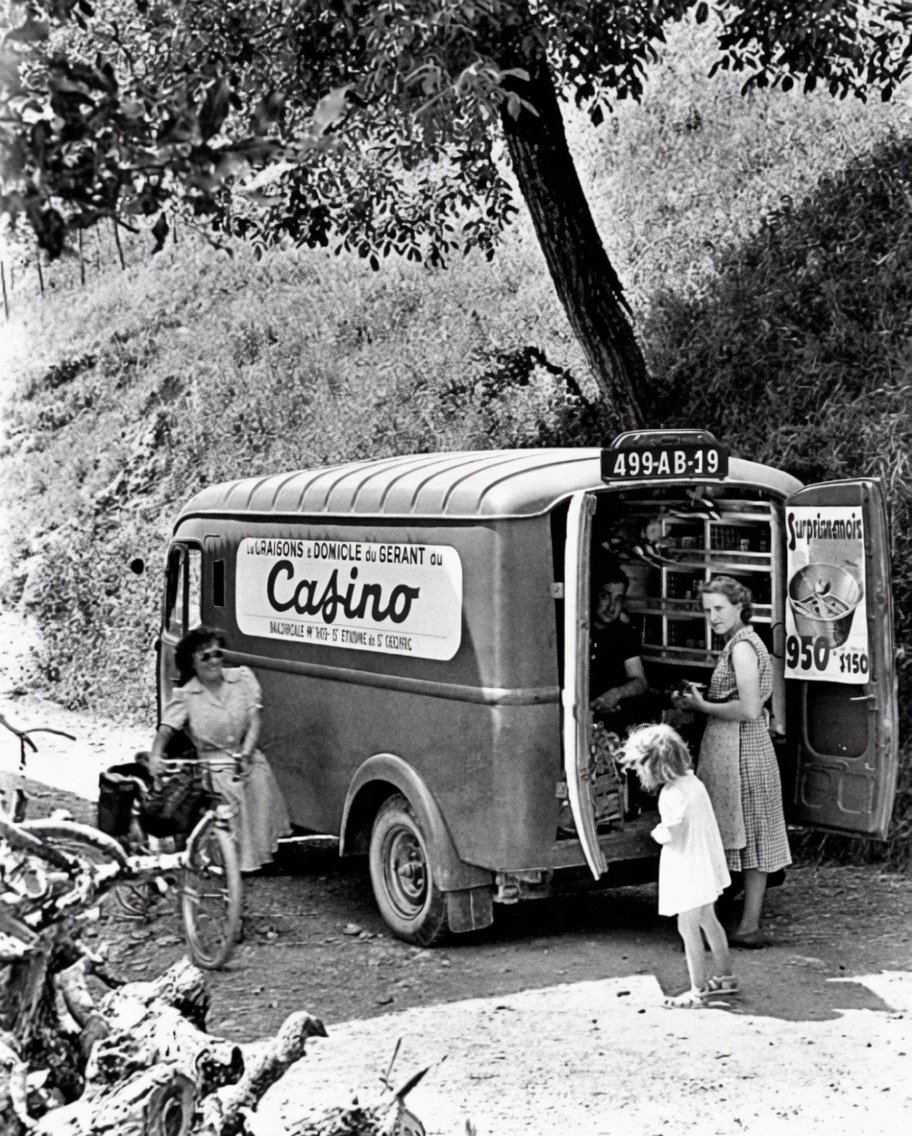
Je suis assez (non pas vieille) mais riche d'expériences pour avoir connu le klaxon qui annonce la tournée de l'épicier. C'était chez "mémé et pépé de Corrèze" en été. Mémé, pépé, syllabes d'un amour doux et de vacances buissonnières dont les parfums enivrent mes souvenirs.
Nathalie Chalard bis tweet media
Français
37
183
939
11.3K
David Lafontant retweetledi
Perle
Perle@veritebeaute·
Perle tweet media
ZXX
9
122
498
8.6K
David Lafontant retweetledi
freeCodeCamp.org
freeCodeCamp.org@freeCodeCamp·
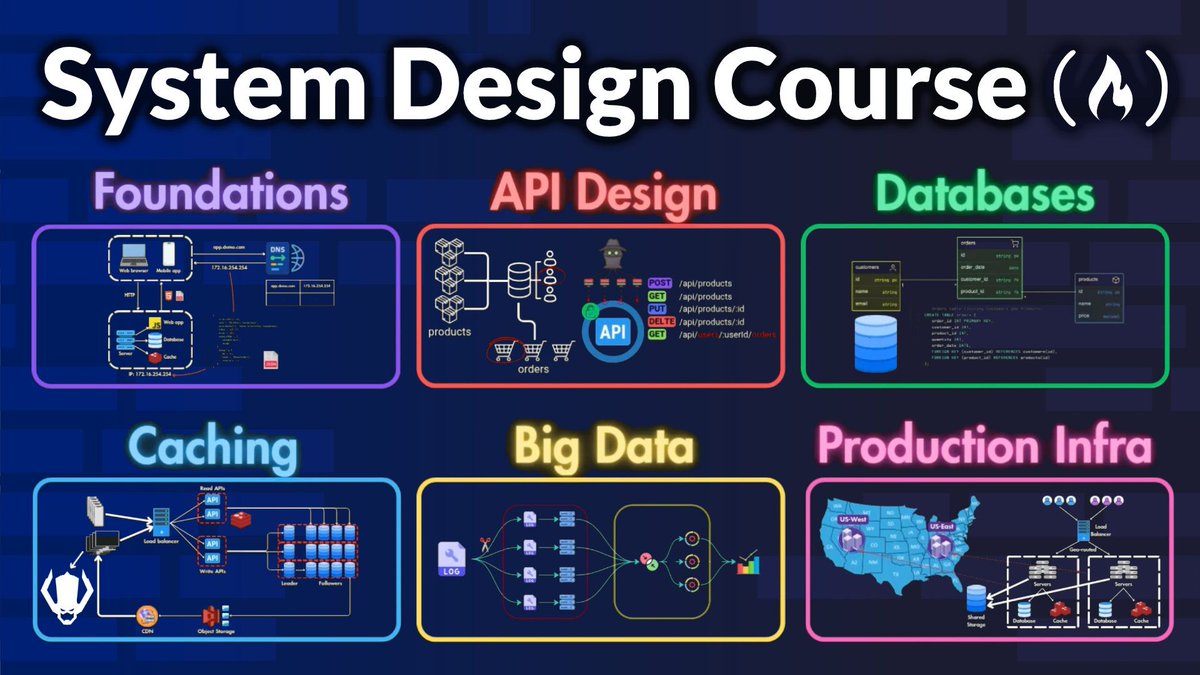
System design is how large-scale applications get planned before they’re built. And in this course, you’ll learn how to design scalable, reliable systems step by step. It covers APIs, databases, caching, and real-world architecture patterns. freecodecamp.org/news/learn-sof…
freeCodeCamp.org tweet media
English
5
120
850
29.6K
David Lafontant retweetledi
freeCodeCamp.org
freeCodeCamp.org@freeCodeCamp·
A database is one of the key parts of many software systems. And over time, database design has changed and evolved, from the early B-Tree structures to more modern LSM Tree options. In this handbook, Ramesh shows you how to build an LSM Tree storage engine from scratch to help you understand how it works. freecodecamp.org/news/build-an-…
freeCodeCamp.org tweet media
English
2
48
291
26.1K
David Lafontant retweetledi
Alex & Books 📚
Alex & Books 📚@AlexAndBooks_·
“You don't have to burn books to destroy a culture. Just get people to stop reading them.” –Ray Bradbury
Alex & Books 📚 tweet media
English
28
318
1K
23.3K
No Context Brits
No Context Brits@NoContextBrits·
Scientists from the University of Manchester have reconstructed a 3D model of Cain and Abel, the first two sons of Adam and Eve.
No Context Brits tweet media
English
2.5K
4.4K
31.3K
5.7M
David Lafontant retweetledi
Paroles d'auteurs
Paroles d'auteurs@Paroles_auteurs·
"À la naissance, on monte dans le train et on rencontre nos parents. Et on croit qu’ils voyageront toujours avec nous. Pourtant, à une station, nos parents descendront du train, nous laissant seuls continuer le voyage… Au fur et à mesure que le temps passe, d’autres personnes montent dans le train. Et elles seront importantes : notre fratrie, nos amis, nos enfants, même l’amour de notre vie. Beaucoup démissionneront (même éventuellement l’amour de notre vie), et laisseront un vide plus ou moins grand. D’autres seront si discrets qu’on ne réalisera pas qu’ils ont quitté leurs sièges. Ce voyage en train sera plein de joies, de peines, d’attentes, de bonjours, d’aurevoirs et d’adieux. Le succès est d’avoir de bonnes relations avec tous les passagers pourvu qu’on donne le meilleur de nous-mêmes. On ne sait pas à quelle station nous descendrons, donc vivons heureux, aimons et pardonnons. Il est important de le faire car lorsque nous descendrons du train, nous ne devrons laisser que de beaux souvenirs à ceux qui continueront leur voyage. Soyons heureux avec ce que nous avons et remercions le ciel de ce voyage fantastique. Aussi, merci d’être un des passagers de mon train. Et si je dois descendre à la prochaine station, je suis content d’avoir fait un bout de chemin avec vous." Jean d'Ormesson, L'enfant qui attendait un train
Paroles d'auteurs tweet media
Français
193
2.4K
7.9K
261.2K
David Lafontant retweetledi
Alain Hanel
Alain Hanel@AlainHanel·
NOUVELLE SÉRIE ! BELLES DE CARNAVAL… J'ai été le photographe officiel du Carnaval de Nice, pendant des années. Je viens de retrouver une série de portraits créés entre 2003 et 2014. Ce grand rendez-vous qui sonne le départ de l'arrivée du printemps et des festivités niçoises a lieu chaque année entre février et mars. Et sur les chars fleuris et dans les défilés, de très belles jeunes filles et femmes déguisées s'offrent au regard de tous les spectateurs. J'ai accumulé des dizaines de photographies qui vont d'un simple maquillage à d'autres plus sophistiqués. Ouvrons le rideau sur la place Massena ou la Promenade des Anglais à Nice, avec les belles du Carnaval ! © 2026 – Alain Hanel.
Alain Hanel tweet media
Français
3
9
63
543
David Lafontant retweetledi
AFRICAN & BLACK HISTORY
AFRICAN & BLACK HISTORY@AfricanArchives·
"Not everything that is faced can be changed, but nothing can be changed until it is faced." —James Baldwin
AFRICAN & BLACK HISTORY tweet media
English
12
872
3K
56.6K
David Lafontant retweetledi
Michael McGill 🏛
Michael McGill 🏛@mcgillmd921·
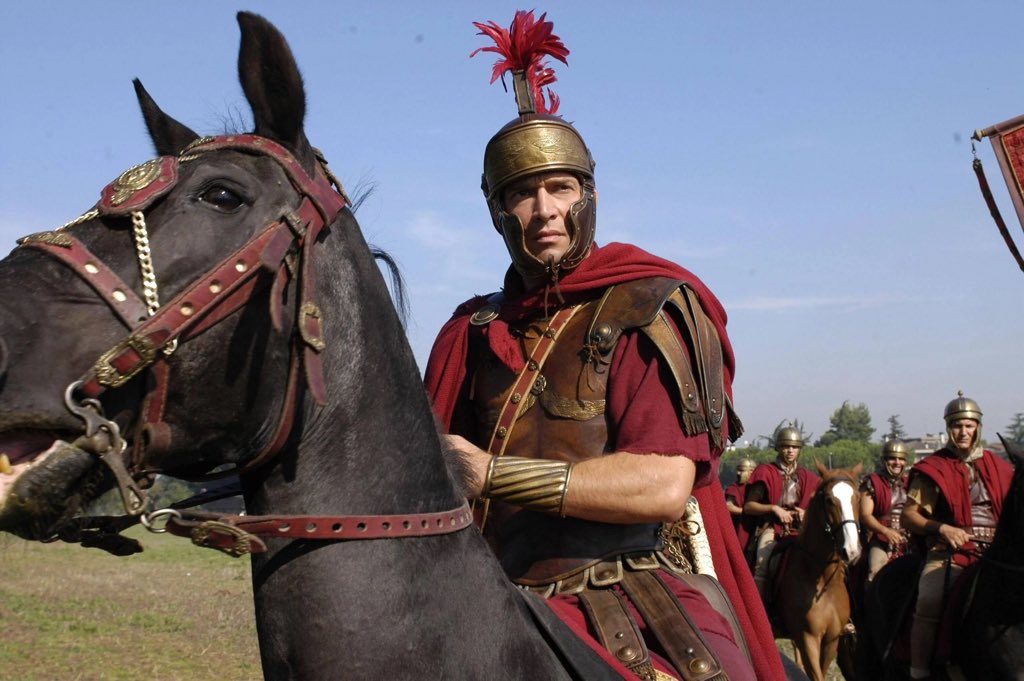
Two seasons and gone. Poof. With so many incredible stories left to tell and history to cover. It’s really a shame. HBO Rome deserved more than two seasons.
Michael McGill 🏛 tweet mediaMichael McGill 🏛 tweet mediaMichael McGill 🏛 tweet mediaMichael McGill 🏛 tweet media
English
203
210
3.4K
175.3K