Ron Berman

3.6K posts

Ron Berman banner
Ron Berman

Ron Berman

@marketsensei

Game theorist and data scientist. I study online advertising, marketing analytics and how curation algorithms impact platforms @Penn @Wharton.

Philadelphia, PA Katılım Kasım 2010
823 Takip Edilen2.8K Takipçiler
Ron Berman
Ron Berman@marketsensei·
@DuduLagziel לא מזמן קיבלתי לשיפוט מאמר שציטט מאמר שלי - ציטט נכון את שם המאמר, המציא כותבים ושנת פרסום...
עברית
0
0
0
57
Dudu Lagziel
Dudu Lagziel@DuduLagziel·
אוקיי, הרגע קיבלתי דו"ח שיפוט למאמר מכתב עת רציני וחלקים ממנו בוודאות נכתבו על ידי ai. איך אני יודע? כי הוא מצטט לא נכון מאמר קלאסי כשהשם של המאמר נכון, אבל לא הכותבים, לא השנה, ולא כתב העת. מה שמדהים זה שהמחבר והעורך לא שמו לב לזה. זה לא סתם מאמר ולא סתם בנאדם. זה מאמר קלאסי של זוכה נובל עליו הוא (גם) קיבל נובל הרבה שנים ***לפני שנת הפרסום לפי הדו"ח***. איזו רמה נמוכה 🤦🏽🤦🏻‍♀️
kobim@_kobim

פיד כלכלה, איך כמה ולמה אתם משתמשים בבינה מלאכותית בתהליך של לכתוב דוח שיפוט על מאמר? עזרו לי להגדיר את הגבולות של עצמי (טיפים כלליים לנושא גם יתקבלו, זה ליטרלי השני שאני כותב בחיי שהוא אמיתי ולא תרגיל בקורס)

עברית
21
1
190
14K
Ron Berman
Ron Berman@marketsensei·
@ben_golub Not only is there a right to attack the regime. It is a moral obligation by Israel to defend its own citizens.
English
0
0
5
155
Ron Berman
Ron Berman@marketsensei·
@ben_golub @ben_golub surprised you're promoting such BS. A regime vows to annihilate another country for 40 years, pursues nuclear weapons, builds a huge ballistic missile arsenal, and funds global terrorism. Then it kills 30k of its own citizens.
English
1
0
14
301
Ben Golub
Ben Golub@ben_golub·
Lots of wisdom here on the political economy of this
Daron Acemoglu@DAcemogluMIT

On Iran and Anthropic: Robert Mugabe, Zimbabwe’s dictatorial president since 1987, won the big prize in the country’s lottery in 2000. Why did he go out of his way to concoct such a charade? A surface-level answer: Because he could. Once you destroy institutions constraining your power and behavior, you can act in largely unrestricted fashion, whether it is for personal enrichment, personal aggrandizement, or simply projecting even greater power. But there is a deeper, more problematic answer as well: What better way to further decimate institutional checks on your power than showing how much of a farce the existing system of rules is. It is not just a coincidence that such behavior can do damage to norms, institutions and security and stability of the country. It is part of the design. Mugabe’s lottery win echoes in two fateful decisions by the Trump administration, which will have long-lasting and troubling implications, are just. Trump and his allies are pursuing these actions because they can and because these actions are consistent with their agenda of upending all rules and constraints on their future behavior. The first problematic action is the US-Israeli attack on Iran and the killing of the country’s supreme leader Ayatollah Khamenei. Leave aside the loss of life and the immediate chaos, it should be obvious that such a move will trigger a long period of instability in the Middle East. There should be no doubt that the Iranian regime was repressive, murderous and bad news for its own people’s economic and social well-being. The supreme leader, leading Iranian elites and the country’s feared Revolutionary Guard had blood in their hands and the repression had intensified lately. But none of this justifies the United States and Israel initiating a war in the Middle East, without support from international allies or from the public in the United States (still considered a democracy where people’s views should in principle matter). But even worse, this act violates the sovereignty of another nation and risks plunging the entire region into carnage. And however awful Ayatollah Khamenei’s track record may be, he’s no Nicolas Maduro (who had only a few diehard supporters even in the Venezuelan military). By virtue of his religious role, Khamenei enjoyed respect and authority among the Shiites and even the broader Muslim mission community, and his killing risks turning him into a martyr, which is the last thing that Iran or the region needs. The second is the Department of Defense (it is still painful to call it the Department of War even if recent actions confirm that this change of name wasn’t just for optics) designating the AI company Anthropic a supply-chain risk. The official designation is typically used for companies from foreign adversaries, such as China’s Huawei. It bars federal contractors using the Anthropic’s models and heralds major restrictions on what the company can do in the future. The Secretary of Defense Pete Hegseth announced “Effective immediately, no contractor, supplier, or partner that does business with the United States military may conduct any commercial activity with Anthropic.” The reason? Because Anthropic wanted safeguards against its models being used for mass surveillance of Americans and autonomous weapon systems. Neither of these two provisions would have put meaningful restrictions on the DoD in practice. Mass surveillance is illegal under US law and autonomous weapon systems are a not near-term possibility. Yet, it is the showdown that matters, just like Mugabe’s lottery winning. This action will also have major consequences, perhaps more far-reaching than the attack on Iran. Regardless of what one might think of current AI capabilities, there is little doubt that who controls AI will have momentous implications for democracy, business, communication and privacy. This designation can be interpreted by many in the industry that it will be the US government, not the private sector, that controls AI. Even more far-reaching are the broader implications of this action: this administration, and perhaps future administrations, can now bring hugely disproportionate penalties on any contractor they disagree with. Security of private property rights, which has been a mainstay of American state-business relations for centuries, is now looking much shakier. It also sends exactly the wrong signal to the world that Pentagon is intent on mass surveillance and the development of autonomous weapon systems (why else bother about these two ineffective provisions in the contract?). The absurdity of both actions is what harkens back to Mugabe’s lottery win. Trump came to power promising no foreign adventures, and now has spearheaded a potentially riskier one than the Iraq war, with even flimsier justification. There would have been no bite to the provisions that Anthropic wanted in the contract, since current AI systems are nowhere near reliable to be used in autonomous weapon systems and the US government has plenty of other tools that can be (and sometimes are) used for mass surveillance. The shock value and the norm breaking are part of the intent. Mugabe’s lessons continue.

English
12
6
107
45.4K
Ron Berman
Ron Berman@marketsensei·
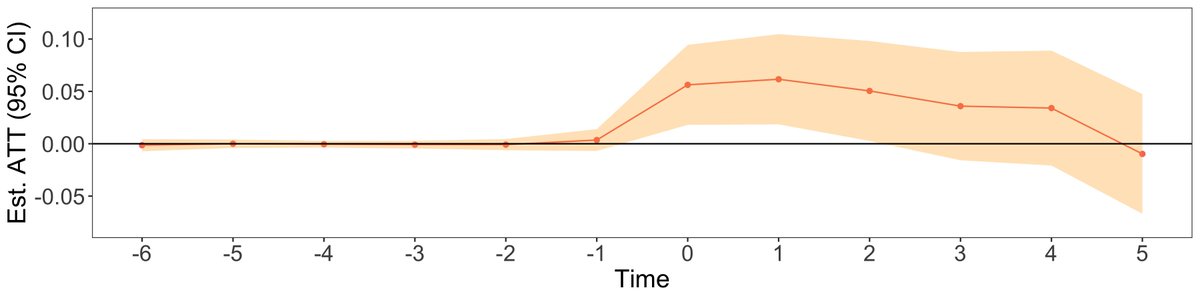
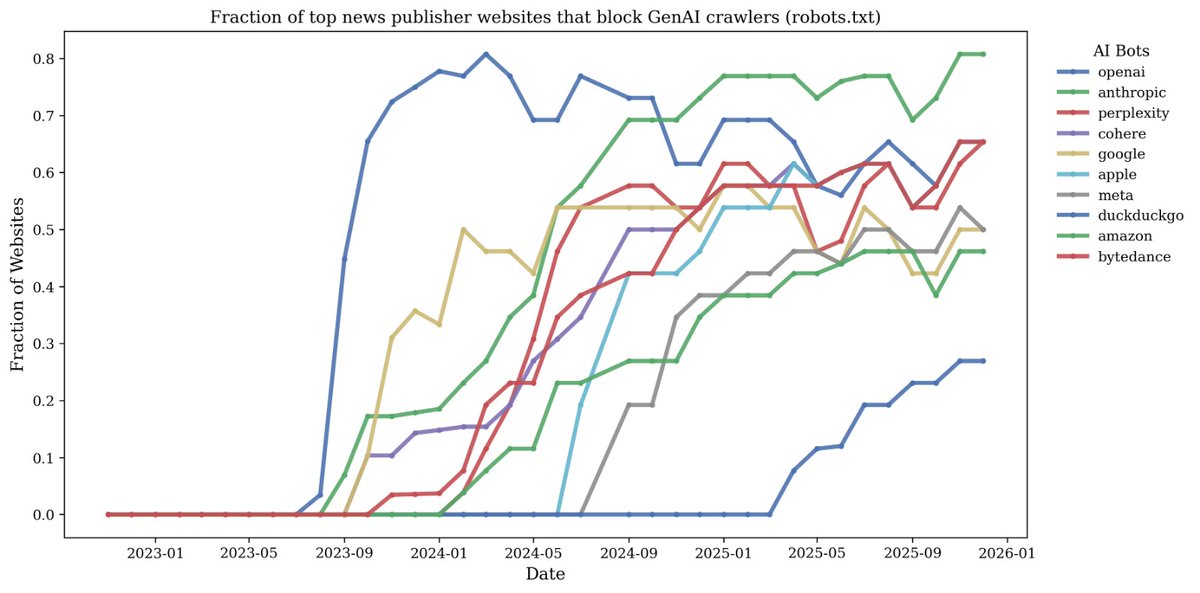
‼️News publishers that block LLM access receive even less traffic compared to not blocking‼️ In a new working paper with @HangchengZhao we use daily traffic data , human web-browsing data, historical robots.txt policies, job postings, and historical webpage content to document early shifts in online news production and consumption. We ask: ❓How do LLMs impact news publishers? Does consumer traffic decline? Do publishers hire fewer employees or generate more news slop? ❓How do publishers respond to LLMs? Does blocking LLM traffic have a positive or negative impact? Our findings: 1️⃣ Traffic decline wasn’t immediate. Publisher traffic remained broadly stable through mid-2023; a Synthetic Difference-in-Differences analysis shows a decline in traffic that started after August 2024 (−13%) compared to top retail websites. 2️⃣ Blocking GenAI crawlers may backfire. ~80% of the top publishers block LLMs using robots.txt. Staggered DiD analysis of the effect of blocking shows that traffic declined after blocking in both SimilarWeb traffic data (−23%) and Comscore data (−14%). 3️⃣ No “newsroom job replacement” yet: Data from job postings show that editorial/content roles do not exhibit a post-GenAI collapse; replacement or reduction of these jobs in the near term appears limited. 4️⃣ Publishers aren’t scaling text volume; instead, they’re “richening” pages. The number of interactive elements rises (+68%) and ads/targeting tech increases (+50%) , while article volume declines relative to top retail websites used as controls. Key Takeaway: The impact of LLMs is nuanced and sometimes surprising. For example, blocking LLM access using robots.txt may reduce both bot access and real audience demand. Links to working paper: SSRN: papers.ssrn.com/sol3/papers.cf… arXiv: arxiv.org/abs/2512.24968 #LLMs #media #news #AI #ArtificialInteligence #DigitalMarketing #digitalmedia
Ron Berman tweet mediaRon Berman tweet media
English
0
1
2
323
Ron Berman
Ron Berman@marketsensei·
Key Takeaway: The impact of LLMs is nuanced and sometimes surprising. For example, blocking LLM access using robots.txt may reduce both bot access and real audience demand.
English
0
0
0
317
Ron Berman
Ron Berman@marketsensei·
4️⃣ Publishers aren’t scaling text volume; instead, they’re “richening” pages. The number of interactive elements rises (+68%) and ads/targeting tech increases (+50%) 🎯📈 , while article volume declines relative to top retail websites used as controls.
English
1
0
0
447
Ron Berman
Ron Berman@marketsensei·
‼️New paper‼️ ❓How do LLMs impact news publishers? Does consumer traffic decline? Do publishers hire fewer employees or generate more news slop? ❓How do publishers respond to LLMs? Does blocking LLM traffic have a positive or negative impact? >> #GenAI #LLMs #Media #news #AI
English
1
3
4
1.2K
Ron Berman
Ron Berman@marketsensei·
Is it a hot take to say that Keanu Reeves is an excellent actor?
English
0
0
0
153
Ron Berman
Ron Berman@marketsensei·
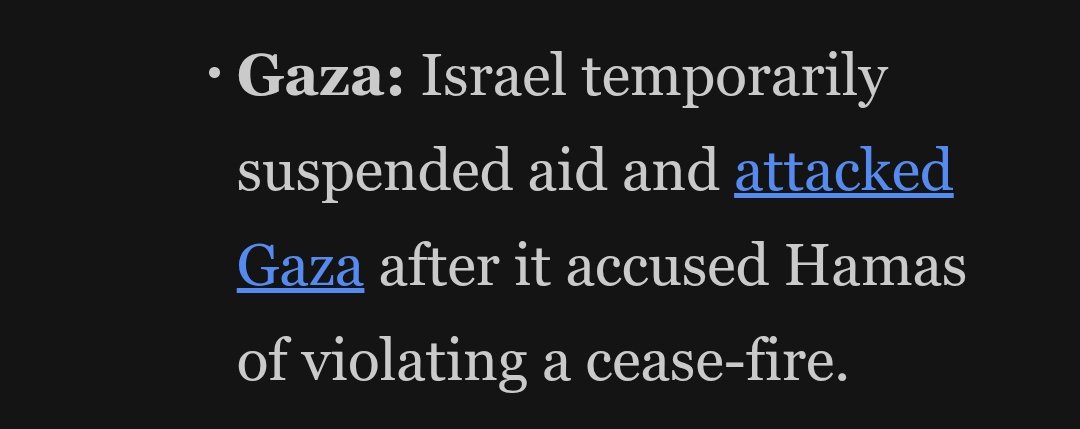
The NY times seems to have some real issues reporting the news. "After two soldiers were attacked and killed by Hamas" is what really happened...
Ron Berman tweet media
English
0
0
1
189
Ron Berman
Ron Berman@marketsensei·
עם ישראל חי ושבו בנים לגבולם
עברית
0
0
1
132
Ron Berman
Ron Berman@marketsensei·
Takeaway: - Bias in estimates isn’t always a bug — sometimes it’s a feature. - In oligopoly settings, “naive” analytics can sometimes beat sophisticated econometrics or unbiased A/B tests. - That complicates both firm strategy and antitrust policy.
English
1
0
0
139
Ron Berman
Ron Berman@marketsensei·
New paper alert: Most firms believe better and more precise data = better strategy. My new paper with @heller_yuval shows this is not always true: sometimes biased algorithms make firms more profitable. >>
Ron Berman tweet media
English
1
0
2
226