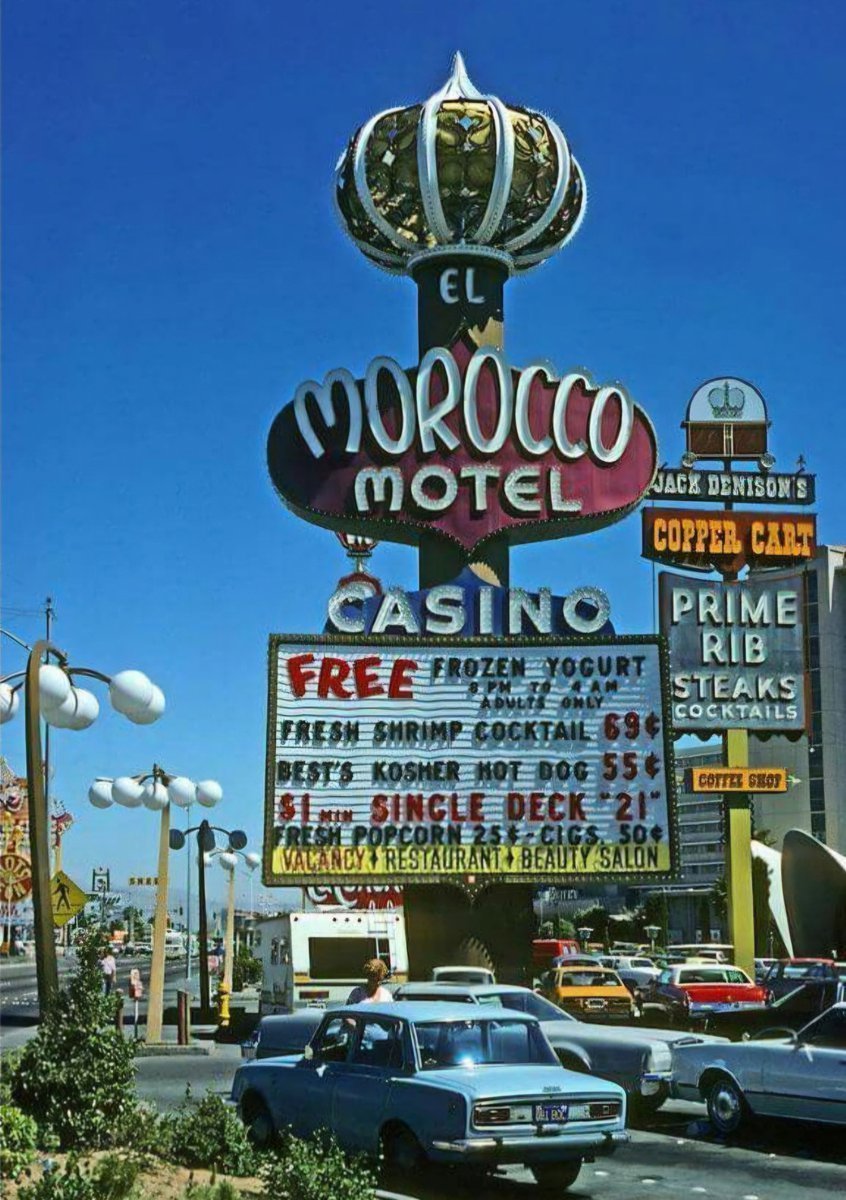
@HappyMotorhead I would love to have that Falcon Sprint in my garage. The Corvair, not so much.
English
Mark Miller
5.8K posts

@mdmiller50
Retired after 47 years in manufacturing. Happily married for 40 years. Voted to support conservative values since 1968.



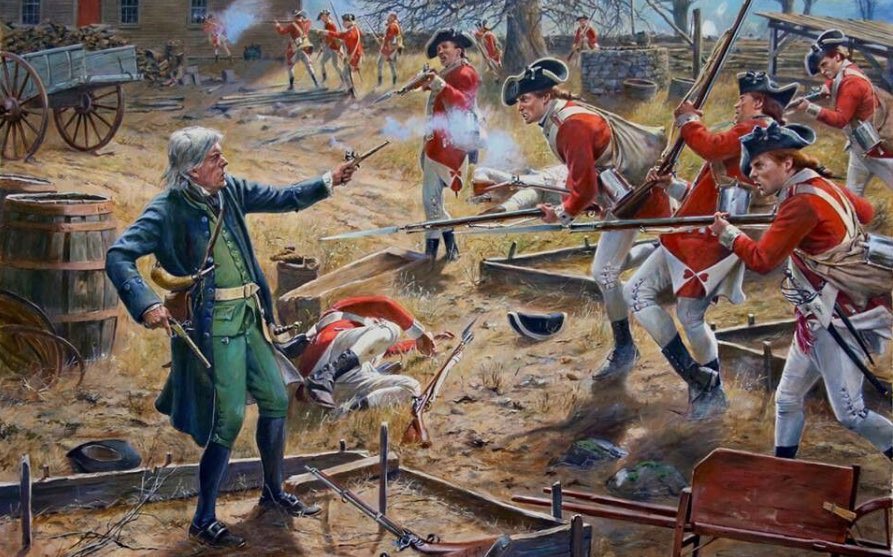
🇺🇸 Most Badass Americans You Don’t Know: #1 Roy Benavidez Roy Benavidez is the badass of American badasses. A doctor was zipping him into a body bag. He spit in his face to prove he was still very much alive. Born in 1935 in Cuero, Texas, to Mexican and Yaqui Indian parents. Orphaned young. Raised poor. Dropped out of school at 15 to shine shoes and pick crops. He enlisted anyway. Became a Green Beret with the 5th Special Forces Group. In 1965, on his first Vietnam tour, he stepped on a landmine during a reconnaissance patrol and was badly wounded. Paralyzed from the waist down. Doctors said he’d never walk again and started his medical discharge papers. He refused to accept it. Every night when the hospital was quiet he crawled out of bed and dragged himself across the floor to the wall to force his body to stand. Night after night he fought for every inch of strength until after more than a year in hospitals he walked out ready to return to combat.. May 2, 1968, west of Loc Ninh near the Cambodian border. A 12-man Special Forces recon team plus nine Montagnard allies was surrounded by over 1,000 NVA troops. Benavidez was back at the forward base listening to the desperate radio calls. He volunteered instantly. Armed with nothing but a knife and a medical bag, he jumped from a hovering helicopter straight into the kill zone. He sprinted 75 meters through withering fire to reach the pinned-down team. Wounded in the leg, face, and head before he even got there. Took command anyway. Repositioned the survivors. Directed their fire. Threw smoke to guide the birds in. Carried and dragged wounded men to the extraction helicopter while under constant fire. Went back for the team leader’s body and the classified documents on it. Hit again — small-arms fire ripped into his abdomen, grenade fragments shredded his back. His intestines were hanging out. The extraction helicopter’s pilot was mortally wounded at the exact same moment. The aircraft, riddled with bullets, crashed hard into the jungle. Benavidez pulled the stunned survivors from the overturned wreckage and formed a tiny defensive perimeter. He moved through heavy fire passing out ammo and water, encouraging the men, calling in air strikes and gunship runs. Wounded a third time — shot in the thigh while treating another soldier. In brutal hand-to-hand fighting an NVA soldier clubbed him from behind and bayoneted him. Benavidez yanked the bayonet out of his own body, drew his knife, and killed the man. Spotted two more enemies rushing the second extraction chopper. Grabbed an AK-47 and dropped them both. Made trip after trip carrying wounded men aboard while taking devastating fire. 37 separate wounds — gunshots, shrapnel, bayonets. Only after every surviving man and every classified document was safely loaded did he allow himself to be pulled aboard the last helicopter. He collapsed as it lifted off. Medics later thought he was dead and put him into a body bag. A friend recognized him and called a doctor over for help. The doctor, convinced he was gone, began to zip the bag shut. Benavidez spit in the doctor’s face to prove he was still alive. Roy Benavidez saved at least eight men that day. He was initially awarded only the Distinguished Service Cross. The Medal of Honor was denied multiple times — at the time no living eyewitnesses corroborated his actions, and Benavidez himself believed the entire team had been wiped out. Twelve years later the team’s radioman, Brian O’Connor, was on holiday in Australia when he read a newspaper story about Benavidez. He sat down and wrote a detailed 10-page eyewitness report that verified everything, then came forward and finally made the upgrade possible. President Ronald Reagan personally presented him the Medal of Honor in 1981 and said if the story were a movie script, no one would believe it. Roy Benavidez is an American Legend 🇺🇸


The Fall of the Empire







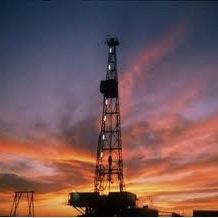
California’s last major oil shipment is here. After this, we’re short about 200,000 barrels a day—and no one has explained the plan to replace it. @CAProblemSolver asked two weeks ago. Still nothing. You can’t run the fifth-largest economy on “we’ll figure it out.” latimes.com/environment/st…