
@nsandihelp How do I set my account to reinvest my prizes?
English
James Moncrieff
743 posts
@moncrieffnow
Sailor & Strategic Consultant: developing leadership, strategic thinking and dialogue skills


Johnson’s Razor, not unlike Occam’s, posits that whatever theory about his behaviour prioritises his boundless selfishness, vanity & carelessness above all else will *always* turn out to be true.
Dear Media Liv Garfield, CEO of Severn Trent Water. THE BEST PAID CEO in the water industry. Paid £3.2M in 2023 for dumping sh*t in our rivers. Can we have some more outrage on this, please? #BBCBreakfast #GMB




Heading into the weekend with a spring in my step (Photo @PoliticalPics)
Priti Patel, who broke the Ministerial Code multiple times for misleading parliament, bullying staff and unauthorised meetings with foreign officials, launches her leadership campaign with a promise to maintain "professionalism and integrity".
Many of us predicted Melville’s click bait hungry social media machine would end up endorsing the violent thugs of the far right - and here, four years on from being an attention seeking FBPE remainer - he ends up
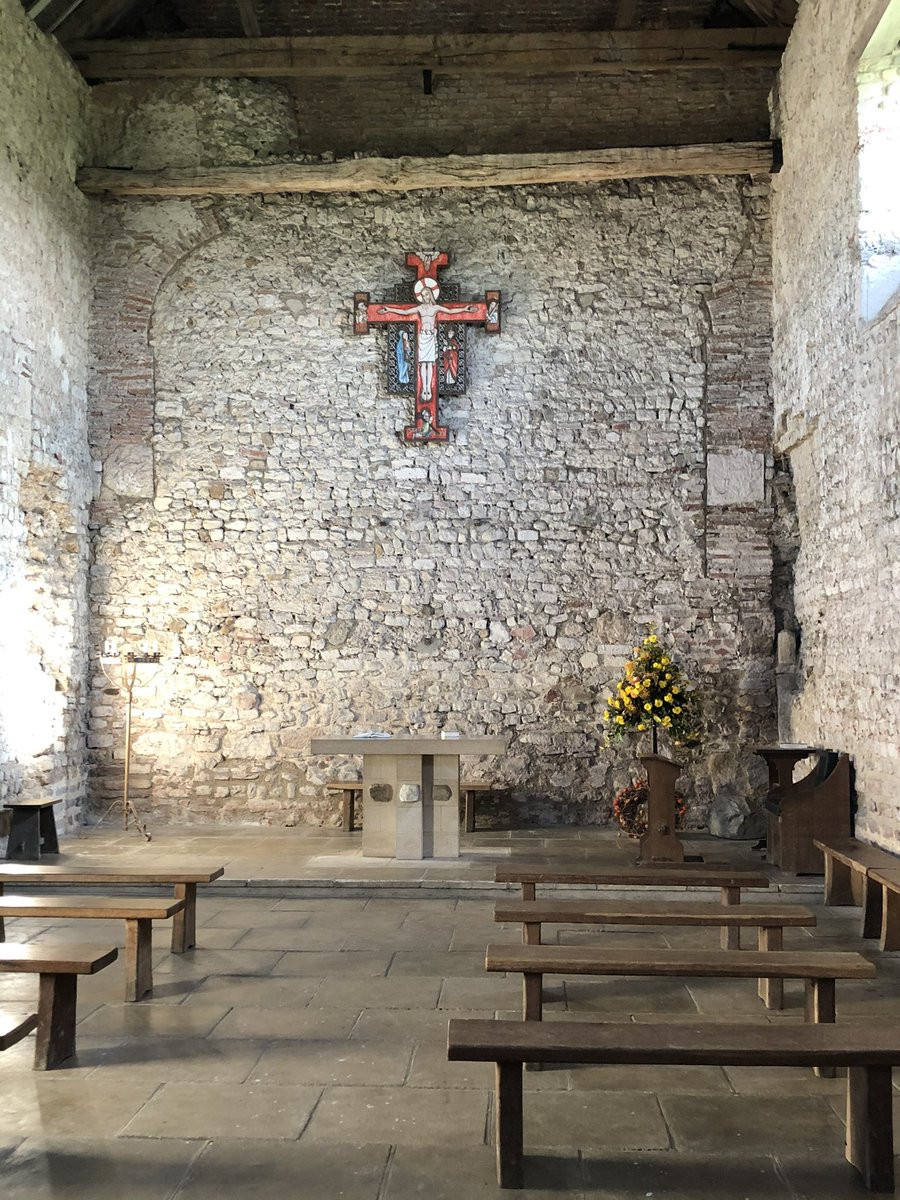
You might expect the oldest wooden church in the world to be hidden in some remote place with a strong tradition of timber-framed buildings – perhaps in some European woodland or mountain pass. It is, however, in a somewhat unlikely location: close to the northern end of the London Underground Circle Line, in the village of Greensted-juxta-Ongar in the Essex countryside. Dedicated to St Andrew, this is the only Anglo-Saxon timber church that still exists, and was established by St Cedd in the 650s during his mission to convert the East Saxons. Having avoided fire, war, neglect and insect attack, it is a miracle that the church has survived. The building is constructed from a satisfying mix of materials: the trees that were felled in the woods that still enclose the church, together with the clay that was dug from the surrounding fields before being kiln-fired into the red bricks of the later chancel and the roof tiles that are punctuated here by dormer windows. Ignoring the dinky seventeenth-century tower with its white clapboarding and shingle-clad steeple, the rest of the church might be mistaken for a farm building. The fifty-one vertically split logs that form the walls of the nave were felled when the trees were about a hundred years old; they were green and unseasoned, which made it easier to work than dry, hard, seasoned oak. Most of the squaring up, shaping and cutting of the joints that connected it all together would have been done with axes, while the flat inner face of the wall was achieved with an adze – a type of axe with a curved blade at a right angle to the handle. Today the logs are black with tar, but they were originally protected from the elements by the large overhang of the thatched eaves that would have dis- persed rainwater clear of the walls. The logs are held together with ‘tree-nails’ (another term for wooden pegs). This ancient palisading technique, by which vertical stand- ing tree trunks were positioned in a row, would also have been used to wall in Iron Age hill forts. The Venerable Bede recorded that the church at Lindisfarne, built in ad 651–61, was similarly made of split tree trunks and roofed with reeds. This method of construction can also be seen in the burial chamber that housed the king interred in the ninth-century Gokstad, the largest Viking ship ever found, which is on display in Norway’s Viking Ship Museum in Oslo. The oak wrights cut grooves into each side of all the logs and slipped tongues of lath – thin strips of wood – to keep out draughts. The only corner log that survived the unnecessarily intrusive Victorian restoration has had a quarter-section axed out. Visitors to St Andrew’s are greeted inside by the smell of ancient wood and polish. When I visited, a table was laden with local jams and chutneys, and the interior was much warmer than the stone churches I was used to. Scorch marks on the walls suggest that it was once lit by oil lamps. Windows are absent, but a set of pegged peepholes would have enabled those outside to observe church services. Sitting in the church on a winter’s afternoon is darkly atmospheric, and it is possible to experience something of how the building must have felt when the body of St Edmund was laid within these walls for the night in 1013 on the way back from London to the abbey at Bury St Edmunds, where it had been taken for safekeeping during a time of Viking raids. Excerpt from #churchgoing out October.
Boris Johnson - guest star at the Republican Convention But no one came 👇