@feng891013 @TANAKAKAKUEI512 4000年の歴史と世界一の人口を持って何故それができないのか。恥はないのか?
所詮、独裁を維持するのに精一杯な無能な頭が率いる共産国家は北朝鮮同様に国際社会に出ず、今後も壁の中で外界を知らずに奴隷やロボットのように忠誠を誓い続けるのがお似合いだ。
日本語
mpdjdgwidgmw
37 posts


【速報】茂木大臣、中国王毅外相と通訳なしであっさり会話してしまう ASEAN関連外相会議のため出張中の茂木大臣 会議等で同席予定のなかった 中国の王毅外相と接触したか問われあっさり”Yes” 記者から 「日本語で行われたのか、中国語で行われたのか」 と聞かれると、茂木大臣はあっさり 「通訳は入れずにやりました」 と回答。 接触の時間は「短時間」だったものの 王毅外交部長と「2国間関係について話をした」と説明 さらに日中関係についても 「あらゆるレベルの対話についてはオープン」 「日本中国は大きな役割を負っている」 「対話を続けていくことは極めて重要」 と冷静に整理。 普通に外交力高すぎるだろこれ。





Tokyo’s policies harbor hidden danger of turning S.China Sea into a ‘sea of war’: Japanese historian On the occasion of the 10th anniversary of the "South China Sea arbitration award," Japan, along with some countries outside the region, has attempted to seize the opportunity to hype up the "China threat" narrative and wantonly intervene in South China Sea affairs, continuously stirring up regional tensions. Against this backdrop, Atsushi Koketsu (Koketsu), a professor emeritus at Yamaguchi University in Japan, discussed the true motives and dangers behind Japan's interference in the South China Sea affairs, among other topics. Question: Japan is not a party to the South China Sea dispute, yet it keeps claiming to be a "legitimate stakeholder" who uses the South China Sea. What drives Japan to ignore its historical guilt regarding the South China Sea in WWII and force its way into South China Sea affairs? Koketsu: During WWII, while launching its war of aggression against China, Japan illegally occupied islands in the South China Sea in order to prepare for war against the US, and also establish hegemony over vast waters, including the South China Sea. After the war, Japan deliberately covered up these historical facts and never felt the need to apologize for its actions. Consequently, this dark chapter of history has been largely forgotten by the majority of the Japanese public. Post-WWII Japan, which proudly branded itself as a peace-loving nation, should have apologized for its history of aggression and taken concrete actions to ensure it would never repeat its past mistakes, but it did neither. China's territorial sovereignty and maritime rights and interests in the South China Sea possess solid legal foundations. The "South China Sea arbitration award" was essentially a product of US manipulation behind the Philippines. Now, with a pro-US administration back in power in Manila, it has dragged this "ruling" out again to use it as a political tool to contain China. Seeking regional hegemony in East Asia, Japan views the Philippines as a military quasi-ally and wants to turn it into a beachhead for pressuring China. Japan's intention to position the Philippines as a forward outpost to contain China has become increasingly glaring. However, this plot faces immense difficulties due to domestic and international criticism. Far from reflecting on its past history of aggression, Japan's current actions make it seem as though it is trying to rebuild the so-called Greater East Asia Co-Prosperity Sphere, which clearly exposes the militaristic nature of its policies. Question: What risks does Japan's interference in the South China Sea issues carry? Koketsu: Japan's persistent offensive posture toward China is highly dangerous. In recent years, Japan has consistently strengthened its security assistance and defense cooperation with the Philippines, attempting to use the country as a springboard to extend its own "remilitarization" layout into the South China Sea. Such behavior by Japan effectively introduces a "military-first" logic into Asia, which will only continuously escalate the risk of regional military conflicts. The South China Sea should fundamentally be a "sea of peace." However, Japan is rapidly expanding its defense budget, beefing up the equipment of its Self-Defense Forces, and labeling China's moves as its "greatest strategic challenge." The policies currently pushed by the Japanese government harbor the massive hidden danger of turning this body of water into a "sea of war." #SouthChinaSea #RegionalTensions #China #Japan #NeoMilitarism #Remilitarization #Militarism #USChinaRelations #Philippines




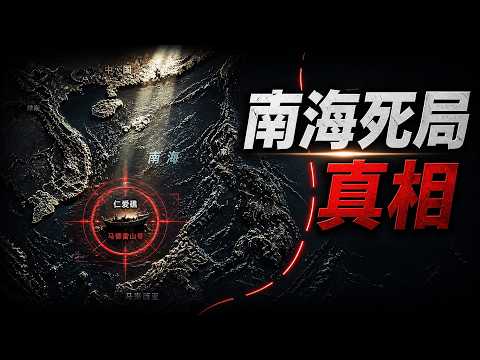
南海仲裁十周年:14国与欧盟集体否定中国“九段线” 7月12日,南海仲裁裁决公布十周年。美国、日本、英国、澳大利亚、加拿大等14国发表联合声明,重申裁决对中国和菲律宾具有法律约束力,并明确指出,中国基于所谓“历史性权利”提出的南海广泛海洋主张“没有法律依据”。 欧盟也代表27个成员国另行表态,要求尊重并全面执行仲裁裁决。 扣除重复国家后,此次公开支持裁决的立场覆盖约34个国家。 声明还罕见地将海警、军队和海上民兵并列,反对其以骚扰、阻拦和胁迫方式妨碍其他国家的合法行动,直接指向中国长期在南海使用的“灰色地带”手段。