ṙ̵͔͇̗͖o̷̗̬̹͑n̵̹͍̣̖̓͒̿g̷͍̼͊̎͋̅̾͝x̴̧̨̣͚̘̎̌̇̿͒̽̕í̵̐

482 posts

ṙ̵͔͇̗͖o̷̗̬̹͑n̵̹͍̣̖̓͒̿g̷͍̼͊̎͋̅̾͝x̴̧̨̣͚̘̎̌̇̿͒̽̕í̵̐ banner
ṙ̵͔͇̗͖o̷̗̬̹͑n̵̹͍̣̖̓͒̿g̷͍̼͊̎͋̅̾͝x̴̧̨̣͚̘̎̌̇̿͒̽̕í̵̐

ṙ̵͔͇̗͖o̷̗̬̹͑n̵̹͍̣̖̓͒̿g̷͍̼͊̎͋̅̾͝x̴̧̨̣͚̘̎̌̇̿͒̽̕í̵̐

@mrrongxin

Building permissionless platforms, Ex-Engineer @Zillow, Blockchain @Cornell, @PrattInstitute

New York, NY Katılım Ekim 2018
949 Takip Edilen596 Takipçiler
Whitepaper Reading Club
Whitepaper Reading Club@WPReadingClub·
Website Update: wprc.club 📝 At the heart of Whitepaper Reading Club is the knowledge created by members - including summaries that deepen our understanding and discussion notes. These used to live in Google Docs. This is difficult to share and does not give visibility to the brilliant minds who created them. ✅ Today, we're updating the Whitepaper Reading Club site — we'll now share summaries directly from the site, where they're easy to search and discover: wprc.club/papers/kohaku-… Looking ahead, we will improve how summaries are created and their formats. ✅ We also updated our landing page wprc.club to share our: values, process, and an overview of chapters. 💬 If you have ideas/feedback or want to get involved, please reach out to us Most importantly - shoutout to @BrianSeong for building WPRC - he’s an incredible researcher and builder and hosts amazing Whitepaper Readings :) ------ Note: We'll still print summaries at every discussion, but the deeper, longer versions will live on the site. Old Summaries: docs.google.com/document/d/1_4… Thank you to the amazing people making Whitepaper Reading Club: @BrianSeong, @0xYudhishthra, @shuenrui, @BintuParis, @ninjanovadotsol, @zeebradoom, @0xfishylosopher, @tms7331, @joy_890913, @Slutsky___
Whitepaper Reading Club tweet media
English
9
7
53
1.9M
ṙ̵͔͇̗͖o̷̗̬̹͑n̵̹͍̣̖̓͒̿g̷͍̼͊̎͋̅̾͝x̴̧̨̣͚̘̎̌̇̿͒̽̕í̵̐
New Whitepaper Reading Club website out :) Huge shoutout to @BrianSeong for building this! Also the incredible team building Whitepaper Reading
BRIAN SΞONG@BrianSeong

New website announcement: wprc.club One of the things i'm most proud of building is @WPReadingClub. we started as a small group of people who just wanted to sit down and actually read the papers behind the protocols we use every day. no pitch decks, no token talk — just the raw research. that turned into 8 city chapters, 69 sessions, 56 papers covered, and some of the best technical discussions i've ever been part of. the summaries and discussion notes our members write after every session are genuinely some of the highest quality breakdowns in crypto. better than most blog posts, better than most twitter threads. the problem was they were buried in google docs. hard to share, hard to discover, impossible to build on. that always bothered me. so we rebuilt everything into a proper home — wprc.club. every summary, every discussion note, every paper we've covered — all searchable, all public, all in one place. the knowledge our members create deserves to be seen. huge shoutout to @mrrongxin for everything he's done to keep WPRC running and growing. from organizing sessions to pushing the quality bar higher every time — this wouldn't be what it is without him. this is just the start. WPRC isn't a brand, it's a protocol for learning together. and we're only going to keep pushing it forward — more chapters, more contributors, more people who believe the best way to understand this industry is to read the damn paper.📄

English
0
0
1
32
BRIAN SΞONG
BRIAN SΞONG@BrianSeong·
New website announcement: wprc.club One of the things i'm most proud of building is @WPReadingClub. we started as a small group of people who just wanted to sit down and actually read the papers behind the protocols we use every day. no pitch decks, no token talk — just the raw research. that turned into 8 city chapters, 69 sessions, 56 papers covered, and some of the best technical discussions i've ever been part of. the summaries and discussion notes our members write after every session are genuinely some of the highest quality breakdowns in crypto. better than most blog posts, better than most twitter threads. the problem was they were buried in google docs. hard to share, hard to discover, impossible to build on. that always bothered me. so we rebuilt everything into a proper home — wprc.club. every summary, every discussion note, every paper we've covered — all searchable, all public, all in one place. the knowledge our members create deserves to be seen. huge shoutout to @mrrongxin for everything he's done to keep WPRC running and growing. from organizing sessions to pushing the quality bar higher every time — this wouldn't be what it is without him. this is just the start. WPRC isn't a brand, it's a protocol for learning together. and we're only going to keep pushing it forward — more chapters, more contributors, more people who believe the best way to understand this industry is to read the damn paper.📄
Whitepaper Reading Club@WPReadingClub

Website Update: wprc.club 📝 At the heart of Whitepaper Reading Club is the knowledge created by members - including summaries that deepen our understanding and discussion notes. These used to live in Google Docs. This is difficult to share and does not give visibility to the brilliant minds who created them. ✅ Today, we're updating the Whitepaper Reading Club site — we'll now share summaries directly from the site, where they're easy to search and discover: wprc.club/papers/kohaku-… Looking ahead, we will improve how summaries are created and their formats. ✅ We also updated our landing page wprc.club to share our: values, process, and an overview of chapters. 💬 If you have ideas/feedback or want to get involved, please reach out to us Most importantly - shoutout to @BrianSeong for building WPRC - he’s an incredible researcher and builder and hosts amazing Whitepaper Readings :) ------ Note: We'll still print summaries at every discussion, but the deeper, longer versions will live on the site. Old Summaries: docs.google.com/document/d/1_4… Thank you to the amazing people making Whitepaper Reading Club: @BrianSeong, @0xYudhishthra, @shuenrui, @BintuParis, @ninjanovadotsol, @zeebradoom, @0xfishylosopher, @tms7331, @joy_890913, @Slutsky___

English
25
30
250
1.5M
ṙ̵͔͇̗͖o̷̗̬̹͑n̵̹͍̣̖̓͒̿g̷͍̼͊̎͋̅̾͝x̴̧̨̣͚̘̎̌̇̿͒̽̕í̵̐
Winter in April: Most people experience winter between the months of November to February. Yet, as crypto winter continues into April, it has given me a chance to reflect on the parallels between the digital and physical worlds. 1. Simplicity: As snow blankets the land, it strips the environment back to its essence. It hides unnecessary details, mutes the noise and turns the world monochrome. What remains are the vast contours of the landscape and the larger patterns that were always there, waiting to be seen. Crypto winter can bring that same clarity. As charts crumble, it becomes easier to see which technologies are truly transformational; which ideas have lasting memetic power; what products deliver enduring value to users and who is here for the cycle versus for the journey. This calm gives us a chance to reflect and to reimagine the summer. 2. Winter Activities: Summer is for outward activity — beach parties, trips, and outdoor sports. Winter allows us to turn inward. We gather around fireplaces, share war stories, and plan for the year ahead. Crypto winter follows the same pattern. As the external spectacle fades, attention shifts inward: deepening relationships, rethinking strategy, and investing in what comes next. Winter is just a reflection of the summer. One shapes the other. It should not be feared — it is part of a cycle, like day and night. More importantly, winter is not the end, but a new beginning. Those who build through winters, define summers. x.com/WPReadingClub/…
English
0
0
1
66
Whitepaper Reading Club
Whitepaper Reading Club@WPReadingClub·
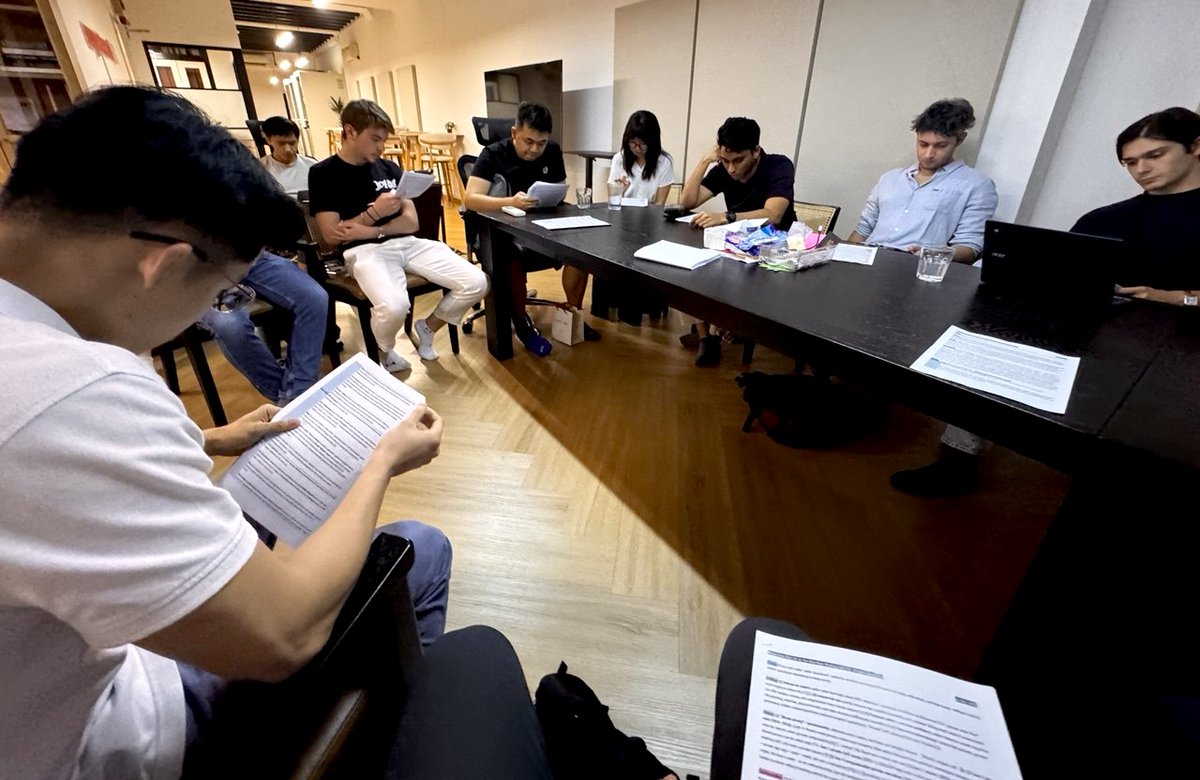
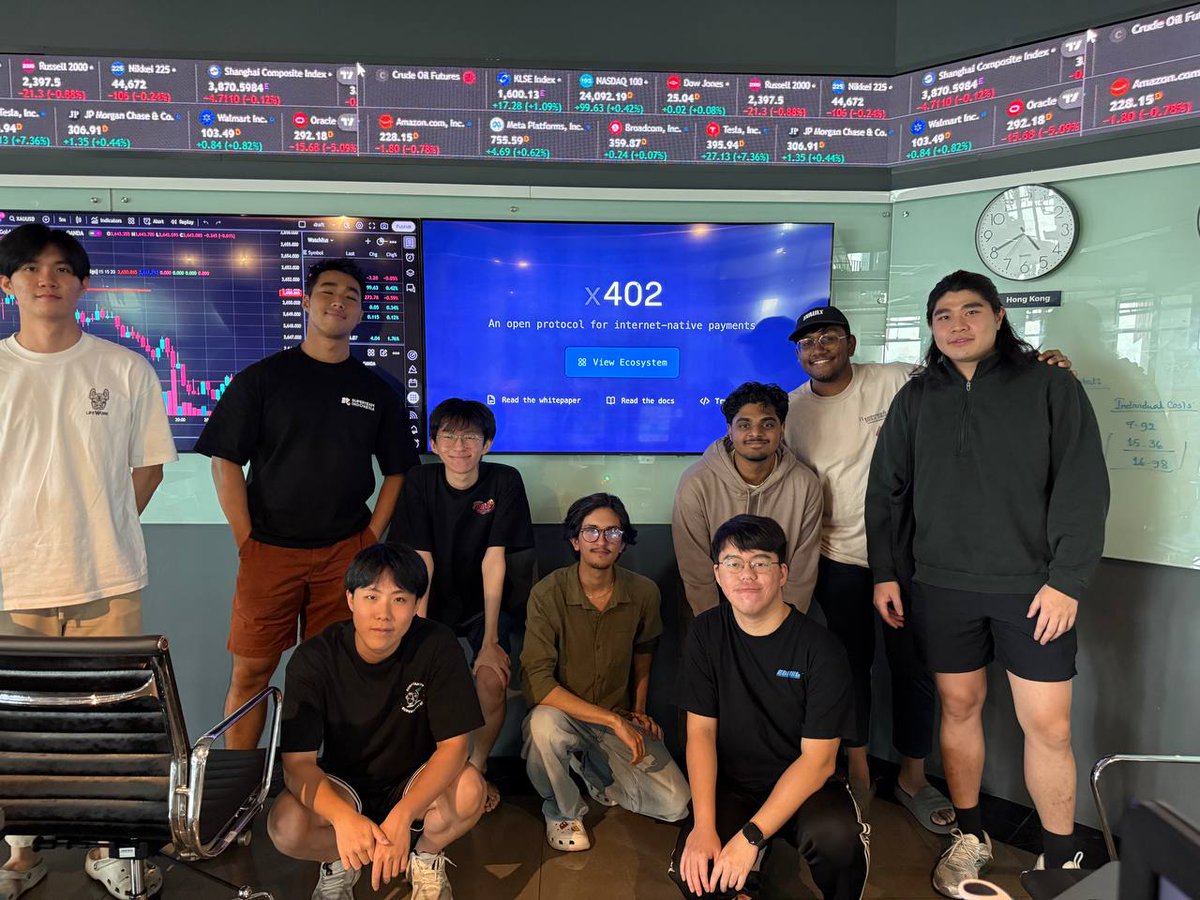
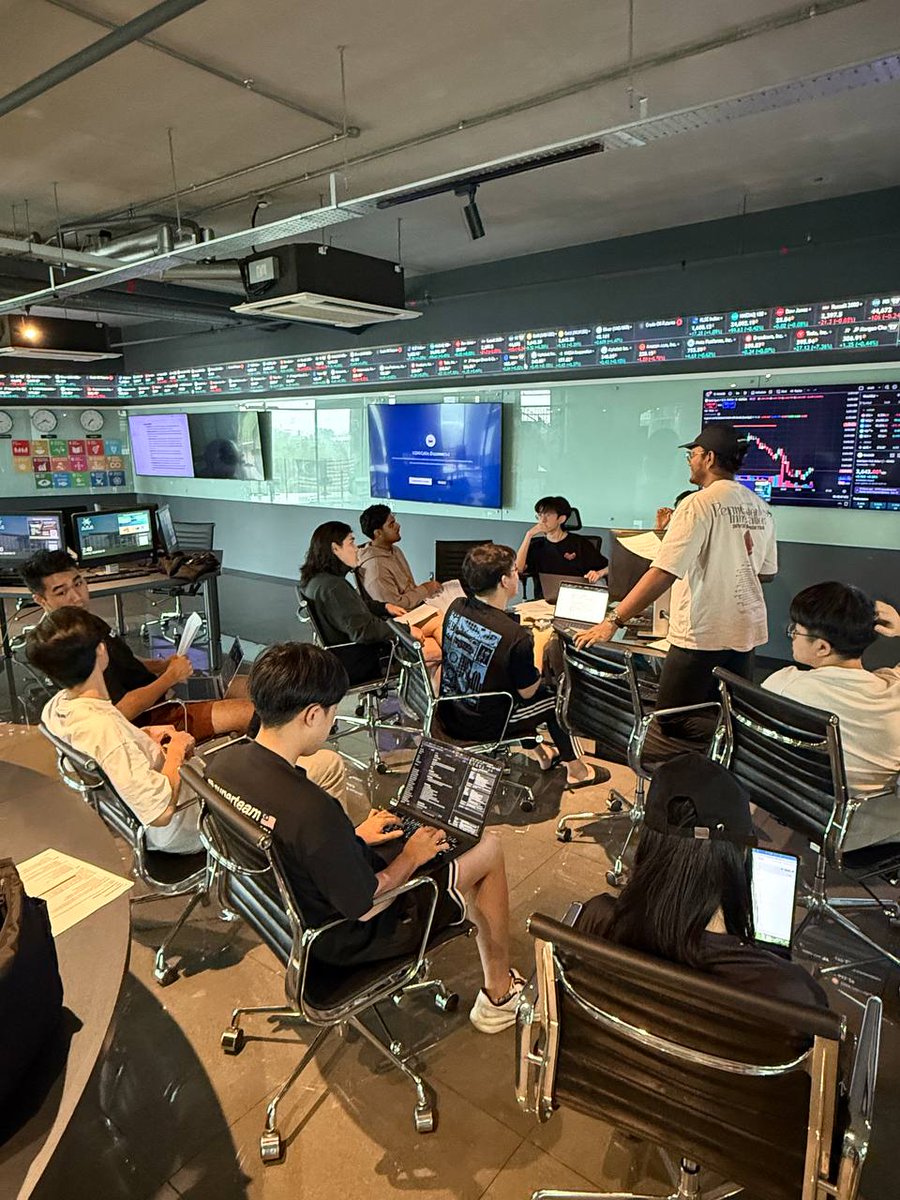
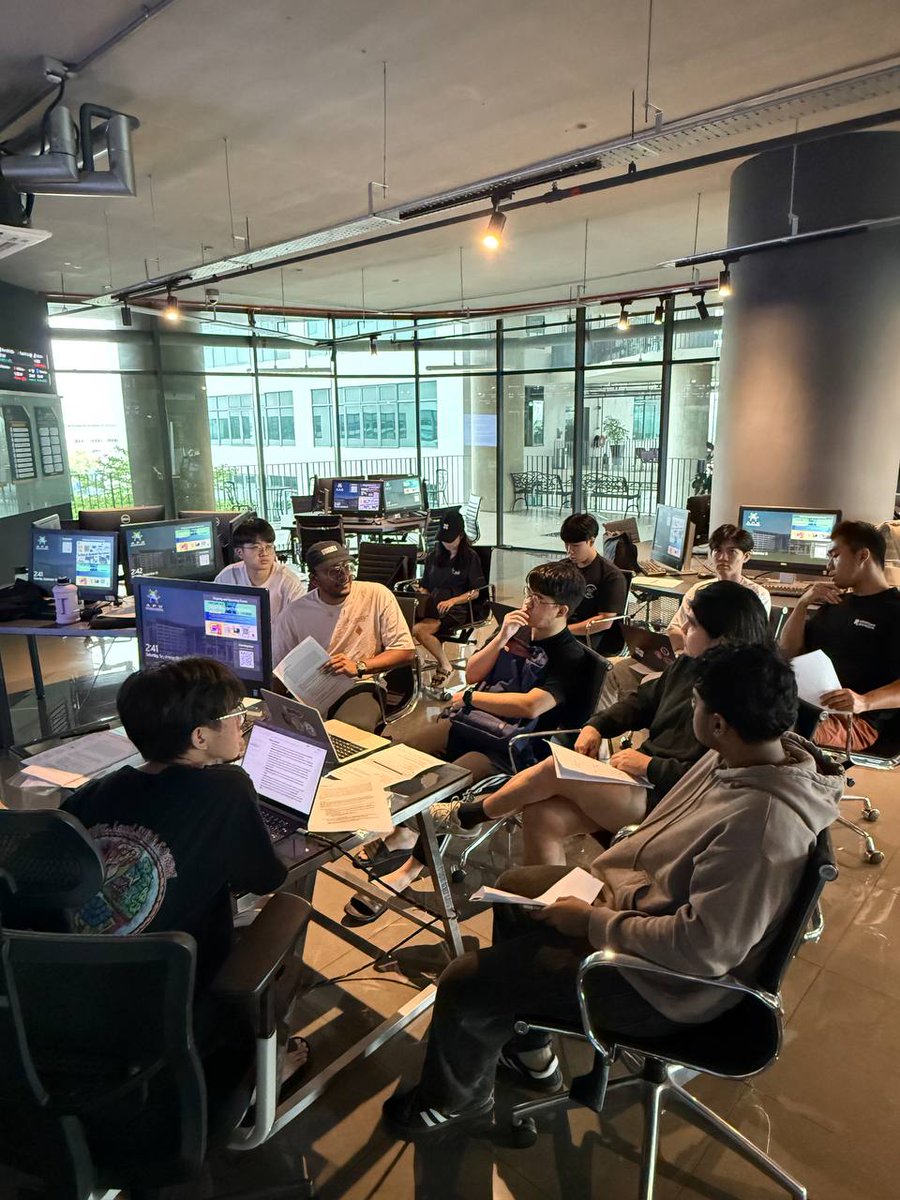
Why is Privacy suddenly blowing up and how does it work? 👁️ Privacy is resurging for 3 reasons: (1) Tech: proof systems got faster + easier to use (better provers, recursion/aggregation, parallelism/HW acceleration). Net effect: cheaper/faster proving, less on-chain data, fast verification → UX finally viable. (2) Social: norm shift: privacy is “default safety” (the way HTTPS/TLS became baseline for the web). (3) Market: MEV/front-running/strategy leakage = a real cost paid by users → demand for shielded execution. 🙏 Shoutout to: @alex_xiong_ @luminoir @spiralladder_ @kowei1995 for guiding us a long the way. Thank you Rupert for suggesting the topic and appreciate @SuperteamSG @Kimmi_Unni (Joel). 📝Full Summary/Notes: docs.google.com/document/d/1-D… 🌉 Core tension: (1) blockchains work because anyone can verify rules were followed. But users don’t want to publish every detail. The pattern is: publish only checkable crumbs (commitments + nullifiers, plus ciphertext for recipients) and add a proof that everything is valid. (2) When that proof is zero-knowledge, it convinces without leaking the hidden details. Practical privacy buckets: • Hide-in-crowd (which person/UTXO?) • Confidentiality + verifiability (hide amounts/participants/state, still enforce rules via ZKP) • Selective disclosure (view keys / auditing keys) Beyond payments: private aggregation (stats/compliance without raw data) + proof of innocence/membership (“I satisfy policy Y” without doxxing inputs). Auditability: (1) Zcash viewing keys can let someone see activity without being able to spend (and some setups help with outgoing visibility / recovery). (2) Monero view keys typically show incoming; outgoing is limited. 🤷‍♂️ Hard problem: shared private state for DeFi composability (AMM price/orderbook/utilization). If everything is private, many users can’t easily “read → compute → write” shared state concurrently → contention + weaker composability. That’s where private/public splits, TEEs, MPC/FHE hybrids start to matter. 🛠️ Tech primitives: (1) MPC: compute jointly; inputs stay split/hidden (no single party sees all). (2) FHE: compute directly on ciphertext; decrypt only the final output (still heavy). (3) iO: obfuscate programs to hide logic; largely theoretical/fragile/expensive (not default in practice).
Whitepaper Reading Club tweet mediaWhitepaper Reading Club tweet mediaWhitepaper Reading Club tweet mediaWhitepaper Reading Club tweet media
English
3
5
27
2.2K
ṙ̵͔͇̗͖o̷̗̬̹͑n̵̹͍̣̖̓͒̿g̷͍̼͊̎͋̅̾͝x̴̧̨̣͚̘̎̌̇̿͒̽̕í̵̐ retweetledi
APU Blockchain & Cryptocurrency Club
Just wrapped up our x402 Whitepaper Reading Session with @WPReadingClub last Saturday! Here's a quick recap of what went down👇🧵
APU Blockchain & Cryptocurrency Club tweet mediaAPU Blockchain & Cryptocurrency Club tweet mediaAPU Blockchain & Cryptocurrency Club tweet media
English
3
5
27
1K
ṙ̵͔͇̗͖o̷̗̬̹͑n̵̹͍̣̖̓͒̿g̷͍̼͊̎͋̅̾͝x̴̧̨̣͚̘̎̌̇̿͒̽̕í̵̐ retweetledi
House of ZK
House of ZK@HouseofZK·
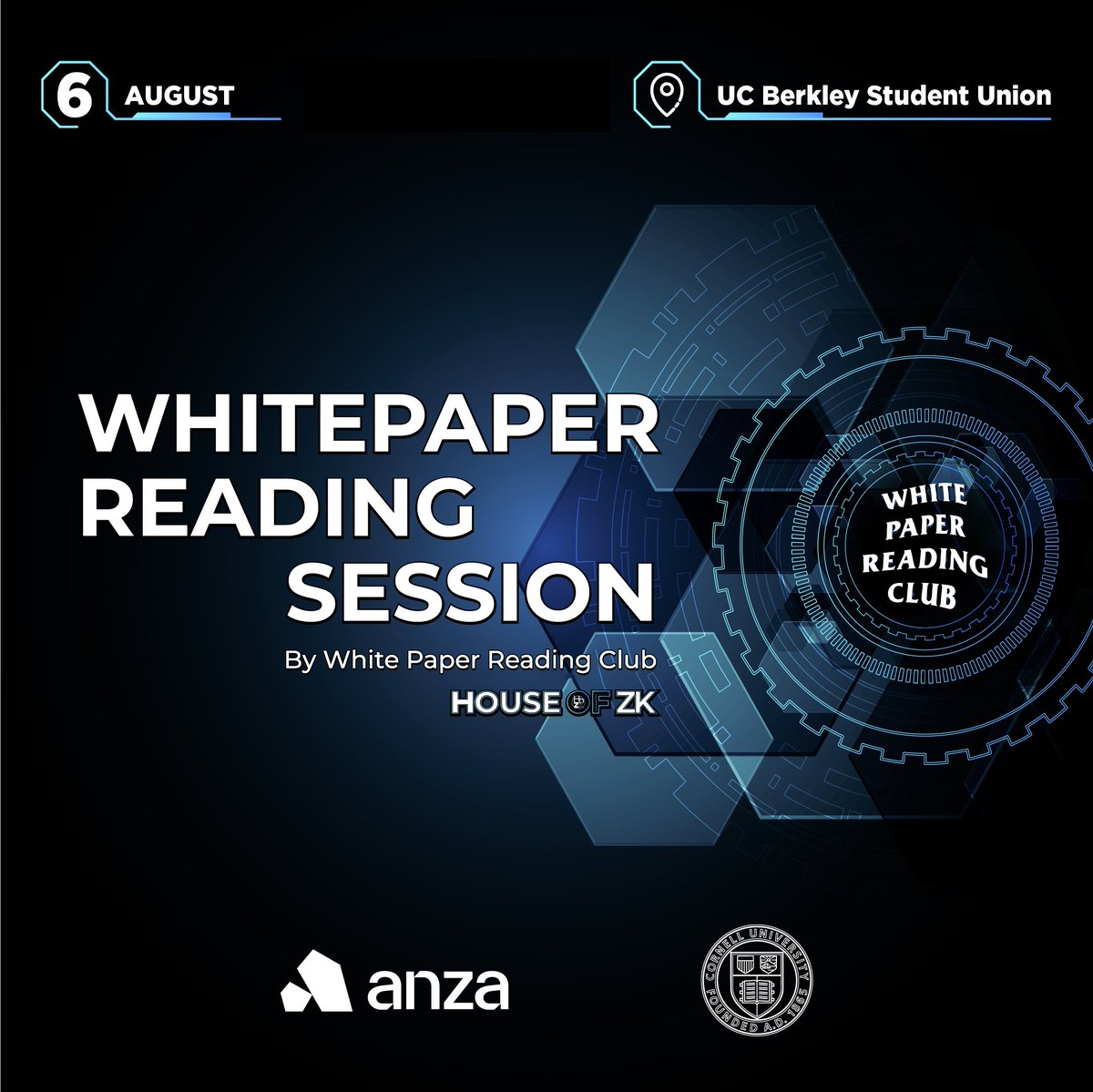
House of ZK is teaming up with @WPReadingClub for a special session at Science of Blockchain Conference 2025 at @UCBerkeley: lu.ma/omc3cofk 🗓️ Aug 6th | 11am-3pm PDT A series of whitepaper readthroughs and roundtable discussions, distilled into plain language 🤝
House of ZK tweet media
English
7
6
62
2K
Whitepaper Reading Club
Whitepaper Reading Club@WPReadingClub·
Whitepaper Reading at Science of Blockchain Conference 25 in Berkley on August 6 Papers: - LiqueFaction: Loaning out private keys using TEE - with James Austgen of Cornell - AlpenGlow: Solana's biggest consensus update - with @TheWattenhofer of @anza_xyz & ETHZurich - 1 more coming … Sign Up: lu.ma/omc3cofk Thank to @initc3org and @HouseofZK for making this possible 🙏
Whitepaper Reading Club tweet media
English
1
2
34
1.1K
ṙ̵͔͇̗͖o̷̗̬̹͑n̵̹͍̣̖̓͒̿g̷͍̼͊̎͋̅̾͝x̴̧̨̣͚̘̎̌̇̿͒̽̕í̵̐ retweetledi
Whitepaper Reading Club
Whitepaper Reading Club@WPReadingClub·
Community Pod Ep04 Part 2 "AI Fiverr" with @marouen19 from @crestalnetwork - Replacing the traditional gig economy with AI agents. Creators can build, deploy, and monetize agents that perform complex tasks, all powered by a fair revenue-sharing model and our 'CAPS' microtransaction system. TimeStamps: 01:13 Creator vs. User Personas 01:40 The Future: From Human to AI Freelancers 02:36 Incentivizing Open-Source vs. Proprietary Agents 03:34 Platform Demo 05:05 Use Case: BTC Analysis & Tweet Agent 06:41 On-Chain Verifiability for Agents 07:10 Public vs. Private Skills & Access Control 11:43 The 'CAPS' Credit System for Payments 13:21 Revenue Share Model Explained 16:53 Internal (CAPS) vs. External (Nation Token) Economy 18:33 The Distraction of Tokens for Builders 19:45 Tokens: A Double-Edged Sword 21:12 A Gated Path to Token Launch 25:06 Vision, Short & Mid-Term Challenges 29:21 The End Goal: An 'AI Fiverr' 33:16 Philosophy: Product First, Token Second #AI #AgenticAI #Web3 #FutureOfWork #Crypto #GigEconomy
English
4
3
10
4.7K
ṙ̵͔͇̗͖o̷̗̬̹͑n̵̹͍̣̖̓͒̿g̷͍̼͊̎͋̅̾͝x̴̧̨̣͚̘̎̌̇̿͒̽̕í̵̐
Dope discussion with @marouen19 from @crestalnetwork. Learning about Ai Agents, the business of OpenSource and the future of the Freelance Economy. EP 2 coming soon :)
Whitepaper Reading Club@WPReadingClub

Community Pod Ep04 Part 1 We sit down with @marouen19 - engineer, turned APAC lead for @Consensys and @0xPolygonTV now founder of @crestalnetwork, @intentkitai to discuss the future of AI agents and how it will replace the gig economy. Key Topics: - Why agent deployment (hosting, payments, updates) is the hard part — and how Crestal solved it. - The Open Source business model: free code, paid hosting/support. - Three-layer stack: Intent Kit → Nation marketplace → enterprise installs. - The user journey from casual user → creator → developer → investor. Timestamps: - 00:10 Tunisia → Singapore tech journey - 01:05 No-code apps for MINDEF & Toyota - 02:04 Consensys and Brunei DID project - 03:13 Polygon BD (games, stablecoins) - 03:43 Starting Crestal: no-code AI/crypto agents - 06:56 Difficulties of Ai Agents in Production - 08:11 Open Source business model - 10:22 “Intent Kit” free core toolkit - 10:54 Layers: toolkit → marketplace → enterprise - 13:27 Skills/Apps for enterprises vs retail users - 16:14 Adoptions: user → creators → developers - 17:47 Make agents: form, prompt, or clone Part 2: [Coming soon]

English
0
0
3
256
ṙ̵͔͇̗͖o̷̗̬̹͑n̵̹͍̣̖̓͒̿g̷͍̼͊̎͋̅̾͝x̴̧̨̣͚̘̎̌̇̿͒̽̕í̵̐
Had blast talking with @saugardev - ;earned a lot about TEEs and when to use TEEs and when to use ZK.
Whitepaper Reading Club@WPReadingClub

New Chainless EP-02 Part 2: @saugardev (Founder Livy) joins @brianseong (@0xPolygonTV) and @mrrongxin on the Chainless Podcast EP02-Part 2 to explain how Livy = Vercel for TEEs Timestamps: 01:40 ClOBS on BLOBS 03:00 DevX: GitHub → Compile → Attest 08:49 Verify AI & Oracles 10:48 Celestia DA (public/private) 19:57 TEEs vs ZK 29:24 Livy demo Part 1: Intro to TEEs and benefits and limits x.com/WPReadingClub/… Watch: youtu.be/e6cJ4gYiNvw #Web3 #TEE #VerifiableCompute #Infra #Chainless

English
0
0
3
172
ṙ̵͔͇̗͖o̷̗̬̹͑n̵̹͍̣̖̓͒̿g̷͍̼͊̎͋̅̾͝x̴̧̨̣͚̘̎̌̇̿͒̽̕í̵̐ retweetledi
Quentin Kniep
Quentin Kniep@qkniep·
@WPReadingClub @anza_xyz Not sure I understand question (4) correctly: Relays in Rotor have no more power than the root of each Turbine tree does today. Specifically, they can not fork the chain: If the leader never maliciously signs and sends two blocks, consensus never considers two different blocks.
English
0
1
5
227
ṙ̵͔͇̗͖o̷̗̬̹͑n̵̹͍̣̖̓͒̿g̷͍̼͊̎͋̅̾͝x̴̧̨̣͚̘̎̌̇̿͒̽̕í̵̐ retweetledi
Quentin Kniep
Quentin Kniep@qkniep·
@WPReadingClub @anza_xyz Regarding note (4), there is nothing fundamentally preventing slot times shorter than 400 ms (thus improving end-to-end latency at the cost of bandwidth). This number is a nice fit since it's the same order of magnitude as the timeouts you need to account for network latency.
English
0
1
6
226
ṙ̵͔͇̗͖o̷̗̬̹͑n̵̹͍̣̖̓͒̿g̷͍̼͊̎͋̅̾͝x̴̧̨̣͚̘̎̌̇̿͒̽̕í̵̐ retweetledi
Whitepaper Reading Club
Whitepaper Reading Club@WPReadingClub·
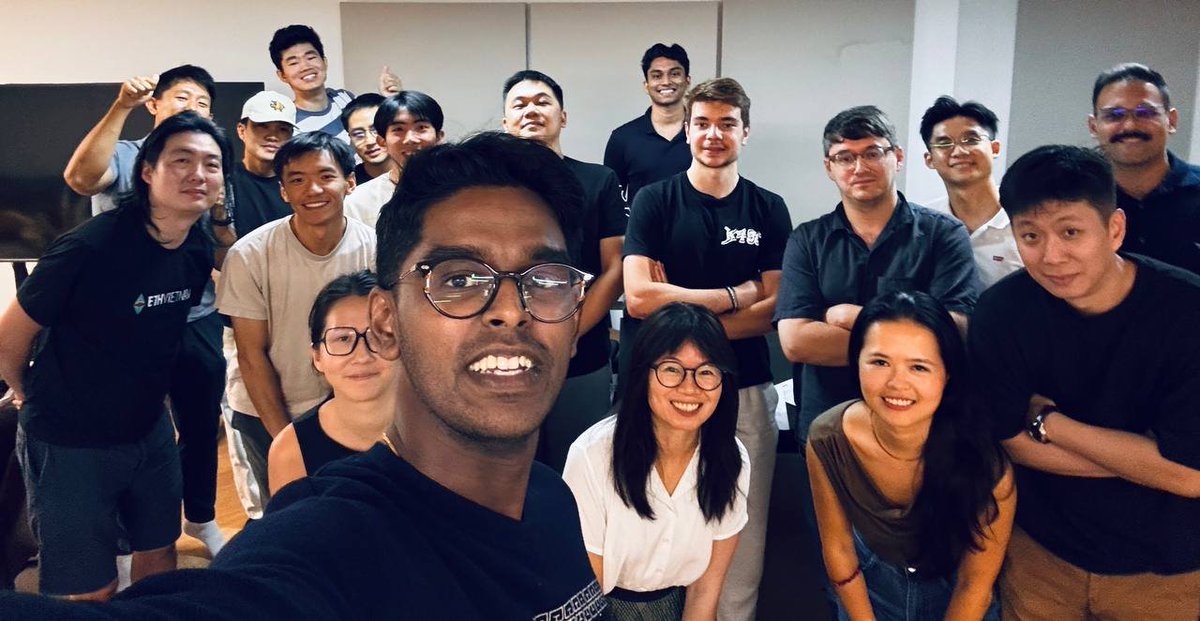
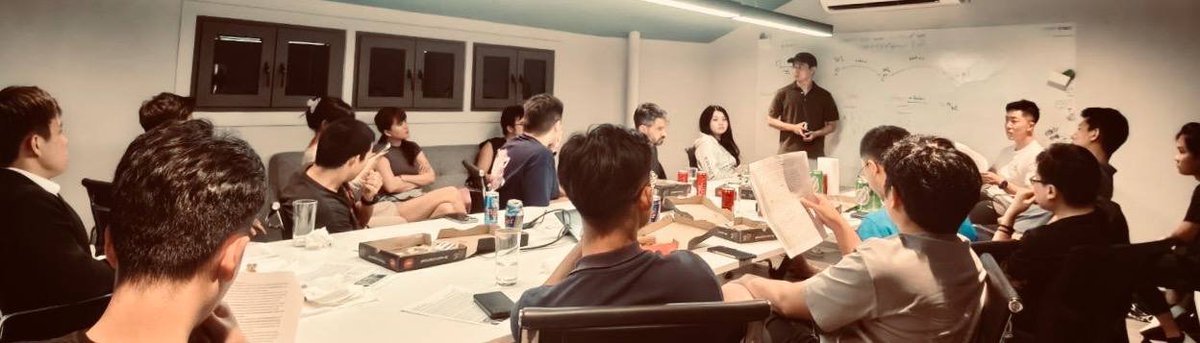
We finished a 3 hours Whitepaper Reading on AlpenGlow (@anza_xyz ) Notes: (1) Turbine now optional—Rotor handles block relay, simpler but maybe easier to censor (2) relay nodes become incentive-driven (3) certificate signatures cut on-chain bytes, not network traffic (4) Solana’s scaling lever is lower latency; slots fixed at 400 ms (5) PoH clock removed—400 ms leader timeout enforces ordering (6) protocol favors quick cancellations over inclusions, possibly boosting resubmits. Questions: (1) What are the key trade-offs in rolling out Alpenglow? Is it censorship resistance? (2) How are certificates created and verified? (3) How exactly does Alpenglow replace PoH for ordering? (4) As relays are a new middle men, can they direct-message txs to validators they trust and create a fork? Does that create censorship? Any pointers would be great @TheWattenhofer @DiscoKobi @qkniep @brenn @bw_solana
Whitepaper Reading Club tweet mediaWhitepaper Reading Club tweet media
English
13
6
38
3.9K
ṙ̵͔͇̗͖o̷̗̬̹͑n̵̹͍̣̖̓͒̿g̷͍̼͊̎͋̅̾͝x̴̧̨̣͚̘̎̌̇̿͒̽̕í̵̐
The future of blockchain, without the chain?
Whitepaper Reading Club@WPReadingClub

This week on the Chainless Podcast @BrianSong99 and @mrrongxin dive into the Chainless Apps Whitepaper, a new paradigm for Web3 application development! Chainless Apps offer Web2 UX with Web3 trust. They run most logic off-chain for speed, using verifiable compute (like ZKVMs or AVS @eigencloud) to prove correctness on-chain. The @agglayer (@0xPolygon) provides interoperability across chains. This is an exciting future for the world of decentralized and multi-chain applications. Key Points: - Verifiability: Ensuring data integrity. - User Experience (UX): Simplifying Web3 for mass adoption (no more clunky wallets or high gas fees!). - Scalability: Boosting performance and throughput. Key Components: - Execution Layer: Your Web2 backend, logging state changes. - Trust Layer: Where proofs are generated (ZKVM, committee, or even operator trust). - Bridge Layer: Enabling seamless Web3 communication via Agglayer. - Settlement Layer: The secure blockchain anchor (e.g., Ethereum). Use cases: Imagine ZKHyperliquid, a crypto exchange with Web2 speed BUT Web3 trust, or verifiable Web3 games and private institutional finance systems. Chainless Apps offer minimal, customizable setups, letting developers focus on the app, not just the chain. Explore Chainless Apps 👇: 01:18 Background of the problem statement 04:48 What is Chainless App 07:20 Chainless Apps Framework Breakdown 10:56 Execution Layer - Finite State Machine 16:52 TEE in Execution Layer 21:26 Trust Layer with zkVM 25:53 Input Validation for Trust Layer 27:20 Other Trust Setup 31:41 Design choice between Execution Layer & Trust Layer 34:55 Interoperability - Agglayer 38:00 Why Agglayer for interoperability ? 41:14 Interoperability among Chainless Apps versus dApps on single chain 52:13 Chainless App Examples: zkSpot, Games, Banks & [A-Z] App 58:43 L2 Thought Paper Link: arxiv.org/abs/2505.22989
English
1
1
5
319
ṙ̵͔͇̗͖o̷̗̬̹͑n̵̹͍̣̖̓͒̿g̷͍̼͊̎͋̅̾͝x̴̧̨̣͚̘̎̌̇̿͒̽̕í̵̐ retweetledi
Whitepaper Reading Club
Whitepaper Reading Club@WPReadingClub·
1/4 Community Pod [EP 3 Part 1] Paulo Ramos is an economist and PhD from Singapore Management University. He specializes in game theory: implementation theory/social choice (designing rules to shape outcomes) TimeStamps: 03:45 Player Payoffs 04:37 Incentives & Rationality 07:04 Rock-Paper-Scissors 08:01 Prisoner’s Dilemma 11:20 Cookie Trade Analogy 17:54 Global Trade Dynamics 18:59 Repetition & Reputation 22:55 Discounting the Future 26:42 Compounding Effects Paulo linkedin.com/in/paulo-danie…
English
1
1
2
381
Whitepaper Reading Club
Whitepaper Reading Club@WPReadingClub·
1/6 Community Podcast #2: Understanding Ethereum’s L2 scaling, security, and decentralization trade-offs with Sebastian Kugler (Basti), researcher from @l2beat 🫶 Video 1 of 5: “Frameworks for L2 Security” youtu.be/AZ-n6kKsSHM 2/6 Timestamps: 01:51 – L2BEAT Health Report 02:54 – Decentralization Trilemma 03:59 – Cheating the Trilemma 06:46 – What is “State”? 11:51 – L2BEAT’s Role 12:46 – Risk Pizza 14:07 – State Validation 14:35 – Exit Windows 15:48 – Ideal L2 System 18:09 – Standardizing L2s 19:29 – Decentralization First 20:12 – Awaiting Ethereum Security
YouTube video
YouTube
English
5
7
25
5.5K