Sabitlenmiş Tweet

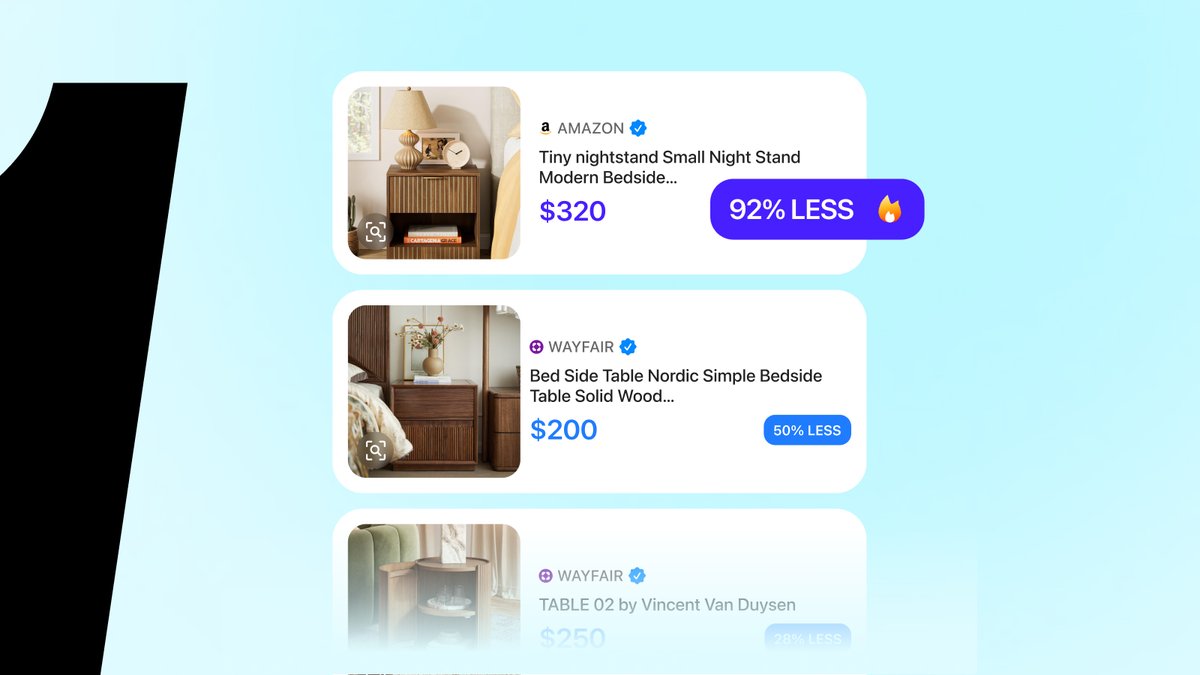
I collab'd with @ghoshal and the @dupe_solana team to design the all new $DUPE app. Today we flipped ChatGPT on the App Store 🥇
*fun fact, not one Figma component was used in the making 😅


English
naïm
10.5K posts

@naimonx
Founder & UI Designer @ 14x9 inc. DM for projects



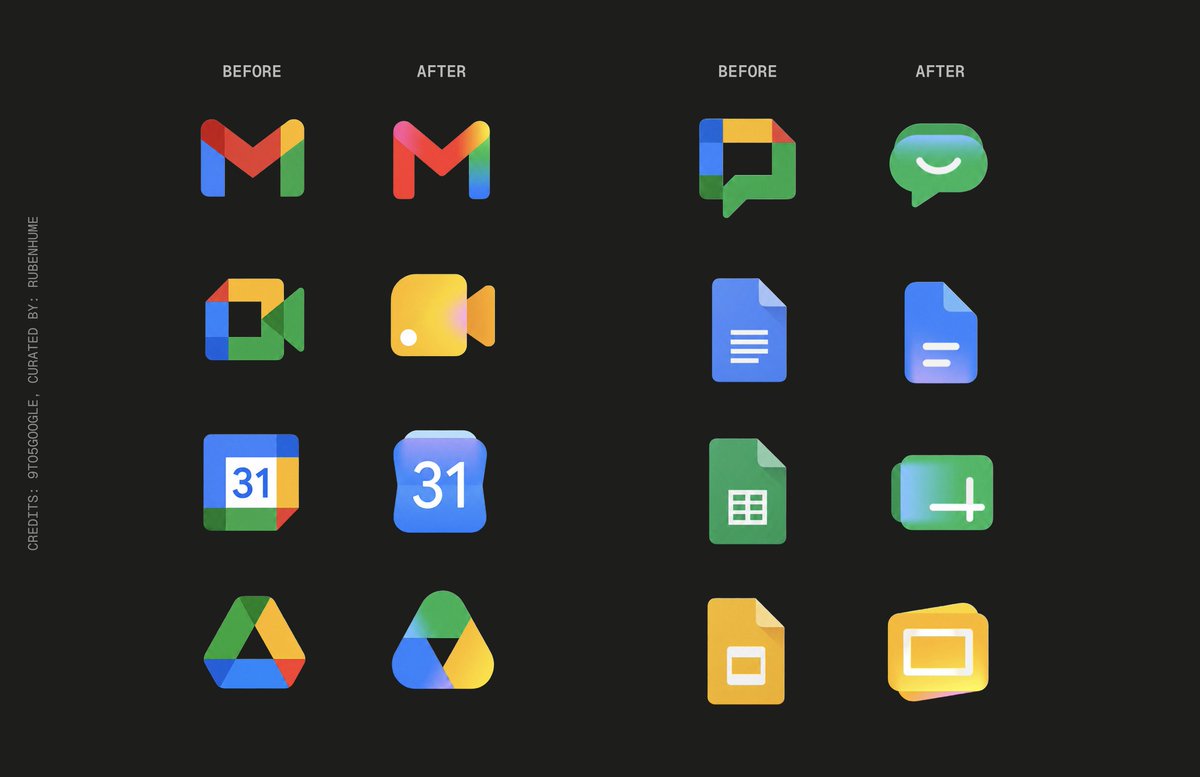
Nyc subway ads from tech startups are getting kinda good??





The New Standard The way we build products has changed. It did not happen gradually. It became undeniable the week everyone came back from winter break and opened their laptops to find that the tools, the teammates, and the expectations had all quietly moved on. I call this "the new standard." Here is what I think has actually changed. Smaller Teams, Bigger Output We built the first version of Glaze, our second product, with three people in a couple of weeks. There are a few more on it now, but the pattern is what matters. Small groups are shipping things that used to need an entire org. Some of our designers are now among our top code committers. That sentence would have sounded absurd two years ago, and it is the clearest signal I have that something has shifted. The line between who builds and who describes what should be built has mostly dissolved. PMs are prototyping the features they used to spec. Engineers are making design decisions they would have punted to someone else. Everyone on a product team is a builder now, and the person closest to the problem is usually the one who solves it. A lot of that work never touches an IDE. It happens from a chat box, the browser, or a phone. Curation over Execution That is the upside. The downside is that when building gets cheap, everything gets built. More apps, more features, more dashboards, more surface area, more of everything. A lot of what I see shipped now is technically impressive and strategically pointless. The new constraint is not execution, it is curation. OpenAI is a useful example. They famously got distracted and did too many things at once. Now they are focused again, betting on one product and building it largely inside Codex. Just because something can be built does not mean it should be. The teams that win will be the ones that concentrate their effort, not the ones that spray it. The upside of this cheapness is real too. You can aim higher. Things that would have taken months are suddenly a few days. In the new version of Raycast, we shipped features we had discussed for years but never had the appetite to build. With AI, we could prototype them, see them come to life, and decide much faster whether they belonged in the product. Because deciding what should and shouldn’t belong is key here. The Debate Nobody has this figured out yet. Every team is rewriting its own playbook on the fly, and the playbooks rarely agree with each other. How small should a team actually be? What should it stop building? How do you keep quality high when shipping is cheap? We are starting an event series called The New Standard to sit down with teams I think get this right: Linear, Anthropic, Cursor, and Vercel. All companies known for restraint as much as for velocity. The first two are next week: 🌉 Monday, April 27, SF: The New Standard with @cursor_ai, @raycast, and @vercel (luma.com/egmieyv4) 🗽 Thursday, April 30, NYC: The New Standard with @linear, @raycast, and @AnthropicAI at @southpkcommons (luma.com/ldp71ob2) If there is a question you want me to put to them, send it in the replies. If your team has landed on a way of working that actually sticks, I want to hear about it. The standard for what a small group of people can build in a short amount of time has moved. Let's figure out together what it now demands of us.


@lucas__crespo @every love the thoughtfulness behind the application, but asking designers to work on your product for free isn't a great look. ask them to explore solutions to competitor products or similar spaces is better.




My dear front-end developers (and anyone who’s interested in the future of interfaces): I have crawled through depths of hell to bring you, for the foreseeable years, one of the more important foundational pieces of UI engineering (if not in implementation then certainly at least in concept): Fast, accurate and comprehensive userland text measurement algorithm in pure TypeScript, usable for laying out entire web pages without CSS, bypassing DOM measurements and reflow