
Sabitlenmiş Tweet
nz
3.9K posts


nz
@nzrlhakimi
Politik, Agama, Anti kejahilan. No risk no story, Malaysian diaspora on the earth. 🇲🇾🇸🇰🇲🇦
Morocco Katılım Ekim 2021
305 Takip Edilen47 Takipçiler
nz retweetledi

Everything really was better when we were younger. The music, games, cartoons, and even people had more soul back then. At this point it’s not even nostalgia anymore.
Hoops@Hoopss
The opening ceremony of Beijing Olympics (2008)
English
nz retweetledi

This isn't AI, it's the Huajiang Canyon Bridge in Guizhou, China, the world's highest bridge at 625 meters above the river beneath it.
It features a man-made waterfall created by diverting karst spring water discovered during tunnel construction.
English
nz retweetledi

More evidence that the universe was designed!
Wonder of Science@wonderofscience
Every second, the Sun ejects 1.5 million tons of material into space at hundreds of miles per second, but Earth's magnetic field protects it from the solar wind. 📽: NASA Goddard
English

nz retweetledi

nz retweetledi

Vladimir Putin: "The West is being run by jewish satanic pedophiles. They want to normalize pedophilia."
English
nz retweetledi

nz retweetledi

Congratulations Israel, you’ve outdone Hitler.
Tamer Nahed@Tamer_Alnoaizy
One of the most horrifying and brutal scenes ever captured on camera in modern history. Israeli soldiers opened fire on thousands of starving Palestinians in Gaza as they ran in desperation trying to get a piece of food during the war on Gaza. A moment the world must never forget.
English
nz retweetledi

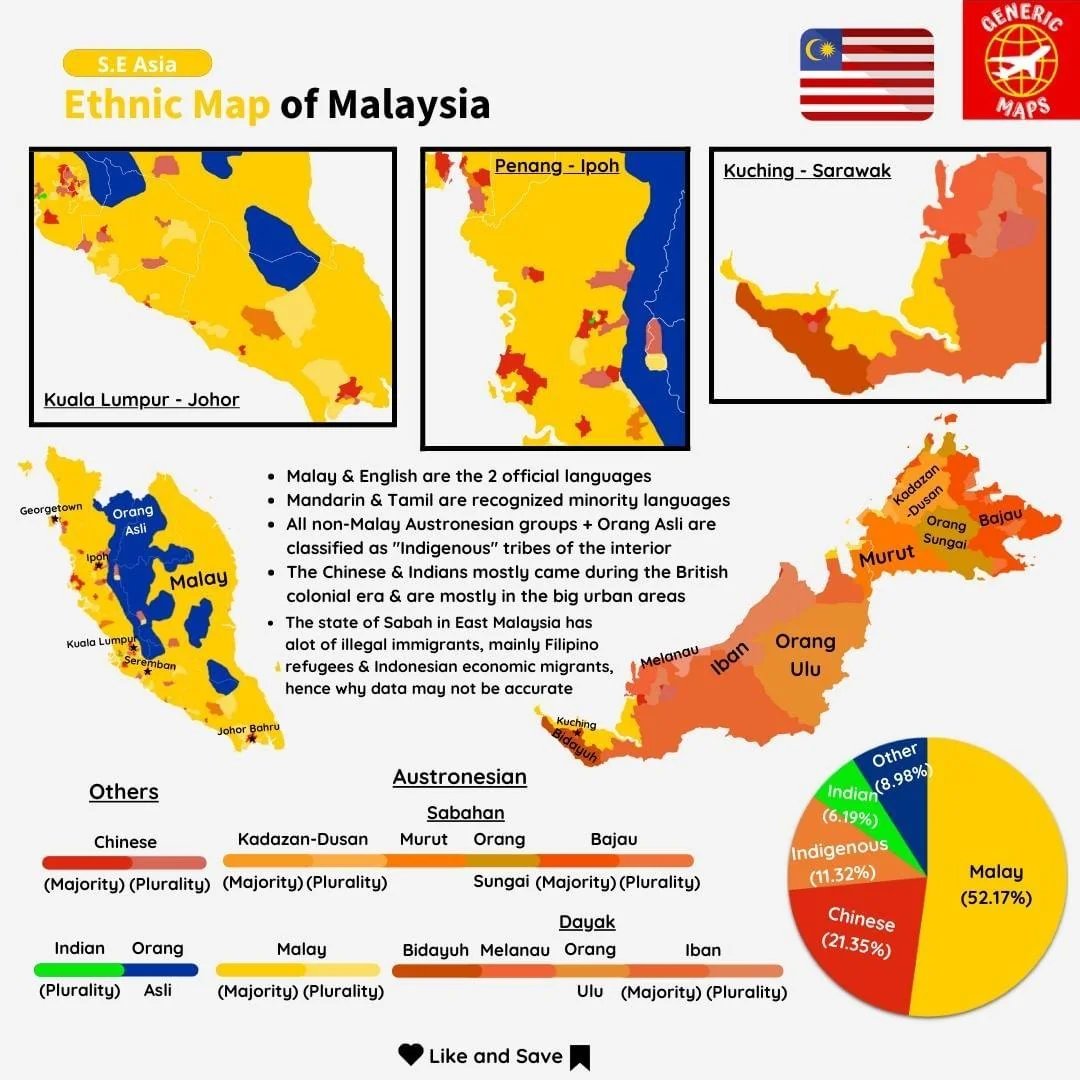
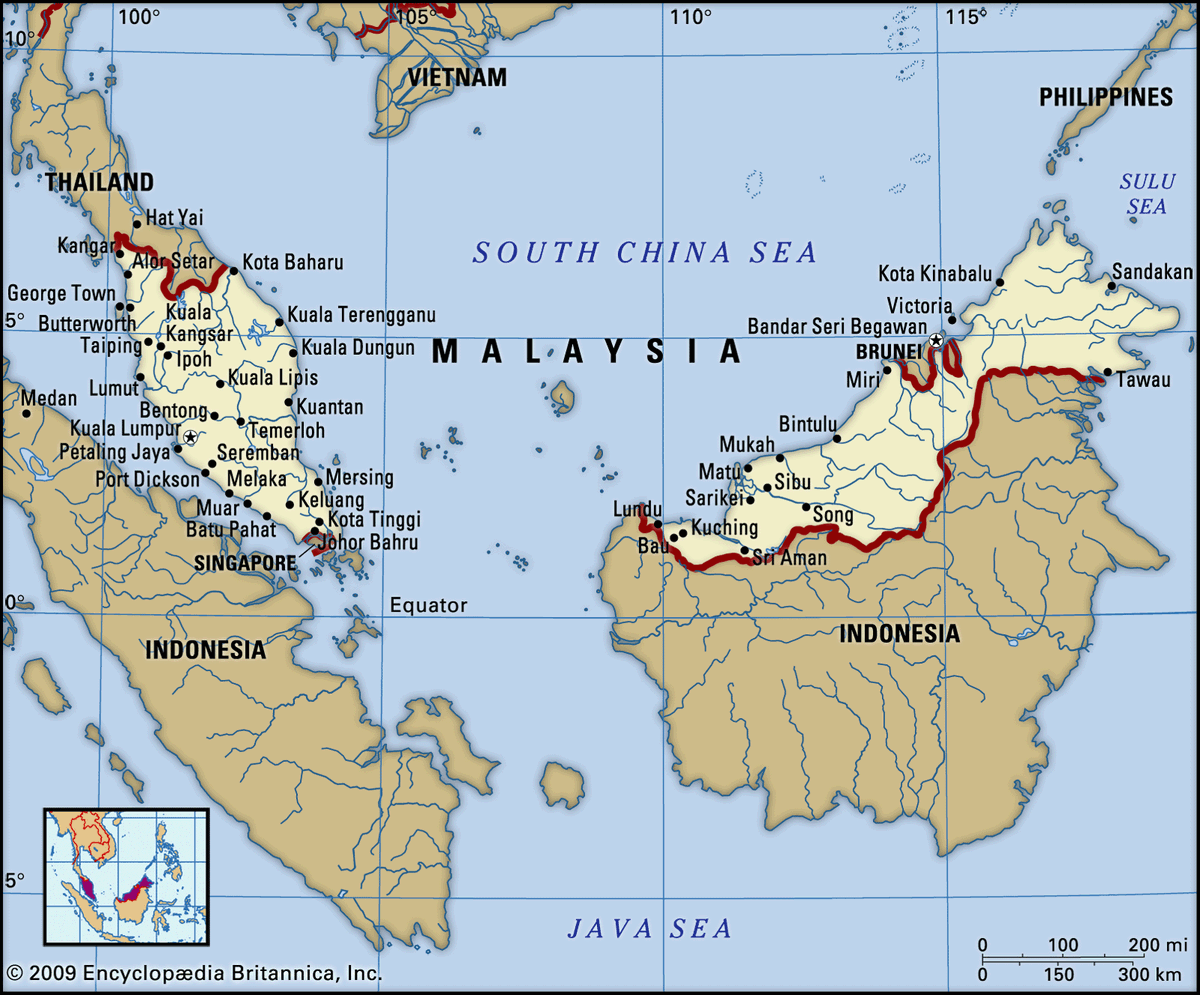
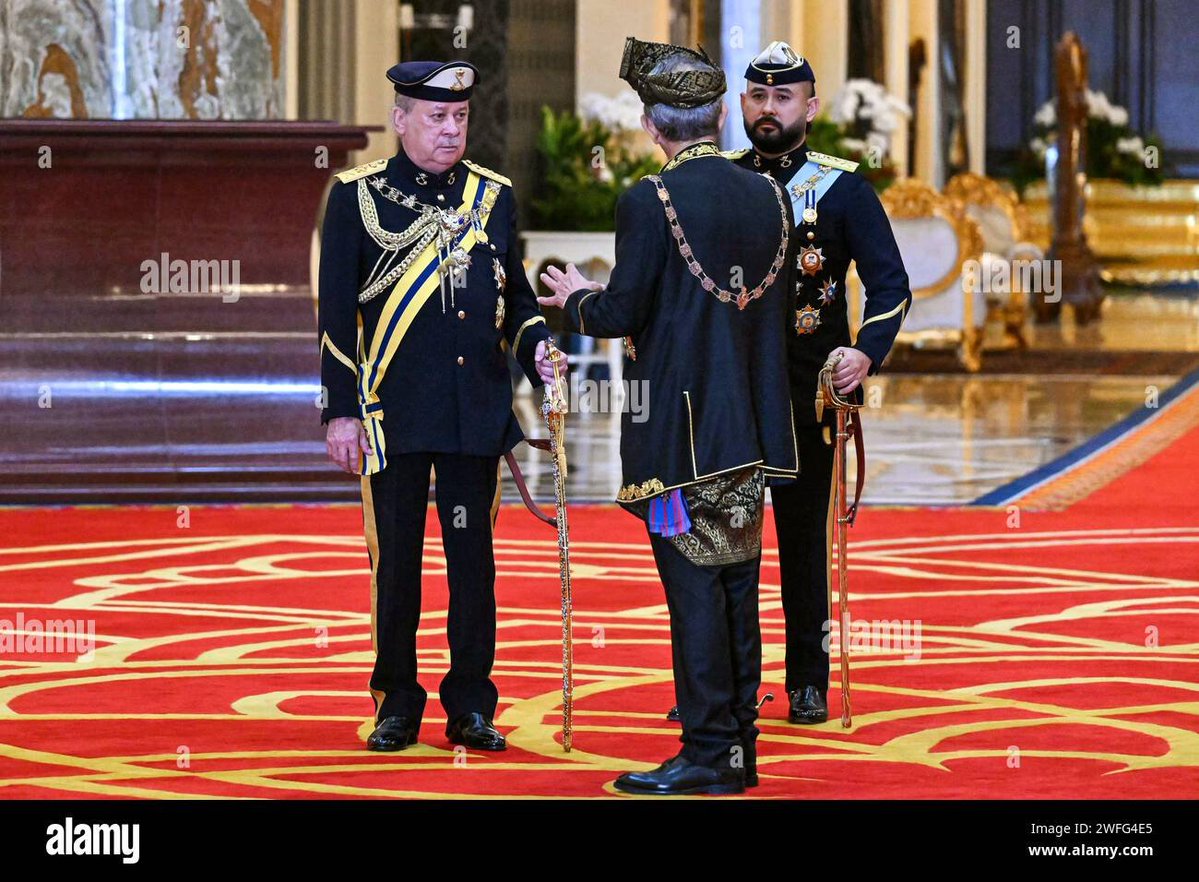
Malaysia's demographics are fascinating
Original population looks African (dark skin, frizzy hair).
Malay majority comes in from Indonesian islands.
During British colonial era, Indians & Chinese come.
Now everybody immigrates to Malaysia with their visa programs.

English
nz retweetledi

nz retweetledi
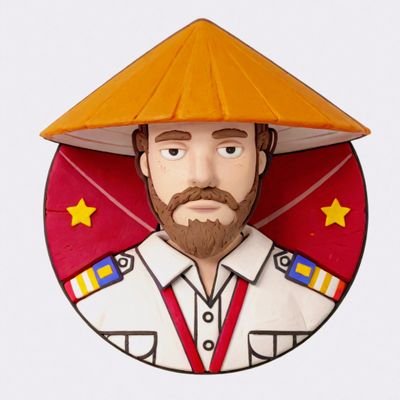
Royal arrival! 🇧🇳 Sultan Hassanal Bolkiah of Brunei flew his own Boeing 747 to Cebu for the ASEAN Summit. The Sultan is a licensed pilot and often captains his VIP jumbo jet.
English
nz retweetledi

Français
nz retweetledi

nz retweetledi

nz retweetledi
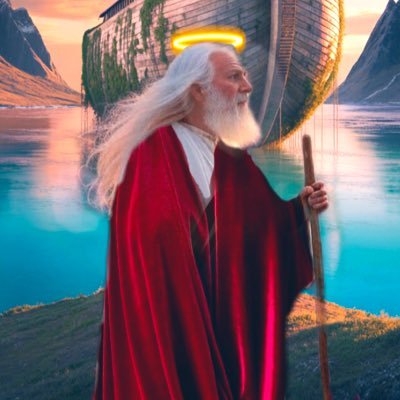
Jewish people were expelled from many parts of the world.
But WHY???
English
nz retweetledi
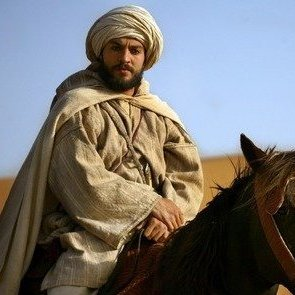
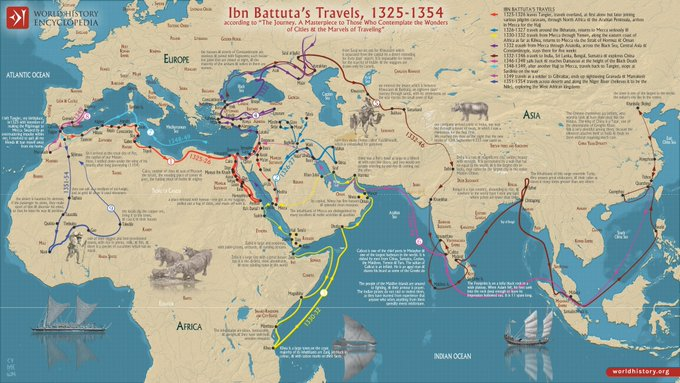
In 1325, a young Moroccan judge left his parents for the Hajj. He wouldn't return for 24 years. He was born in 1304 in Tangier, into a family of legal scholars.
Ibn Battuta traveled 117,000 km — more than Marco Polo (24k) & Zheng He (50k) combined.
In the summer of 1325, a 21-year-old Maliki judge from Tangier named Ibn Battuta left his parents for the pilgrimage to Mecca. He would not see Morocco again for 24 years. By the time he returned, he had walked, sailed, and ridden some 117,000 km, farther than any premodern explorer in history, surpassing Zheng He's fleet (50,000 km) and Marco Polo's Silk Road (24,000 km) combined.
But Ibn Battuta was neither a merchant nor an admiral. He was a (faqīh) jurist trained in Islamic law, and his journey was shaped by two classical Islamic traditions: the hajj (pilgrimage) and the riḥla (travel in search of knowledge). He was born in 1304 in Tangier, into a family of legal scholars.
Cairo, Damascus, Medina, Baghdad. Then beyond: the Golden Horde's Volga steppes, the courts of the Delhi Sultanate (where he was employed as a judge), the Maldives (where he was half-kidnapped, half-bribed into staying as chief judge), and further still, Sumatra, Vietnam, and the Yuan Dynasty's China. In Hangzhou, he marveled at Chinese craftsmanship and noted the presence of Muslim merchants who had made the Silk Road a highway of faith as much as commerce. "The city is very large and well built," he wrote. "The buildings are tall, and there are many merchants and people of various trades".
Unlike Marco Polo, whose travelogue reads like an inventory of distances and commodities, Ibn Battuta's Rihla, formally titled "A Gift to Those Who Contemplate the Wonders of Cities and the Marvels of Travelling". He tells us what he felt: the weight of parting from living parents, the terror of shipwrecks, the humiliation of being robbed, the loneliness of a traveler without companion. As he wrote of his departure: "I set out alone, having neither fellow traveller. My parents being yet in the bonds of life, it weighed sorely upon me to part from them".
That emotional honesty is what distinguishes the Rihla from mere geography. Dictated to the Andalusian poet Ibn Juzayy at the request of the Marinid sultan Abu 'Inan, the text belongs to a sophisticated literary genre that blended autobiography, sacred geography, and administrative intelligence. It is not always precise; chronologies blur, place-names shift, but modern scholars, including the Moroccan editor Abd al-Hādī al-Tāzī, have affirmed its essential authenticity as a historical source. The Rihla offers us a vivid testimony of the 14th-century world: the decline of Muslim Al-Andalus, the Mongol successor states tearing across Central Asia, the prosperity of the Swahili coast, and, poignantly, the arrival of the Black Death in Damascus and Palestine as Ibn Battuta himself was present.
And yet, in the Western imagination, Marco Polo remains the emblem of medieval travel, despite having covered less than a third of Ibn Battuta's mileage and left behind none of his emotional richness. One literary critic observed: "When Marco Polo describes his arrival somewhere: he mentions the height of objects, the distance between them, the length of travel... He never includes himself, and his personality is an utter mystery. Ibn Battuta mentions his emotions in his first paragraph... and his individuality permeates every sentence". The question of why Polo became famous while Ibn Battuta languished in relative obscurity is not a question about distance traveled. It is a question about which stories the West chose to tell about itself.
Ibn Battuta died around 1368 or 1377, likely buried somewhere in Morocco. The Rihla survived in manuscript, copied and preserved in the great libraries of the Islamic world, but it was not widely known in Europe until the 19th century. As the editors of a recent scholarly volume put it, his journey "documents his personal experiences but also serves as a lens through which we can examine the complex interrelations of faith, commerce, and cultural exchange that shaped the medieval world.
English