

Pat McQueen
2.5K posts


MyPOV : the worst part of a @delta flight is the annoying Muzak they play during boarding. Awful #CX. Just turn off the music and minimize announcement d #RoadWarriors
English
For the first time ever, public software companies now trade at a P/E discount to the S&P 500. Not at parity. Below.
English


Pat McQueen retweetledi

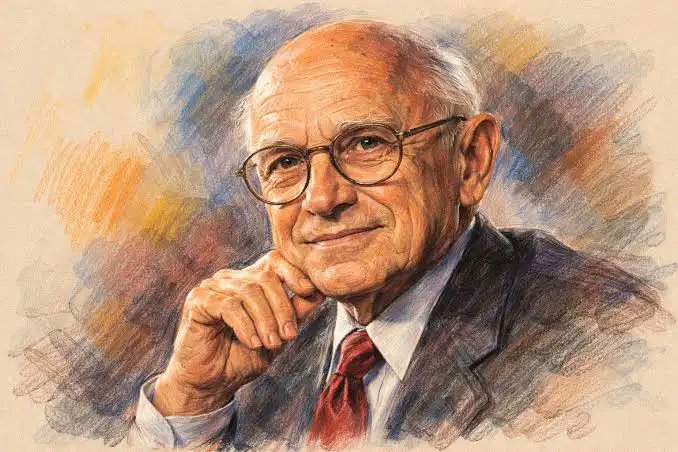
Milton Friedman (prix nobel d'économie) a dit un truc il y a 50 ans qui est encore plus vrai aujourd'hui. Et quasiment personne ne le comprend.
🧵
On lui pose la question : "Sans régulation sur les médicaments, des gens pourraient mourir en prenant des produits dangereux. Vous ne trouvez pas ça grave ?"
Sa réponse est un des retournements logiques les plus brillants de l'histoire de l'économie.
Oui, dit Friedman. Un médicament non régulé peut tuer des gens. C'est visible. C'est dans les journaux. C'est un scandale. Tout le monde le voit.
Mais ce que personne ne voit, c'est les gens qui meurent parce qu'un médicament qui aurait pu les sauver a été bloqué pendant 10 ans par le processus de régulation. Ce mort là, personne ne le compte. Personne ne fait sa une. Personne ne connaît son nom. Parce qu'il est mort de l'absence de quelque chose qui n'a jamais existé.
C'est l'asymétrie fondamentale de la régulation.
Le régulateur a deux types d'erreurs possibles. Erreur 1 : approuver un médicament dangereux. Résultat : scandale public, procès, le régulateur perd son poste. Erreur 2 : bloquer un médicament qui aurait sauvé des vies. Résultat : rien. Personne ne sait. Personne ne proteste. Les morts silencieux n'ont pas de porte-parole.
Du coup, le régulateur rationnel optimise pour éviter l'erreur 1. Toujours. Il rajoute des études. Des phases. Des comités. Des délais. Chaque couche de "sécurité" supplémentaire le protège, lui, au détriment des patients qui attendent.
Friedman estimait que la FDA avait probablement tué plus de gens en retardant des bons médicaments qu'elle n'en avait sauvé en bloquant des mauvais. C'est impossible à prouver précisément. Mais la logique est imparable.
Un exemple concret. Le bêta-bloquant Propranolol était disponible en Europe des années avant d'être approuvé aux États-Unis. Pendant ces années, des Américains mouraient de crises cardiaques qui auraient pu être évitées. Combien ? On ne le saura jamais. Parce qu'on ne compte pas les morts de l'inaction.
C'est le même principe partout. Pas que dans la médecine.
En France, les taxis autonomes sont bloqués par la régulation. Chaque année de retard, ce sont des accidents de la route qui auraient pu être évités. Mais personne ne compte ces morts là. On compte uniquement le premier accident d'un taxi autonome, qui fera la une de tous les journaux.
L'IA dans la médecine est ralentie par des processus d'approbation qui prennent des années. Des diagnostics qui pourraient être faits en secondes par un algorithme attendent des validations pendant que des patients attendent des mois pour un rendez-vous.
Le nucléaire a été bloqué pendant des décennies par la peur. Combien de gens sont morts de la pollution des centrales à charbon qui ont tourné à la place ? Personne ne les compte.
Le pattern est toujours le même. On voit le risque de l'action. On ne voit jamais le risque de l'inaction. Et comme le risque de l'inaction est invisible, le régulateur choisit toujours l'inaction. Parce que l'inaction ne produit pas de scandale.
Friedman résumait ça en une phrase : "Les gens qui ont été sauvés par la FDA sont visibles. Les gens qui sont morts à cause des retards de la FDA sont invisibles. Et dans une démocratie, le visible gagne toujours contre l'invisible."
La prochaine fois que quelqu'un vous dit "il faut plus de régulation pour protéger les gens", posez une seule question : combien de gens meurent en attendant que la régulation les autorise à vivre ?
La réponse est toujours plus grande que ce qu'on imagine. Mais personne ne la calcule. Parce que les morts de l'inaction n'ont pas de visage.
Français
I read @QuinnyPig for the humor ... "AWS pricing is where dreams go to get itemized."
English
@dok2001 @Cloudflare Maybe this is packaging and not innovation but a corporate platform for vibe coding applications. Similar to Meta’s Nest platform.
English

Just over week until @Cloudflare next Innovation Week! What should we announce?
English
@CloudflareDev @Kellblog too late in your platform migration? Cloudflare is pretty awesome.
English

Introducing EmDash — the spiritual successor to WordPress.
Serverless. TypeScript. Securely sandboxed plugins via Dynamic Workers.
cfl.re/3NPVfev
English
@traestephens I miss the old wired that aligned with Builders. Canceled my subscription
English

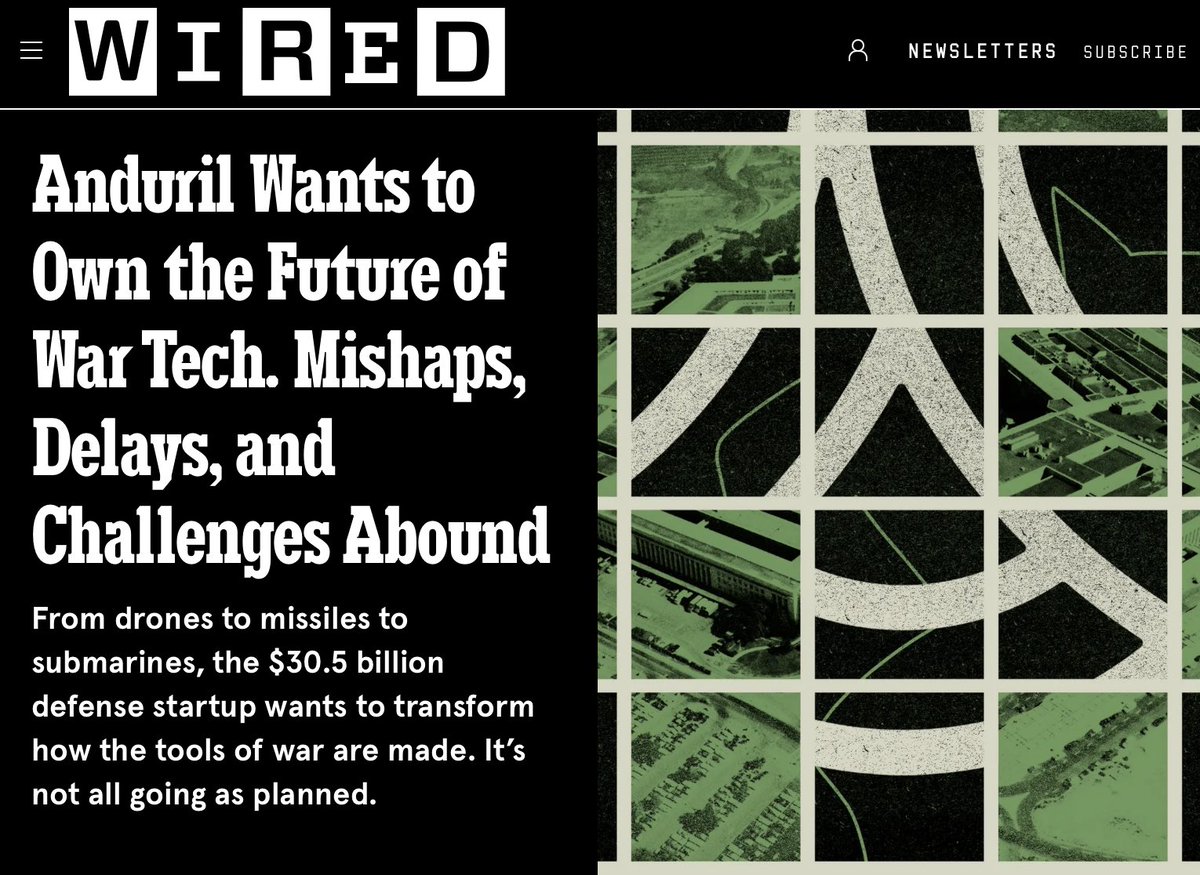
The world is splitting between people who engage with reality to build the future and professional outrage artists spinning fantasy in the name of “accountability.” Wired has cast its lot with the latter.
Wired talked to 37 people (including trying to talk to one employee's mother!) and discovered some Pultizer-winning stuff: defense manufacturing is hard, Grimm didn't like his lunch, and that we hold our people to the highest standards. Truly groundbreaking.
After I suggested someone should buy them last month, this reads less like journalism and more like a petty grudge. An increasingly irrelevant tech publication put us in their burn book. Newsflash @Wired: this changes nothing about what the Pentagon needs or what our adversaries fear.
What this half-reported screed can't capture (because it wouldn't know how and didn't take us up on our offers to help) is where we actually are: scaling faster than anyone in this industry, fixing problems as we find them, and building things this country hasn't built in generations.
Don't like it? Don't Work at Anduril.
English
The most important problems in business, technology, and national security are not technical problems. They are commons problems. And the approach we need to solve them already exists, it just hasn’t been adopted by the people who most need to apply it. Says @AndrewDavis_io
English
BREAKING: BIG NEWS! you are going to need enterprise MCP for those agents
English
Pat McQueen retweetledi

Citadel elegantly murders the Citrini post here citadelsecurities.com/news-and-insig…
English
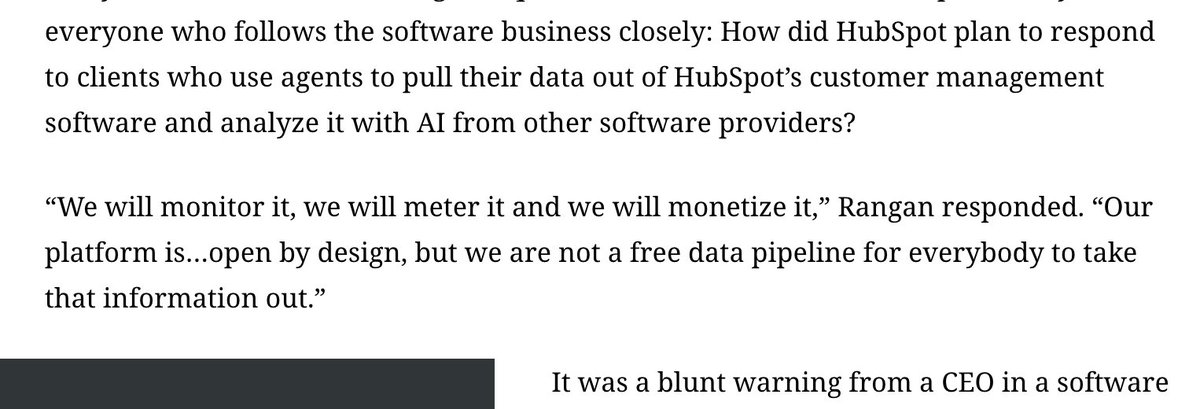
🤖🫰Enterprise apps from Microsoft to HubSpot are plotting to extract fees from the AI agents that access their services.
English
Pat McQueen retweetledi

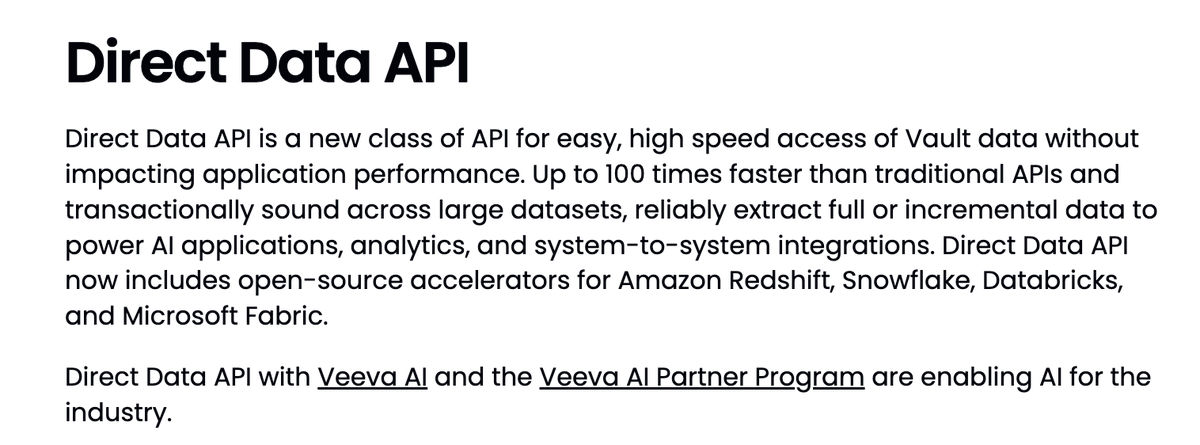
I think Veeva's CEO communicates this exceptionally well. And they don't charge for API access. In fact, the first thing Veeva did was make their API extremely open, fast, performant for AI/agentic workloads. They make customers feel like the data is theirs (because it is), and that they are free to maximize the utility of that data in any way they see fit. Framing it any other way if you are a incumbent co. screams "we are horribly positioned" (because you are).
Matt Slotnick@matt_slotnick
software needs to stop saying "we'll charge for API access" and start saying "our platform provides high quality, tailored context for agnetic workflows"
English
Pat McQueen retweetledi
Same VC:
40 millions lines of code of Salesforce or Hubspot can be replaced by code gen. Dead.
400K lines of code that built our ai app startup are worth $1T because ai software is an art form, and LTV is amazing, and pricing power, and stickiness of integrations, and …
English
@QuinnyPig Oh it’s definitive … Heroku is off life support. The fatal blow was the Salesforce acquisition.
English


The solution is to import only Filipinos
Martin Sellner@MartinSellner_
Danish statistics from 2010–2022 reveal a brutal truth: Somalis, Syrians, and Afghans, the very groups imported into Germany en masse, show a vastly higher propensity for violent crime than the native population. Every crime those people committed was imported by our elites.
English
Pat McQueen retweetledi

UNPOPULAR OPINION: Everyone tells you to compete harder. They should be telling you to compete differently. 👇🏼
On October 20, 1968, Dick Fosbury, an engineering student who didn't even make his high school track team, just won Olympic gold in the high jump.
The wild part is that nobody else was doing what he did.
Every high jumper before him used the same technique—jumping forward or at an angle, clearing the bar head-on.
Fosbury did the opposite. He jumped backward. Headfirst.
Curved his body over the bar using basic physics.
Coaches thought he was insane. Critics said it wouldn't work. He ignored them all.
Here's what happened next:
📈 Before Fosbury: Zero Olympic jumpers faced skyward.
📈 After Fosbury: Every world record holder did.
He didn't beat the competition. He made the competition irrelevant.
The real insight: Fosbury didn't win because he trained harder than everyone else.
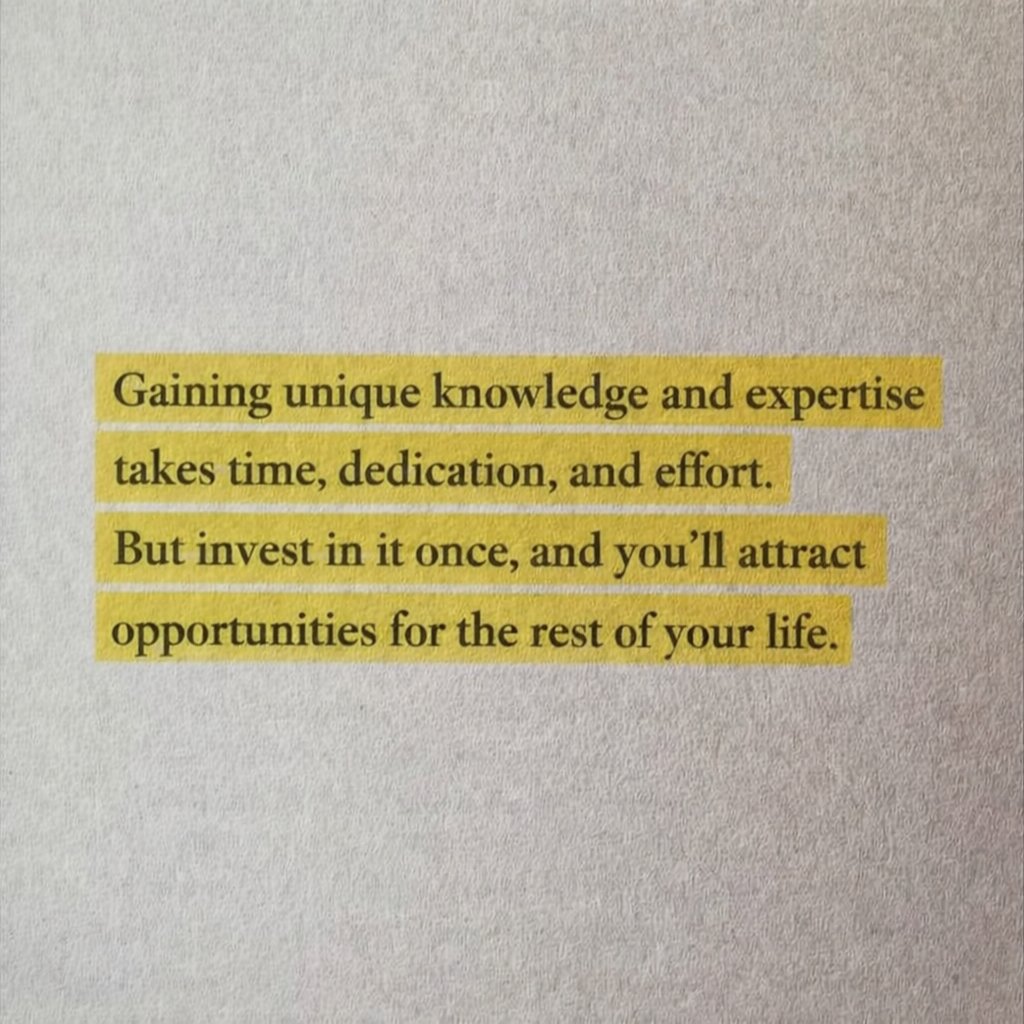
He won because he leveraged something nobody else had—unique knowledge. He was an engineer in a field full of athletes.
When you have expertise others don't have, you stop competing in a crowded field.
You become the expert. Opportunities come because you're the only one who can do what you do.
Think about your own life.
✅ What do you know that others find impossibly hard?
✅ What's easy for you but hard for them?
✅ What's the one thing you could deepen your expertise in that would make you the "Fosbury" of your field?
Because here's the truth: You'll never out-hustle 10,000 people doing the same thing. But you can out-specialize all of them.
Invest in your unique edge once. The opportunities will follow you for the rest of your life.
I'm curious—what's your Fosbury Flop? What's the unconventional skill or knowledge that sets you apart? 👇🏼
English
English
@SawyerMerritt If someone buys FSD now, does this stick with the owner in their account or only the car itself? So if I purchase a model Y then 2 years later I want to upgrade to a Model S, will I lose the FSD or will it transfer to the model S.
English

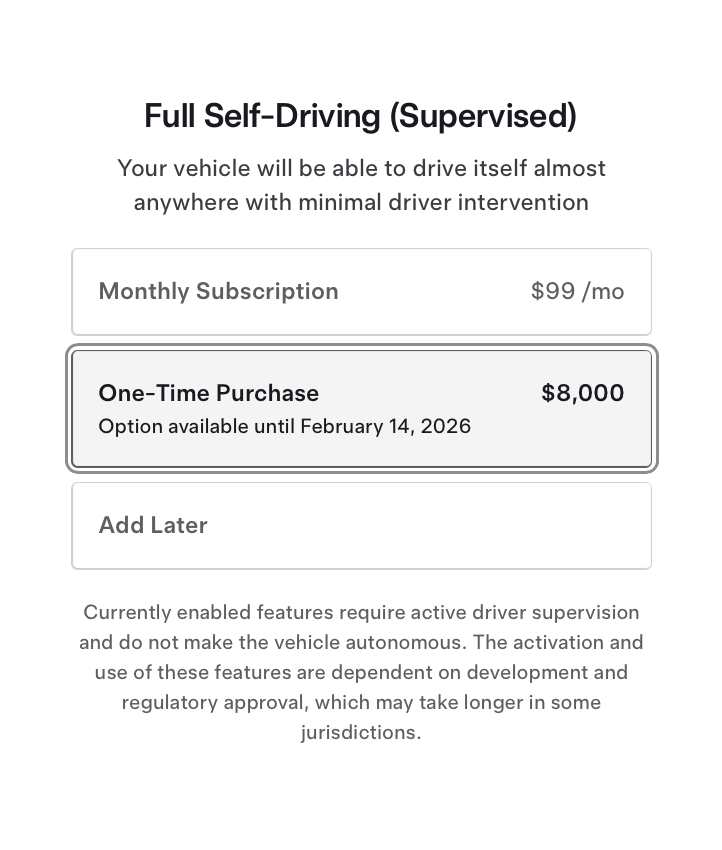
NEWS: Tesla has officially discontinued Autopilot in the U.S. and Canada. All new car purchases now come standard with Traffic-Aware Cruise Control.
The online configurator has now been updated to allow buyers to choose the $99/month FSD subscription, while still offering the option to purchase FSD outright for $8,000 until February 14th.
New Tesla vehicles purchases still come with a 30-day free trial of FSD (Supervised).

English