

Lukas Plattner
24.7K posts
Lukas Plattner
@plattner_lukas
"L'abitudine al lavoro modera ogni eccesso, induce il bisogno, il gusto dell'ordine".
Italy Katılım Haziran 2009
3K Takip Edilen435 Takipçiler
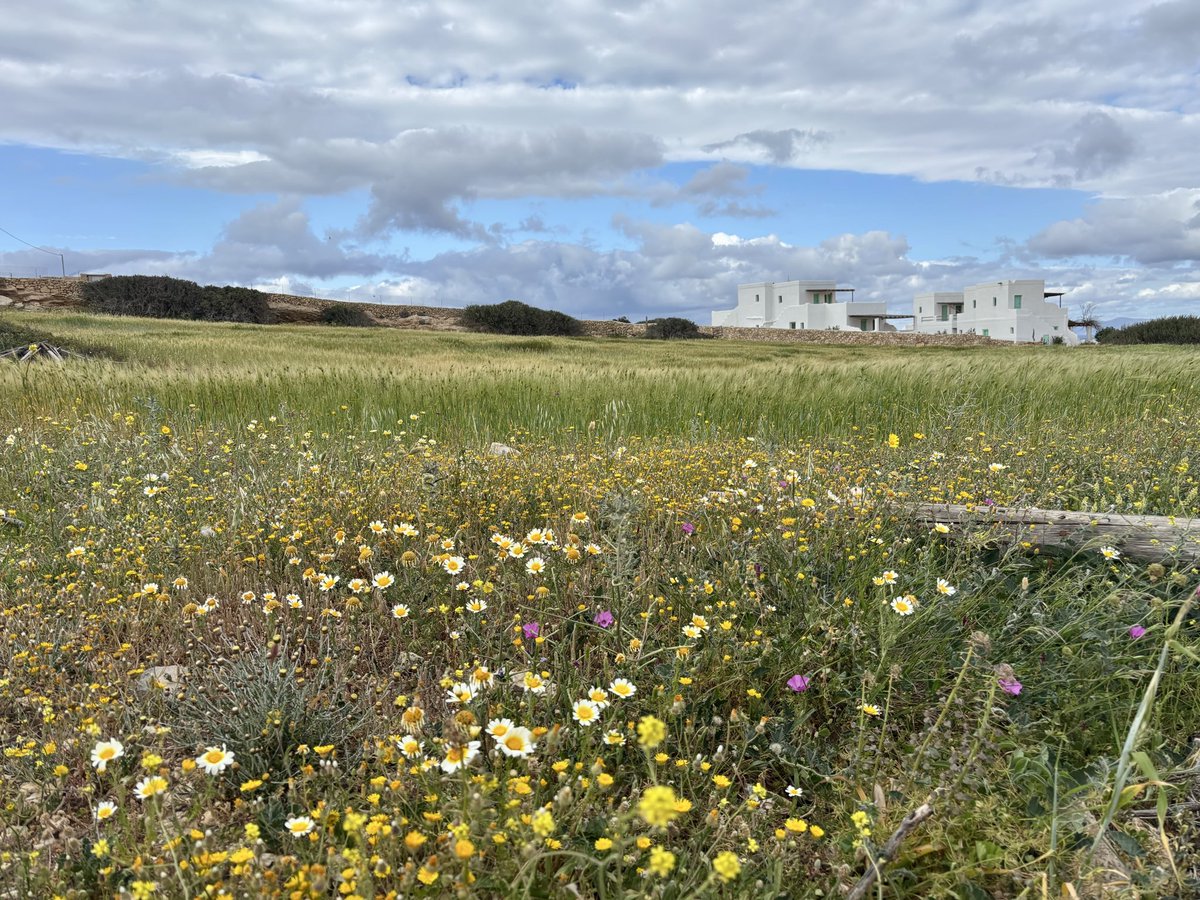
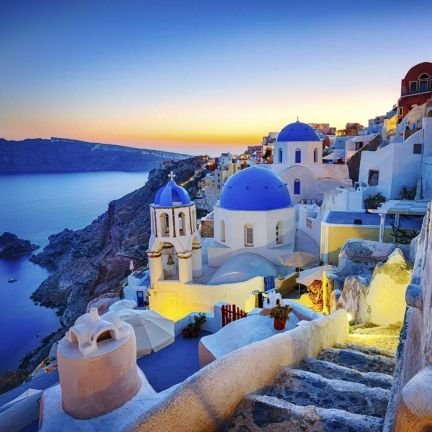
A quiet alley in #Koufonisia, where white walls glow, bougainvillea spills color, and time slows to the rhythm of the Aegean. 🇬🇷
📷 xenia_psyllaki

English

Cela fait 72 heures que cette petite bande importune les passants au même endroit, en plein Paris, et rien ne bouge.
x.com/F_Desouche/sta…
Fdesouche.com est une revue de presse@F_Desouche
Des jeunes arrosent une femme puis lui volent son vélo au canal Saint-Martin, à Paris
Français
@LeonardoPanetta Incrocio complicato in questi giorni x.com/EricKLein_/sta…
Italiano

Caldo a Parigi. Donna in bici. Un ragazzo la bagna con una pistola d’acqua. Lei scende dalla bici e un altro giovane gliela ruba.
La convivenza in una sequenza.
Italiano
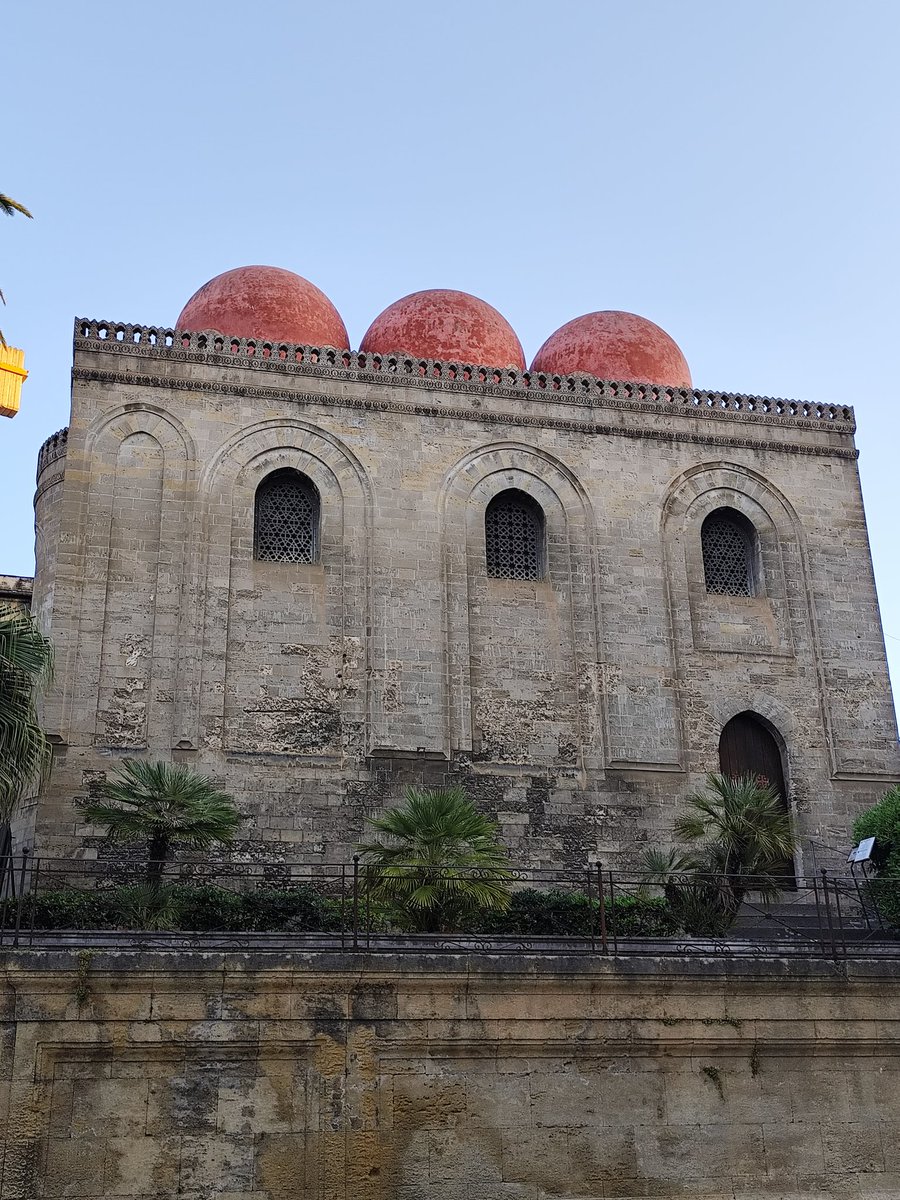
@isl1965 Bellissima, la sporcizia intorno è fuori da ogni comprensione
Italiano
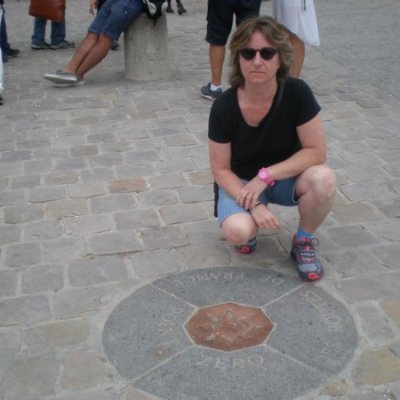
Sono rimasta senza parole. Quanta bellezza! 🙏
#Palermo
urbana@percontomio70
È un piccolo gioiello Arabo Normanno a me molto caro, è accanto alla facoltá di architettura …… periodo di leggerezza di allegra di giovinezza ! Chiesa di San Cataldo sec. XII. Palermo
Italiano

I took this video while descending from the summit of Mt Everest (8,848.86 m) and approaching Everest Base Camp on 22 May 2026. Crossing the Khumbu Icefall has always meant navigating collapsing seracs, shifting ladders, and deep crevasses, but now another danger is rapidly appearing across the glacier: newly formed meltwater streams flowing through the ice itself.
This did not feel like the Everest I first knew. It felt like witnessing the meltdown of the world’s highest mountain.
During the 2026 Everest season, I walked beneath the Khumbu Icefall and felt something deeply unsettling. The mountain no longer looked frozen and permanent. It looked fragile. It looked wounded.
Scientists have repeatedly warned that the Himalaya is warming faster than the global average. Study after study shows Himalayan glaciers are melting at an accelerating rate due to rising global temperatures caused by climate change. Some research suggests glaciers across the Hindu Kush–Himalaya region have lost ice significantly faster in recent decades than they did during the previous centuries. If global warming continues unchecked, experts warn that up to one-third, and potentially far more, of Himalayan glacier ice could disappear by the end of this century.
What I witnessed on Everest no longer feels distant or theoretical. The warning signs are already here. The ice beneath climbers’ feet is changing. Meltwater is flowing through places that were once permanently frozen. Ancient bodies trapped beneath glaciers are reappearing. Seracs are becoming more unstable. Entire sections of the mountain feel more unpredictable than ever before.
For millions of people across Asia, this is not only about mountaineering. The Himalaya is often called the “Third Pole” because it stores one of the world’s largest reserves of ice outside the Arctic and Antarctica. These glaciers feed rivers that support nearly two billion people downstream. What happens here will eventually affect water, food, disasters, and survival far beyond the mountains themselves.
As a mountaineer moments like this deeply affect me. We come to these mountains chasing dreams, and summits, but the mountains are now showing us their pain through melting ice, unstable glaciers, collapsing seracs, and silence.
Everest is speaking to humanity through this meltdown. The question is whether the world will finally listen before these warnings become irreversible.
English
@poornimashresth Meanwhile in the Alps
Melaine Le Roy@subfossilguy
We are experiencing heat levels rarely reached in summer... Monte Rosa, the highest Swiss peak, rose above 0°C today! 😱 No words can do justice to what we are now experiencing 🔥 Tired of being a (fully aware) bystander to the disaster... Via MeteoValledAosta
English
@subfossilguy Meanwhile in Himalayas
Poornima Shrestha@poornimashresth
I took this video while descending from the summit of Mt Everest (8,848.86 m) and approaching Everest Base Camp on 22 May 2026. Crossing the Khumbu Icefall has always meant navigating collapsing seracs, shifting ladders, and deep crevasses, but now another danger is rapidly appearing across the glacier: newly formed meltwater streams flowing through the ice itself. This did not feel like the Everest I first knew. It felt like witnessing the meltdown of the world’s highest mountain. During the 2026 Everest season, I walked beneath the Khumbu Icefall and felt something deeply unsettling. The mountain no longer looked frozen and permanent. It looked fragile. It looked wounded. Scientists have repeatedly warned that the Himalaya is warming faster than the global average. Study after study shows Himalayan glaciers are melting at an accelerating rate due to rising global temperatures caused by climate change. Some research suggests glaciers across the Hindu Kush–Himalaya region have lost ice significantly faster in recent decades than they did during the previous centuries. If global warming continues unchecked, experts warn that up to one-third, and potentially far more, of Himalayan glacier ice could disappear by the end of this century. What I witnessed on Everest no longer feels distant or theoretical. The warning signs are already here. The ice beneath climbers’ feet is changing. Meltwater is flowing through places that were once permanently frozen. Ancient bodies trapped beneath glaciers are reappearing. Seracs are becoming more unstable. Entire sections of the mountain feel more unpredictable than ever before. For millions of people across Asia, this is not only about mountaineering. The Himalaya is often called the “Third Pole” because it stores one of the world’s largest reserves of ice outside the Arctic and Antarctica. These glaciers feed rivers that support nearly two billion people downstream. What happens here will eventually affect water, food, disasters, and survival far beyond the mountains themselves. As a mountaineer moments like this deeply affect me. We come to these mountains chasing dreams, and summits, but the mountains are now showing us their pain through melting ice, unstable glaciers, collapsing seracs, and silence. Everest is speaking to humanity through this meltdown. The question is whether the world will finally listen before these warnings become irreversible.
English
Lukas Plattner retweetledi
We are experiencing heat levels rarely reached in summer...
Monte Rosa, the highest Swiss peak, rose above 0°C today! 😱
No words can do justice to what we are now experiencing 🔥
Tired of being a (fully aware) bystander to the disaster...
Via MeteoValledAosta

English
@Daniele_V94 Francia 🇫🇷 x.com/sergezaka/stat…
Dr. Serge Zaka (Dr. Zarge)@SergeZaka
[Thread impact agricole] Tout comme le dôme de chaleur de Lytton avec ses 49,6°C en juin 2021, le dôme de chaleur de mai 2026 devient un cas d’étude mondial sur ce que le changement climatique peut produire de plus extrême. Cette fois-ci, les prévisions s’approchent localement des 38 à 40°C. Sur plusieurs jours. En mai. En France. En été, on aurait largement dépasser les 45°C (et encore je me retiens de ne pas vous dire 48-50°C). Vous pouvez m’insulter, me traiter de « catastrophiste » ou de « vendu ». Je vous réponds factuellement : c’est un désastre écologique. Et je n’ai aucun problème à employer ce terme. Parce qu’il ne s’agit plus simplement de « repousser les limites » du climat connu. On est en train de les pulvériser : ➡️ la journée présentant l’écart aux normales le plus élevé jamais observé à l’échelle nationale, avec près de +10°C. ➡️ près de 60 % des stations météorologiques susceptibles de battre leur record mensuel, parfois jusqu’à 7 jours consécutifs. ➡️ plus de 1000 records mensuels potentiellement battus d’ici la fin de l’épisode. ➡️ le record national mensuel de chaleur pour un mois de mai (38,0°C) qui pourrait être dépassé, possiblement à plusieurs reprises. ➡️ une vague de chaleur qui arriverait avec près de trois semaines d’avance sur le précédent épisode le plus précoce… observé seulement l’an dernier, le 19 juin. Et derrière les chiffres, il y a des conséquences concrètes : cultures échaudées en pleine phase sensible, mortalité accrue chez les oiseaux nichant sous les toitures, stress hydrique brutal pour les jeunes plantations, et des écosystèmes entiers soumis à une violence thermique totalement hors saison (oui, "violent" est le terme). Les impacts agricoles et écologiques sont détaillés dans ce thread, cartes à l’appui. À dérouler et partager 👇#FrAgTw 1/7
Français

Animazione satellitare di questa mattina che ci mostra un centro-ovest del continente completamente protetto dall’esteso promontorio anticiclonico che ci sovrasterà ancora per qualche giorno.
Ondata di calore che da oggi a mercoledì assumerà carattere eccezionale come intensità ed estensione.
Temperature massime diffusamente tra 30 e 33 °C oggi sul Nord Italia.
Primi 30 °C della stagione appena raggiunti anche nella mia Belluno in questo lunedì 25 maggio.
30 °C a maggio che non si raggiungevano dal 2009.
L’attuale ondata di calore presenterà estensione ed intensità simili a quella di quell’anno.
Italiano
@MMmarco0 Francia 🇫🇷 x.com/sergezaka/stat…
Dr. Serge Zaka (Dr. Zarge)@SergeZaka
[Thread impact agricole] Tout comme le dôme de chaleur de Lytton avec ses 49,6°C en juin 2021, le dôme de chaleur de mai 2026 devient un cas d’étude mondial sur ce que le changement climatique peut produire de plus extrême. Cette fois-ci, les prévisions s’approchent localement des 38 à 40°C. Sur plusieurs jours. En mai. En France. En été, on aurait largement dépasser les 45°C (et encore je me retiens de ne pas vous dire 48-50°C). Vous pouvez m’insulter, me traiter de « catastrophiste » ou de « vendu ». Je vous réponds factuellement : c’est un désastre écologique. Et je n’ai aucun problème à employer ce terme. Parce qu’il ne s’agit plus simplement de « repousser les limites » du climat connu. On est en train de les pulvériser : ➡️ la journée présentant l’écart aux normales le plus élevé jamais observé à l’échelle nationale, avec près de +10°C. ➡️ près de 60 % des stations météorologiques susceptibles de battre leur record mensuel, parfois jusqu’à 7 jours consécutifs. ➡️ plus de 1000 records mensuels potentiellement battus d’ici la fin de l’épisode. ➡️ le record national mensuel de chaleur pour un mois de mai (38,0°C) qui pourrait être dépassé, possiblement à plusieurs reprises. ➡️ une vague de chaleur qui arriverait avec près de trois semaines d’avance sur le précédent épisode le plus précoce… observé seulement l’an dernier, le 19 juin. Et derrière les chiffres, il y a des conséquences concrètes : cultures échaudées en pleine phase sensible, mortalité accrue chez les oiseaux nichant sous les toitures, stress hydrique brutal pour les jeunes plantations, et des écosystèmes entiers soumis à une violence thermique totalement hors saison (oui, "violent" est le terme). Les impacts agricoles et écologiques sont détaillés dans ce thread, cartes à l’appui. À dérouler et partager 👇#FrAgTw 1/7
Français

Quanto caldo ha fatto? Quinta puntata con un nuovo record di caldo registrato in una famosa città europea.
Come previsto, l’ondata di caldo è entrata nella sua fase di picco e ci resterà almeno fino a mercoledì. Le temperature registrate oggi lo mostrano bene. Purtroppo al momento i dati dell’Aeronautica Militare non risultano disponibili, quindi per questa puntata uso i dati della rete MeteoNetwork, che offre comunque un buon grado di attendibilità.
Ecco le massime italiane, in ordine dal valore più alto al più basso:
34 °C — Bolzano
33 °C — Milano, Firenze, Bologna
32 °C — Torino
31 °C — Genova, Roma, Napoli
29 °C — Venezia, Perugia
27 °C — Cagliari
25 °C — Ancona, Bari, Palermo, Pescara
24 °C — Lamezia Terme
Il quadro è chiaro, caldo pienamente estivo al Centro-Nord, con valori diffusamente sopra i 30 °C e picchi più elevati tra Pianura Padana, vallate alpine e aree interne. Fuori dall’Italia, la risalita calda resta molto evidente sull’Europa occidentale, fino a 34-35 °C nel Sud-Ovest della Francia, circa 33 °C nella Francia centrale, 31 °C a Parigi. Oggi arriva anche un dato notevole, Londra ha toccato i 34 °C, nuovo record assoluto di caldo per il mese di maggio.
Domani ci aspettano valori simili a quelli odierni, sperando che tornino disponibili anche i dati dell’Aeronautica Militare.
Italiano


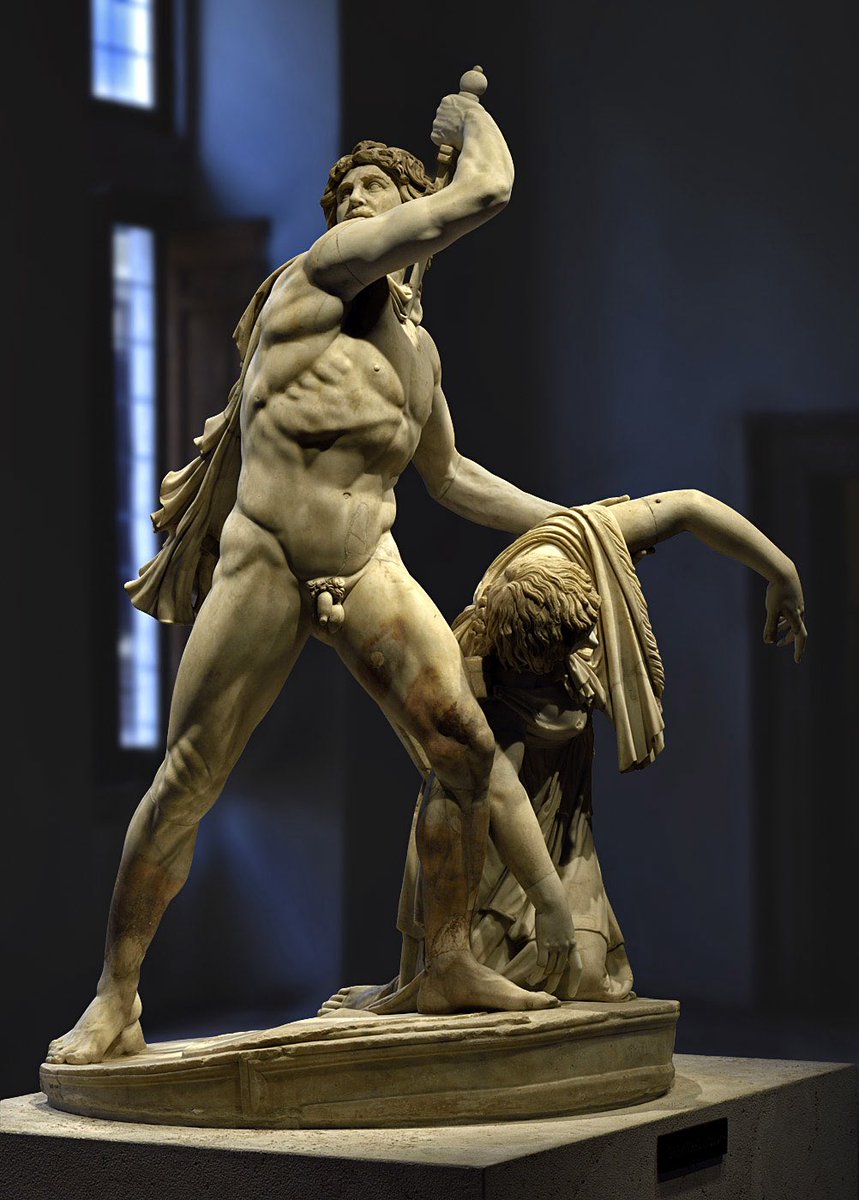
Le Suicide du Galate, merveille de l’art hellénistique ciselée par Épigonos de Pergame au IIIe siècle av. J.-C., un siècle marqué par l’invasion celte de la Grèce et leur implantation en Anatolie dans une région qui porte encore leur nom, 2300 ans plus tard.
Copie d’époque romaine, Palazzo Altemps, Rome.
Français


Questa estate, durante la sua permanenza in un tempio Shaolin in Cina, Wembanyama si è svegliato tutte le mattine alle 4:30 per palleggiare 5 ore lungo un sentiero in salita su una montagna, tra rocce e sterpaglie, in un percorso adatto agli esperti che di norma impiegano 7 ore a piedi per fare la stessa strada che ha fatto lui palleggiando.
Il pomeriggio, ogni giorno, ha corso tra i 10 e i 15 km sulla Grande Muraglia, per poi prendere lezioni di Thai Chi. Spesso la sera è andato a letto a digiuno.
E adesso qualcuno si meraviglia se questa notte, in gara 4 contro Oklahoma, ha realizzato 33 punti in 31 minuti con 8 rimbalzi, 5 assist, 3 stoppate, 2 palle rubate, segnando anche 3 triple di cui una da centrocampo, che hanno consentito agli Spurs di darne 21 ai Thunder?
Per Wemby la NBA è un piccolo svago tra un ritiro spirituale e l’altro.
#NBAtipo
Italiano

Correre con il caldo, 2026 edition.
Consigli non richiesti ma spero utili:
a)vestiti poco; non è vero che uscire a correre con la giacca a vento in estate "brucia i grassi";
b)metti occhiali da sole; se quelli fighi da runner o quelli normali, fa lo stesso;
c)un berrettino con visiera è indicato, se non ti crea ulteriore caldo alla testa (io ad es. non lo metto);
d)bevi spesso, senza esagerare: portati acqua o fai un percorso con fontanelle disponibili; non è vero che se non bevi diventi iron-man, anzi è pericoloso;
e)bagnati le estremità: mani, braccia, testa. Se hai il cappellino, bagna pure quello;
f)non scrivo nemmeno di evitare le ore di sole a picco: uscire in questi orari è riservato a runner esperti che magari stanno allenandosi per uno sforzo massimale e sanno quel che fanno;
g)perdi molti sali, quindi reintegra con una della solite bevande sportive, magari senza zuccheri;
h)prendi una maglietta tecnica, ce ne sono da 15 euro, altrimenti con questo caldo dopo 10 minuti hai la maglia zuppa, e non va bene (pesa sulla pelle può causare sfregamenti).
Buone corse anche con il caldo!
#runlovers
Italiano

If even one of these 10 habits hit home, don't wait another year.
Register for the workshop.
Follow @matthew_labosco for daily tools to retrain your nervous system and end chronic stress at the root.
Free workshop THIS WEDNESDAY:
go.matthewlabosco.com/workshop-l13-x…
English
Robert Sapolsky is a Stanford neuroscientist who proved chronic stress is the silent killer doctors ignore.
On Chris Williamson's podcast, he revealed 10 "normal" habits you do every day that wreck your sleep, mood, and nervous system:
1) Replay conversations in your head
English

The Mykonos Vase: This is the Oldest Depiction of the Trojan Horse

English
Lukas Plattner retweetledi


Lukas Plattner retweetledi

Lukas Plattner retweetledi

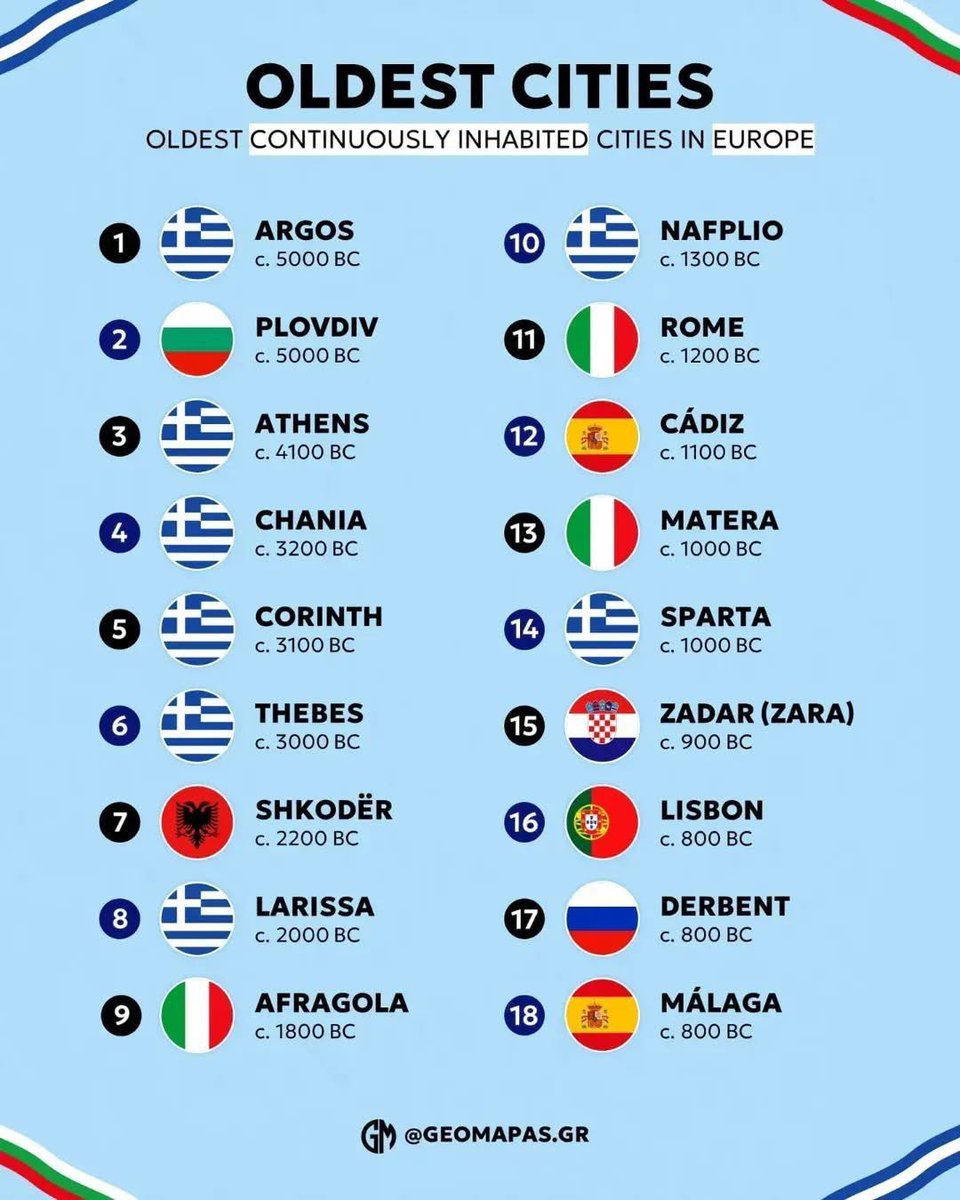
The oldest cities in Europe that still exist (continuously).
English
Lukas Plattner retweetledi

Il y a 500 ans expirait le premier grand capitaliste.💰Empereurs, rois et papes de toute l’Europe étaient redevables à Jacob Fugger. Ce riche banquier incarne l’ascendant de bourgeois sur les nobles jadis incontestés. Le féodalisme miné était voué à mourir. Voici pourquoi🧶1/18⬇️

Français