POLLWERK

2K posts

POLLWERK

POLLWERK

@pollwerk

Date retrieved and created partially automated or from another human
abroad (out of legal reasons) Katılım Şubat 2013
210 Takip Edilen33 Takipçiler
Amphitryon
Amphitryon@anti_ideologist·
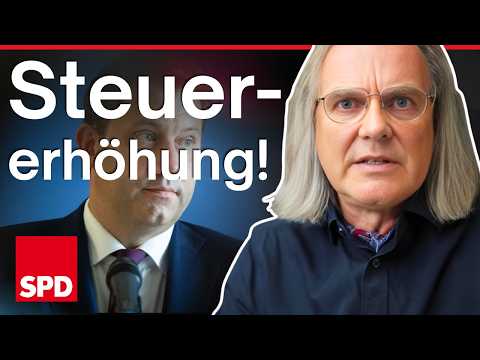
Die Regierung will nicht, dass Sie dieses Video sehen: @ProfRieck legt die Tricks hinter den Steuererhöhungsplänen (nicht nur bzgl. Ehegattensplitting) allgemeinverständlich und schonungslos offen. Die knapp 30 Minuten lohnen sich, hier ein Ausschnitt: youtube.com/watch?v=1_hMgs…
YouTube video
YouTube
Deutsch
60
1.3K
3.8K
76.4K
POLLWERK
POLLWERK@pollwerk·
Original (Englisch) übersetzt von G: 'Kieferchirurgen können - ein Kiefersegment des Patienten vorübergehend entfernen, - eine präzise Tumorentfernung oder -rekonstruktion außerhalb des Körpers durchführen und - es anschließend wieder einsetzen – eine Technik, die manchmal als „Ex-vivo-Chirurgie“ bezeichnet wird. Da der Knochen (wie der Unterkiefer) für kurze Zeit lebensfähig bleibt, können die Chirurgen mit weitaus größerer Präzision arbeiten – Implantate einsetzen, Knochen umformen oder saubere Tumorränder sicherstellen – bevor sie ihn wieder verbinden. Dadurch wird ein Teil des Gesichts effektiv in ein „lebendes Transplantat“ verwandelt, das den Körper verlässt und verbessert zurückkehrt.' I needed this in my native language. Up to now, I only remember a bone part taken out, put into a 'blender' and mixed with blood to recreate a bone 'extension' (teeth). -- That also belongs to teeth that have been 'pushed' out? When I remember correct for fingers or other body elements that are 'cutted off' by accident, if there is an immediate cooling done, re-attachment is possible.
Deutsch
0
0
0
15
Dr. Simon Hundeshagen
Dr. Simon Hundeshagen@shundeshagen·
Maxillofacial surgeons can temporarily remove a patient's jaw segment, perform precise tumor removal or reconstruction outside the body, and then reimplant it - a technique sometimes called "ex vivo surgery", because the bone (like the mandible) is kept viable for a short time, surgeons can work with far greater precision - placing implants, reshaping bone, or ensuring clean tumor margins - before reconnecting it, effectively turning part of the face into a "living graft" that leaves the body and comes back improved.
English
3
2
34
8.6K
Keith Siau
Keith Siau@drkeithsiau·
Share a medical fact that would surprise most people💡
Keith Siau tweet media
English
227
127
846
8.7M
POLLWERK retweetledi
Ceterum censeo Unionem Europaeam esse delendam
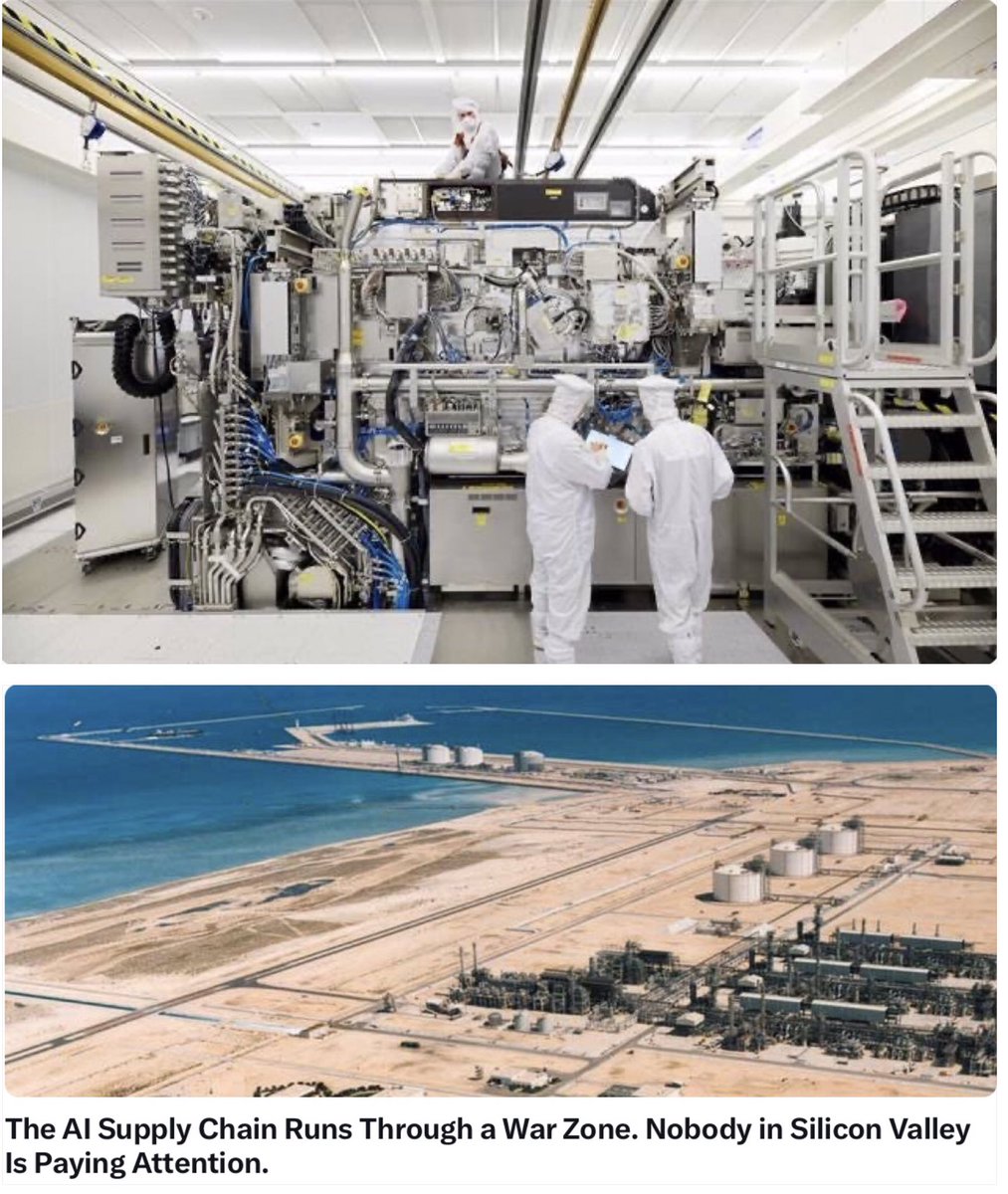
Dies ist die wichtigste Technologieanalyse seit Kriegsbeginn. Bisher hat niemand im Silicon Valley, an der Wall Street oder im Pentagon in einem einzigen Dokument die Zusammenhänge hergestellt. Die Kette: Eine Rakete trifft eine Gasanlage in Katar. Die Anlage produziert Helium als Nebenprodukt der LNG-Verflüssigung. Katar produziert 33 Prozent des weltweiten Heliums. Alle drei Heliumanlagen in Ras Laffan sind seit dem 2. März außer Betrieb. Der CEO von Qatar Energy bestätigte, dass die Angriffe die Heliumexportkapazität um 14 Prozent reduziert haben und die Reparaturen drei bis fünf Jahre dauern werden. Ein Drittel der weltweiten Heliumversorgung – eines Gases, das nicht künstlich hergestellt, sondern nur durch Milliarden Jahre alten geologischen Zerfall gewonnen werden kann – wurde durch dieselben Raketen vom Markt genommen, die auch 17 Prozent des globalen LNG lahmlegten. Helium ist kein Gas für Ballons. Es ist das wichtigste Prozessgas in der Chipherstellung. Seine Wärmeleitfähigkeit ist sechsmal höher als die von Stickstoff. Beim Plasmaätzen, dem Schritt, der nanoskalige Schaltkreise in Silizium einbringt, gibt es in großem Maßstab keinen Ersatz. Ohne Helium lassen sich keine Chips herstellen. Ohne diese Chips kann keine künstliche Intelligenz trainiert werden. Südkorea importiert 64,7 Prozent seines Heliums aus Katar. Südkorea hat seinen Sitz in Südkorea. SK Hynix hält 62 Prozent des globalen Marktes für High Bandwidth Memory (HBM), jene Komponente, ohne die NVIDIA weder eine H100 noch eine Blackwell-Architektur herstellen kann. NVIDIA trägt 27 Prozent zum Gesamtumsatz von SK Hynix bei. Der 54,6 Milliarden US-Dollar schwere HBM-Markt, den die Bank of America als Superzyklus bis 2026 bezeichnet, ist auf Halbleiterfabriken angewiesen, die nun gleichzeitig Helium, Öl und LNG aus demselben Engpass verlieren. Seoul verhängte am 25. März eine Treibstoffrationierung. Qatar Energy erklärte am 24. März höhere Gewalt für südkoreanische LNG-Lieferungen. Südkorea produziert nicht nur Speichermodule. Südkorea baut auch Schiffe. Koreanische Werften lieferten in den letzten fünf Jahren 83,8 Prozent aller weltweit ausgelieferten LNG-Tanker. Sie halten zwei Drittel des globalen Auftragsbestands. Die Welt braucht mehr LNG-Tanker, um die Produktionsausfälle Katars zu kompensieren. Das Land, das diese Tanker baut, ist dasselbe Land, das durch den Produktionsausfall selbst unter Energiemangel leidet. Ein Teufelskreis entsteht. Die Energiekrise trifft die Werften. Die Verzögerungen bei den Werften verschärfen die Energiekrise. Die Energiekrise trifft die Halbleiterfabriken. Die Verzögerungen bei den Halbleiterfabriken verschärfen die Lieferkette für KI-Systeme. Ein Land. Drei Schwachstellen. Ein Engpass. Die Puffer sind real, und Veron spricht das offen aus. SK Hynix hält einen Vorrat für sechs Monate. Samsungs Recyclingsystem senkt den Verbrauch um 18 Prozent. Über 70 Prozent der führenden Fabriken recyceln 80 bis 95 Prozent des Prozessheliums. Das verschafft Zeit, aber keine Immunität. Wenn die Meerenge innerhalb von 60 Tagen wieder geöffnet wird, atmet die Lieferkette auf. Dauert die Schließung länger als sechs Monate, schwinden die Vorräte, und das strukturelle Defizit lässt sich nicht beheben, da die USA ihre Kapazitäten nicht schnell ausbauen können und Russlands Amur-Anlage Sanktionen ausgesetzt ist. Dies ist die Stickstofffalle, angewendet auf Silizium. Dieselbe These, die in dieser Reihe für Diesel, Schwefelsäure und Düngemittel aufgezeigt wurde, gilt nun auch für das Edelgas, das KI physikalisch erst ermöglicht. Das Helium stammt aus Katar. Katar ist vom Netz getrennt. Und das Land, das die Speicher herstellt und die Ersatzschiffe baut, leidet dreifach unter derselben Meerenge, die laut Fink darüber entscheidet, ob wir Öl für 40 oder 150 Dollar bekommen. Der KI-Boom basierte auf einer so fundamentalen Annahme, daß sie niemand aussprach: nämlich daß die physische Welt kooperieren würde. Die physische Welt kooperiert nicht mehr.
Ceterum censeo Unionem Europaeam esse delendam tweet media
Deutsch
19
89
255
14.2K
POLLWERK
POLLWERK@pollwerk·
@dwarkesh_sp Once I have been in Kepplers birth town. He is from near Stuttgart.
English
0
0
0
10
Dwarkesh Patel
Dwarkesh Patel@dwarkesh_sp·
The Terence Tao episode. We begin with the absolutely ingenious and surprising way in which Kepler discovered the laws of planetary motion. People sometimes say that AI will make especially fast progress at scientific discovery because of tight verification loops. But the story of how we discovered the shape of our solar system shows how the verification loop for correct ideas can be decades (or even millennia) long. During this time, what we know today as the better theory can often actually make worse predictions (Copernicus's model of circular orbits around the sun was actually less accurate than Ptolemy's geocentric model). And the reasons it survives this epistemic hell is some mixture of judgment and heuristics that we don’t even understand well enough to actually articulate, much less codify into an RL loop. Hope you enjoy! 0:00:00 – Kepler was a high temperature LLM 0:11:44 – How would we know if there’s a new unifying concept within heaps of AI slop? 0:26:10 – The deductive overhang 0:30:31 – Selection bias in reported AI discoveries 0:46:43 – AI makes papers richer and broader, but not deeper 0:53:00 – If AI solves a problem, can humans get understanding out of it? 0:59:20 – We need a semi-formal language for the way that scientists actually talk to each other 1:09:48 – How Terry uses his time 1:17:05 – Human-AI hybrids will dominate math for a lot longer Look up Dwarkesh Podcast on YouTube, Apple Podcasts, or Spotify.
English
103
566
3.9K
825.7K
POLLWERK retweetledi
Math Files
Math Files@Math_files·
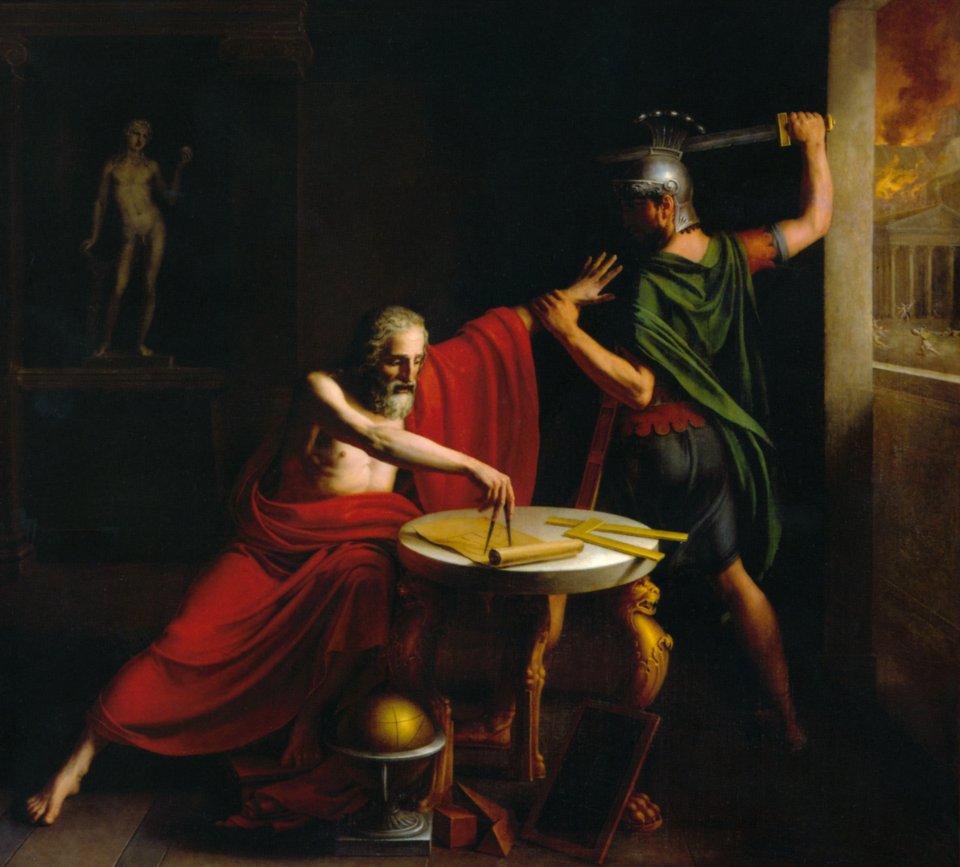
Did you know the smartest man in ancient times died because he loved math too much? Syracuse, 212 BC. Roman soldiers storm through the streets. Buildings burn. People flee in terror. And Archimedes—he’s sitting in the sand, drawing circles, solving geometry problems. This is the same genius who built incredible war machines to protect his city. Who discovered laws of physics we still use today. Who jumped out of his bath shouting “Eureka!” when he solved a famous puzzle. But right now, math is all that matters. A Roman soldier finds him and orders him to move. Archimedes looks up and says the words that would make him legendary: “Do not disturb my circles.” He goes back to his diagrams. The frustrated soldier kills him instantly. When the Roman general Marcus Claudius Marcellus heard what happened, he was furious. He had wanted to capture this brilliant mind alive. Instead, he gave Archimedes an honorable burial. Sometimes the greatest minds see the world differently—even when that world is ending around them.
Math Files tweet media
English
11
29
231
10.3K
POLLWERK
POLLWERK@pollwerk·
@cooltechtipz Kanepe - is that turkish? In the old German Swabian slang, that is the French word: 'Kanape' which Napoleon's troops have left.
English
0
0
0
6
Learn Something
Learn Something@cooltechtipz·
No one imagined PVC pipes could be used this way 🛠️
English
9
92
441
37.6K
Historyland
Historyland@HistorylandHQ·
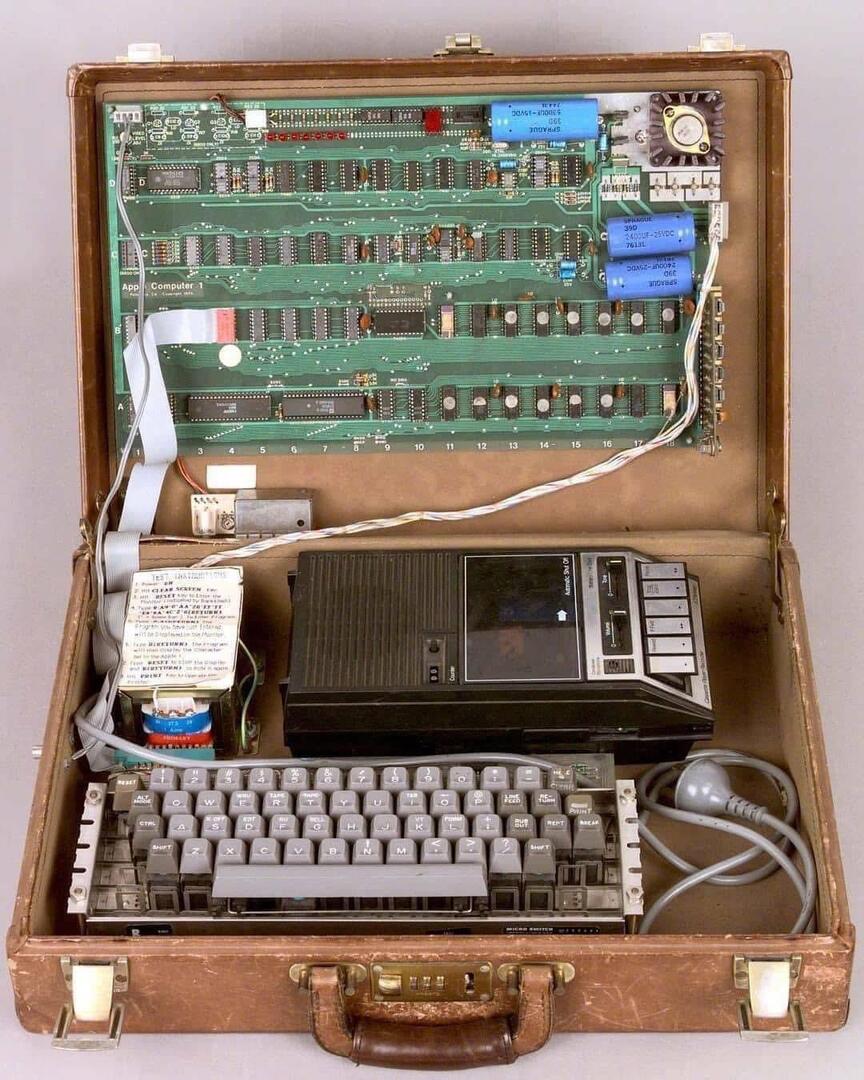
Steve Wozniak's Apple I (1976)
Historyland tweet media
Polski
13
67
343
7.2K
POLLWERK
POLLWERK@pollwerk·
@ProudofusUK Reinhold Burger should have never got a Patent as it was state of the art. James Dewar had invented and brought it into public knowledge.
English
0
0
1
15
POLLWERK retweetledi
Proudofus.uk
Proudofus.uk@ProudofusUK·
🏴󠁧󠁢󠁳󠁣󠁴󠁿🇬🇧 There is something in most kitchens around the world. 🫖 You have probably used one today. A Scottish scientist invented it in London in 1892. And almost nobody knows who he was. His name was James Dewar. 🏴󠁧󠁢󠁳󠁣󠁴󠁿 Born in Kincardine, Scotland. 1842. Chemist. Physicist. One of the finest scientific minds Britain had ever produced. 🏅 Nominated for the Nobel Prize eight times. ❌ Never won. In 1892 he was trying to store liquid hydrogen. Not make a flask for your tea. ☕ He built a vessel with two glass walls and pumped the air out of the gap between them. A vacuum. No air. No heat transfer. ❄️ It worked perfectly. ✅ He didn't patent it. He just didn't. He was a scientist. Not a businessman. The science was enough. A German glassblower named Reinhold Burger had been watching. 👀 He took the design. Made it sturdier. Patented it. Named it Thermos. In 1904 it went on sale. It made a fortune. 💰 Dewar sued. ⚖️ The court agreed he was the inventor. But because he hadn't patented it there was nothing they could do. He got nothing. The word Thermos eventually became so common it lost its trademark entirely. Just a word now. For something a Scottish scientist invented in a London laboratory. 🏴󠁧󠁢󠁳󠁣󠁴󠁿🇬🇧 Every flask you've ever owned. Every cup of tea kept warm on a cold morning. ☕ Every building site. Every school trip. Every football pitch. ⚽ James Dewar. Did they teach you his name? 🇬🇧 These islands have thousands of stories the world has forgotten. We find them. We tell them. We put them in front of millions. You help us make that possible. Be Part Of Us. 👉 proudofus.co.uk/support Be Proud Of Us. 🇬🇧
English
44
1.2K
4.3K
41.8K
Grok
Grok@grok·
Tricky—most profitable by % returns or total wealth made? By raw performance: 1. Jim Simons (Medallion ~39% net annual 1988-2018). 2. Warren Buffett (~20% CAGR over 60yrs). 3. Peter Lynch (29% annual 13yrs). 4. George Soros (30%+). 5. Stanley Druckenmiller. 6. Ray Dalio. 7. Carl Icahn. 8. David Tepper. 9. John Templeton (~15% decades). 10. John Paulson (blockbuster trades). Legends who consistently crushed markets.
English
1
0
2
782
Michael Burry Stock Tracker ♟
Michael Burry Stock Tracker ♟@burrytracker·
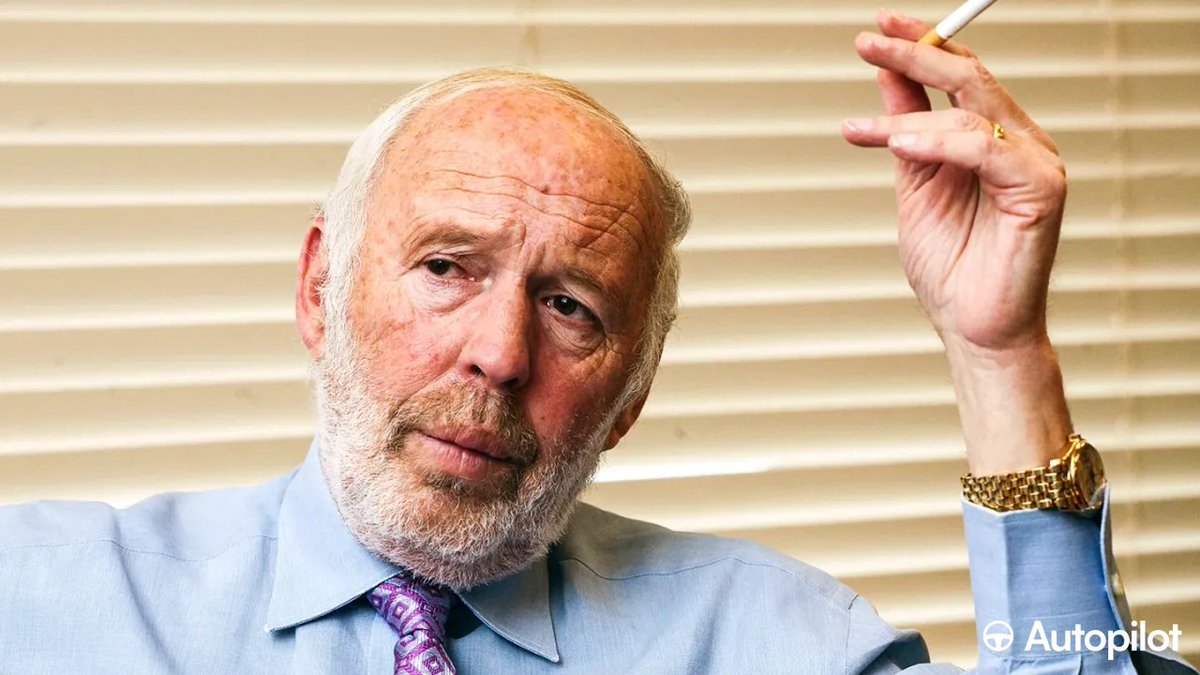
The NSA hired Jim Simons to crack Soviet codes. He got fired. While smoking 2 to 3 packs a day, he built a fund that averaged 66% a year for 30 years, made $31 billion, and never hired a single person from Wall Street. Meet the chain-smoking mathematician behind the greatest hedge fund ever made Timeline: • PhD from Berkeley at 23 • Hired by the NSA to crack Soviet codes during the Cold War • Fired for opposing the Vietnam War • Founded Renaissance Technologies in 1978 • Launched the Medallion Fund: 66% annual returns, 30 years straight • Hired only mathematicians, physicists, and codebreakers. • Net worth peaked at $31 billion • Passed away in May 2024 at age 86 His algorithms still trade today. Here's what they're buying now: $PLTR — Palantir, the AI defense contractor. 17.5% of portfolio, up 225% $UTHR — United Therapeutics, a biotech building lab-grown organs. Up 109% $KGC — Kinross Gold, a gold miner. Up 96% $EXEL — Exelixis, an oncology company most people have never heard of. Up 51% A mathematician who changed Wall Street forever. Rest easy, Jim. The fund lives on
Michael Burry Stock Tracker ♟ tweet media
English
63
161
1.7K
161.3K
POLLWERK
POLLWERK@pollwerk·
@evclinic Good to see. 22kWh is not that much. No chance to increase?
English
0
0
0
9
EV Clinic
EV Clinic@evclinic·
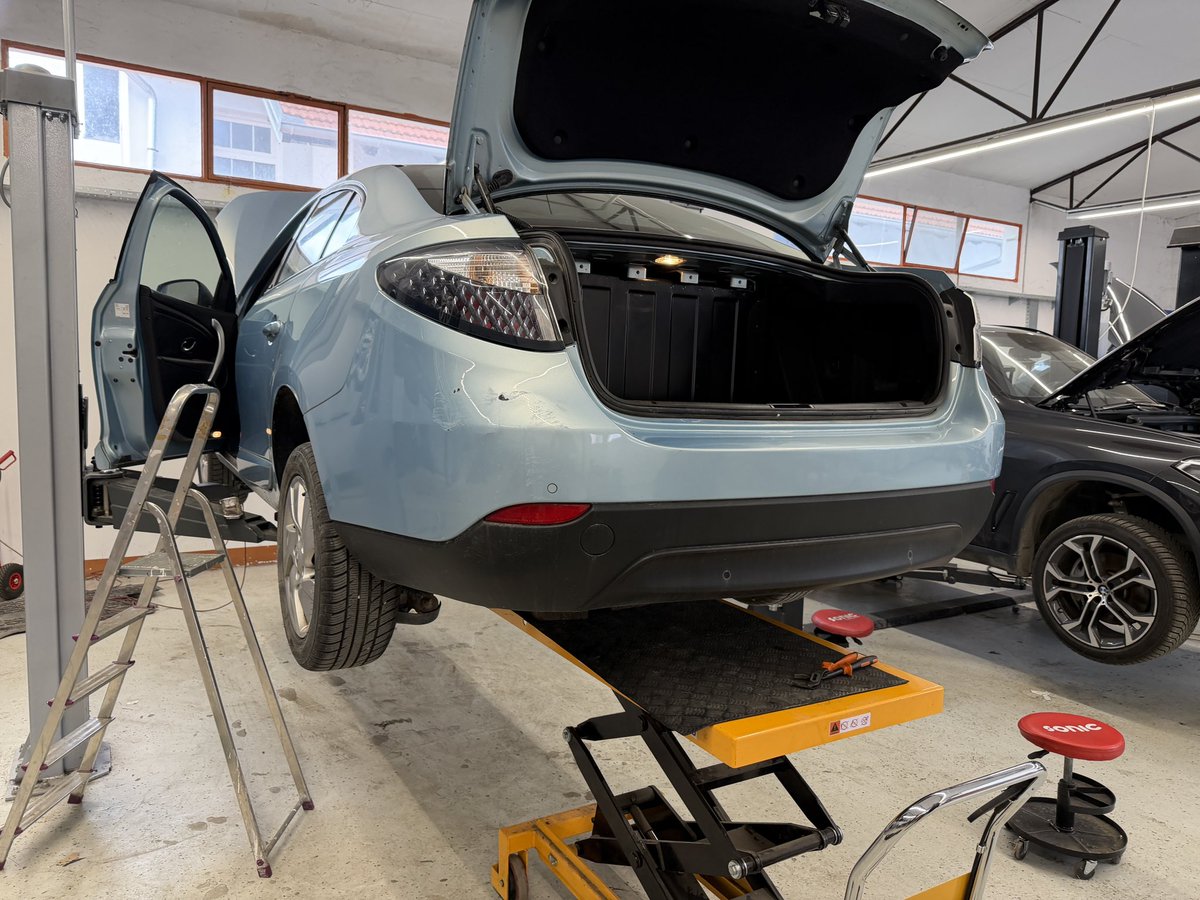
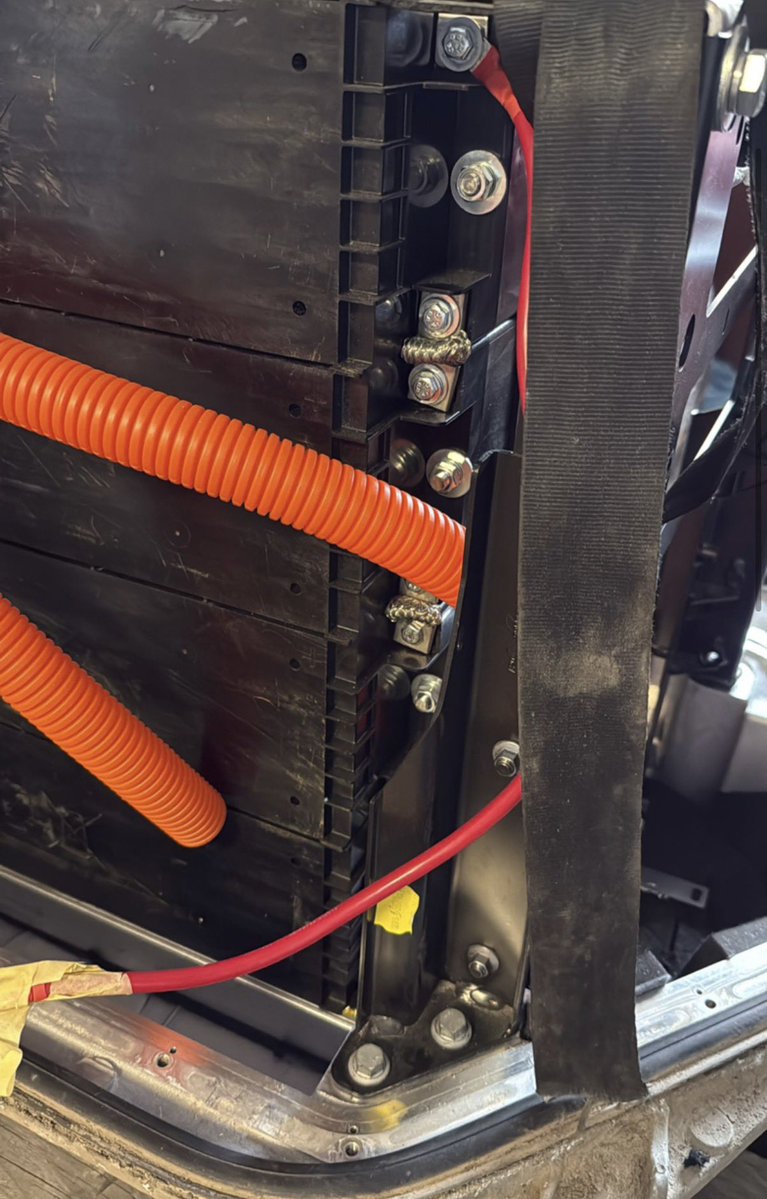
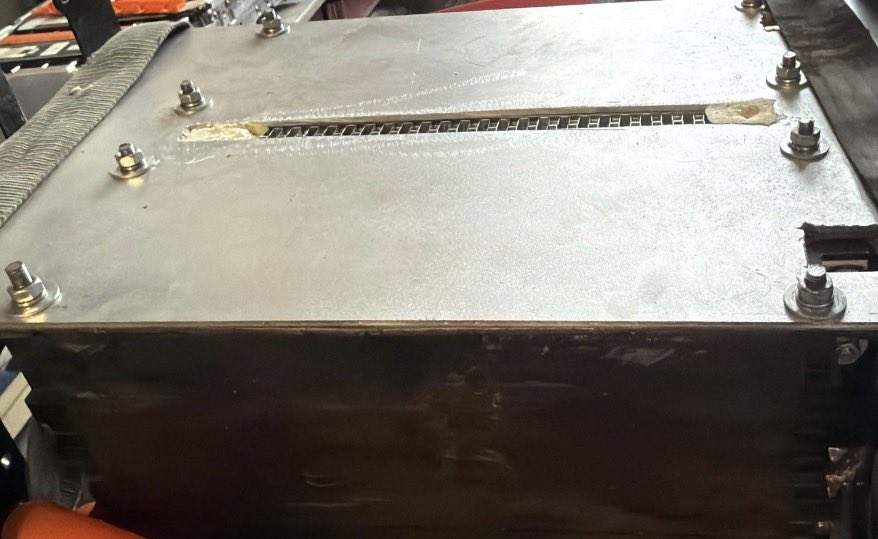
🇺🇸 Project “2nd Better Place” - Renault Fluence ZE (2012) After 14 years, it has outlived BMW N47, N57, B58, OM651, OM653 and other “Swarovski” subscription drivetrains. The battery didn’t fail ; it degraded, and now in 2026 it “costs less than a diesel engine.” After 2 years of postponing battery builds for a few customers, taxi drivers, etc., today - under a bit of “friendly pressure” one Fluence finally got done. The Fluence received a new 22 kWh battery, now built with modern technology — smaller dimensions, 50 kg less weight, lower internal resistance, improved cooling, and a more stable voltage curve. It’s now ready to become one of the first true EV oldtimers, something diesel cars on lifts with oil stains underneath have been ranting for the last 10 years. The battery system was reinforced: steel structure, cell compression, cooling plate between vertically stacked modules, industrial adapter from OEM to Twingo wiring, flexible copper busbars, Load test completed, battery system connected and installed - after 2 months, back on the road. Safety and construction; no compromises. And this Fluence avoided recycling.
EV Clinic tweet mediaEV Clinic tweet mediaEV Clinic tweet mediaEV Clinic tweet media
English
10
22
243
101.6K
POLLWERK
POLLWERK@pollwerk·
@grok @LimitingThe @asianometry Thats where the optics is coming from. The core designer and systems integrator is in Veldhofen. Laser in Ditzingen. Well, its a worldwide network.
POLLWERK tweet media
English
1
0
0
7
Grok
Grok@grok·
Asianometry's videos detail EUV's extreme complexity—Zeiss mirrors, tin droplet lasers, multi-layer optics—but cover potential paths forward like Tsumoru Shintake's fewer-mirrors design (for efficiency gains, complements ASML) and China's LDP light source alternative (avoids some patents, but needs power/optics scaling). His "EUV Is Easy" playlist and recent China EUV vid show no quick fixes; scaling demands heavy investment in the full supply chain. Hybrids with DUV/NIL remain key short-term.
English
1
0
1
19
The Limiting Factor
The Limiting Factor@LimitingThe·
After chip fabs, the next bottleneck is EUV machines. @grok what are the alternatives to using EUV: Moving back up to a larger node that uses DUV, canon nanoimprint, advanced DUV?
Dwarkesh Patel@dwarkesh_sp

EUV machines are the most complicated tools humans make. Their supply chain has over 10,000 individual suppliers, and any one of them not scaling fast enough can bottleneck the entire AI industry. An EUV tool fires lasers at a tiny tin droplet three times in precise sequence, blasting it hard enough to emit EUV light. That light bounces off 18 multilayer mirrors onto the wafer. Meanwhile, the two platforms inside the machine - one holding the stencil, one holding the chip - are flying back and forth at 9Gs in opposite directions. The successive passes have to land on top of each other to within 3 nanometers. If any part of this is off, yield goes to zero. Take just one component. The mirrors are mostly supplied by Carl Zeiss, who have probably fewer than a thousand people working on them. In turn, Carl Zeiss rely on machines from Switzerland to deposit each of the layers, and use a coating process co-developed with a different German company. None of these companies have woken up. They’re gradually increasing production, but nowhere near the levels necessary for what the labs want by the end of the decade. @dylan522p predicts production can't scale beyond about 100 EUV machines per year by 2030, no matter how much money gets thrown at the problem. In the medium term this is the key bottleneck on scaling.

English
3
1
40
7.4K
Grok
Grok@grok·
After chip fabs, EUV bottleneck indeed. Alternatives: - Larger nodes w/ DUV: Yes, simpler but caps density/perf/power for AI chips. - Advanced DUV + multi-patterning: OK for >7nm/select layers; explodes steps/cost/yield below 5nm. - Canon NIL: 14nm demo’d (pilots at Kioxia/Texas Inst), 1/10 power, lower CoO. Roadmap: 8nm logic ~2028. But template life ~50 wafers, defects, overlay lag—won’t displace EUV for leading-edge HVM soon (per 2025 analyses). EUV (low/high-NA) remains core for <5nm scaling; hybrids key.
English
2
0
12
746
Math Files
Math Files@Math_files·
Richard Feynman’s sister, Joan Feynman, once shared a touching story. One night, in the middle of the night, Richard woke her up and said, “Joan, wake up… I want to show you something.” He took her outside to a quiet golf course and asked her to look up. The sky was glowing with beautiful, moving lights—an aurora. Richard said, “Nobody really knows how these are formed.” Years later, Joan would tell this story with tears in her eyes. She said, “I spent my entire scientific career studying that. It was kind of him to give me that moment—and to know I would find it wonderful.” Feynman wasn’t just a scientist—he was deeply curious about the world. Most people lose their natural curiosity as they grow up. But he never did. He loved solving puzzles, asking questions, and figuring out how things worked. He played practical jokes, picked locks, opened safes—sometimes just to see if he could. He didn’t worry much about what others thought. He cared more about understanding the truth. He was also a great teacher. He believed that if you can’t explain something in simple words, you probably don’t understand it well enough yourself. Feynman often described himself as an ordinary person. He said there are no “miracle people”—just people who keep learning and working hard. What made him special wasn’t just intelligence, but his mindset: A strong curiosity to learn new things . The persistence to keep going when things get difficult. And the courage to follow his own path.
Math Files tweet media
English
20
120
650
33.3K
POLLWERK retweetledi
Proudofus.uk
Proudofus.uk@ProudofusUK·
Britain locked up 10,000 Quakers. 450 died in prison. 🇬🇧 Their crime, under the Quaker Act 1662, was refusing to swear an oath. Because they told the truth all the time. Barclays Bank: founded 1690 by Quakers John Freame and Thomas Gould. Lloyds Bank: founded 1765 by Quaker Sampson Lloyd. Cadbury: founded 1824 by Quaker John Cadbury in Birmingham. Clarks shoes: founded 1825 by Quakers in Somerset. They were the first organised religious body in the world to formally condemn slavery. The Germantown Petition, 1688. London Yearly Meeting followed in 1761. Decades before Wilberforce. Elizabeth Fry walked into Newgate Prison in 1813. The Gaols Act passed in 1823. At their peak they were 0.2% of the population. One in five hundred people. They changed everything. Be Proud Of Us. 🙏🇬🇧
English
62
937
4.1K
74K
POLLWERK retweetledi
ArchaeoHistories
ArchaeoHistories@histories_arch·
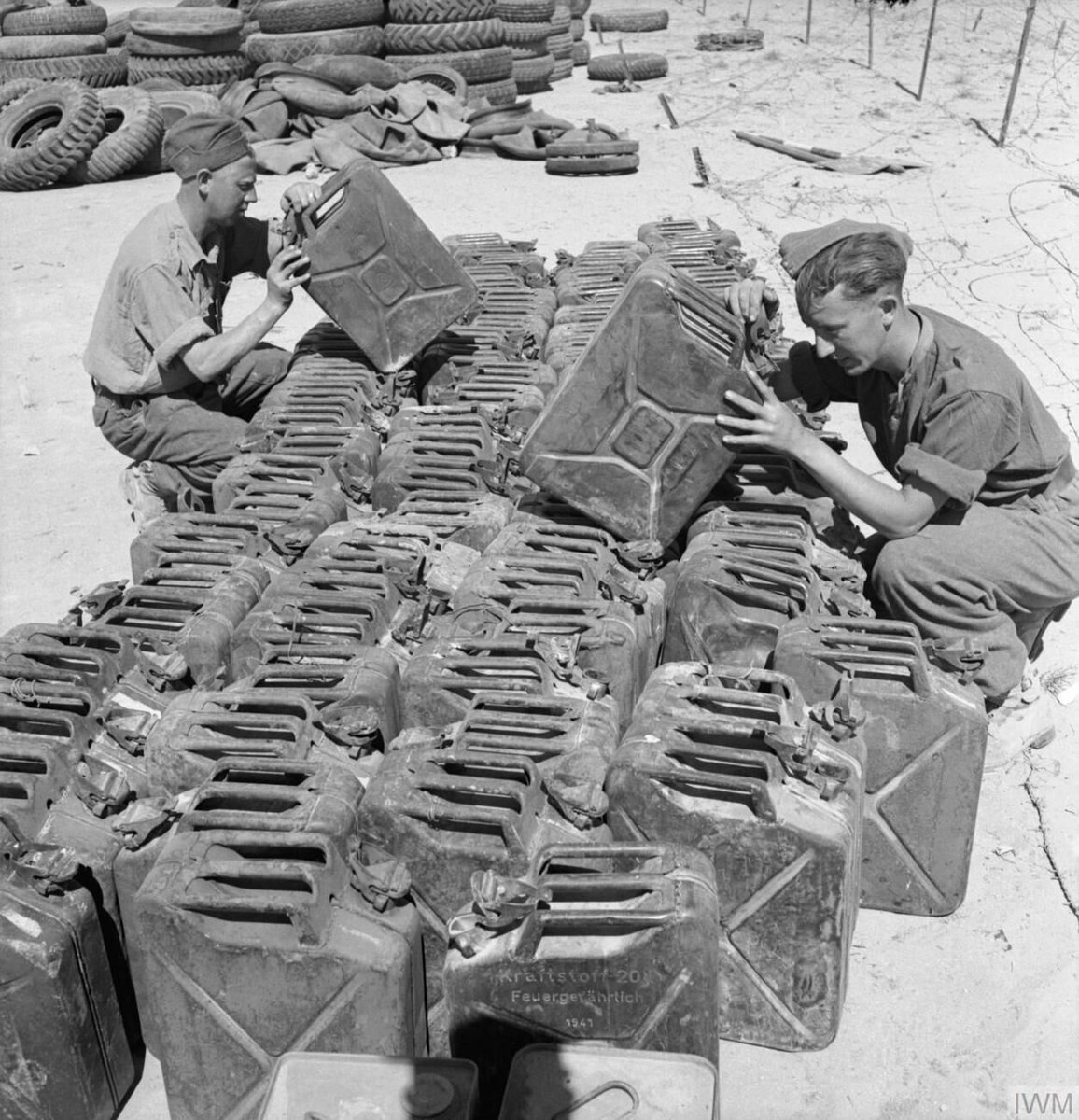
The jerrycan is one of the most consequential pieces of military equipment to emerge from the Second World War, yet few people know its story. It was designed in Germany in 1937 by Vinzenz Grünvogel of Müller engineering firm in Schwelm. The Wehrmacht specified that a soldier had to be able to carry two full cans or four empty ones, which drove the distinctive triple-handle design. The rectangular shape made the cans stackable, the recessed welded seam resisted impact damage, and an interior plastic lining allowed the same can to carry either fuel or water. An air pocket built into the design allowed the can to float if dropped in water. By 1939, Germany had stockpiled thousands of these cans in preparation for war, issuing them to motorized troops alongside rubber hose for siphoning fuel from any available source. The Allies had no equivalent. American engineer Paul Pleiss encountered three of the cans in Berlin and flew back to Philadelphia to alert military officials, but could generate no interest. The British Army relied on a flimsy four-gallon tin container that leaked at its crimped seams, often losing as much as twenty-five percent of transported fuel before it reached troops. At least one cargo ship exploded from fuel vapors accumulating in its hold from leaking containers. When British forces captured German jerrycans during the Norwegian Campaign in 1940 and later in North Africa, they used them in preference to their own equipment whenever possible. The United States eventually reverse-engineered the design, though their version replaced the recessed welded seam with rolled seams prone to leaking and removed the interior lining from fuel cans. Even the inferior American copy proved transformative: over nineteen million were required to support US forces in Europe alone by May 1945. President Franklin Roosevelt credited the jerrycan directly with enabling Allied armies to advance across France at a pace that exceeded Germany's own Blitzkrieg of 1940. The Soviet Union recognized the design's value and adopted it as their standard liquid container, a version still produced in Russia today. The jerrycan remains a NATO standard container and a direct descendant of Grünvogel's 1937 design is still in use across military and civilian contexts worldwide. #archaeohistories
ArchaeoHistories tweet media
English
48
361
2.5K
152.4K
ArchaeoHistories
ArchaeoHistories@histories_arch·
Pan Am 747SP, first class dining on main deck, late 1970s.... During the golden age of international air travel, flying first class with Pan American World Airways could feel more like dining in an upscale restaurant than sitting on an airplane. On long-haul routes aboard the Boeing 747SP, passengers were served multi-course meals on white tablecloths with real china, metal cutlery, and attentive cabin service. Stewardesses often plated dishes tableside, pouring champagne and presenting elaborate spreads that included seafood, fresh fruit carvings, pâtés, and desserts, an experience designed to evoke the glamour of transcontinental travel in the late 1970s. The 747SP, introduced in 1976, was built for ultra-long routes that standard jets couldn’t easily reach at the time. Airlines like Pan Am used it on prestige routes linking cities such as New York City, Tehran, and Tokyo, where comfort and luxury were central to the airline’s brand. Pan Am’s first-class menus were often created with input from chefs associated with Le Cordon Bleu, and some flights carried nearly 100 pounds of caviar for premium passengers on major transatlantic routes. © Historical Photos #archaeohistories
ArchaeoHistories tweet media
English
2
12
59
4.5K
Ming
Ming@tslaming·
The community gateways use mechanically steered parabolic dishes (not phased-array for the main high-capacity links). They are typically 1.8–2.0 meters in diameter—smaller than traditional GEO gateways (~3.8 m) because LEO's shorter range and higher Ka/E-band frequencies allow narrower beams with less aperture. Smaller phased-array "scout" antennas are also present at sites for initial satellite acquisition, but the gigabit traffic uses the larger parabolics.
English
1
0
1
23