Sabitlenmiş Tweet

Have Ideas, Concept it and Show it to the World 🌏.
Baised towards action , And Third is Surround yourself with amazing ambitious People @kevin @ycombinator Interview
English
Satish ES
2.2K posts
@satishESN
Curious to Know about the Geniuses who see the world different. How They Think Differently and What makes them Great


Really enjoyed chatting with @michael_nielsen about how we recognize scientific progress. It's especially relevant for closing the RL verification loop for scientific discovery. But it's also a surprisingly mysterious and elusive question when you look at the history of human science. We approach this question stories like Einstein (who claimed that he hadn't even heard of the famous Michelson-Morley experiment, which is supposed to have motivated special relativity, until after he had come up with the theory), Darwin (why did it take till 1859 to lay out an idea whose essence every farmer since antiquity must have observed?), Prout (how do you recognize that isotopes exist if you cannot chemically separate them?), and many others. The verification loop on scientific ideas is often extremely long and weirdly hostile. Ancient Athenians dismissed Aristarchus's heliocentrism in the 3rd century BC because it would imply that the stars should shift in the sky as the Earth orbits the sun. The first successful measurement of stellar parallax was in 1838. That's a 2,000-year verification loop. But clearly human science is able to make progress faster than raw experimental falsification/verification would imply, and in cases where experiments are very ambiguous. How? Michael has some very deep and provocative hypotheses about the nature of progress. One I found especially thought-provoking is that aliens will likely have a VERY different science + tech stack than us. Which contradicts the common sense picture of a linear tech tree that I was assuming. And has some interesting implications about how future civilizations might trade and cooperate with each other. So many other interesting ideas. Hope you enjoy this as much as I did. 0:00:00 – How scientific progress outpaces its verification loops 0:17:51 – Newton was the last of the magicians 0:23:26 – Why wasn’t natural selection obvious much earlier? 0:29:52 – Could gradient descent have discovered general relativity? 0:50:54 – Why aliens will have a different tech stack than us 1:15:26 – Are there infinitely many deep scientific principles left to discover? 1:26:25 – What drew Michael to quantum computing so early? 1:35:29 – Does science need a new way to assign credit? 1:43:57 – Prolificness versus depth 1:49:17 – What it takes to actually internalize what you learn Look up Dwarkesh Podcast on YouTube, Apple Podcasts, or Spotify.

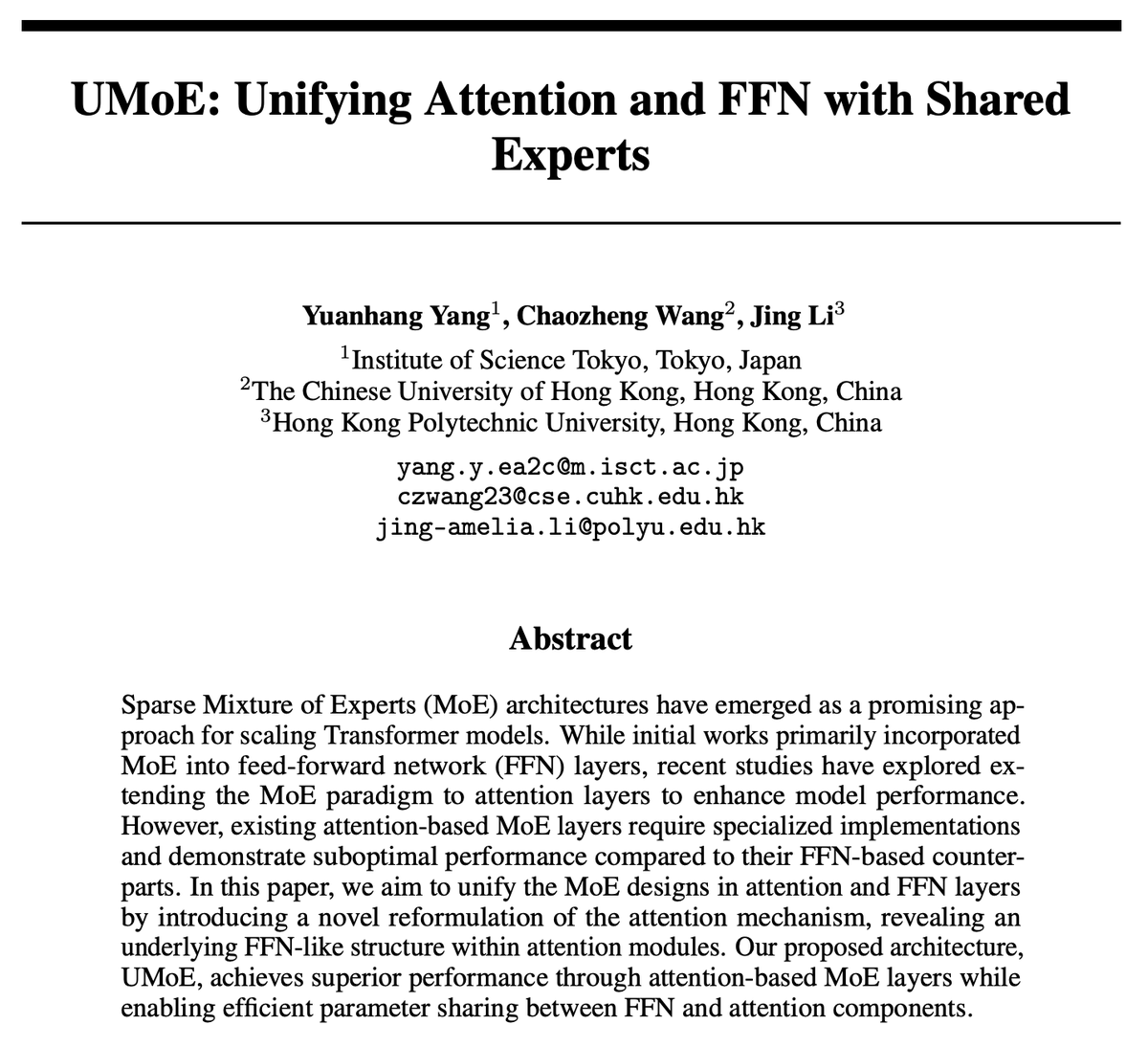







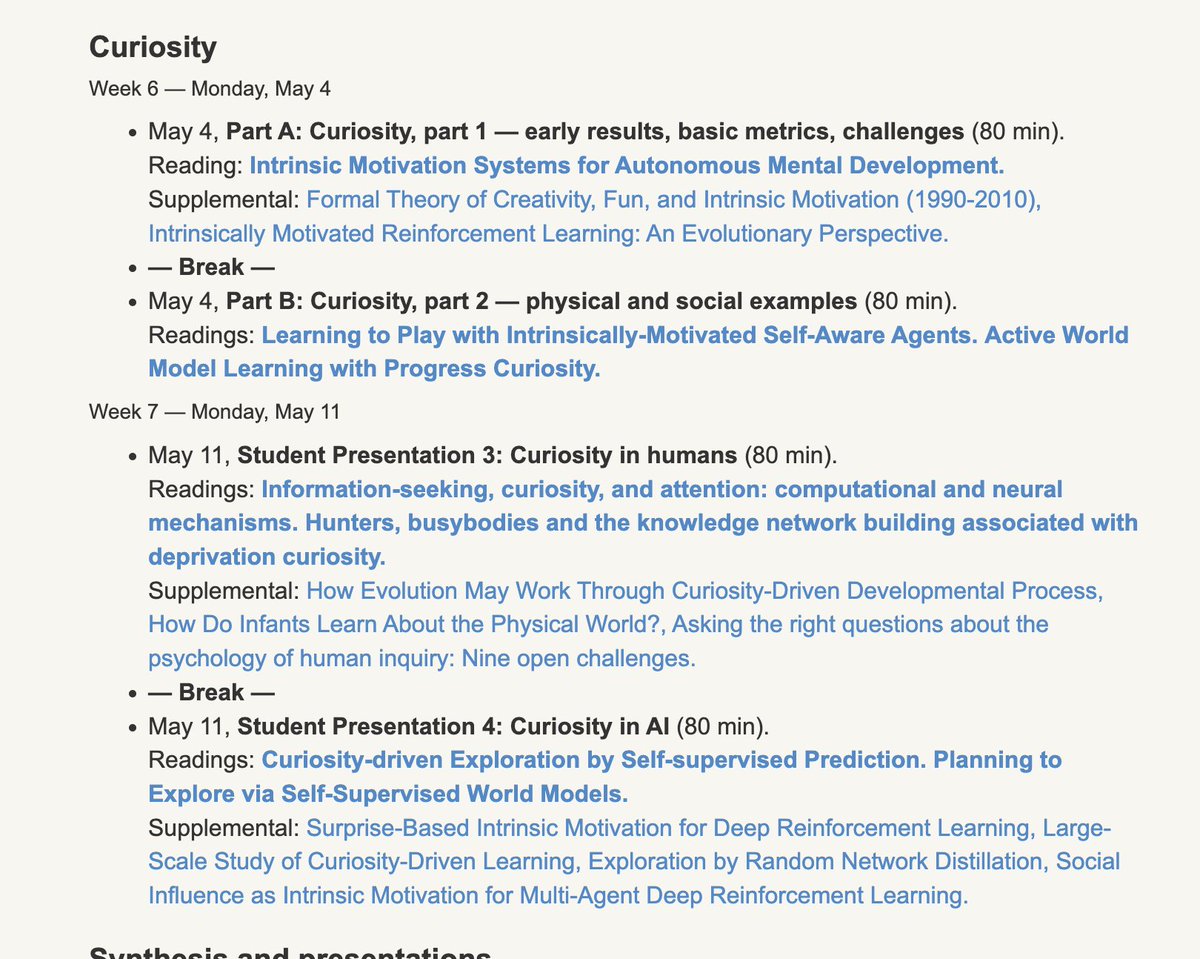
Stanford @CS153Systems, Week 1 (Full Lecture) AI Scaling, Bottlenecks, and Why Compute Isn't a Commodity Yet 00:00 Compute Coachella 00:29 Simple Life Heuristic 01:08 Uncertainty Creates Opportunity 01:42 Four Bottlenecks Framework 01:51 Empirical Proof Matters 02:05 Cloud Costs Are Shifting 02:15 Verifiable vs Fuzzy Progress 02:48 Scaling Predictability Explained 03:43 CapEx Explosion in Big Tech 04:06 Chips Aren’t Commodities 04:45 Compute Scarcity Conclusion