Brian Hong

797 posts

Brian Hong

Brian Hong

@serialx_net

Katılım Aralık 2013
475 Takip Edilen227 Takipçiler
Brian Hong retweetledi
Hiroki Osame
Hiroki Osame@privatenumbr·
If you work with images with text, or scanned documents, here's a small but powerful OCR CLI It leverages Apple's Vision Framework so it's completely local Tip: give it to your agent to save on vision tokens! → npx mac-ocr ./image.png github.com/privatenumber/…
Hiroki Osame tweet media
English
8
44
565
45.2K
Brian Hong
Brian Hong@serialx_net·
@seapy @Outsideris 훈련 데이터 공유 동의하셨으면 주행영상도 중간중간 올리는거 같더라고요.
한국어
1
0
0
24
Seapy
Seapy@seapy·
@Outsideris 평소에는 운전을 짧게해서 업데이트 잘 안되더니 주차하고 안에 mudi7 넣고 나가니까 잠겨 있을때 오히려 꾸준하고 빠르게 다운로드 받는거 같더라고요.
한국어
1
0
0
263
Seapy
Seapy@seapy·
테터링 30기가 까지 제대로 사용해본적이 없어서 30기가 테터링 되는게 필요한가 싶었는데, 오늘 테슬라 업데이트할때 Mudi 7에 테터링으로 하니까 10기가 금방 넘고, 외부에서도 무료 와이파이 안쓰고 Mudi 7 사용하니까 조금씩 사용량이 높아짐. 크기만 좀 작았으면 Mudi 7 참 좋은데...
한국어
1
0
5
1.5K
Brian Hong retweetledi
Peter Steinberger 🦞
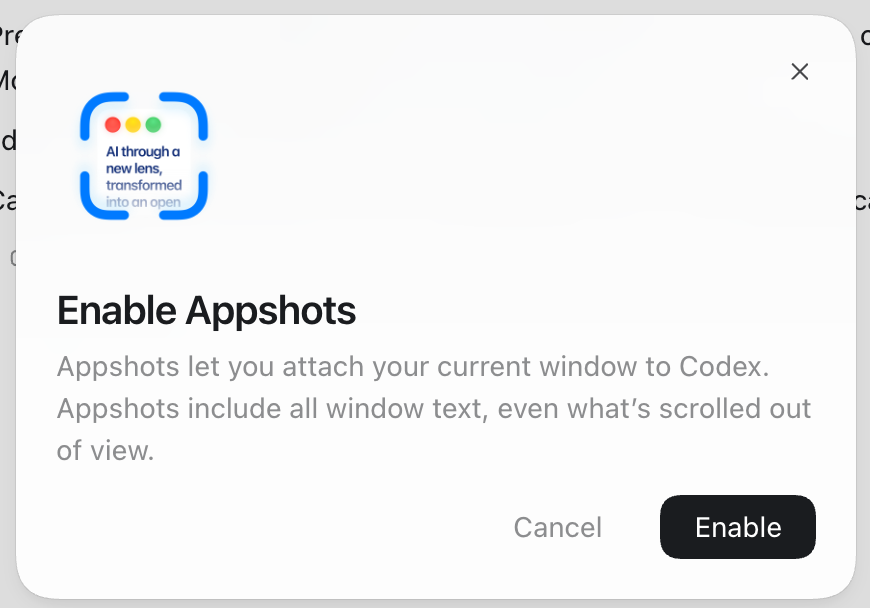
How am I only now finding out about appshots? I was dragging screenshots into codex live a caveman.
Peter Steinberger 🦞 tweet media
English
191
163
5.5K
386K
Brian Hong retweetledi
Adina Yakup
Adina Yakup@AdinaYakup·
PP-OCRv6 just released by Baidu @PaddlePaddle ✨ tiny 1.5M / small 7.7M / medium 34.5M ✨ 48+ languages ✨ Supports handwritten/printed/industrial/screen and card text ✨ Edge friendly deployment
Adina Yakup tweet media
English
8
56
461
22.5K
Brian Hong retweetledi
SemiAnalysis
SemiAnalysis@SemiAnalysis_·
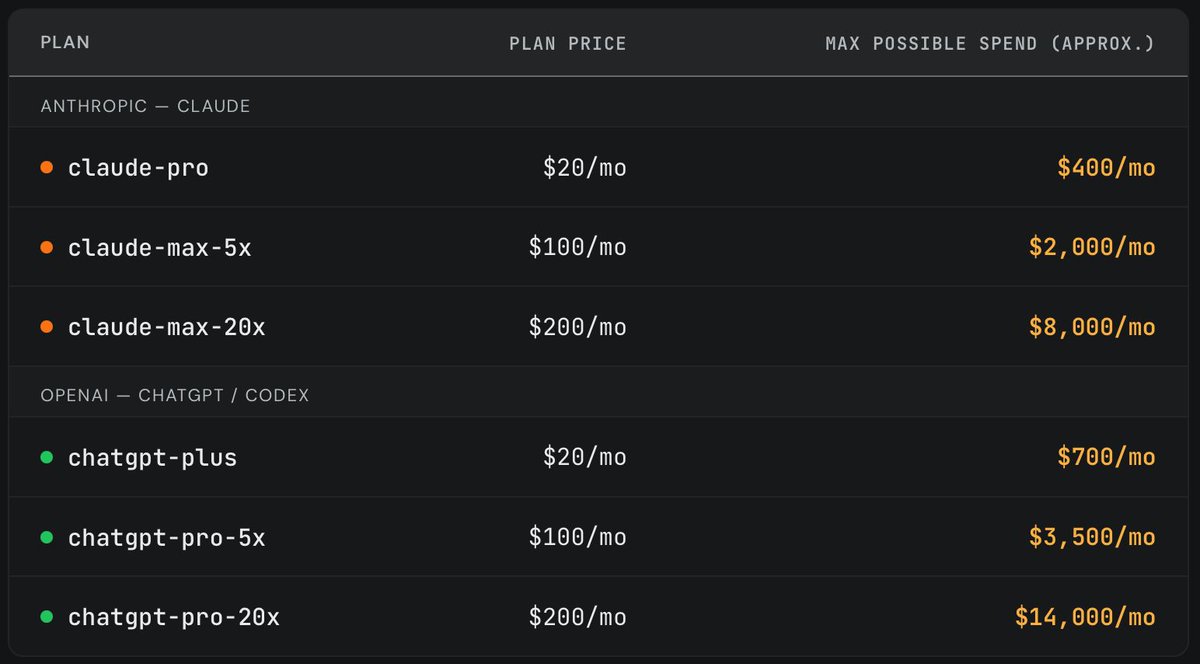
Recently, we purchased one of each Anthropic/OpenAI subscription plan and randomly ran long horizon coding tasks until we exhausted the weekly limit. It's widely believed that a $200/month plan maxes out at ~$2000/month worth of tokens (assuming API pricing). However, we found that the subscriptions are actually far more generous. (2/4)
SemiAnalysis tweet media
English
189
572
6K
3.5M
Brian Hong retweetledi
antirez
antirez@antirez·
I believe what Anthropic is doing, gating the ability to do certain harmless things like LLM research, and with incredibly sensitive filters that even medical questions are often blocked, is *deeply* wrong. They got open research, the Transformer, GPT2, ...
English
22
113
2.6K
238.2K
Brian Hong
Brian Hong@serialx_net·
@cocaas 저도 리트윗하신거 보고 서울 로컬푸트인걸 처음 알았습니다. 할머니가 하셨던 가게인데 어찌 대전에 있었는지 저도 궁금하네요. 다시 가고싶지만 지금은 없군요...
한국어
0
0
0
26
Yunho Kim
Yunho Kim@cocaas·
@serialx_net 근데 대전 어은동엔 그 귀하다는(?) 닭한마리가 어찌 있었을까요.
한국어
1
0
0
40
Yunho Kim
Yunho Kim@cocaas·
내가 사는 고향 공릉동은 서울 구도심은 아니지만 요상하게도 유명한 닭한마리집이 있어서 일찍부터 그 존재를 알 수 있었다. 그리고 대학 다니러 대전 내려갔을 때도 어은동에 닭한마리집이 있어서 나름 전국구 음식인 줄 알았는데 생각해보니 그 두 곳 말고는 잘 못 봤네.
다인의 편의점이것저것_채다인@totheno1

예전에 트윗한 내용 재업인데 -- 닭한마리는 전통 서울음식도 아니고 70년대 동대문에서 시작돼 서울구도심에서 유행한 초로컬음식입니다.의외로 서울사람이라도 구도심 거주자가 아니면 잘 모르는 음식. 실제로도 유명한 닭한마리집 보면 대부분 서울 구도심인 동대문,종로,충무로,광화문이에요.

한국어
1
5
8
3.6K
Yunho Kim
Yunho Kim@cocaas·
어은동에 있던 닭한마리집은.. 언제부터 있었는지는 잘 모르겠는데 대학생이던 시절에 없어졌던걸로 기억함. 이젠 그것도 거진 20년 전 얘기라 정확하진 않습니다.
한국어
1
0
1
262
Brian Hong
Brian Hong@serialx_net·
@Outsideris 통신사가 디바이스 프로파일 업데이트 할 때마다 리셋되는겁니다 (...)
한국어
1
0
0
95
Outsider
Outsider@Outsideris·
T wifi secure zone은 자동 연결 꺼도 왜 자꾸 다시 키면서 자동으로 붙는거야. 지난주에도 껏는데 또 그러네
한국어
2
1
5
1.5K
Brian Hong
Brian Hong@serialx_net·
@suckzo_o 아아 ㅋㅋㅋㅋ 저도 메트릭이라고 합니다. ㅋㅋㅋㅋㅋㅋ
한국어
0
0
1
38
썩쥬
썩쥬@suckzo_o·
@serialx_net 진짜 사소하지만 메트릭이라고 하고 싶어서...
한국어
1
0
0
35
썩쥬
썩쥬@suckzo_o·
혼자 예민해서 한국식 외래어 오표기에 발작함 - matric (매트릭) - cloud funding (클라우드 펀딩) - recurting (리쿠르팅) - git brunch (깃 브런치) 에 주로 발작함 그러나 사실 이것은 아무것도 아니라고 부처님이 그랬으니 1분 명상 조지고 오겠삼
한국어
2
1
14
18.2K
썩쥬
썩쥬@suckzo_o·
metric을 매트릭이라고 할 수 있는 건 그래도 참작 요소는 있다고 생각하긴 해도 걍 좀 그럼
한국어
1
0
1
1.2K
Brian Hong retweetledi
Jihyeon Kim (김지현)
Jihyeon Kim (김지현)@simnalamburt·
???? 삭제돼서 원문 남김
Jihyeon Kim (김지현) tweet mediaJihyeon Kim (김지현) tweet mediaJihyeon Kim (김지현) tweet mediaJihyeon Kim (김지현) tweet media
한국어
0
44
51
4.5K
Brian Hong
Brian Hong@serialx_net·
허억 왠지 모르겠지만 @pepepegle 님이 생각나는 그런 감성 ㅎㅎㅎ
電ファミニコゲーマー@denfaminicogame

かわいいヤンデレ悪魔との“飲みサバイバル”ゲーム『PUKEY GODDESS SHOT TRICK』ウィッシュリスト件数が20万件を突破 news.denfaminicogamer.jp/news/2605073g 殺したいほど愛してくる悪魔「ファム・スール」を相手に、お酒のロシアンルーレットを行う話題作。2026年にリリース予定

한국어
1
0
1
498
Brian Hong
Brian Hong@serialx_net·
@bcherny Since Opus 4.7, Korean language has heavily regressed. It's basically unusable in Claude Code, never mind B2B(API) uses for customers. Can you take a look? I can share feedback ID if you need it.
English
0
2
4
285
Brian Hong retweetledi
International Cyber Digest
International Cyber Digest@IntCyberDigest·
‼️🚨 Pwn2Own Berlin 2026 just hit a wall. For the first time in 19-years, ZDI rejected dozens of working zero-day RCE submissions because organizers ran out of contest slots. Rejected hackers are now going public with PoC demos and direct vendor disclosures, breaking Pwn2Own's usual secrecy. ▪️ AI surfaces a massive wave of 0-day RCEs. ▪️ Submissions overwhelm ZDI past max capacity. ▪️ Slots run out. Researchers with working chains get rejected. ▪️ "Revenge disclosures" begin. ← we are here. Confirmed casualties so far: ▪️ @xchglabs : 86 vulnerabilities prepared (PyTorch, NVIDIA, Linux KVM, Oracle, Docker, Ollama, Chroma, LiteLLM, llama.cpp). All rejected. Now reporting directly to vendors with writeups dropping as patches land. ▪️ @ggwhyp : full-chain Firefox RCE on Windows. Rejected. Publicly demoed (HTML page → cmd.exe → calc.exe). Responsibly disclosed to Mozilla. ▪️ @yunsu_dev : working RCE chain, rejected. Submitting elsewhere. ▪️ @ryotkak : tried to register for 3+ weeks. ZDI confirmed "at maximum capacity, can't add extra contest days." Considered canceling flight and hotel. ▪️ @anzuukino2802 : Claude Code RCE PoC. Rejected. ▪️ @desckimh : 0-day RCEs in Ollama and LM Studio. Rejected. Reported impact: a community-estimated 150+ researchers tried to register. Accepted contestants are now being warned about collisions. Rejected vulnerabilities going to bug bounty programs may trigger pre-event patches that invalidate the work of those who got in. ZDI has not publicly addressed the capacity issue. The event still runs May 14-16 in Berlin.
International Cyber Digest tweet mediaInternational Cyber Digest tweet media
English
31
379
1.5K
413.8K
Brian Hong
Brian Hong@serialx_net·
@_Akamig 저도 비슷한 문제가 있었는데요. 발열 적은 모델로 바꾸고 해결됐습니다. 단점은 지갑도 얇아졌는데…. 🥲 fs.com/products/15492…
한국어
0
0
1
51
𖣰𖢃𖥂𖢑𖣇𖡄
아 정녕 팬을 달아야 하는 것인가 구리선 10Gbps 쓰려고 하면 맨날 어댑터 98도 되서 중요할때 다운되서 일단 뽑아놨는데 이걸 어떻게 해야할지 모르겠음
한국어
5
0
3
425
Brian Hong retweetledi
The Sci-Tech Guy
The Sci-Tech Guy@theSciTechGuy·
Once in a millennium moment, Earth and the Moon crossing infornt of the Sun. Just hours before Huygens landed on Titan on Jan 14, 2005, there was a rare transit of Earth and the Moon across the Sun as seen from Saturn. It’s an event that happens only about once every 15 years, and a dead-center transit like that only twice per millennium.
English
31
354
1.7K
102.8K
Brian Hong retweetledi
Paul Graham
Paul Graham@paulg·
Hamming's talk is so important that I reproduced it on my site. It's one of the only things on my site written by someone else. paulgraham.com/hamming.html
Ihtesham Ali@ihtesham2005

A mathematician who shared an office with Claude Shannon at Bell Labs gave one lecture in 1986 that explains why some people win Nobel Prizes and other equally smart people spend their whole lives doing forgettable work. His name was Richard Hamming. He won the Turing Award. He invented error-correcting codes that made modern computing possible. And he spent 30 years at Bell Labs sitting in a cafeteria at lunch watching which scientists became legendary and which ones faded into nothing. In March 1986, he walked into a Bellcore auditorium in front of 200 researchers and told them exactly what he had seen. Here's the framework that has been quoted by every serious scientist for the last 40 years. His opening line landed like a punch. He said most scientists he worked with at Bell Labs were just as smart as the Nobel Prize winners. Just as hardworking. Just as credentialed. And yet at the end of a 40-year career, one group had changed entire fields and the other group was forgotten by the time they retired. He wanted to know what the difference actually was. And he said it wasn't luck. It wasn't IQ. It was a specific set of habits that almost nobody is willing to follow. The first habit was the one that hurts the most to hear. He said most scientists deliberately avoid the most important problem in their field because the odds of failure are too high. They pick a safe adjacent problem, solve it cleanly, publish it, and move on. And because they never swing at the hard problem, they never hit it. He said if you do not work on an important problem, it is unlikely you will do important work. That is not a motivational line. That is a logical one. The second habit was about doors. Literal doors. He noticed that the scientists at Bell Labs who kept their office doors closed got more done in the short term because they had no interruptions. But the scientists who kept their doors open got more done over a career. The open-door scientists were interrupted constantly. They also absorbed every new idea passing through the hallway. Ten years in, they were working on problems the closed-door scientists did not even know existed. The third habit was inversion. When Bell Labs refused to give him the team of programmers he wanted, Hamming sat with the rejection for weeks. Then he flipped the question. Instead of asking for programmers to write the programs, he asked why machines could not write the programs themselves. That single inversion pushed him into the frontier of computer science. He said the pattern repeats everywhere. What looks like a defect, if you flip it correctly, becomes the exact thing that pushes you ahead of everyone else. The fourth habit was the one that hit me the hardest. He said knowledge and productivity compound like interest. Someone who works 10 percent harder than you does not produce 10 percent more over a career. They produce twice as much. The gap doesn't add. It multiplies. And it compounds silently for years before anyone notices. He finished the lecture with a line I have never been able to shake. He said Pasteur's famous quote is right. Luck favors the prepared mind. But he meant it literally. You don't hope for luck. You engineer the conditions where luck can land on you. Open doors. Important problems. Inverted questions. Compounded hours. Those are not traits. Those are choices you make every single day. The transcript has been sitting on the University of Virginia's computer science website for almost 30 years. The video is free on YouTube. Stripe Press reprinted the full lectures as a book in 2020 and Bret Victor wrote the foreword. Hamming died in 1998. He gave his final lecture a few weeks before. He was 82. The lecture that explains why some careers become legendary and others disappear is still free. Most people who could benefit from it will never open it.

English
82
430
3.7K
786.3K