Scott Grubb

1.1K posts

Scott Grubb banner
Scott Grubb

Scott Grubb

@sgrubb34

I help Single Family Offices run like a real business. Not an asset manager. An operator.

ATX Katılım Aralık 2021
207 Takip Edilen664 Takipçiler
Scott Grubb
Scott Grubb@sgrubb34·
Every advisor walking into a family office meeting wants the same thing. Your assets under management (AUM). 50 basis points on $300M is $1.5M a year. On $500M, $2.5M. Every year. And for what, exactly? An all-weather portfolio running on autopilot? A client told me recently: "Everybody we were running into was AUM-based and chasing the same thing." The fee model made sense when active management justified it. That argument is harder to make now.
English
0
0
0
28
Scott Grubb retweetledi
Dr Carlo Bellini
Dr Carlo Bellini@CarloBellini·
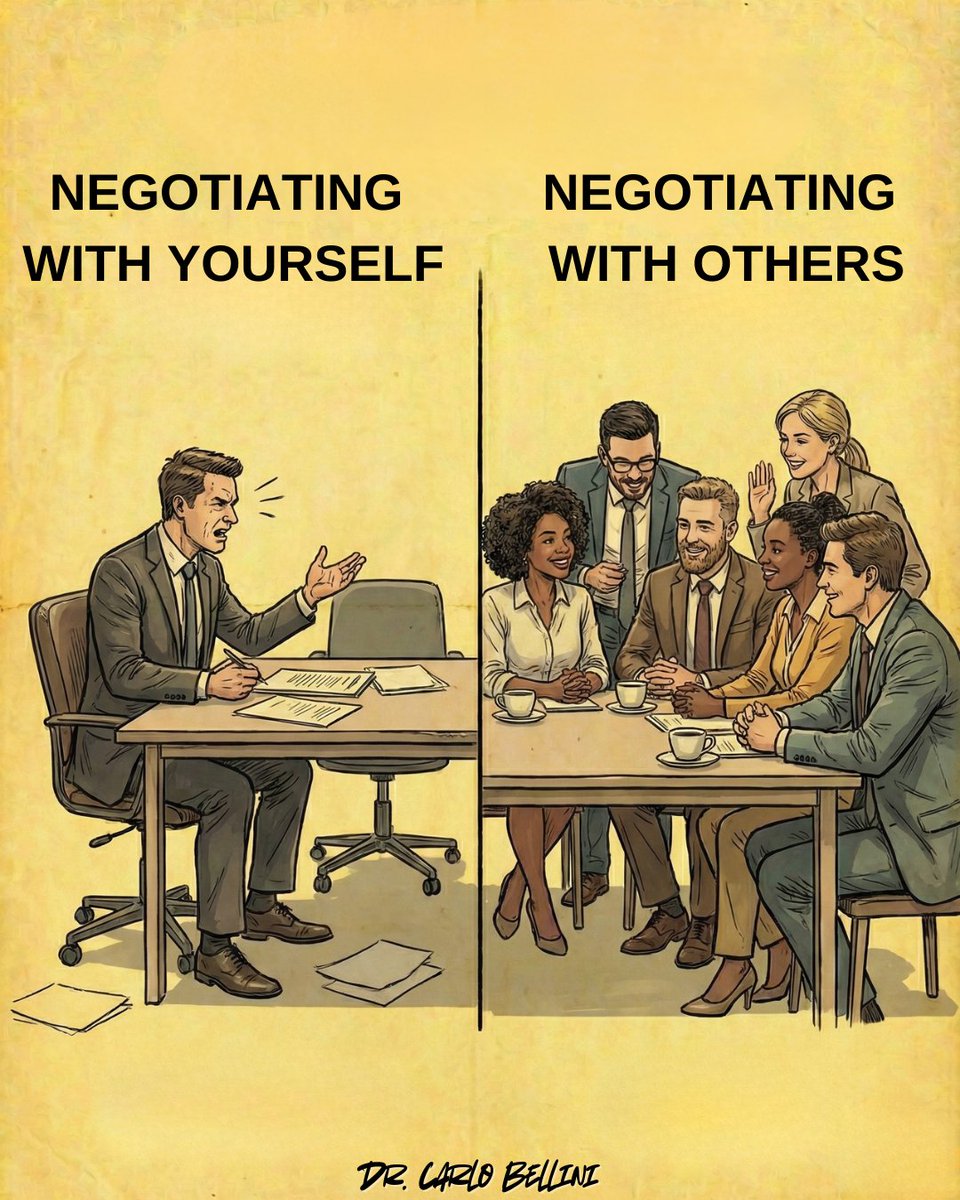
You are negotiating against yourself. You prepare arguments. You rehearse rebuttals. You anticipate objections. Then you walk into the room and try to persuade someone whose mind was made up before you opened your mouth. This is the persuasion trap. You are optimising for the wrong variable. The senior leaders who consistently get what they want rarely win through argument. They win through design. They sequence conversations so the final meeting is a formality. They build coalitions before the ask. They let others arrive at their conclusion independently. Persuasion is high friction. It requires you to overcome resistance in real time, in public, with egos on the line. Design removes resistance before the conversation begins. The leader who walks into a budget meeting cold is negotiating. The one who spent three weeks having quiet conversations with finance, operations, and the medical director is ratifying. The executive who seems to effortlessly get approval is not necessarily more charismatic. They are more methodical. They map stakeholders. They identify friction points. They resolve objections in private where people can change position without losing face. The path of least resistance is built in private. Start there.
Dr Carlo Bellini tweet media
English
2
20
92
12.4K
Scott Grubb retweetledi
Startup Archive
Startup Archive@StartupArchive_·
Ben Horowitz on the two things every successful technology startup must do 1. Build a product that improves how some large group of people does something by 10x. “You have to build a transformational product. There is no way to build a great new company without a great product… If you look at the great technology companies, the thing that distinguishes them is the ability to keep coming up with a better way of doing things.” 2. Taking the market. “You can come up with the best product, but if you don’t [take the market], you really don’t have a company. Most technology businesses are network effects businesses. You have to win… If you’re an engineer, what business skills do you need to build a technology company? They’re all around the skills that you need to win the market. How do you out-market, out-sell, and beat the competition?… Do you build a good enough company that you go win?” Video source: @UCBerkeley (2009)
English
17
34
371
36.5K
Scott Grubb retweetledi
Codie Sanchez
Codie Sanchez@Codie_Sanchez·
I’m convinced 90% of the founders job is to just do 3 things: - be delusional in your optimism - push everyone to move faster - make it crystal clear what to work on
English
318
335
4.4K
208.6K
Scott Grubb retweetledi
Startup Archive
Startup Archive@StartupArchive_·
Frank Slootman: “Being a CEO is a highly confrontational role” “I’ve gone one record a few times and people have taken me to task on it, when I’ve said that being a CEO is a highly confrontational role. But they think that ‘confrontational’ means I’m grabbing people by the lapels and slamming them against the wall and yelling. That’s not what I mean by confrontation.” The former CEO of Snowflake and ServiceNow continues: “Confrontation is about confronting issues and situations. When you see something that is either not good, not good enough, or can be better, you need to talk to the team and people responsible to bring them along in your thinking.” In Frank’s view, the framing should be: “this is why I am saying this, what do you think?” The goal of the conversation is to help them see the problems you’re seeing. You should be driving them to a “higher level of aspiration,” he explains. “I often start the conversation with, ‘How do you think things are going?’ I’m not telling them ‘you suck,’ or ‘things are terrible.’ Let them talk. And then you can say, ‘Well what about this?’ And all of a sudden, the perspective has opened up and changed. So the challenge is bringing them along in your thinking — then it’s not confrontational… Obviously there’s finesse and subtlety. You’re dealing with people. You don’t want to destroy them. You want to build them, not bring them down.” You need to help them grow: “People have a tendency to go sideways. They rinse and repeat and keep doing the same things. You can’t in a high-growth company. You need to become a different version of yourself. I’m trying to help them think through that. What does that look like? What does your organization look like a year from now versus what it looks like today?… In other words, stimulate their thinking. Challenge them to think about what they should do differently next week. Is that confrontation? Yes it is, but it’s dressed up in a way that it engages people.” Frank believes founders should be doing this every single week. Video source: @FoundationCap (2024)
English
17
80
872
100.6K
Scott Grubb retweetledi
Connor Abene
Connor Abene@ConnorAbene·
The founder’s job is to bend reality. The CFO’s job is to make sure it doesn’t snap.
English
1
1
12
469
Scott Grubb retweetledi
Geo
Geo@TheGeoMethod·
The biggest scam in sales training: Objection handling. Every sales course teaches it. Every sales manager drills it. Every rep thinks they need to get better at it. Complete waste of time. Trying to counter objections with the “perfect response” is like putting perfume on a garbage bag, hoping it kills the smell. The bag would’ve never smelled in the first place if you hadn’t put garbage in it. Most people are obsessed with how they should respond to: “It’s too expensive.” “I need to think about it.” “Send me some more info.” So they memorize scripts, practice rebuttals, and collect clever one-liners. Then walk into meetings hoping the objection appears so they can use them… just itching to try out that new perfume. But the reason the objection appeared in the first place was because: • The conversation was poorly controlled • The problem wasn’t made clear enough • The consequences of doing nothing about it were never fully explored So when the moment of decision arrives, the buyer stalls. Great salespeople prevent objections long before the proposal appears. They surface concerns early. They pressure-test the problem. They make the cost of inaction obvious. They ask questions that force the buyer to confront what happens if nothing changes. By the time the offer appears, the objections have already been dealt with. That’s why the best closers rarely argue with objections. They eliminate the conditions that create them.
English
10
4
67
5.8K
Scott Grubb retweetledi
Ryan Deiss
Ryan Deiss@ryandeiss·
QUIT DOCUMENTING EVERYTHING… When you document everything, you create 2 problems: 1. The discovery problem: your team doesn't know where all the checklists are because there are 50 billion of them 2. The bureaucracy problem: everything takes forever because there's a process for everything I learned this the hard way back in 2016… In an attempt to create systems for everything, I pissed off half my team and took the focus away from what mattered most: selling and serving our customers. Only systemize things that are: - High stakes (meaning you can’t afford to screw them up) - Highly repetitive - High chance for human error It needs to check all three boxes, or it doesn't earn the right to be systematized. Don’t systemize everything…just systemize the critical, and your systems will actually get used.
English
9
7
48
2.9K
Scott Grubb retweetledi
Adrian Dittmann
Adrian Dittmann@AdrianDittmann·
Microsoft is such shit software company I’m genuinely fascinated that they’re still in business
English
362
95
2.1K
91.4K
Scott Grubb retweetledi
Dr Carlo Bellini
Dr Carlo Bellini@CarloBellini·
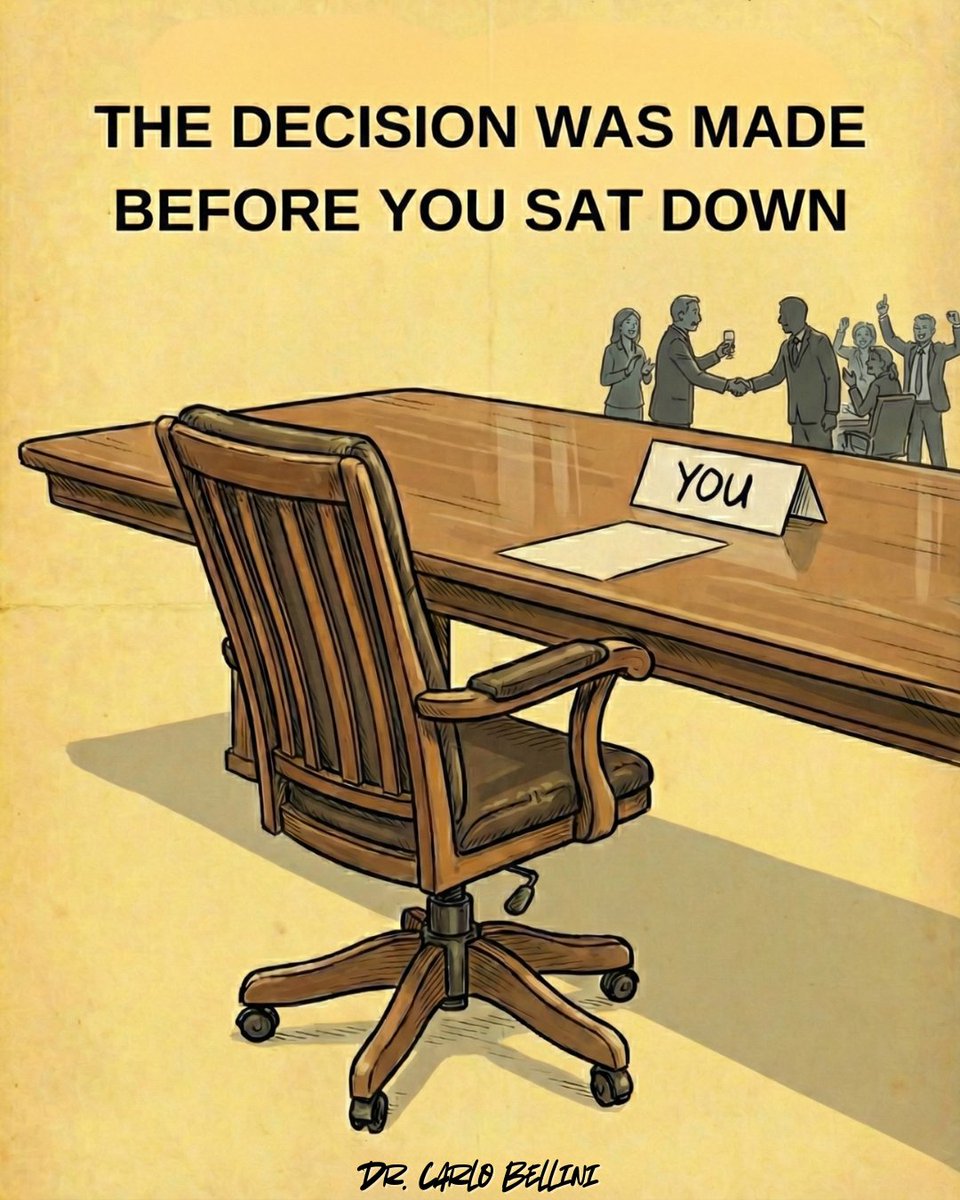
The meeting is not where the decision gets made. You lost before you entered. You walk in prepared. Data organised. Arguments tight. You present with clarity and confidence. Then watch the room defer to someone who said almost nothing. Decisions are made in hallways, side conversations, and one-on-ones that happen days before the calendar invite. The meeting is ceremony. Ratification. Theatre for documentation purposes. The leaders who shape outcomes architect consensus before the meeting exists. They identify the three people whose opinions will sway the room. They have private conversations that surface objections early. They let decision-makers feel ownership of conclusions that were carefully planted. You are preparing slides while they are engineering alignment. This is how organisations actually function. By the time everyone sits down, the outcome is already known to everyone except the person who thought preparation meant rehearsing their points. Influence happens in the gaps between conference rooms. In the five-minute check-ins. In the "quick question" that is actually a framing exercise. In the lunch where nothing appears on the agenda because the agenda is being written. Stop preparing for meetings. Start architecting decisions before meetings get scheduled.
Dr Carlo Bellini tweet media
English
2
75
277
21.2K
Scott Grubb retweetledi
Tansu Yegen
Tansu Yegen@TansuYegen·
Focus vs Multitasking when you have many things to do... This is 100% true!
English
140
1.4K
6.7K
458.2K
Scott Grubb retweetledi
Chris Pisarski
Chris Pisarski@chrispisarski·
something we learned early on during YC: every sales call should end with a definitive YES (a second meeting or a referral) or a definitive NO (an insight) nothing in between
English
20
7
139
8.1K
Scott Grubb retweetledi
Sam
Sam@xwastheone·
Paper money was never supposed to be the money. It was a receipt. You deposited gold at a bank. The bank gave you a note that said: "The bearer of this note may redeem it for X amount of gold." That's all a dollar was. A claim ticket. The paper had no value. The gold in the vault did. The paper just made it easier to carry. This system worked for centuries. Every major currency was backed this way. The British pound. The French franc. The U.S. dollar. Then, slowly, governments realized something: If people trust the paper, they never come for the gold. So they printed more notes than they had gold. Then more. Then more. When too many people asked questions, they closed the gold window. That was supposed to be temporary. 55 years later, the dollar is still backed by nothing but trust. And that trust has cost you 97% of your purchasing power. The receipt became the money. Global money became trust-based. And money became nothing but a promise that nobody has to keep.
English
1.1K
9.7K
40.5K
1.1M
Scott Grubb retweetledi
Founder Mode
Founder Mode@Founder_Mode_·
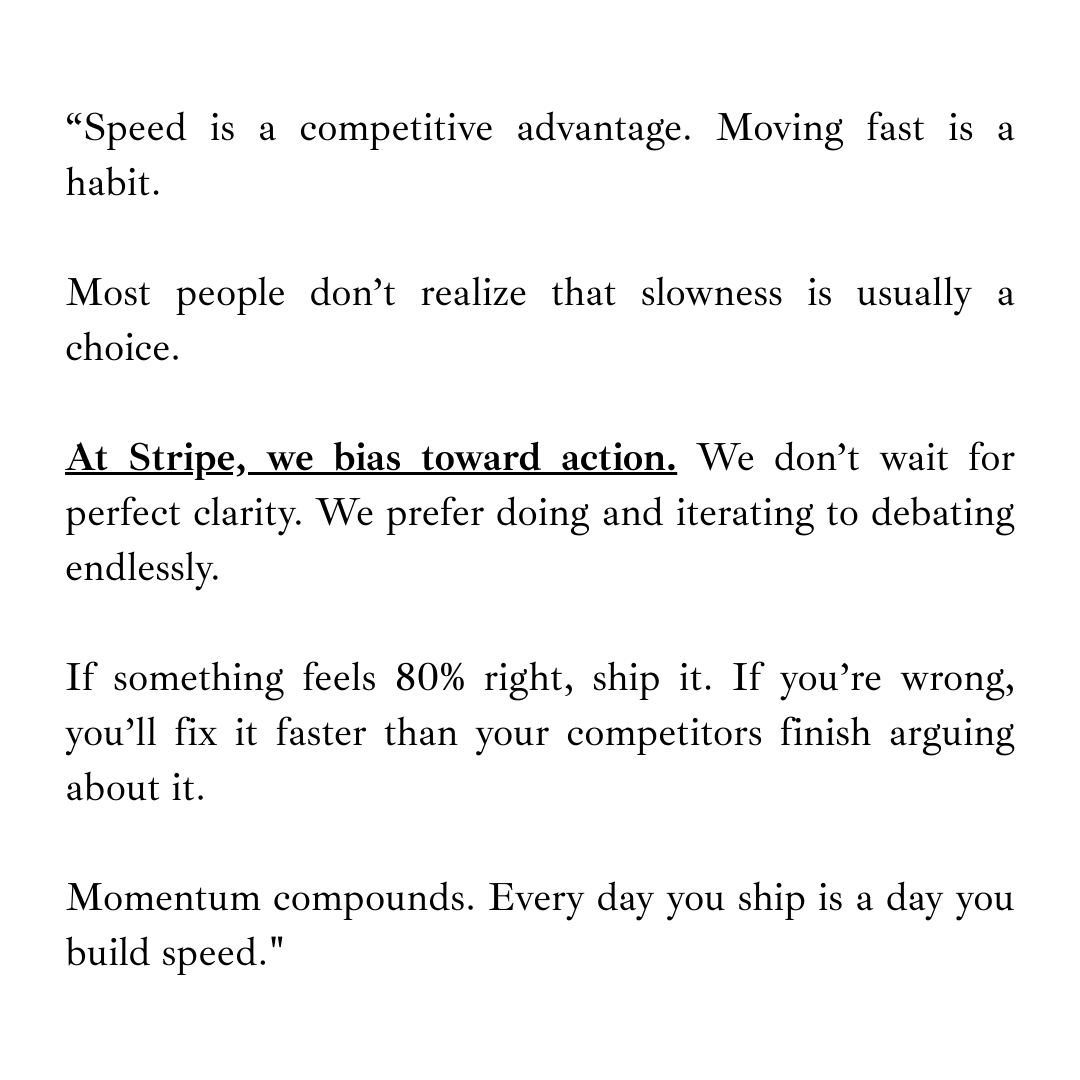
Patrick Collison (@stripe ceo) on How to Move Fast:
Founder Mode tweet media
English
53
356
3.6K
182.5K
Scott Grubb retweetledi
Layton Gott
Layton Gott@Layton_Gott·
The fastest way to validate a product: DON'T build it -Make a landing page -Describe the problem it solves -Add a "join waitlist" button If nobody signs up, you just saved yourself 3 months
English
553
444
10.3K
420.8K
Scott Grubb retweetledi
Dave Kline
Dave Kline@dklineii·
If you're leading a team, remember: - 90% of your team didn't hear you the 1st time - 50% didn't hear you the 3rd time - 10% never will Clear communication requires repetition. When you're sick of saying it, they start to hear it.
English
38
100
1K
35.3K
Scott Grubb retweetledi
The SEO Guy
The SEO Guy@theseoguy_·
I think about this SEO legend every day
The SEO Guy tweet media
English
149
2.5K
41.1K
889.5K
Scott Grubb retweetledi
Big Brain Business
Big Brain Business@BigBrainBizness·
Uber CEO Dara Khosrowshahi's blunt advice to founders: "You're way overthinking it. Start narrow, validate product-market fit, and adapt as you go." @dkhos
English
28
275
2.7K
178.5K