Ojas Shetty

6.8K posts

Ojas Shetty banner
Ojas Shetty

Ojas Shetty

@shettyojas

i like beats and people friendly streets | views always personal | [email protected] |

bengaluru | mumbai Katılım Ocak 2017
1.3K Takip Edilen691 Takipçiler
Sabitlenmiş Tweet
Ojas Shetty
Ojas Shetty@shettyojas·
cities, cars and inequality a #Thread cities have existed since almost 10,000 years. cars, since a little over a 100
English
13
180
707
282.5K
Ojas Shetty retweetledi
Richa Pinto
Richa Pinto@richapintoi·
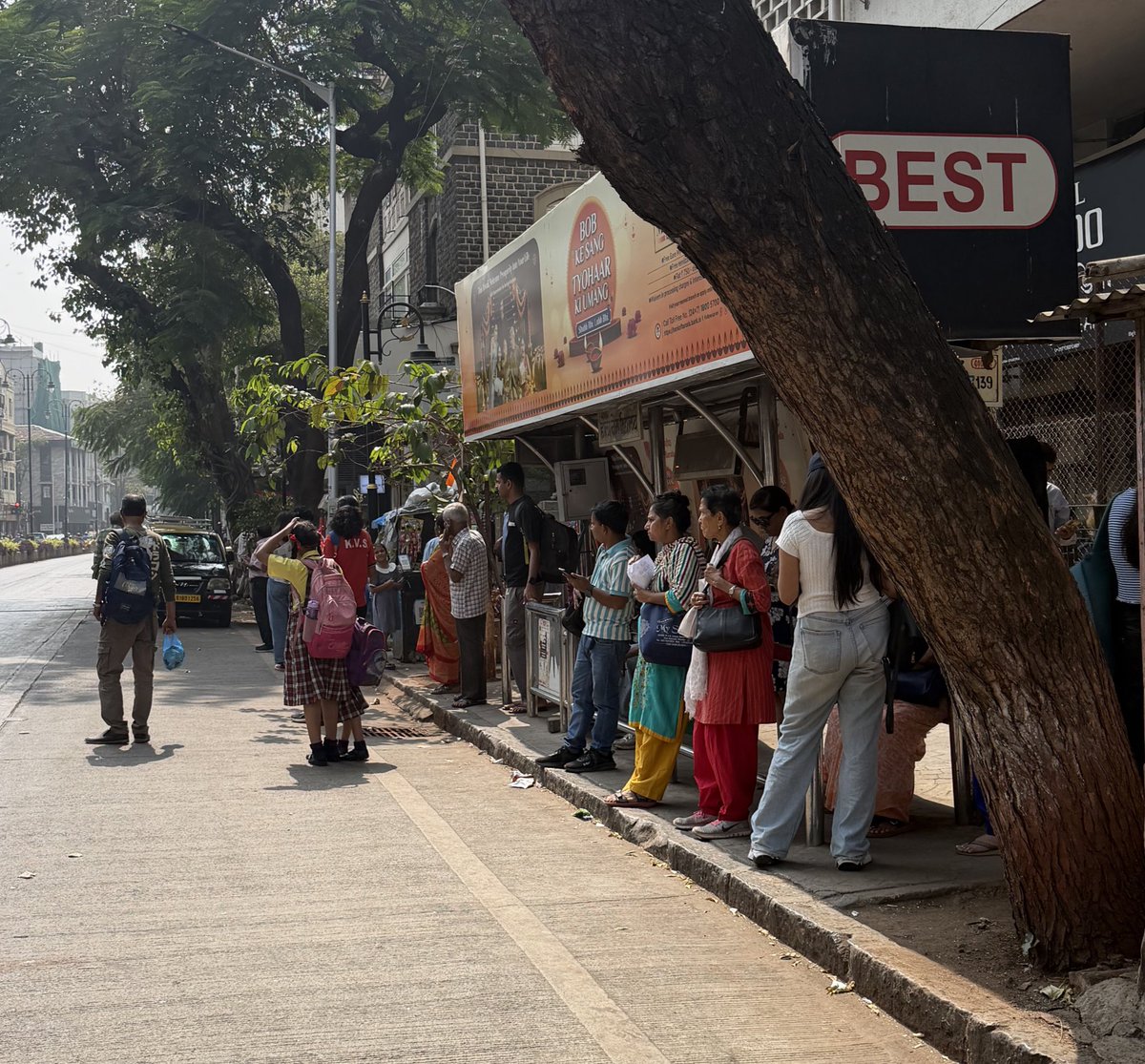
The number of people standing at BEST bus stops, staring down the road with no idea when the next bus will arrive, is growing by the day. Mumbai needs a serious shake-up to get more BEST buses back on the roads. For millions, they’re not just transport — they’re the only way to reach the city’s farthest corners within their budget. Location: Colaba Causeway
Richa Pinto tweet media
English
204
371
1.7K
89.2K
Ojas Shetty retweetledi
Abir Dasgupta
Abir Dasgupta@AbirDasgupta101·
The PIL against the UGC Equity Regulations 2026 are trying to redefine Dalit-Bahujan-Adivasi politics as caste-based discrimination against upper castes. Thats all there is to it! Read the pleadings. 1/x
English
1
3
3
458
Rajendra B. Aklekar
Rajendra B. Aklekar@rajtoday·
Discussions around Mumbai's bus lanes & more with the Maharashtra Institution for Transformation (MITRA) team online and transport experts Ashok Datar, AV Shenoy, Sudhir Badami and Praveen Shetty.
Rajendra B. Aklekar tweet mediaRajendra B. Aklekar tweet mediaRajendra B. Aklekar tweet mediaRajendra B. Aklekar tweet media
English
1
5
54
3.4K
Ojas Shetty
Ojas Shetty@shettyojas·
whoever is translating and subtitling nfak recordings on the internet is doing god's work 🙏🏾
English
1
0
3
169
Pravar
Pravar@bengawalk·
Namma yatri UI is so neat👌
Pravar tweet media
Indonesia
10
1
118
2.9K
Ojas Shetty retweetledi
Street Frontier
Street Frontier@streetfrontier·
Few things Singapore does differently with its Gross Contract model for buses as compared to India: 1. While our agencies retain conductors for issuing tickets, Singapore lets the private operator handle both driving and fare collection. 2. In India, private operators are usually paid per kilometer, with little incentive to perform reliably, leading to rash driving or skipped stops. In contrast, Singapore's model links payments to service quality. Operators can earn up to 10% extra for meeting performance standards or lose up to 10% if they fail to do so. 3. The operators are also expected to provide customer management services, such as lost and found service, and a hotline for commuter feedback and enquiries. 4. Land Transport Authority(LTA) conducts open global tenders - international operators (Go-Ahead, Tower Transit, etc.) compete. In India, its just open to local players. 5. In Singapore, LTA owns all the buses and only contracts out operations. In India, however, ownership - especially for electric buses - rests with private operators like Tata or Switch, who are responsible for purchasing, running and maintaining them.
Street Frontier tweet media
English
6
30
231
12.7K
Street Frontier
Street Frontier@streetfrontier·
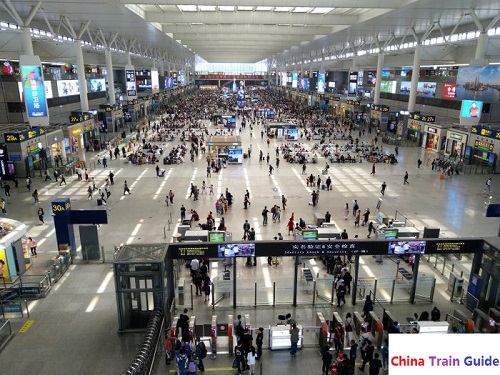
If there's one thing common across our airports, bus stands, and railway stations that I would like to change is the number of seats – we need far more. For instance, Chinese railway stations have giant waiting halls full of seats, while Indian stations are platform-centric, where passengers are expected to wait directly on the platform instead. The recently redeveloped Habibganj railway station, which prioritizes seating and comfort in a centralized hall, is a positive step. But much more needs to be done for the rest of our stations.
Street Frontier tweet media
English
8
23
155
5K
V.C. Sajjanar, IPS
V.C. Sajjanar, IPS@SajjanarVC_IPS·
My stop has arrived! After steering TGSRTC for over four enriching years, it’s time for me to step off this bus and set out on a new route. Journeys pause, passengers move on, but the road always stretches ahead. It’s time for me to park the bus and accelerate toward the next challenge. My deepest gratitude to the drivers and conductors—the lifeline of TGSRTC—and to every officer and passengers whose dedication kept the wheels turning. Public transport isn’t just travel; it’s a choice for a healthier planet and a healthier you. I’ll always remain its proud advocate. Soon, I’ll share a detailed reflection on my experiences, learnings, and takeaways from this unforgettable ride. @SajjanarOffice @TGSRTCHQ @TelanganaCMO @Ponnam_INC
V.C. Sajjanar, IPS tweet media
English
238
380
6.3K
243.6K
Aman Bhargava 📊
Aman Bhargava 📊@thedivtagguy·
Today @Vonterinon and I are launching CBFC Watch, an archive of over 1 lakh censorship records for ~18k movies released in India since 2017. For the first time, you can search for any movie and see how they were modified before release. 🔗cbfc.watch
English
5
41
127
17.8K
Street Frontier
Street Frontier@streetfrontier·
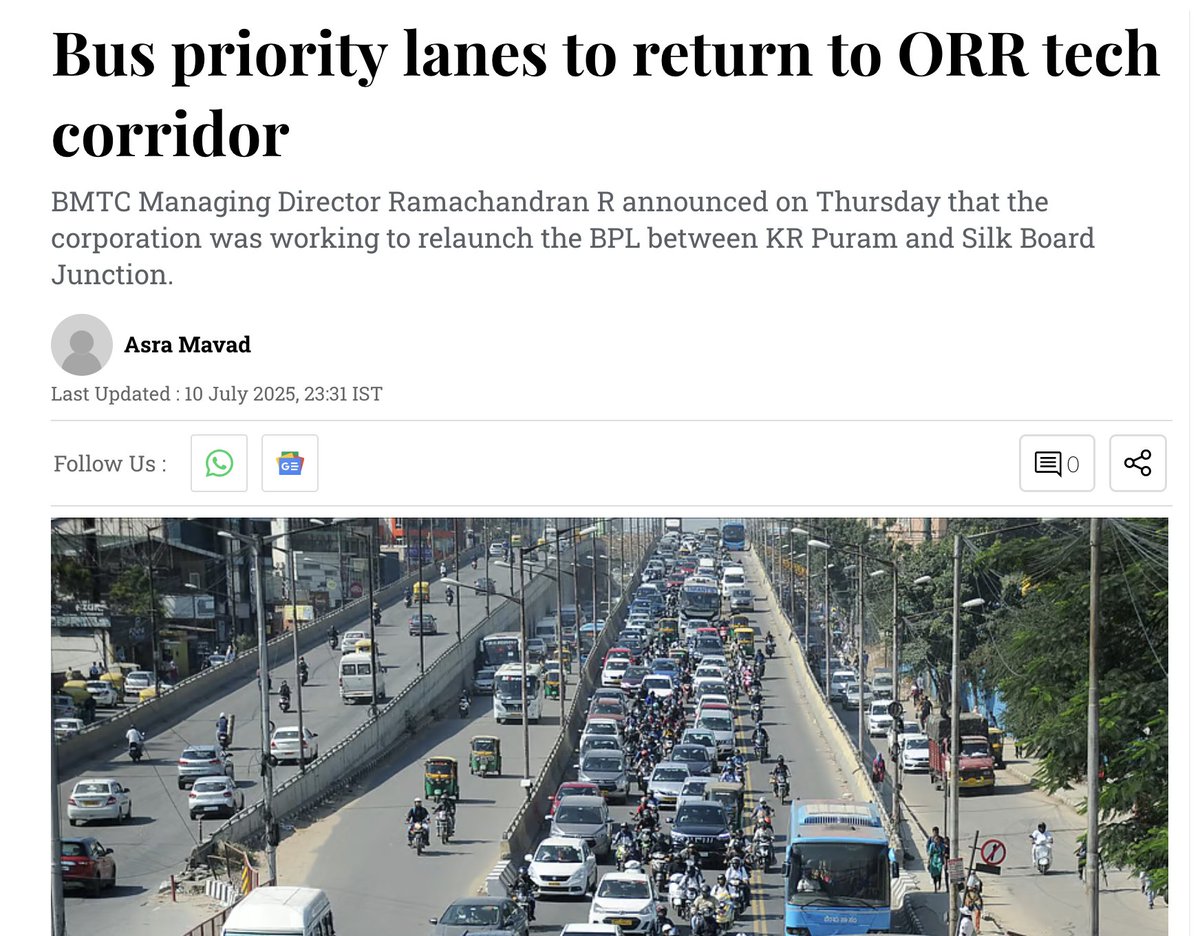
Great news. As always, I am going to add my 2 cents because devil is in the detail. 🧐 1. Bollards? No bollards, or something else this time? Because last time around, they went from metal bollards, to plastic bollards ... to almost nothing eventually. 2. Left lane again?... Folks who remember can recall how traffic entering and exiting the service road caused hindrance to smooth movement of buses on these dedicated lanes. 3. Not BRT, but bus lane just to be clear. These are two different things. Don't expect the former because that would require significant infra upgrade and redesigning of lanes. Bus only lanes have lower capacity than dedicated BRT systems, but that is still okay. 4. Skip flyovers? Or run on at-grade? It's all about compromise - If you use the flyover, you sacrifice coverage - bus stops must be placed awkwardly before and after the flyover, limiting accessibility for people along the route. However, it speeds up end-to-end travel time. If you run buses at-grade using the median lanes between flyovers, those lanes should ideally be closed to regular traffic. Plus, every time there's a flyover, buses need to shift from the left lane to the center, creating delays and operational challenges. 5. Any signalling improvements this time? Buses needs to be prioritized the moment they hit an intersection. 🚥 6. AI cameras can enforce discipline and can deter regular traffic from encroaching onto bus-only lanes. 7. Are you going to allow other buses like private and long-distance ones? In my opinion, don't. Other bus drivers lack the discipline of city bus operators and often stop erratically to pick up passengers, which can disrupt the flow and compromise safety. 8. Feeder buses should be deployed at stops near the dedicated bus lane. For example, those connecting areas like HSR Layout shouldn't be located too far away. These can operate as loop services, connecting residential areas directly to the main corridor. The goal is simple: connect where people live, so they can commute to work peacefully with seamless, reliable connectivity. 9. The elephant in the room - the Blue Line Metro. What about it? These lanes must be planned to eventually integrate seamlessly with Metro stations and complement the network, not compete with it. 10. Hello BMTC !! please consider investing in articulated buses and deploying them on the bus-only lane. If you want to attract more people, offer real convenience and comfort to passengers... 11. Also, tell your drivers not to idle at bus stops waiting for passengers. Change the incentive structure. Reward efficiency and reliability, not just passenger count. 12. I really hope the city traffic police is on board. They are ones, who are going to enforce rules on it. Looks like as of now, they have no clue that its coming. 13. Also, consider how buses will enter and exit the corridor at midpoints because that's exactly where other vehicles tend to merge, creating potential conflicts. 14. BMTC should treat reliability and speed as top priorities. Collect data, measure actual speed improvements, and identify what can be further improved through better operations and processes.
Street Frontier tweet media
English
8
16
74
3.3K
Ojas Shetty retweetledi
Street Frontier
Street Frontier@streetfrontier·
Last night, I spent few couple of hours on Google Maps scanning the outskirts of Bengaluru and Hyderabad, and I felt the situation to be a bit dystopian. I was surprised to see some many single family villa homes, disconnected from the outside world - with each house looking exactly like the one beside it. Some of these villa projects span large areas of land, often cutting off access for others and forcing them to take longer routes around, increasing travel distance. No bus stops, no public transit, no commercial activity - just one large monolith of houses, accessible only with proof of ownership and a private vehicle. The situation is because of 2 things: 1. Single-family villas are still a deeply rooted aspiration in our society's mindset. 2. There is a clear inability of local bodies to encourage mixed land use, and to provide even basic utilities and services for city residents.
Street Frontier tweet mediaStreet Frontier tweet mediaStreet Frontier tweet media
English
14
26
256
35K
svg
svg@newgeographer2·
Back when I was trying to make underground maps in qgis
svg tweet media
English
7
15
257
9.9K
Ojas Shetty retweetledi
Amey Kulkarni 🇮🇳
Amey Kulkarni 🇮🇳@AmeyKulkarni_21·
Wanna see the true potential of your cities? An Olympic Size Swimming pool above NMMT Bus depot ( Yeah, an actual olympic size with whole spectator stand) 📍Navi Mumbai, Maharashtra
English
42
190
3.4K
496K