Alex Shevelenko

671 posts

Alex Shevelenko banner
Alex Shevelenko

Alex Shevelenko

@shevelenko

Founded RELAYTO @relayter to unleash ideas with interactive, measurable experiences. Grew @successfactors, @salesforce, @OliverWyman, @StanfordBiz, @wharton

SF-London-Paris & rla.to/pitch Katılım Temmuz 2009
1K Takip Edilen645 Takipçiler
Alex Shevelenko
Alex Shevelenko@shevelenko·
🎉 @relayter has been awarded “Best for Customer Satisfaction” in the Best Sales Enablement Software Report by @SoftwareAdvice. And honestly, this is one of my favorite kinds of recognition. Because it comes from real users. Real feedback. Real experiences. Software Advice gives this distinction only to products that keep a very high bar of positive reviews (75%+) over the last 24 months. Thank you for the reviews, the feedback, and the push to keep improving!
Alex Shevelenko tweet media
English
0
1
1
12
Alex Shevelenko
Alex Shevelenko@shevelenko·
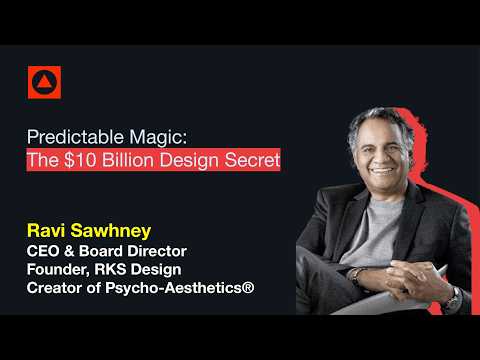
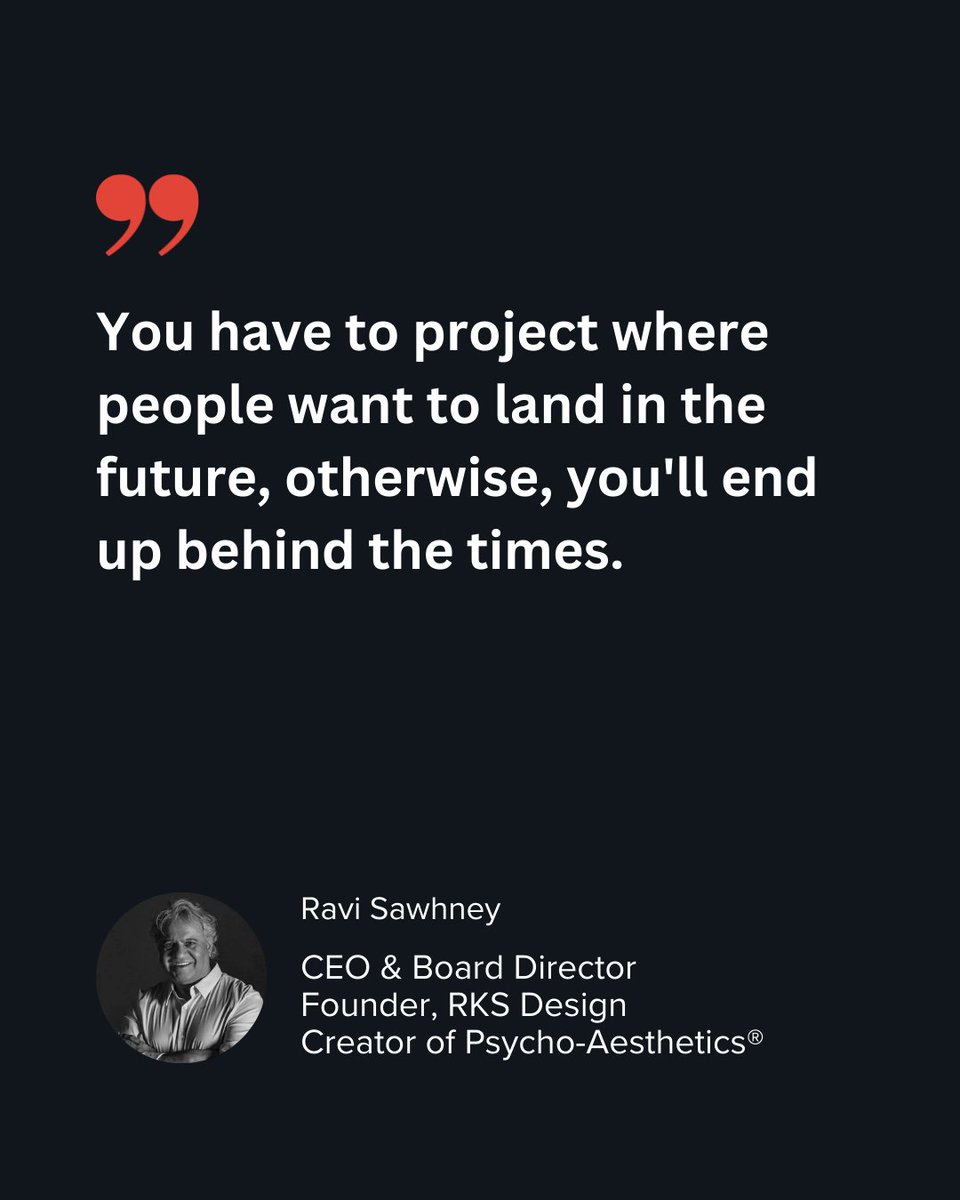
Most innovation teams focus on the product. Features. Technology. Performance. But what if the real driver of adoption is something else entirely: how the experience changes the user’s perception of themselves? In the latest episode of Experience-focused Leaders, I sat down with Ravi Sawhney, founder & CEO of @rks and creator of the Psychoesthetics™ methodology. Ravi has spent more than five decades helping global brands design products people don’t just use… but connect with. His work spans companies like Lego, Intel, and Samsung. He helped drive a $10B increase in enterprise value through the redesign of Life Technologies’ DNA sequencing platform. The core idea behind his work is simple but powerful. “It’s not how you feel about a design or an experience, it’s how it makes you feel about yourself.” That insight reframes how we think about innovation. People adopt products because the experience helps them feel more capable, more confident, more accomplished. Ravi’s team maps this dynamic using two variables: self-actualization and interactivity. Every product or service falls somewhere on that spectrum and understanding that positioning can help predict success. In our conversation, we explore: • Why many innovations fail due to misalignment with the people who decide adoption • How great products create a “call to adventure” that draws users in • Why emotional signals like empowerment or fear of failure shape decisions more than we admit • How human insight combined with AI can help teams forecast where experiences need to go next • Why the goal of design should be simple: help people feel like a hero in their own story 🎧 Listen to the latest episode of Experience-focused Leaders: relayto.com/explore/s-02-e…
Alex Shevelenko tweet media
English
1
0
0
10
Alex Shevelenko
Alex Shevelenko@shevelenko·
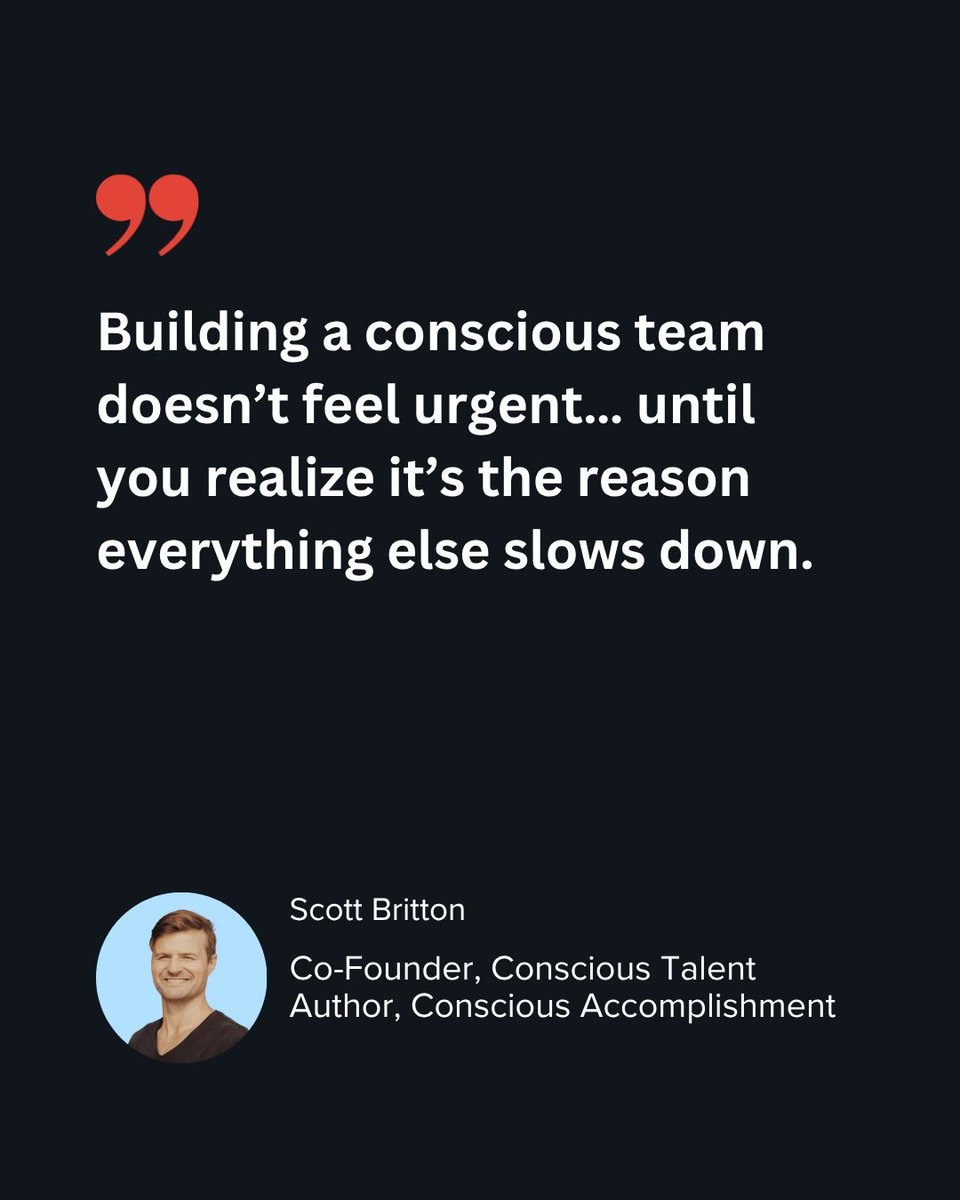
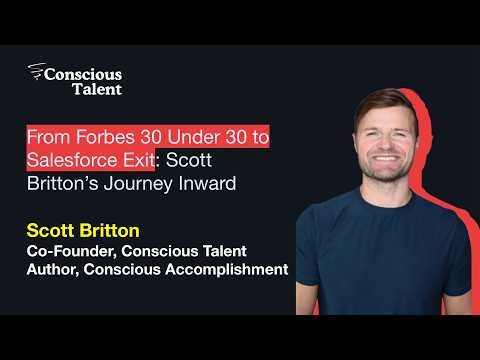
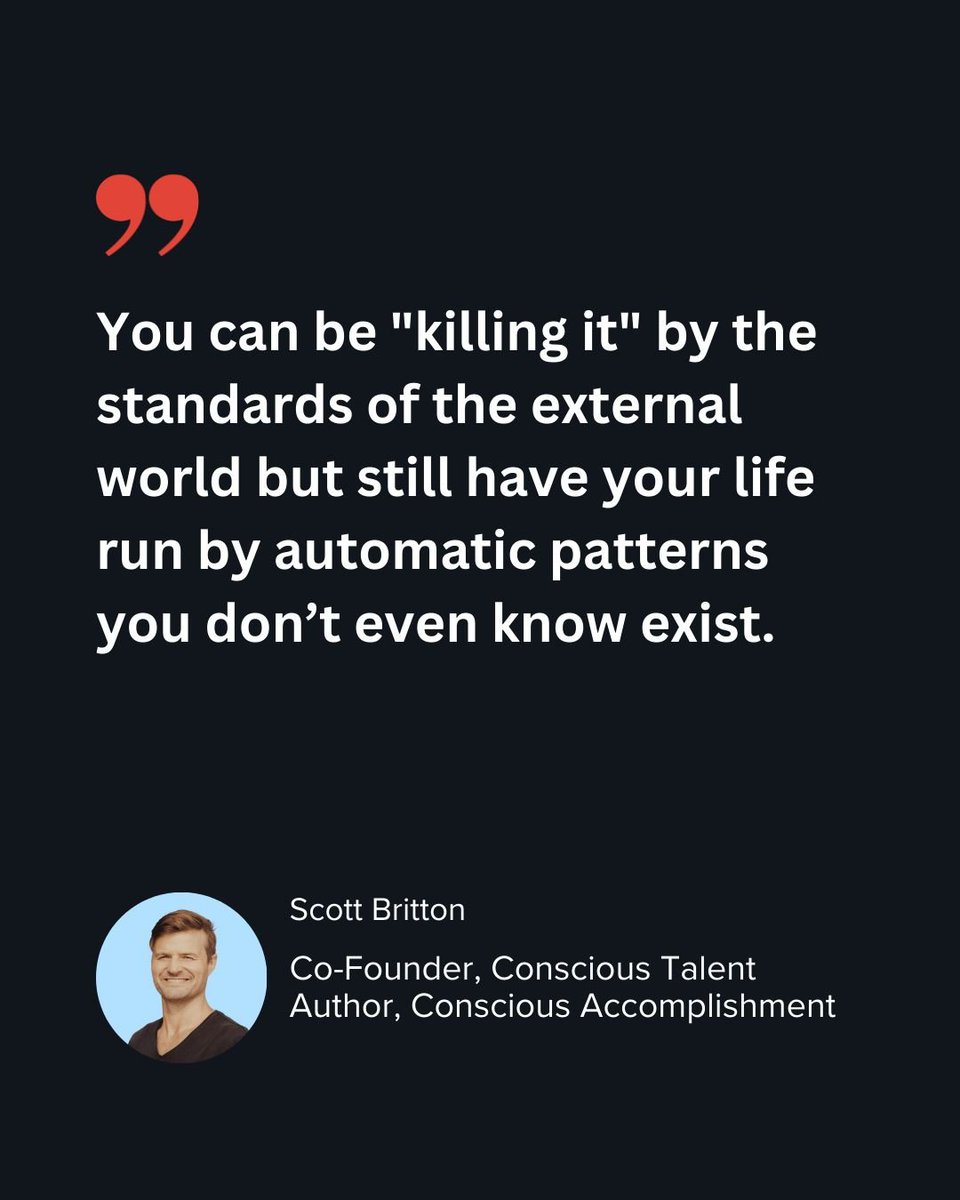
Most leaders are trained to focus on strategy, execution, and results. But what if one of the biggest levers of performance sits under the surface? In the latest episode of Experience-focused Leaders, I sat down with Scott Britton (@britton) , entrepreneur, former co-founder of Troops (acquired by @salesforce), and author of Conscious Accomplishment. We talked about a topic most business conversations skip: consciousness and leadership. It may sound abstract. The business impact is anything but. One idea from Scott that stuck with me: “You can be killing it by the standards of the external world but still have your life run by automatic patterns you don’t even know exist.” As leaders, many of our reactions are automatic. A tense meeting. A missed target. A difficult employee conversation. We think we’re choosing how to respond. Often… we’re not. Scott describes consciousness like a database of past experiences. Over time, we build “if this happens → respond like this” programs that run in the background. Those programs quietly shape how we lead teams, make decisions, and handle pressure. The good news: awareness changes the equation. As Scott put it: “What you actually want is to feel a certain way—joy, vitality, trust, presence. That’s an inside job.” Ironically, leaders who invest in that inner layer often become better at navigating the external world. Clearer thinking, calmer decisions, stronger relationships. In this conversation we cover: • Why high achievers often tie self-worth to productivity • How automatic reactions shape leadership behavior • Why personal growth is non-linear (even for experienced founders) • How awareness strengthens decision-making and resilience For founders, executives, and operators under constant pressure, this is a different kind of leadership conversation — and an important one. 🎧 Listen to the episode with Scott Britton on Experience-focused Leaders: relayto.com/explore/s-02-e… And I’m curious: Have you noticed automatic patterns showing up in your leadership?
Alex Shevelenko tweet media
English
2
1
2
141
Alex Shevelenko
Alex Shevelenko@shevelenko·
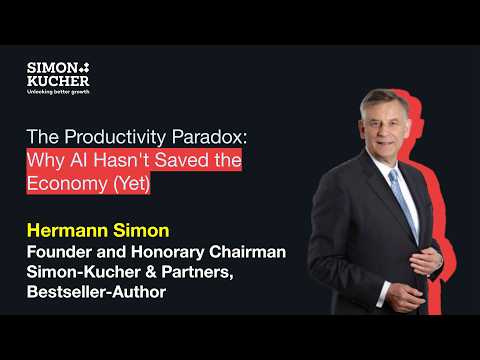
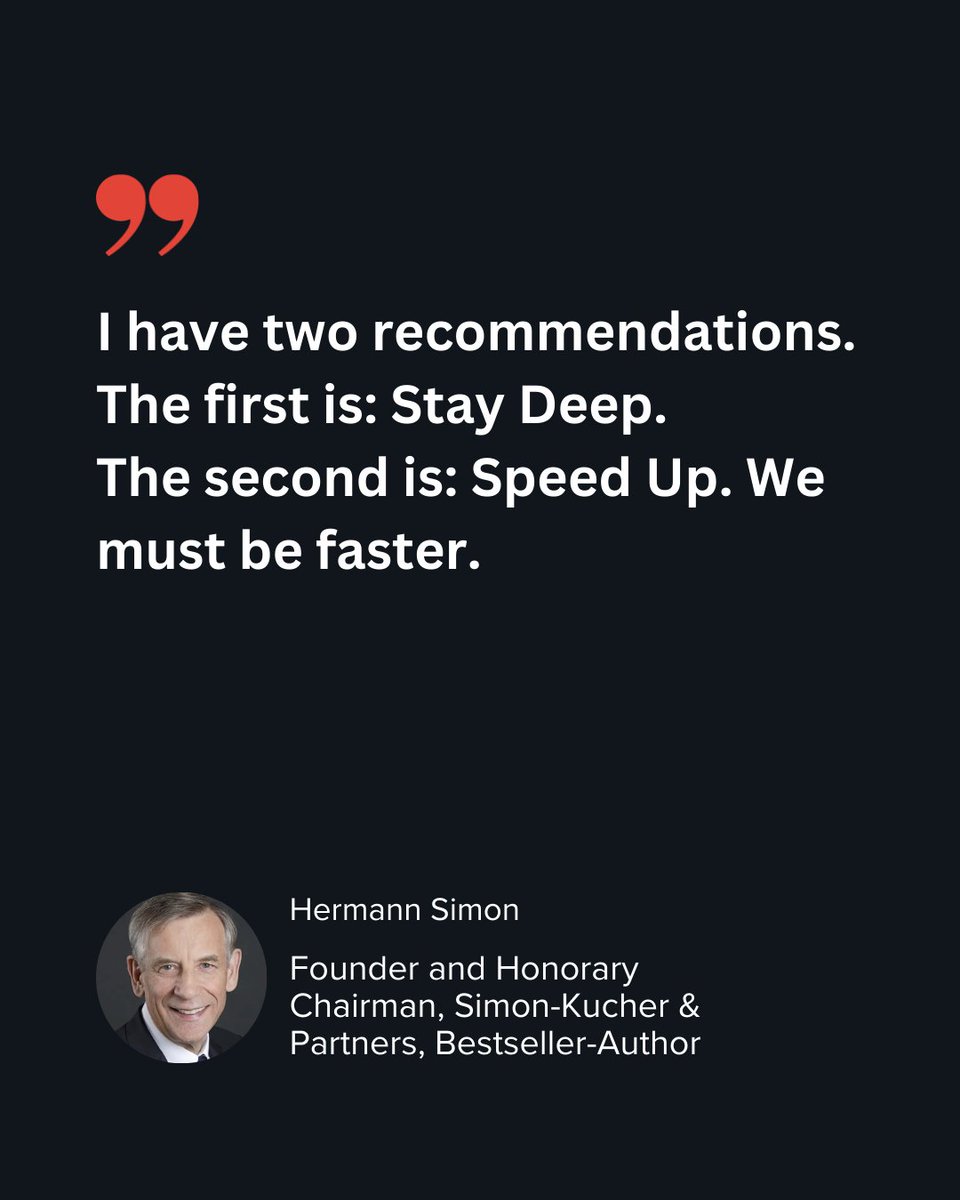
What happens when the world’s leading authority on pricing says: “Value = Price.” In our latest episode of Experience-focused Leaders, I had the privilege of sitting down with @HermannSimon, founder of @simonkucher, the firm that shaped modern pricing strategy, and the thinker behind the concept of Hidden Champions. He has advised global market leaders for 50 years. He has written 40+ books. He’s the only German in the Thinkers50 Hall of Fame. But what struck me most was how practical and urgent his advice is for today’s leaders. Here are a few takeaways every CEO, CMO, founder, and product leader should reflect on: 1️⃣ Price is not a number. It’s a signal of value. If customers don’t pay, they don’t believe. Many AI companies today struggle not because the tech isn’t good but because perceived value isn’t high enough. 2️⃣ More data ≠ more value. “We have more data now. But data as such has no value.” Only when you translate data into real understanding and action does it drive growth. 3️⃣ Innovation fails when complexity wins. His advice to startups: Align your offering with the customer’s ability to handle complexity. A “technical super-product” that overwhelms buyers will struggle, no matter how brilliant it is. 4️⃣ AI in B2B is necessary but not magical. “B2B is so complex that we need AI to interpret it.” Yet AI must improve quality and efficiency, not just create noise. 5️⃣ His two recommendations for leaders: Stay Deep. Speed Up. Depth without speed loses momentum. Speed without depth loses meaning. We must stay deep, but we must be faster. If you care about pricing power, innovation, AI monetization, and building enduring companies, this conversation will challenge your thinking. Listen to the full episode of Experience-focused Leaders with Hermann Simon: relayto.com/blog/s-02-ep-2…
Alex Shevelenko tweet media
English
1
0
0
10
Alex Shevelenko
Alex Shevelenko@shevelenko·
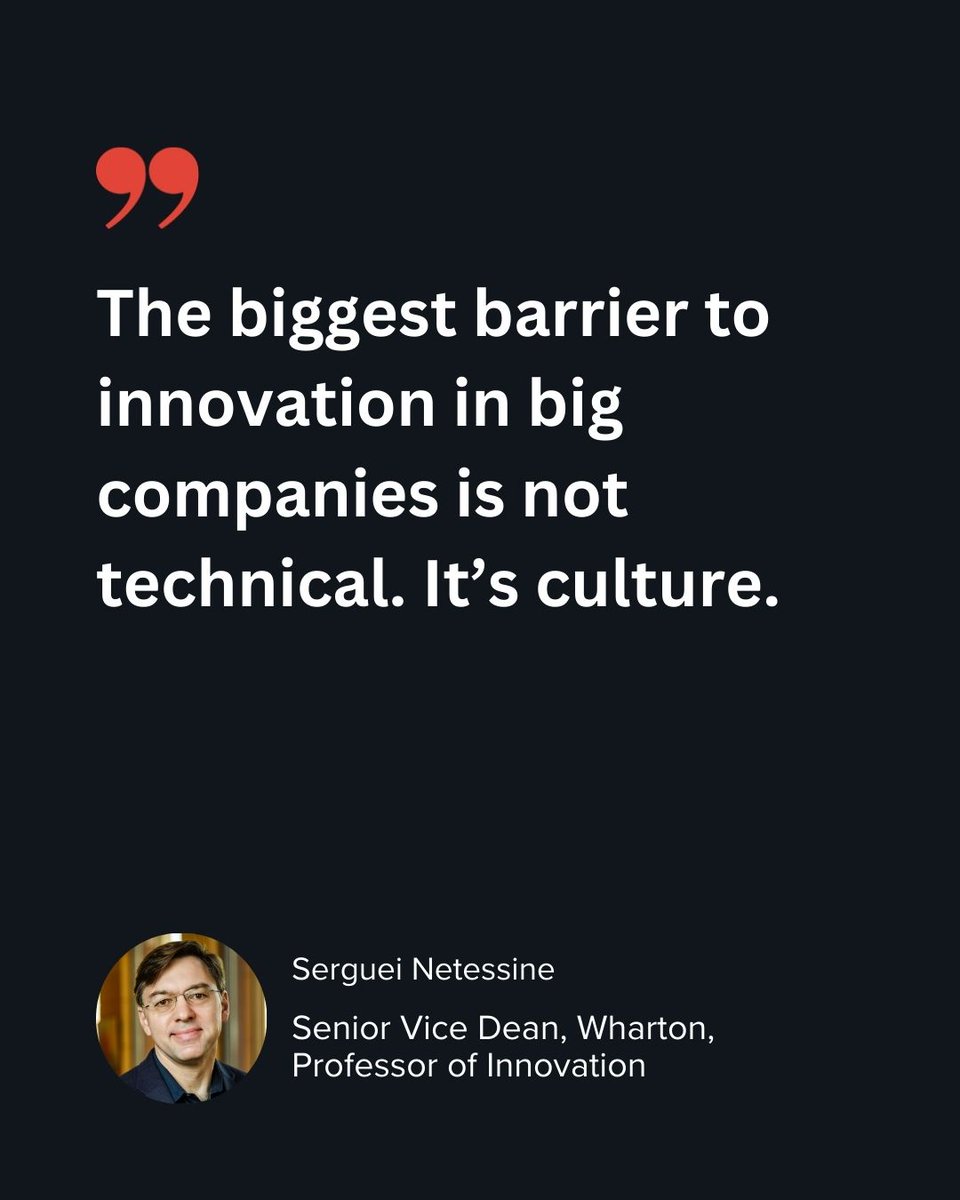
Most innovation efforts don’t fail because of technology. They fail because of culture. In the latest episode of Experience-focused Leaders, I sat down with @snetesin, Senior Vice Dean of Innovation at @Wharton, @amazon Scholar, and active investor, to talk about what actually drives innovation, investment decisions, and reinvention. Serguei operates at the intersection of academia and real-world execution. He teaches, invests, and works with companies like Amazon, which makes his perspective anything but theoretical. One idea that really stayed with me: “The biggest barrier to innovation in big companies is not technical. It’s culture.” That reframes the whole conversation. Most organizations assume they need better technology. But what they often need is a system that allows experimentation and tolerates failure. Serguei explains why innovation stalls when: • Companies don’t reward experimentation • Failure is punished instead of learned from • Decisions are driven by hierarchy, not evidence • There is no structured process for testing new ideas And what actually works instead: • Designing experiments as a core capability • Treating innovation as a repeatable process, not a one-off project • Separating exploration from execution • Building cultures where failure is part of progress Another idea worth sitting with: “Investing in innovation can be a very structured, mathematical process, not just gut feeling.” That applies beyond venture capital. It applies to how we make decisions about products, strategy, and even our own careers. We also talked about reinvention for companies and individuals. Serguei’s view is simple and challenging: “Every five to seven years, you need to completely change what you do.” Not because you have to. But because staying the same is often the bigger risk. This episode is for founders, executives, and operators who are thinking about: • How to build real innovation systems • How to make better investment decisions • How to reinvent themselves without waiting for a crisis 🎧 Listen to the full conversation with Serguei Netessine on Experience-focused Leaders: relayto.com/blog/s-02-ep-2…
Alex Shevelenko tweet media
English
0
2
3
138
Alex Shevelenko retweetledi
Serguei Netessine
Serguei Netessine@snetesin·
IInnovation doesn’t fail from lack of ideas. It fails because of how companies are built. I joined @shevelenko on Experience-focused Leaders to talk innovation, investing, and reinvention. 🎧 relayto.com/blog/s-02-ep-2…
English
0
1
1
45
Alex Shevelenko
Alex Shevelenko@shevelenko·
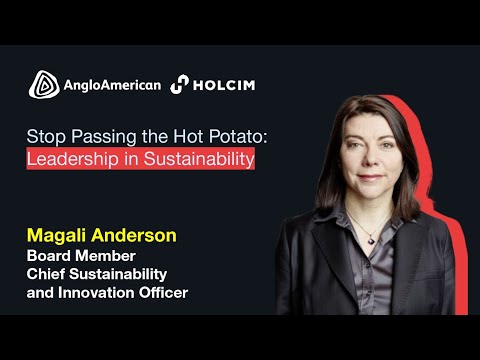
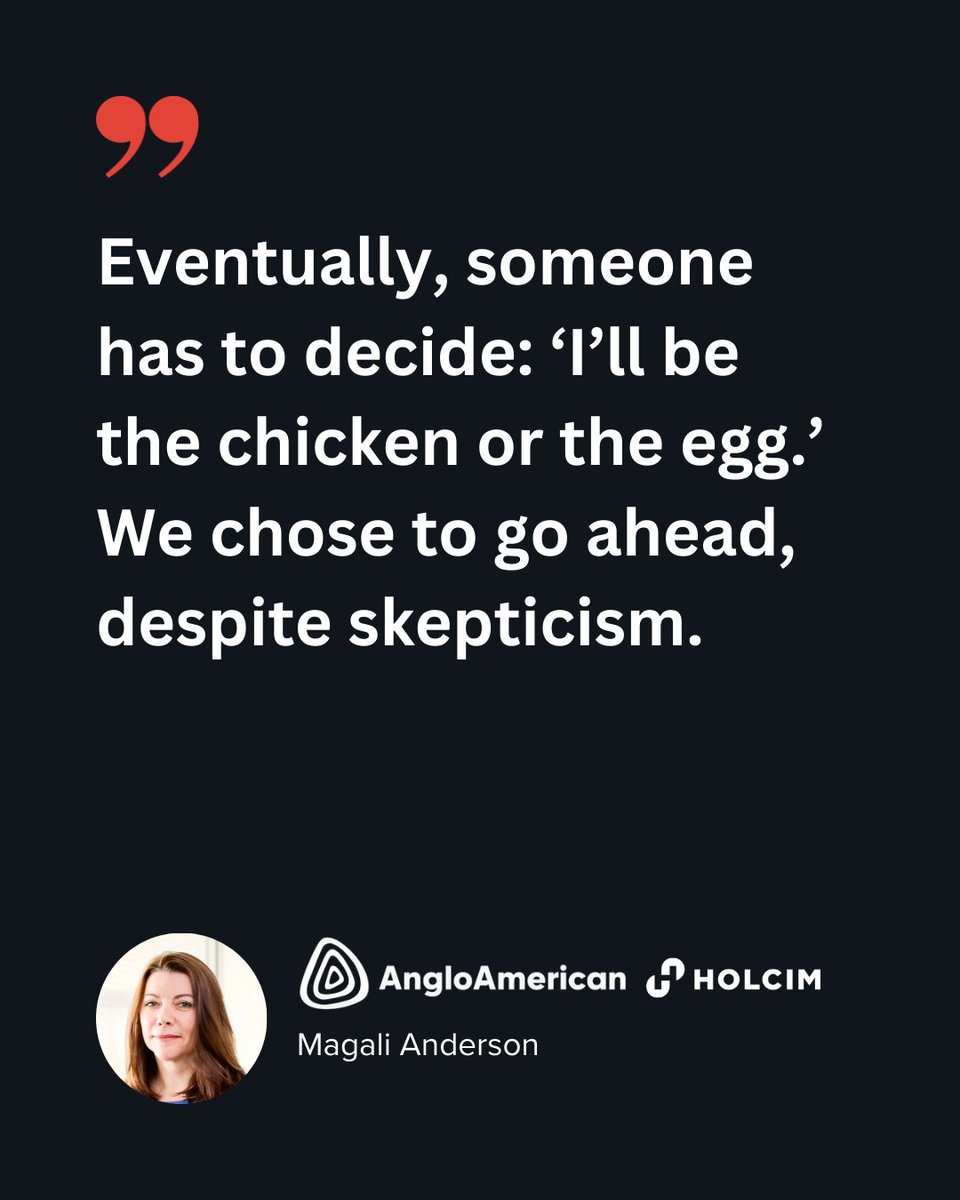
Most sustainability conversations fail for one simple reason: they stay in the ivory tower. In the latest Experience-focused Leaders episode, I sat down with Magali Anderson, former Chief Sustainability & Innovation Officer at @Holcim and current Board Member at @AngloAmerican. We talked about what it really takes to turn sustainability into business results. Magali shared stories from her executive leadership experience at Holcim, where she was directly accountable for strategy, rollout, and outcomes at global scale. One moment that really stayed with me: “Eventually, someone has to decide: ‘I’ll be the chicken or the egg.’ We chose to go ahead, despite skepticism. Within two years, we launched in 25 countries, and in the first year it represented 25% of our total market.” That’s a growth story. Magali explains why real progress only happens when: • Financial and sustainability goals are designed together • Leaders stop passing responsibility to investors, customers, or governments • Incentives change at the business-model level, not through slogans Another line worth sitting with: “Nobody goes to work thinking, ‘I’m excited to destroy the planet today.’ If you align financial objectives with sustainability objectives, people will act.” This episode is for CEOs, executives, and board members who want sustainability to perform. 🎧 Listen to the full conversation with Magali Anderson on Experience-focused Leaders: relayto.com/blog/s-02-ep-2…
Alex Shevelenko tweet media
English
1
0
0
35
Alex Shevelenko
Alex Shevelenko@shevelenko·
Founders don’t fail because they lack ideas. They fail when they don’t have the right ecosystem behind them as pressure mounts. In the latest episode of Experience-focused Leaders, I spoke with @shannonvmc, CEO of @StartX, Stanford’s zero-equity startup community and one of the most effective founder networks I’ve experienced. What stood out was how StartX actually works in practice. Founders define what they need. The StartX team then curates the right people, experience, and context, and brings everyone together. That’s where progress happens. StartX also takes a long view of success: • Commitment matters more than a single outcome • Founders stay part of the community even when their first company doesn’t work • Learning compounds across second and third attempts This approach shifts the focus away from surface metrics and toward the people doing the hard work. Shannon also captured a truth every founder recognizes: the ability to hold two opposing realities at once: deep optimism paired with the fear that everything could fall apart. Very few people understand that tension, which is why founders gravitate toward each other across industries and stages. The result is a culture grounded in humility, curiosity, and a genuine desire to help others move faster than you did.
Alex Shevelenko tweet media
English
1
0
0
45
Alex Shevelenko
Alex Shevelenko@shevelenko·
If you’re a CEO, CPO, CHRO, or CIO scaling a global organization, this episode is for you. On the latest Experience-focused Leaders podcast, I sat down with @nalvino — co-founder, CEO, and now Chairwoman of @Firstup_io. Nicole didn’t just build a SaaS company. She created an entirely new category: digital employee experience. The results speak for themselves: • Hundreds of millions in ARR • ~25% EBITDA margins • 20M+ employees reached • 100 countries • Frontline-first, AI-first, global by design But what really stood out in our conversation wasn’t the scale. It was the clarity. “Nothing happens in your company without all of your people aligned, engaged, and executing the strategy.” For years, companies tried to communicate with frontline employees through layers of managers, phone trees, and broken tools. That approach failed, especially once workforces hit 4,000+ people, across roles, languages, and continents. Nicole explains why this becomes a CEO problem, fast. “Our frontline workers building our planes are the culture. They are the company. And they’re the most disconnected from everything corporate is doing. That’s not okay.” We also dug into why: • Guest experience = employee experience • Growth stalls when frontline teams are invisible • One-size-fits-all comms collapse at scale • Leaders must meet people where they are. Physically, digitally, culturally, and personally And why the most forward-looking CEOs treat employee experience as a core operating system, from pre-hire to retire, not an HR side project. “This should be a CEO platform. It’s a CEO problem. 100%.” We closed with leadership lessons Nicole learned the hard way: • Trust your gut • Don’t sweat the small stuff (it’s all small stuff) • Build companies where you can control culture and ethics • There is no work-life balance, there are moments of peace • Be present: ichigo ichie, one moment, one encounter The hardest part of building a company is the people. And also the most rewarding. 🎧 Listen to the full episode of Experience-focused Leaders with Nicole Alvino and rethink how you connect strategy to execution at scale --> relayto.com/blog/s-02-ep-1…
Alex Shevelenko tweet media
English
1
1
1
23
Alex Shevelenko
Alex Shevelenko@shevelenko·
2026. Let’s go! Looking back at 2025, one thing is clear: people need experiences that respect their time. That belief is what pushed us to try something different. Instead of another recap post or product update, we turned the year into a song. It’s a thank-you. To customers who challenged us. To partners who trusted us early. To mentors, interns, and believers who showed up when it mattered. To a team that kept building with heart, grit, and curiosity. As we head into 2026, the focus stays simple: Less clutter. More intention. Design with empathy. Build things people actually want to engage with. Lead with honesty, even when it’s uncomfortable. Wishing you health, momentum, and a few bold bets that surprise you in the best way! Give the song a listen on RELAYTO AI: relayto.com/explore/holida…
GIF
English
0
1
1
10
Alex Shevelenko
Alex Shevelenko@shevelenko·
"You can throw technology at people, you can throw money at the problem. But if you haven't considered the needs of end users and stakeholders, you're not setting yourself up for success." That insight from @IlianaOV, Managing Director and Head of Innovation Centers for the Americas at @Accenture, cuts to the heart of why so many digital transformation initiatives stumble. In the latest episode of Experience-focused Leaders, I sat down with Iliana to explore why the organizations winning at innovation treat it less like a technology challenge and more like a human one. Three business imperatives from our conversation: 1. Treat innovation as a core function, not a side project. Most organizations have dedicated teams for marketing and technology. Yet innovation, the engine of competitive advantage, often operates as an afterthought. 2. Prevent the "elephant stepping on the mouse" problem. Iliana describes her teams as "corporate therapists," handling the tension between large-scale enterprise systems and the needs of individual users. 3. Invest with a long-term lens. Family offices and unconventional investors have an edge: they can support deep science and emerging technologies without the pressure of short-term earnings. This patient, steady approach allows innovations to fully develop and deliver meaningful impact over time. Iliana's perspective on regulatory engagement is particularly valuable: "You're not going to change the regulatory process. It exists for a reason. But at a minimum, you can introduce a concept to a senior C-suite executive that changes how they think about new product development." Listen to the full conversation to hear how leaders can position themselves as "the adult in the room for a smaller-scale organization, or the young, disruptive innovator in the room, depending on the context." 🎧 relayto.com/blog/s-02-ep-1…
Alex Shevelenko tweet media
English
1
0
0
16
Alex Shevelenko
Alex Shevelenko@shevelenko·
❄️ Winter may be rolling in, but the momentum at RELAYTO is heating up. The G2 Winter 2026 Report is out, and I’m proud to share that RELAYTO showed up strong again, thanks to our customers who keep pushing us to raise the bar. We’re included in 16 categories this season and earned 14 badges, with Leader recognition in 9 of them, including a brand-new one for us: Presentation Management. Here are a few of the categories where we’re leading the pack: • Proposal • Content Distribution • Flipbook • Digital Sales Room • CMS Tools • Content Curation • Presentation Management (new!) • Content Experience Platforms (Leader in SMB) • Demo Automation (Leader in SMB) None of this happens without you. Our customers push us to get better every quarter, and our team shows up with heart, curiosity, and a drive to improve the experience for every user. Winter or not, we’re just getting warmed up.
Alex Shevelenko tweet media
English
0
1
1
18