Sebastian Morales

572 posts

Sebastian Morales banner
Sebastian Morales

Sebastian Morales

@smorales_a

Ex scientia vita | ICU Fellow at @FacMedicinaUC | ANDROMEDA-RN

Santiago, Chile Katılım Aralık 2017
1.1K Takip Edilen118 Takipçiler
Sebastian Morales retweetledi
Ashley Miller
Ashley Miller@icmteaching·
A lot of haemodynamic confusion comes from one basic error: treating descriptions of the system as if they were causes. Pressure gradients, preload, RAP, afterload, Starling... all are useful, but often misread. This review tries to put them back together into a coherent framework. doi.org/10.1111/anae.7…
English

7
51
157
21.5K
Sebastian Morales retweetledi
ANDROMEDA-SHOCK
ANDROMEDA-SHOCK@AndromedaShock·
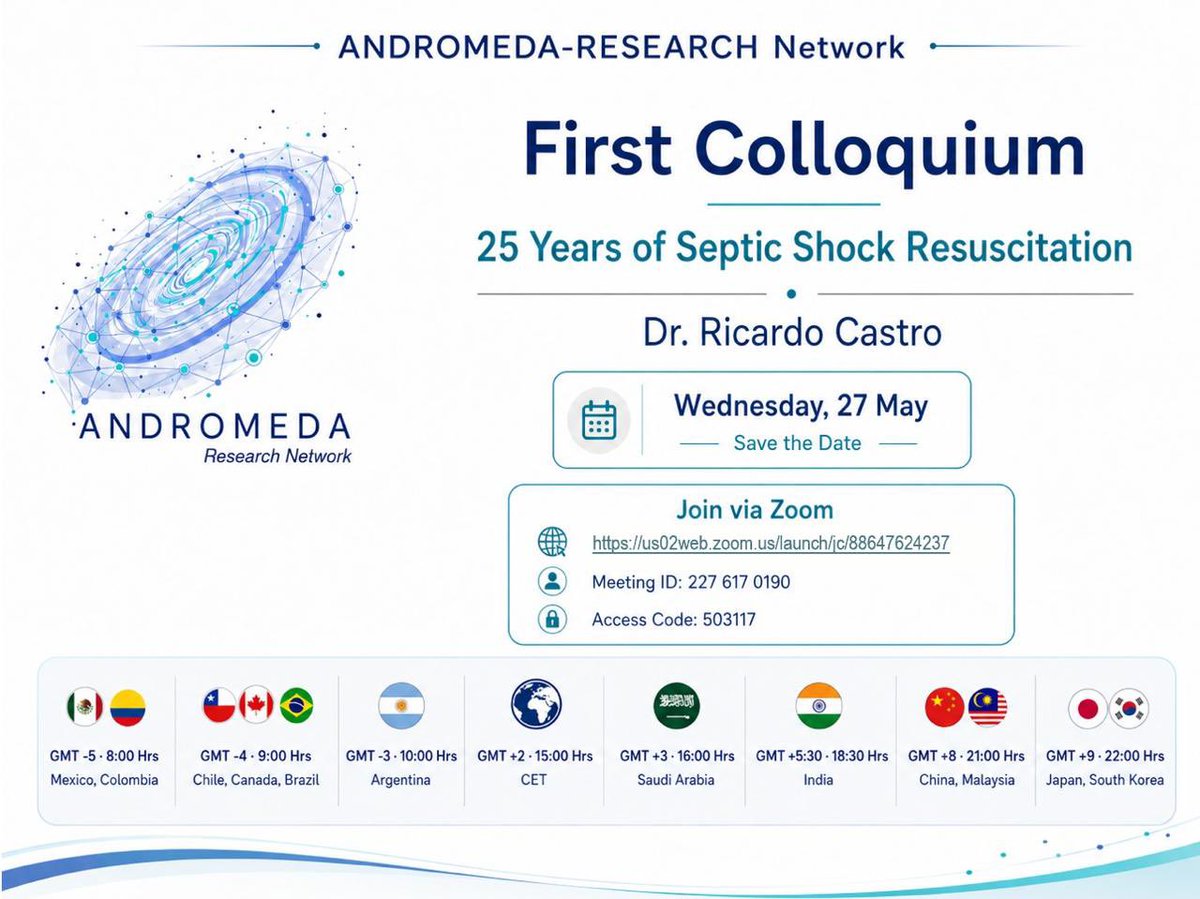
Save the Date!
ANDROMEDA-SHOCK tweet media
English
0
8
30
2K
Sebastian Morales
Sebastian Morales@smorales_a·
Because of the PK/PD behavior of norepinephrine, weight-based dosing in obese septic shock patients artificially underestimates their perceived severity. Our new study shows that absolute dosing offers safer, more accurate risk stratification for clinical decision-making and RCTs
Eduardo Kattan@edu_kattan

Do you use norepinephrine with weight-based or absolute dosing strategies in septic shock pts? Does it really matter? Check the results of our latest research published in @_Anesthesiology ! @DrMiguelIbarra1 @cjungMD @AndromedaShock @RCastro_L et al.! journals.lww.com/anesthesiology…

English
1
1
0
61
Sebastian Morales retweetledi
Dr. Chacón-Lozsán F .'.
Dr. Chacón-Lozsán F .'.@franciscojlk·
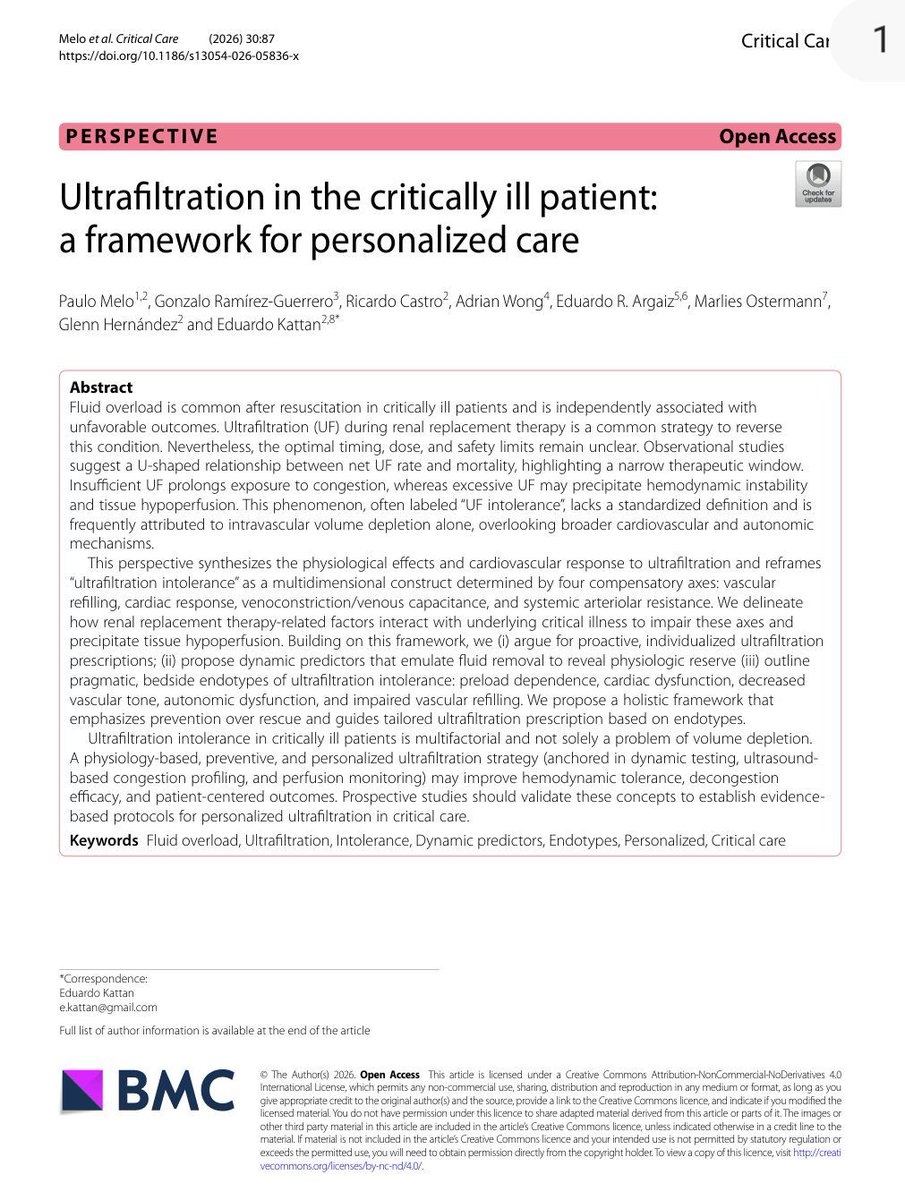
💧 Ultrafiltration in the ICU is not fluid removal…It is hemodynamic stress testing. 🚨 New perspective in critical care: 👉 Ultrafiltration (UF) is a double-edged sword 👉 The relationship with outcomes is U-shaped 📉 Too slow → persistent congestion 📈 Too fast → hypoperfusion & organ injury 🎯 The safe zone is narrow and patient-specific 🧠 We have been thinking about UF incorrectly ❌ “UF intolerance = hypovolemia” 👉 This is wrong 🚀 UF intolerance is MULTIDIMENSIONAL Defined by failure of 4 physiological axes: ▪️ Vascular refilling ▪️ Cardiac response ▪️ Venous tone / capacitance ▪️ Arteriolar resistance ⚡ Key concept 👉 UF is not just removing fluid 👉 It is testing physiological reserve 🔥 Why patients crash during UF Not just volume… 🧩 5 clinical endotypes 1. Preload dependence 2. Cardiac dysfunction 3. Vasoplegia (↓ vascular tone) 4. Autonomic dysfunction 5. Low vascular refill 👉 Different mechanism = different treatment ⚠️ Same hypotension ≠ same problem Giving fluids to all = mistake Stopping UF always = mistake 🧬 Practical bedside shift Before UF: 👉 Don’t ask “how much fluid to remove?” 👉 Ask “can this patient tolerate removal?” 🛠️ New tools proposed ▪️ Passive leg lowering (reverse PLR) ▪️ UF challenge (mini fluid removal test) ▪️ Perfusion markers (CRT, PI) ▪️ Multimodal POCUS (LUS + VExUS + cardiac) 🔥 Major clinical implication 👉 UF should be: ✔️ Dynamic ✔️ Personalized ✔️ Preventive (not reactive) 🚀 Paradigm shift We mastered fluid resuscitation with physiology… 👉 Now it’s time to master fluid removal the same way ⚠️ Take-home UF is not dialysis mechanics 👉 It is cardiovascular physiology under stress 📚 Melo et al. Critical Care 2026 doi.org/10.1186/s13054…
Dr. Chacón-Lozsán F .'. tweet media
English
2
44
126
7.9K
Sebastian Morales retweetledi
ANDROMEDA-SHOCK
ANDROMEDA-SHOCK@AndromedaShock·
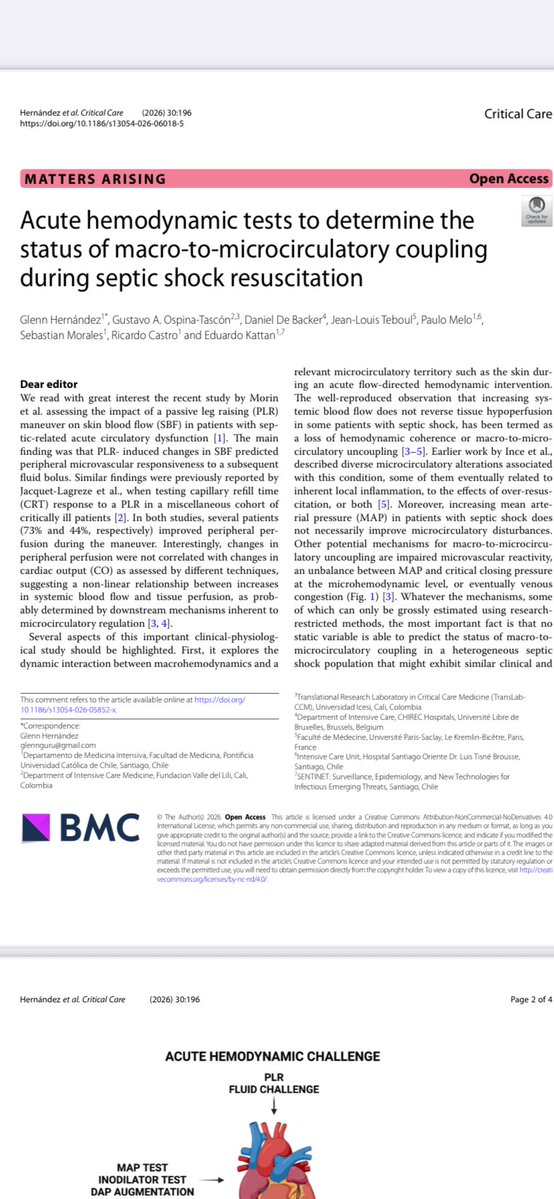
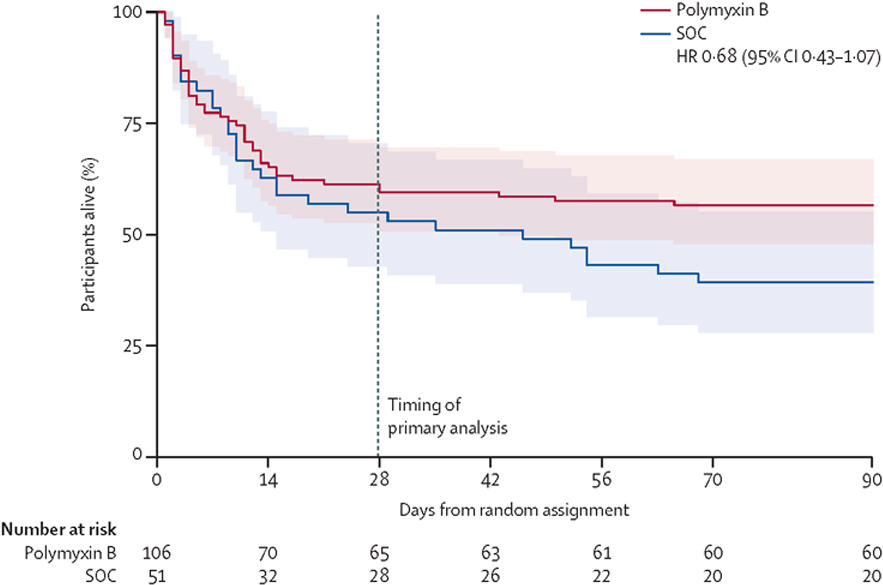
Just out of the oven! Acute hemodynamic tests to determine the status of macro-to-microcirculatory coupling in septic shock. More and more validating data. In ANDROMEDA-SHOCK-2 great success in normalizing CRT with various tests (summarized in the text)! The way to personalize!!
ANDROMEDA-SHOCK tweet mediaANDROMEDA-SHOCK tweet media
English
1
106
306
18.7K
Sebastian Morales retweetledi
the EMCrit Crew
the EMCrit Crew@emcrit·
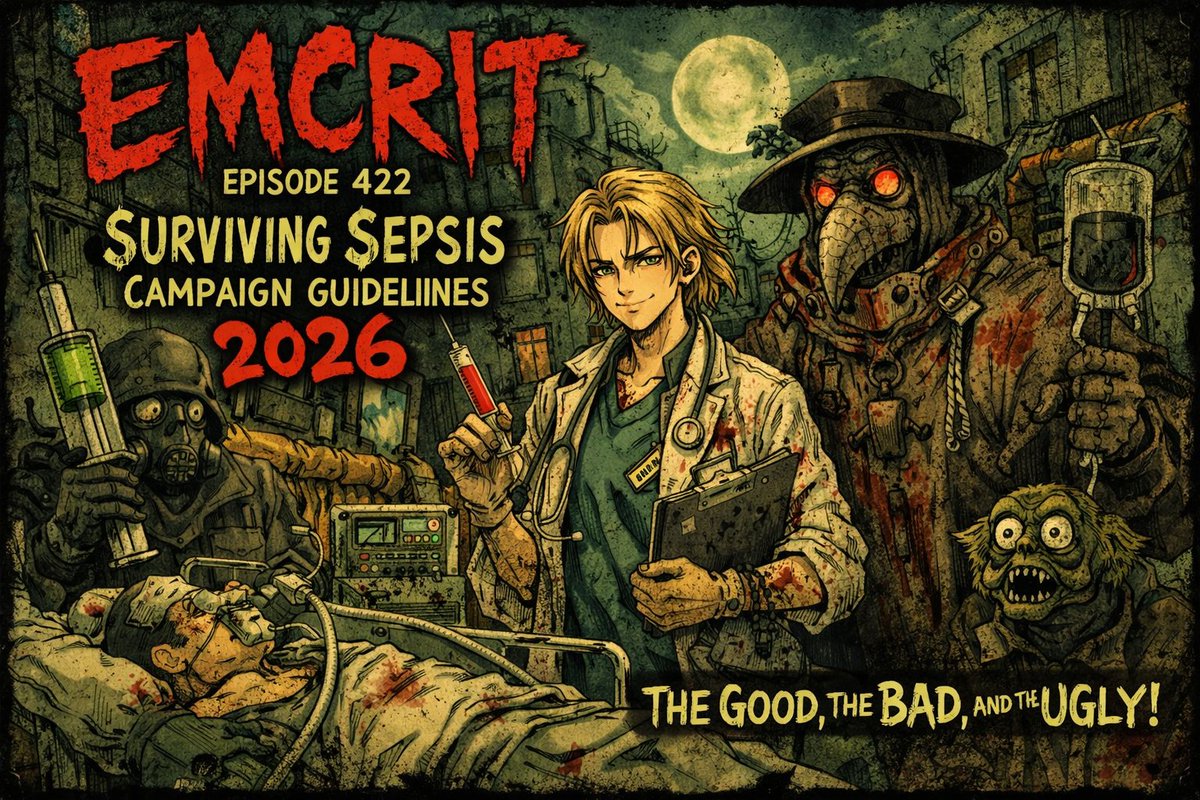
EMCrit 422 - SSC 2026 Guidelines: The good, the Bad, and the UGLY - a discussion with lead author, Hallie Prescott A fantastic interview on how the SSC guideline sausage was made and the areas I found contentious [#FOAMed for now] emcrit.org/422
the EMCrit Crew tweet media
English
0
29
81
7.5K
Sebastian Morales retweetledi
Amitabh Yaduvanshi MD, DM, FACC, FSCAI
🚨 𝗕𝗥𝗘𝗔𝗞𝗜𝗡𝗚 from #ACC2026: Two major RCTs just challenged everything we thought about Impella pumps in cardiac care. The results? Surprising. The implications? Massive. A thread on what every cardiologist needs to know 🧵👇
English
8
77
280
67.9K
Sebastian Morales retweetledi
Dr. Chacón-Lozsán F .'.
Dr. Chacón-Lozsán F .'.@franciscojlk·
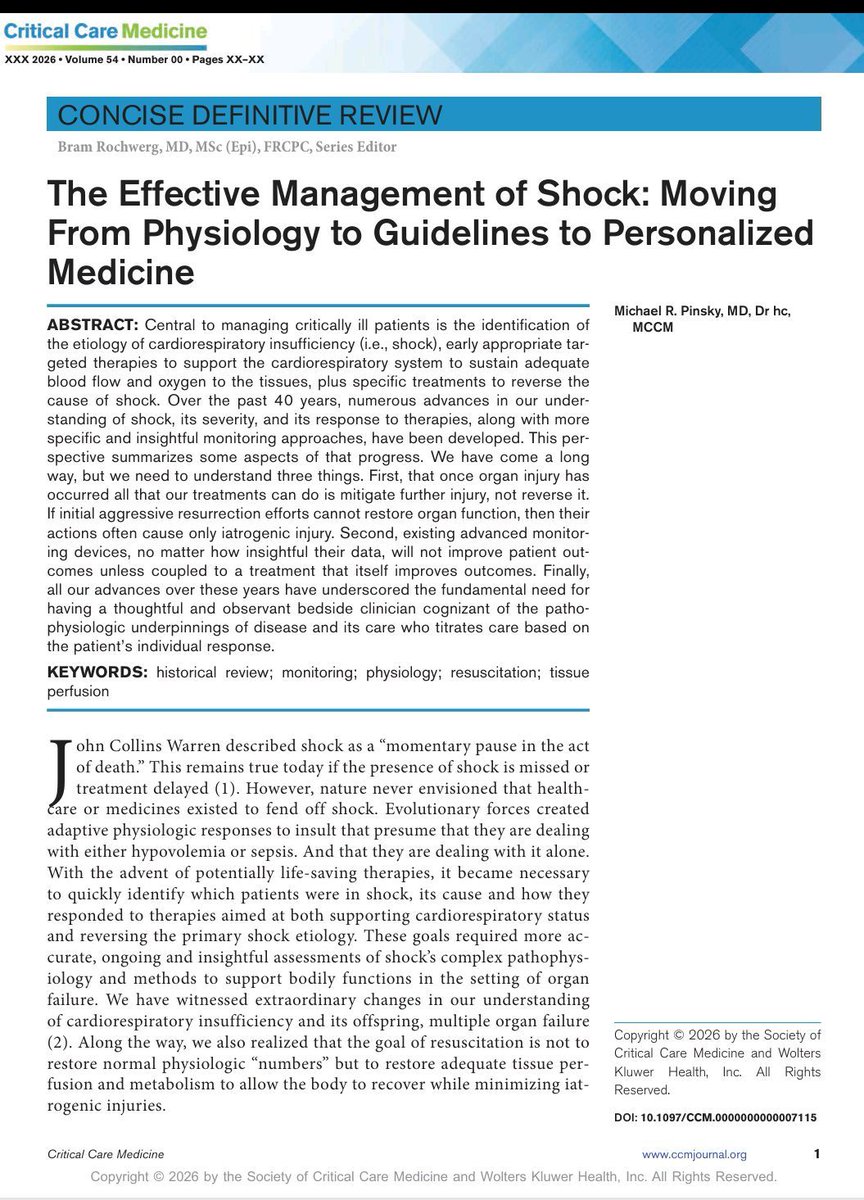
I just read this outstanding review by Prof. Michael Pinsky: 👉 “The Effective Management of Shock: From Physiology to Guidelines to Personalized Medicine” 🧠 Key paradigm shift: 👉 Shock is not about numbers 👉 It is about tissue perfusion and cellular metabolism ⚠️ Three brutal truths (often ignored in daily practice): 1️⃣ Once organ injury occurs → we cannot reverse it → We can only limit further damage 2️⃣ Monitoring alone does not improve outcomes → Only actions linked to effective therapies matter 3️⃣ Guidelines ≠ patient care → The clinician’s physiologic reasoning remains central 📊 Why many “standard” approaches failed: Targeting DO₂ “supranormal” levels → ↑ mortality EGDT bundles → not superior to good early care Fixed 30 mL/kg fluids → harmful in non-responders 👉 Lesson: One-size-fits-all resuscitation is physiologically wrong 🫀 Modern hemodynamic thinking: ✔️ Fluid responsiveness matters (PPV, SVV, PLR) ✔️ MAP alone is not enough ✔️ Focus on: Tissue perfusion pressure Critical closing pressure (Pcc) “Vascular waterfall” concept 👉 Increasing MAP ≠ improving microcirculation 🔥 Game-changing concept: 👉 Shock = failure of microcirculatory flow regulation Even with: Normal CO Normal MAP ➡️ Tissue hypoxia may persist 🧬 The real goal of resuscitation: ❌ Normalize numbers ✅ Restore effective tissue perfusion early ✅ Avoid iatrogenic harm 💡 Where we are going: Capillary refill time (CRT)-guided resuscitation Personalized MAP targets Dynamic physiology-based decisions AI-driven precision resuscitation 📌 Take-home message: 👉 The future of shock management is NOT: More fluids More drugs More devices 👉 It is: Better understanding of physiology + individualized care 🧠 And maybe the most important sentence in the paper: 👉 “The thoughtful bedside clinician remains the gold standard.” #CriticalCare #Shock #Hemodynamics #ICU #Sepsis #PersonalizedMedicine #Resuscitation #Pinsky
Dr. Chacón-Lozsán F .'. tweet media
English
3
115
330
17.1K
Sebastian Morales retweetledi
Dr. Miguel Ibarra-Estrada
Dr. Miguel Ibarra-Estrada@DrMiguelIbarra1·
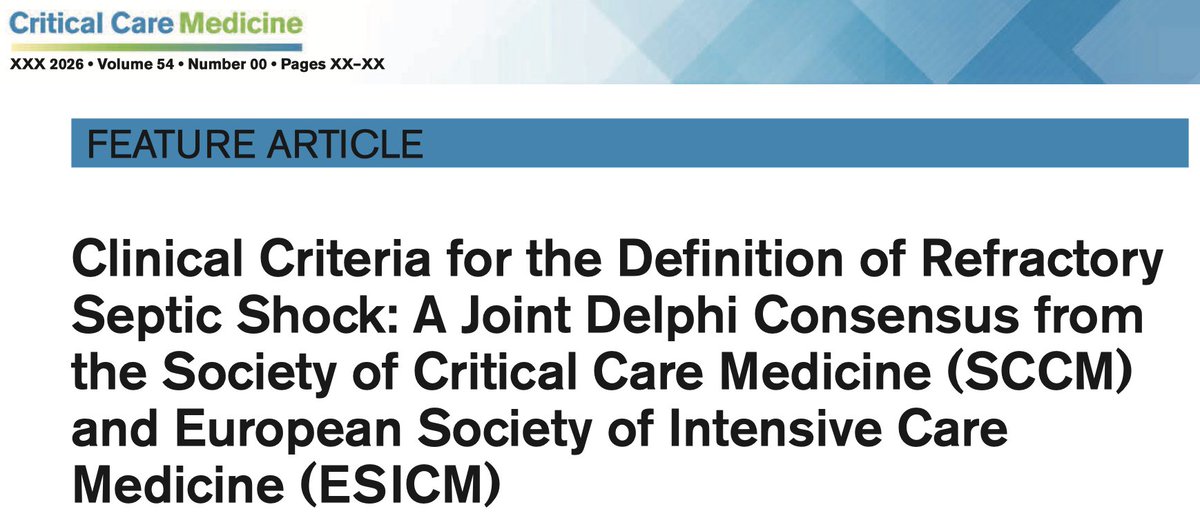
Our Delphi consensus on the definition of refractory septic shock was just released!! . Not perfect, but an important and needed step towards standardization in clinical practice and research.
Dr. Miguel Ibarra-Estrada tweet mediaDr. Miguel Ibarra-Estrada tweet mediaDr. Miguel Ibarra-Estrada tweet media
English
0
17
46
3.4K
Sebastian Morales retweetledi
Ashley Miller
Ashley Miller@icmteaching·
MAP doesn’t determine mean systemic pressure. MAP doesn’t cause flow. This is basic haemodynamics / physics. If we get the fundamentals wrong in guidelines, it's no wonder clinicians get confused.
Philippe Rola@ThinkingCC

Wait what??? MAP a driver of VR and CO??? SSG26 is any physiologist reviewing this? @icmteaching what do you think? @EMNerd_ flagged this quick! @khaycock2 @PulmCrit @emcrit thoughts? all MAP not created equal, and that most msfp is venous. MAP does not drive VR. Come on…

English
3
34
154
26.3K
Sebastian Morales retweetledi
Dr. Chacón-Lozsán F .'.
Dr. Chacón-Lozsán F .'.@franciscojlk·
💧 Rethinking Fluid Resuscitation in Septic Shock. A recent perspective in the Journal of Inflammation Research challenges one of the most deeply ingrained practices in critical care: aggressive fluid resuscitation. The authors propose a phase-adapted, endothelium-sparing (PAES) approach, grounded in modern understanding of septic pathophysiology. 🔍 Key insights: • Septic shock is fundamentally driven by endothelial dysfunction and capillary leak, not just intravascular depletion • Excessive fluid administration may worsen tissue edema and organ dysfunction • The traditional crystalloid vs. colloid debate is insufficient—timing and context matter more 📊 The PAES framework introduces four phases: • Rescue • Optimization • Stabilization • De-escalation 🎯 Emphasis on: • Dynamic hemodynamic monitoring • Point-of-care ultrasound • Biomarkers of endothelial injury • Individualized fluid and albumin use 👉 The shift is clear: From protocolized volume → to precision, physiology-guided resuscitation 📖 Highly recommended reading for intensivists and emergency physicians doi.org/10.2147/JIR.S5… #Sepsis #SepticShock #CriticalCare #FluidManagement #ICU #Hemodynamics
Dr. Chacón-Lozsán F .'. tweet media
English
2
23
99
20.8K
Sebastian Morales retweetledi
JAMA Network Open
JAMA Network Open@JAMANetworkOpen·
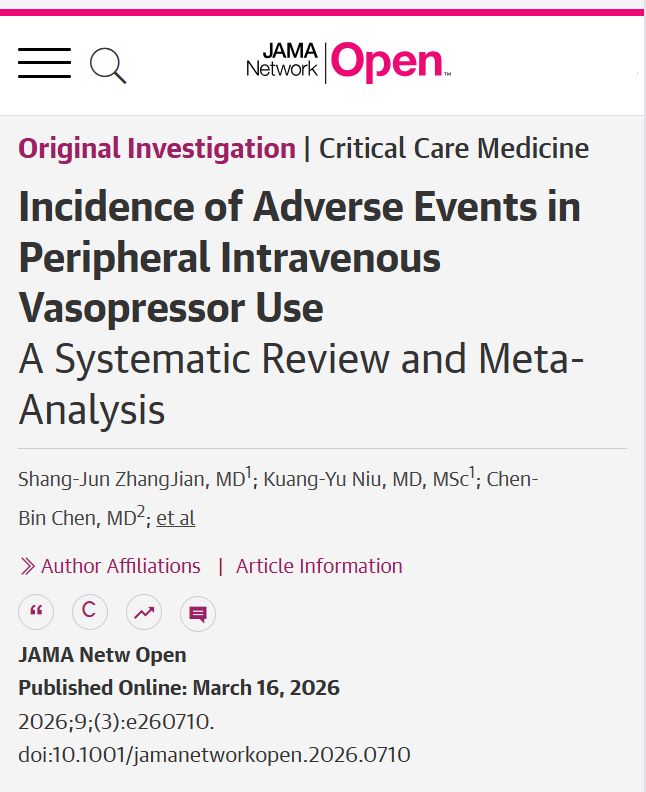
Peripheral vasopressor administration in critically ill adults was associated with a low incidence of adverse events—major events were rare using short peripheral intravenous catheters, and use avoided central venous catheter placement in 60% of cases. ja.ma/4btNGSr
JAMA Network Open tweet media
English
3
136
408
38.2K
Sebastian Morales retweetledi
Lawrence Lynn
Lawrence Lynn@PatientStormDoc·
1. “Evidence-based medicine” (EBM) comprises valid evidence. eg RCT testing of a drug for disease-specific efficacy & harm. 2. “RCT mimics” are trials that resemble RCTs but condition on syndromes or non-specific states, creating a false appearance of disease (and drug) equivalence. 3. “False evidence based medicine” (FEBM) is evidence based on these RCT mimics. Below is the consequence of FEBM. The protocols mandating early ventilator treatment for COVID pneumonia were derived from RCT mimics and therefore were based on FEBM. Clinicians observed an unprecedentedly high death rate, revolted, and rejected the FEBM based protocol, which was later quietly abandoned. This link and Book tells the amazing history of false evidence based medicine (FEBM) and the threat it still poses to public heath. pubmed.ncbi.nlm.nih.gov/41402862/ a.co/d/iGeq6y0
English
6
5
22
6.9K
Sebastian Morales retweetledi
Boris Sobolev
Boris Sobolev@soboleffspaces·
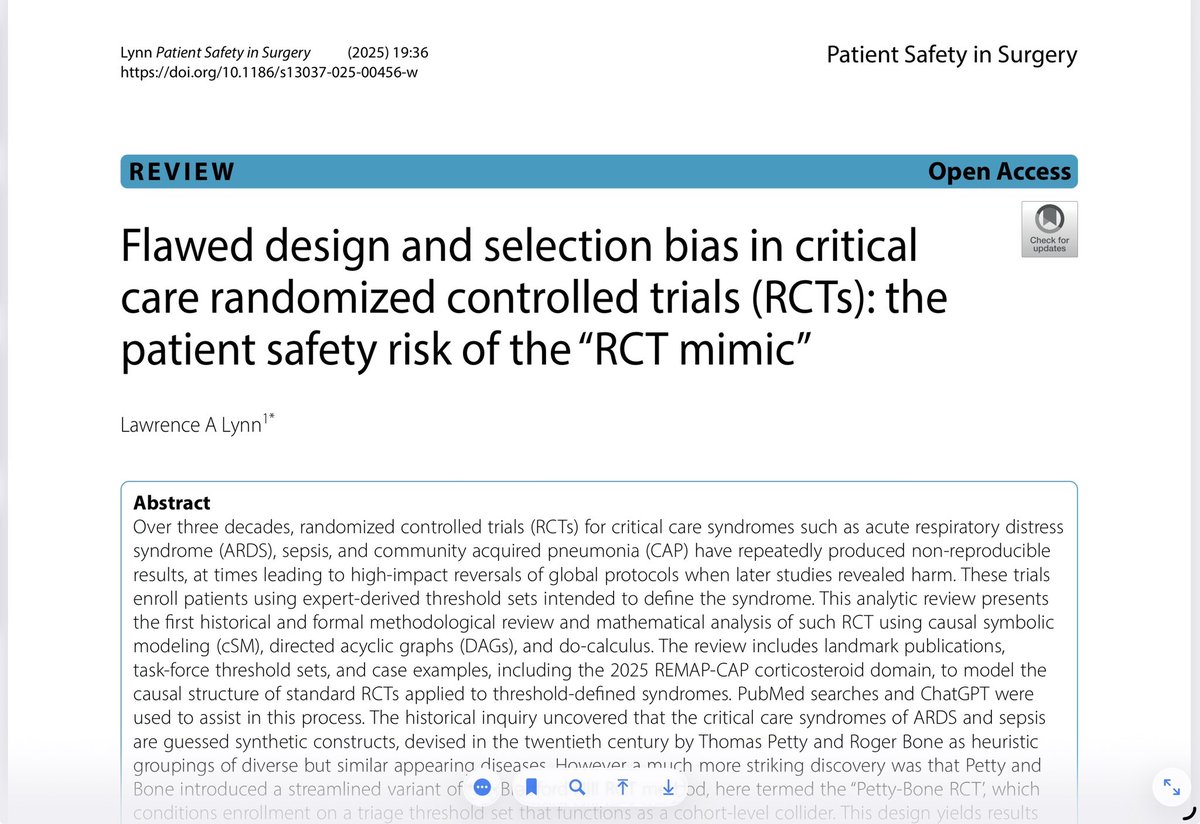
A seminal paper dismantling 50 years of critical care dogma and RCTs failing patients @PatientStormDoc publishes a historical review revealing that decades of critical care trials for sepsis and ARDS rely on the flawed "Petty-Bone" design, which substitutes synthetic, threshold-based syndromes for distinct biological diseases. Using Causal Symbolic Modeling and Directed Acyclic Graphs, the author demonstrates that these synthetic surrogates function as cohort colliders, mixing incompatible pathologies like viral and bacterial pneumonia into unstable groups. This conceptual error renders trial results non-transportable, explaining replication crisis in critical care RCTs and high-profile reversals after causing patient harm. The study exposes how international task forces have perpetuated a "pathological consensus" by recycling arbitrary surrogates rather than addressing the fundamental lack of causal validity in their designs. The author argues we must abandon the Petty-Bone RCT framework immediately to end this era of "science mimicry"—and mandate causal modeling in all future grant-funded research and CONSORT guidelines. pmc.ncbi.nlm.nih.gov/articles/PMC12…
Boris Sobolev tweet media
English
7
40
164
32.3K