
Thomas Telkamp retweetledi
Thomas Telkamp
58 posts


Thomas Telkamp
@telkamp
Space, Satellites, Signals.
Utrecht, The Netherlands Katılım Ağustos 2009
1.2K Takip Edilen546 Takipçiler


English

JUNO at Jupiter is still alive!! 📡〰️🛰️@NASAJuno Just received it's X-Band transmitter (carrier only) at 781 Million kilometer distance with the Bochum 20m antenna. The first extended mission began in August 2021 and ended September 2025. There might be an second extended mission (EM2) starting in October 2025 according to meetingorganizer.copernicus.org/EGU25/EGU25-51…

English
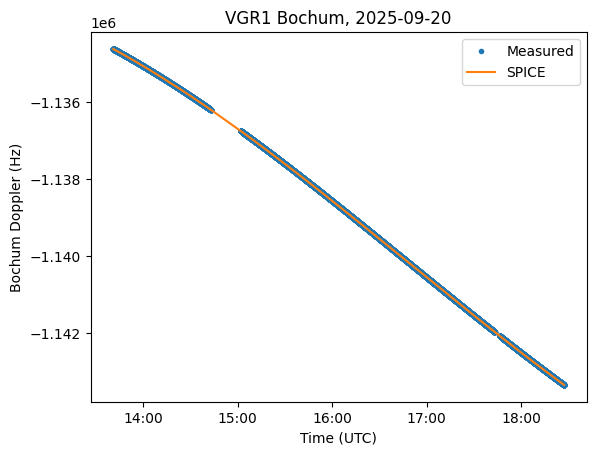
@amsatdl @radiotelescoop @SternwarteBO It was a great day! We tracked Voyager-1 Doppler for more than 4 hours. During that time, it stayed well within 1 Hz of predicted values from the published trajectory.
English
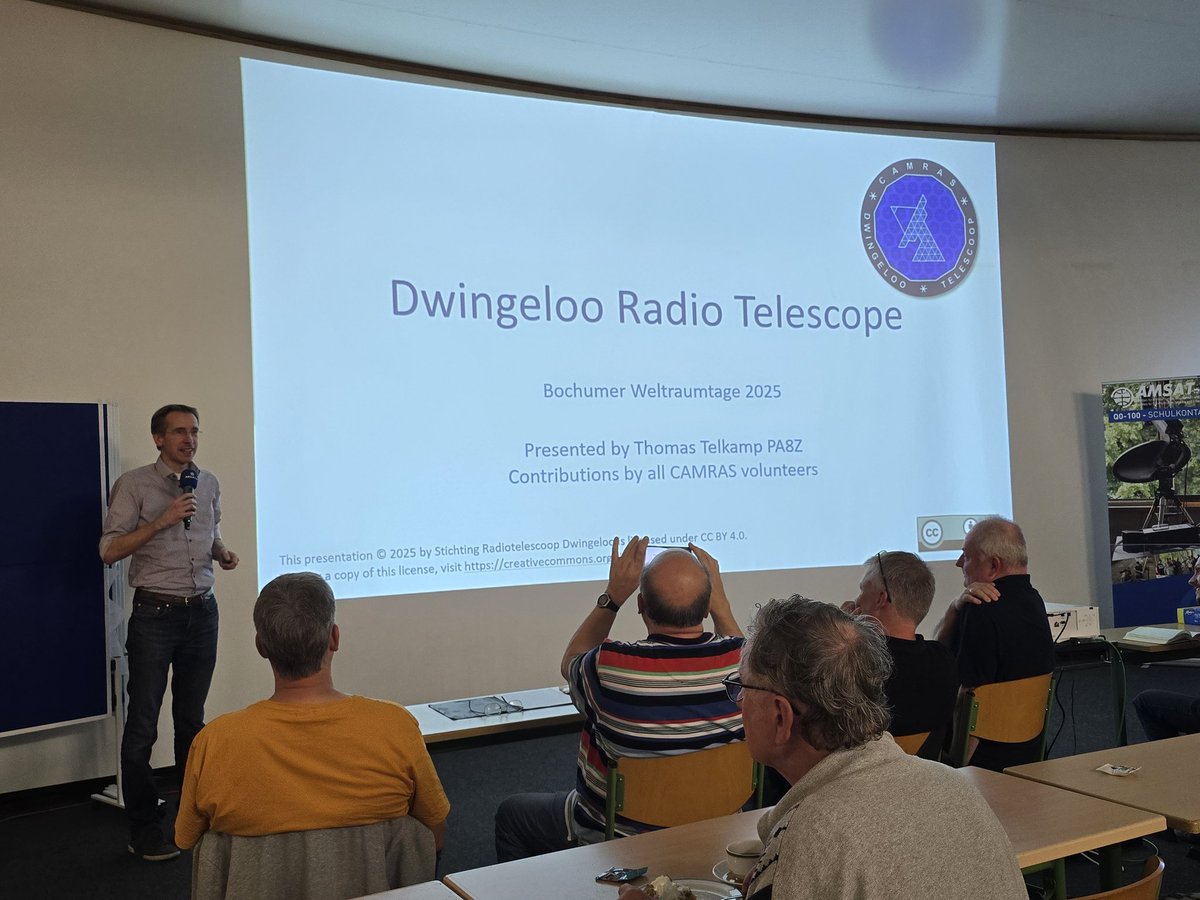
Thomas Telkamp, PA8Z, presented @radiotelescoop at the Bochum Space Days and we just looked at Voyager-1 downlink signal with the 20m dish in Bochum @SternwarteBO again after first receive in 2007.


English
Thomas Telkamp retweetledi

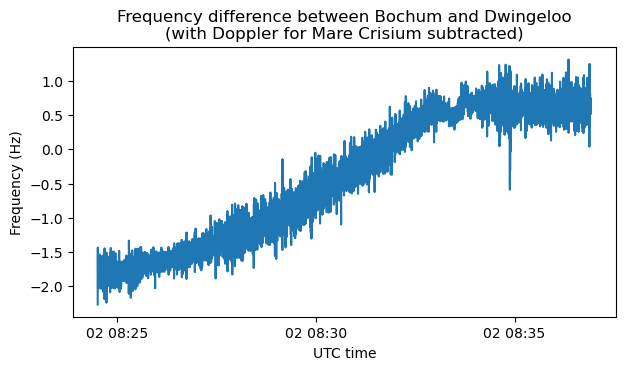
After fixing this mistake, the frequency difference is on the order of 1 Hz. This is about 0.7 ppb, so it is within the accuracy that we could expect for the GPSDO at Bochum. So mystery solved!
English
Thomas Telkamp retweetledi

Dwingeloo to Venus: Report of a Successful Bounce
hackaday.com/2025/03/28/dwi…
English
Thomas Telkamp retweetledi
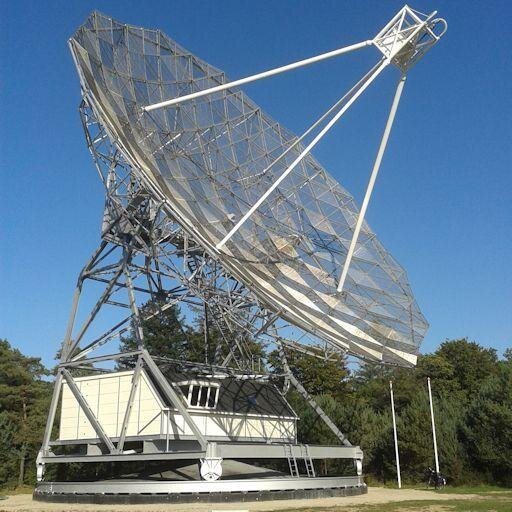
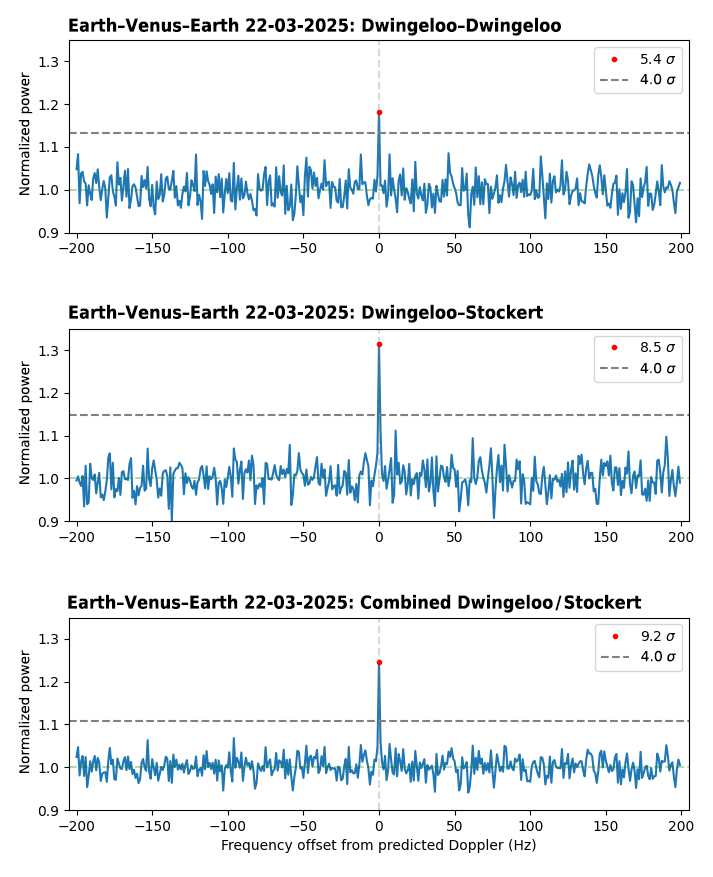
We used the historic Dwingeloo telescope to bounce a signal off the surface of Venus, and receive its echo! This marks only the second time that amateurs have achieved an 'EVE' (Earth-Venus-Earth) bounce. Venus was about 40 million kilometers from Earth.
camras.nl/en/blog/2025/f…
English
@ea4gpz @planet4589 @amsatdl @fireflyspace Dwingeloo raw IQ data of the landing at data.camras.nl/bgm1-landing/
English
@planet4589 @amsatdl @fireflyspace If the touchdown was soft enough, there wouldn't be any significant acceleration to tell when ground contact happened. In any case, it would be interesting to plot the Doppler curve. Since the signal is suppressed-carrier, some signal processing is required to get it.
English
What an incredible landing of #BGM1 #BlueGhost @fireflyspace ! Congratulations to the whole team 👏👏 📡〰️〰️That was the smoothest and most stable communications link I have ever observed!!! See the Downlink RF signal during the actual landing 🔽
English
@amsatdl @radiotelescoop @NASA @NASAVoyager @NASAJPL @SternwarteBO @dh2va Nice setup! When Voyager 1 was still in our backyard with 4.5 dB more signal 😀
English
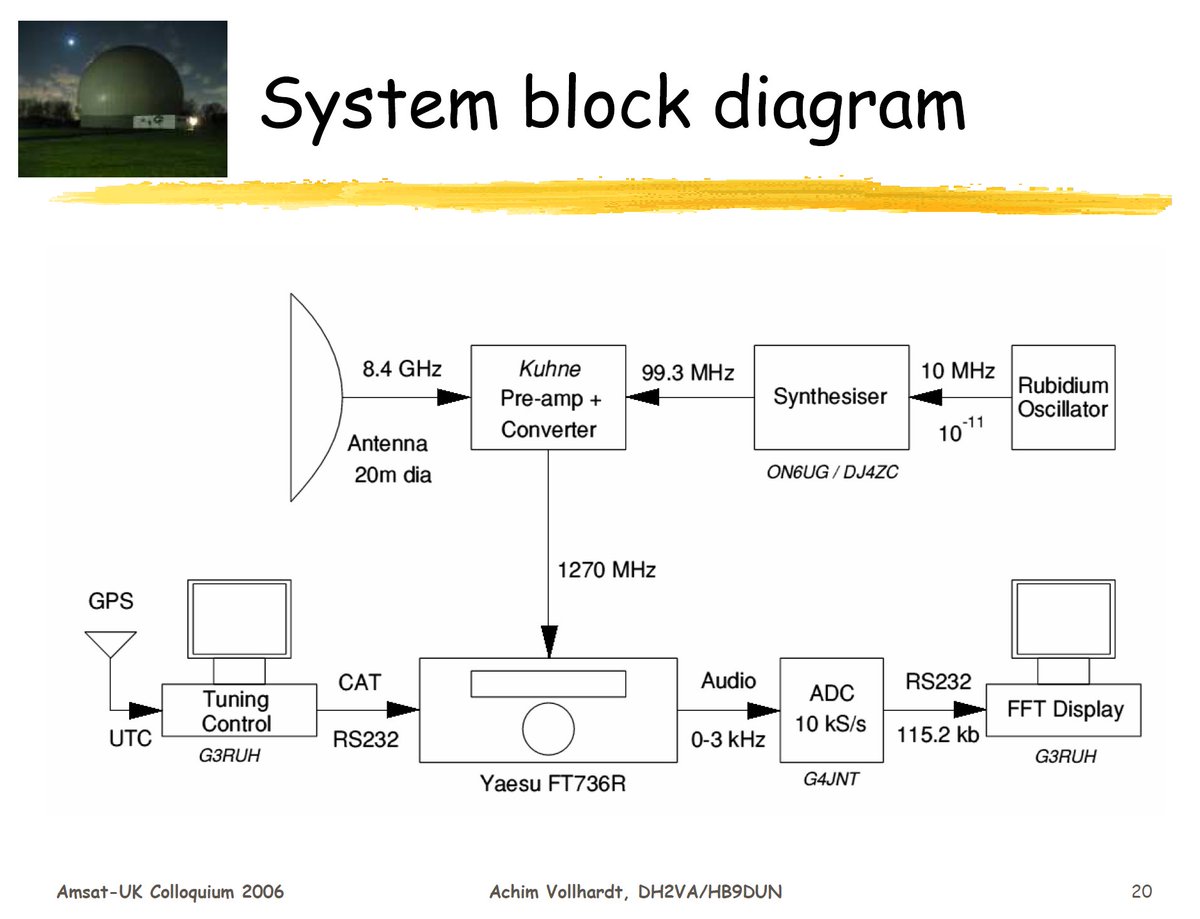
@radiotelescoop @NASA @NASAVoyager @NASAJPL @SternwarteBO the analog way, the stuff that was affordable back then... @dh2va
English
Thomas Telkamp retweetledi
We received Voyager 1! Not bad for a telescope from 1956 and spacecraft from 1977 📡🛰️
Read our blog at camras.nl/en/blog/2024/d…

English
@amsatdl Live tracking Tianwen-1 carrier frequency, interesting jump a few minutes ago, was also visible in the Bochum stream.

English


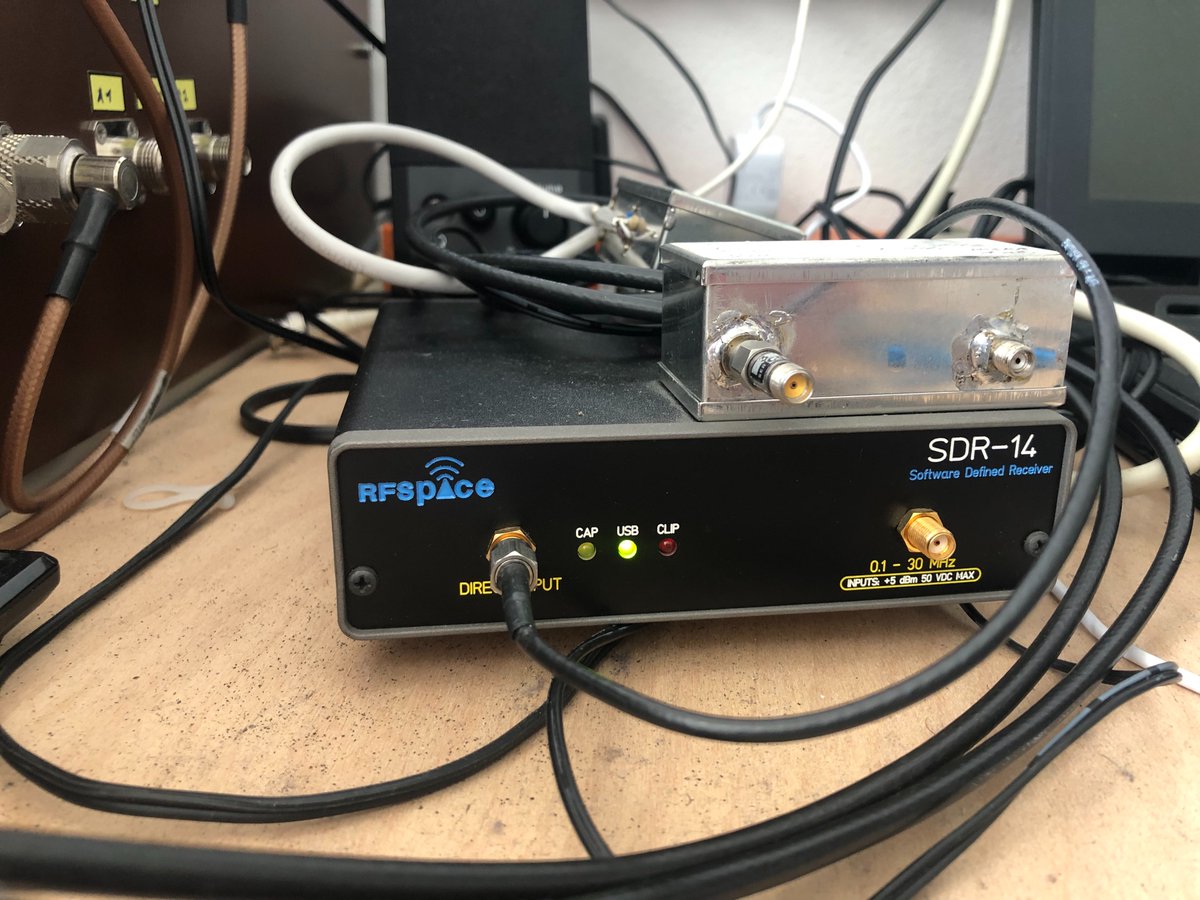

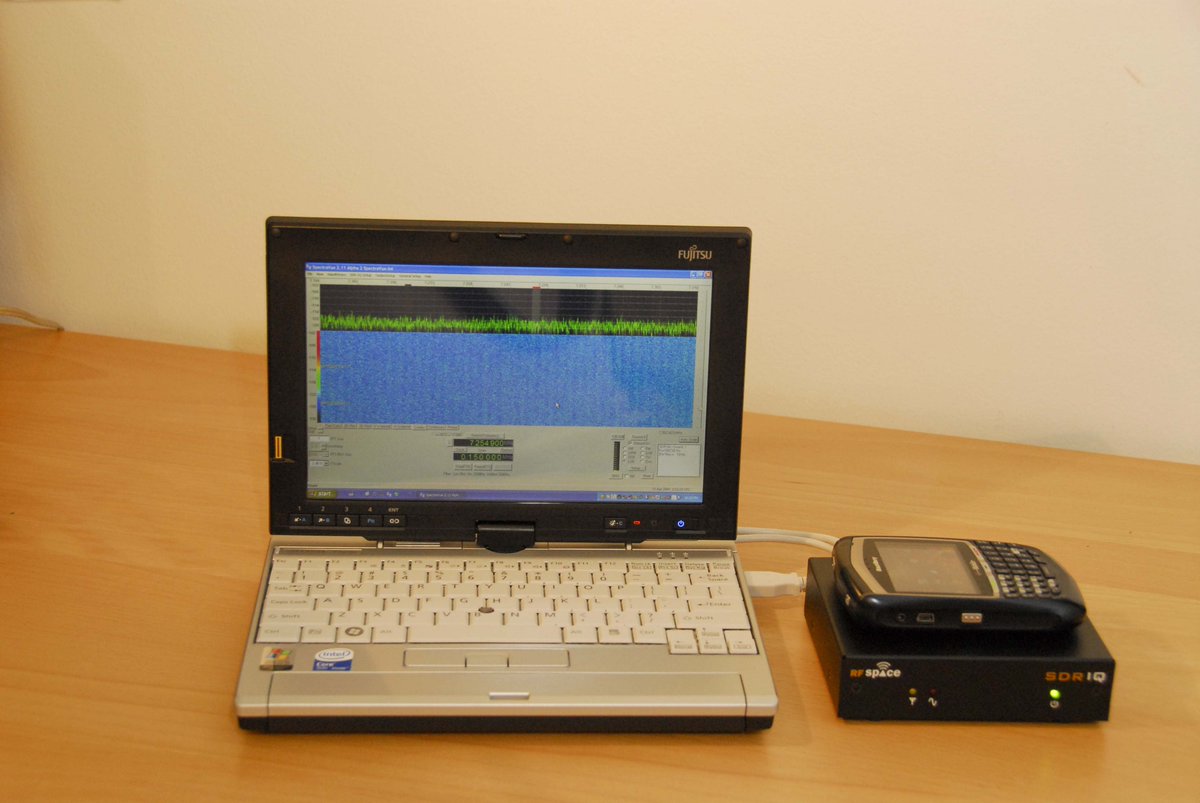
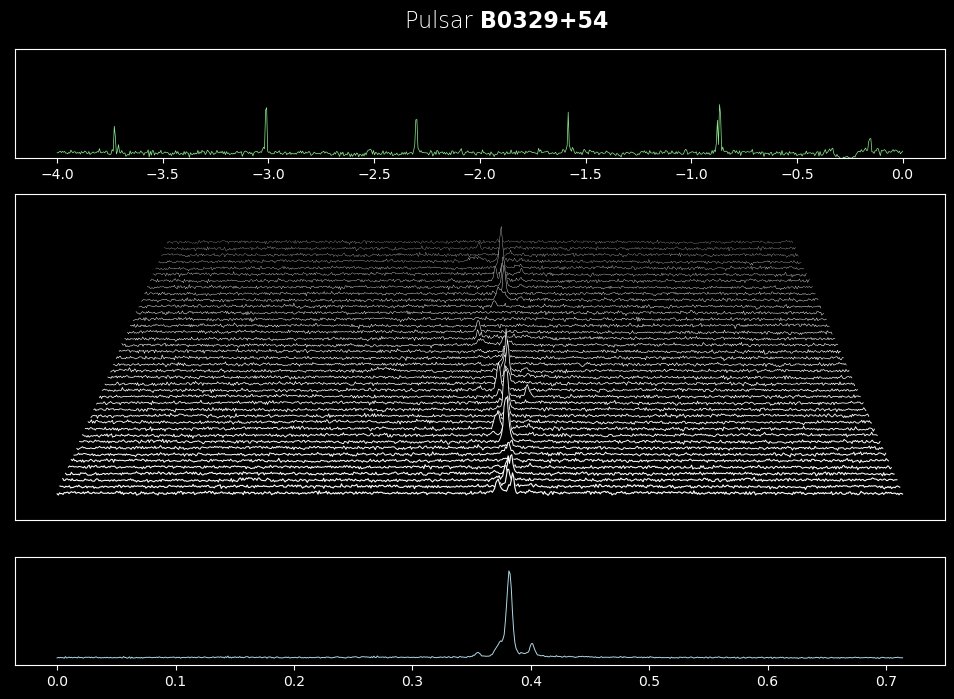
@JonaLendering @LucasEllerbroek In de @radiotelescoop laten we dit live zien, een bewegende versie van het plaatje hierboven! En we leggen uit wat een pulsar is. Deze zomer rondleidingen op zondag en sommige woensdagen.
Nederlands
@tj_astro @LooStann @coastal8049 @moddedLimes The s-band setup in Dwingeloo is far from ideal, amongst other things, the feed is not in the focus. Based on a single scan over Cygnus A we would estimate the g/T for the entire chain to be around 27 dB/K for LHCP. For RHCP it will be lower (no data).
English

@LooStann @coastal8049 @moddedLimes ok, I already found one error in my calcs. The receiver g/T is way too high because I entered the receive freq as 2210 GHz, not MHz. Tomatoes, tomotoes ... 😀 This makes (assuming a -15 dB worst case gain) g/T = 35.6 dB/K. C/No = 46.7 dB-Hz C/N = 12.8 dB Eb/No = 15.8 dB
English

Thanks to the team at @radiotelescoop we have definitive news about IM-1's signal. The signal is strongest in LHCP meaning it's a reflection off the Moon's surface. Assuming @Int_Machines has switched the antennas around for best SNR this is likely the best it can be.

English
Thomas Telkamp retweetledi

We're thrilled to announce we've been awarded a Space Services contract by @lacuna_space to build and operate six satellites for a dedicated IoT constellation, with the opportunity to scale to dozens of satellites.
Read more: spire.com/press-release/…

English
Boundary-challenging Beethoven recording by Shunske and Shuann. I've heard them perform some of these sonatas live in Leiden, and this was unexpectedly enlightening.
But, they seriously need our help to finish this project. Please have a look at:
voordekunst.nl/projecten/1620…
English
Thomas Telkamp retweetledi

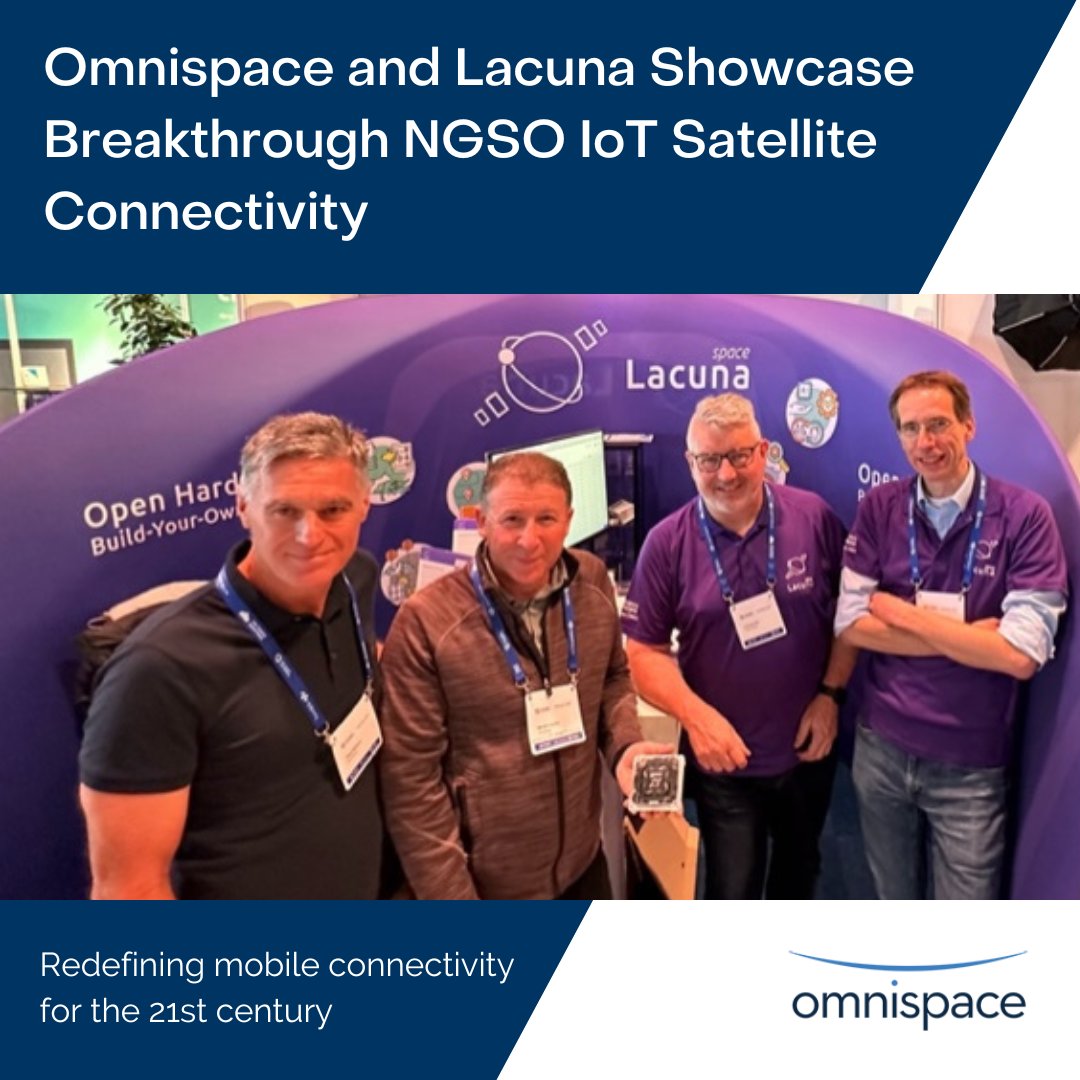
📰 📣 Exciting news: Together with @viasat and @lacuna_space, we have demonstrated breakthrough NGSO #IoT satellite connectivity which could pave the way for a range of IoT and direct-to-device (#D2D) satellite services.
Read more: omnispace.com/omnispace-and-…
English
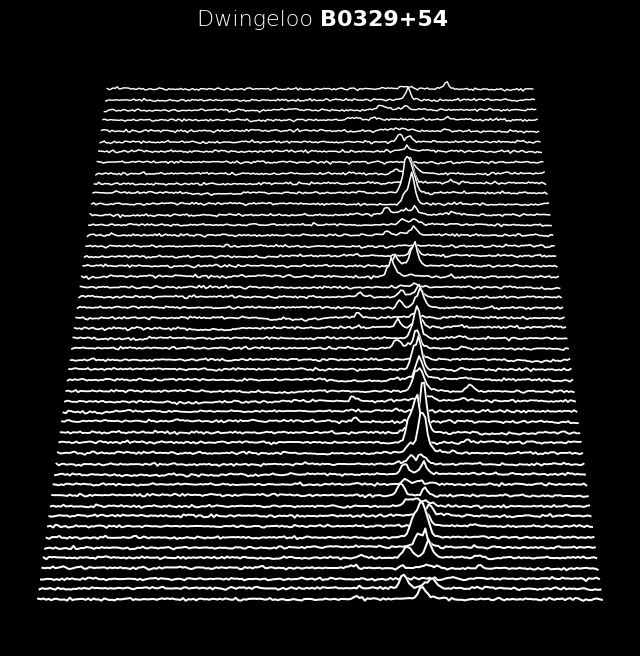
Making retro plots of @radiotelescoop pulsar data. Individual pulses, quite illuminating to see the variation.
English
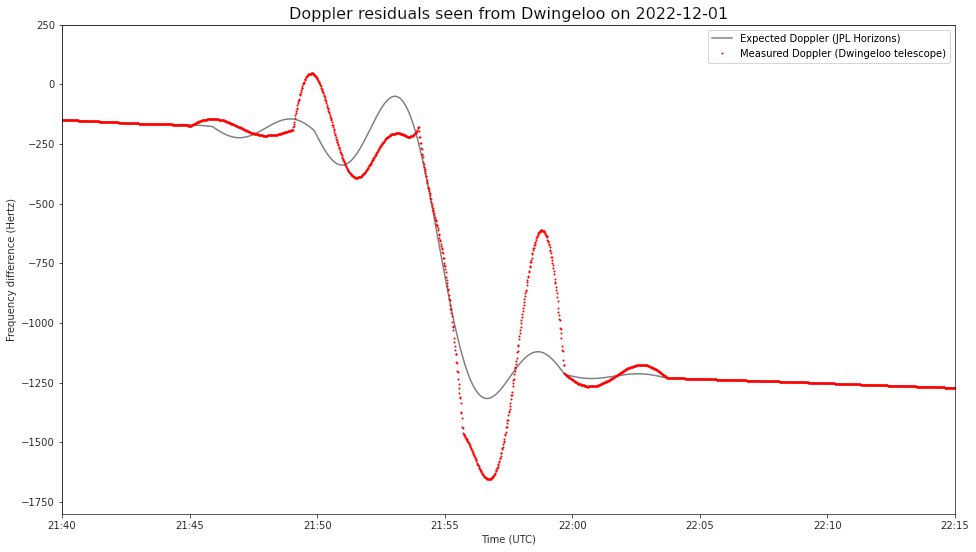
@DegenerateConic @DegenerateConic we observed Artemis1 leaving DRO on Dec 1st by measuring Doppler with @radiotelescoop, but we're not sure how to interpret the 'oscillations' in frequency just before and after the burn. Are these real physical speed changes, or artefacts of the uplink/tracking?
English

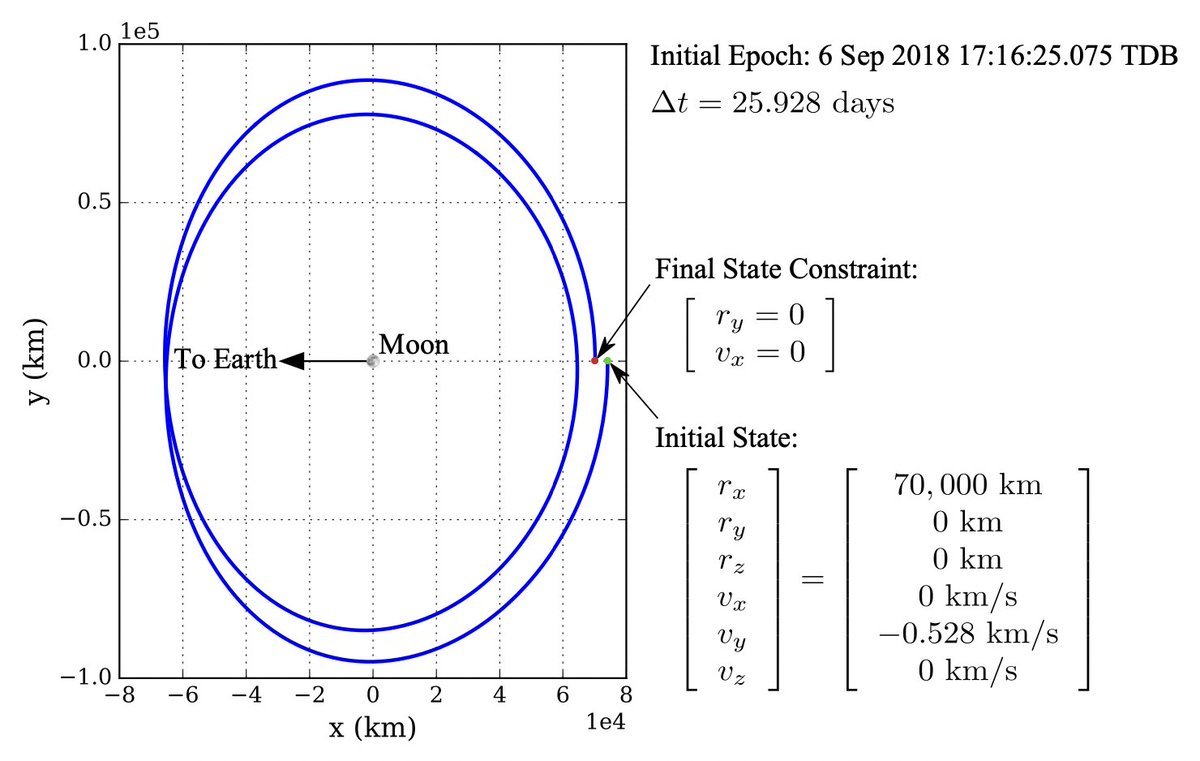
Targeting a lunar Distant Retrograde Orbit (#DRO). Easy peasy lemon squeezy. #Artemis1 ntrs.nasa.gov/citations/2020…
English
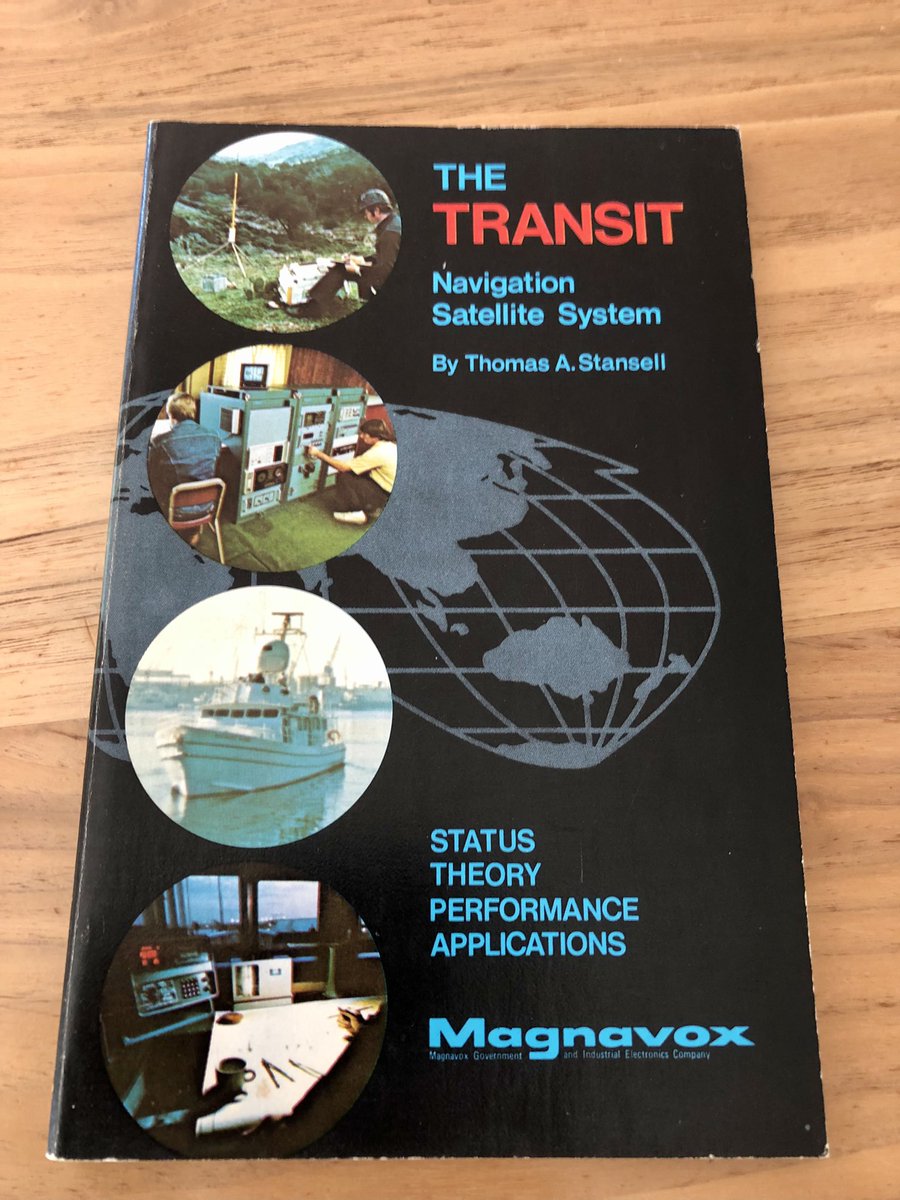
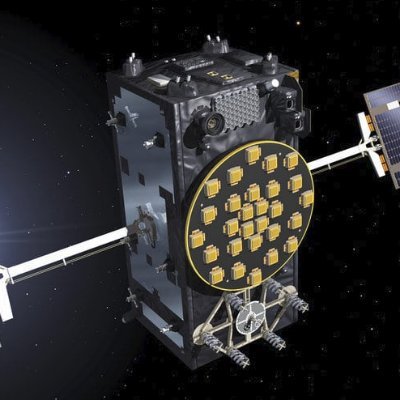
GPS is old, but it has a predecessor! en.wikipedia.org/wiki/Transit_(…. From 1964, the Transit System or NAVSAT used Doppler techniques (comparable to what is used for SAR today) on multiple sequential satellite passes to get a fix. Was still in use by (Dutch) submarines in the 1980s!
English
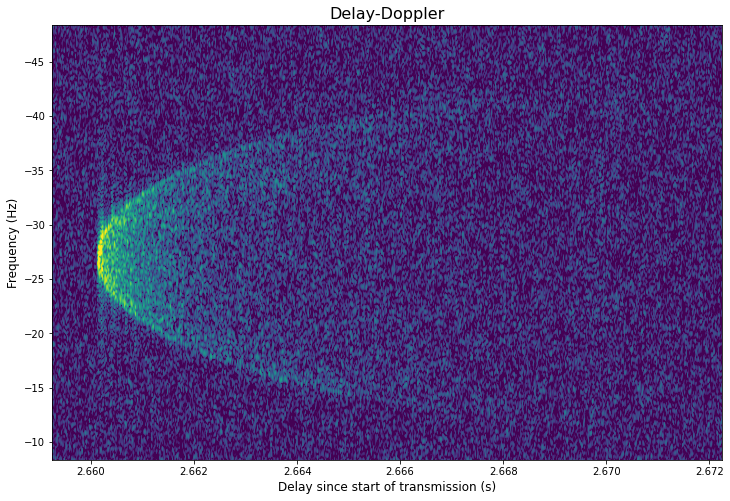
@ea4gpz @tammojan @radiotelescoop @JMuijlwijk @HarryKeizer @EttusResearch Not at all. We just started narrow for a first test. Here's a preview of the results (40 kHz BPSK, single echo):
English
@tammojan @radiotelescoop @telkamp @JMuijlwijk @HarryKeizer @EttusResearch Good choice. Is there something preventing higher chip rates, which would give better time resolution? One day it would be interesting to record this kind of experiment with the ATA, but I'll need to see if I can grab enough antennas to make it worth.
English
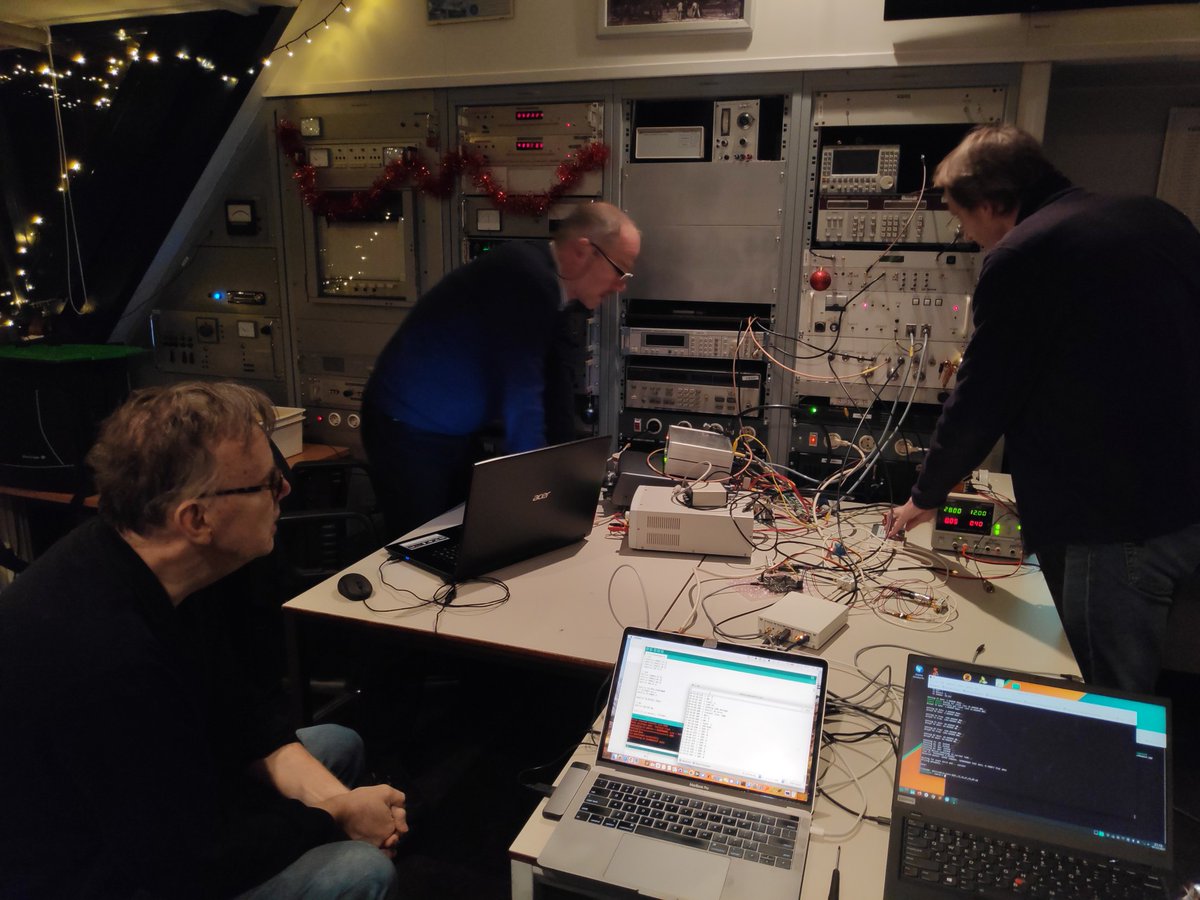
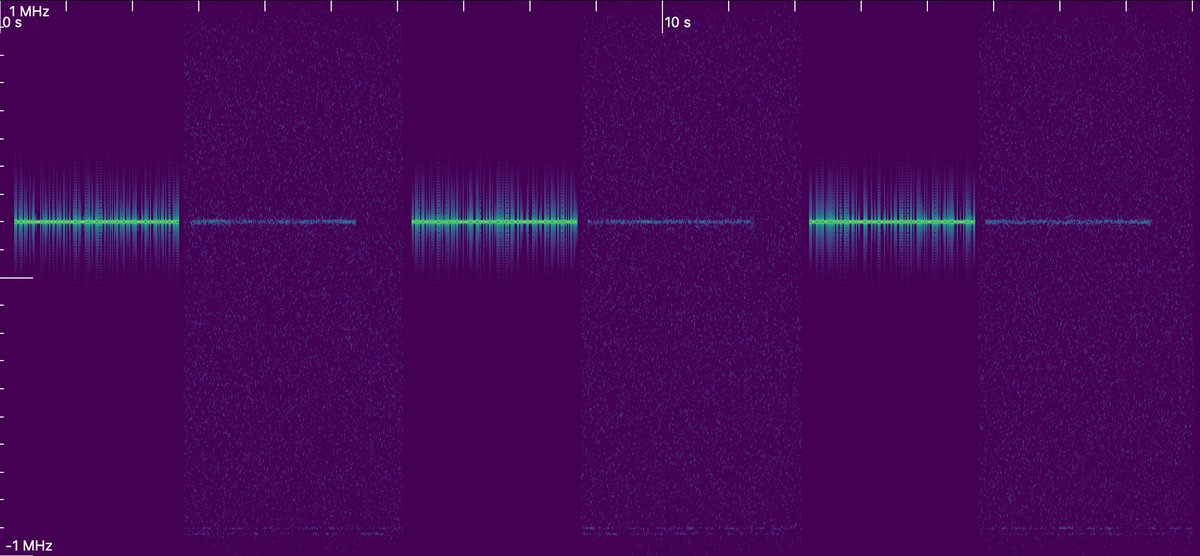
A nice experiment by @telkamp earlier this week: moon-bouncing with software defined radio (SDR). The SDR transmitted, received and triggered all relays. This allows us to combine multiple Moon echos. Analysis of the signals will follow.

English