
Sabitlenmiş Tweet
DT K
593 posts


DT K
@tomdoyo
一球入魂。 | @UofT, Previously @Phillies R&D
🇨🇦🇰🇷 Katılım Mayıs 2020
322 Takip Edilen1K Takipçiler

Just added Catcher Framing + Catcher Challenging to our full game MLB sim.
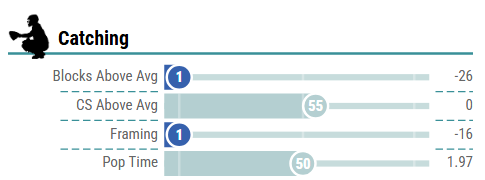
Was doing some validation, and thought I made an error when we had MJ Melendez as the worst catcher in our data set. Turns out he caught 71 games in 2022 and amassed an impressive -16 framing runs and -26 blocks above average!
English


@Timelville @MLBONFOX Yeah it's definitely a common sight. There's a subset of pitchers who start their pitches at the glove. I'm looking to identify who they are
English


@tomdoyo @BachTalk1 @MLBONFOX Instead of absolute miss is it possible to measure miss in terms of how tight the miss is related to glove? Like a Polar Coordinate System?
English
English

English


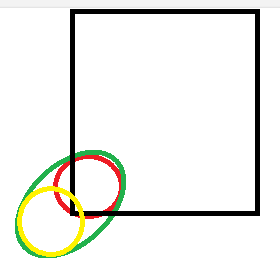
Without thinking too hard about it, I think it's near impossible to say exactly the intention, but I think pitchers tend to fall in 1 of 2 camps, either the target is where they want the pitch to end up (Red) or the target is their aim point, and they let the break take it from there (Yellow).
Perhaps you can use the initial target AND the break of a pitch the estimate an area the pitcher COULD be intending the pitch to end up. You don't know if they wanted the pitch to end up in Red or Yellow, but you know it's likely somewhere in the green, so perhaps distance outside of green.
English
English


@CoachJackCheney @MLBONFOX Wait this is actually amazing. You're ahead of the time
English

Like I said, poor man’s concept haha. Just me and my players in a high school gym.
We set up a camera behind the pitcher’s release point like the overlay you see below.
Tracking data, we go old school with a pitch tracking sheet. We don’t have a Rapsodo, so everything is done through video playback and charting.
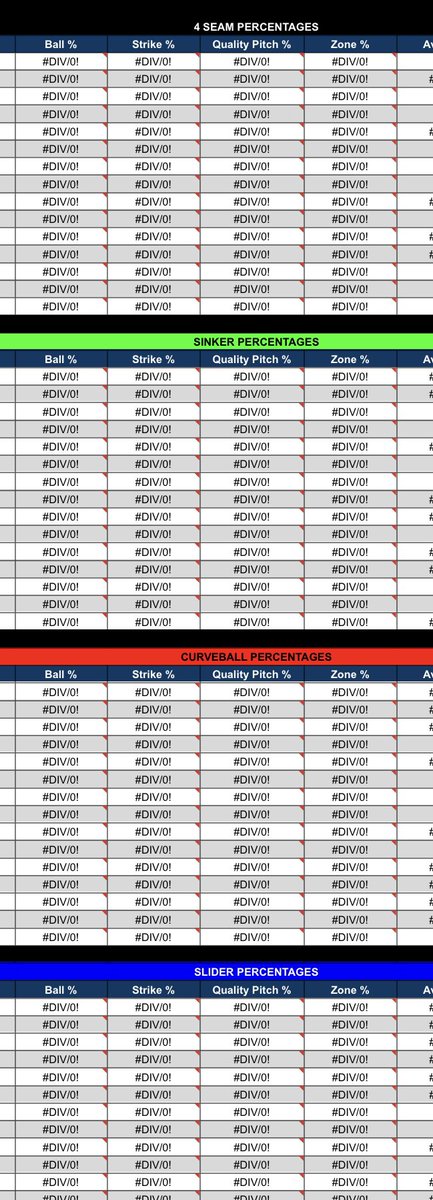
From there, we input the data into our overall bullpen tracking sheet, and it spits out our data from a coach’s viewpoint.

English
@SamulskiNYC @MLBONFOX I'm considering looking into individual pitcher tendencies
English

@CoachJackCheney @MLBONFOX That's awesome! If there was a video on it it would be interesting to watch
English
This is sick. I actually developed a poor man’s version of this a few years ago just by working with percentages.
Using video feedback during our pitchers bullpens, I’m able to go back and identify the pitch call and pitch location. From there, I calculate what I call Zone Percentage. Zone Percentage is based on the number of pitches that hit the intended target area, giving us a measurable way to evaluate command.
Since we don’t have live hitter data during bullpens, I also developed a Quality Pitch Percentage. This metric estimates whether a pitch would likely produce a swing or weak contact based on its location, even if it’s just off the plate or out of the intended quadrant we’re trying to attack.
After every bullpen, my pitchers receive three metrics:
Quality Pitch % (Elite: 75%) – Measures the probability that a pitch would achieve the desired outcome against a hitter based on location.
Strike % (Elite: 65%) – Measures overall control by tracking how often pitches finish in the strike zone.
Zone % (Elite: 55%) – Measures command by tracking how often the pitcher hits the exact location that was called.
Quality Pitch % bridges the gap between simply throwing strikes and executing pitches that actually win at-bats. Strike % measures control. Zone % measures command.
This is way cooler then anything I’ve attempted to come up with.
English