Trends in Cancer

5K posts

Trends in Cancer banner
Trends in Cancer

Trends in Cancer

@trendscancer

Trends in Cancer is a leading reviews journal covering advances in cancer research and oncology published by Cell Press. Tweets by Editor Danielle Loughlin.

Cambridge, MA Katılım Eylül 2015
471 Takip Edilen4.6K Takipçiler
Trends in Cancer retweetledi
Dr. Patrick Hwu
Dr. Patrick Hwu@PatrickHwuMD·
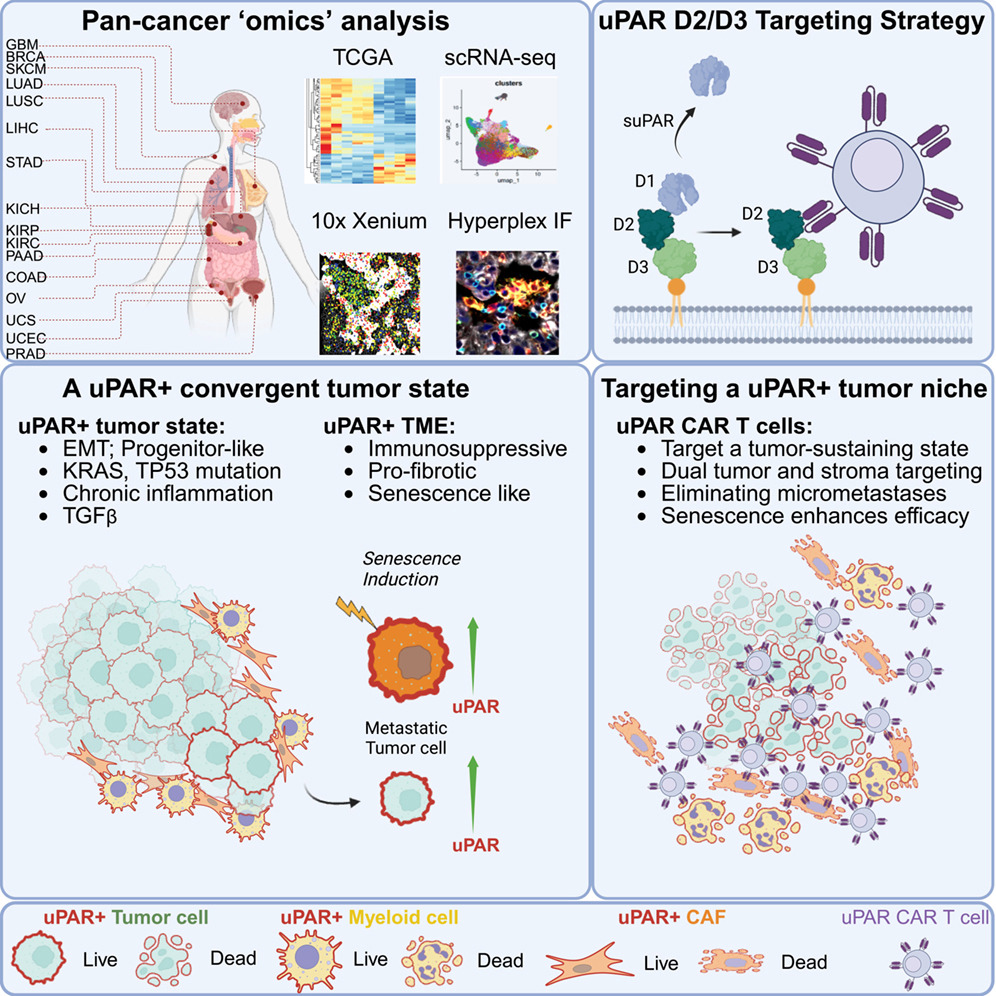
🧬 #ScienceSaturday ❓ What if cancer treatment could target not only tumor cells, but also the tumor’s stromal support: non-malignant, non-cancerous cells within the tumor microenvironment, that actively help cancer grow, spread, and resist treatment? ➡️ In a new study published in @CellCellPress, researchers identified uPAR, a cell-surface protein linked to aggressive tumor behavior, as a marker found on both solid tumor cells and the fibrotic, immune-suppressive environment that helps sustain them. ➡️ The team developed uPAR-targeted CAR T cells that attacked both tumor cells and their supportive stroma, leading to durable tumor regression across multiple cancer models, including metastatic disease. ➡️ They also found that senescence-inducing therapies, like chemotherapy, increased uPAR expression and made tumors even more vulnerable to CAR T cell treatment. 🌟 This dual-targeting strategy could help overcome some of the biggest barriers to CAR T therapy in solid tumors, including immune suppression and treatment resistance. 🔗 Read the study: cell.com/cell/fulltext/… @ZedaZhang @Aveline_Filliol @LoweLabMSKCC
Dr. Patrick Hwu tweet media
English
4
52
185
11.7K
Trends in Cancer retweetledi
Anirban Maitra
Anirban Maitra@Aiims1742·
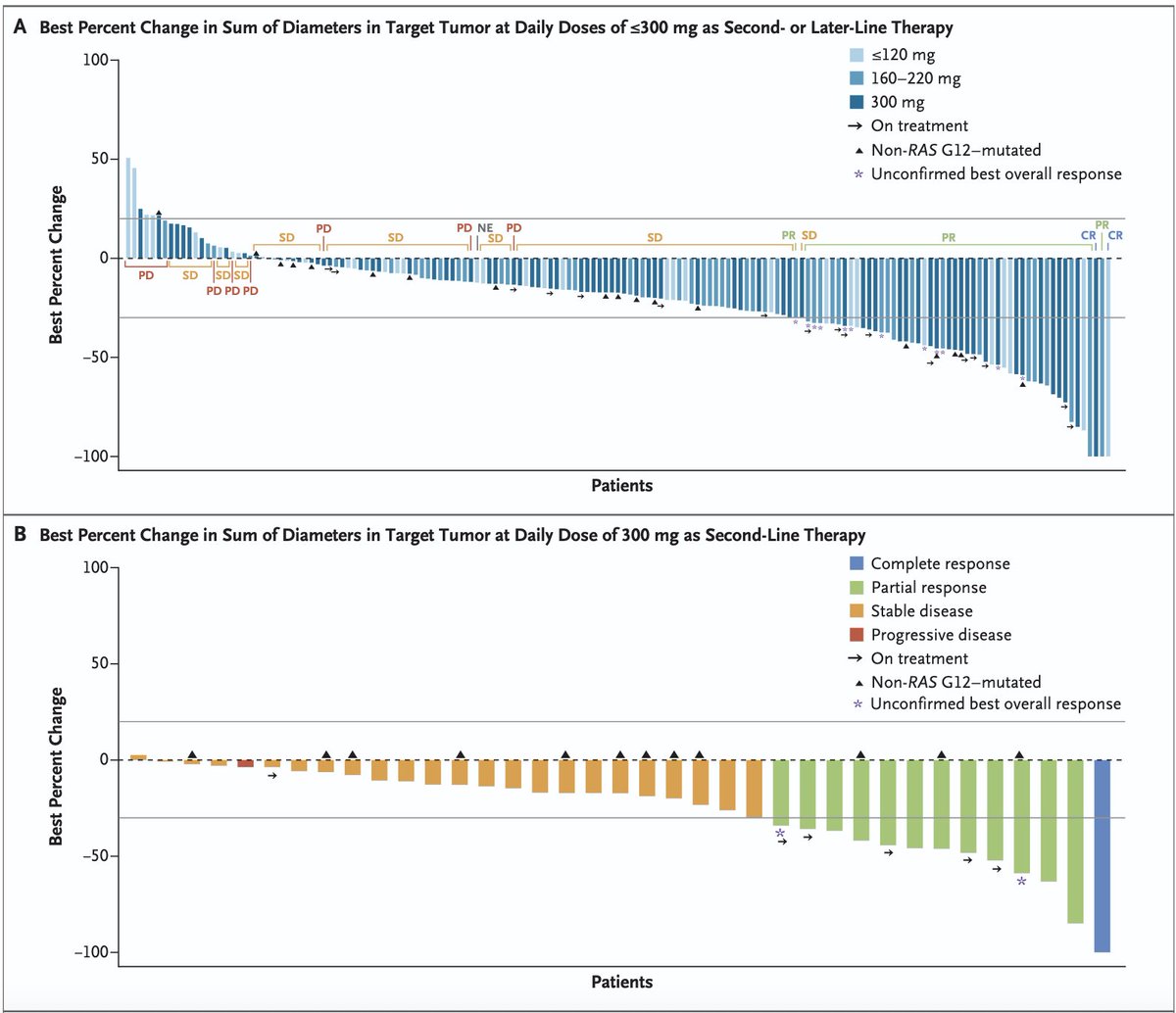
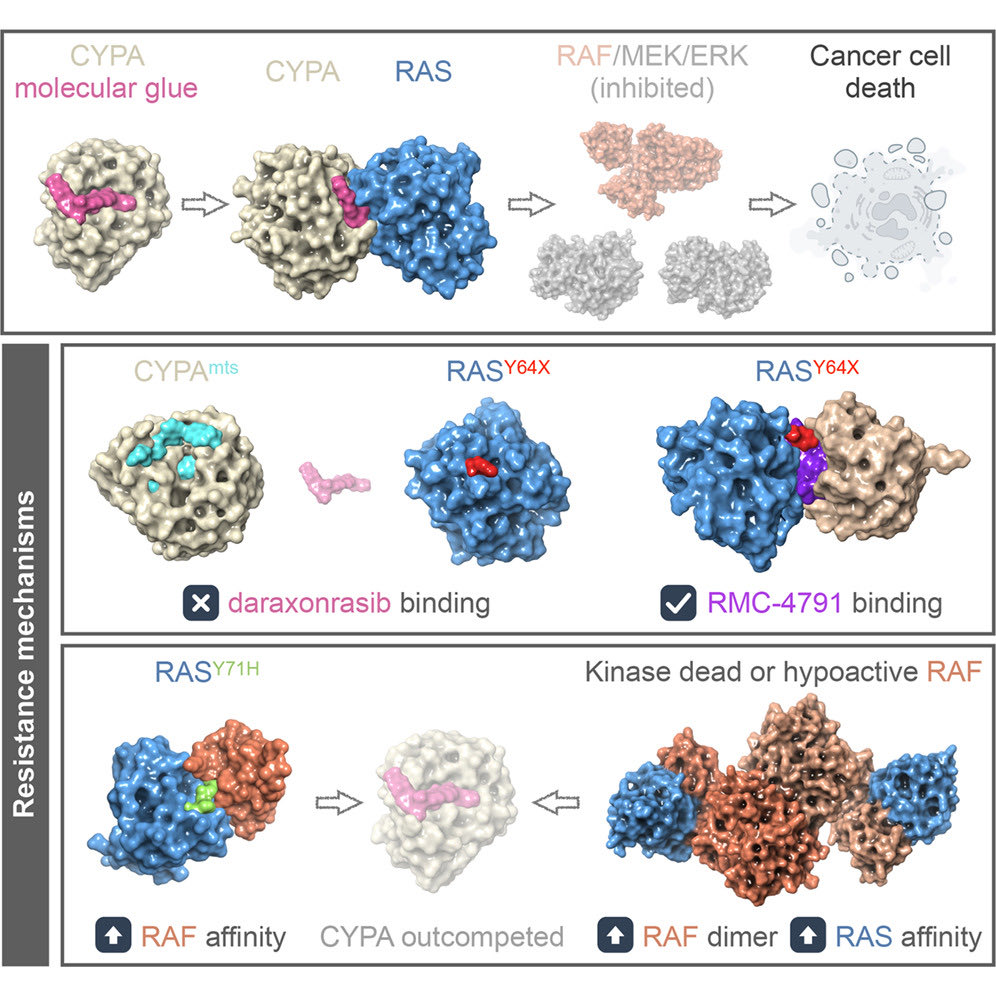
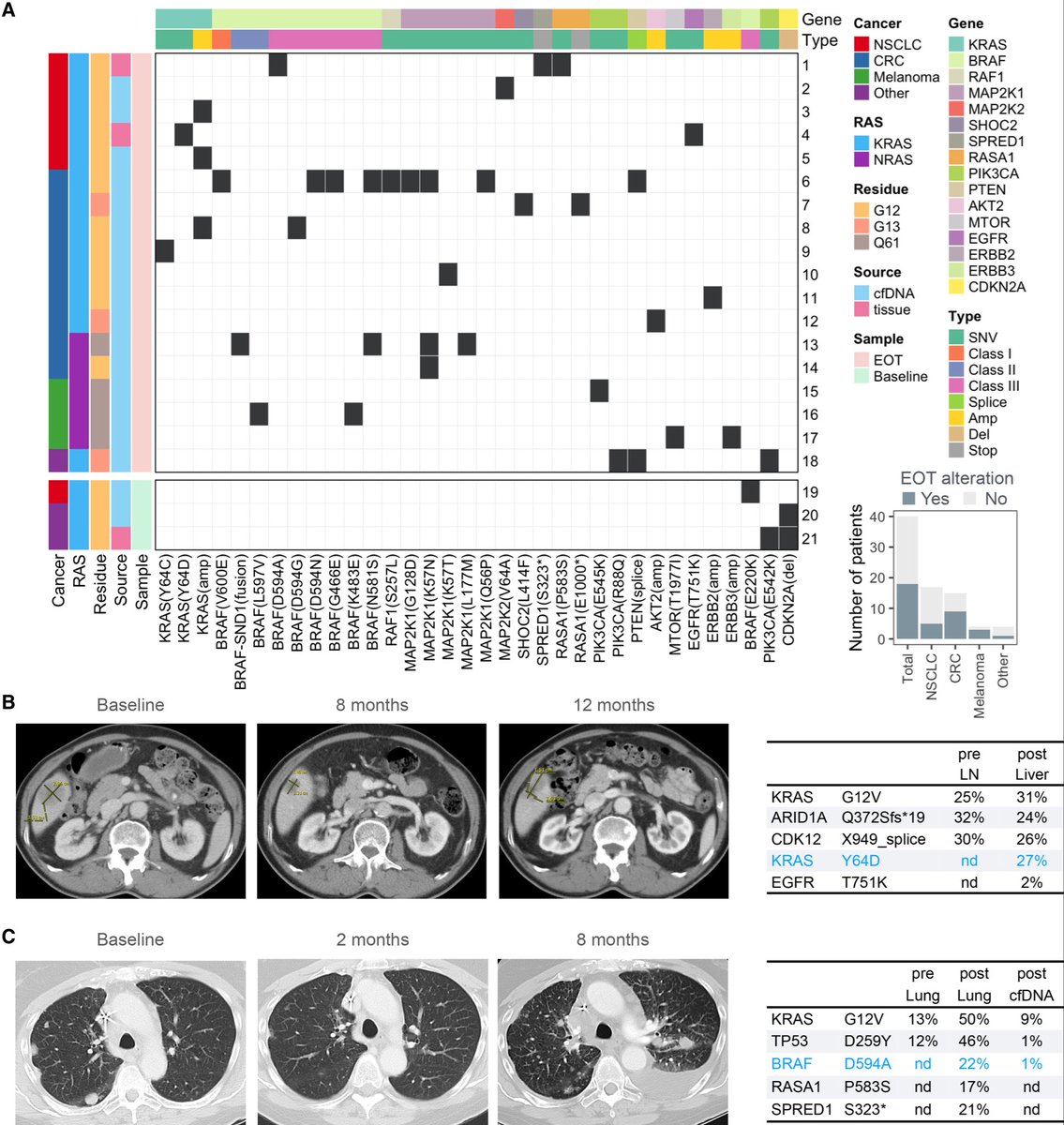
New @Cancer_Cell paper on mechanisms of resistance to @RevMedicines Daraxonrasib Disrupted molecular glue complex drives RAS inhibitor resistance cell.com/cell/fulltext/… 18/40 genomic alterations in RAS pathway (👇🏽) Recurrent RAS Y64 alteration attenuates tri-complex formation
Anirban Maitra tweet mediaAnirban Maitra tweet media
English
1
40
117
13.9K
Trends in Cancer retweetledi
Aaron Newman Lab
Aaron Newman Lab@AaronNewmanLab·
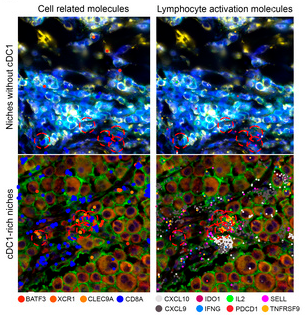
1/ Thrilled to share our new paper, out today in @Nature: "Non-invasive profiling of the tumour microenvironment with spatial ecotypes". Paper (open access): nature.com/articles/s4158…
English
17
137
402
108.1K
Trends in Cancer retweetledi
Christine A. Garcia, MD, MPH
Christine A. Garcia, MD, MPH@christinemphmd·
New @Nature study: >50% of lung cancer metastases are seeded by other metastases, not the primary tumor. This "seeding from seeding" reveals a complex evolutionary cascade that allows cancer to colonize the body. nature.com/articles/s4158…
English
7
179
632
58.9K
Trends in Cancer
Trends in Cancer@trendscancer·
Meet Trends Open: a new multidisciplinary, open-access reviews journal for commentaries and fresh perspectives across life, physical, health, sustainability, and applied sciences—welcoming early-career and established researchers. cell.com/trends-open/ho…
Trends in Cancer tweet media
English
0
0
1
115
Trends in Cancer retweetledi
Anirban Maitra
Anirban Maitra@Aiims1742·
From our @Nature paper, where we demonstrate profound molecular heterogeneity even between two synchronous liver metastases. This is the challenge of advanced #PancreaticCancer. Targeting truncal mutations like KRAS overcomes some of this recalcitrance. nature.com/articles/s4158…
Anirban Maitra tweet media
English
2
27
92
8.2K
Trends in Cancer retweetledi
Amin Aalipour
Amin Aalipour@amin_aalipour·
With news of @KeloniaTx's acquisition by $LLY yesterday, a fitting time to share our Review on in vivo CAR-T engineering, out now in @trendscancer! We summarize state-of-the-art approaches to in vivo engineering and open questions still ahead. Full text link in comments!
Amin Aalipour tweet mediaAmin Aalipour tweet media
English
1
10
60
6.6K
Trends in Cancer
Trends in Cancer@trendscancer·
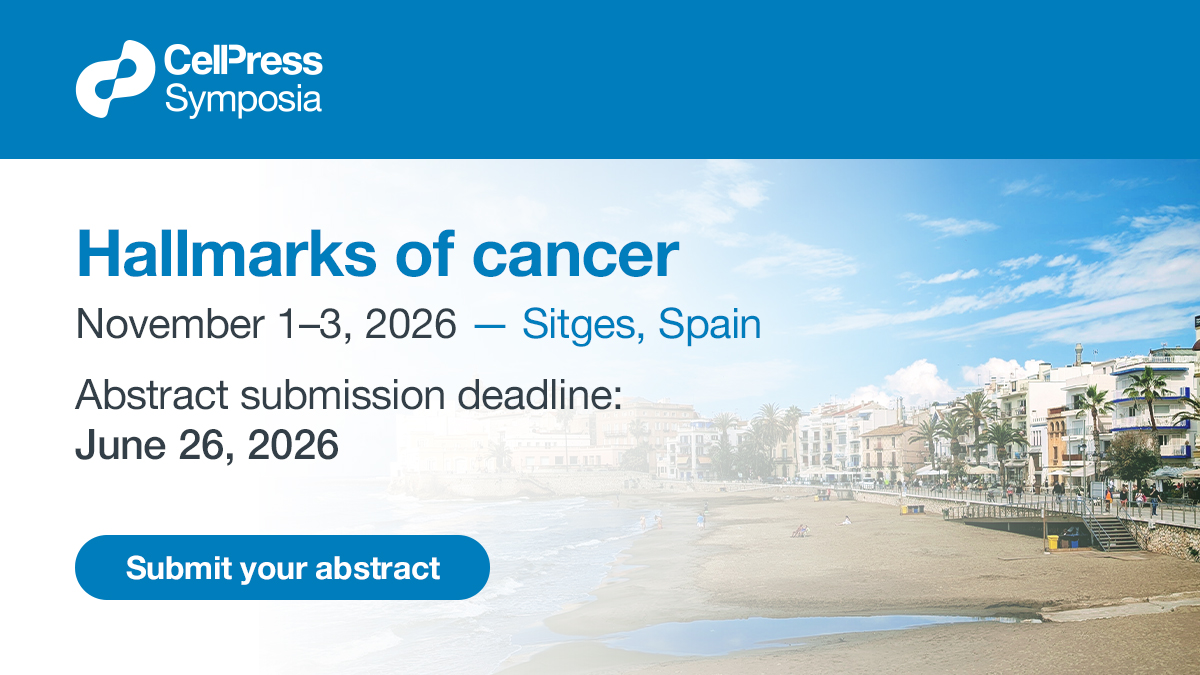
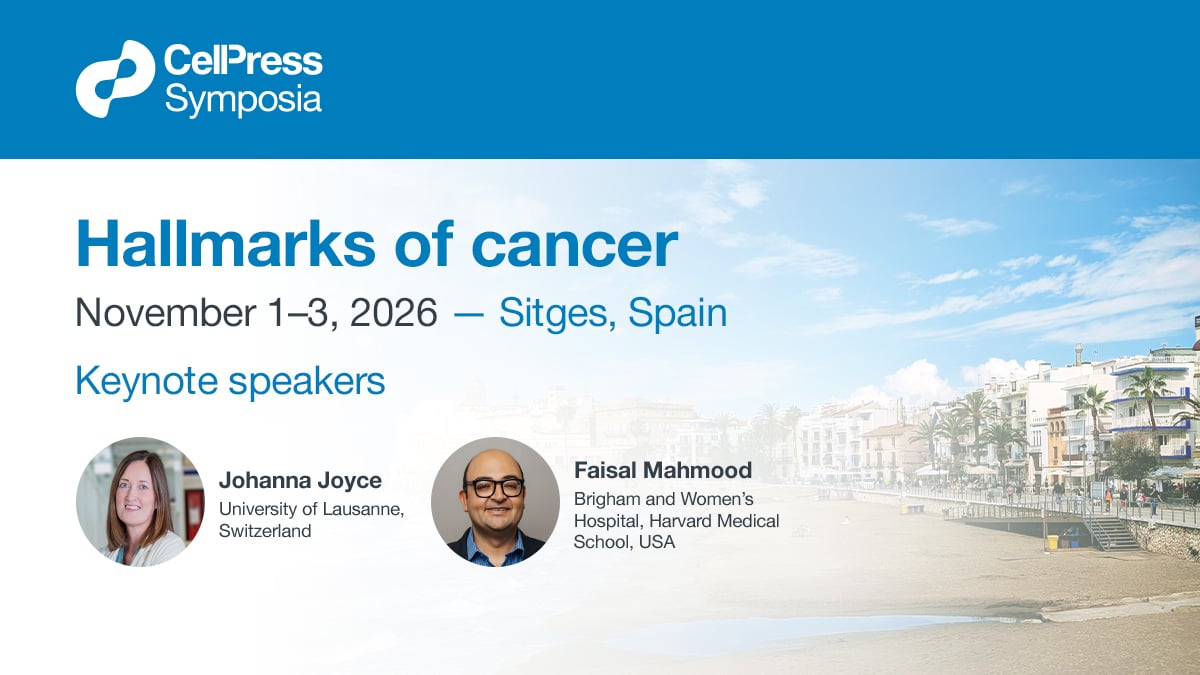
Abstracts are invited for @CellSymposia Hallmarks of cancer 📆 Nov 1–3, 2026 📍Sitges, Spain Submit by June 26 for the chance to share your insights with a global audience committed to translating science into life-saving therapies. 👉hubs.li/Q045lFmY0 #CSHallmarks2026
Trends in Cancer tweet media
English
3
0
0
241
Trends in Cancer retweetledi
Dr. Patrick Hwu
Dr. Patrick Hwu@PatrickHwuMD·
#ScienceSaturday ❓ Can your own brain and nervous system promote cancer growth? ➡️ A new study in Nature reveals a hidden “conversation” between lung tumors and the brain that shuts down the immune system. ➡️ Researchers discovered lung cancer can act like a puppet master, using a specific nerve pathway called the vagal sensory-sympathetic axis to protect itself. ➡️ Here’s how this “secret circuit” works: • The Signal: Lung tumors release growth factors that attract and activate “sensing” nerves called vagal sensory neurons. 
• The Brain Connection: These nerves send a distress signal from the tumor all the way to the brainstem. 
• The Command: The brain responds by sending a message back down through sympathetic nerves, releasing noradrenaline directly into the tumor. 
• The Sabotage: Noradrenaline flips a switch (the ADRB2 receptor) on immune cells called macrophages, turning them suppressive and blocking killer T cells from attacking. ➡️ Why does this matter? When researchers broke this circuit, by silencing the nerves or blocking the noradrenaline switch, the immune system “woke up,” and tumor growth slowed significantly. ➡️ This discovery is a game changer because it shows cancer isn’t just a local problem, it can hijack our own nervous system to survive. Targeting this tumor-brain circuit could open new doors for future therapies. 🌟 Shoutout to the research team led by Haohan K. Wei and Chuyue D. Yu for uncovering how our own nerves can be “tricked” by tumors! 👏🔬 
@Nature @YaleMed @PennMedicine 🔗 Read the full study: doi.org/10.1038/s41586…
Dr. Patrick Hwu tweet media
English
0
18
64
5.6K
Trends in Cancer retweetledi
Vivek Subbiah, MD
Vivek Subbiah, MD@VivekSubbiah·
⭐️Lung cancer in never smokers: from early detection to prevention- Nice review on this by @CharlesSwanton & colleagues @trendscancer @CellCellPress 👉Lung cancer in never smokers (LCINS) now accounts for a growing proportion of lung cancer cases, with distinct demographics and biology. 👉Identifying risk factors for LCINS remains challenging. The most well-established factors—germline variants, clonal hematopoiesis, and environmental exposures—currently lack validated screening tests @OncoAlert cell.com/trends/cancer/…
Vivek Subbiah, MD tweet media
English
5
11
34
3.6K
Trends in Cancer retweetledi
Dr. Patrick Hwu
Dr. Patrick Hwu@PatrickHwuMD·
#ScienceSaturday ❓ Why does immunotherapy work incredibly well for some melanoma patients, but not for others? ➡️ A new study in Cancer Cell takes a closer look at the immune cells that matter most during immunotherapy. Researchers tracked melanoma-specific CD8+ T cells (the immune system’s cancer killers) in patients receiving anti-PD-1 treatment before surgery. ➡️ They found that not all T cells are created equal. Patients who responded best had a special group of T cells marked by a protein called T-bet. These cells weren’t “burned out,” but they weren’t fully fresh either, instead, they were in a powerful in-between state that allowed them to expand, stay active, and attack tumors when PD-1 therapy removed the brakes. ➡️ In contrast, patients who didn’t respond had more terminally exhausted T cells, immune cells that were too worn down to bounce back, even with immunotherapy. ➡️ The team also discovered that these fate decisions start early, in the lymph nodes, before T cells ever reach the tumor. And importantly, ongoing exposure to tumor antigens helped sustain effective immune responses, helping explain why neoadjuvant (pre-surgery) immunotherapy can be so effective. ➡️ Together, these findings show that which T cells are present, not just how many, can predict response to immunotherapy, and could guide better biomarkers and treatment strategies in the future. 🌟 Kudos to the researchers for uncovering how immune cell “identity” shapes success with cancer immunotherapy! @Cancer_Cell @lynn_schuchter @PennMedicine @AmaravadiRavi @PennCancer 🔗 Read more in Cancer Cell: doi.org/10.1016/j.ccel…
Dr. Patrick Hwu tweet media
English
13
44
156
12.1K