Val Saraiba

3.9K posts

Val Saraiba banner
Val Saraiba

Val Saraiba

@valsarb

26| @emcs_tecdemty md’25 | Former research intern🫁 @incanmx | GI Postdoc research fellow at @MDAndersonNews 🧫🥼🧪| op are my own | digital illustrator🎨

Katılım Şubat 2020
808 Takip Edilen1.6K Takipçiler
Val Saraiba retweetledi
Mukund Iyengar
Mukund Iyengar@mukundiyngr·
KRAS mutations drive 25% of *all* cancers. We just cracked an entire class. This is a big deal. For decades, KRAS was called “undruggable.” It became accepted as fact (it wasn’t). This week at AACR: ▫️5 KRAS drugs ▪️One nearly doubled OS in pancreatic cancer. ▫️13.2 vs 6.7 months (HR 0.40) This is what happens funded science does. If you’ve ever been told your target is impossible, look at this chart. - - - - - Source: US Clinical Trials | AACR'26 | RevMed Phase-3 | via @Jori_health
Mukund Iyengar tweet media
English
8
46
150
13K
Val Saraiba retweetledi
Anirban Maitra
Anirban Maitra@Aiims1742·
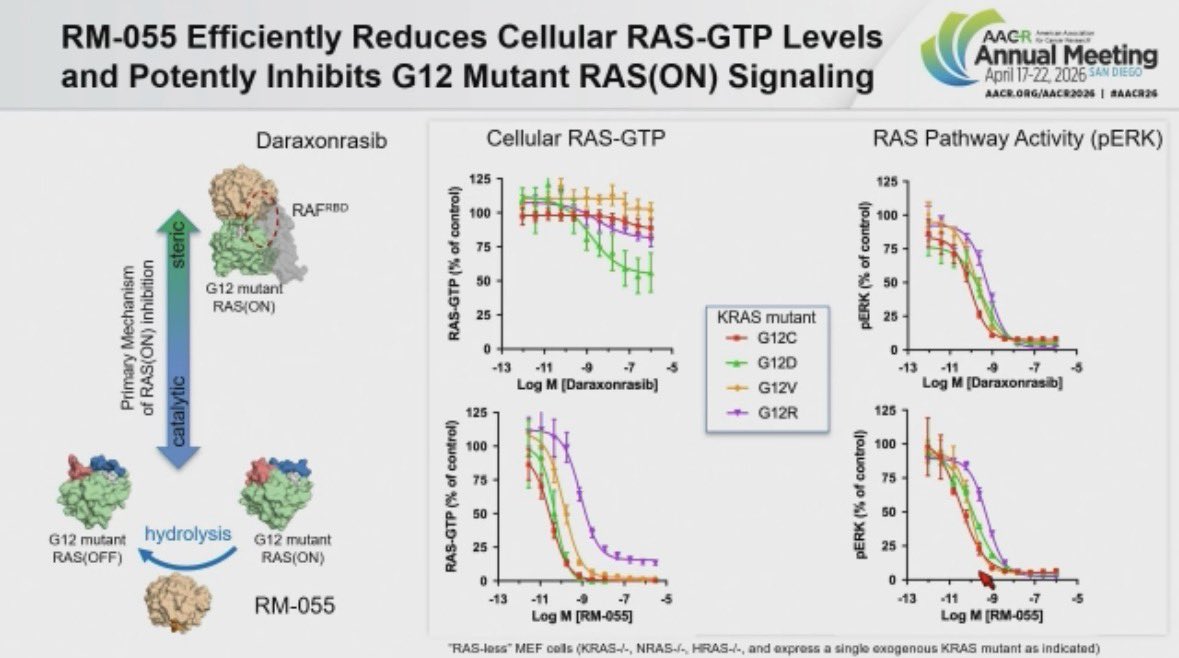
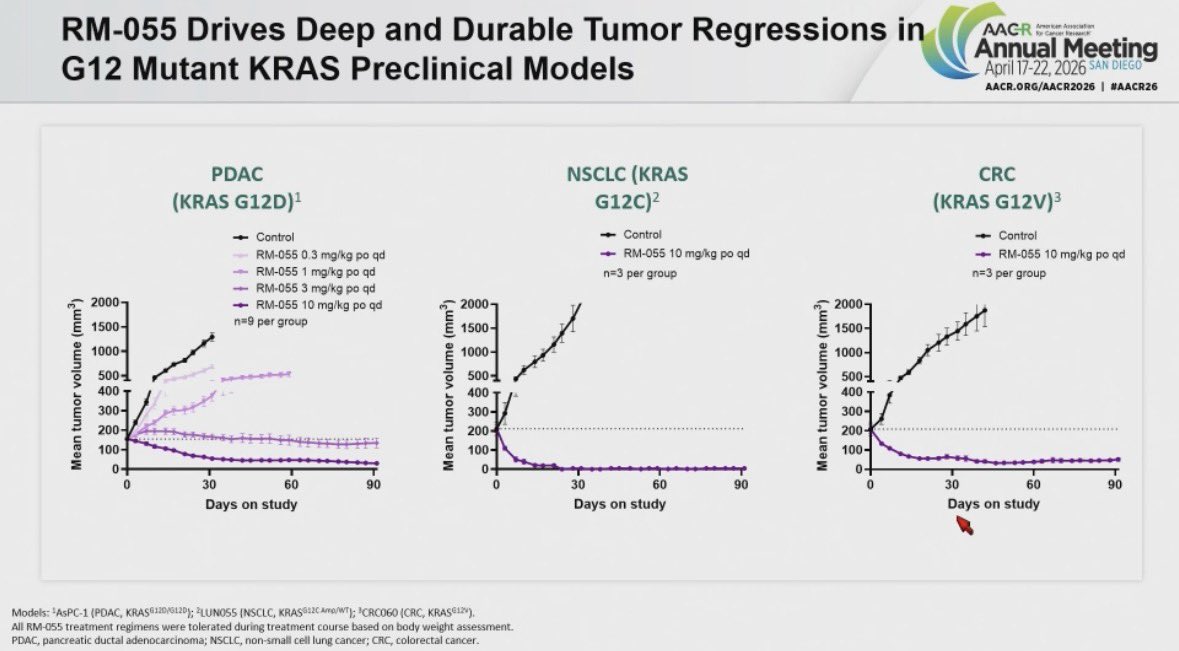
New compound from @RevMedicines RM-055 disclosed at #AACR26 They took a subtle finding 👉🏽Daraxonrasib-CYPA complex modestly increasing RAS GTP hydrolysis 👉🏽 to build a RAS GAP on steroids. RM-055 flattens Daraxonrasib resistant tumors including RAS amplified cases across models.
Anirban Maitra tweet mediaAnirban Maitra tweet mediaAnirban Maitra tweet mediaAnirban Maitra tweet media
English
8
61
230
52K
Val Saraiba retweetledi
Prof. Dr. Ahmet Dirican
Prof. Dr. Ahmet Dirican@dr_dirican·
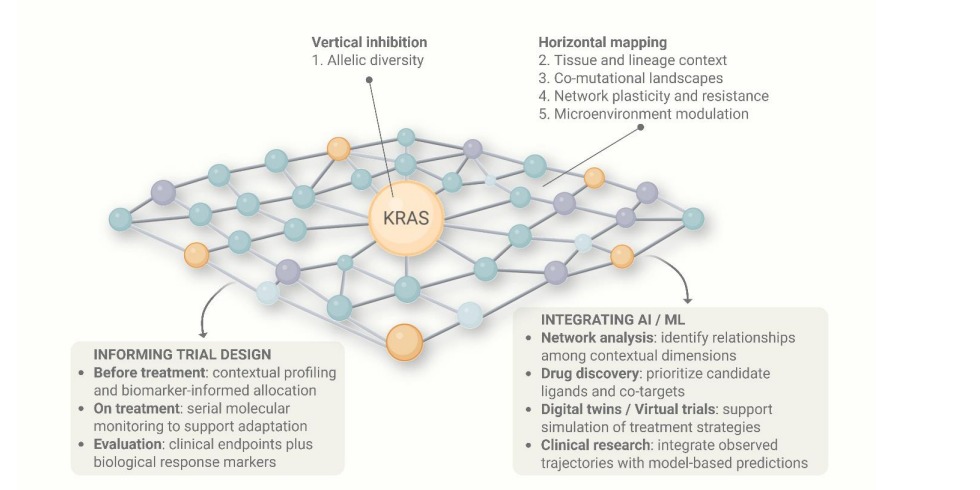
KRAS is no longer “undruggable.” But that’s not the real question. Why does targeting KRAS not lead to the same outcome across cancers? Maybe KRAS is trying to teach us something. Cancer is not just a mutation. It’s a system. How that mutation develops, the microenvironment it lives in, the pathways it interacts with, and how resistance emerges… This is what we need to understand. Because we now know: Targeting a single mutation is not enough. We need to target the network. @OncoDaily @OncBrothers @myESMO @JCO_ASCO @ASCOPost @Dr_R_Kurzrock @tompowles1 @ilyassahinMD nature.com/articles/s4169…
Prof. Dr. Ahmet Dirican tweet media
English
10
56
165
11.7K
Val Saraiba retweetledi
Lung Cancer Europe
Lung Cancer Europe@LungCancerEu·
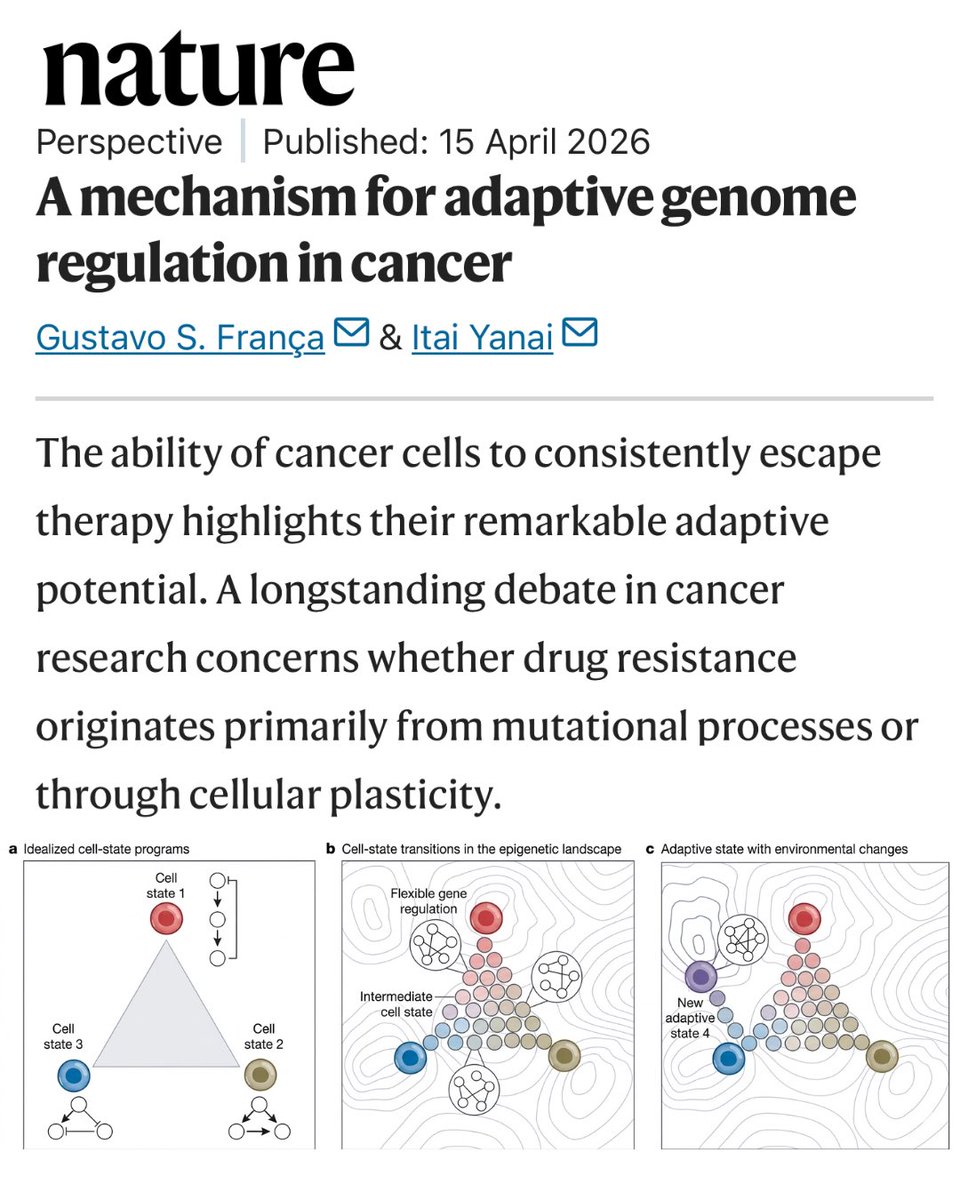
New research in Nature suggests cancer cells can learn to resist therapy, not by mutating, but by reprogramming themselves. In #lungcancer, resistance to targeted treatments is a significant challenge. Understanding how this happens is an important step in the search for better treatment 🔗 doi.org/10.1038/s41586… #LCSM
Lung Cancer Europe tweet media
English
2
85
263
20.2K
Val Saraiba retweetledi
Katalin Susztak
Katalin Susztak@KSusztak·
Cell therapy 2.0 🤯☄️Engineering NK and T cells with metabolite-sensing receptors to target solid tumors | nature.com/articles/s4159…
English
5
42
191
10.5K
Sara Ebrahimi, MD
Sara Ebrahimi, MD@SarahEbrahimiii·
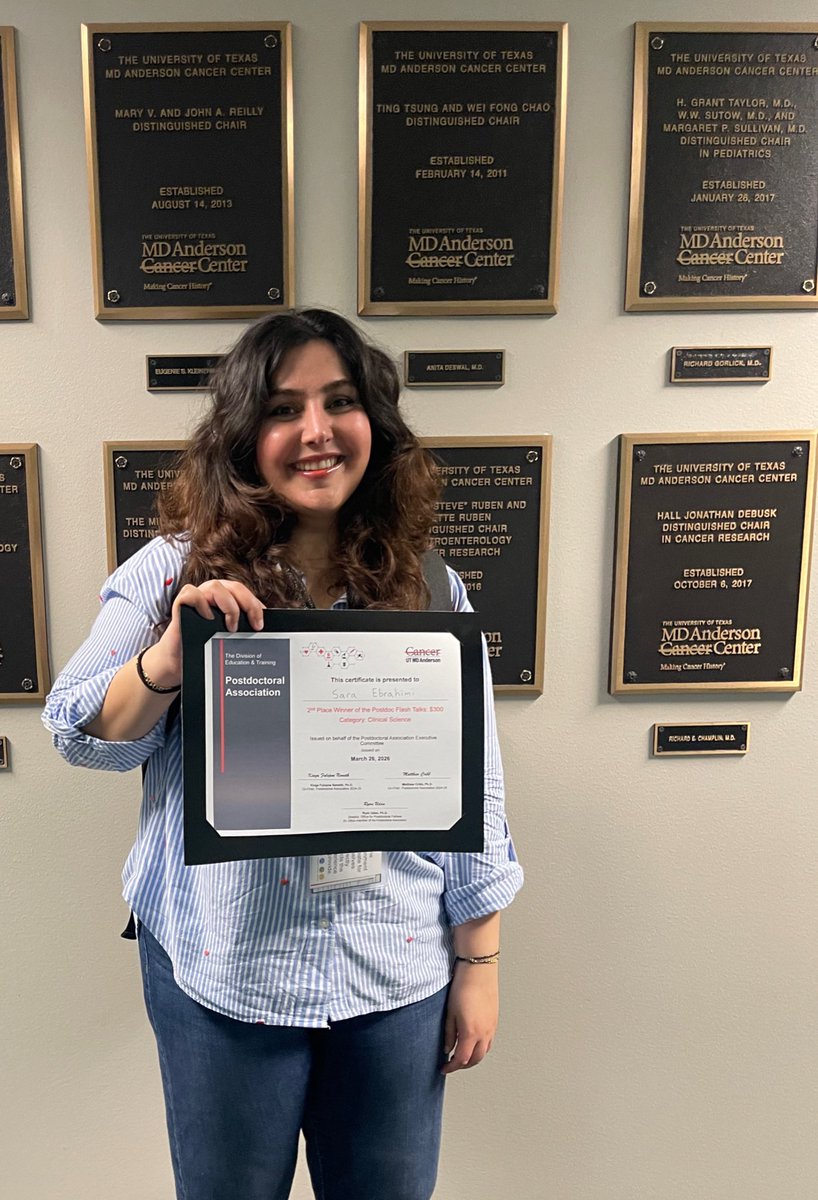
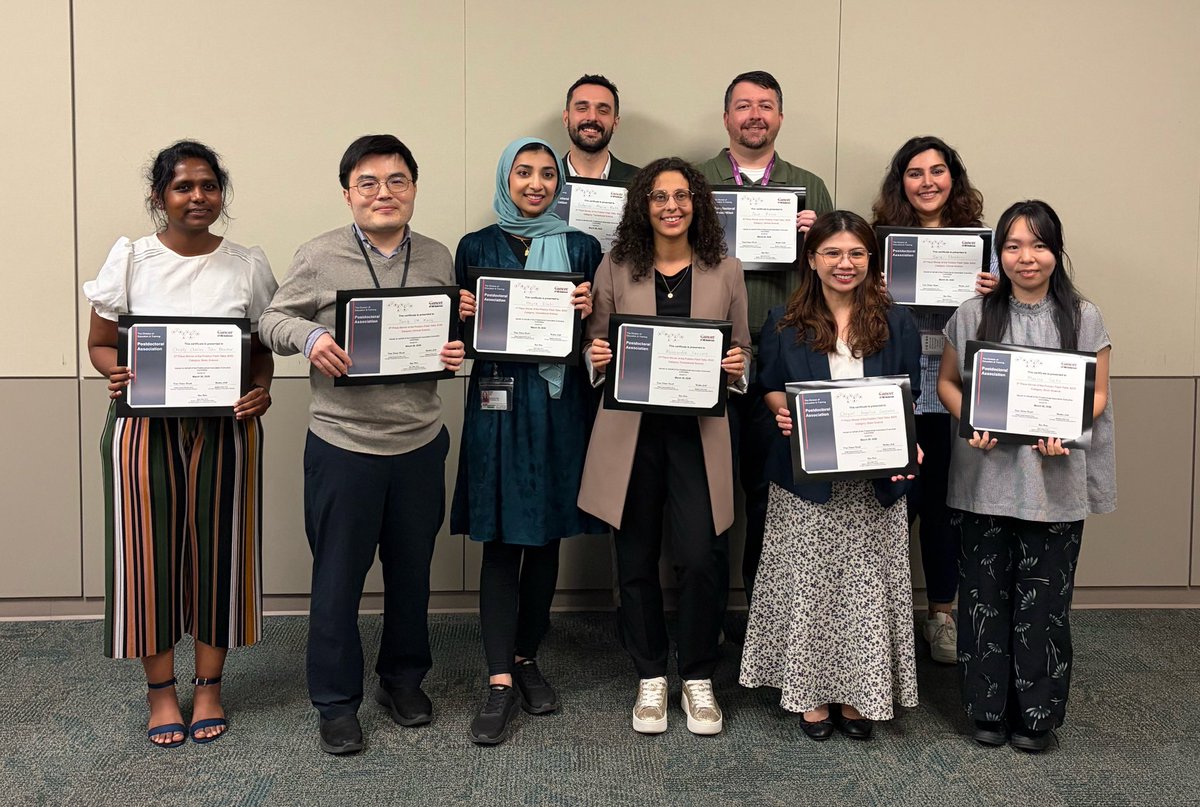
It was a wonderful experience competing as a clinical research contestant, giving a flash talk to patient advocates, and conveying our scientific message to public. I’m grateful to have received second place for this flash talk presentation among fellow MD Anderson postdocs 😍
Sara Ebrahimi, MD tweet mediaSara Ebrahimi, MD tweet media
English
6
1
44
2.9K
Val Saraiba retweetledi
Andrés Inzunza
Andrés Inzunza@andresinzunzamd·
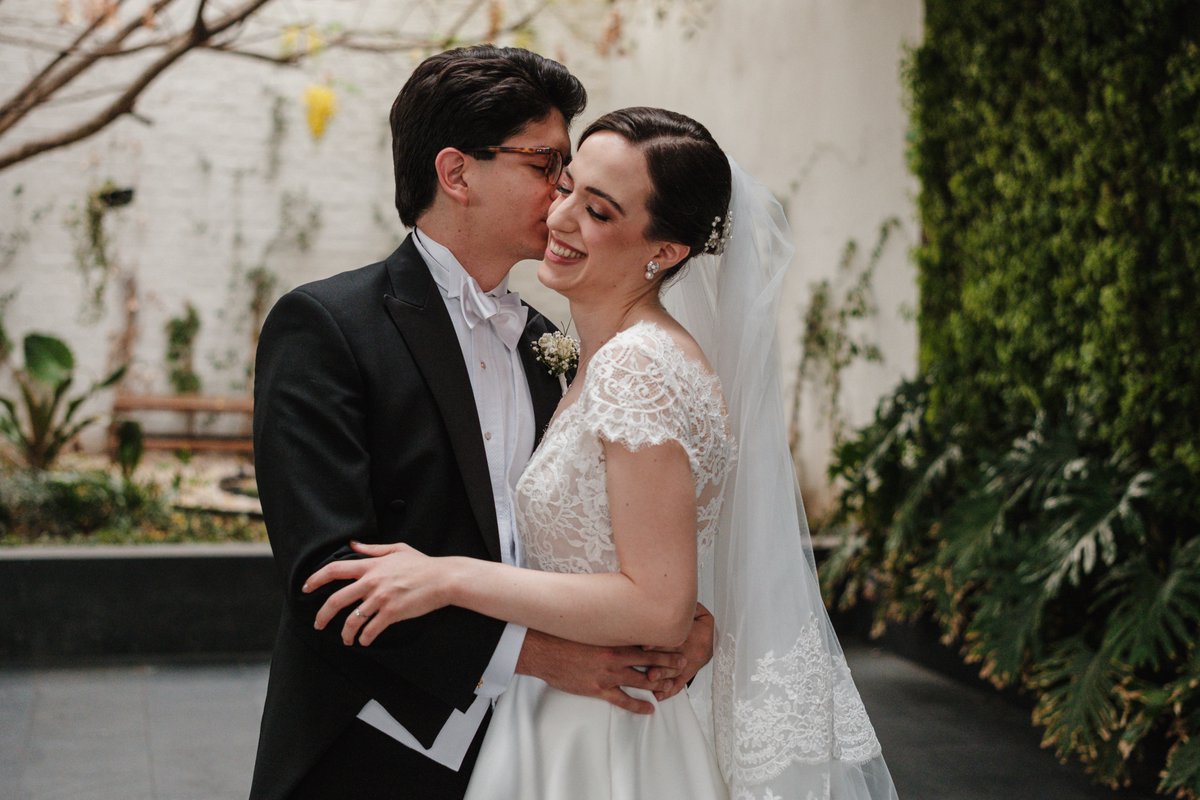
Dreams come true! We couples matched at our #1 @bcmhouston Eight years ago we met in med school. Four USMLEs, two master’s degrees, and one big move later… we MATCHED🧠 So grateful to everyone who made our dream in the U.S. possible. #match2026 @TheNRMP @gabypeof
Andrés Inzunza tweet mediaAndrés Inzunza tweet mediaAndrés Inzunza tweet media
English
25
35
707
26.2K
Val Saraiba retweetledi
Cancer Cell
Cancer Cell@Cancer_Cell·
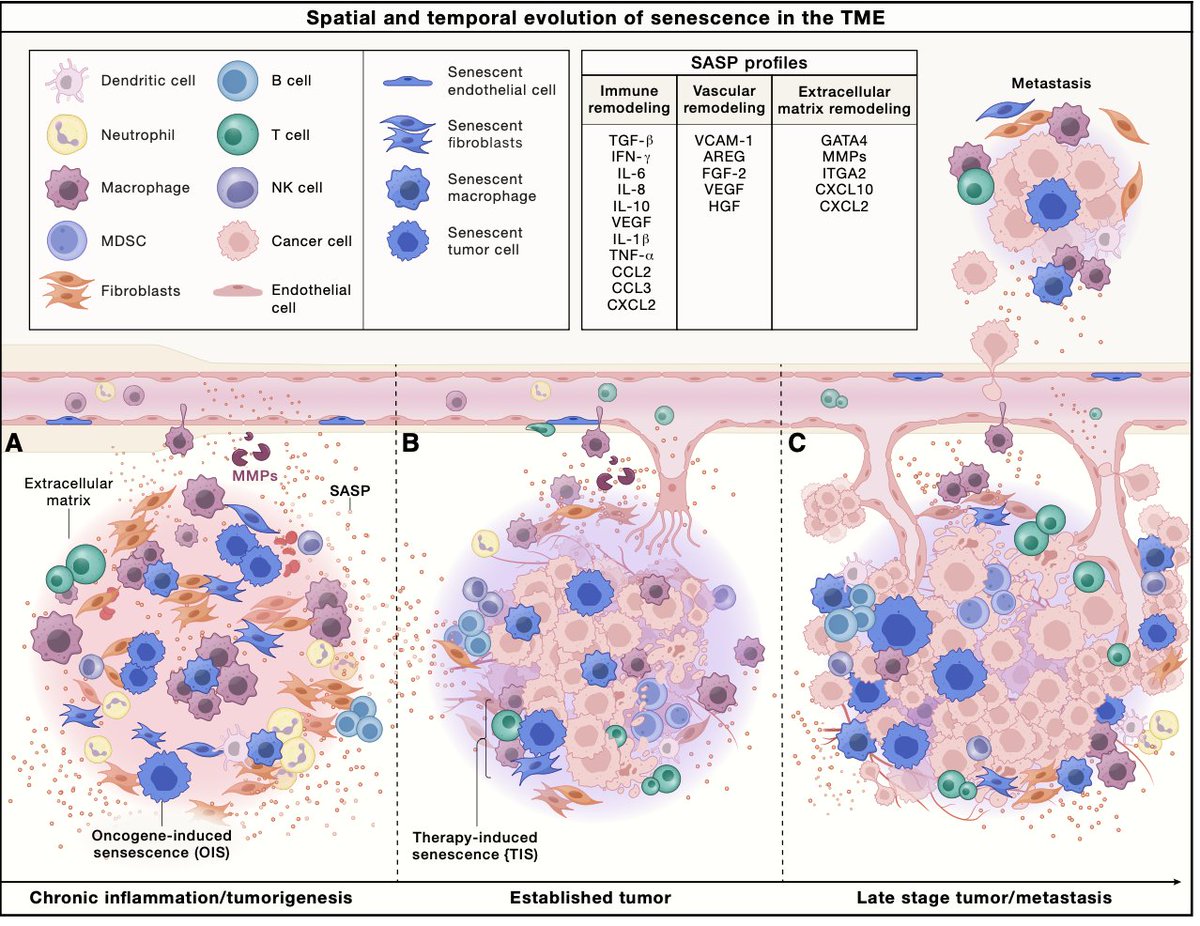
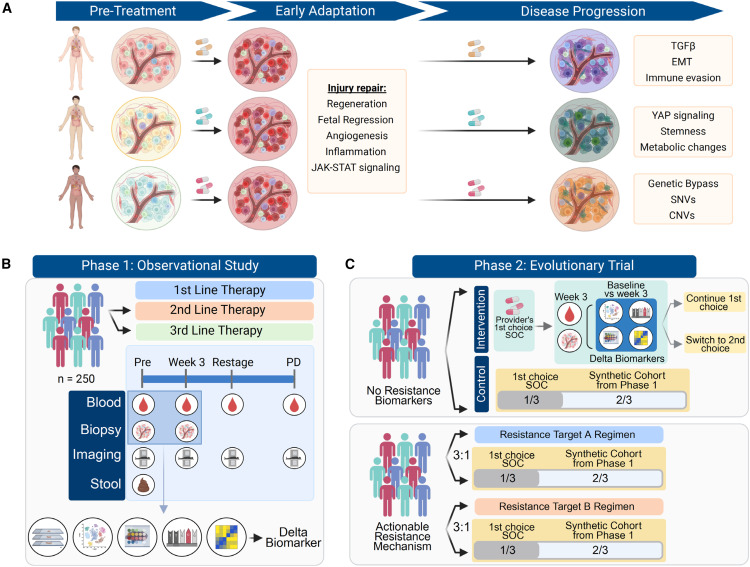
Framework for cancer evolution profiling and interception in colorectal cancer: ASCEND-CRC program dlvr.it/TRTM8z
Cancer Cell tweet media
English
1
20
49
5.1K
Sara Ebrahimi, MD
Sara Ebrahimi, MD@SarahEbrahimiii·
I’m pleased to share that all abstracts submitted by our Department of Cardiology have been accepted for presentation in New Orleans this year. Grateful to my mentors and colleagues🫀 More details on presentation dates and times coming soon! #ACC26 #NOLA #Cardiology
Sara Ebrahimi, MD tweet media
English
3
4
66
5.2K
Val Saraiba retweetledi
BCM Department of Urology
BCM Department of Urology@bcm_urology·
David Hinojosa-Gonzalez, MD (PGY3) was featured in Baylor St. Luke’s October Resident Spotlight for presenting 16 research projects and earning 3rd place in the essay contest at the 2025 AUA South Central Section meeting. Read more at bit.ly/4oCNfKA #BCMUrology
English
0
2
7
871
Val Saraiba retweetledi
The Nobel Prize
The Nobel Prize@NobelPrize·
Mary Brunkow, Fred Ramsdell and Shimon Sakaguchi have been awarded the 2025 Nobel Prize in Physiology or Medicine for their groundbreaking discoveries concerning peripheral immune tolerance that prevents the immune system from harming the body. The Nobel Prize laureates identified the immune system’s security guards, regulatory T cells, thus laying the foundation for a new field of research. The discoveries have also led to the development of potential medical treatments that are now being evaluated in clinical trials. The hope is to be able to treat or cure autoimmune diseases, provide more effective cancer treatments and prevent serious complications after stem cell transplants. #NobelPrize
The Nobel Prize tweet media
English
69
1.5K
3.7K
448.5K
Val Saraiba retweetledi
David Sinclair
David Sinclair@davidasinclair·
Fertilized human eggs made from skin cells progress through normal cell divisions, ultimately developing into embryos nature.com/articles/s4146…
English
61
218
1.2K
648.1K
Val Saraiba retweetledi
Dr. Patrick Hwu
Dr. Patrick Hwu@PatrickHwuMD·
#ScienceSaturday ❓ Why do some cancers resist immunotherapy? ➡️ A recent study in Nature found that certain cancers can “trick” the body’s immune system. They do this by changing how cells in the bone marrow develop. These changes cause more immune cells called macrophages to form — but these macrophages actually block the immune system from attacking the tumor. ➡️ Lung cancers cause this change by stressing cells in a way that activates a protein called NRF2. This reprogramming creates macrophages that protect the tumor instead of fighting it. ➡️ The researchers found that blocking NRF2, through drugs or genetic changes, lowered these protective macrophages, boosted immune cell activity and made immunotherapy work better. This suggests a new way to improve treatments for cancers that usually resist immunotherapy. 🌟 Congratulations to senior author Miriam Merad of the Icahn School of Medicine at Mount Sinai, and collaborators at Institut Gustave Roussy, Harvard Medical School and others for advancing this critical work. @MiriamMerad @SinaiImmunol @IcahnMountSinai
Dr. Patrick Hwu tweet media
English
7
79
320
25.3K