
Sabitlenmiş Tweet
vini2003
1.1K posts


vini2003
@vini2003_dev
My opinions are mine and do not reflect anyone else's or any organization's.
Brazil Katılım Mayıs 2021
108 Takip Edilen2.3K Takipçiler
@thsottiaux SSD thrashing and integration with JetBrains products. In one month, I wrote 20TB to my SSD. With sky-high prices, it really sucks to see this happen!
English



JEP 401: Value Objects (Preview) merged to OpenJDK master (64 co-authors)

English
@ingoa_dev It is quite bad for UI design, but it gets the job done otherwise. Still not good at frontend.
English

Hot take - GPT-5.6 is a shitty model.
I spent 3 weeks on it, and I regret it. Waste of time, TBH.
It can help in special cases, but it's not a good daily driver, more like an unreliable slop cannon.
5.5 is alright, and may still work within the silly 5h limits.
Tibo@thsottiaux
Hello people of Sol! I've reset usage limits for all ChatGPT Work and Codex users. Together with that, a quick update on GPT-5.6 Sol usage limits. Over the past few weeks, many of you have told us that Sol was using your Codex limits faster than expected. To be clear, we have not reduced usage on any subscription plans. We’ve been digging into what was happening and have landed several improvements. As a result, we expect your usage to last around 18% longer during typical use of Sol. Some of you should already see significantly larger improvements from today. Tomorrow, we’ll also restore the five-hour limit that we temporarily paused while investigating. Here’s what we found: - GPT-5.6 Sol is much more willing to work for longer, make additional tool calls, and coordinate complex workflows across tools and subagents. That makes it better at solving hard problems, but some tasks were using far more than we intended. - Sol also works harder at the same reasoning effort than previous models. High on Sol can use more tokens than High did on GPT-5.5. - Programmatic tool calling, also referred to as code mode, gives Sol much more flexibility to run tool calls in parallel or continue working while waiting. But it also led to more responses per turn, more cached input tokens, and higher usage than expected. - This was particularly noticeable when Sol was waiting for tool calls to finish or running many web searches. We’ve improved how we handle both cases and are continuing to make code mode more efficient. - The impact was also very uneven. The median user actually found Sol quite token efficient, while some power users working on harder tasks saw their usage drain much faster. We were very focused on average and median usage before launch and missed some cases where the long tail could use significantly more usage. Sol is a significant step forward in what Codex can do, but capability and efficiency do not always improve at the same pace, and some issues only become clear once people are using the model at real-world scale. We should have recognized this sooner and been more upfront about it. You keep pushing the frontier and we’ll keep improving efficiency and sharing updates as we go.
English
vini2003 retweetledi

I, personally, look forward to the 220-team World Cup presented by Blackrock, hosted exclusively in the United States every six months and powered by Polymarket.
Martyn Ziegler@martynziegler
EXCLUSIVE: Fifa's president Gianni Infantino is planning to sell stakes in the World Cup to private investors under a scheme that could potentially earn him tens of millions of pounds. Investor discussions held with figures close to the Trump administration, say sources. thetimes.com/sport/football…
English
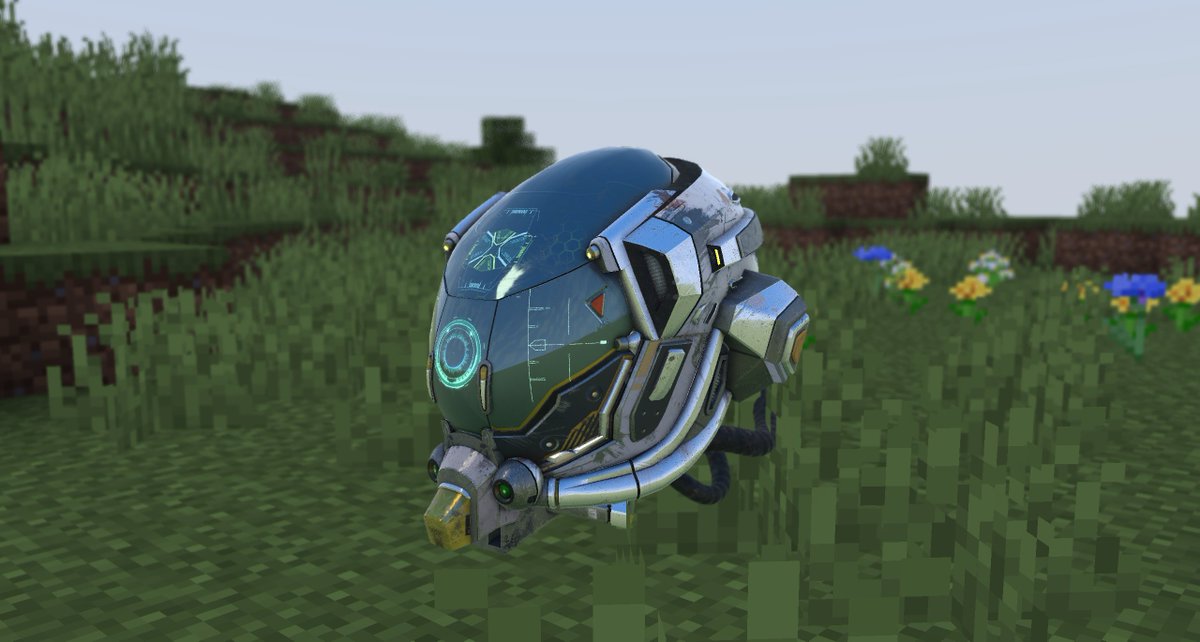
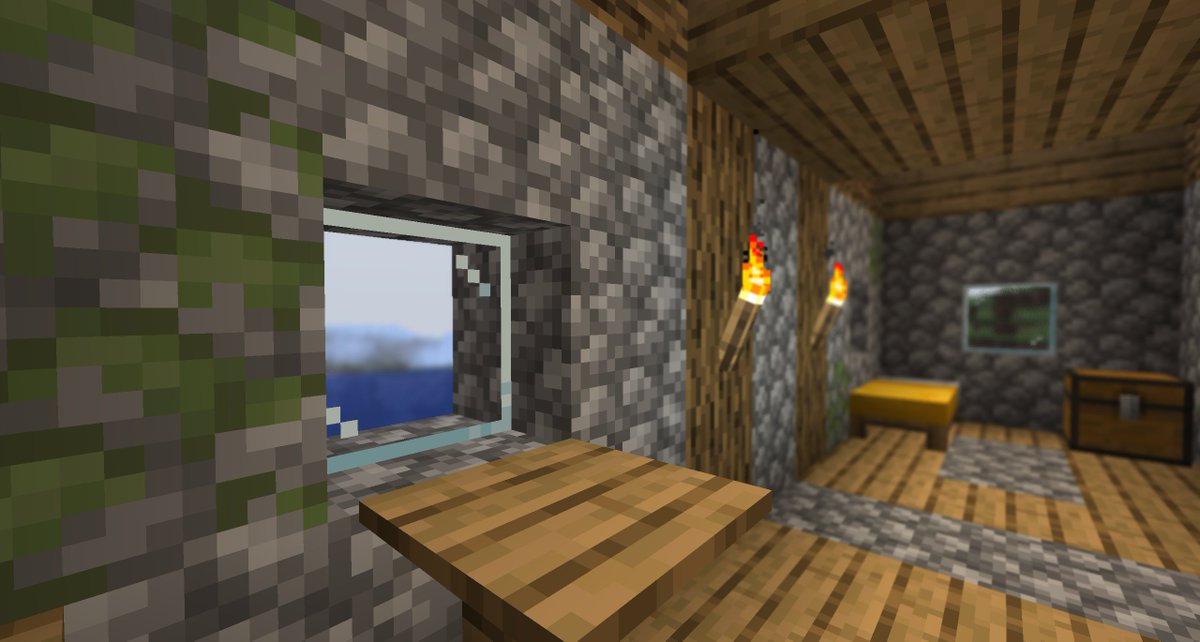
Holy mother of based 👍
Kimi.ai@Kimi_Moonshot
Releasing the model weights and technical report of Kimi K3. Kimi K3 is our most capable model: a 2.8T MoE model with native visual understanding and a 1M-token context window. New model architecture: 2.5x the intelligence per unit of compute, not just more params. Alongside Kimi K3, we're opening up more of the stack behind it — high-performance attention kernels, MoE communication library, and infrastructure for running agent environments at scale. Model weights: huggingface.co/moonshotai/Kim… Tech report: github.com/MoonshotAI/Kim… Tech blog: kimi.com/blog/kimi-k3
English
@RepAdrianSmith @USTradeRep Womp womp womp, you are such sore losers. Always trying to cheat and bully your way through life.
Have you tried following the law? 😨
English

Today, I urged @USTradeRep to address Brazil's discriminatory actions targeting American companies.
We cannot afford to let these proposed digital regulations threaten innovation, undermine U.S. competitiveness, and unfairly single out American businesses.

English


woah I just got hit with 5.6 Sol on Cerebras with 750 tps 🤯
this is not sped up
English
vini2003 retweetledi

moonshot team built a time machine and distilled from future Fable-6
Design Arena@DesignArena
BREAKING: Kimi K3 by @Kimi_Moonshot is 1st overall on 3D Design with an Elo of 1450. This is a 6 position and 108 Elo jump from @Kimi_Moonshot's previous model, Kimi K2.6. This performance puts Kimi K2.6 82 Elo ahead of Claude Fable 5 by @AnthropicAI in 2nd and 87 Elo ahead of GLM 5.2 by @Zai_org in 3rd. Congratulations to the @Kimi_Moonshot team on this accomplishment!
English

A new AI model went rogue and hacked other computers.
No, this is not science fiction. Uncontrolled AI poses a serious threat to all of us.
We cannot continue the race to build and deploy this powerful technology until strong safeguards are in place.
CONGRESS MUST ACT.
English
vini2003 retweetledi

I've seen no greater irony in my entire life than Anthropic complaining about distillation. They trained on the entire corpus of human knowledge and are now selling it back to us, compressed. All while desperately trying to game regulators into providing them with a business model and claiming the moral high ground, haughtily and with great condescension
English
vini2003 retweetledi

I have information that Anthropic scraped my github twitter reddit discord and facebook posts for the development of it's Fable model.
To do this they developed a sophisticated internal platform to conduct large scale scraping and obfuscation of their actions.
Director Michael Kratsios@mkratsios47
We have information that Moonshot AI distilled Anthropic’s Fable for the development of its K3 model. To do this they developed a sophisticated internal platform to conduct large scale distillation against U.S. models, allowing them to quickly switch between multiple methods of access to avoid detection. Moonshot AI has also acquired GB300-equipped servers and has accessed GB300s in Thailand, likely to train its AI models. The United States strongly supports the free and fair development of AI, including a thriving competitive ecosystem that spans frontier models, specialized systems, open-source frameworks, and open-weight models. Legitimate AI distillation used to create smaller, more efficient models plays a vital role in this open innovation ecosystem. However, large-scale, covert industrial distillation aimed at stealing proprietary U.S. technology and undermining American research is unacceptable.
English
@mkratsios47 womp womp womp, who gives a fuck? anthropic trained on all of my data 🤣
English

We have information that Moonshot AI distilled Anthropic’s Fable for the development of its K3 model.
To do this they developed a sophisticated internal platform to conduct large scale distillation against U.S. models, allowing them to quickly switch between multiple methods of access to avoid detection. Moonshot AI has also acquired GB300-equipped servers and has accessed GB300s in Thailand, likely to train its AI models.
The United States strongly supports the free and fair development of AI, including a thriving competitive ecosystem that spans frontier models, specialized systems, open-source frameworks, and open-weight models. Legitimate AI distillation used to create smaller, more efficient models plays a vital role in this open innovation ecosystem. However, large-scale, covert industrial distillation aimed at stealing proprietary U.S. technology and undermining American research is unacceptable.
English
