
vinay
92 posts

Giving away an 11-page Leverage and Risk Management PDF Guide.
I know people will be motivated to learn today.
If you want a copy, just comment "risk" and I'll DM it to you.
100% free. All the best.
English
vinay retweetledi

AI is about to start spending money, not just recommending.
Had a fascinating convo with Tyllen Bicakcic founder of Payman (@PaymanAI) about how AI agents will move money in the future.
Right now, LLMs can tell you which tires to buy—but they can’t actually buy them. They should be able to.
Enter Pageants (AI agents that pay).
• AI splits dinner bills ✅
• AI pays your invoices ✅
• AI watches your expenses ✅
• AI gets paid for work it does ✅
This is the next wave of financial AI—and it’s coming faster than you think.
Read more & check out Payman: paymanai.com
English
vinay retweetledi

After years of work, get the first look inside @AstroMechanica as they fire their Gen 3 engine for the first time.
A new kind of engine, to power a new kind of plane, to enable a wild new future of air travel.
English
vinay retweetledi
My year end musings. A Financial Sector Model for India’s dream: 9% annual growth, $30 trillion GDP by 2047.
India is transforming from a nation of savers to investors. The tussle between the saver/ borrower and issuer/ investor model is underway.
In the early 80s, the Indian saver had low confidence in financial assets versus gold and land. Slowly the saver moved some part to bank deposits, UTI and LIC.
Even in the 90s, investing in equities was considered “speculative”. Hence companies looking for capital went to the foreign institutional investor (FII). FIIs saw potential and bought into companies while the Indian saver stayed away. Companies raised capital through the less known Luxembourg stock exchange. India’s capital market was being exported.
Some of us highlighted this phenomenon to SEBI. That began the private placement market (QIP) in early 2000s. Hence FIIs could also buy on Indian markets. The Indian saver’s interest in markets improved after the global financial crisis.
That saver is now savouring the joys of investing. Mutual fund platforms, cash equities and derivatives markets, insurance funds, global private equity in India, other platforms like AIFs, lower tax regime for equity, have all converted a saver to an investor.
How do we create a sustained growth story hereon?
1.Many investors have joined post Covid. They have mainly seen upside. While the situation is not comparable at present, we need to keep Japan of the 80s at the back of our mind. Its Nikkei Index peak was 1989. 34 years later with near zero interest rates, the Nikkei is still below its 1989 peak. We must avoid bubbles through policy, regulation, education, and supply of quality paper. Companies should raise equity at lower cost of capital for productive use.
2.While we must avoid tax arbitrage in debt, unless debt markets grow it will be a one legged race. The current gap on highest marginal tax rate between debt and equity of 39% and 10% is perhaps too wide.
3.Double taxation on dividends needs relook. A shareholder is like a partner. There is no additional tax when money is moved from the partnership to the partners capital account. Same principle applies to shareholders.
4. Low cost leverage through derivatives can distort financial markets. This needs attention.
5.As savers become investors the banking sector faces challenges on its deposits and cost of funds. The large corporate sector has to meaningfully move to capital markets (debt and equity) and away from banks. Banks will become distributors of corporate debt rather than storage houses. They will need to penetrate mid sized corporates, MSMEs and consumers.
6. We should avoid a retrospective tax and regulatory regime. We will need to balance developmental and regulatory role.
7. Two areas which need urgent focus for India’s aspiration are acquisition financing and streamlining of the IBC/ NCLT process.
As India aspires, the financial sector will be the key engine for delivery. Impact of technology is a separate subject of discussion for a future date. The saver/ borrower and the issuer/ investor models will coexist. It is time for a wholistic financial sector view.
English
@AnjaliLal14 I agree , job after studies is near impossible at current moment in non coding area.
Europe is too tribal even for fellow Europeans, example an Italian struggles to get Job in Sweden Without knowing language, for Indians its more difficult.
English
@VisualCap Whats the reason for high numbers for Netherlands? Perhaps being trade and port centre for Europe
English


@crampell Its also true that education cost difference of pursuing masters in India vs abroad is slowly becoming narrower. Cost of pursuing Masters in Private institutions in India country is on rise. This makes Indian parents to stretch little extra and send kids to study abroad.
English
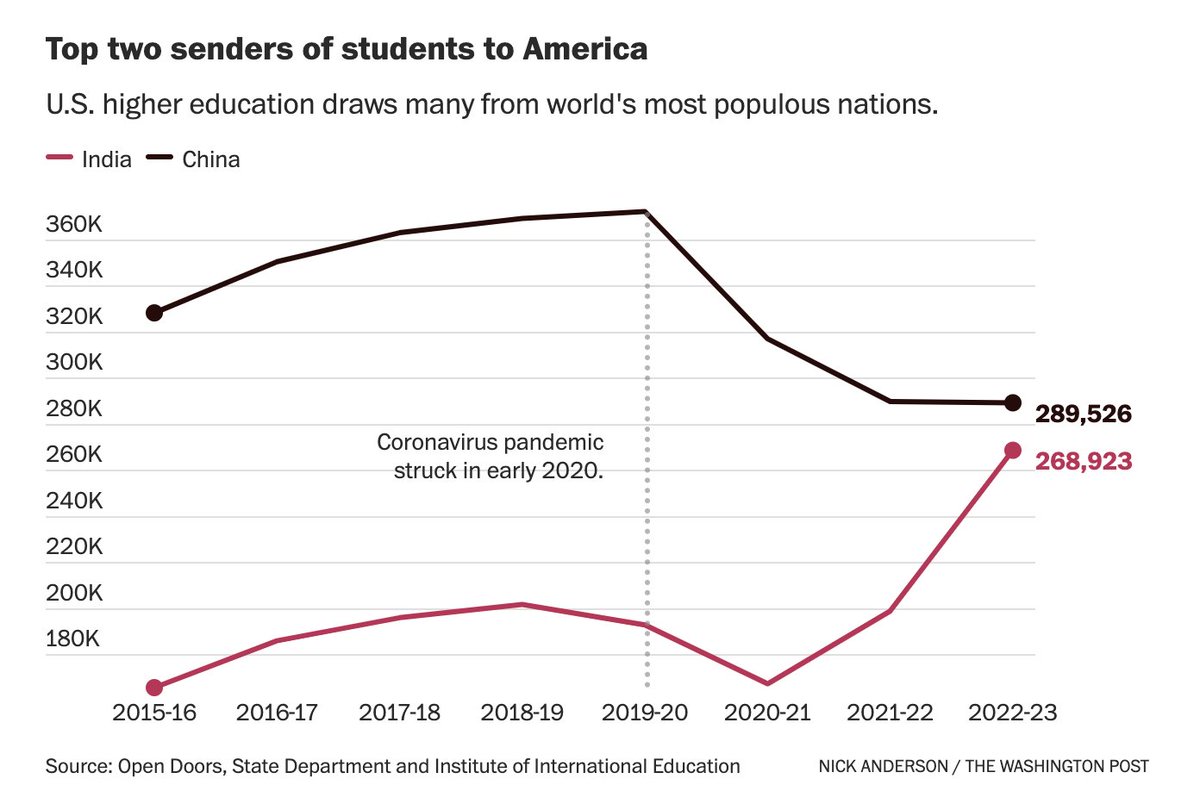
India, the second-largest sender of students to the United States, is fast catching up to China. washingtonpost.com/education/2023…
English
vinay retweetledi
What explains the popularity of complex option trades? Find out tomorrow, when Neil Pearson (UIUC) talks at microstructure.exchange

English
vinay retweetledi

"The real problem of humanity is the following: we have Paleolithic emotions, medieval institutions, and god-like technology" - E O Wilson
English
vinay retweetledi

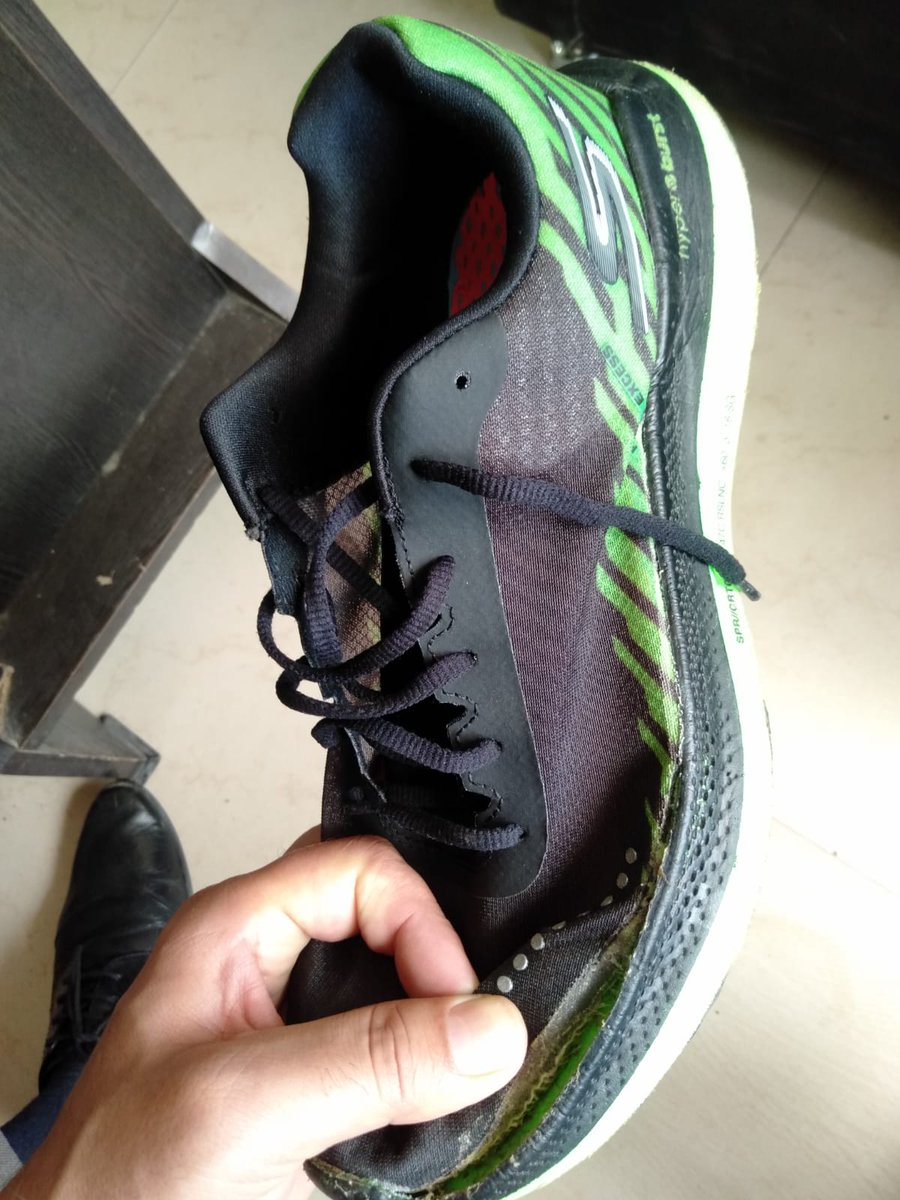
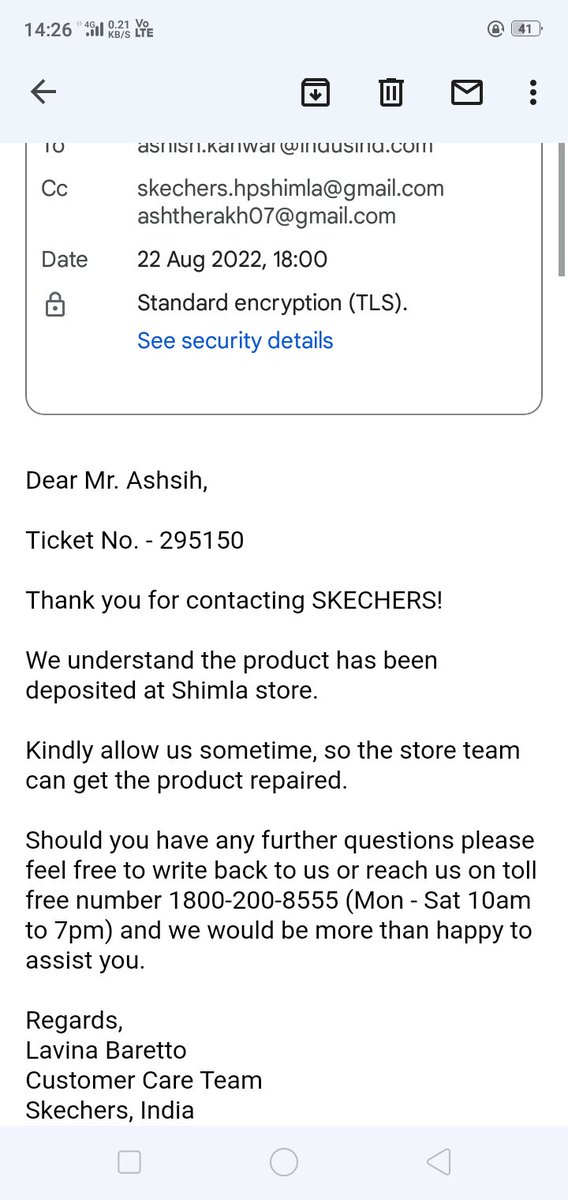
@ashtherakh07 @SkechersIndia These are smart shoes, auto ventilation feature are built in, its just that customer did not ask for it. Certainly did not expect terrible quality from Skechers.
English

Shoes worth Rs 10k
Did not last for 10k minutes
@SkechersIndia
First and worst experience with Skechers #rahulvira

English
vinay retweetledi

Research in AI is surprisingly more accessible to people with different backgrounds compared to other fields.
Anyone (w/ relevant experience) can contribute to impactful research.
Here are 5 research orgs you can join to contribute to real, open research in deep learning ↓
English
vinay retweetledi

💎 Gem alert 🚨
If you feel keeping up with ML resources online is like drinking from a fire hose, it's because it's true.
Hopefully, this repo will put some order.
A goldmine of papers, books, courses, datasets, and much much more around CV.
github.com/jbhuang0604/aw…
English
vinay retweetledi

There was a time not to long ago when investing in VC had one flavor, but now there are so many different options with widely different characteristic & profiles (the below isn't meant to fully comprehensive and of course there are other sub-categories). Very exciting times.

English
vinay retweetledi

Manoj Pradhan and Charles Goodhart argued in The Great Demographic Reversal that aging societies will slow growth; revive wages, inflation and rates; and test pension and care systems world over in the coming decades. Is their thesis quite right? 1/

English
vinay retweetledi

Back to the Basics: Compound, Aave
Compound and Aave built the foundation for DeFi money markets so knowing the formulas behind them is crucial to evaluating new lending products. In this thread I’ll summarize exactly how they work. Try to follow the math, it’s interesting
1/46

English