Vural ARGIN

3.1K posts

Vural ARGIN banner
Vural ARGIN

Vural ARGIN

@vural_A

GI Surgeon-Molecular Oncology PhD(c)-Marmara University Pendik Training and Research Hospital- Father

İstanbul, Türkiye Katılım Ocak 2012
421 Takip Edilen259 Takipçiler
Vural ARGIN retweetledi
Erman Akkus
Erman Akkus@Erman_Akkus·
Intraperitoneal and Intravenous Paclitaxel Plus S-1 for Gastric Cancer With Peritoneal Metastasis: A Phase 3 Randomized Clinical Trial | Oncology | JAMA Oncology | JAMA Network @OncoAlert jamanetwork.com/journals/jamao…
English
0
18
41
4.3K
Vural ARGIN
Vural ARGIN@vural_A·
@DouglasAdlerMD I respect and appreciate your work. But in unresectable obstructing tumors, a simple loop colostomy can safely bridge the patient to chemo/radiotherapy without delaying oncologic treatment. Nobody wants a colostomy, but in cancer surgery, survival should remain the primary goal.
English
1
0
2
285
Douglas G. Adler MD, FASGE, FACG, AGAF
@vural_A I think you’ve missed the point. The stent allows a patient with unresectable disease to avoid surgery, and those with resectable disease to have a one stage surgical procedure. Both patients get to avoid a colostomy. I’m sure you wouldn’t want one.
English
1
0
2
325
Vural ARGIN retweetledi
Frontline Gastro
Frontline Gastro@FrontGastro_BMJ·
Cold snare or hot snare EMR for large colorectal lesions? ❄️🔥🔎 In @FrontGastro_BMJ, this systematic review and meta-analysis compares cold vs hot snare EMR for large non-pedunculated colorectal adenomas and serrated lesions — balancing recurrence, efficacy and safety. 📊🧠 Key reading for endoscopists tailoring resection strategy to lesion type and patient risk. Read more: fg.bmj.com/content/early/… #EMR #ColdSnare #HotSnare #ColorectalPolyps #Endoscopy #FrontlineGastro #GItwitter #Colonoscopy #CancerPrevention #ClinicalResearch @enrrikke @BritSocGastro @my_UEG @AmCollegeGastro @DDWMeeting @ESGE_news @drkeithsiau @DrOmerAhmad @Dunnepdj @shraddha_gulati @CardiffGastro @DrBuHayee @poodocnisha @Sharm_Sub @PhilSmithIsBack @OTavabie @dr_aditi_kumar @TrevorTabone @eathar_s @IrenePerezMD @KGananandan @zare_benjamin @medicalreg @dtleiberman
Frontline Gastro tweet media
English
0
11
19
1.9K
Vural ARGIN
Vural ARGIN@vural_A·
@AlmomaniMD Did you really resect this lesion using cold snare? We would be interested to know whether you have your own results or experience regarding this approach. In our practice, we prefer to perform ESD for all such lesions
English
1
0
1
168
Ash Almomani, MD
Ash Almomani, MD@AlmomaniMD·
A 50 mm semi-circumferential granular laterally spreading tumor (G-LST) in the cecum. These lesions can look intimidating, but recognizing optical patterns matters. HGD risk is low and COLD snare #EMR is sufficient. Path: tubular adenoma #GITwitter #MedTwitter #Endoscopy
Ash Almomani, MD tweet mediaAsh Almomani, MD tweet media
English
4
7
53
3.7K
Vural ARGIN retweetledi
Keith Siau
Keith Siau@drkeithsiau·
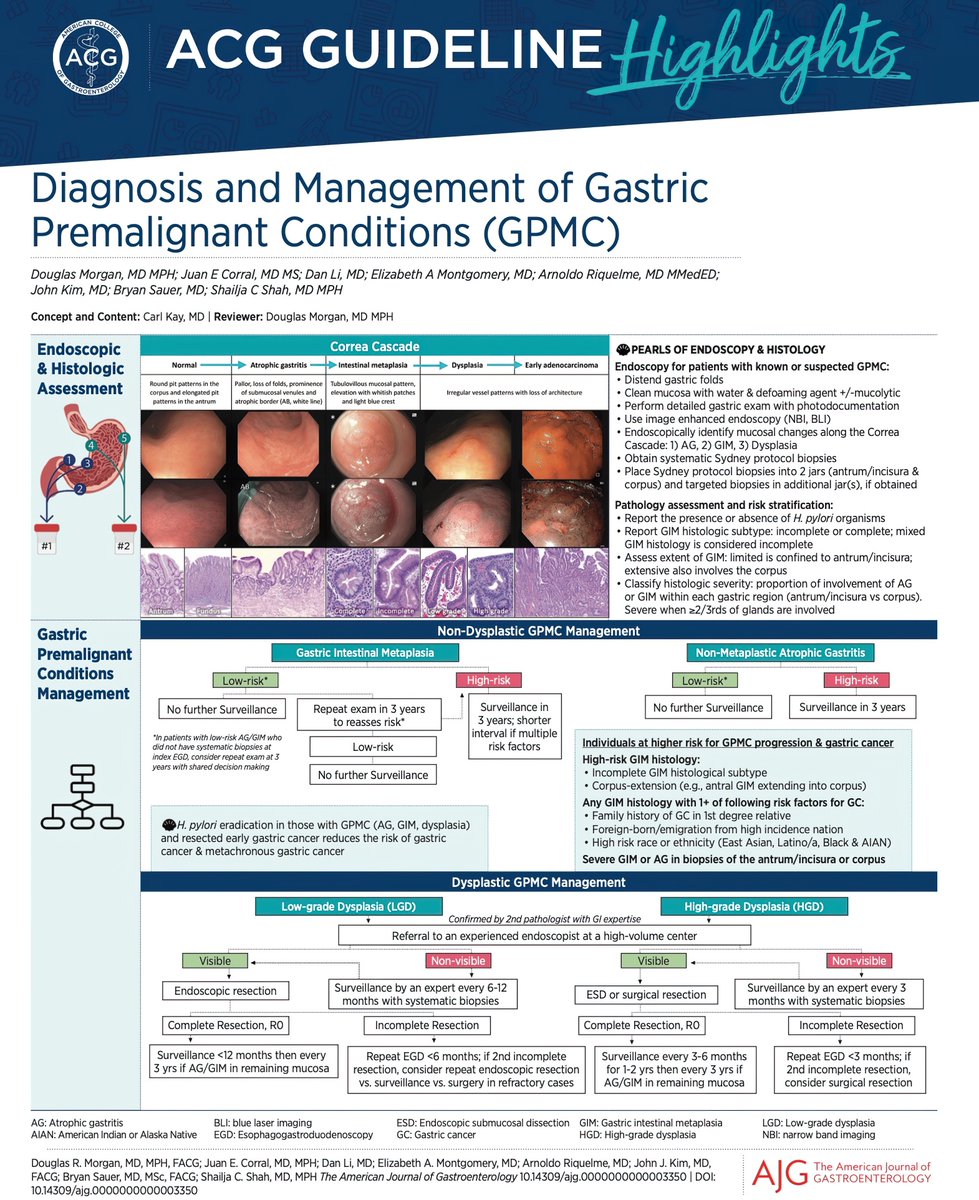
Diagnosis and management of gastric premalignant conditions - summary of ACG 2025 guidelines 📍
Keith Siau tweet media
English
1
76
220
11K
Vural ARGIN retweetledi
Dr Rupam Manna MD
Dr Rupam Manna MD@DrRupamOncology·
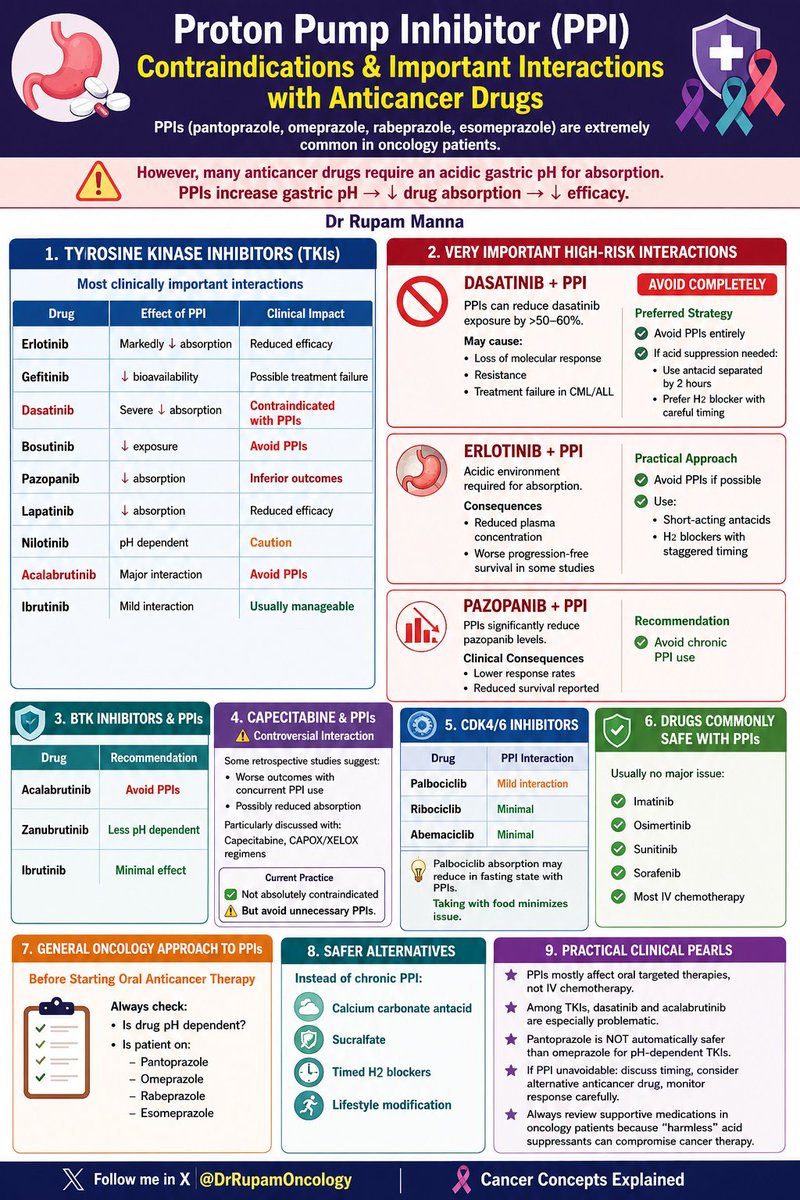
⚠️ Proton Pump Inhibitor (PPI) Contraindications & Important Interactions with Anticancer Drugs PPIs (pantoprazole, omeprazole, rabeprazole, esomeprazole) are extremely common in oncology patients, yet many oral targeted therapies require acidic gastric pH for optimal absorption. This practical infographic highlights: • High-risk interactions (Dasatinib, Erlotinib, Pazopanib, Acalabrutinib & more) • BTK inhibitors, Capecitabine, CDK4/6 inhibitors • Clinical impact & real-world consequences • Safer alternatives & management strategies • Key clinical pearls for daily practice Critical for every medical oncologist! Save | Share | Tag a colleague who needs this 👇 Made with ❤️ by Dr Rupam Manna Cancer Concepts Explained Follow for more → @DrRupamOncology #Oncology #DrugInteractions #TKI #PPI #MedEd #MedTwitter #CancerCare #CancerConceptsExplained
Dr Rupam Manna MD tweet media
English
0
44
112
4.3K
Vural ARGIN retweetledi
Dr. Chacón-Lozsán F .'.
Dr. Chacón-Lozsán F .'.@franciscojlk·
🩺 Cirrhosis is no longer just a “liver disease.” This review summarizes how inpatient cirrhosis management has fundamentally evolved from static “end stage liver disease care” into dynamic risk stratification and organ support. One of the most important modern concepts highlighted: ⚠️ “Cirrhosis” is increasingly being replaced by the concept of compensated advanced chronic liver disease (cACLD). A particularly important ICU and ward management point: 🩸 Variceal bleeding management has changed. Modern evidence supports: • restrictive transfusion strategy • early vasoactive therapy • early antibiotics • rapid endoscopy • selective early TIPS in high risk patients One major physiological misconception continues to harm patients: ❌ Elevated INR in cirrhosis does NOT equal auto anticoagulation. Cirrhosis creates a “rebalanced” coagulation state where patients can simultaneously: • bleed AND • thrombosis This explains why routine FFP correction before paracentesis is no longer recommended and why portal vein thrombosis remains common. Another critical update: 💧 Ascites management is not simply “give diuretics.” The review reinforces that: • sodium restriction is foundational • albumin remains physiologically crucial • aggressive fluid shifts can precipitate renal collapse • diagnostic paracentesis should be routine in hospitalized patients with ascites, even without symptoms Perhaps one of the most important modern concepts: 🧠 Hepatic encephalopathy is not merely “high ammonia.” The article emphasizes: • systemic inflammation • infection triggers • electrolyte disturbances • medications • renal dysfunction • gut microbiome interactions as central drivers of encephalopathy. And importantly: 🍖 Protein restriction is now contraindicated. This is a major paradigm shift from older teaching. Patients with cirrhosis require: • aggressive nutritional support • high protein intake • sarcopenia prevention • late night protein supplementation One of the strongest messages of the paper: ⚠️ Every hospitalization for decompensated cirrhosis should trigger transplant thinking. Not “end stage management.” Not passive stabilization. But active reassessment of: • prognosis • reversibility • candidacy • goals of care • frailty • transplant referral timing For intensivists and hospitalists, cirrhosis management is increasingly becoming a discipline of: • hemodynamic physiology • renal protection • inflammation control • nutritional optimization • procedural timing • multidisciplinary coordination rather than isolated hepatology alone. 📖 Rogal S. Inpatient Management of Patients With Cirrhosis. Annals of Internal Medicine. 2026. doi:10.7326/ANNALS-26-00513
Dr. Chacón-Lozsán F .'. tweet media
English
5
82
219
9.7K
Vural ARGIN retweetledi
JAMA
JAMA@JAMA_current·
📊 JAMA Clinical Guidelines Synopsis: #CrohnDisease guidelines recommend fecal calprotectin for screening and monitoring, routine colonoscopy for colorectal cancer, and oral budesonide for induction in mild to moderate ileocecal disease. ja.ma/49k6fbp
JAMA tweet media
English
1
65
177
13.5K
Vural ARGIN retweetledi
Dr Rupam Manna MD
Dr Rupam Manna MD@DrRupamOncology·
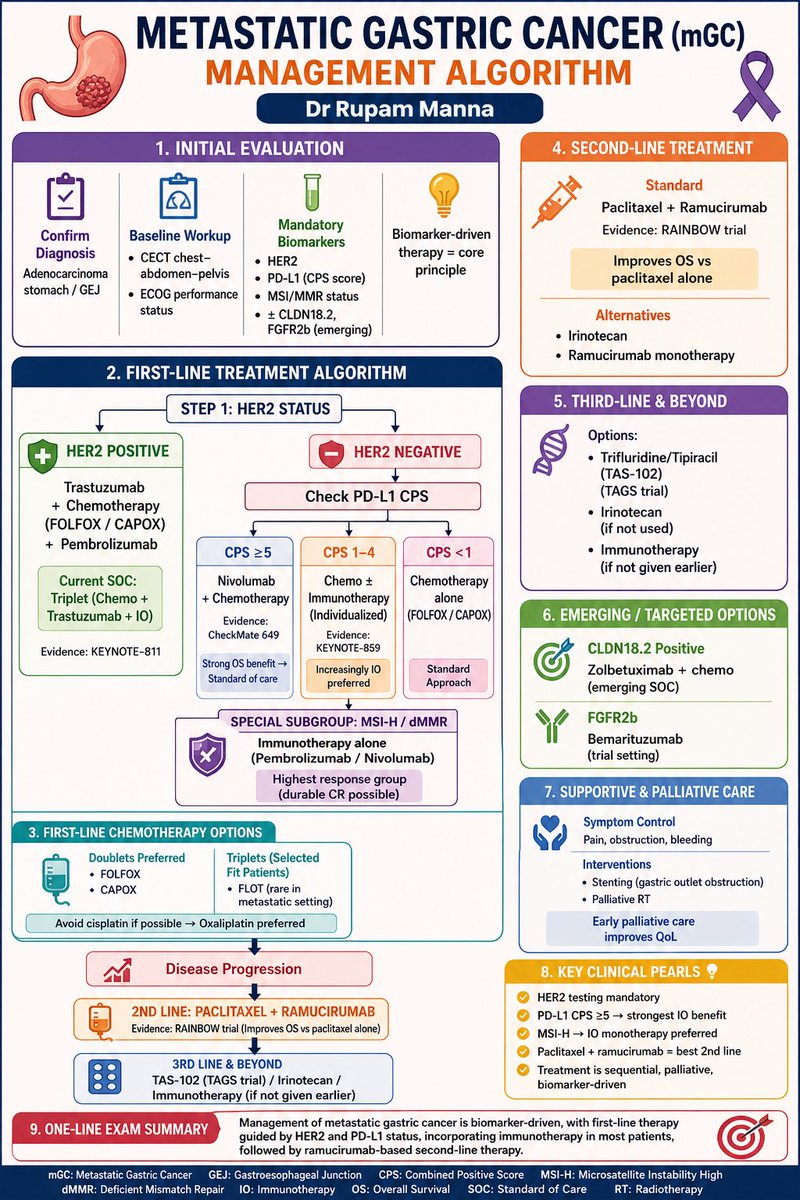
📊 Metastatic Gastric Cancer (mGC) Management Algorithm My latest practical, biomarker-driven decision tool for advanced gastric/GEJ adenocarcinoma. ✅ Mandatory biomarkers (HER2, PD-L1 CPS, MSI/dMMR, CLDN18.2 + FGFR2b) ✅ First-line therapy stratified by HER2 & PD-L1 status (KEYNOTE-811, CheckMate 649) ✅ Preferred chemo doublets (FOLFOX/CAPOX) ✅ Standard 2L: Paclitaxel + Ramucirumab (RAINBOW) ✅ 3L+ options & emerging targets ✅ Supportive & palliative care pearls Designed for quick reference in clinic or exam prep. Save it 📌 Share it with your team & trainees 👇 What’s your go-to approach in mGC? Feedback & discussions welcome! #GastricCancer #mGC #Oncology #PrecisionMedicine #OncoTwitter #MedTwitter #MedEd — Dr Rupam Manna Medical Oncologist
Dr Rupam Manna MD tweet media
English
0
47
112
3.9K
Vural ARGIN retweetledi
Dr Rupam Manna MD
Dr Rupam Manna MD@DrRupamOncology·
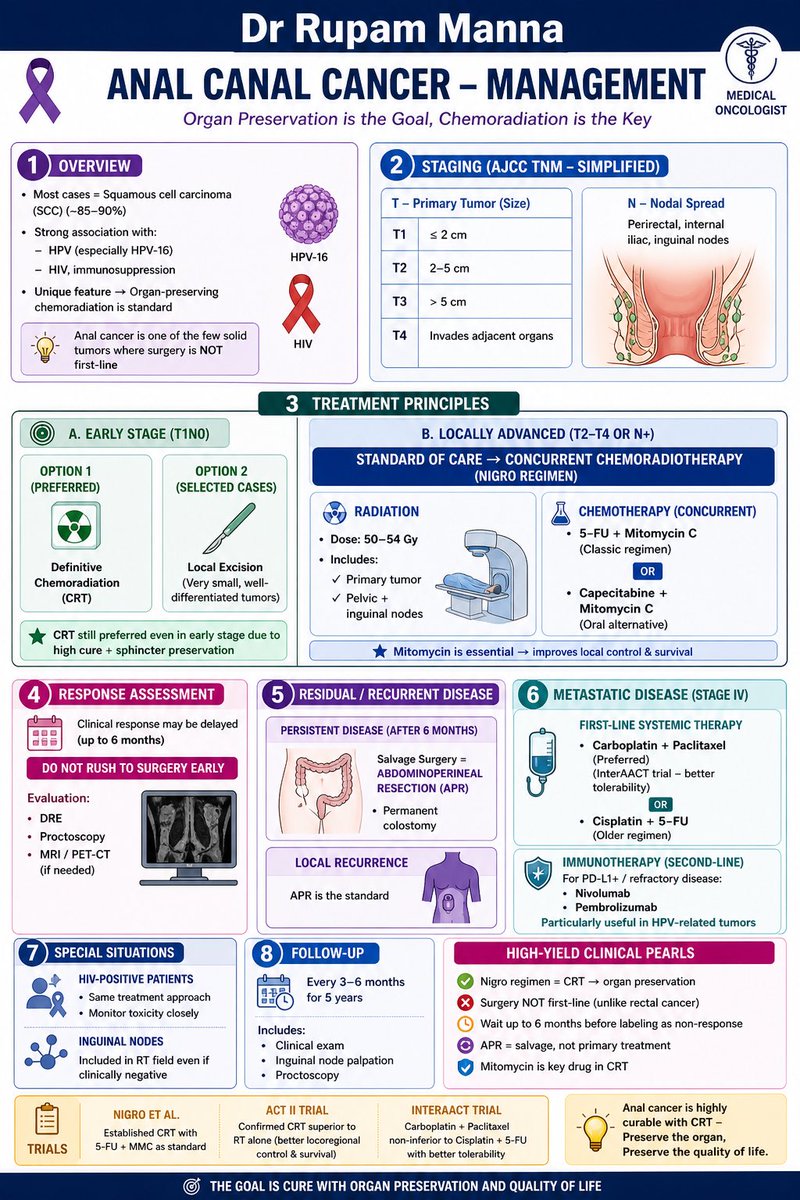
📊 Anal Canal Cancer – Management at a Glance Organ Preservation is the Goal. Chemoradiation is the Key. High-yield infographic covering: ✅ AJCC TNM staging ✅ Nigro regimen (5-FU + Mitomycin C + 50–54 Gy RT) – still the undisputed standard ✅ Early vs locally advanced approach ✅ Why we wait up to 6 months before calling non-response ✅ Salvage APR only for persistent/recurrent disease ✅ Metastatic first-line options & more HPV-driven squamous cell carcinoma remains one of the most curable GI malignancies when treated with sphincter-preserving CRT. #AnalCancer #Oncology #MedTwitter #CancerCare #MedEd 🔗 Save & share with your trainees/residents! What’s your biggest takeaway from anal cancer management? — Dr Rupam Manna Medical Oncologist
Dr Rupam Manna MD tweet media
English
2
61
144
5.1K
Vural ARGIN retweetledi
NEJM
NEJM@NEJM·
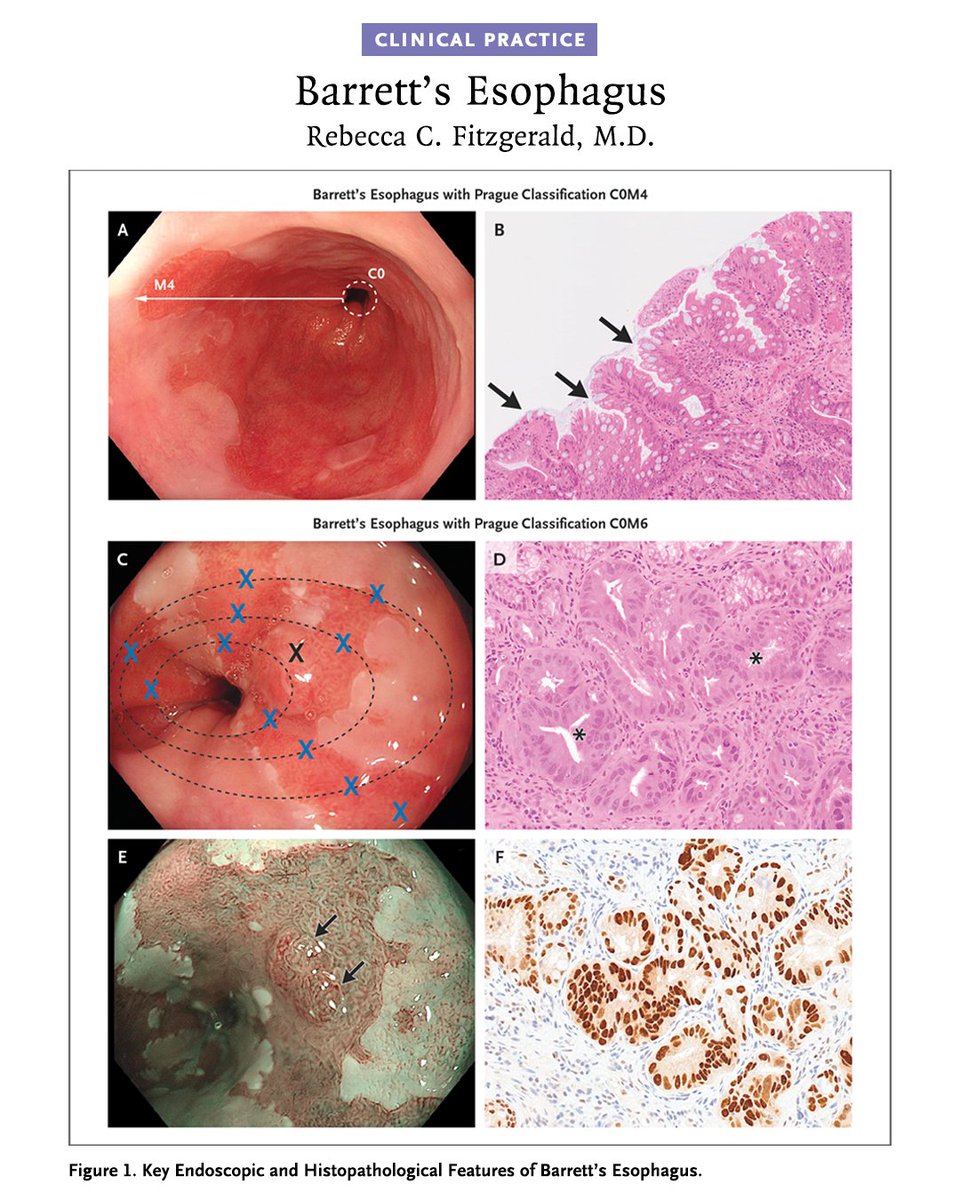
Barrett’s esophagus is detected in 3 to 14% of adults with symptoms of gastroesophageal reflux disease (GERD) who undergo an endoscopy examination. Barrett’s esophagus is characterized by the replacement of the squamous mucosa in the lower portion of the esophagus with a columnar epithelium. On endoscopy, the columnar-cell–lined segment appears as reddened mucosa originating from the gastroesophageal junction and is frequently associated with a hiatal hernia. Histopathological findings include a mosaic of intestinal and gastric cell types. Clinically, a diagnosis of Barrett’s esophagus is established when endoscopic findings reveal a columnar epithelium measuring at least 1 cm long in combination with confirmed goblet-cell lineages, a condition termed intestinal metaplasia ([X: seen in figure | IG: seen in figure; swipe left for video]). Endoscopists record the length of the segment of Barrett’s esophagus in centimeters because longer segments are associated with a greater chance of progression to cancer. On the basis of historical studies, 3 cm is used as a cutoff between short segments (<3 cm) and long segments (≥3 cm). Establishing whether a segment is short or long determines how often monitoring should take place owing to the altered pathophysiological features of long segments with intestinal-cell lineages coupled with greater molecular instability. Learn more in the Clinical Practice article “Barrett’s Esophagus” by Rebecca C. Fitzgerald, MD (@RFitzgerald_lab), from the University of Cambridge (@cambridge_uni): nej.md/48nNRxV
NEJM tweet media
English
3
71
234
21.7K
Vural ARGIN retweetledi
NEJM
NEJM@NEJM·
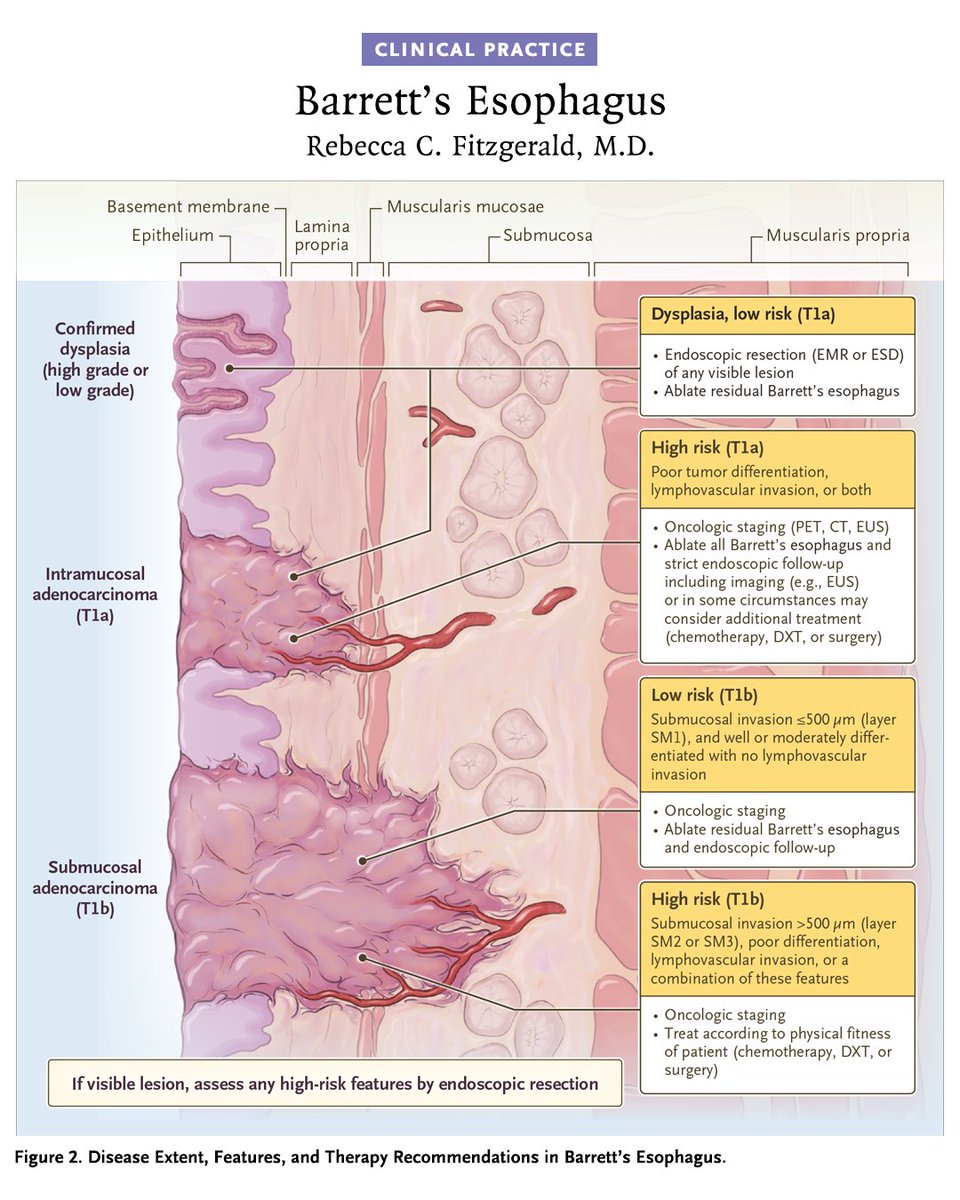
A new Clinical Practice article summarizes the pathogenesis, diagnosis, and management of Barrett’s esophagus, a reflux-related condition with increased adenocarcinoma risk, highlighting endoscopic diagnosis, surveillance, and early curative therapy. Read “Barrett’s Esophagus” by Rebecca C. Fitzgerald, MD (@RFitzgerald_lab), from the University of Cambridge (@cambridge_uni): nejm.org/doi/full/10.10… #Oncology
NEJM tweet media
English
7
224
650
46.8K
Vural ARGIN retweetledi
Dr Rishabh Jain
Dr Rishabh Jain@DrRishabhOnco·
Subtotal gastrectomy may be the smarter choice in diffuse gastric cancer In the FLOT era, do we still need total gastrectomy (TG) for distal diffuse gastric cancer? 🔬 SPACE-FLOT international cohort (n=482) TG (39%) vs SG (61%) 👥 Population • Distal diffuse gastric adenocarcinoma • All received perioperative FLOT • cT≥2 and/or N+ majority ⚔️ Comparison 🔴 Total Gastrectomy (TG) 🔵 Subtotal Gastrectomy (SG) 📊 Key findings 🧠 Oncologic outcomes • Margin positivity → similar (OR 1.28) • TTR → no difference (HR 1.29, p=0.097) ⚠️ Surgical burden • More complications with TG (OR 1.55) • Longer surgery + hospital stay • ↑ ICU readmissions 📉 Survival • Worse OS with TG 👉 HR 1.69 (95% CI 1.20–2.38, p=0.003) 💡 Clinical takeaway 👉 Subtotal gastrectomy achieves comparable oncologic control 👉 With lower morbidity + better survival 🚫 Routine total gastrectomy for distal diffuse disease? Time to rethink. 🔖 Save this for tumor board discussions 📖 Full paper in comment ⬇️ #OncoTwitter #MedTwitter #GastricCancer #FLOT @OncoAlert @myesmo @esmo_open @JCOPO_ASCO @ASCO
Dr Rishabh Jain tweet media
English
3
33
106
5.8K