Sabitlenmiş Tweet

Super Node
2.3K posts
@waffensam
不死生物黑客、加密理想主义者、人生游戏玩家





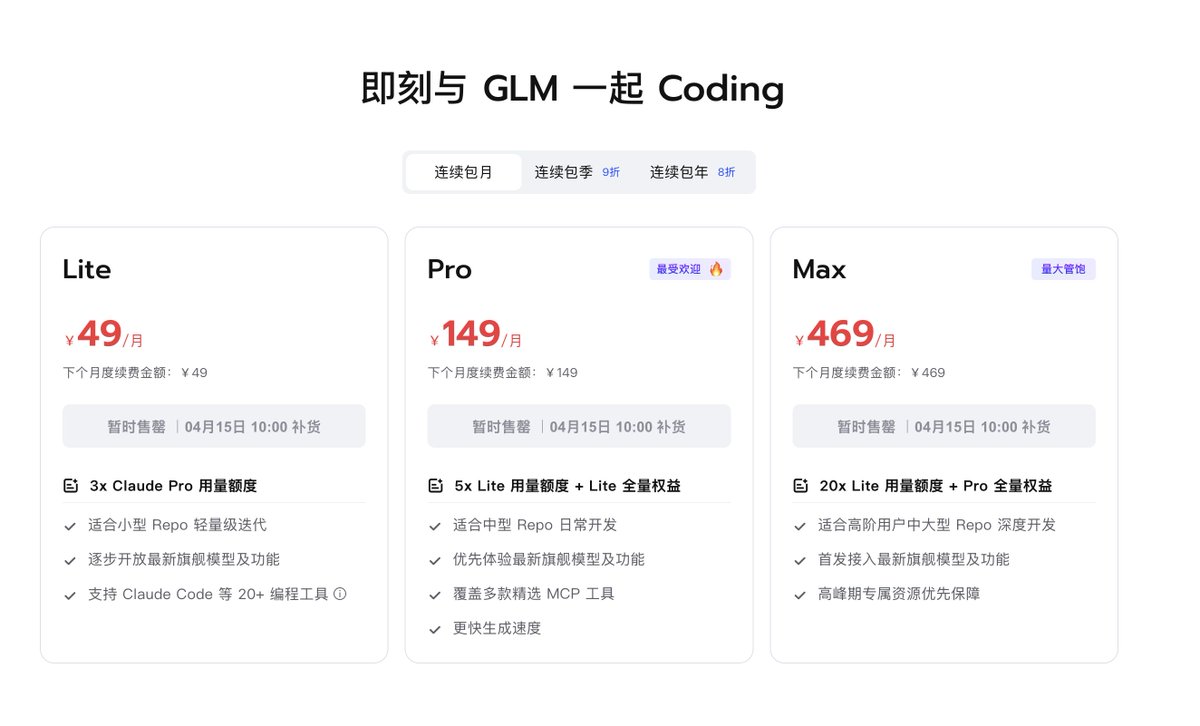

Anthropic trains on your code. OpenAI trains on your conversations. every API call you make feeds the next model that charges you more you think you are using AI but you are the dataset. run local or be the product. qwen 3.5 27b on a 3090. llama 3.3 70b on dual 4090s. your data stays on your disk. no telemetry. no training pipeline scraping your thinking. privacy is not about hiding. it is about control. who owns your data decides who owns your future. right now you are renting intelligence and paying with everything you build.

More observations from Shanghai: 1. A full-time, live-in nanny costs only $1,500/month and a personal chef costs $7/hour. There's alot of support for professional working couples here. 2. Didi (Chinese Uber) rides are $3-5 for most trips and you can order delivery for anything for a few bucks. Things are super convenient. 3. Speaking of cars, every Didi I've been in has been a Chinese EV. Feels like China has adopted EVs much faster than the US. Tesla has <5% market share here. 4. The best food is inside the high-end malls, which are everywhere. Service is outstanding at most places and you don't have to tip. 5. Now the tradeoffs - there are ALOT of people. Traffic is everywhere and motorbikes have no qualms about riding on the sidewalks. Have to be on the lookout for my kids. 6. I haven't seen a single blue sky day since I've been here. The air does feel a bit cleaner now thanks to the EVs. Overall, if you make anywhere close to US tech salary here you can live very well.

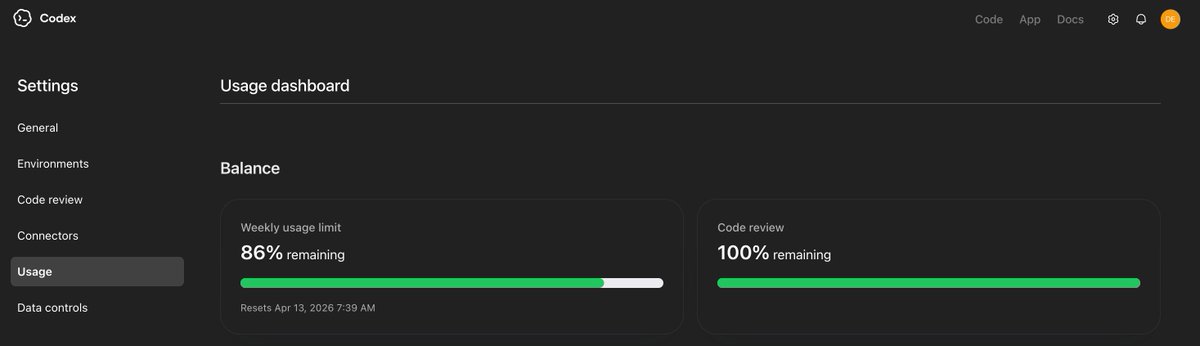

Two days ago, Anthropic cut off third-party harnesses from using Claude subscriptions — not surprising. Three days ago, MiMo launched its Token Plan — a design I spent real time on, and what I believe is a serious attempt at getting compute allocation and agent harness development right. Putting these two things together, some thoughts: 1. Claude Code's subscription is a beautifully designed system for balanced compute allocation. My guess — it doesn't make money, possibly bleeds it, unless their API margins are 10-20x, which I doubt. I can't rigorously calculate the losses from third-party harnesses plugging in, but I've looked at OpenClaw's context management up close — it's bad. Within a single user query, it fires off rounds of low-value tool calls as separate API requests, each carrying a long context window (often >100K tokens) — wasteful even with cache hits, and in extreme cases driving up cache miss rates for other queries. The actual request count per query ends up several times higher than Claude Code's own framework. Translated to API pricing, the real cost is probably tens of times the subscription price. That's not a gap — that's a crater. 2. Third-party harnesses like OpenClaw/OpenCode can still call Claude via API — they just can't ride on subscriptions anymore. Short term, these agent users will feel the pain, costs jumping easily tens of times. But that pressure is exactly what pushes these harnesses to improve context management, maximize prompt cache hit rates to reuse processed context, cut wasteful token burn. Pain eventually converts to engineering discipline. 3. I'd urge LLM companies not to blindly race to the bottom on pricing before figuring out how to price a coding plan without hemorrhaging money. Selling tokens dirt cheap while leaving the door wide open to third-party harnesses looks nice to users, but it's a trap — the same trap Anthropic just walked out of. The deeper problem: if users burn their attention on low-quality agent harnesses, highly unstable and slow inference services, and models downgraded to cut costs, only to find they still can't get anything done — that's not a healthy cycle for user experience or retention. 4. On MiMo Token Plan — it supports third-party harnesses, billed by token quota, same logic as Claude's newly launched extra usage packages. Because what we're going for is long-term stable delivery of high-quality models and services — not getting you to impulse-pay and then abandon ship. The bigger picture: global compute capacity can't keep up with the token demand agents are creating. The real way forward isn't cheaper tokens — it's co-evolution. "More token-efficient agent harnesses" × "more powerful and efficient models." Anthropic's move, whether they intended it or not, is pushing the entire ecosystem — open source and closed source alike — in that direction. That's probably a good thing. The Agent era doesn't belong to whoever burns the most compute. It belongs to whoever uses it wisely.
Curious, what is your most used compute level and why?
用了中转的同学们, 为什么你们不直接使用openrouter.ai 呢