Wild First

908 posts

Wild First banner
Wild First

Wild First

@wildfirstcanada

It’s time to put #WildFirst & take the steps that will protect wild Pacific salmon forever.

British Columbia, Canada Katılım Mart 2018
159 Takip Edilen8.9K Takipçiler
Wild First
Wild First@wildfirstcanada·
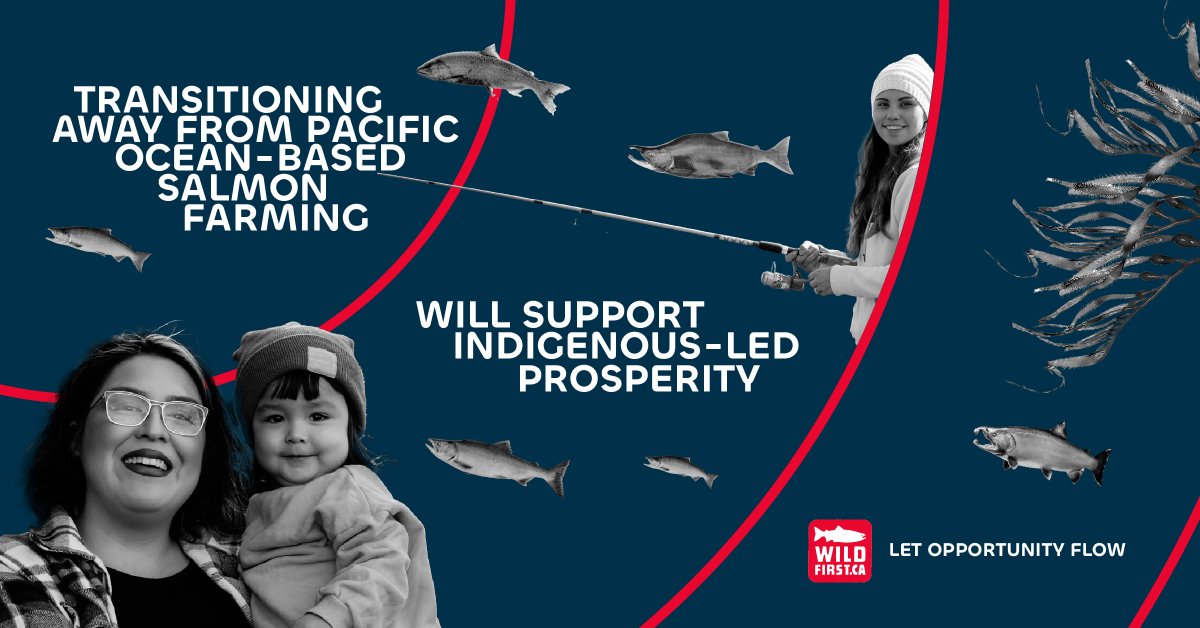
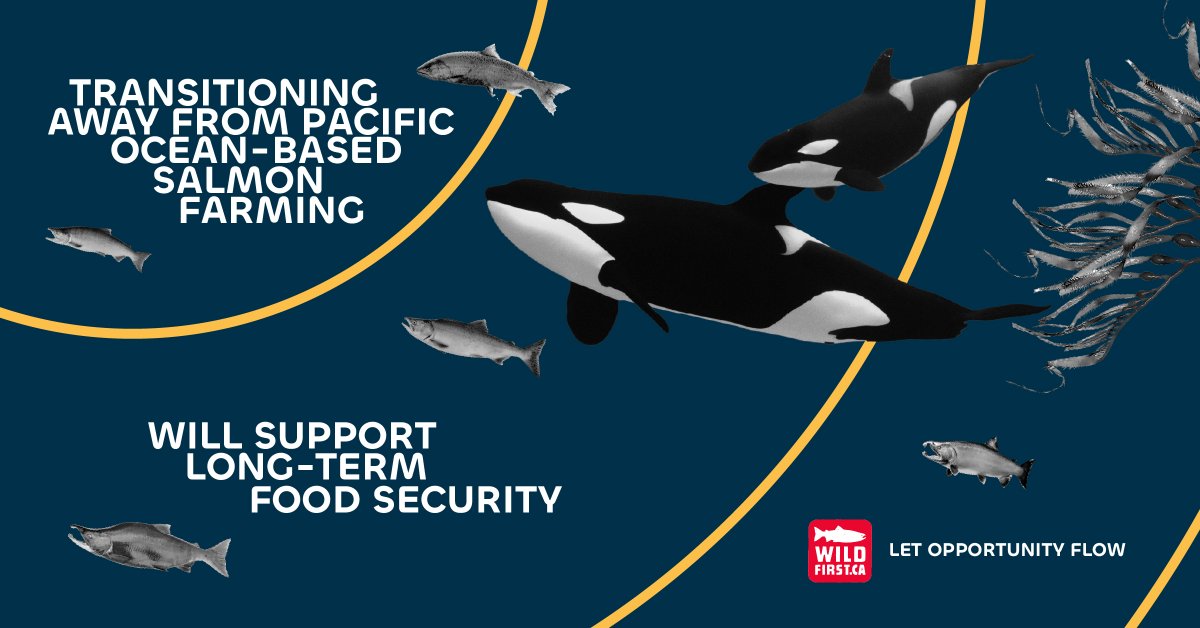
Healthy salmon secures our food future. The wild salmon economy strengthens food security, boosts reliability, and positions Canada as a sustainable seafood leader. Learn more: wildfirst.ca
Wild First tweet media
English
0
0
3
123
Wild First
Wild First@wildfirstcanada·
Modern aquaculture supports communities. The wild salmon economy creates sustainable income, strengthens communities, and protects wild salmon for future generations. Keep learning: wildfirst.ca
Wild First tweet media
English
1
0
2
168
Wild First
Wild First@wildfirstcanada·
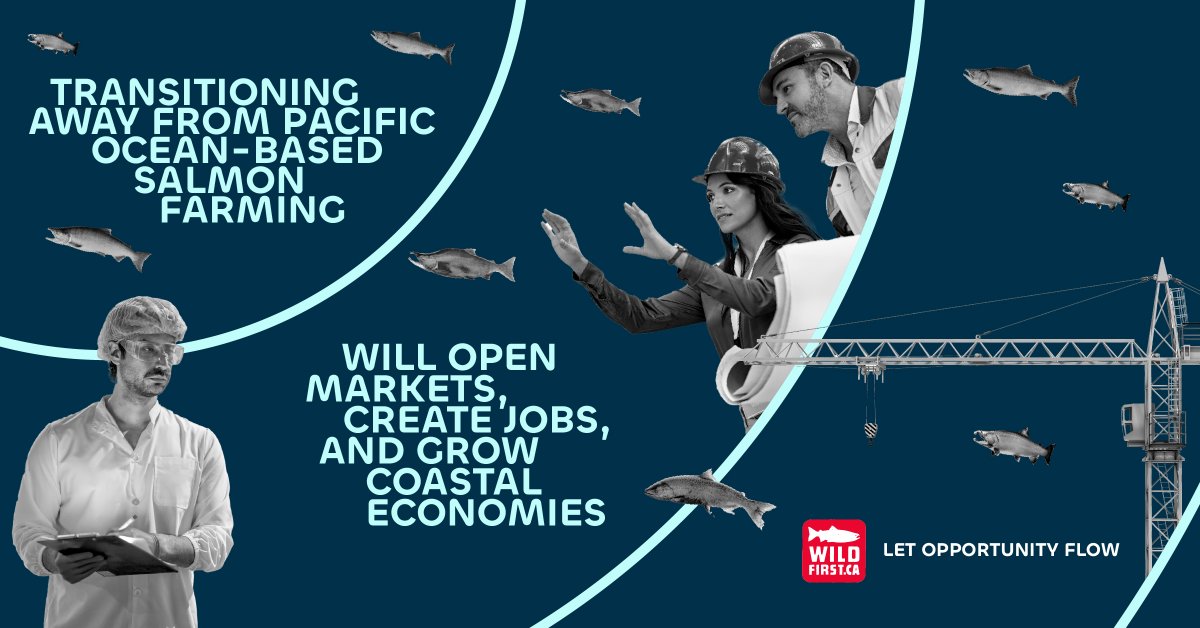
The wild salmon economy creates jobs, boosts fisheries and tourism, and strengthens communities. See how we can secure the future of coastal economies today: wildfirst.ca
Wild First tweet media
English
2
2
3
185
Wild First
Wild First@wildfirstcanada·
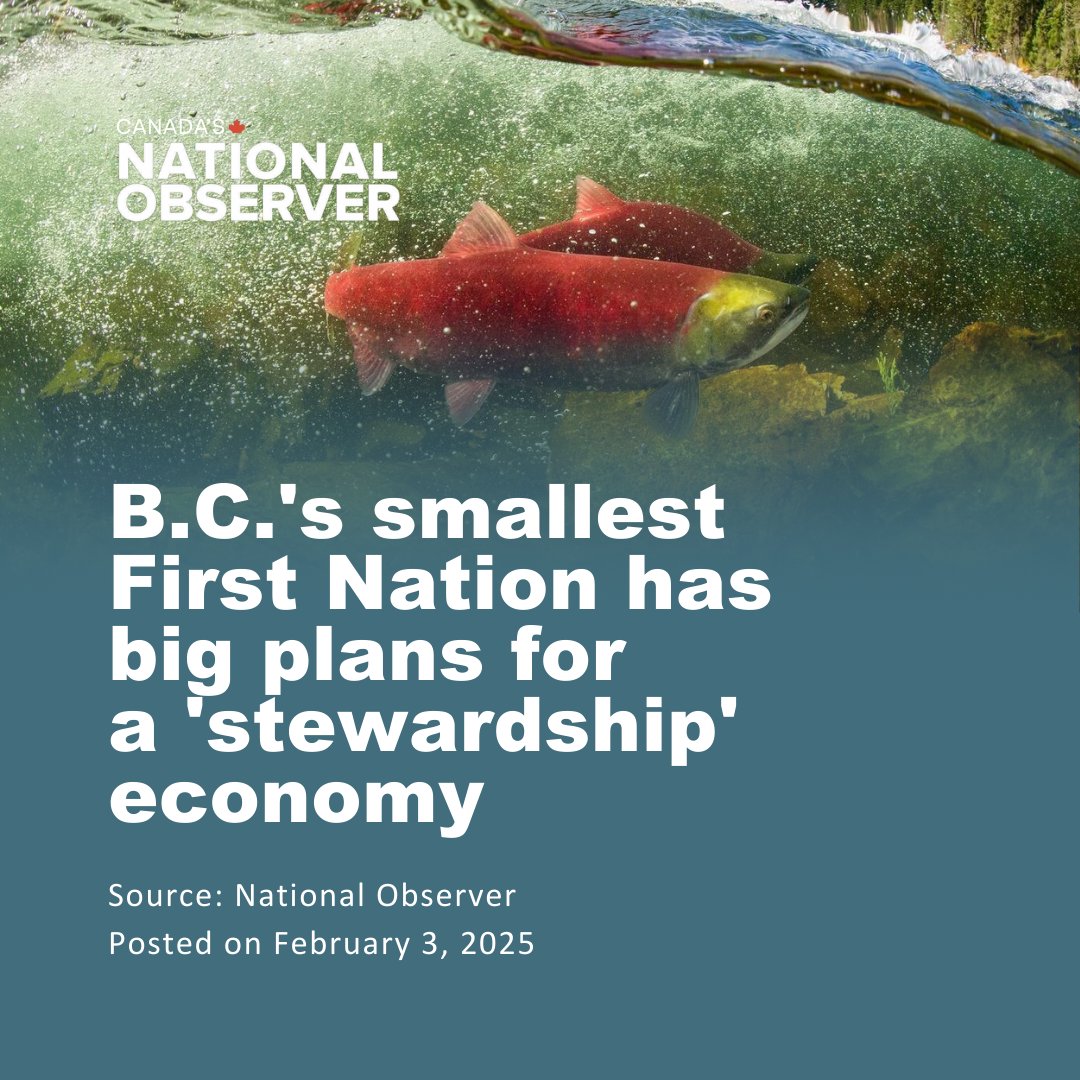
BC’s smallest First Nation is taking great strides toward the creation of an innovative stewardship economy that puts sustainability and conservation first. The Kwiakah First Nation, led by munmuntle, Chief Steven Dick, consists of 19 members mostly based on Vancouver Island. The community is launching a “return home” by transforming a former open-net pen salmon farm into a floating, solar-powered scientific hub anchored in their traditional territory along BC’s wild central coast. The community intends to revitalize its lands and waters—much of which were badly damaged by logging and other resource industries by building a “stewardship economy” that puts the environment first when it comes to economic development. The Kwiakah Centre of Excellence will be the base for a dedicated research station, an experimental kelp farm, the nation’s regenerative forestry operations and its territorial Indigenous guardian, or Forest Keepers program. The aim is to find a variety of ways to “monetize” and diversify the ecosystem services that preserving or regenerating nature can provide to create an economic ripple effect for coastal jobs and services. “We want to be stewards of the land,” says Frank Voelker, the nation's Band Manager & Economic Development Officer. “Eventually, revenue will be created by protecting the environment, by conserving forests and by not cutting them.” Read full article by @NatObserver here: bit.ly/42JLuDq #EndThePens #ProtectWildSalmon #FNPoli #BCPoli #Reconciliation
Wild First tweet media
English
1
2
4
662
Wild First
Wild First@wildfirstcanada·
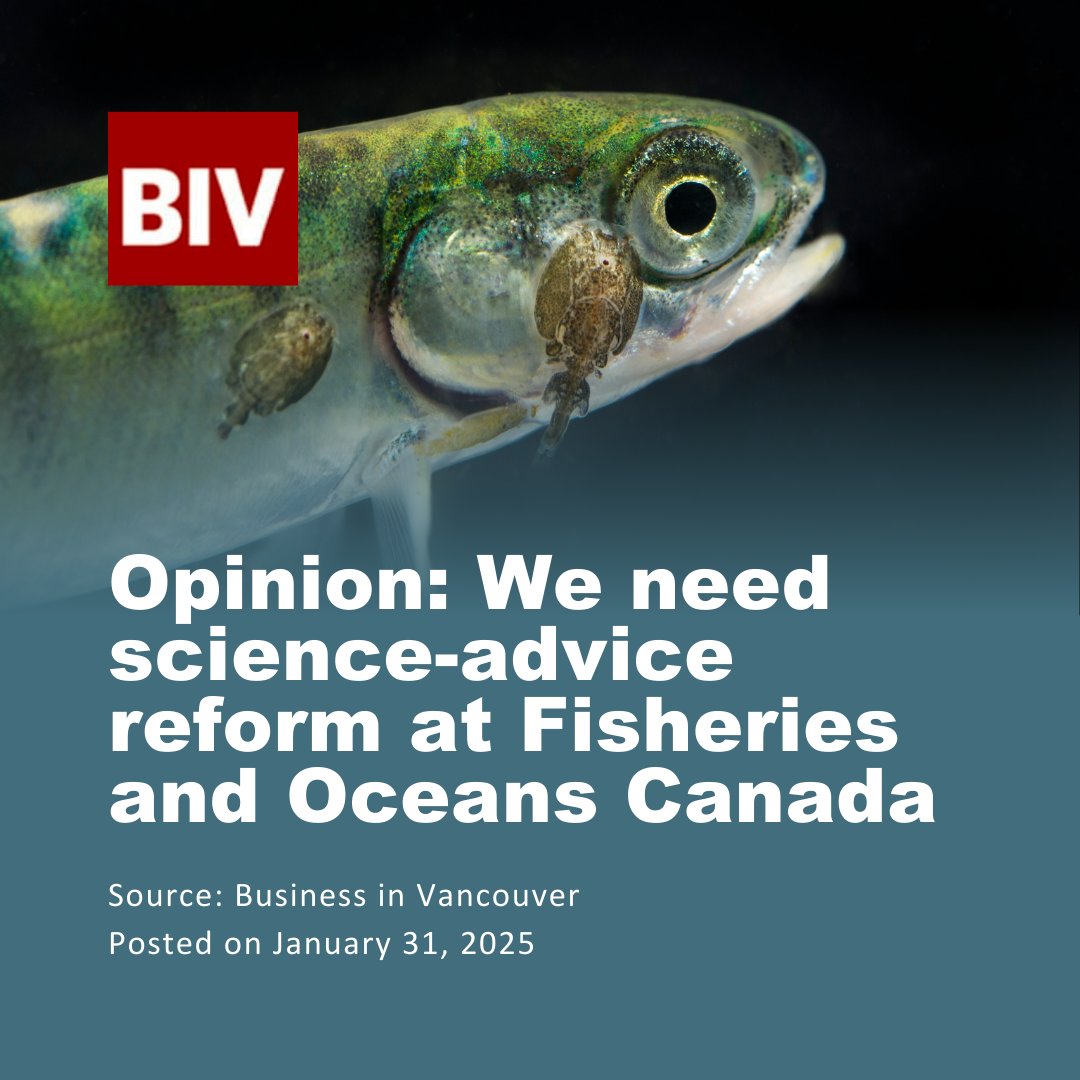
After months of meetings, written requests and public pressure, Fisheries and Oceans Canada (DFO) has finally responded to a 1.5-year-long wait for information requested on a widely condemned DFO report. Contrary to mountains of peer-reviewed evidence showing that sea lice infestations from open-net pen salmon farms impact wild Pacific salmon, DFO's report found that sea lice on open-net salmon farms do not influence numbers of lice on wild salmon. When DFO was asked to share the data used to reach their conclusions and enable independent scientists to reproduce the analysis, the response was a redacted data sheet with much of the key scientific data left out. This move reflects a broader issue with DFO's bureaucracy, which systematically redacts and censors its own scientific data and scientists. DFO is currently under investigation by the Integrity Commissioner for silencing its own scientists. As a result of this interference, DFO's science advice continues to support the conclusion of a low risk posed by open-net pens to wild salmon, contradicting internationally peer-reviewed research that concludes the opposite. By withholding data, DFO is protecting industry interests from public scrutiny–counter to the intent of the DFO’s policy on science integrity, which emphasizes transparency and open access. When data is selectively presented or censored, the result is that corporations are shielded from accountability and the role of evidence in decision-making is undermined. This manoeuvring feeds long-held criticisms of DFO’s conflicting mandates: to protect ecosystems while also promoting and regulating fisheries and aquaculture. Several reports from within the federal government have raised concerns about DFO’s science advice on ocean-based salmon farming in BC, including from the Office of the Auditor General, the Office of the Chief Science Advisor and the Parliamentary Committee on Fisheries and Oceans. Read full article by @BIVnews here: bit.ly/4hvjQ1F #EndThePens #ProtectWildSalmon #FNPoli #BCPoli #Reconciliation
Wild First tweet media
English
1
2
3
300
Wild First
Wild First@wildfirstcanada·
Canada's Office of the Information Commissioner has ordered Fisheries and Oceans Canada to fully disclose the records in its 2022 report into sea lice. This week, Canada’s Information Commissioner ruled that DFO improperly withheld this data and must fully disclose it. In 2023, The Canadian Science Advisory Secretariat Science Response from Fisheries and Oceans Canada concluded that there was no significant link between parasitic lice infestations at B.C. salmon farms and infestations in wild salmon exposed to those farms in four regions. But a group of 16 professors and research scientists sent an open letter to then-minister of Fisheries and Oceans Canada Joyce Murray, saying they had serious concerns about the processes in the report, and that it "falls far short of the standards of credible independent peer review and publishable science." "It should not be this difficult to access information about an industry operating in public waters," Stan Proboszcz, Senior Science & Policy Analyst, @WatershedWatch_. “This two-year struggle for the truth begs the question, ‘what are they trying to hide about the harmful impacts fish farms have on B.C. wild salmon?’” Bob Chamberlin, Chair–FNWSA, said First Nations Nations across BC made formal requests for this data two years ago and never received it or other similar information. "Key DFO staff defend this industry at the expense of the honour of the Crown." Read the full article here: bit.ly/4jEZGDJ #EndThePens #ProtectWildSalmon #FNPoli #BCPoli #Reconciliation
Wild First tweet media
English
2
1
3
236
Wild First
Wild First@wildfirstcanada·
Completely unacceptable—Mowi, the world's largest salmon farmer who also operates salmon farms in BC, has confirmed the loss of an entire cage of 178,534 fish during a routine delousing procedure at their farm in Norway. While Mowi Canada West is promoting new in-water technology, like sea lice skirts, their record with "innovative" technology tells a different story. Read the full article here: bit.ly/3EqaXHU #EndThePens #ProtectWildSalmon #FNPoli #BCPoli #Reconciliation
Wild First tweet media
English
1
0
0
148
Wild First
Wild First@wildfirstcanada·
Washington State has now banned all commercial fish farms that use open-net pens, making British Columbia the only jurisdiction on the upper West Coast to permit open-net pen salmon farms. The ban from Washington’s Board of Natural Resources followed an executive order in November 2022, directing the department to make necessary changes to end commercial open-net pen fish farms. Top reasons for the executive order included the threats from escaped salmon, which weaken wild stocks and damaged the ecosystem at large. The ban will not apply to closed, land-based systems. The problem with open-net pens is that they are too exposed, making escape and transmission of parasites from farmed salmon to wild salmon a problem for marine ecosystems. Alaska, Oregon and California have banned open-net pens – making the entire U.S. West Coast off-limits. In June 2024, Fisheries and Oceans Canada announced that it would not renew licences for open-net pen salmon farms as of June 30, 2029. Over 120 First Nations across BC support the removal of open-net pen salmon farms out of BC waters to protect wild Pacific salmon for future generations. “I am hopeful that what happened in Washington will set a precedent," says Stan Proboszcz, Senior Science & Policy Analyst, @WatershedWatch_. "We just need to follow through." Read the full article here: bit.ly/42j7ZPA #EndThePens #ProtectWildSalmon #FNPoli #BCPoli #Reconciliation
Wild First tweet media
English
1
2
4
225
Wild First
Wild First@wildfirstcanada·
Washington State previously garnered international attention for successfully removing all ocean-polluting commercial net pens from Puget Sound. Now, with a new statute permanently banning this industry from ever returning, Washington is the first place in the world to both entirely eliminate open-net pens and permanently ban future operation of commercial net pens in marine waters. Cooke Aquaculture is the company responsible for the catastrophic Cypress Island open-net pen collapse in 2017, which released over 260,000 nonnative, virus-infected Atlantic salmon into Puget Sound. After responding to the concerns of the public and the well-documented record of ecological harm in 2022, Washington’s Commissioner of Public Lands, Hilary Franz, rejected applications from seafood giant Cooke Aquaculture seeking new leases to continue operating their commercial net pens in Puget Sound. 2024 was the first year in over four decades that Puget Sound was free from the ecological harm and risks associated with industrial open-net pens, including, but not limited to, the discharge of massive amounts of daily untreated pollution, including fecal waste, feed and pharmaceuticals; the amplification and spread of native and exotic viruses and pathogens harmful to native wild fish; bycatch of wild fish during the harvest of farmed fish; and chronic and catastrophic escape events. Prior to the decision, 10,000 individuals, over 100 businesses and organizations and numerous Washington Tribal Nations urged Commissioner Franz to cease leasing public waters in Puget Sound for this ecologically destructive practice. The rule would also support Washington’s commitment to protect Tribal treaty rights, food security and cultural practices, and does not affect non-commercial tribal operations, including acclimation net pens. Beyond Washington, the decision sets a powerful precedent and model for coastal communities fighting to eliminate or transition this industry out of home waters. In June, the Government of Canada announced its continued commitment to banning open net-pen salmon aquaculture in coastal BC waters by June 30, 2029. BC is the last remaining jurisdiction on the North Pacific Coast with commercial open-net pens remaining in marine waters. Read the full article here: bit.ly/40yCyPW #EndThePens #ProtectWildSalmon #FNPoli #BCPoli #Reconciliation
Wild First tweet media
English
3
4
9
974
Wild First
Wild First@wildfirstcanada·
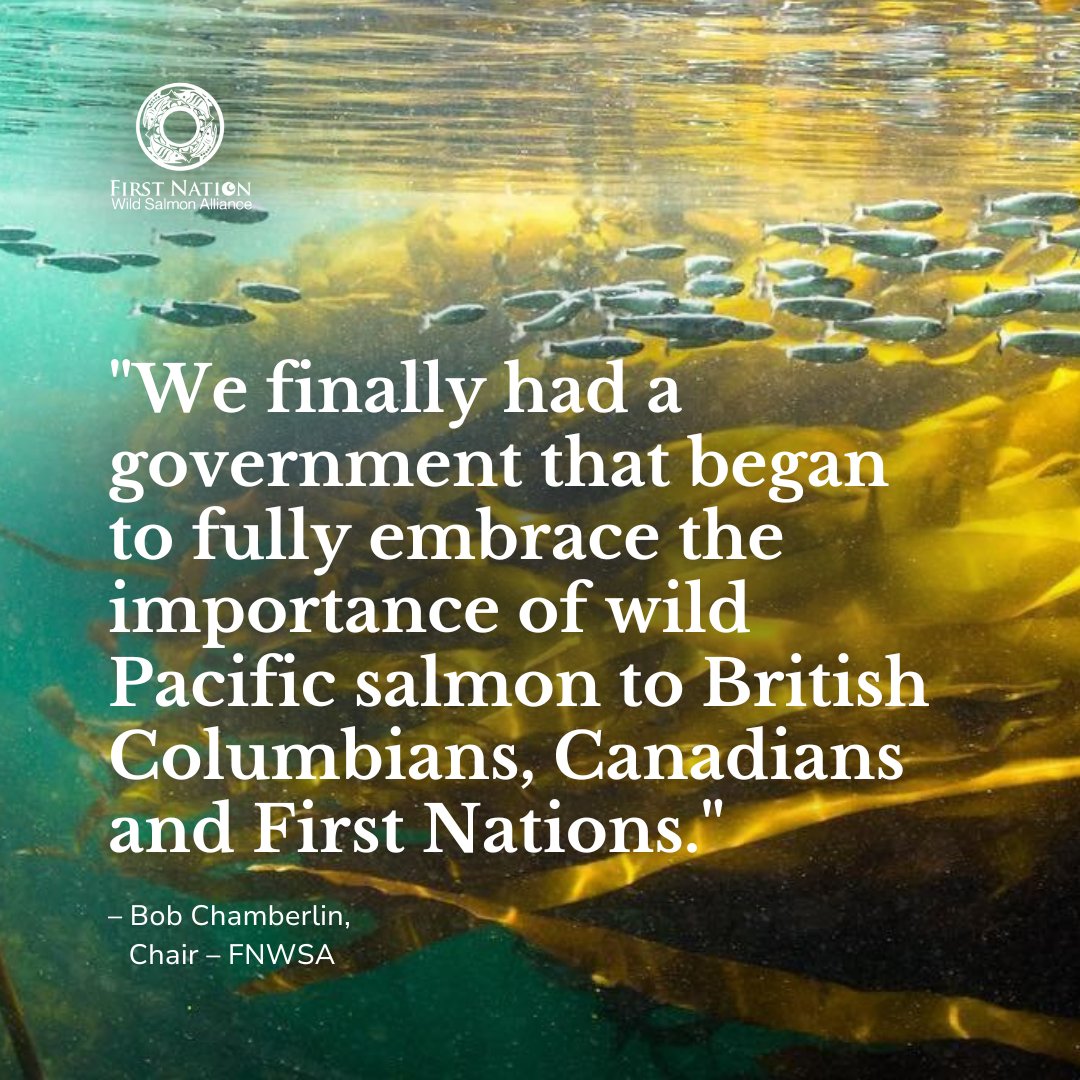
On the West Coast, @JustinTrudeau will be remembered for his decision to phase out open-net pen salmon farms, which has been delayed until 2029 to allow for a transition to land-based closed containment farms. It was a 2019 Liberal election campaign promise: transition all Pacific open-net pen salmon farms to closed containment systems as wild salmon populations face existential threats. "I'm grateful that we finally had a government that began to fully embrace the importance of wild Pacific salmon to British Columbians, Canadians and First Nations," says @1Bob_Chamberlin, who represents over 120 First Nations from across BC as Chair of the First Nation Wild Salmon Alliance. Read full article by @CBCNews here: bit.ly/409bt4j #EndThePens #ProtectWildSalmon #FNPoli #BCPoli #Reconciliation
Wild First tweet media
English
2
1
5
210
Wild First
Wild First@wildfirstcanada·
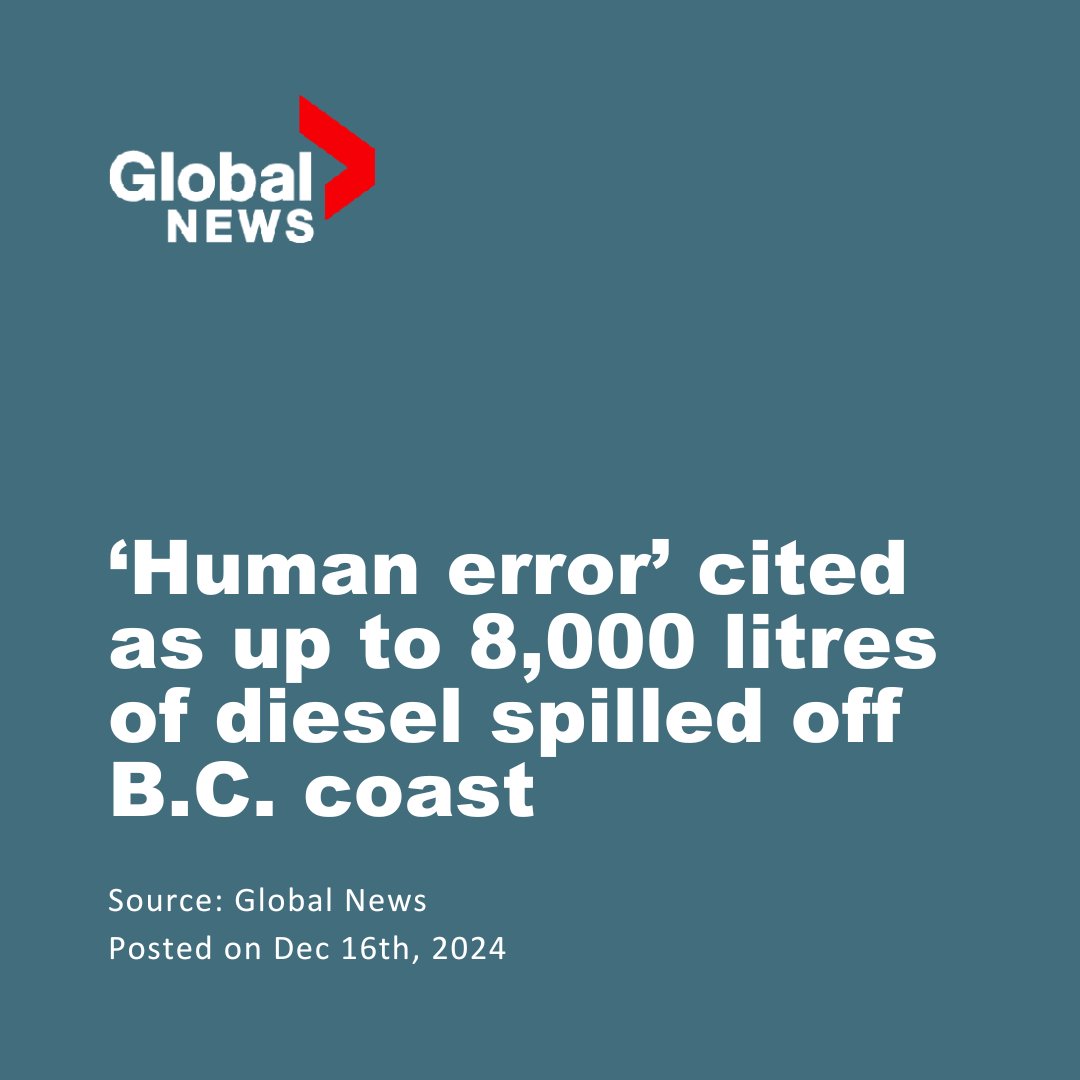
An 8,000-litre diesel spill caused by Grieg Seafood has contaminated waters near Zeballos, directly affecting Nuchatlaht and Ehattesaht First Nations territories. Grieg attributed the spill to “human error”, stating they are reviewing fuel transfer procedures: “We apologize for the disruption this has caused.” “It is clam season and our people should be out there digging on these low winter tides. We have done this forever and this year we have to close some beaches,” said Simon John, chief of the Ehattesaht First Nation. For local communities, the environmental and cultural impacts are significant, raising fears for marine life and livelihoods. Incidents like this highlight the urgent need to protect wild Pacific salmon and the ecosystems they rely on. Read full article by Global News here: bit.ly/3DmCkCi #EndThePens #BringBackWildBC #CDNPoli #FNPoli #Reconciliation #BCPoli
Wild First tweet media
English
1
1
1
253
Wild First
Wild First@wildfirstcanada·
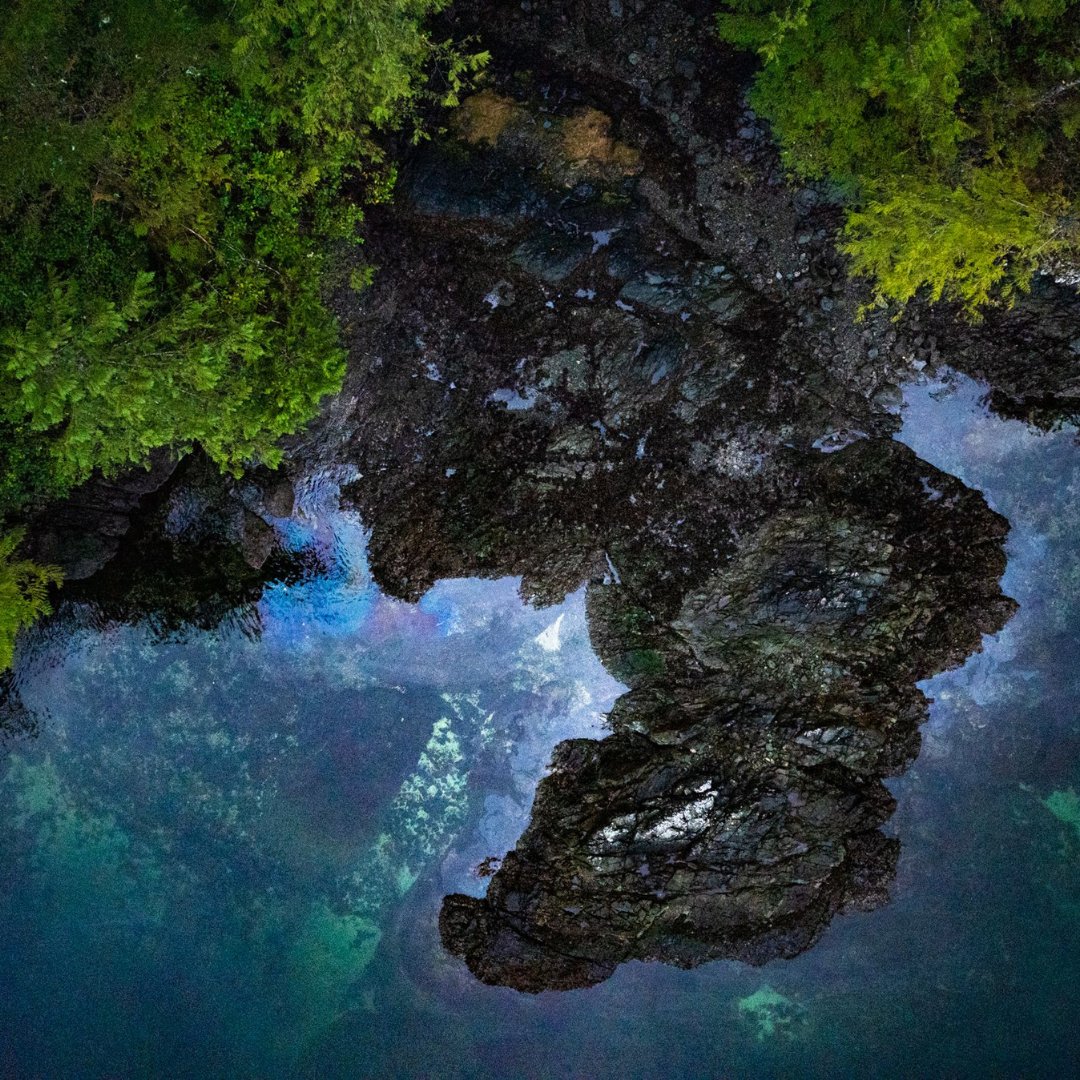
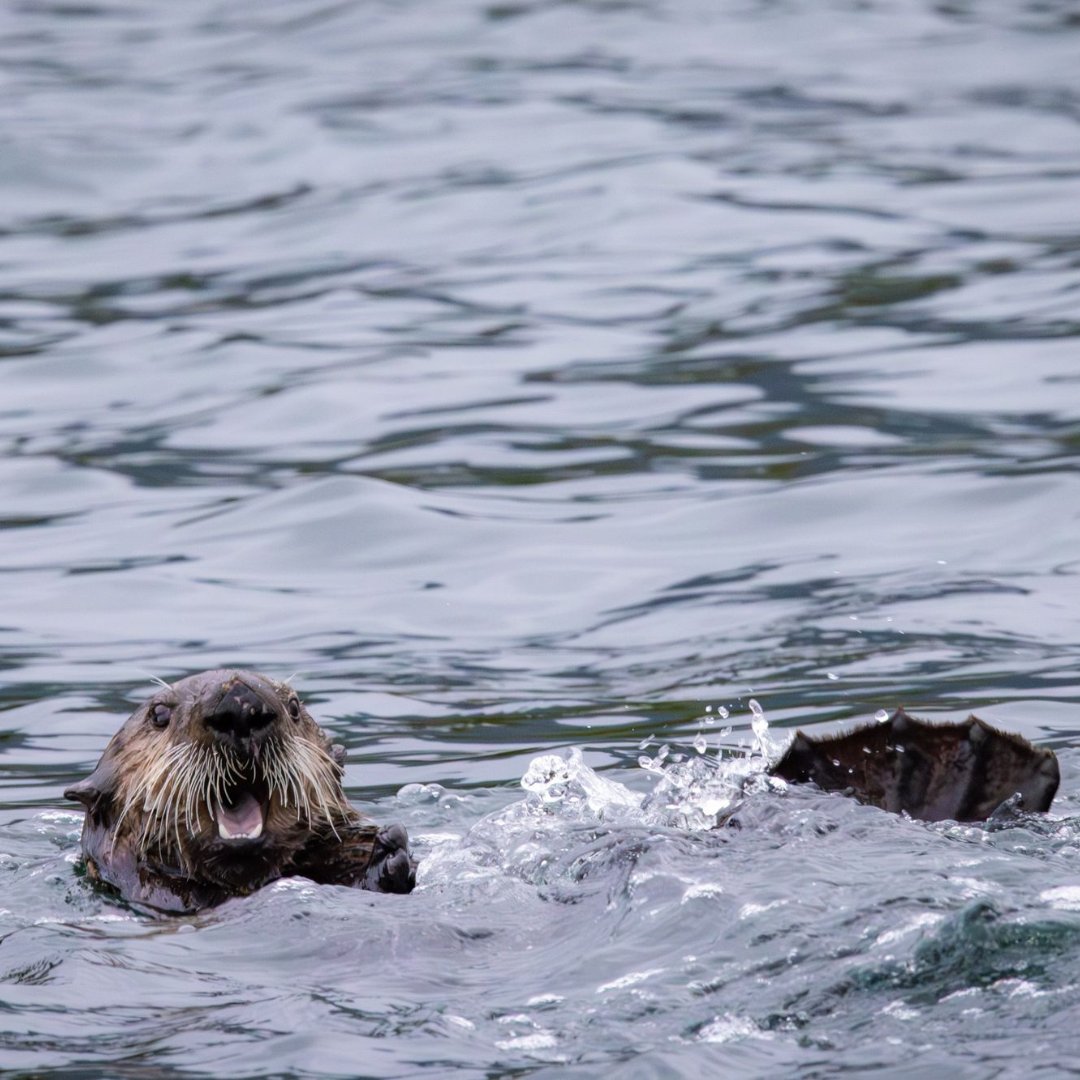
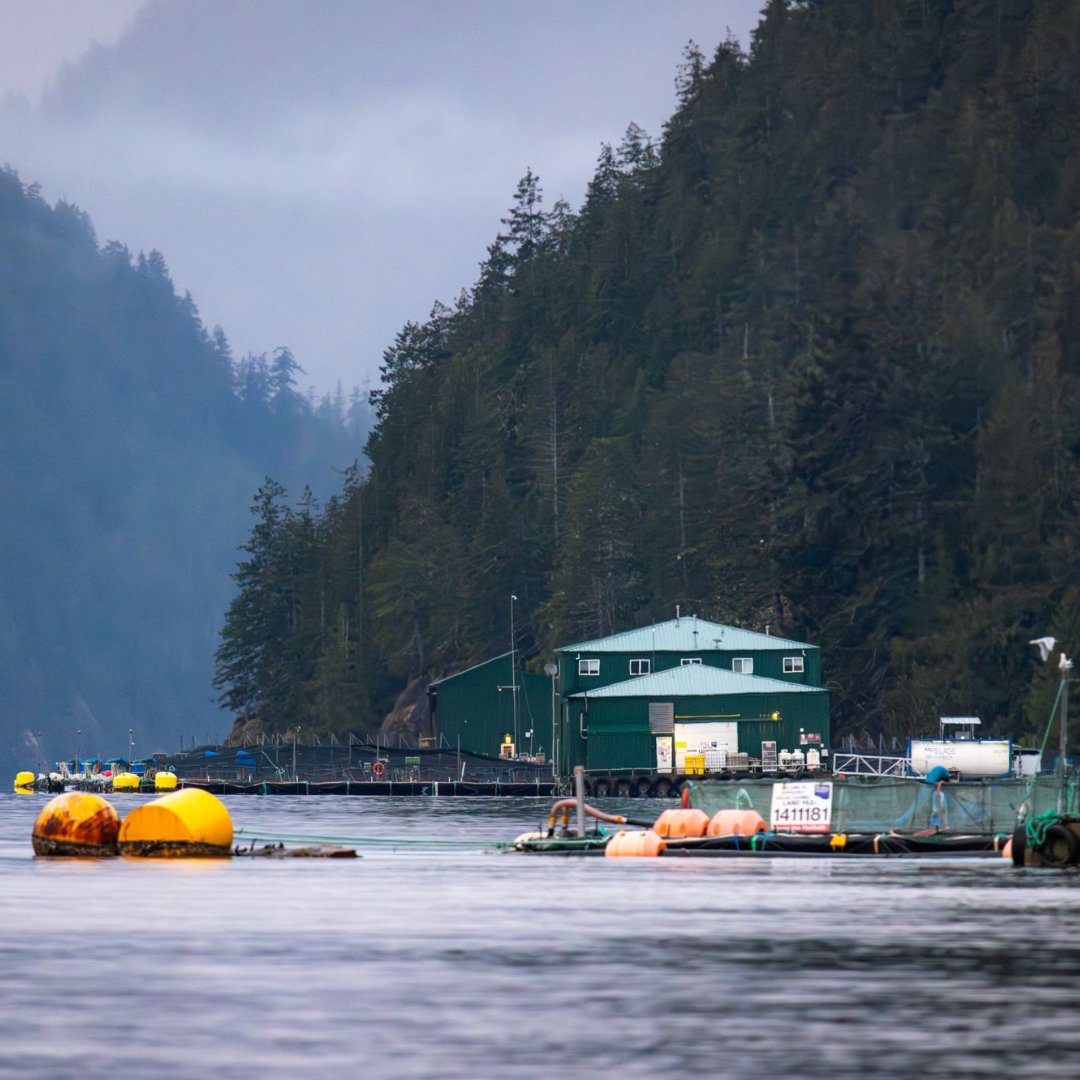
“I’m extremely upset that these fish farms are still even here despite our efforts to be rid of them. We are always force-fed these decisions to keep fish farms in our territory, but we’re not going to tolerate that anymore,” said Haa’wilth Kla-kwa-skum Jordan Michael from the Nuchatlaht Nation. The recent diesel spill from Grieg Seafood's salmon farm in Esperanza Inlet has profoundly impacted the local ecosystem and continues to disrupt First Nations territories and practices. This environmental disaster has drawn attention from yet another First Nation, the Nuchatlaht Nation, who have joined others in condemning the risks posed by open-net salmon farms. Located near Lutes Creek, the spill has polluted a pristine, rugged coastline, complicating cleanup efforts. Judae Smith, a Nuchatlaht Guardian and Fisheries Technician, shared their concerns: "I fish out here regularly and I’m now afraid to eat anything by the looks of things. It’s hard to imagine how anyone could ever clean up this kind of toxic damage. It permeates everything, and so much damage has already been done." Beyond fish, the spill threatens a wide range of species, including marbled murrelets, sea ducks, sea otters, Steller sea lions, and humpback whales. “Because of our belief is hishuk'ish tsawalk (everything is one), it impacts everything.” said Hi-sha-mah-nulth Archie Little, Nuchatlaht Haa’wilth House Speaker. Roger Dunlop, Nuchatlaht Lands and Resources Manager, described the contamination: "The diesel has gotten into the rocks and sediments around Steamer Point. Yesterday at high tide, diesel was coming out of the rocks into an area busy with wildlife." This spill serves as a stark reminder of the dangers of open-net pen aquaculture, intensifying calls from First Nations and environmental advocates to transition away from these unsustainable practices. Photos courtesy of Nuchatlaht First Nation; photo credit Tavish Campbell. Read the full article by Living Oceans at: bit.ly/3DnBCoy #EndThePens #BringBackWildBC #CDNPoli #FNPoli #Reconciliation #BCPoli
Wild First tweet mediaWild First tweet mediaWild First tweet mediaWild First tweet media
English
1
6
5
252
Wild First
Wild First@wildfirstcanada·
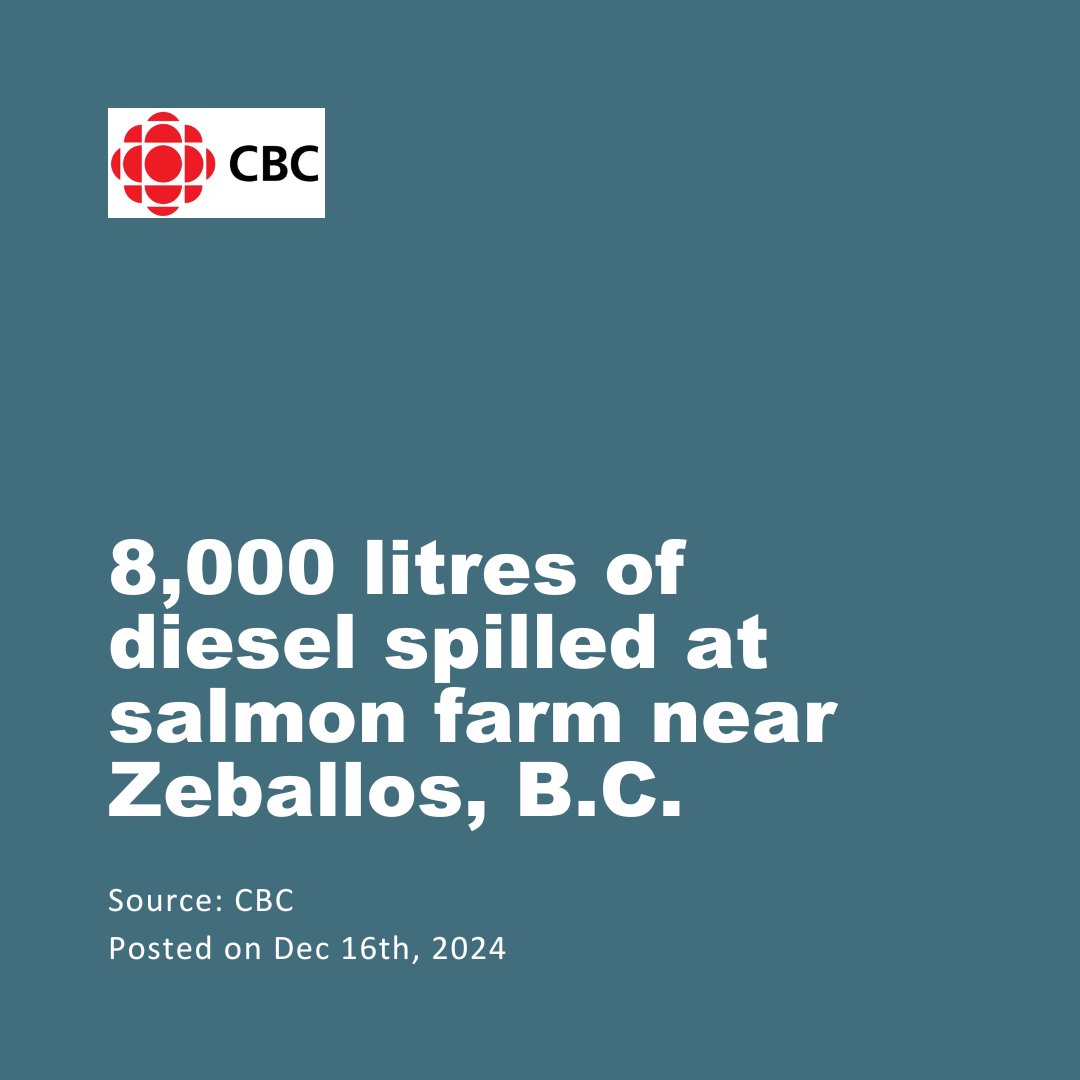
A diesel spill of up to 8,000 litres at Grieg Seafood's Lutes Creek salmon farm near Zeballos, B.C., is wreaking havoc on marine life and Indigenous traditions. The Ehattesaht First Nation has issued a clam harvesting alert and beach closures, disrupting their ability to gather food during critical low winter tides. For the nations impacted, the damage is more than just environmental—it threatens their cultural and economic practices. This spill is a stark reminder of the risks posed by salmon farms and the urgent need to protect wild Pacific salmon and the communities that rely on healthy waters. Response crews are deploying booms and skimmers, but conditions in the remote inlet make recovery slow and uncertain. Grieg Seafood has apologized, citing “human error” and claiming to review its fuel-handling procedures going forwards. Read full article by CBC at: bit.ly/4gBIrlb #EndThePens #BringBackWildBC #CDNPoli #FNPoli #Reconciliation #BCPoli
Wild First tweet media
English
2
3
1
262