Xeriuslinq Capital retweetledi

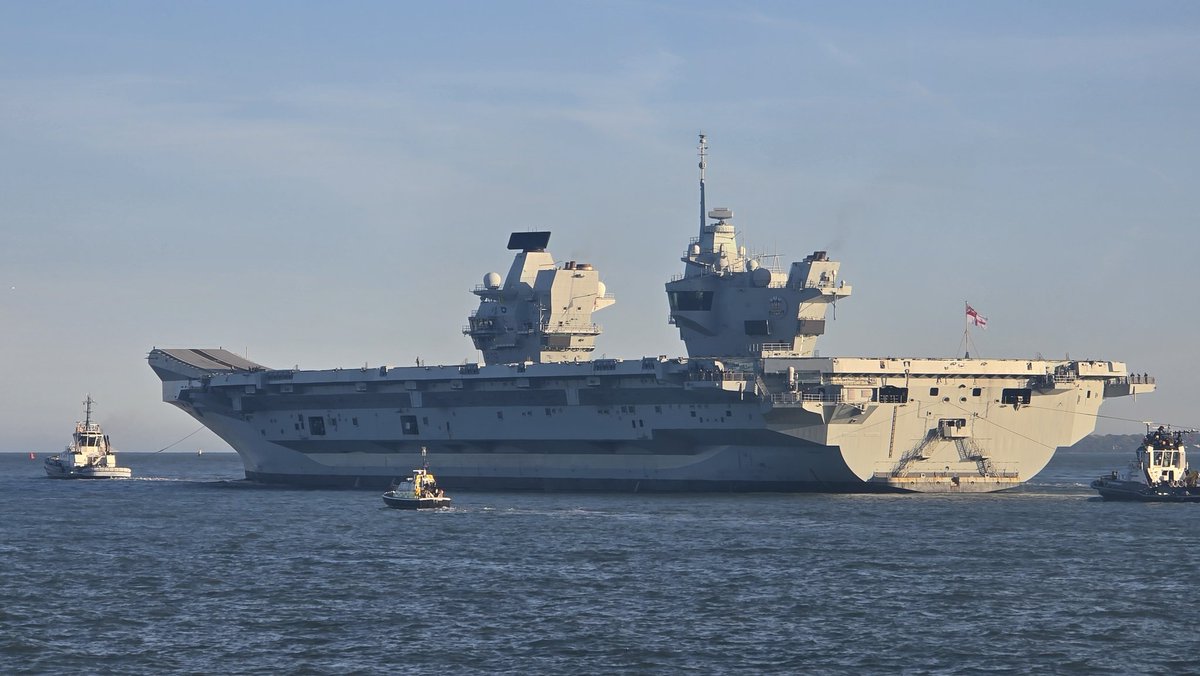
HMS Dragon transiting the Suez Canal last week in preparation for operations in the Strait of Hormuz.
(Src: defenceimagery.mod.uk)

English
Xeriuslinq Capital
378 posts


@xeriuslinqcap
Investment management firm specialising in derivatives based innovative portfolio hedging strategies for providing income solutions to clients.





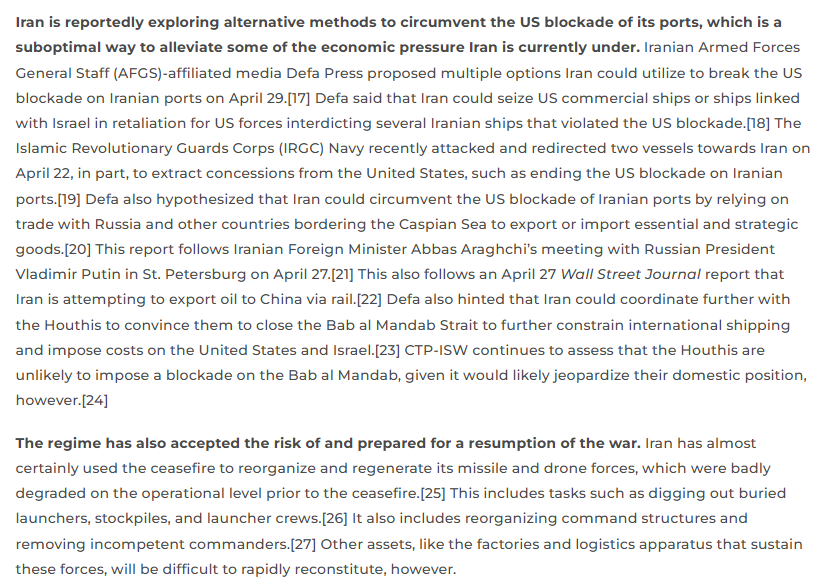
NEW | Iran is unlikely to make meaningful concessions in its next proposal to the United States, which is expected in the next several days. Islamic Revolutionary Guards Corps (IRGC) Major General Ahmad Vahidi, whose hardline position on negotiations the regime has adopted, appears unwilling to concede on Iranian control over the Strait of Hormuz and Iran’s nuclear program. Mainstream Iranian politicians are consolidating around the decision to avoid discussing the nuclear issue before the United States lifts the naval blockade on Iranian ports, which was Vahidi’s preferred policy outcome. Other Iranian regime factions do not appear to materially constrain Vahidi’s uncompromising position. The Iranian regime is likely attempting to modify and legitimize its plan to exert sovereignty over the Strait of Hormuz by including Oman in a scheme to collect tolls on shipping through the Strait. This would enable Iran to present a “new proposal” to the United States without compromising on any Iranian red lines. Oman rejected Iran’s proposal, however. Iranian leaders are preparing for a variety of contingencies and risks that could result from a hardline negotiating position that fails to end the war, including an economic collapse that triggers economic unrest, a long-term blockade, or a resumption of the US-Israeli air campaign. Iran has responded to growing pressure on the economy caused by the war, sanctions, and the blockade by shoring up internal unity, presumably as an initial step in a more comprehensive internal security plan. Iran is reportedly exploring alternative methods to circumvent the US blockade of its ports, which is a suboptimal way to alleviate some of the economic pressure, including seizing US commercial vessels or Israeli-linked vessels, relying on trade with Russia and other countries bordering the Caspian Sea, or even the Houthis attacking vessels through the Bab el Mandeb Strait. Iran has almost certainly used the ceasefire to reorganize and regenerate its missile and drone forces, which were badly degraded on the operational level prior to the ceasefire. The Israel Defense Forces (IDF) is implementing battlefield adaptations to address the threat of Hezbollah’s first-person view (FPV) drones, amid Hezbollah’s increased use of FPV drones to target IDF units in southern Lebanon. The rate of Hezbollah FPV attacks remains relatively low compared to the way both sides employ drones in Ukraine. The majority of Hezbollah’s claimed attacks against IDF units have used FPV drones since the start of the temporary ceasefire on April 16, however.








Venezuela and US officials are in talks to incorporate political opposition and independent members to the board of the South American country’s central bank, a key potential step toward power-sharing to help root out corruption bloomberg.com/news/articles/…