STOP THE GENOCOST IN DRC 🇨🇩!

2.6K posts

STOP THE GENOCOST IN DRC 🇨🇩!

STOP THE GENOCOST IN DRC 🇨🇩!

@yu238445

Geopolitics enthusiast

Australia Katılım Mayıs 2009
662 Takip Edilen111 Takipçiler
STOP THE GENOCOST IN DRC 🇨🇩! retweetledi
Louis Rugambage
Louis Rugambage@LouisRug·
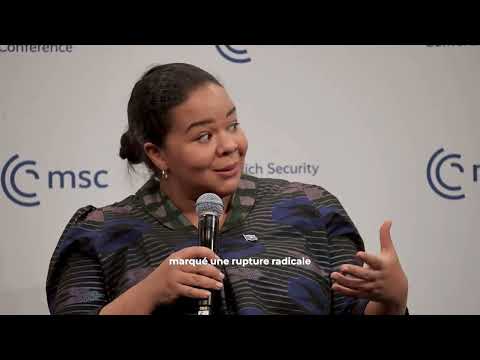
@DavidHimbara youtu.be/N_EJVutJan8?si… For you bunch of Intorehamwe still kidding yourselves you'll have some share off the Congolese cake, please listen to Ms Kayikwamba. You follow Kagame blindly at your own risks, you're heading straight to some hellish abyss 🤷🏾‍♂️
YouTube video
YouTube
English
4
3
4
9K
STOP THE GENOCOST IN DRC 🇨🇩!
@TwirwanehoMoise Vois n’avez pas encore compris que les pays n’ont pas d’amis. Il n’y a que les intérêts qui comptent. Faite affaire avec la Chine, l’Iran ou la Russie si vous voulez, personne ne vous empêche mais assurez vous que vos intérêts sont alignés.
Français
0
0
0
16
TWIRWANEHO MOISE 🇨🇩
TWIRWANEHO MOISE 🇨🇩@TwirwanehoMoise·
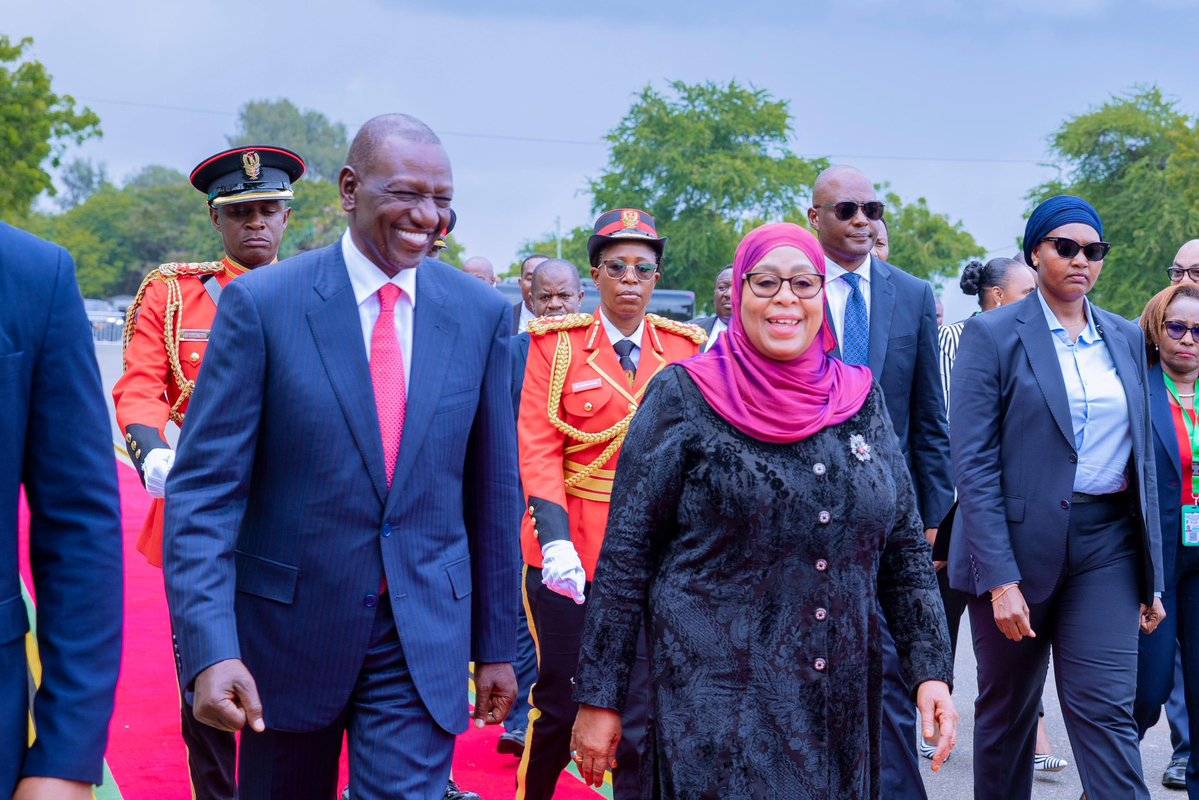
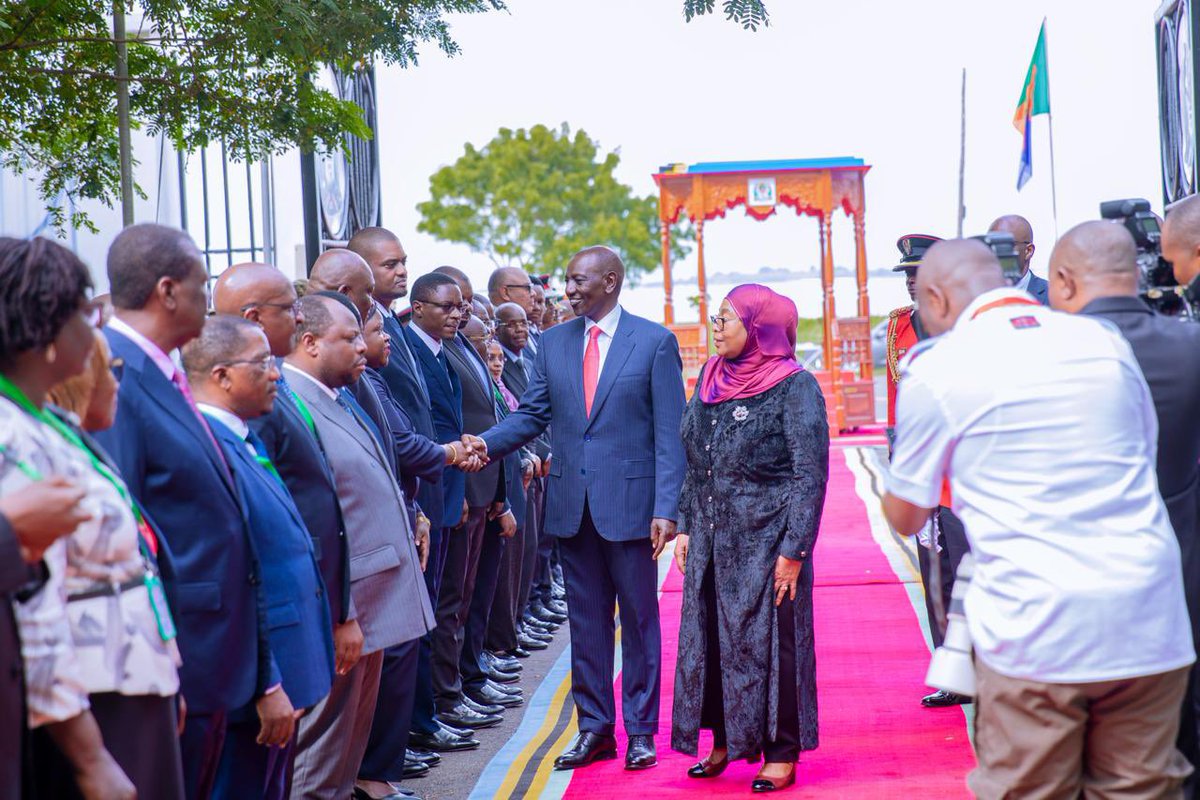
#Kenya 🇰🇪 & #Tanzania Après la visite du Président du #Rwanda en #Tanzanie, c'est au tour du président du #Kenya de se rendre dans ce pays. Pendant ce temps, notre propre président a tous les yeux rivés sur #Trump pour résoudre les problèmes congolais ; il s'imagine en effet que Trump, étant un homme noir africain, est capable de régler les problèmes des Africains.
TWIRWANEHO MOISE 🇨🇩 tweet mediaTWIRWANEHO MOISE 🇨🇩 tweet media
Français
121
27
114
25K
TWIRWANEHO MOISE 🇨🇩
TWIRWANEHO MOISE 🇨🇩@TwirwanehoMoise·
#RDC: Quelqu'un pourrait-il transmettre ce discours au Président Kabila ? Il est temps de se lever et de se battre. #Trump est un criminel reconnu coupable par les tribunaux américains ; un homme qui a échoué à assurer une transition pacifique du pouvoir avec Biden n'a aucune leçon à donner au président Kabila, qui a transféré le pouvoir à Tshisekedi de manière pacifique.
Français
28
18
69
6.3K
STOP THE GENOCOST IN DRC 🇨🇩!
@Katsuva_R Peine perdue. Vous vous moquez des Américains? Enlever vos émotions dans cette histoire et emmener ou parlez de faits concrets. Les Américains ne sont pas dans les émotions, je peux vous le garantir à 💯 %.
Français
0
0
0
5
Rodriguez Katsuva
Rodriguez Katsuva@Katsuva_R·
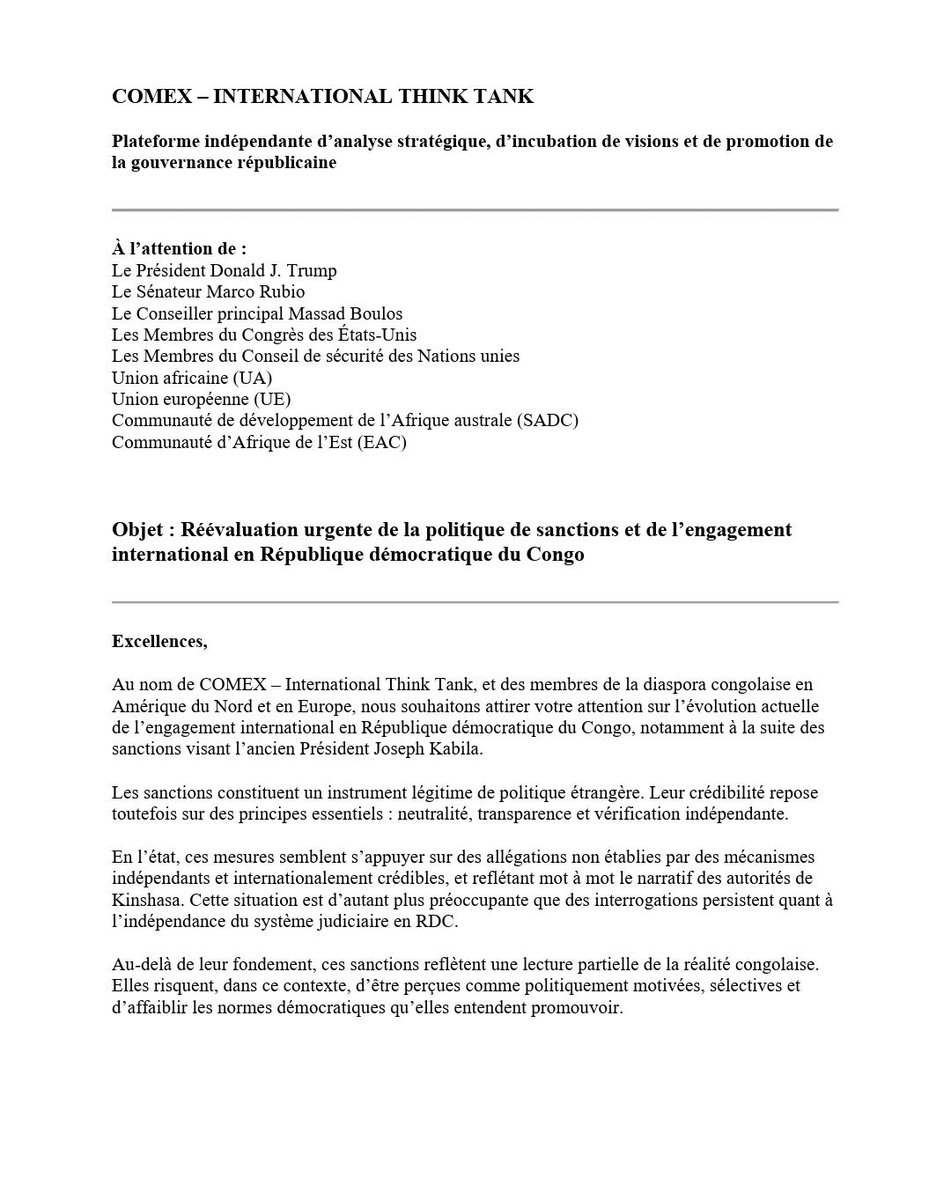
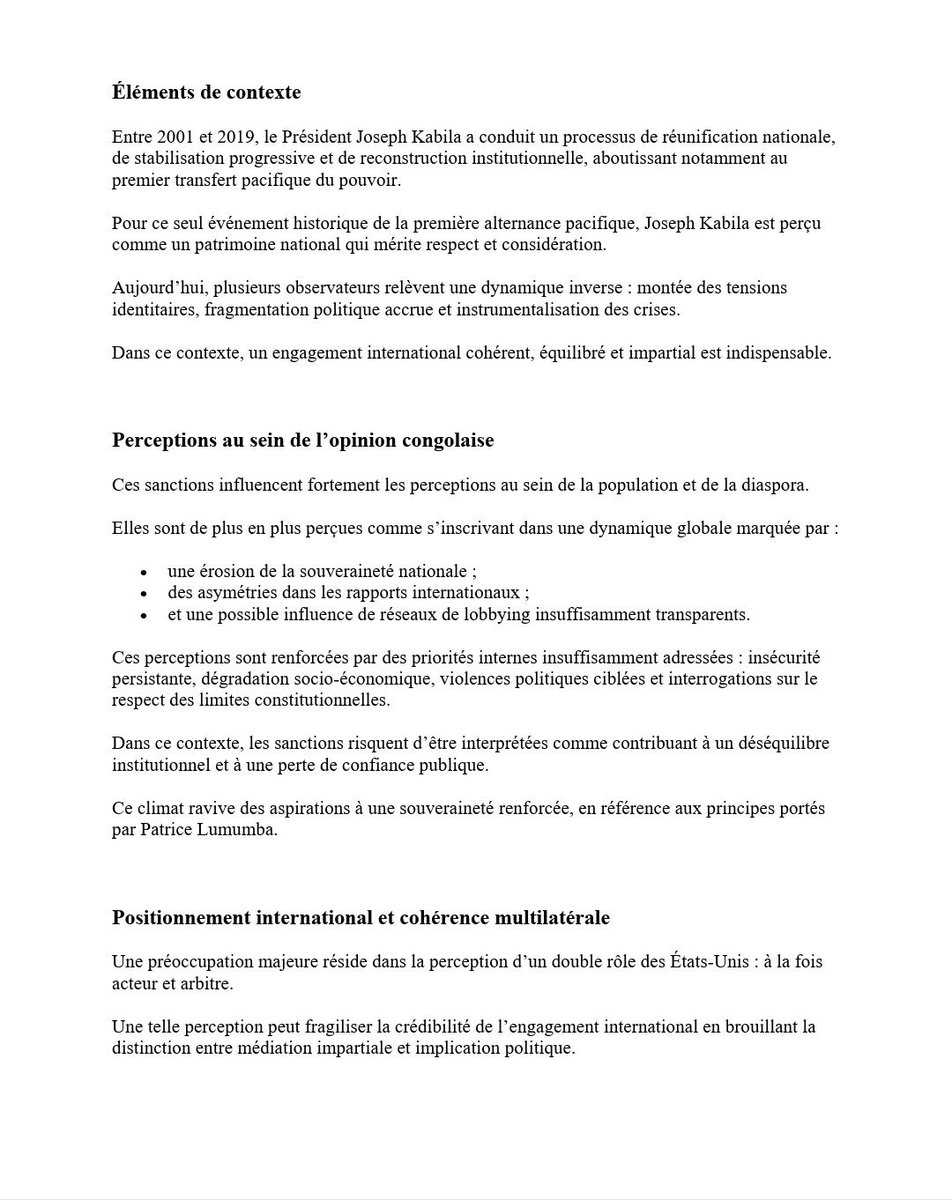
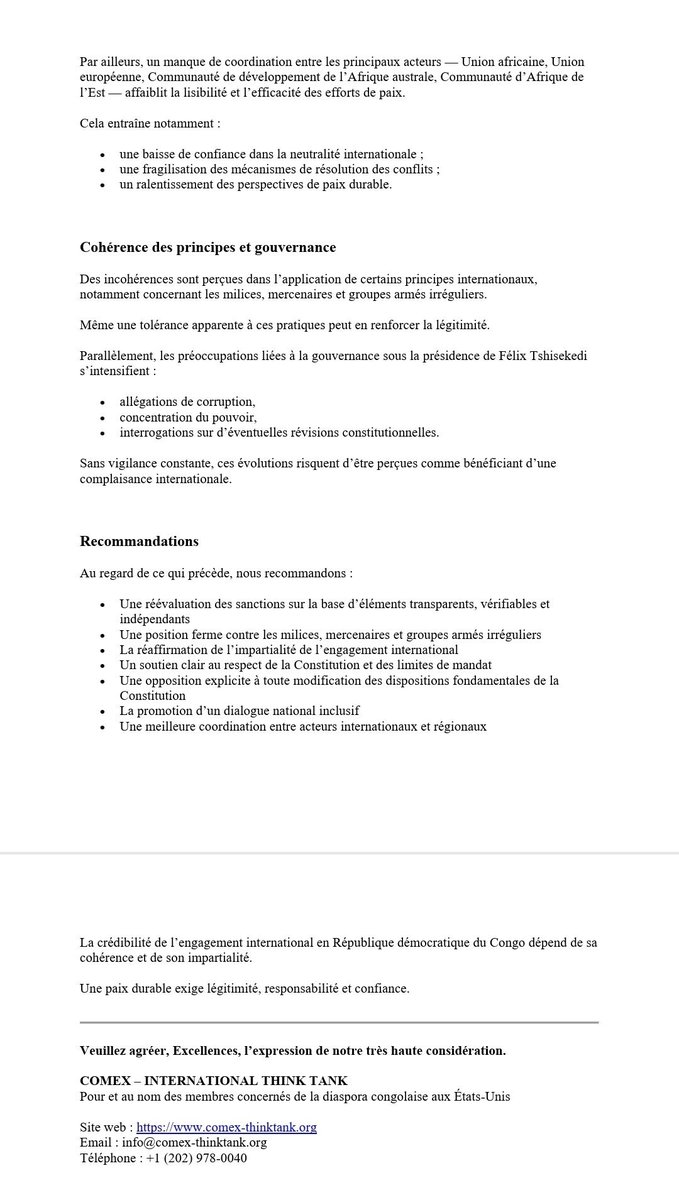
Assez ! La diaspora congolaise se lève et exige la réévaluation des sanctions injustes, infondées et injustifiées contre Joseph Kabila. Le COMEX think-tank, envoie un mémorandum cinglant à Trump, Rubio, ONU, UA et UE : Les sanctions contre Kabila sans aucune preuve indépendante, c’est de l’ingérence politique, pas de la justice ! Celui qui a réunifié le Congo et offert sa première alternance pacifique mérite mieux qu’une chasse à l’homme. Ils exigent immédiatement : → Levée des sanctions infondées → Respect de la Constitution → Dialogue national inclusif Mémorandum complet : comex-thinktank.org #RDC #Kabila #Souveraineté #Justice
Rodriguez Katsuva tweet mediaRodriguez Katsuva tweet mediaRodriguez Katsuva tweet media
Français
197
64
251
24.8K
STOP THE GENOCOST IN DRC 🇨🇩! retweetledi
Michael J. Kavanagh
Michael J. Kavanagh@mjkcongo·
Here are Kabila family assets we at Bloomberg could identify in publicly available records thru Dec 2016 -- only a few in his name or his wife/children @wildfranz @thomas_m_wilson I doubt many are still operating
Michael J. Kavanagh tweet media
English
17
126
295
44K
STOP THE GENOCOST IN DRC 🇨🇩!
@TwirwanehoMoise Les autochtones de Minembwe ou sont ils? Ils ont fuit, car il étais tué, massacré, violé et vous venant du Rwanda🇷🇼 avez occupé leur terres. Vous rentrerez d’où vous venez et la RDC🇨🇩 restera en paix. Votre plan de balkaniser ou soudaniser la RDC a échoué. Rentrez au Rwanda🇷🇼!
Français
0
0
0
14
TWIRWANEHO MOISE 🇨🇩
TWIRWANEHO MOISE 🇨🇩@TwirwanehoMoise·
#RDC: Minembwe — l'un des territoires les plus haïs de la RDC, en raison de la tribu qui y vit.
TWIRWANEHO MOISE 🇨🇩 tweet media
Français
37
9
53
5K
STOP THE GENOCOST IN DRC 🇨🇩!
@RealManziWilly @fredbauma90 Poison Rwandais. Ubwenge to the fullest degree. Nothing that comes out your mouth is to be believed. Your leader Kagame is violating the peace accord he himself signed without a gun to his head. His country and himself as an individual are next for more US🇺🇸sanctions. Stay tuned.
English
0
0
0
12
Manzi Willy
Manzi Willy@RealManziWilly·
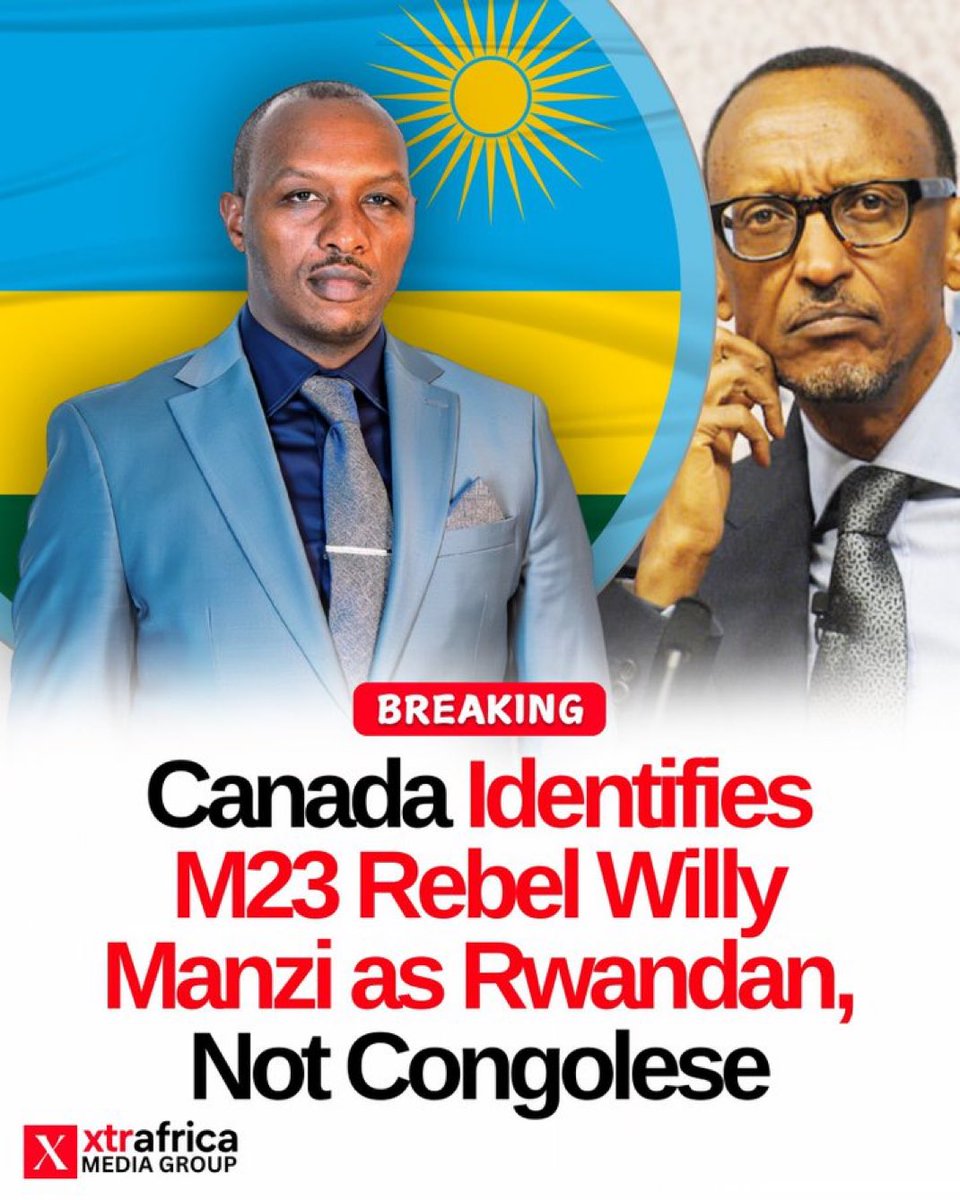
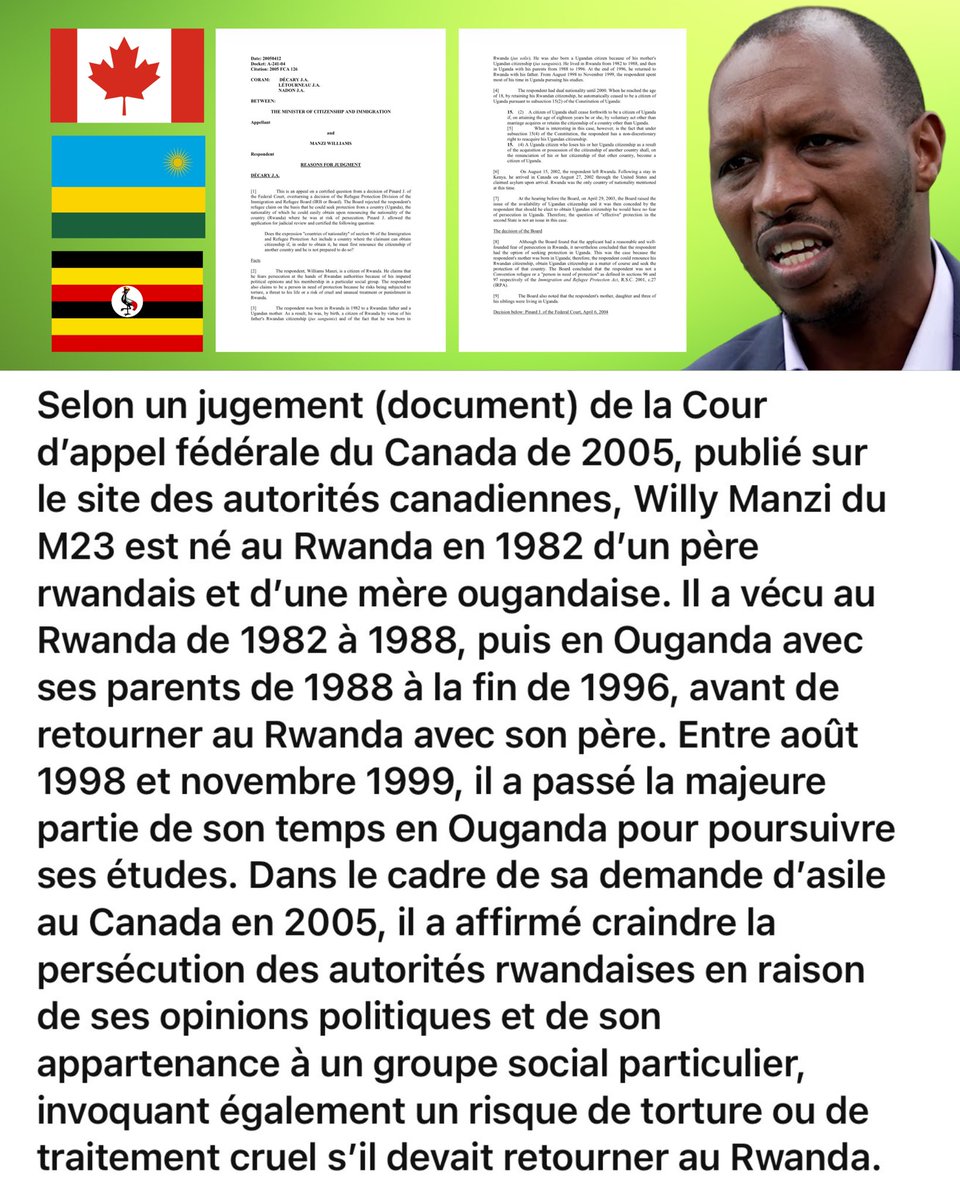
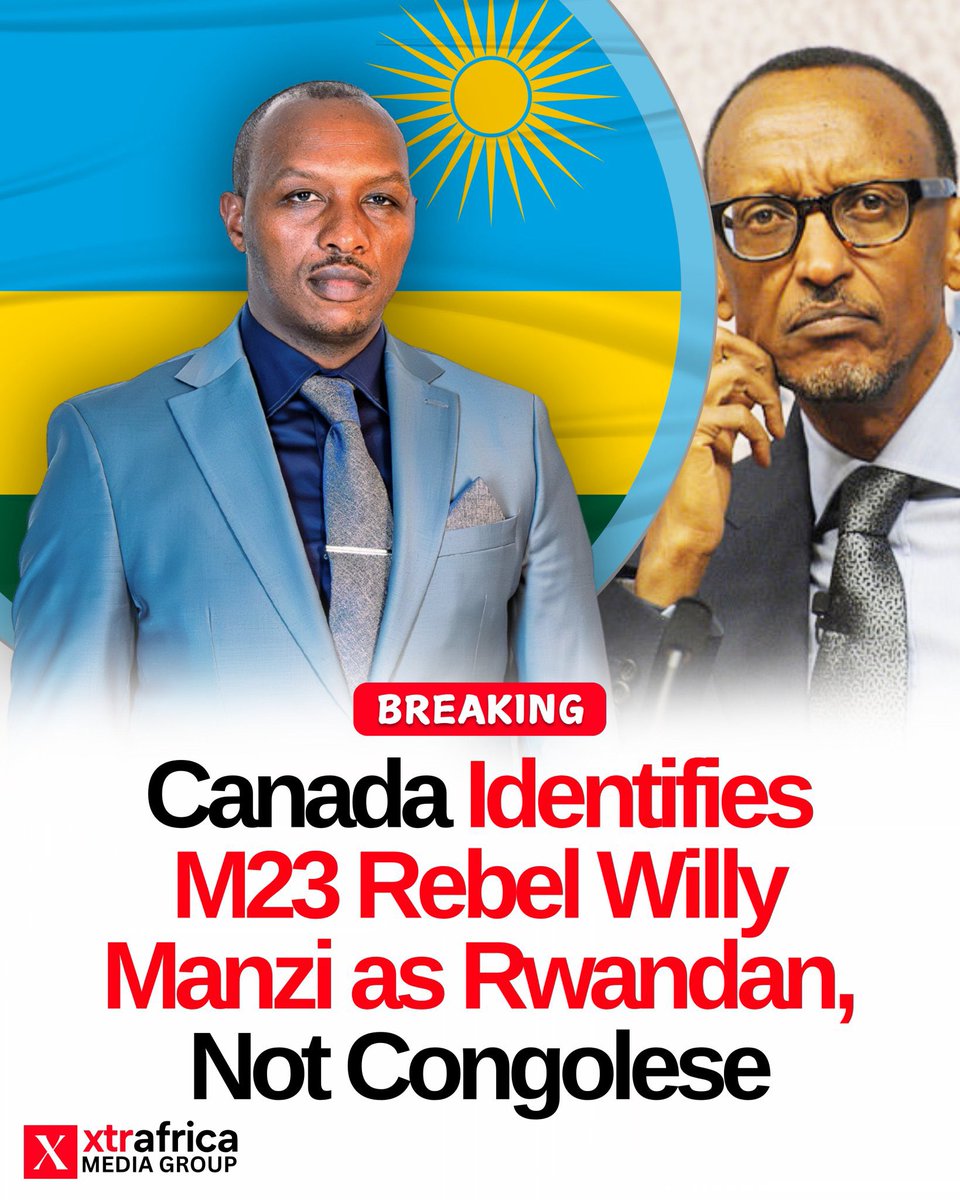
Did you know that @fredbauma90's dad is a traditional leader, and lives freely in AFC-M23 controlled areas and i meet him for work related any time of the month? Fred himself is a confused whose hate can't help him move forward. Lucha is an armed group.
Bojana Coulibaly, Ph.D.@CoulibalyBojana

You’re being manipulated by supposed victims who are #LUCHA activists, whose leader & founder @fredbauma90 isn’t only a known Rwandophobe & Tutsiphobe but also in direct collaboration with Kinshasa, regime committing war crimes in #SouthKivu by currently bombing Tutsi civilians.

English
10
16
70
10.1K
STOP THE GENOCOST IN DRC 🇨🇩!
@Katsuva_R Alors vous êtes avocat pour un gouvernement parallèle en RDC? De quoi parlez-vous réellement? Et si il y avait un sondage de ces millions de personnes sous contrôle de AFC/M23/Rwanda en RDC, quel en seront les résultats? Vous pensez que les USA🇺🇸 ne savent pas qui est Hyppolite?
Français
0
0
0
269
Rodriguez Katsuva
Rodriguez Katsuva@Katsuva_R·
“Si tu sanctionnes Joseph Kabila” moi “je prendrai tous les migrants dont tu n’as pas besoin !” C’est en résumé la grande motivation de ces sanctions financières de l’administration Trump contre Joseph Kabila. Il n’y a aucune PREUVE d’un appui de l’ancien président à la rébellion ! Vivre à Goma n’est pas un crime ! C’est la RDC ! Il y a 13 millions de congolais qui vivent sous AFC/M23, on va aussi les sanctionner tous !?
Rodriguez Katsuva tweet media
Français
203
65
451
27.8K
STOP THE GENOCOST IN DRC 🇨🇩!
@FelixMugenzi Toutes les sanctions contre le Rwanda et ses pantins sont injustes 🤦🏿‍♂️. Il ne manque plus que Kagame. Laisse moi te dire un truc, ceux qui sanctionnent sont les même qui ont supporté le Rwanda dans ses crimes au Congo 🇨🇩. La donne a changé tout simplement. Habituez-Vous 🤣.
Français
0
0
0
60
Mugenzi Félix
Mugenzi Félix@FelixMugenzi·
Une sanction injuste et unilatérale n'apportera pas la paix dans l'est de la RDC. Un médiateur qui condamne d'abord une partie au conflit. Décidément, il rebondira contre l’autre, et peut-être de la plus vigoureuse de manière pour manifester ou prouver son impartialité. Les intérêts des États-Unis sont la RDC et non celui qui la dirige Les sanctions n'ont jamais changé la configuration. En #RDC, plusieurs Hauts fonctionnaires ont été sanctionnés par les #USA dans le passé sans rien changé dans le pays. @amluzayamo @AugustinKabuyaT @PatrickLokala_ @Katsuva_R
Français
61
25
73
8.7K
Sugira Mireille🇨🇩
Sugira Mireille🇨🇩@SugiraMireille·
Kabila a combattu le M23 mieux que quiconque dans ce monde. Par exemple, à son époque, le M23, ces autochtones du Kivu n’ont occupé Goma qu’une dizaine de jours. Aujourd’hui, on lui impose des sanctions pour un prétendu soutien à l’AFC-M23, la seule force capable de le protéger dans son propre pays, comme certains autres acteurs politiques présents au Kivu, après avoir fui la pègre bruxelloise au pouvoir à Kinshasa. Saviez-vous que Nelson Mandela, le héros de l’humanité, a figuré sur la même liste de sanctions et n’en a été définitivement retiré que le 1er juillet 2008, bien qu’il ait reçu le prix Nobel de la paix depuis 1993 ? Ce monde est fou je vous dis... 😂 Tout Congolais opprimé est le bienvenu à Goma. Nous sommes ici pour de bon! ✍️
Sugira Mireille🇨🇩 tweet media
Français
142
51
221
25.2K
STOP THE GENOCOST IN DRC 🇨🇩! retweetledi
Ishokwe
Ishokwe@ishokwe·
@RealManziWilly You as Rwandise with Ugandan parents wTF are you doing in DRC?
English
0
1
8
185
STOP THE GENOCOST IN DRC 🇨🇩! retweetledi
G.N. Sebabi
G.N. Sebabi@GSebabi·
@RealManziWilly Don’t speak on behalf of suffering congress please we know you now . DO YOU???
G.N. Sebabi tweet media
English
0
1
0
54
STOP THE GENOCOST IN DRC 🇨🇩!
@albcontact No one has the time to read your books, this is X, be brief and straight to the point. If Rwanda via Kagame and its RDF/RPF have not been murdering Congolese men and raping Congolese women & girls in eastern DRC Congo🇨🇩 over the last 30 years then explain the USA's🇺🇲 sanctions?
English
0
0
0
22
Albert Rudatsimburwa 🇷🇼
DRC The Truth They Don’t Want Told: Rwanda, Congo, and the Thirty-Year Lie of War For three decades, the world has been told that Rwanda and the Democratic Republic of Congo (DRC) have been locked in a cycle of war. That formulation is repeated so often it is accepted as fact: “thirty years of war.” But it is a dangerous distortion. What the region has endured is not thirty years of war between equals, but thirty years of denial — denial that genocidal forces defeated in Rwanda in 1994 were allowed to survive, regroup, and thrive under international cover in Congo. Denial that United Nations peacekeepers and international experts, mandated to protect civilians and tell the truth, instead became complicit in perpetuating instability. Denial that successive Congolese governments have collaborated with these forces while Western institutions inverted reality to portray the victims as perpetrators. This is ultimately part of the Denial of the Genocide Against the Tutsi in Rwanda 1994 and the same time a support for those who committed the genocide and their western supporting powers. This narrative inversion — turning the perpetrators of genocide into victims, and Rwanda into the aggressor — has been so persistent that it now structures international debates at the UN Security Council and the Human Rights Council. The most recent sessions in New York and Geneva showcased the same pattern: Félix Tshisekedi’s government, which has integrated genocidal militias and even contracted foreign mercenaries, was spared scrutiny, while Rwanda was once again presented as the destabilizing actor. Such distortions are not just insulting; they are dangerous. They perpetuate impunity, embolden genocidal forces, and condemn millions of Congolese to continued suffering. 1994: The Crime the World Saw but Chose Not to Stop The truth begins in 1994, when Rwanda descended into the fastest genocide of the twentieth century. The United Nations Security Council was not blindsided. It had reports on its desk from the commander of the UN peacekeeping force in Rwanda. It knew about hate speech broadcast by extremist radio stations. It knew about militias arming and training openly. Yet when the presidential plane was shot down on April 6th and the genocide machinery was unleashed, the Council dithered. For one hundred days, more than a million Tutsi were hunted down and slaughtered while the so-called international community watched. When the genocide was halted by the Rwandan Patriotic Front, the perpetrators were not dismantled. Instead, they were escorted into Zaire, under French military cover, and given sanctuary by Mobutu’s regime. It was a stunning betrayal: would the Allies after World War II have tolerated a Nazi army regrouping in Switzerland or Austria, rearming, and launching cross-border raids? The question answers itself. What was unthinkable in Europe was tolerated in Africa. Thirty Years of Denial The remnants of the genocidal regime reconstituted themselves into new armed groups, most prominently the FDLR. They launched raids into Rwanda, destabilized eastern Congo, and embedded themselves into local conflicts. Rwanda and other African states were drawn into wars to neutralize them, yet the international community consistently refused to recognize the root cause. Instead, it adopted the lazy shorthand of “thirty years of war between Rwanda and Congo,” erasing the agency of the genocidal forces and the complicity of their enablers. The refusal to confront this truth has consequences. It allows the myth to persist that instability in eastern Congo is a Rwandan export rather than the direct result of harboring genocidal actors. It permits Congolese leaders, from Laurent Kabila to Félix Tshisekedi, to use the FDLR as a political tool, while scapegoating Rwanda whenever domestic failures come under pressure. And it encourages Western chancelleries and UN officials to absolve themselves of responsibility by blaming the most convenient target. MONUSCO: A Mission that Multiplied Armed Groups Since 1999, the United Nations has deployed its largest-ever peacekeeping mission, MONUC — later renamed MONUSCO — in the DRC. Its track record is damning. When the mission began, there were just four armed groups active in Congo. Today, there are more than 200. When Tshisekedi began his presidency, there were 28. This explosion of armed groups happened under MONUSCO’s watch. Even more damning is its relationship to the very forces it was meant to neutralize. MONUSCO never dismantled the FDLR. At times, it even cooperated with them. Atrocities in Ituri province continue to unfold despite MONUSCO’s heavy presence. And yet, year after year, the Security Council mandates “UN Experts” to report on the situation. These reports, opaque in recruitment and methodology, have consistently deflected blame away from MONUSCO and the Congolese government, while shifting suspicion onto Rwanda. Far from being impartial, they have helped to construct and entrench the false narrative of Rwanda as aggressor. Tshisekedi’s Calculated Escalation Félix Tshisekedi has not only inherited this machinery of denial; he has actively deepened it. His government has integrated the FDLR into the Congolese army, multiplied local militias known as Mai-Mai (later rebranded as “Wazalendo” to dodge international criticism), and even hired foreign mercenaries. Romania, a NATO member, sent a contingent that was captured during the fall of Goma. The United States, through Erik Prince — founder of the notorious Blackwater — has supplied another. Neither the UN, nor the EU, nor the African Union, which formally banned mercenaries in Africa in 1977, has spoken a word of condemnation. The hypocrisy is staggering. Rwanda is scrutinized for defensive actions aimed at protecting its borders from genocidal militias, while the Congolese government is given carte blanche to collaborate with those militias and employ Western mercenaries. This is not neutrality; it is complicity. The Manipulation of Numbers and Memory The distortion goes beyond politics into the realm of memory itself. The oft-repeated claim of “millions dead in Congo” is traced back to the UN’s infamous “Mapping Report” covering 1993–2003. That document was so riddled with methodological flaws that it reads less like professional research than a political pamphlet. Its purpose was transparent: to inflate numbers in ways that incriminate Rwanda, while erasing the structural causes of death in Congo — state collapse, corruption, and the harboring of armed groups. Yes, thousands have perished in Congo — from direct violence, from displacement, from preventable disease. But to inflate these figures into the millions without context, and to assign blame selectively, is not just bad scholarship. It is a moral crime. It erases the real victims, most of all the Congolese Banyarwanda, who have been displaced and targeted for over thirty years. And it allows those responsible — Congolese politicians, UN officials, and their international enablers — to wash their hands of accountability. Geneva, New York, and the Inversion of Truth All of these threads converge in the present. At the UN Security Council’s latest session on the DRC, and at the Human Rights Council in Geneva, the script was repeated once more. Tshisekedi’s government organized side events and interventions designed to paint Rwanda as the aggressor, while UN officials played along. The FDLR’s role was minimized. MONUSCO’s failures were ignored. The use of mercenaries was never mentioned. Instead, the narrative inversion was complete: Rwanda, the country that stopped a genocide and has spent thirty years defending its borders from its remnants, was presented as the destabilizer. It is a shameful spectacle. But it is also a revealing one. The international system is not neutral. It protects its own failures. It prefers denial to accountability. And in doing so, it ensures that the cycle of violence continues. The Urgency of Truth Thirty years on, the question is no longer whether the world failed Rwanda in 1994. That is beyond dispute. The real question is why the world has continued to fail the Great Lakes region for three decades afterward — by denying the root causes of instability, by shielding the perpetrators, and by inverting the roles of victim and aggressor. It is time to say it plainly: this has not been thirty years of war. It has been thirty years of denial. Denial that has protected genocidal actors. Denial that has enabled Congolese governments to weaponize militias. Denial that has allowed UN peacekeepers and “experts” to preside over the multiplication of armed groups. And denial that has permitted Western chancelleries to avoid their own complicity by pointing the finger at Rwanda. Breaking that denial is not only about Rwanda. It is about justice for the Congolese civilians trapped in cycles of violence, abandoned by their own state, and failed by the international community. It is about accountability for institutions that claim moral authority while practicing selective blindness. And it is about finally affirming that African lives, African history, and African truths cannot be endlessly distorted without consequence. If the world truly cares about peace in the Great Lakes, it must abandon the thirty-year lie and confront the truth it has avoided for too long. Until then, every new resolution in New York and every new declaration in Geneva will be nothing more than a continuation of the denial that has condemned the region to endless suffering.
English
222
310
724
87.2K