@thsottiaux Let me make cloud agent that starts during off-peak times. I'd love to be able to plan locally and then send to the cloud for off-peak usage
English
Zach Ritter
554 posts



12 Lessons from @johncoogan and @jordihays on building @tbpn 1. You can’t copy compounding. 2. Discipline eliminates inspiration as a bottleneck. 3. Entertain, inspire or educate—Simply. 4. Go high and low at the same time. 5. Borrow laterally, not recursively. 6. Your niche is enough. 7. The show is the end, not the means. 8. Start with obsession, not opportunity. 9. Platform-Native or Bust. 10. A brand is what you feel. 11. Humor is a way in. 12. Complementary obsessions multiply.


@inerati @GenAI_is_real @mim_djo We are confident that this document is fully AI-generated pangram.com/history/19e214…







what’s a material thing between $1000-$5000 that you’ve bought that actually changed your life? mine is the Eames lounge chair, no questions.

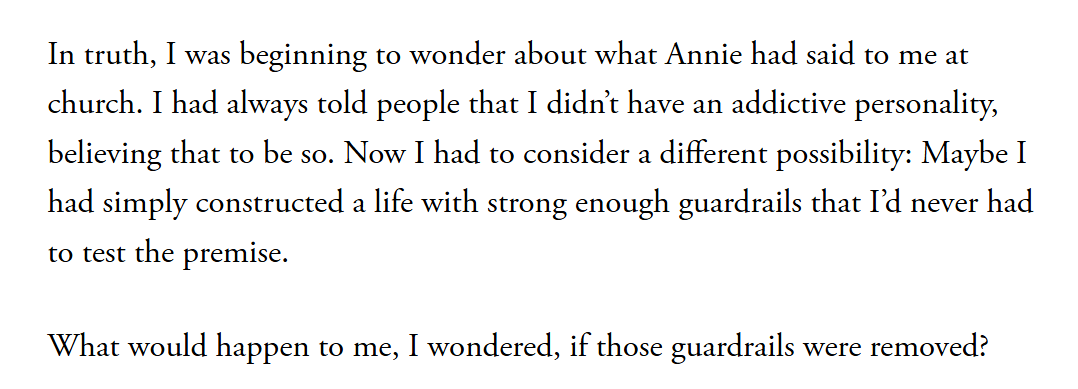
Last year, The Atlantic gave me $10K to gamble with. What started as a journalistic gimmick turned into something more... unnerving. My cover story on the online betting boom warping sports, culture, politics, and the psyches of millions of young men: theatlantic.com/magazine/2026/…


If you are Claud Code/Opus 4.6-pilled, this might sounds crazy to you but CC is worst harness for Opus 4.6 with accuracy of 58% Thank you for your attention to this matter.



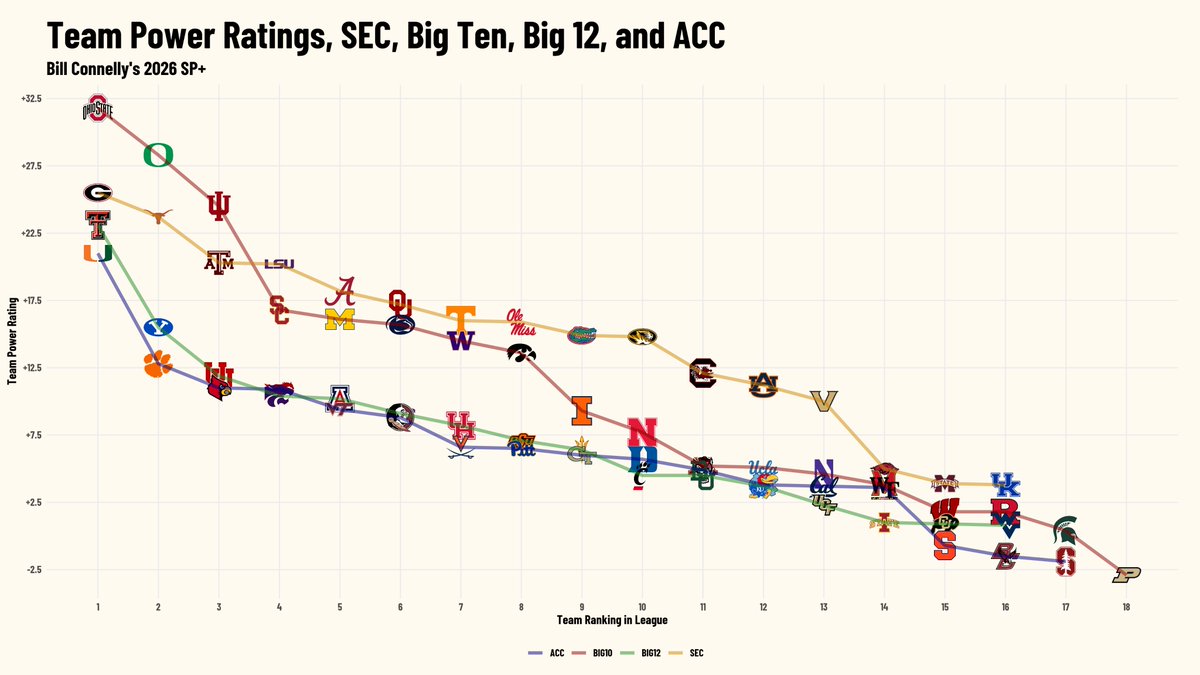
Just getting started with the Carnell Tate experience... two games in... but I have a guess as to why his production profile is underwhelming lol 1. obvious target competition 2. this is the qb play?

Linear has always been about coordination and communication in the company. You could have always just built features directly to the codebase, but then there is not that much visibility to others and understanding why the changes were made, or how it was decided. Your codebase is also not the source of customer problems, feedback or bugs. They get reported from customer channels, and Linear has tools to manage those workflows, and then automatically connect it to agent + human execution. There is also time shift where you might want to sit on a feature a while and collect more feedback or have a discussions to understand the full picture. Linear is this centralized place for the whole org. The danger of jumping to isolated solutions quickly is that you don't realize the larger pattern. What has changed that execution bandwidth has increased because agents, but I would argue that having direction, intent, context or communication has even increased because faster you go, the more streering you should have. I think the misnomer is that issue tracking is classically considered as some kind of "engineering tasking tool", like tickets flow from the front desk to the kitchen and then completed. But we always thought Linear as product building tool, having the tools, communication channels and workflow rails to work through problems. But I think we will as an industry find how tools or workflows will need to evolve and problems no longer matter and what new problems arise.