Momir@momir_amidzic
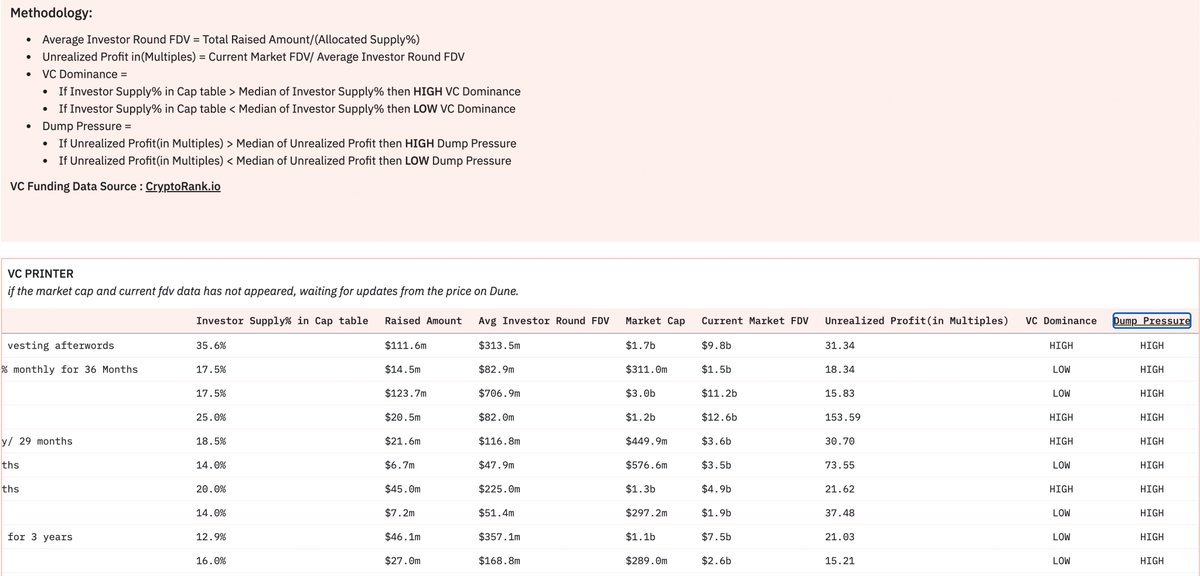
Recently we entered a point where VCs place excessive emphasis on the short-term potential FDV of projects, despite typically being locked in and having no prospects of exit for over 3 years. Valuations that seemed unthinkable in the primary market 6 months ago are now seen as lucrative opportunities because some new tokens are launching at multi-billion FDVs.
This causes investors and new projects to benchmark their private round valuations based on the FDV of these new tokens. Projects feel entitled to higher valuations and investors become more FOMO and likely to accept these valuations. Pre-traction, pre-product, and even pre-deck 9-figure valuations are becoming more common.
Adopting a left-curve mindset might benefit short-term liquid bets in a bull market but doesn't translate to successful primary market returns. It's a dangerous mistake to apply a trading mindset to venture deals.
It's already easy to identify tokens that will drop by more than 90% in price; it's merely a question of when and what will trigger the drop. There are many examples of tokens from the last cycle that reached 2B+ FDV and are non-existent at the moment or trade around 10M FDV.
The bull market tests everyone's character and often isn't the ideal time for venture investments, as seen by the significant mistakes made by large funds in the last cycle (just look at the industry’s No. 1 VC getting into OpenSea, Axie and FTX at the absolute top).
Having the right character to resist the current urge is much more important than being particularly smart. And the urge is significant: if you choose to be aggressive in the primary market during the hype stage you get:
- Short-term hype and paper gains for 6-12 months (projects can quickly close the next round at a higher valuation or in the case of token launch get high FDV).
- The opportunity to raise more funds from LPs by showcasing paper gains (as many VCs did in the last cycles with high unrealized returns on the likes of Serum, Terra, etc.) and maximize short-term management fees
On the other hand, choosing not to invest:
- For about 12 months you would face critique and pressure for passing on projects from your peers, LPs, or superiors, and even have to deal with a lot of self-doubt.
- Reduces the potential for the fund to max leverage the bull market to raise more capital, and essentially let the capital flow to the funds that are promoting their paper gains.
To win, one must adopt a contrarian approach and go against their urge (and have some luck! goodreads.com/book/show/2272…).
During the last bull cycle, my skepticism towards investing in the overhyped primary market was high, and if I could change anything, it would be to be even more cautious. This is not to say that you should be completely absent from primary markets during the hype, there are always some great opportunities, and sometimes it's worth paying the premium, but most of the time you should exercise double caution!