

@moc_tx89 @cryptooflashh @tgogayi @get_optimum @CryptoSundayz Strong, fast, permissionless, the network’s new muscle
English
Tynar
5.8K posts


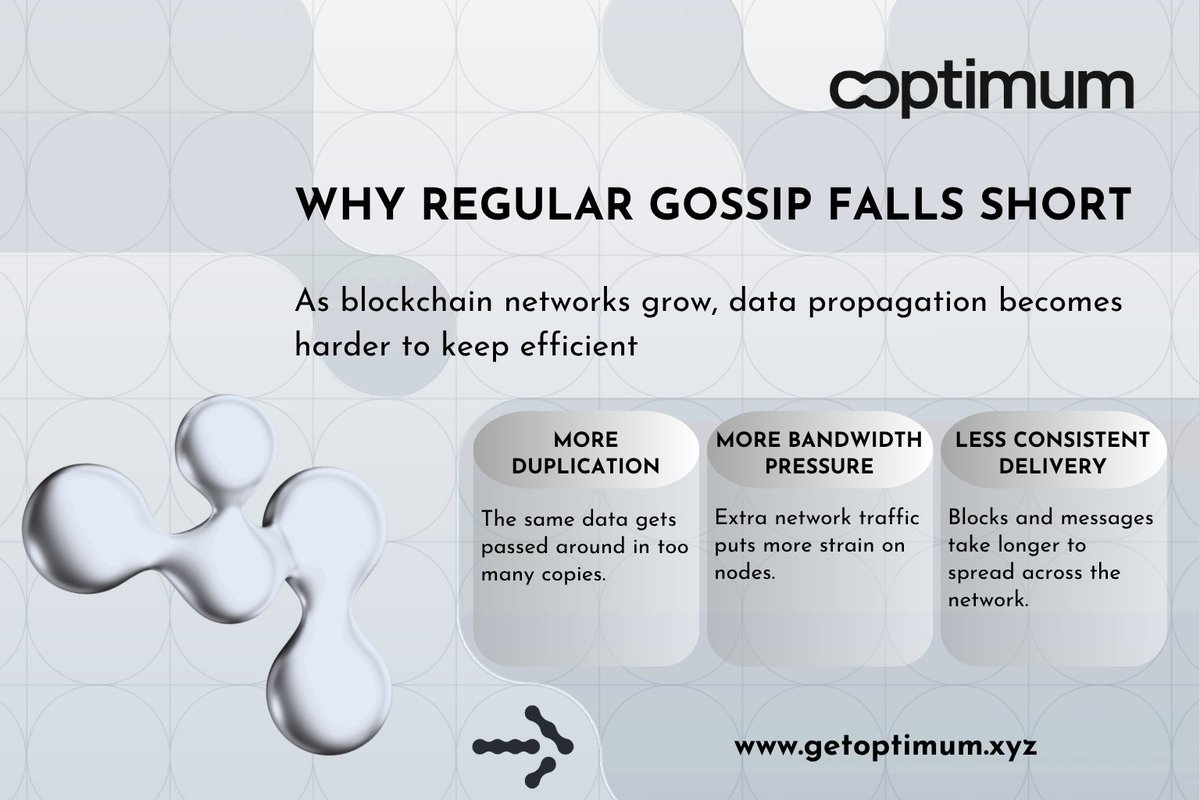
mump2p highway slide looking fire this galois gossip thing is next level. nodes dont wait for full messages anymore they just grab coded shards mix them quick and keep forwarding new ones through the whole mesh nonstop. its like a super efficient data highway for web3. works with libp2p too so it can plug into lots of chains. this gonna cut latency hard and make everything feel way faster. @get_optimum building something serious here





gFluton Most people don’t realize how much public blockchain payments reveal. Every transfer can expose who paid whom, how much, when, and even behavioral patterns tied to spending habits. That might be acceptable for explorers but not for real-world payments, payroll, business settlements, or personal transfers. @FlutonIO changes that by making payments confidential by default. Sender, recipient, amount, timing all remain private unless disclosure is intentionally authorized. In my view, this is exactly what blockchain payments need to become viable at scale.


Weekly stats. April 12-18 Fresh community stats for @get_optimum are here! China can deliver not only an economic miracle, but apparently a miracle of ultra-fast activity growth too. This week, the regional Chinese chat, which usually ranked among the least active, has surged into the top 5. Also, I want to highlight the Ukrainian channel, which seems to have secured a spot in the top 3 and has been holding it for two weeks in a row.

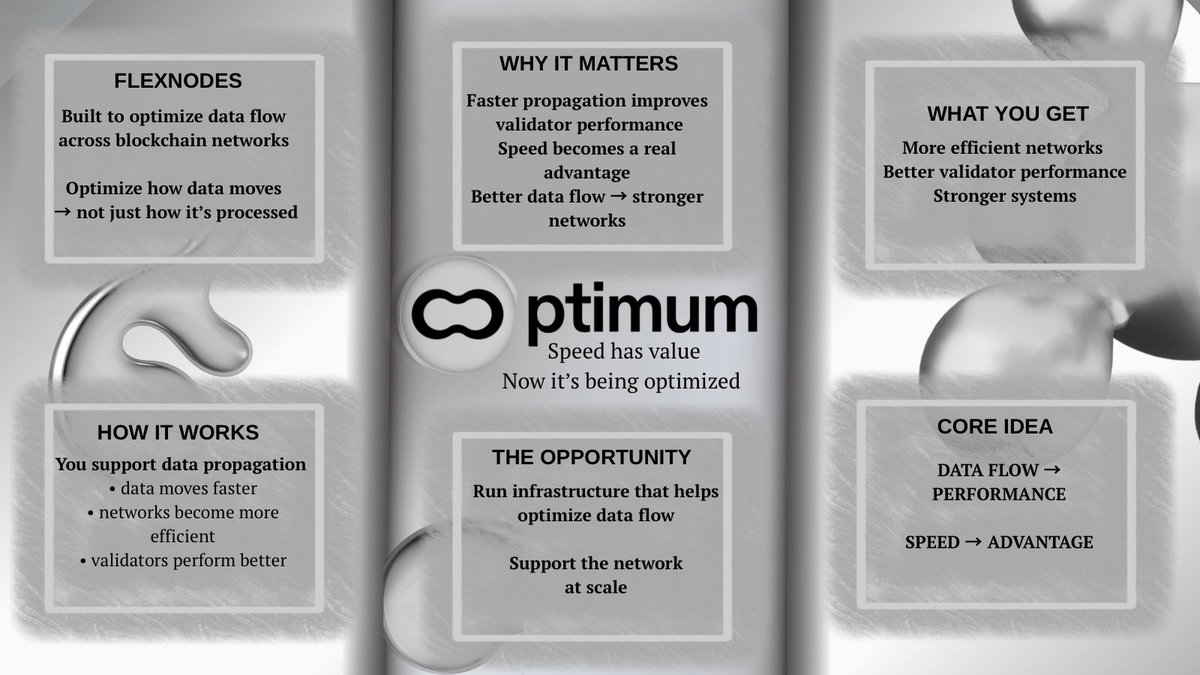
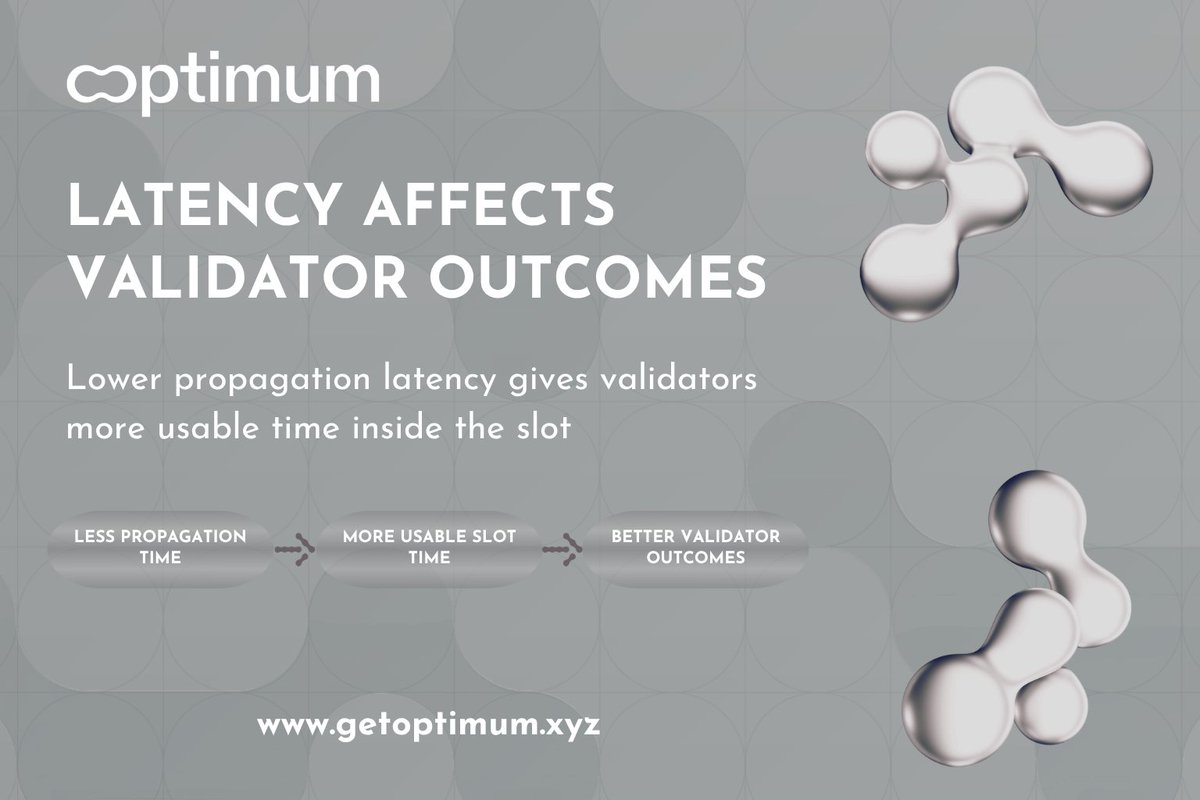
I’ve been looking into Optimum lately and at first it didn’t seem like something obvious. It’s not a flashy product or something you immediately “use”, but the more I read, the clearer it became that it’s about a layer most people don’t really notice - how data actually moves inside Web3. @get_optimum is focused on making data movement faster and more efficient. Not just in theory, but in the way information travels between nodes, validators, and across chains. And this is where things get interesting, because in Web3 speed isn’t just a technical detail - it directly affects how systems perform, how reliable they are, and even who gets an advantage. If latency is high, everything slows down. Data arrives later, decisions are made later, opportunities are missed. What Optimum is trying to do is reduce that friction and make the whole flow smoother - from how data is delivered and verified to how it’s actually used. What I like about this idea is that it’s not about adding more layers or complexity, but about improving what already exists. Making infrastructure work better instead of just building on top of it. Andthe fact that they’re working with validators shows that this is meant to be part of real systems, not just a concept. Still exploring this one, but it feels like one of those pieces that quietly shapes how everything else works






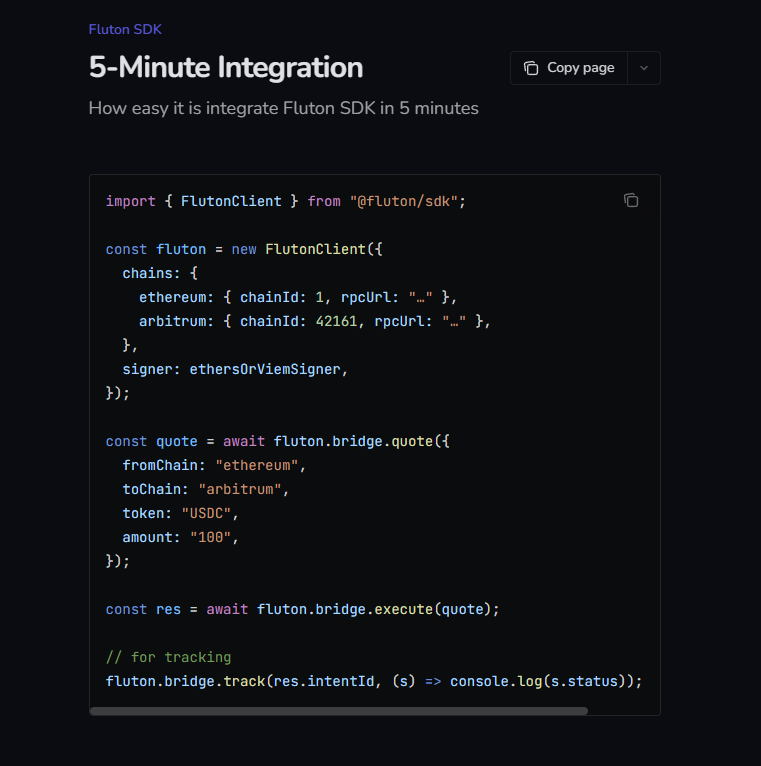
Crypto was built on transparency but that doesn’t mean everything should be exposed. Right now, every move you make on-chain can be tracked: your wallet balance, your trades, even your strategy. This creates an unfair environment where faster actors exploit your actions through MEV, frontrunning, and copy trading. @FlutonIO flips this model completely. By combining encrypted intents with FHE, it allows transactions to be executed without revealing the underlying data. You get the same on-chain functionality swaps, bridging, DeFi but without broadcasting your entire financial behavior to the world. Same blockchain. New rules. Privacy by default.