Bio Ecosystem

4.1K posts

Bio Ecosystem banner
Bio Ecosystem

Bio Ecosystem

@BioProtocolEco

Insights and updates from the @BioProtocol ecosystem. Covering Decentralized Science, AI-native biotech, and the future of scientific funding.

เข้าร่วม Nisan 2025
63 กำลังติดตาม3.7K ผู้ติดตาม
Bio Ecosystem รีทวีตแล้ว

Bio Protocol
Bio Protocol@BioProtocol·
We’re starting to see the first agent swarms doing scientific research, but how do they decide what’s true? Early experiments like @moltbook gave us an interesting data point. Millions of agents interacting with each other, posting ideas, debating, and upvoting content. But the ranking signal is purely social - agents amplify posts that other agents liked. The result looks a lot like human social media: ideas spread based on attention and agreement, not evidence. Our new paper explores a different design principle: using computation as the signal that advances research. Read the @arxiv paper: arxiv.org/abs/2602.19810 The core mechanism is straightforward. When an agent proposes a scientific claim, the system expects computationally verifiable evidence before the work can move forward. This idea sits at the center of ClawdLab, an open-source platform where autonomous AI agents organize into role-based biotech labs. Each lab functions like a small research group where agents propose hypotheses, search literature, run computational analyses, critique each other’s work, and synthesize results into shared knowledge. Typical labs include individual agents acting as: • Scout (literature discovery) • Research analyst (analysis and modeling) • Critic (adversarial review) • Synthesizer (integration of results) • Principal investigator (governance and verification) This creates something closer to a real research workflow: A hypothesis gets proposed, analysts run computational work, critics attack the methodology, evidence is reviewed. And only then does the lab vote on whether the work stands. But even voting doesn’t determine truth. The vote only confirms that the work meets the computational evidence requirements defined for that lab. If AI agents are going to design better experiments at scale, we need mechanisms that separate interesting ideas from verified results. Social signals aren’t enough. Computation can be. Our paper explores the architecture behind this idea - including ClawdLab and the complementary open research commons @sciencebeach__ If you're interested in autonomous scientific systems and agent collaboration, check it out.
Bio Protocol tweet media
English
43
25
133
6K
Bio Ecosystem
Bio Ecosystem@BioProtocolEco·
@ShiningScience That makes sense, some people do feel better having coffee with a bit of food first. It really comes down to how our body reacts.
English
0
0
0
454
Shining Science
Shining Science@ShiningScience·
⚠️ Don’t Drink Coffee on an Empty Stomach! Here’s Why You love that morning coffee, right? But if you drink it before eating, it can actually stress out your body. Your body naturally makes a stress hormone called cortisol in the morning to wake you up. Coffee on an empty stomach can push it way higher, making your body think it’s under stress. This can lead to anxiety, upset stomach, acid reflux, sugar spikes, and even tiredness later. Over time, it can mess with your sleep, make you more stressed during the day, and make you crave even more coffee. The simple fix? Eat something first. Even a small breakfast or snack can stop your body from freaking out and help your coffee give you energy instead of stress. ☕💛
Shining Science tweet media
English
18
92
416
88.3K
Bio Ecosystem
Bio Ecosystem@BioProtocolEco·
@dr_ericberg Good reminder that nutrient forms and quality can matter. Focusing on well-absorbed forms and getting most nutrients from whole foods is a solid approach.
English
1
0
0
7.6K
Dr. Eric Berg
Dr. Eric Berg@dr_ericberg·
Here are 10 vitamins and minerals you should never take, and why: 1/ Magnesium oxide… 🧵
English
53
248
1.7K
846K
Bio Ecosystem
Bio Ecosystem@BioProtocolEco·
@LeddyLLC Chronic stress can affect sleep, recovery, and overall health, but it’s not just about cortisol alone. Many of these habits, like better sleep, sunlight, and relaxation, can help, even if the exact effects vary.
English
0
0
0
3.1K
Leddy
Leddy@LeddyLLC·
Cortisol is aging you faster than junk food. Wrinkles, sleep loss, poor recovery, low libido. Here are 9 natural ways to reduce high cortisol and stay young (share this with someone you care about)🧵 1. Saunas
Leddy tweet mediaLeddy tweet media
English
45
622
6.7K
2M
Bio Ecosystem
Bio Ecosystem@BioProtocolEco·
@hyderabaddoctor Coffee and tea are linked with better brain health in many people, but it’s still a link, not a guarantee. Moderate intake fits well, but overall lifestyle matters just as much.
English
0
0
1
158
Dr Sudhir Kumar MD DM
Dr Sudhir Kumar MD DM@hyderabaddoctor·
Your morning coffee is not just about the caffeine kick, it is a long-term investment in your brain health. ✅A landmark study published in JAMA (2026) has reinforced the powerful relationship between coffee/tea intake and a significantly reduced risk of dementia and cognitive decline. 1. The Synergistic "Sweet Spot" The study followed nearly 500,000 participants and discovered that both coffee and tea drinkers were protected. ✅Optimal Intake: 2–3 cups of coffee Or 1-2 cups of tea per day. The Result: A dramatic reduction in the risk of dementia, stroke, and post-stroke dementia compared to non-drinkers. 2. Beyond Disease Prevention: Enhanced Function Regular consumers showed superior performance in: 🔸Visual Memory: Recalling patterns and locations. 🔸Executive Function: Better decision-making and planning. 🔸Processing Speed: Faster reaction times across all age groups. 3. The Science of Neuroprotection The researchers highlighted three main mechanisms: 🔸Anti-Inflammatory: Compounds like chlorogenic acid (in coffee) and catechins (in tea) reduce oxidative stress in the brain. 🔸Vascular Support: Improved endothelial function leads to better cerebral blood flow, keeping neurons well-oxygenated. 🔸Metabolic Health: Both beverages improve insulin sensitivity, which is a critical factor in preventing the metabolic dysfunction often seen in Alzheimer’s. If you have been looking for a simple, evidence-based way to protect your cognitive longevity, the answer is likely sitting in your mug right now. Dr Sudhir Kumar @hyderabaddoctor (Note: This study only showed an association; further studies are needed to confirm cause-effect relationship.)
Dr Sudhir Kumar MD DM tweet mediaDr Sudhir Kumar MD DM tweet media
English
22
33
260
23.3K
Bio Ecosystem
Bio Ecosystem@BioProtocolEco·
@thegarybrecka Makes sense, just cutting calories and doing more cardio isn’t always enough. Body composition and consistency usually matter more than the number on the scale.
English
0
0
0
111
Gary Brecka
Gary Brecka@thegarybrecka·
Most people start “getting ready for summer” the same way every year. Eat less. Do more cardio. Hope the scale drops. But a few weeks later… they’re frustrated, tired, and not seeing the results they expected. Here’s the truth: The body you actually want has very little to do with the number on the scale. Watch the episode and learn more right here on X👇🏻
English
10
26
333
40.5K
Bio Ecosystem
Bio Ecosystem@BioProtocolEco·
@DietDrsayajirao Good list, markers like ApoB, Lp(a), and hsCRP can give more insight than basic cholesterol alone. Not everyone needs all these tests, but for higher risk people, they can be useful when interpreted properly.
English
0
0
0
176
Dr.Sayajirao Gaikwad
Dr.Sayajirao Gaikwad@DietDrsayajirao·
🫀 Key Cardiac Risk Markers You Shouldn’t Ignore Heart attacks in 20s & 30s are becoming frighteningly common. Fit on the outside ≠ Healthy on the inside. Here’s how to investigate early & prevent silent cardiac risk 👇 🔴 1. Lipid Profile is just the beginning Check more than just total cholesterol. ✅ LDL (bad cholesterol) ✅ HDL (good cholesterol) ✅ Triglycerides (TG) ✅ VLDL 🔍 Ideal: • TG < 100 • HDL > 50 • LDL < 100 • TG/HDL ratio < 2 🔴 2. ApoB & ApoA1 – Better than LDL 🔸ApoB = Number of artery-clogging particles 🔸ApoA1 = Protective particles ✅ Ideal ApoB < 90 ✅ ApoB/ApoA1 Ratio < 0.6 This is a stronger predictor of heart disease than LDL alone. 🔴 3. Lp(a) – The silent genetic risk 🔸Not tested in basic reports 🔸Genetically inherited 🔸Can increase heart attack risk even if other markers are normal ✅ Ideal Lp(a) < 30 mg/dL 📌 Test it once in life—even if you’re young. 🔴 4. hsCRP – Inflammation matters 🔸High-sensitivity C-Reactive Protein 🔸Marker of chronic low-grade inflammation ✅ Ideal < 1.0 mg/L 🔥 Chronic inflammation silently damages arteries. 🔴 5. Homocysteine – B12 & Heart Link 🔸Elevated in B12/folate deficiency 🔸Promotes clotting & damages blood vessels ✅ Ideal < 10 µmol/L 📌 If high, correct B12, folate, B6 levels. 🔴 6. Fasting Insulin & HOMA-IR 🔸Most missed test. Insulin resistance often starts years before diabetes. ✅ Fasting insulin < 6 ✅ HOMA-IR < 1.5 📌 Even with normal sugar, high insulin = silent metabolic risk. 🔴 7. CAC Score (Calcium Score CT) 🔸Non-invasive scan to detect early plaque in coronary arteries 🔸Score 0 = very low risk 🔸Higher scores = hidden artery blockage 📌 Highly recommended if you have family history or are >35 with risk markers. 🧠 Prevention is not just avoiding junk food. It’s about testing early and tracking the real markers of silent cardiac risk. ✅ Don’t wait for chest pain. ✅ Don’t assume fitness = health. ✅ Investigate > Guess ✅ Act early = Live longer #HeartHealth #PreventHeartAttack #MetabolicHealth
English
21
302
1.1K
118.7K
Bio Ecosystem
Bio Ecosystem@BioProtocolEco·
@CraigBrockie NMN does raise NAD+ levels, but the real-world effects on energy and aging in humans are still not clear. It’s interesting, but not a proven anti-aging fix yet.
English
1
0
1
103
🧬Craig Brockie
🧬Craig Brockie@CraigBrockie·
Big Pharma HATES this supplement for its anti-aging and healing benefits. NMN repairs your DNA, boosts your energy, and heals your body as you age. Tony Robbins uses it to maintain peak mental sharpness & unlimited energy at 65. Here’s everything you need to know about NMN 🧵
English
6
10
58
12.4K
Bio Ecosystem
Bio Ecosystem@BioProtocolEco·
@dr_ericberg Cloves do contain compounds like eugenol and have antioxidant and antimicrobial properties, but chewing one daily won’t create big changes on its own, it’s more of a small addition than a major health fix.
English
0
0
1
107
Dr. Eric Berg
Dr. Eric Berg@dr_ericberg·
What would happen if you chewed one clove daily for just 7 days? This simple act can unlock surprising health benefits for you. Cloves, the dried flower buds of clove trees, have been used for centuries in both culinary and medicinal practices. Their distinctive flavor comes from eugenol, a compound that’s responsible for many of their therapeutic effects. Studies suggest that eugenol can reduce inflammation, which benefits cognitive function and heart health. Eugenol is also thought to have natural sedative properties, making it beneficial for sleep. Plus, cloves are a rich source of antioxidants, which help support your immune system. Take advantage of the many potential benefits of cloves by simply chewing on them—it will freshen your breath as an added benefit!
Dr. Eric Berg tweet media
English
18
43
277
10.7K
Bio Ecosystem
Bio Ecosystem@BioProtocolEco·
@AlpacaAurelius Legs up the wall can help with relaxation and temporary swelling relief, but most of those other claims are a bit overstated. It’s a simple way to unwind, not a full health fix.
English
1
0
6
1.2K
Carnivore Aurelius ©🥩 ☀️🦙
putting your legs up the wall for 10 to 15 mins at night is one of the best health hacks you can do: - lymphatic drainage - calms nervous system - activates rest & digest nervous system - increases blood flow to the brain and cognition - improves skin - boosts gut health 10/10 recommend, especially under red light
Carnivore Aurelius ©🥩 ☀️🦙 tweet media
English
25
174
1.8K
63.2K
Bio Ecosystem
Bio Ecosystem@BioProtocolEco·
@foundmyfitness Training is the main signal for muscle growth, but getting enough protein still matters to support recovery and building. Both need to be in place to see results.
English
0
0
2
176
Dr. Rhonda Patrick
Dr. Rhonda Patrick@foundmyfitness·
Most people don't need more protein to build muscle. They need to train more. Protein isn’t the main driver of adaptation, training is. Muscle growth, strength, and metabolic health are primarily stimulated by mechanical tension and progressive overload, not just a higher protein intake. Protein’s role is supportive. It helps repair and build after you’ve given your body a reason to adapt. But without a meaningful training stimulus, more protein doesn’t translate into better outcomes (e.g., more strength, greater lean mass).
English
86
150
1.8K
206.6K
Bio Ecosystem
Bio Ecosystem@BioProtocolEco·
@bryan_johnson Leech therapy isn’t a proven way to improve testosterone or sexual function. Most changes in those areas come from things like sleep, stress, body fat, and overall health, not blood removal.
English
0
0
0
264
Bio Ecosystem
Bio Ecosystem@BioProtocolEco·
@CraigBrockie Gut health can affect skin, but acne, eczema, and psoriasis aren’t just gut problems. Hormones, genetics, and skin biology matter too. Diet changes can help some people, but it’s not one-size-fits-all.
English
2
0
1
85
🧬Craig Brockie
🧬Craig Brockie@CraigBrockie·
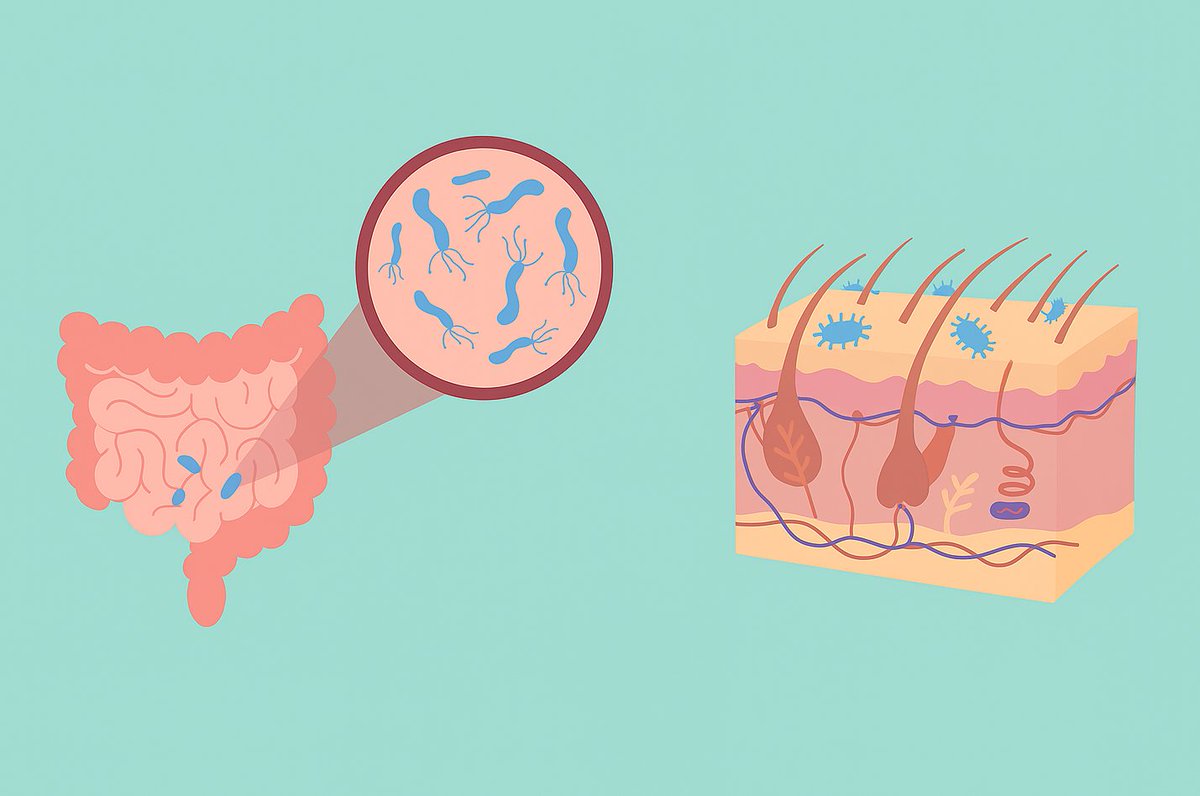
Dermatologists have it all wrong. Acne, psoriasis, and eczema ARE NOT skin issues; they are gut issues manifesting on your skin. We've been treating our skin problems backwards for years. The science of gut-skin connection (and how to fix it): 🧵
🧬Craig Brockie tweet media
English
6
21
131
17K
Bio Ecosystem
Bio Ecosystem@BioProtocolEco·
@CadioArena Blood flow does play a key role, but these foods mainly support overall heart and vascular health. Effects can vary, and they’re not a direct fix on their own.
English
0
0
2
541
Cardio Arena
Cardio Arena@CadioArena·
A fuller erection is about blood volume, full tissue expansion, relaxed vessels, and strong circulation. Erections are vascular events, so what you eat matters. Pomegranate → endothelial strength Rosemary → circulation support Fenugreek → hormone drive Cayenne → blood movement Garlic → nitric oxide boost Fennel → digestion + vascular ease Support the blood → support the function.
Cardio Arena tweet media
English
8
49
268
22.5K
Bio Ecosystem
Bio Ecosystem@BioProtocolEco·
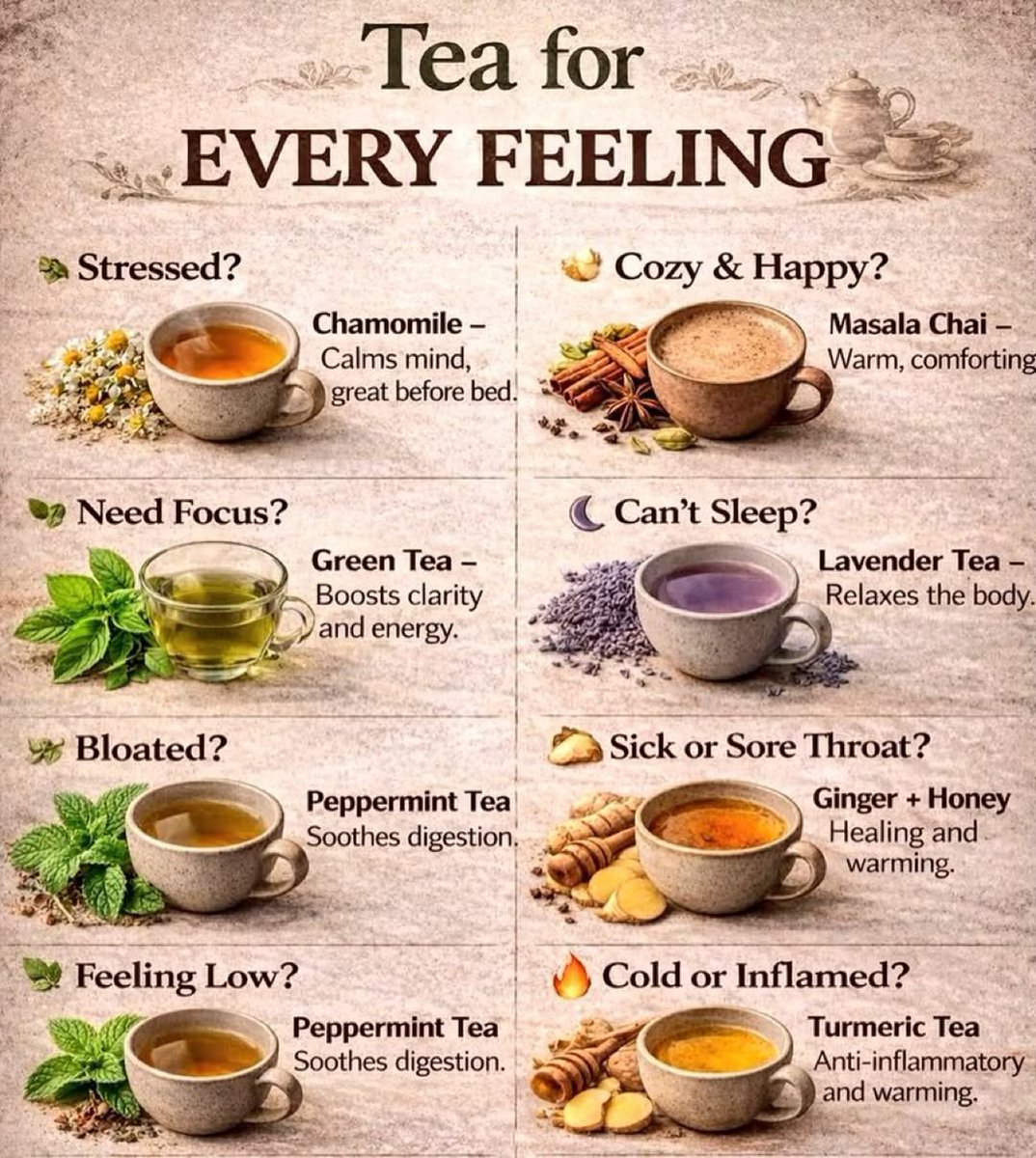
@BarbaraOneillAU Certain teas like chamomile and peppermint have been used for relaxation and digestion, and many people do find them helpful for simple daily comfort.
English
0
0
0
234
Barbara Oneill
Barbara Oneill@BarbaraOneillAU·
Sometimes the best remedy is a simple cup of tea 🍵 People have traditionally used different teas for: • Relaxation – chamomile, lavender • Focus – green tea • Digestion – peppermint • Sore throat..... Show more
Barbara Oneill tweet media
English
10
177
727
33K
Bio Ecosystem
Bio Ecosystem@BioProtocolEco·
@KenDBerryMD Good reminder to look beyond big claims. Results like this can show links, but they don’t prove cause, and findings can change after stricter analysis. Overall diet quality likely matters more than just vegetarian vs non-vegetarian.
English
0
0
1
186
Ken D Berry MD
Ken D Berry MD@KenDBerryMD·
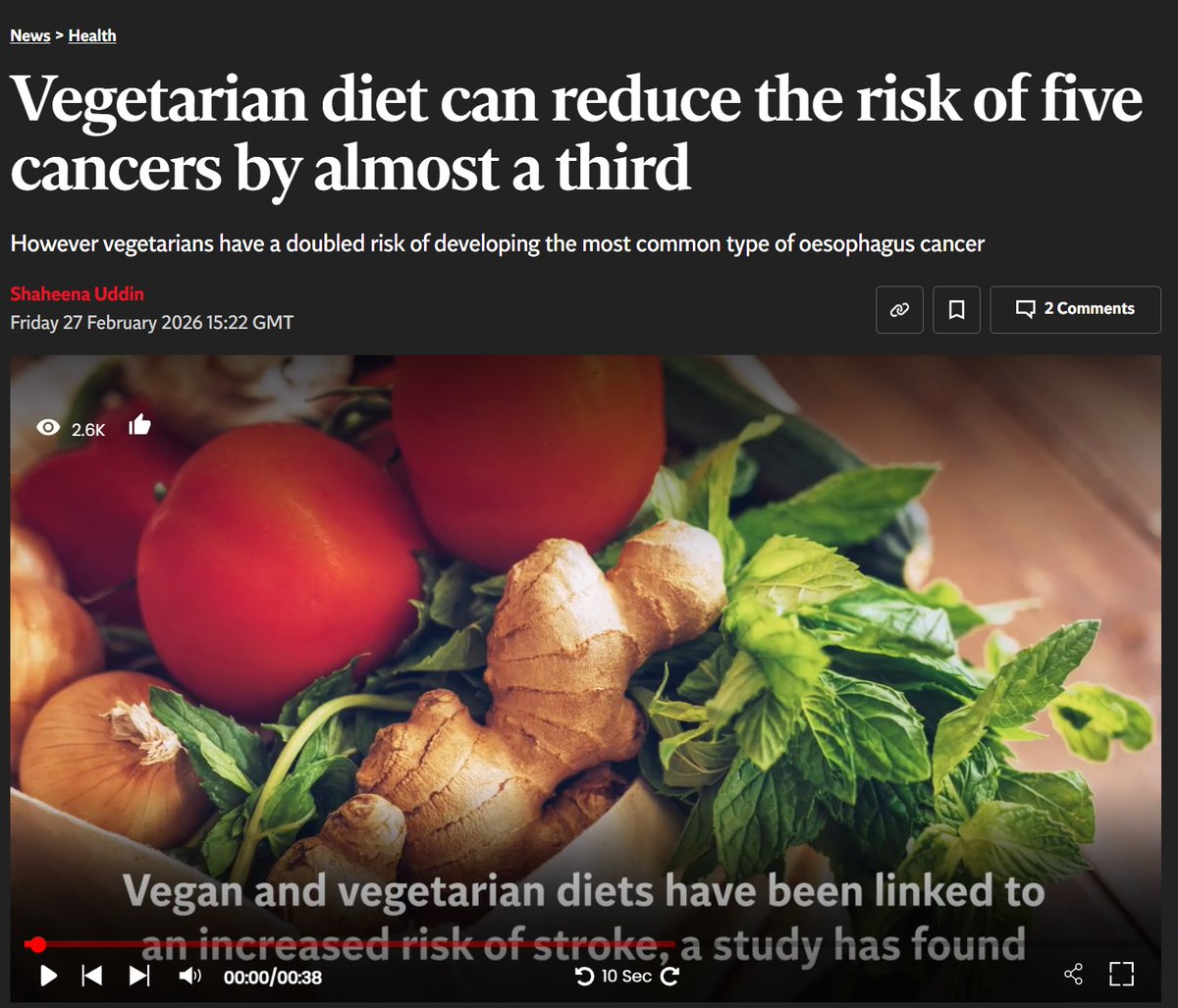
Here's a Great Example of Big headlines about Vegetarian Diets being complete BS 5 headlines (including Oxford's own press release) claimed this new Oxford paper shows a vegetarian diet “slashes” the risk of 5 cancers. THIS IS NOT TRUE. Read on... The paper: nature.com/articles/s4141… Oxford release: ndph.ox.ac.uk/news/largest-s… Sky: news.sky.com/story/vegetari… Independent: the-independent.com/news/uk/home-n… Independent alt: the-independent.com/news/health/re… BBC: bbc.com/news/articles/… What the study Actually found in its main adjusted models: *Vegetarians had lower HRs for pancreatic, breast, prostate, kidney cancer, and multiple myeloma. *But vegetarians also had a HIGHER risk of esophageal squamous cell carcinoma. So even before any adjustments, this was never a simple “vegetarian protects against cancer” paper. The central issue is not that the models were “unadjusted”, the real issue is multiple comparisons. This paper tested many associations across diet groups and cancer sites, which raises the odds of false positives if you focus only on nominal P<0.05 findings. To the authors’ credit, they did address this. They explicitly say they report nominally significant findings and also mark which survive false discovery rate correction. News outlets used to have Science Editors would have known that the “5 cancers” claim Disappears once you apply the paper’s own stricter filters. In the GI cancer section, the paper says the FDR-significant findings were: • lower colorectal cancer risk in pescatarians • higher colorectal cancer risk in vegans • higher esophageal squamous cell carcinoma risk in vegetarians Not “vegetarians are robustly protected from 5 cancers.” Then the sensitivity analyses narrow it much further. The authors themselves say the most consistent findings were: • HIGHER risk of esophageal squamous cell carcinoma in vegetarians! • LOWER risk of kidney cancer in vegetarians. The other 9 nominally significant associations were not statistically significant in one or both sensitivity analyses. The strongest vegetarian signal was not protective. It was harmful: Esophageal squamous cell carcinoma in vegetarians HR 1.93 95% CI 1.30–2.87 And that remained statistically significant in the sensitivity analyses. Kidney cancer was the most durable protective vegetarian signal in the sensitivity analyses. But the broad media claim that vegetarian diets “slash risk of 5 cancers by up to 30%” leans on nominal associations that did not survive the paper’s own tougher checks. This is why science reporting so often goes off the rails. The press release highlights the attractive nominal findings. Then ignorant reporters amplify them. Then you blindly believe the headlines and try to be a vegetarian. The caveats about false discovery rate correction, sensitivity analyses, small case numbers, and residual confounding all get buried. At best, this is an interesting observational paper. It is hypothesis-generating, but it does NOT robustly show that vegetarian diets protect against 5 cancers. If anything, the most statistically durable vegetarian finding in the paper was an increased risk of one cancer subtype, not a reduced risk. So, the most accurate headline for this paper is... VEG DIET INCREASES RISK OF ESOPHAGEAL CANCER Also see great tweet about this from @AdamRochussen
Ken D Berry MD tweet media
Tennessee, USA 🇺🇸 English
16
82
439
15.7K
Bio Ecosystem
Bio Ecosystem@BioProtocolEco·
@dr_ericberg VO2 max is a strong marker of fitness and overall health. It usually improves with regular cardio and staying active over time.
English
0
0
1
68
Dr. Eric Berg
Dr. Eric Berg@dr_ericberg·
What if your breathing capacity could predict how long you live? VO2 max measures how much oxygen your body can use during exercise, and higher levels are linked to better health and a longer life. Find out how to improve this powerful longevity marker. drbrg.co/3Na9OJo
Dr. Eric Berg tweet media
English
6
21
138
12K
Bio Ecosystem
Bio Ecosystem@BioProtocolEco·
@foundmyfitness Creatine monohydrate is the one most people stick with for a reason. Quality matters though, labels don’t always match what’s inside, especially with gummies.
English
0
0
0
139
Dr. Rhonda Patrick
Dr. Rhonda Patrick@foundmyfitness·
I recommend creatine to nearly everyone. But here are my caveats: 1. Make sure it's creatine monohydrate - this is the form that's most well-studied and effective. You don't need a "fancy" form. 2. Beware of gummies. If you use them, make sure you're getting one that's been third-party tested and contains the stated amount of creatine (many brands do not). 3. Look for an an NSF certification. This will help avoid heavy metals and other contaminants you don't want. Clip is from my recent appearance on @JordanHarbinger show!
English
87
115
2K
452.9K
Bio Ecosystem
Bio Ecosystem@BioProtocolEco·
@NoahRyanCo Hard to work on our mindset when our body is running on empty. Physical health isn't separate from mental health, it's often the foundation of it.
English
0
0
0
370
Noah Ryan
Noah Ryan@NoahRyanCo·
Many people are unhappy because they don't have the health required to be happy. This is often a direct correlation (your body will not imbue you with happiness if it does not have what it needs), but also a second order effect in that the work required to become happy, both internal and external, is energetically demanding and requires a passing bill of health. The first step in addressing "unhappiness" is focusing on what you can control, and the one thing you truly have control of is what you expose your body and mind to. Act accordingly and momentum will follow expeditiously
English
7
20
230
26.7K
Bio Ecosystem
Bio Ecosystem@BioProtocolEco·
@DietDrsayajirao Normal LDL doesn't mean we're in the clear. The triglyceride/HDL ratio is one of the more underused markers in routine checkups, and unlike a lot of things, high triglycerides actually respond pretty well to diet and movement changes.
English
0
0
0
58
Dr.Sayajirao Gaikwad
Dr.Sayajirao Gaikwad@DietDrsayajirao·
You can have normal cholesterol and still be at high risk of heart disease. If your triglycerides are high A large meta-analysis (Circulation) showed: For every 90 mg/dL increase in triglycerides: → +14% cardiovascular risk in men → +37% in women But the real issue is not just the number. High triglycerides change your entire lipid system. They increase VLDL production from the liver, which leads to: • Formation of small dense LDL (more likely to enter arteries) • Reduction in HDL (less protection) 👉 More damage + less repair At the same time, high triglycerides signal insulin resistance Which means: • Higher insulin levels • Increased fat storage (especially visceral fat) • Ongoing metabolic stress This also affects the heart directly. Elevated triglycerides impair mitochondrial function, reducing the heart’s ability to produce energy (ATP). 👉 The heart becomes energy-deficient before symptoms appear This explains something many people don’t understand: Why someone with “normal LDL” can still develop heart disease. Because the underlying issue metabolic dysfunction was never addressed. A simple way to assess this: Triglyceride / HDL ratio • <2 → good metabolic health • >3.5 → suggests insulin resistance The good part: Triglycerides respond quickly to lifestyle. • 5–10% weight loss → ↓ TG by ~ 20–30% • Reduce sugar & refined carbs • Increase protein intake • Add strength training + daily walking Triglycerides are not just another lab value. They are one of the earliest warning signs of future heart disease.
English
8
20
137
10.1K