Cycle Coach

1.1K posts

Cycle Coach banner
Cycle Coach

Cycle Coach

@Cyclecoach

David Ertl, Cycling Coach with Peaks Coaching Group; RAGBRAI training blogger; Author and Bike Racer.

Iowa เข้าร่วม Aralık 2008
1.7K กำลังติดตาม1.5K ผู้ติดตาม
Cycle Coach
Cycle Coach@Cyclecoach·
@thegarybrecka VO2 Max is measured in a lab, not from a watch. How many of youwho are quoting numbers have actually had VO2 Max MEASURED?
English
0
0
0
43
Gary Brecka
Gary Brecka@thegarybrecka·
VO₂ max is one of the strongest predictors of lifespan. Translation: how well your body uses oxygen determines how long you live. Low VO₂ max = higher risk of cardiovascular disease and early death. Improve it: - add 1 to 2 interval sessions per week - short bursts at high intensity - full recovery between efforts You don’t need more time in the gym. You need more intensity with intention.
English
30
49
653
85.3K
Eric Topol
Eric Topol@EricTopol·
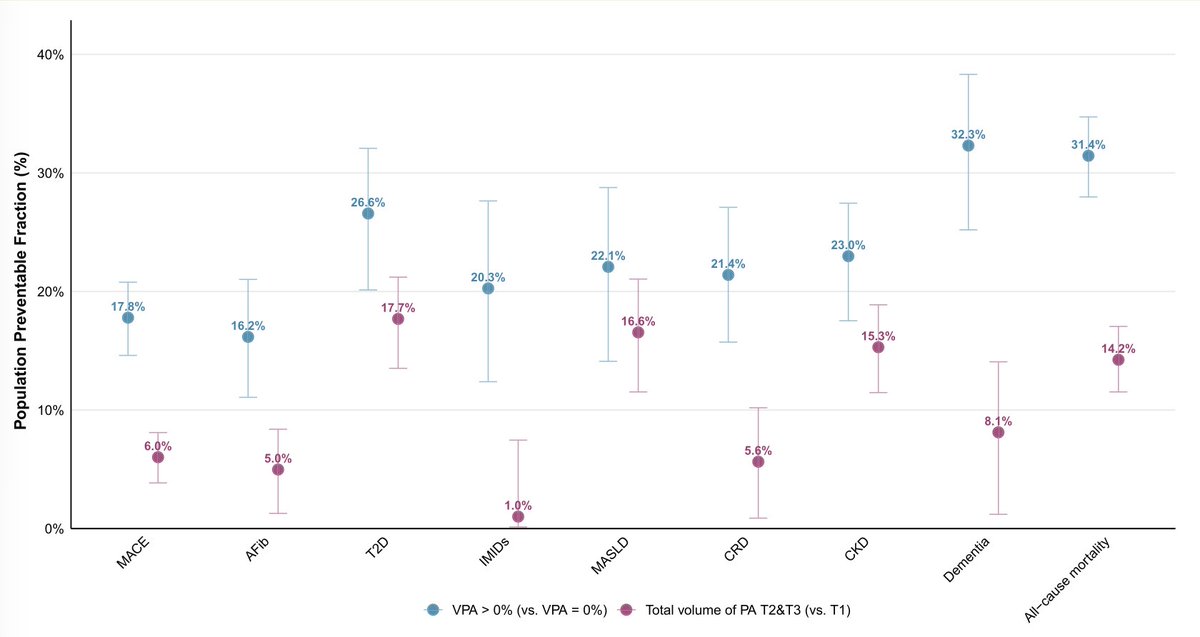
Intensity of exercise vs volume of physical activity made a difference for lower risks of 8 diseases and all-cause mortality among 96,000 @uk_biobank participants, especially noted for immune-mediated (IMID). VPA-vigorous physical activity academic.oup.com/eurheartj/adva…
Eric Topol tweet media
English
26
87
480
149.4K
Cycle Coach
Cycle Coach@Cyclecoach·
@Drlipid So I'm wondering why, if cells produce all they need, does the liver produce (over-produce) more than is needed? The body doesn't typically do wasteful things.
English
1
0
0
172
Thomas Dayspring
Thomas Dayspring@Drlipid·
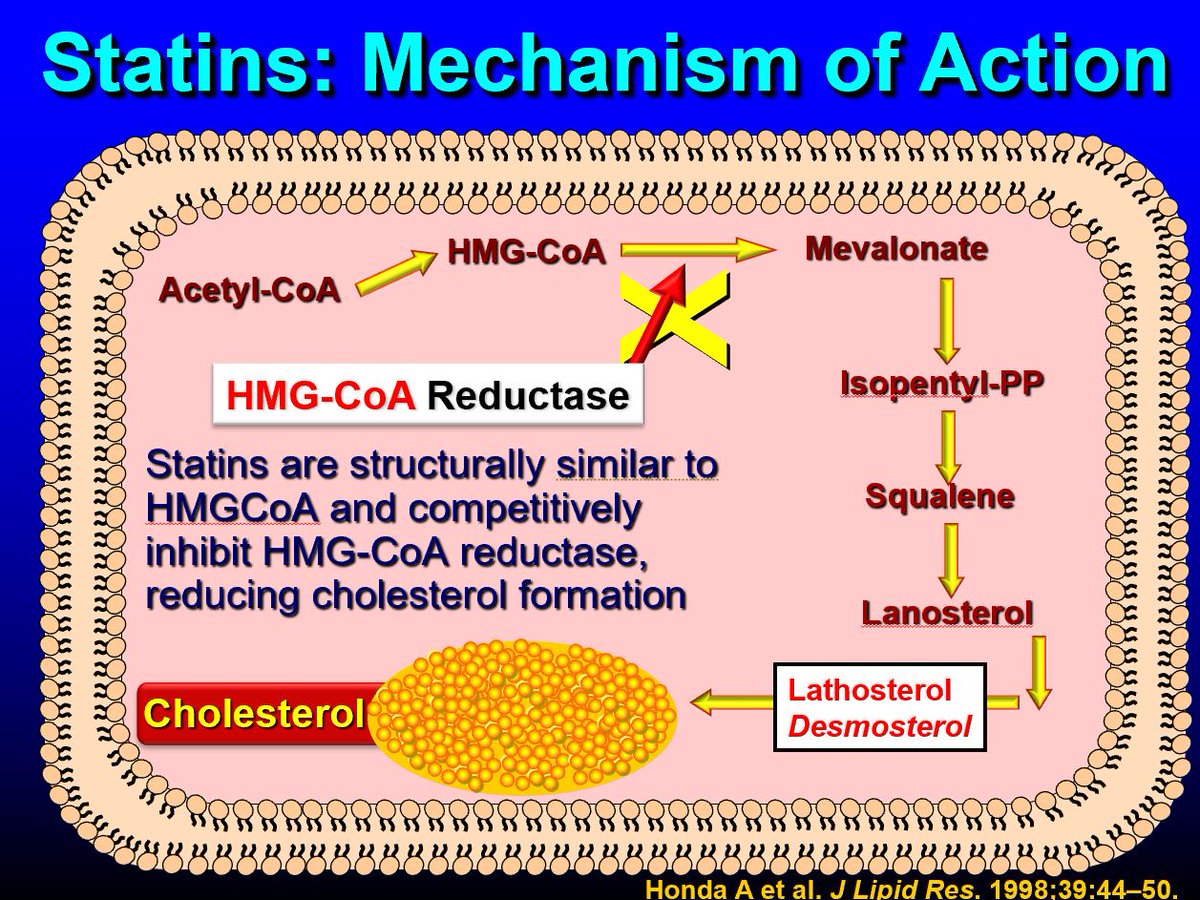
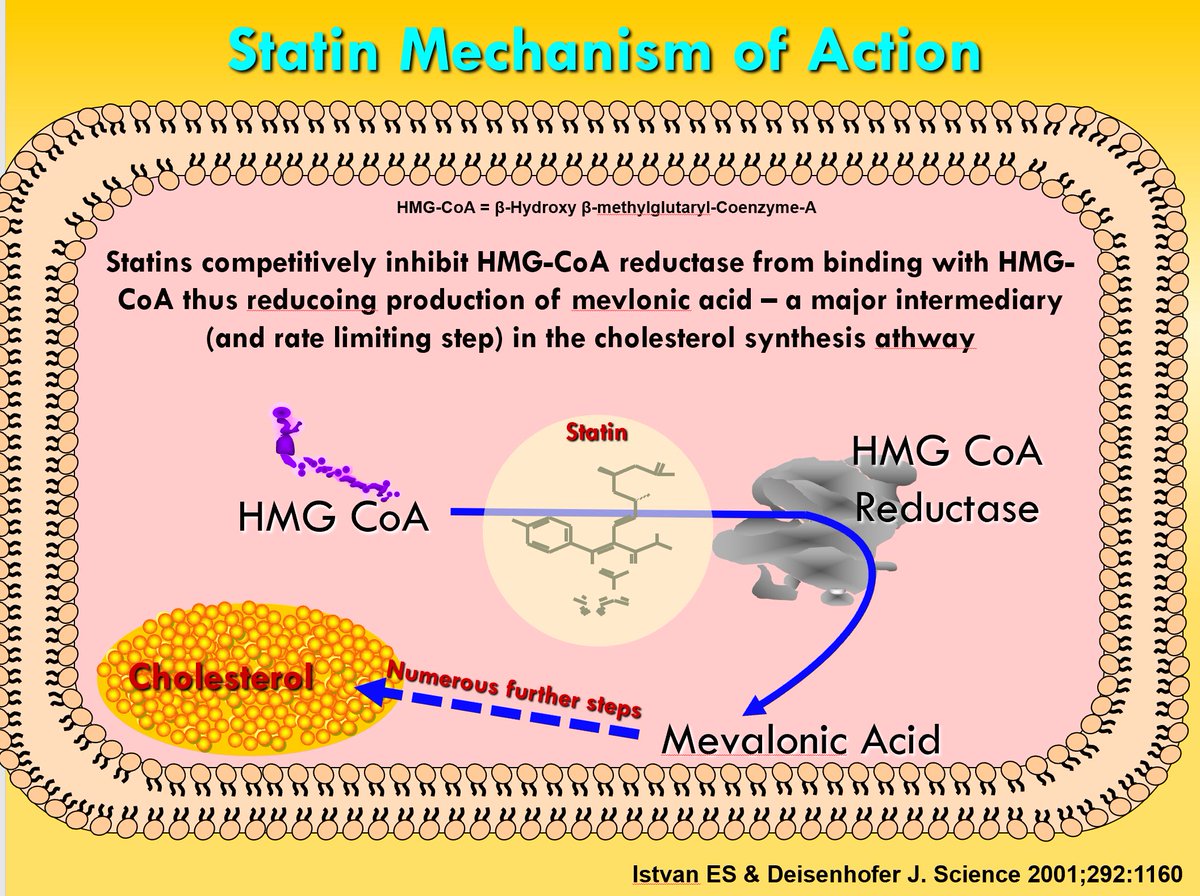
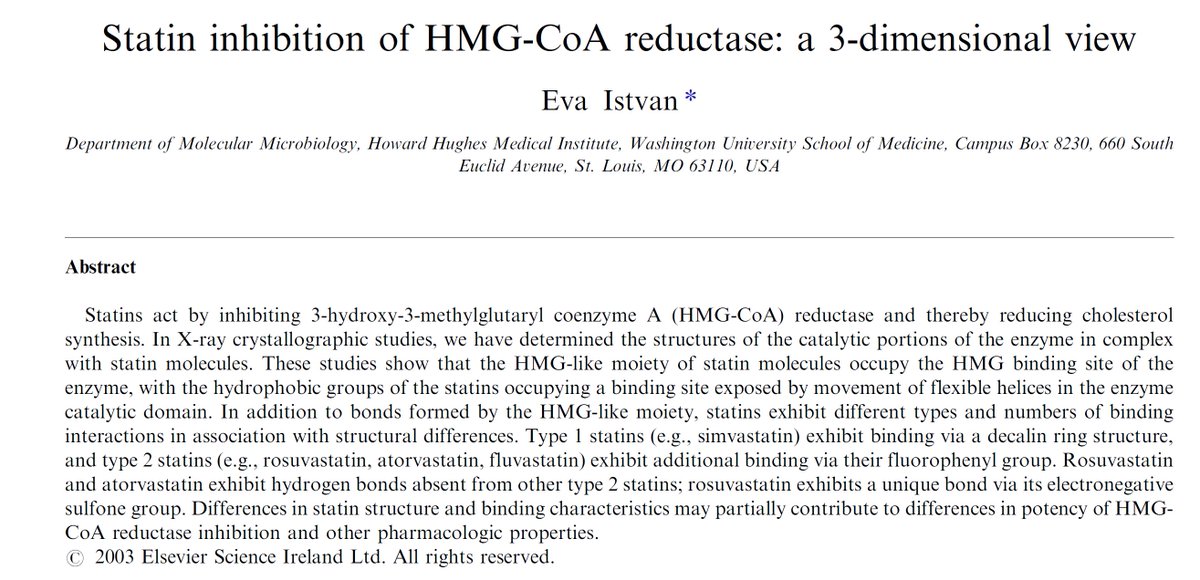
STATIN EDUCATION: Statins enter every cell in the body including the brain as they can pass thru the BBB. Most of the statins CV benefit comes from reducing apoB, by inhibiting hepatic cholesterol synthesis which in turn upregulates LDL receptor (LDLR) expression thereby inducing clearance of apoB-particles. The liver, because of its size and density, has far more LDLRs than other peripheral tissues. Normally all cells make all the cholesterol they ever need and thus do not need circulating cholesterol. Although rarely needed, any cell can also upregulate LDLR to acquire any cholesterol they might need. Since part of AD pathology is related to XS brain cholesterol, some degree of brain cholesterol synthesis inhibition by statins is desirable. That can be monitored by watching plasma desmosterol (cholesterol precursor molecule in brain). @drterrysimpson @nationallipid @society_eas @ASPCardio @escardio @atherosociety @FamilyHeartFdn @FHPatientSafety
Thomas Dayspring tweet mediaThomas Dayspring tweet mediaThomas Dayspring tweet mediaThomas Dayspring tweet media
English
25
28
183
18.2K
Cycle Coach
Cycle Coach@Cyclecoach·
After watching winter Olympics for all these years, it has only just occurred to me that all sports involve some aspect of sliding. If they include cyclocross that would be the only one that doesn't although I expect there would be some sliding involved unintentionally.
English
0
0
0
58
Cycle Coach
Cycle Coach@Cyclecoach·
@hjluks You do such a great job explaining things like this. I've never thought about the difference and tended to lump aerobic and cardio fitness together.
English
1
0
8
1.3K
Howard Luks MD
Howard Luks MD@hjluks·
Yesterday’s post about heart rate and base building triggered a number of responses from experienced runners saying, “But I run at 145+ HR, and I’m fine.” That reaction actually highlights how poorly understood the distinction between cardiovascular fitness and aerobic fitness still is, even among dedicated endurance athletes. Let's explore this a bit... Most runners run too fast on their slow days and too slow on their fast days. Cardiovascular fitness refers to the delivery system. It reflects how effectively the heart pumps, how well blood flow is distributed, and how efficiently oxygen is transported to working tissues. Aerobic fitness, however, is primarily about utilization. It reflects how well the muscles use the oxygen delivered through oxidative metabolism, including mitochondrial function, fat oxidation capacity, lactate handling, and overall metabolic efficiency. These are related systems, but they are not interchangeable, and one can be well developed without the other being optimized. It is entirely possible to have strong cardiovascular fitness and still operate with relatively high metabolic cost during steady-state efforts. This is particularly common among recreational runners and even among experienced non-elite endurance athletes who have spent years training at moderate intensities. They are durable, consistent, and capable, but their “easy” work often occurs at a higher fraction of their physiological capacity than they realize. When an athlete reports that their easy runs consistently sit in the mid-140s (above 75% of maxHR), it does not reflect poor fitness. In many cases, it reflects a well-trained cardiovascular system paired with a habitual training intensity that sits near or above the first lactate threshold. The effort may feel subjectively easy due to years of adaptation, but metabolically, it is not truly low-intensity work. The body relies more on glycolytic pathways than on oxidative metabolism, even during easy runs. This matters because the full development of the aerobic system is driven by sustained training below the first lactate threshold. While higher intensities absolutely stimulate mitochondrial biogenesis, the adaptations associated with metabolic efficiency—improved fat oxidation, expanded capillary density, lower lactate production at submaximal workloads, and reduced sympathetic strain—are most robust when a significant portion of training occurs at genuinely low intensities. In other words, intensity can build fitness, but extensive low-intensity volume refines efficiency. When most training time is spent at or above LT1, athletes often become very good at tolerating moderate metabolic stress rather than minimizing the cost of aerobic work. At elevated hr intensity, oxidative stress per session is higher, sympathetic activation remains elevated, and the recovery burden accumulates over time, even if the athlete feels subjectively comfortable. RPE can remain low while physiological strain remains moderate, particularly in experienced runners who have adapted psychologically to that level of effort. In my office, it is clear that there is also a practical clinical layer that becomes increasingly relevant in midlife. The cardiovascular system adapts relatively quickly to the stress of training. Connective tissues—tendons, fascia, cartilage, and bone—adapt much more slowly. When moderate-to-high metabolic load is layered onto repetitive impact before true aerobic efficiency and tissue resilience are established, the total recovery demand rises. This pattern is reflected in the training errors I see routinely in clinic: Achilles pain, plantar fasciitis, patellofemoral symptoms, and lateral hip or gluteal tendinopathy. They are usually mismatches between the distribution of training intensity and our recovery capacity. This changes with age... and it will catch up to you. None of this means that running at higher heart rates is inherently harmful, nor does it suggest that intensity should be avoided. Threshold work, tempo runs, and even high-heart-rate sessions are valuable tools. The issue is distribution. If most weekly mileage is performed at a moderate metabolic intensity, the athlete maintains cardiovascular fitness but sacrifices some metabolic flexibility and efficiency. Easy days are no longer truly low-cost, and recovery between harder sessions is less complete. What is often given up is range. An athlete with a well-developed aerobic base can run at a lower heart rate for the same pace, oxidize more fat, produce less lactate at submaximal intensities, and accumulate more total training volume with less physiological strain. Their easy runs are genuinely easy at a metabolic level, allowing higher-quality work when intensity is introduced. They are not just fit; they are efficient and durable. Base training, therefore, is not about avoiding effort or running unnecessarily slowly. It is about lowering the physiological cost of work so that training becomes more repeatable, recovery becomes more predictable, and long-term durability improves. The heart remains strong, performance is preserved, and the metabolic system becomes more efficient. For lifelong runners, especially after forty, efficiency and recovery capacity often become the true limiting factors rather than motivation or discipline.
English
66
93
914
271.6K
Howard Luks MD
Howard Luks MD@hjluks·
which sci-hub is currently online?
English
8
2
19
9.1K
Cycle Coach รีทวีตแล้ว
Iñigo San Millán
Iñigo San Millán@doctorinigo·
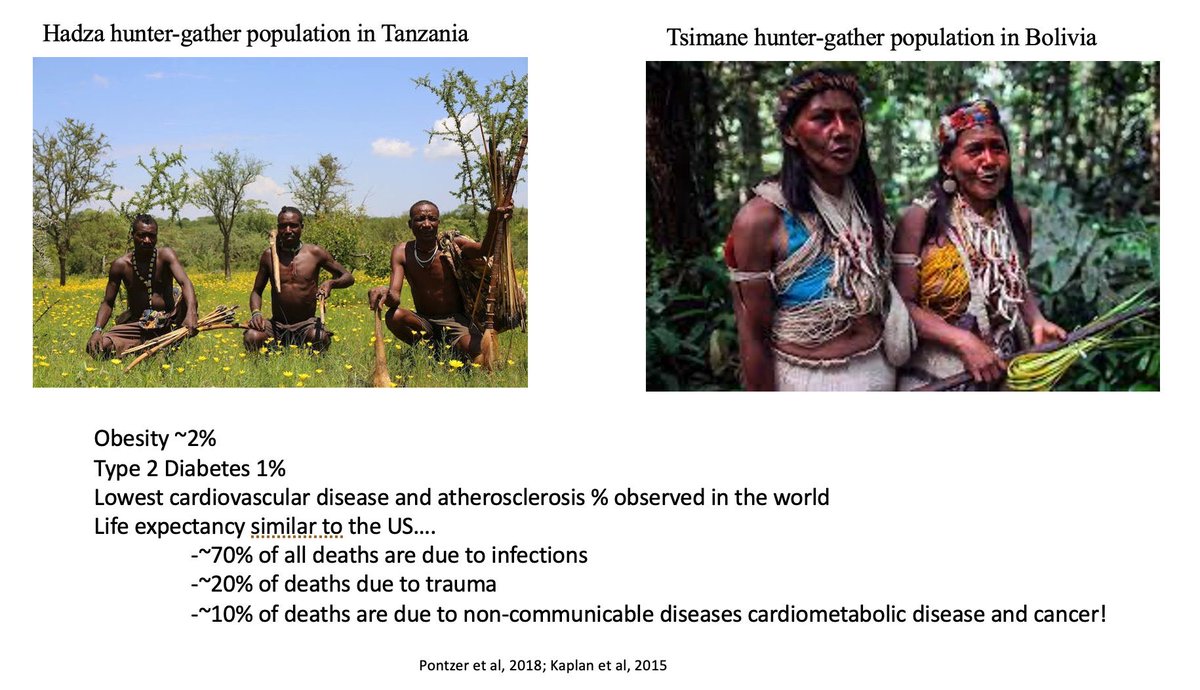
For about a decade, I’ve been showing these two slides at conferences. Two hunter-gatherer populations (Hadza and Tsimane), likely the closest living humans to our Paleolithic ancestors. Diet: • 65–70% carbohydrates • 15-20% protein • 10–15% fat • ~13% lower daily caloric intake than the US population Daily movement: • 115–135 minutes per day • 6–12 km of walking Health outcomes: • Obesity: ~2% • Type 2 diabetes: ~1% • Cardiovascular disease: among the lowest ever observed This is not a low-carbohydrate population. The difference is metabolic fitness. When mitochondria are continuously stimulated by daily movement, carbohydrates can be oxidized (burnt). When movement disappears, fuel oxidation fails and metabolic disease emerges. The debate should not be low-carb vs high-carb. That debate has failed to solve obesity or type 2 diabetes for decades. The real question is: Can your mitochondria still do their job? #MitochondrialFunction #MetabolicFitness #MetabolicFlexibility #PhysicalActivity
Iñigo San Millán tweet mediaIñigo San Millán tweet media
English
65
195
1.4K
168.1K
Cycle Coach
Cycle Coach@Cyclecoach·
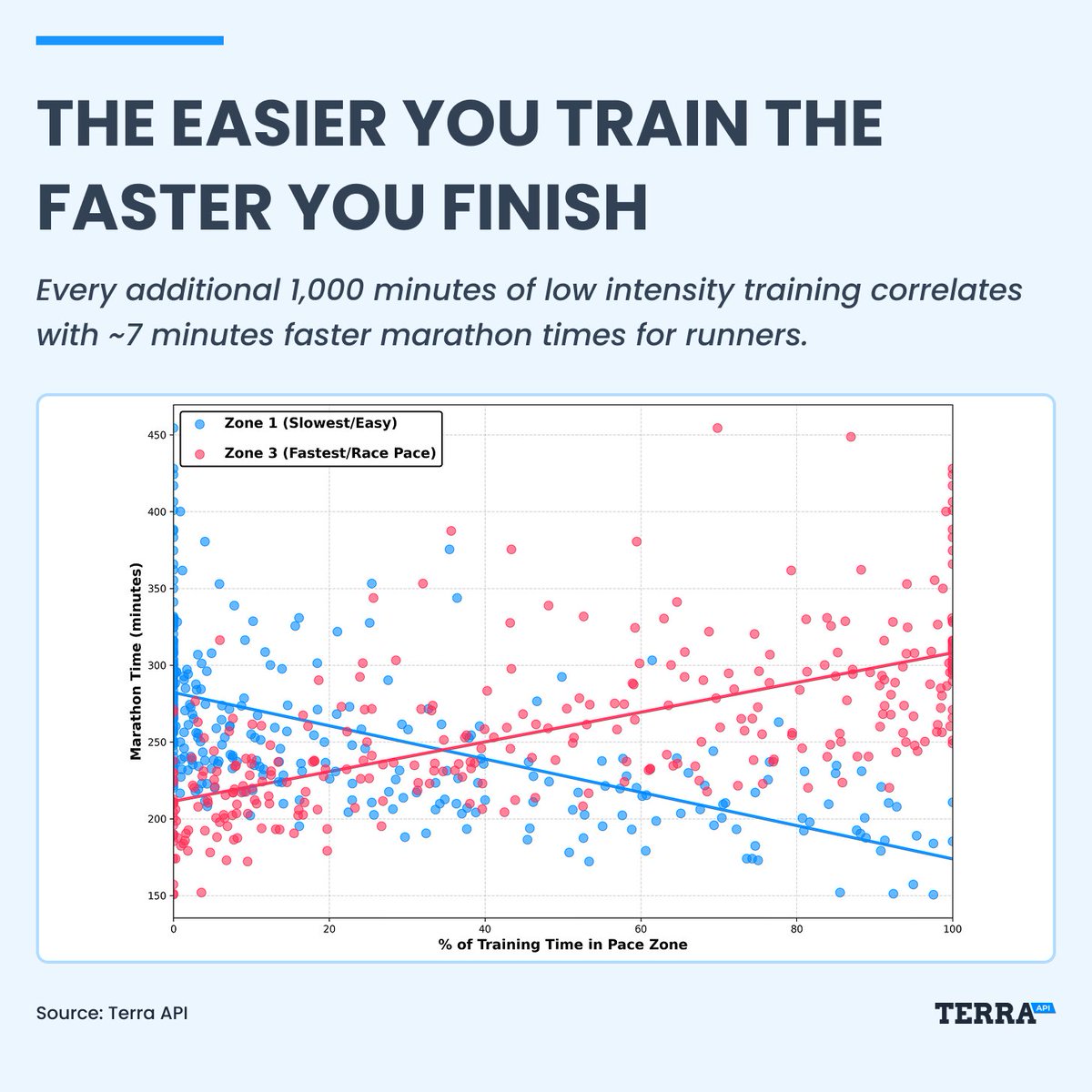
@AliBrownleetri Were these matched for volume or could it be that more volume correlates with faster running times? (and the only way to get more volume is through lower intensity)
English
1
0
46
4.8K
Cycle Coach
Cycle Coach@Cyclecoach·
@sguyenet Unfortunately this is happening on all social media sites, including LinkedIn.
English
0
0
1
94
Stephan J. Guyenet
Stephan J. Guyenet@sguyenet·
Hi all -- I've decided to step back from X. X has a lot of value, but I increasingly see the cost/benefit balance as poor, both for myself and for society. I'll still pop in occasionally.
English
21
5
101
10.9K
Cycle Coach
Cycle Coach@Cyclecoach·
I see a lot of folks setting up substack accounts. I thought about it but then realized that I already have all my writings compiled on my own website where they are absolutely free. Enjoy! cyclesportcoaching.com/TrainingArticl…
English
0
1
1
112
Dione
Dione@whennotcycling·
@hjluks That's because you're fit! I saw a post about how cardiac events were correlated with Mondays in winter...unfit sedentary folk are getting killed by basic tasks! 😯
English
1
0
2
138
Howard Luks MD
Howard Luks MD@hjluks·
Interesting. Shoveling snow. I thought it would have looked much different
Howard Luks MD tweet media
English
11
0
40
9.1K
David Perlmutter, MD
David Perlmutter, MD@DavidPerlmutter·
What nutrition advice feels the most overwhelming?
English
9
0
7
2.4K
Cycle Coach
Cycle Coach@Cyclecoach·
@Jeukendrup I prefer the terms fast and slow carbs to simple and complex carbs. Some complex carbs are digested extremely fast. e.g. malrodextrin . Simple, complex describes their structure, not their behavior.
English
0
0
0
29
Asker Jeukendrup
Asker Jeukendrup@Jeukendrup·
Public discussions around “sugar” are often dominated by extreme claims, from strong health warnings to recommendations for athletes to consume sugar-rich gels and drinks. This blog examines what “sugar” actually is: bit.ly/3qhnd6D
English
2
1
12
2.8K
SYSbreaktheTEM
SYSbreaktheTEM@JuandeBermudez1·
@drmarkhyman Annually, Cheetos seasoning requires 10 million pounds of cheddar cheese, sourced from 11 million gallons of milk (equivalent to output from ~5,000 cows). So how many million pounds of dye?
English
1
0
1
81
Mark Hyman, M.D.
Mark Hyman, M.D.@drmarkhyman·
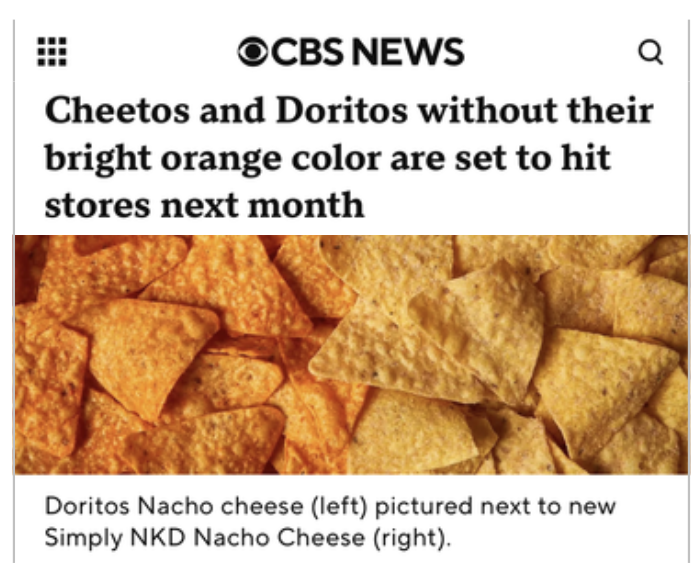
PepsiCo is removing artificial dyes from Cheetos and Doritos. The new "Simply NKD" versions hit stores December 1st. Turns out chips don’t need Red 40, after all. Who could’ve guessed?
Mark Hyman, M.D. tweet media
English
36
33
334
19.1K
Cycle Coach
Cycle Coach@Cyclecoach·
@TrainingWithCGM Is sugar the bullet but fat the gun? Everyone seems to talk about how sugar and refined carbs causes diabetes. Maybe high blood sugar is just the symptom?
English
1
0
1
11
Hunter Allen
Hunter Allen@TrainingWithCGM·
Bingo!
Hunter Allen tweet media
Español
1
0
0
11
Cycle Coach รีทวีตแล้ว
Iñigo San Millán
Iñigo San Millán@doctorinigo·
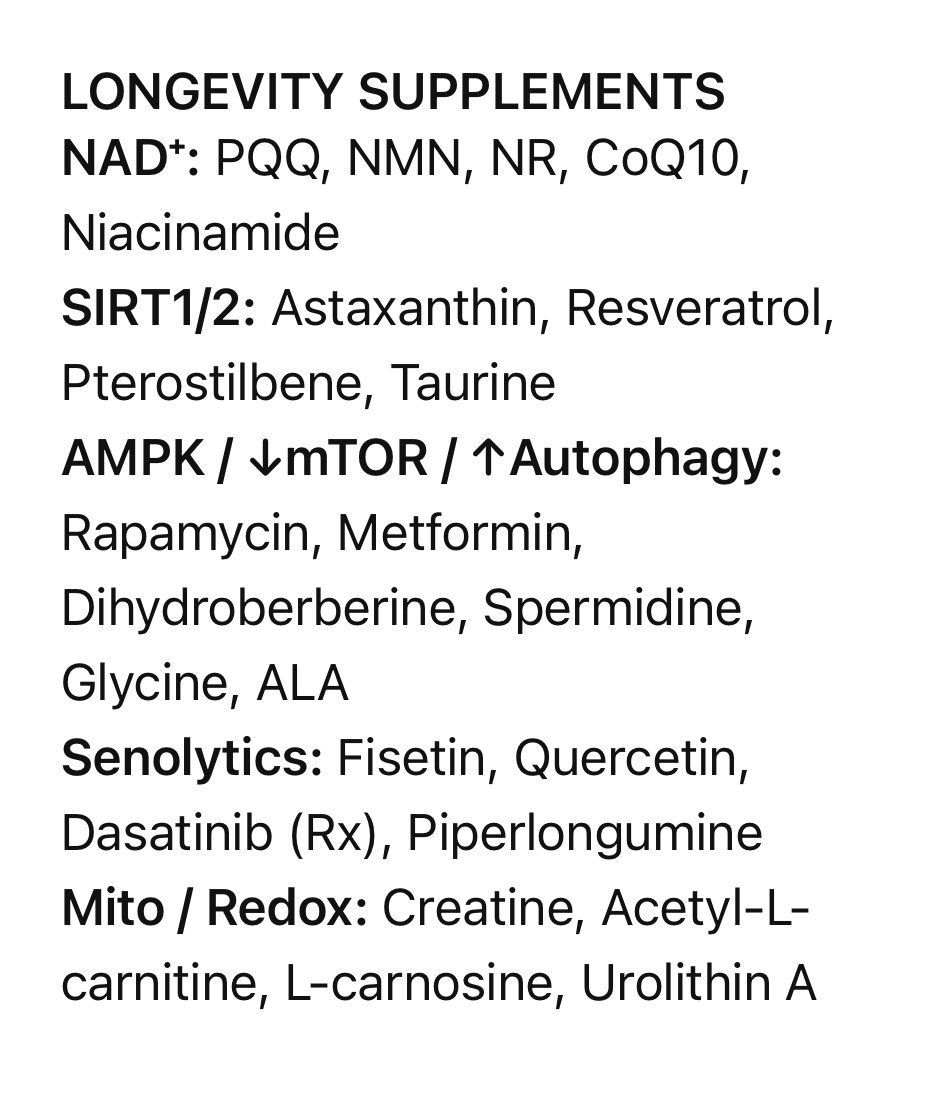
Everyone wants the shortcut to longevity. Pills, powders, boosters, activators, molecules that promise to “hack” aging. But let’s be honest: 👉 There’s no solid scientific evidence that almost any of these supplements extend human lifespan or healthspan. Most studies are mechanistic, in mice, or rely on surrogate markers, not real-world outcomes. And here’s the paradox: The people who live the longest on this planet have never heard of NMN, NAD⁺, or rapamycin. They walk daily, eat natural unprocessed food, have purpose, strong community ties and low chronic stress. Longevity doesn’t come from a capsule. It comes from metabolic health, movement, connection, and consistency; the same foundations that modern science is still trying to replicate in pill form. Longevity isn’t hacked. It’s earned.
Iñigo San Millán tweet media
English
28
58
417
36.1K
Mark Hyman, M.D.
Mark Hyman, M.D.@drmarkhyman·
Some restaurants are switching from seed oils to tallow, a stable fat that doesn’t form the same inflammatory compounds at high heat. This shift signals growing awareness that we got it wrong about animal fats. It's progress, but it's just one piece of fixing our broken food system. We still need regenerative agriculture, whole foods, and transparency in how our food is produced.
English
6
11
169
8.1K
Mark Hyman, M.D.
Mark Hyman, M.D.@drmarkhyman·
A groundbreaking 30-year study following over 200,000 people has uncovered a clear link between French fries and type 2 diabetes. The results were more dramatic than researchers expected….👇
English
85
227
1.4K
110.9K
Cycle Coach รีทวีตแล้ว
Layne Norton, PhD
Layne Norton, PhD@BioLayne·
“I cut out carbs and lost fat! Therefore carbs make you fat!” The foods they cut out… Fast foods like: Pizza 🍕 Burgers🍔 Fries🍟 Doughnuts 🍩 Desserts 🎂🍰🍪🧁🍦 These are not foods high in carbs or sugar. They are high in fats too with around 50% or more of calories from fat You cut out high calorie foods & reduced your calorie intake. Carbs didn’t make you fat. Eating junk did
English
42
33
406
29.1K