Murat Baran USAL

1.2K posts

Murat Baran USAL banner
Murat Baran USAL

Murat Baran USAL

@MBU_USAL

Attorney at Law | Political & Geopolitical Analysis | Human Rights | Legal & Policy Commentary | 🇺🇸 🇹🇷 🇮🇱

The Woodlands, TX เข้าร่วม Nisan 2024
21 กำลังติดตาม577 ผู้ติดตาม
Murat Baran USAL
Murat Baran USAL@MBU_USAL·
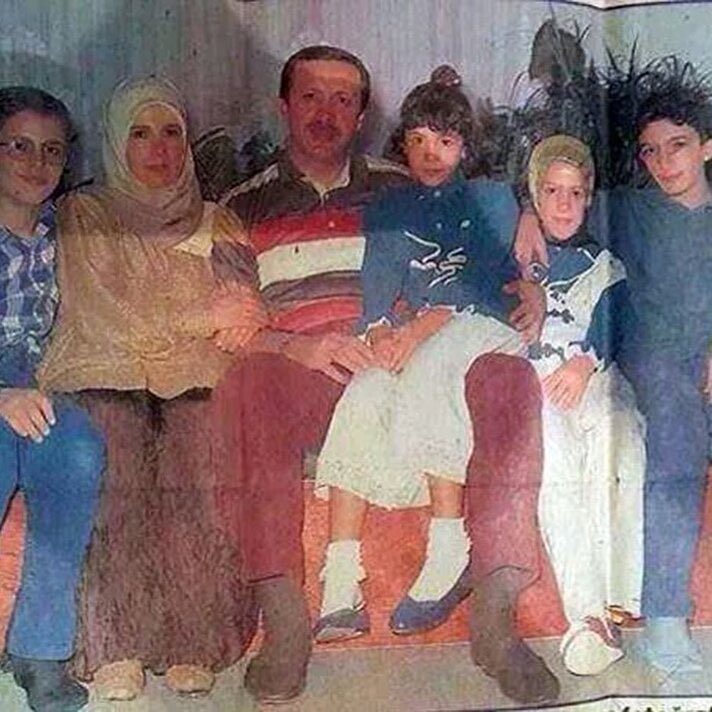
Are International Institutions Becoming Instruments of Soft Power..? The Turkey–United Nations Agreement and Connections to the Erdogan Family… The recent agreement signed between Turkey and the United Nations, which explicitly names certain civil society organizations, presents a noteworthy case in terms of international governance norms. In particular, the direct inclusion of organizations linked to Emine Erdogan and Bilal Erdogan indicates that this is not merely a technical arrangement, but rather a structure that raises broader questions regarding institutional neutrality and legitimacy. The established practice in international agreements is to refer to civil society actors through general and inclusive terms; the explicit naming of specific organizations therefore constitutes a clear deviation from this norm. In public administration literature, conflict of interest refers to situations in which public authority intersects with private relationships, potentially undermining impartial decision making processes. In this context, the inclusion of organizations linked to the family members of political leaders in an international agreement may not constitute a clear legal violation, yet it creates a problematic area from an ethical standpoint. Similarly, the concept of nepotism points to the risk of opportunities and institutional access being shaped through family ties. When examined alongside the concept of “SOFT POWER” developed by Joseph Nye, this issue can be situated within a broader analytical framework. States generate international influence through environmental policies, cultural initiatives, and civil society activities, and the integration of such organizations into global platforms may also be interpreted as a strategic choice. In the agreement under review, the explicit inclusion of organizations such as Zero Waste Foundation and World Ethnosport Confederation enhances their international visibility and legitimacy. However, this situation also carries the potential to erode the perceived neutrality of an institution like the United Nations, which is founded upon principles of impartiality. The resulting structure reflects a multi layered relationship between the state, family linked civil society organizations, and international institutions; the legal legitimacy of this relationship does not eliminate the ethical and normative concerns it raises. In conclusion, while the agreement in question does not constitute corruption in the classical sense, it raises significant concerns regarding conflict of interest, nepotism, and institutional neutrality. In the international system, legitimacy is not determined solely by legal compliance, but also by perceived impartiality and adherence to principles of equality. Therefore, the explicit inclusion of specific actors in international agreements may provide short-term strategic advantages, yet it also carries the potential to undermine institutional credibility in the long term… Best regards… Murat Baran USAL, LL.B. Attorney at Law Independent Analyst
Murat Baran USAL tweet media
English
0
0
0
39
Murat Baran USAL
Murat Baran USAL@MBU_USAL·
The armed attack attempt targeting the Israeli Consulate in Istanbul is not an isolated incident, it is the first spark of a fire ignited by Recep Tayyip Erdogan’s Turkey. Recep Tayyip Erdogan’s engagement with groups like Hamas, combined with years of anti-Israel and anti-West rhetoric, has been fueling and normalizing radicalization within society. This is not merely a spillover of the Iran-Israel conflict. Turkey is no longer just an observer, it is being drawn into the conflict itself… #Turkey #Israel #Iran #Geopolitics #Security #MiddleEast #Radicalization #GlobalSecurity #erdogan
English
0
1
6
235
Murat Baran USAL
Murat Baran USAL@MBU_USAL·
Murat Baran USAL@MBU_USAL

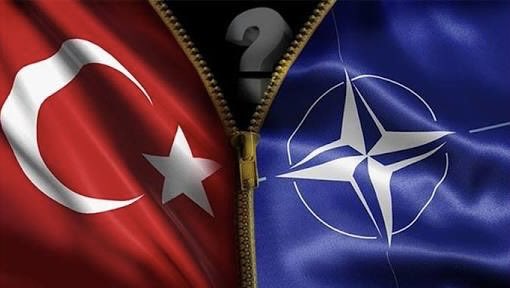
Doctrine; NATO No Longer Serves Its Founding Purpose… For decades, NATO has been regarded as the backbone of Western security. In reality, it has become an outdated structure attempting to operate in a world it no longer understands. NATO was created to confront a single, clearly defined threat. That threat disappeared with the dissolution of the Soviet Union in 1991. What replaced it is far more complex: fragmented conflicts, ideological warfare, and transnational networks. Yet NATO has never truly adapted to this transformation. Today, the alliance no longer acts as one. Under pressure, it fragments. Recent tensions in the Middle East made this unmistakably clear: in moments of crisis, member states act not with collective resolve, but according to national interests. Even the United States of America increasingly finds itself operating alone. The core problem is strategic denial. The primary threat of our time is no longer conventional state warfare, but decentralized, ideological, and borderless networks. NATO, however, lacks the structural capacity to confront this new reality. This contradiction is most visible within the alliance itself. Turkey, despite being a NATO member, has in recent years moved closer to Muslim Brotherhood, aligned movements and has faced persistent international allegations that Hamas, linked networks, in coordination with Qatar, have used Istanbul as a logistical and financial hub. Whether interpreted as strategy or ideology, the outcome is the same; a NATO member operating in ways that contradict the alliance’s core security priorities. An alliance that cannot resolve such contradictions is not sustainable. What is needed is not another cycle of reform, but a new security architecture, smaller, faster, and aligned with real threats rather than legacy commitments. Such a structure must also include actors that have demonstrated real operational effectiveness against modern threats. Israel, in recent years, has shown a level of operational capability against radical networks that surpasses many NATO members. The conclusion is clear; NATO still exists, but it no longer functions as a coherent strategic alliance. The real question is no longer how to fix NATO, but what should replace it..? Best regards… Murat Baran USAL, LL.B. Attorney at Law Independent Analyst

QME
0
0
2
232
Sinan Ciddi
Sinan Ciddi@SinanCiddi·
How is this still being ignored? 🇹🇷 has effectively become a hub for Muslim Brotherhood-linked operatives—and yet policymakers, journalists, and analysts continue to look the other way. This isn’t speculation. The names are public...1/5 fdd.org/analysis/2026/…
English
27
90
219
5K
Murat Baran USAL
Murat Baran USAL@MBU_USAL·
Doctrine; NATO No Longer Serves Its Founding Purpose… For decades, NATO has been regarded as the backbone of Western security. In reality, it has become an outdated structure attempting to operate in a world it no longer understands. NATO was created to confront a single, clearly defined threat. That threat disappeared with the dissolution of the Soviet Union in 1991. What replaced it is far more complex: fragmented conflicts, ideological warfare, and transnational networks. Yet NATO has never truly adapted to this transformation. Today, the alliance no longer acts as one. Under pressure, it fragments. Recent tensions in the Middle East made this unmistakably clear: in moments of crisis, member states act not with collective resolve, but according to national interests. Even the United States of America increasingly finds itself operating alone. The core problem is strategic denial. The primary threat of our time is no longer conventional state warfare, but decentralized, ideological, and borderless networks. NATO, however, lacks the structural capacity to confront this new reality. This contradiction is most visible within the alliance itself. Turkey, despite being a NATO member, has in recent years moved closer to Muslim Brotherhood, aligned movements and has faced persistent international allegations that Hamas, linked networks, in coordination with Qatar, have used Istanbul as a logistical and financial hub. Whether interpreted as strategy or ideology, the outcome is the same; a NATO member operating in ways that contradict the alliance’s core security priorities. An alliance that cannot resolve such contradictions is not sustainable. What is needed is not another cycle of reform, but a new security architecture, smaller, faster, and aligned with real threats rather than legacy commitments. Such a structure must also include actors that have demonstrated real operational effectiveness against modern threats. Israel, in recent years, has shown a level of operational capability against radical networks that surpasses many NATO members. The conclusion is clear; NATO still exists, but it no longer functions as a coherent strategic alliance. The real question is no longer how to fix NATO, but what should replace it..? Best regards… Murat Baran USAL, LL.B. Attorney at Law Independent Analyst
Murat Baran USAL tweet media
English
0
2
5
357
Murat Baran USAL รีทวีตแล้ว
Harris Samaras
Harris Samaras@HarrisSamaras·
Yes, @SinanCiddi is correct about @RTErdogan and "his ideological affinity for the Muslim Brotherhood", his funding of islamist terror networks, e.g., al-Qaeda, al-Nusra, HTS, Hamas, etc., but, Turkey was never aligned with the West. The statement that Turkey has moved away from its "traditional Western alignment" is a misconception and a rhetoric often used by the ahistorical and the intentional. From Mustafa Kemal (Ataturk) and his hollow "principles of republicanism and secularism" - Mustafa Kemal the consummator of one genocide after another, that resulted to the extermination of millions of Christians and other ethnic groups in the Republic of Turkey - to the Kemalist leaders that succeeded him, and to the islamist Erdogan, Turkey, was and still is as anti-Western a country and a nation as it can be. And yes, Sinan Ciddi is right, Erdogan is a direct threat to the West and NATO, that Washington and not only, as he proposes, should tangibly address. But, is it just Erdogan the problem or is it the Turkish political system as a whole? And are, the U.S., the West, and NATO, that have been chronically appeasing Turkey and turning a blind eye to its despicable practices for own vested interests, geopolitical, geoeconomic, and personal other, willing to see Turkey for what it truly is? | @FoxNews @EfratLachter @FDD @SinanCiddi #Turkey #Hamas #MuslimBrotherhood #alQaeda #alNusra #HTS @NATO #USA @POTUS @SecRubio foxnews.com/world/turkeys-…
Harris Samaras tweet media
English
14
37
106
2.8K
Murat Baran USAL
Murat Baran USAL@MBU_USAL·
@NikolPashinyan broke all tradition in today’s meeting with Vladimir Putin. Far from the usual “Subdued” posture of leaders from the former Soviet geography. This time, the clearly upper hand at the table was Pashinyan’s… #Pashinyan #Putin #Armenia #Russia #Geopolitics #GlobalPolitics #BreakingNews #WorldNews #PoliticalAnalysis #InternationalRelations #Caucasus #SouthCaucasus #Karabakh #ForeignPolicy #PowerDynamics #Leadership #Diplomacy #Trending #NewsUpdate
English
0
0
0
44
Murat Baran USAL
Murat Baran USAL@MBU_USAL·
Russia is not only fighting in Ukraine, it is also paying the price for its flawed geopolitical calculations. Amid deepening cooperation with Iran and intelligence sharing regarding the locations and movements of U.S. forces, the heavy losses reaching tens of thousands in recent weeks can no longer be explained solely by “Battlefield realities.” In geopolitics, every move has consequences… #Ukraine #Russia #Iran #Geopolitics #War #Security #Defense #OSINT #GlobalSecurity #WarAnalysis #UkraineWar #RussiaUkraineWar #Russia #Ukraine #Military #OSINT #BreakingNews #WorldNews #MiddleEast #NATO #USMilitary #Intelligence #WarAnalysis #Security #Conflict
Murat Baran USAL tweet media
English
0
1
4
105
Murat Baran USAL
Murat Baran USAL@MBU_USAL·
The upcoming NATO Summit in Ankara (July 2026) should be reconsidered. Turkey is already exposed to direct spillover from the Iran war, with multiple Iranian missiles intercepted over its airspace. At the same time, internal radicalization risks and asymmetric threats cannot be ignored. Bringing all NATO leaders into a high-risk environment under these conditions is not strategic strength, it is unnecessary exposure… #NATO #Turkey #Iran #MiddleEast #Security #Geopolitics #RiskManagement #GlobalSecurity #Defense #NATOSummit @NATO @realDonaldTrump @POTUS
Murat Baran USAL tweet media
English
0
1
5
588
Murat Baran USAL
Murat Baran USAL@MBU_USAL·
At this point, a chain reaction mechanism begins to unfold. The emergence of semi control in Kurdish regions can accelerate destabilization in the already fragile Baloch region. Similarly, economic and social unrest may intensify around energy hubs in the south. Although the motivations and objectives of actors in different regions may vary, the weakening of central authority creates a shared opportunity structure. Consequently, crises that initially appear disconnected begin to reinforce one another, evolving into a mutually amplifying dynamic. Perhaps the most significant outcome of such developments would be the emergence of a new form of geopolitical continuity across Kurdish regions in Iraq, Syria, and Iran. This continuity should not be understood as a unified state structure, but rather as a flexible, multi layered corridor of influence. Such a corridor would facilitate interaction in terms of human resources, logistical networks, and ideological mobilization. In this way, the Kurdish movement in Iran would transform from an isolated internal security issue into a regional strategic factor. That said, it is essential to emphasize that this model is not deterministic. The complete disintegration of a state with the institutional strength of Iran cannot be explained solely through peripheral movements. Economic collapse, elite fragmentation, and the disintegration of the security apparatus remain decisive variables. However, once such conditions emerge, the question of where disintegration begins becomes critically important. The central argument of this article is that, under such circumstances, Kurdish regions may not only participate in the process but could also act as its primary trigger. In conclusion, a potential disintegration scenario in Iran is too complex to be reduced to a single factor. Nevertheless, a model of disintegration driven by organized peripheral actors, particularly through the Kurdish axis, makes a regional chain reaction theoretically plausible. In this context, while the Kurdish movement may not be the sole determining factor, it should be regarded as a primary trigger capable of initiating the first phase of disintegration under favorable conditions. Best regards… Murat Baran USAL, LL.B. Attorney at Law Independent Analyst
English
0
0
2
92
Murat Baran USAL
Murat Baran USAL@MBU_USAL·
A Potential Disintegration Scenario in Iran Through the Kurdish Axis… The multi layered structure of the Kurdish freedom movement across Turkey, Iraq, Syria, and Iran has increasingly been analyzed in recent years through the lens of “Regional continuity.” While Iraq has developed an institutionalized structure through the Peshmerga, and a semi autonomous entity has emerged in Syria under the umbrella of the YPG, the Iranian dimension, represented by PJAK, has long been assessed as a more limited, low intensity, and fragmented security issue. However, this perspective risks underestimating the true potential of the Kurdish movement in Iran, particularly within the context of multi crisis scenarios. This article challenges the classical model of “Central collapse → Peripheral fragmentation” and instead advances the thesis that disintegration may begin from the periphery, with organized peripheral actors playing a catalytic role in this process. As is well known, peripheral regions in Iran are not homogeneous. The Baloch region in the southeast represents a more fragile socio economic environment where state capacity is more limited, whereas the Kurdish regions in the west constitute a more “Strategic periphery” due to their organizational capacity, geographical advantages, and cross border connections. This distinction is of critical importance. Historically, state disintegration has often been triggered not by the weakest link, but by the most organized and mobilized peripheries. In this respect, Kurdish regions in Iran represent not merely an ethnic periphery, but also an integrated actor space within broader regional networks. At the core of this integration lie the ideological and operational linkages of PJAK, the Kurdish armed movement in Iran. Rather than functioning as a conventional territorial control force, PJAK operates as a flexible, guerrilla type actor relying on cross border networks. While this may appear as a limitation under normal circumstances, it can transform into a significant advantage during periods of weakened state capacity. In particular, the rise of Kurdish nationalism and the direct or indirect ties with Kurdish entities in Iraq and Syria situate internal dynamics within Iran into a broader regional context. External pressure factors play a crucial role in triggering such a scenario. For instance, in a situation where Iran is subjected to sustained U.S. and Israeli airstrikes, resulting in significant damage to its military infrastructure, the central authority would face increasing difficulty in maintaining security across multiple regions simultaneously. Even if structures such as the Islamic Revolutionary Guard Corps remain intact, the dispersion of operational priorities would become inevitable. Such a multi pressure environment is likely to create “Control vacuums” particularly in regions that are already organized and geographically advantageous. The initial phase in Kurdish regions would not necessarily resemble a full secession, but rather what can be described as “Semi control.” In this stage, the state does not fully withdraw; however, it significantly loses effectiveness in certain areas. The retreat of local security forces, disruption of administrative functions, and weakening visibility of central authority create not only a physical but also a psychological rupture. This rupture represents one of the most critical thresholds in disintegration processes. Once the perception of the state’s “Invincibility” is undermined, it opens the door for similar mobilizations in other peripheral regions… (1/2)
Murat Baran USAL tweet media
English
1
0
3
150
Murat Baran USAL
Murat Baran USAL@MBU_USAL·
Military losses in Iran have reportedly exceeded 100,000, yet the Mullah regime decision remains unchanged; Show no weakness, take no step back… The reality is that this war is not only being fought on the battlefield, but also in the realm of perception. The solution to the Iran issue is extremely simple; Large scale and continuous bombardment… #Iran #MiddleEast #Geopolitics #InformationWarfare #WarAnalysis #GlobalSecurity #Conflict #Strategy
English
0
0
0
139
Jackson Hinkle 🇺🇸
Jackson Hinkle 🇺🇸@jacksonhinklle·
❤️🇾🇪🇮🇷 AMERICAN PATRIOTS STAND WITH YEMEN & IRAN!
Jackson Hinkle 🇺🇸 tweet media
English
1.1K
5K
44.9K
1.6M
türkhafiza
türkhafiza@turkhafiza2·
Bu videoda görülen ve 15 Temmuz gecesi Özel Kuvvetler karargahını darbecilerden temizleyen bu kahramanların birçoğu en az 20 yılını ailelerinden ayrı Irak, Suriye ve bilimum mücadele sahalarında Şırnak, Hakkari, Diyarbakır, Siirt dağlarında harcamış serdengeçen koca kurtlardır.
Türkçe
18
148
2.7K
190.6K
Murat Baran USAL
Murat Baran USAL@MBU_USAL·
Sayin Rubin; Askeri senaryolar dikkat dağıtıyor. Bugün Recep Tayyip Erdogan gibi bir lidere karşı baskı kurmak için Tomahawk füzelerine gerek yok. Kendisinin ve ailesinin MİLYARLARCA DOLARLIK varliklarinin finansal ifşası, askeri güçten daha etkili olacaktır. Gerçek baskı dışarıdan gelen değil, içeriden gelen olacaktır. Ancak bugün ki Başkan @realDonaldTrump ‘in Erdogan hakkinda ki açiklamalarina bakacak olursak, ABD’nin halen Erdogan ile işinin bitmediğini anliyoruz. Erdogan her zaman kendisinden istenilenden fazlasini yapiyor. Dolayısı ile yukarida ki senaryo şu an için imkansız…
Türkçe
10
1
12
1.9K
Michael Rubin
Michael Rubin@mrubin1971·
“Türkiye Kendi Valkyrie Operasyonuna Sahip Olacak mı?” Hellas Journal 28 Mart 2026 Michael Rubin tarafından 20 Temmuz 1944’te Alman askeri subaylar Adolf Hitler’i bir evrak çantası bombasıyla öldürmeye çalıştı. Almanya Yedek Ordusu’nun kurmay başkanı Albay Claus von Stauffenberg bombayı bir konferans odasına yerleştirdi. Amacı Almanya’yı kaçınılmaz yenilgiden kurtarmaktı. Savaşın gidişatı çoktan değişmişti. Hitler gerçeği kabul etmeyebilirdi, ancak vatansever Almanlar edebilirdi. Büyük bir meşe konferans masasının patlamanın büyük kısmını saptırması nedeniyle bomba Hitler’i sadece hafif yaraladı, ancak Valkyrie Operasyonu kod adlı plan başarısız oldu. Üçü de ertesi gün kurşuna dizilerek öldürüldü. Bugün tarih Valkyrie komplocularını iyi hatırlamaktadır. Von Stauffenberg vatanseverdi. Güçlü bir milliyetçi ve askeri geçmişe sahipti. Diğer bir komplocu ve piyade generali Friedrich Olbricht, ailesinde askeri gelenek olmamasına rağmen I. Dünya Savaşı’nda onurlu şekilde hizmet etmişti. Tümgeneral Henning von Tresckow ise 300 yıllık askeri geleneğe sahip bir aileden geliyordu. Hitler’in etrafındaki pek çok kişi özel şüpheler taşımasına rağmen güç ve ayrıcalık uğruna sessiz kalırken, Von Stauffenberg, Olbricht ve Von Tresckow ülkeyi her şeyin önüne koydu. Amerikalı romancı Mark Twain’e sıklıkla atfedilen bir söz vardır: “Tarih tekerrür etmez, ama sık sık kafiyelidir.” Türkiye için de durum böyledir. Türk Ordusu uzun ve onurlu bir geçmişe sahiptir. Günümüzde bile birçok Türk, ülkenin NATO’daki rolü sorulduğunda 1950-1953 Kore Savaşı’ndaki Türk eylemlerine ve özellikle Wawon Muharebesi’ndeki kritik role işaret eder. Ayrıca birçok Türk, Osmanlı İmparatorluğu’nun çöküşü sonrasında Avrupa’nın Anadolu’yu bölme planlarını engelleyen Mustafa Kemal Atatürk’ü ve orduyu da onurlandırır. Türk Ordusu’nun geçmişinin bu şekilde yüceltilmesi, birçok Prusyalı ve geleneksel Alman askeri subayın, kurumu içeriden tahrip eden Nazilere karşı Alman ordusunun mirasını savunma biçimine benzemektedir. Türkiye’de Erdoğan’ın diktatörlüğü artık Almanya’daki Hitler rejiminin süresinin neredeyse iki katına ulaşmıştır. Hitler rejiminin hem Alman ordusunu içten çökertmesi hem de Almanya’yı ulusal bir felakete sürüklemesi gibi, Erdoğan da hem Türk ordusuna hem de ülkenin kendisine benzer bir zarar vermektedir. Art arda gelen sahte komplolar ve Temmuz 2016’daki Reichstag Yangını benzeri bir darbe, Erdoğan’ın Türk ordusunu ele geçirmesine ve profesyonellerin çoğunu izole etmesine ya da hapse atmasına olanak sağladı. Erdoğan, eski müttefiki Fethullah Gülen’in takipçilerinin sızmasını tasfiyelere gerekçe olarak gösterse de, gerçekler Erdoğan’ın NATO deneyimine sahip olanları veya Türk ordusunun daha laik ve milliyetçi ruhunu temsil edenleri hedef aldığını göstermektedir. Genelkurmay’ı kontrolü altına alan Erdoğan, Türkiye’yi felakete sürüklemektedir. Kuzey Kıbrıs’a F-16 konuşlandırılması, İstanbul’da Hamas’a ev sahipliği yapılması veya Türkiye’nin Hizbullah’a daha örtülü desteği gibi adımlar, Türkiye’yi çatışmaya doğru çekmektedir. İran’ın merhum dini lideri Ali Hamaney’in öğrendiği gibi, bir ülke “Amerika’ya ölüm” veya “İsrail’e ölüm” sloganlarını ancak belirli sayıda tekrar edebilir; bu noktadan sonra hedef alınan taraflar yakın tehdidin aşıldığını düşünmeye başlar. Dürüst her Türk analist bundan sonra ne olacağını bilir. Türkiye’nin “Mavi Vatan” anlayışı bir yana, Türk donanması bir savaşın ilk gününü bile atlatamayabilir. Karadeniz, Akdeniz ve Ege, binlerce Türk denizci için mezarlığa dönüşebilir. Hitler’in takipçileri gibi Erdoğan’ın çevresi de Türkiye’nin gücünden söz etmektedir. Türkiye ve vekil güçleri Suriye ve Dağlık Karabağ’da daha zayıf silahlı gruplara karşı iyi performans göstermiştir. Ancak Türkiye’nin Kürdistan İşçi Partisi’nin (PKK) varlığını sona erdirememesi ve sınırları boyunca hatta içinde dağlık bölgelerde etkin kontrol sağlayamaması, bu güç iddialarını çökertmektedir. Açık bir çatışma çıkması durumunda ABD veya İsrail’in Türkiye hava sahasını kontrol altına alması 48 saatten az sürebilir. Türkiye’nin TAI TF Kaan projesi teoriden öteye geçmemiştir. Türkiye’nin kullandığı F-16’lar ve olası F-35’ler etkili olmayacaktır. İran’ın şu anda karşı karşıya olduğu saldırı ile Türkiye’nin yaşayabileceği durum arasındaki en büyük fark, İran içinde Amerikan üslerinin bulunmamasıdır. İncirlik’ten havalanan bir F-16’nın Ankara’daki Erdoğan konutunu yok etmesi 20 dakikadan az sürebilir. ABD ve İsrail istihbaratı muhtemelen Erdoğan, Emine, Burak ve Bilal Erdoğan, Hakan Fidan, Selçuk Bayraktar, İbrahim Kalın, Süleyman Soylu gibi isimlerin hareketlerini zaten takip etmektedir. Kendileri ve aileleri bir çatışmanın ilk dakikalarında hayatta kalamayacaktır. Eski işbirlikçi Abdullah Gül de kurtulamayacaktır. Ahmet Davutoğlu ise ülkesinin Ali Larijani’sidir. Türkiye’nin askeri altyapısı büyük zarar görecektir. Türkler bu tür senaryolara öfkeyle karşılık verebilir veya sansür yoluyla konuyu görmezden gelmeye çalışabilir. İnternet üzerindeki sert söylemler artacaktır, ancak bu söylemler karşı tarafı korkutmak yerine Türkiye’ye yönelik eleştirilerin doğruluğunu yansıtacak ve aynı zamanda Erdoğan ve Kalın çevresindeki kişilerin tuhaf şekilde bastırılmış öfke ve karmaşasını ortaya koyacaktır. Türk askeri liderlerinin bir nesli, ülkenin kurumlarını korumak için müdahale edebilirdi. Yaşar Büyükanıt şantaja boyun eğdi, Erdoğan ise Hulusi Akar ve Yaşar Güler’i makam ve güç yanılsamasıyla yanına çekti. Yine de Türk ordusu içinde hâlâ ülkesini para veya ayrıcalıktan üstün tutan vatanseverler bulunmaktadır. Bunların birçoğu hâlâ Erdoğan veya Fidan’ın düzenli olarak görüştüğü danışmanlar ve yardımcılar arasında olabilir. Türkiye’nin istikrarlı, müreffeh ve onurlu bir ülke olarak geleceği, muhtemelen birinin ayağa kalkıp o evrak çantasını yerleştirmesine bağlıdır. Bunu yapan kişi Türkiye tarihine en büyük vatanseverlerden biri olarak geçecek ve ülkeyi yıkıma giden yoldan çevirecektir. Sadece meşe masalardan kaçınmayı hatırlamalıdır.
Türkçe
121
40
114
46.8K
Murat Baran USAL
Murat Baran USAL@MBU_USAL·
@mrubin1971 If we look at President @realDonaldTrump ‘s statements about Erdogan today, it appears that the United States is not finished with Erdogan yet. Therefore, this is impossible…
English
0
0
2
891
Murat Baran USAL
Murat Baran USAL@MBU_USAL·
@jacksonhinklle Spreading unverified war propaganda against your own country doesn’t make you “Independent.” It just makes you unreliable or traitor…
English
4
1
52
1.8K
Jackson Hinkle 🇺🇸
Jackson Hinkle 🇺🇸@jacksonhinklle·
🚨🇮🇷🇺🇸 Senior spokesman of the Iranian armed forces: "The minimum casualties among the American forces so far range between 600 to 800 killed and nearly 5,000 injured."
English
296
2.8K
13.3K
301.4K
Murat Baran USAL
Murat Baran USAL@MBU_USAL·
@nevzatcicek Israil’in orta kesimi derken sivil yerleşim bölgelerine atiyor bu füzeleri… Bunlar not ediliyor ve yarin zamanı gelince kesinlikle hatirlatilicak…
Türkçe
0
0
0
126
Nevzat Çiçek
Nevzat Çiçek@nevzatcicek·
İran Devrim Muhafızları Hava Kuvvetleri'nin Yezd'deki El-Ghadir füze üssünden İsrail’in orta kesimine fırlattığı füzeler
Türkçe
19
155
990
34.3K
Jackson Hinkle 🇺🇸
Jackson Hinkle 🇺🇸@jacksonhinklle·
🚨🇱🇧🇮🇱 BREAKING: Tel Aviv's Defense Ministry HQ targeted in the latest missile wave — Hezbollah
English
72
885
6.7K
135.5K