Strategic Profiler

1.8K posts

Strategic Profiler banner
Strategic Profiler

Strategic Profiler

@SProfiler1

StrategicProfiler shows you hidden patterns in behavior, competitors, and opportunities in minutes. Stop guessing. Start knowing.

เข้าร่วม Mayıs 2026
517 กำลังติดตาม689 ผู้ติดตาม
Ayush Panchmiya
Ayush Panchmiya@lets_ash·
tech week day 4 recap: > nytw pop-up by @ElevenLabs > the new gtm playbook ft. rahul mehta (super talented gtm engineer at @ClayRunHQ) > ai builders mixer by @Techstars + @digitalocean > privacy please afterparty session by @boundless_xyz + @StellarOrg > shout out to @kashvii for the invite, i attended 'privacy please' yesterday and it's in the top 5 nytw events i have attended so far we're half way through @Techweek_ now and i'm still as excited as day 1 because the events are so fun + value packed! if you're in the city this week and wanna talk about events, marketing, growth and storytelling, dm me!
Ayush Panchmiya tweet mediaAyush Panchmiya tweet mediaAyush Panchmiya tweet mediaAyush Panchmiya tweet media
English
3
0
5
196
Celes 🦋
Celes 🦋@Celesweb3·
the corporate Bitcoin treasury model just got its first real stress test. not every company passed. ➝ Sequans: the model breaking Sequans raised $384M, accumulated 3,000 bitcoin:native by July 2025, then a flash crash hit. they dumped 970 bitcoin:native in November and another 1,025 bitcoin:native in Q1 2026. the CEO confirmed on the last earnings call the corporate treasury strategy is over. raised $384M. bought 3,000 bitcoin:native. sold nearly 2,000. strategy abandoned. this is what the model looks like when the company's shareholders didn't sign up for crypto volatility. ➝ Strategy: the model holding 843,000 bitcoin:native. sold 32 to fund a dividend. $2.5M against $68B. structure survived. $3.4B in ETF outflows followed within days. the sentiment impact was real. the structural impact was not. the difference isn't conviction. it's shareholder alignment. Saylor built a base that specifically wants bitcoin:native exposure. Sequans built a semiconductor company that tried to pivot. ➝ Bitmine: finding out in real time 5.42M $ETH held. $11.6B total crypto holdings. $ETH at $1,758 means the paper loss has grown further. still buying. that's either the most disciplined $ETH conviction trade in 2026 or an expensive lesson in the making. ➝ the honest read the model works when shareholders want crypto exposure and the balance sheet can absorb multi-year drawdowns. Sequans failed both. Strategy passes both. Bitmine is being tested on both right now. the model isn't broken. it's being filtered. $63K is where you find out who built it right.
Celes 🦋 tweet media
English
41
0
37
366
The Gaming Ledger
The Gaming Ledger@TheGamingLedger·
Breaking down the Asha Sharma Bloomberg Interview, the biggest thing I noticed is that she repeatedly avoids making hard commitments, especially around exclusives, hardware, handhelds, and Game Pass. She uses language that leaves every option open for interruption. When Asha says "I wanted to learn and listen," "Understand the soul of XBOX," "What made us great for the first 25 years," She effectively saying that she is not going to walk in and immediately blow everything up. She inherited a brand in a rough spot and isn't a gamer and she knows the audience is skeptical. When it comes to the hardware discussion points this section was probably the most revealing."Memory and storage costs are up.""How do you make affordable products?""It will require fundamental change." The phrase "fundamental change" signals the old XBOX business model may not work anymore for XBOX. She is preparing the audience for different hardware and business models, higher prices, and specialized devices. When you get to the part about Project Helix where Bloomberg asked her if Helix be expensive, Notice how she never answered the question? Asha responded with the fundamental change line above which signals that she does not want to say "yes" because then the headline becomes "XBOX CEO admits Helix will be expensive." So she pivots into innovation and business models. The line that stood out to me, and XBOX management has said it before, is when Asha also said "We'll continue to put out great reference experiences." When Bloomberg asked her if XBOX will mainly sell consoles in 2030 She did not say "We'll continue making consoles," rather she used the term "reference experiences." A reference device exists to set standardization, showcase ecosystem capabilities and encourage OEM partners. She's leaving open a future where XBOX hardware becomes first and third party hardware devices. The term "platform" doesn't need to be associated with a Console or hardware in general. When asked about XBOX she brings up "Windows is one of the largest gaming platforms in the world." When asked about a first party handheld she brings up that ASUS is their partners. She also admitted that they bought ABK when they were focused on the console... as in past tense. The quotes "To be a great publisher, your games must reach large audiences" and "to be a platform, you must have exclusive content" is a non-answer but an acknowledgement that are two traditional paths in the industry. They have likely decided to keep some form of exclusivity (like they are doing right now) with PlayStation and Nintendo, pulling your games off of competing PC stores (e.g. STEAM), or some combination of the two. When pressed about PlayStation and Nintendo being their competitor she mentioned the cliche line that all products do to give a non answer which is the attention economy is their biggest competition. The hard choice, unfortunately, signal potential layoffs and studio closures. Overall, I don't see XBOX's strategy changing much from what it is in their current state. A massive third party publisher that is looking to get into reference hardware and providing games everywhere when timing, resources, and business metrics make sense. If the "platform" model does not end up working for them on Windows/PC, they are still set up to the pivot of only being a third party publisher.
English
13
14
56
6.9K
SAIF MR 🔺
SAIF MR 🔺@saifmr20·
more i think abt it, the more a yield layer just makes sensee we've all seen how fast conditions can change that's kinda what i lyk about the aiUSX direction from @solsticefi not a pivot from basis just expanding where yield can come from as AI infrastructure starts attracting serious institutional capital feels a lot more durable than relying on a 1 strategy forever tbh
Solstice@solsticefi

Private AI infrastructure can't be financed by the companies it's designed to replace. That financing is moving onchain - for the people. aiUSX is coming.

English
53
1
62
1.6K
ChinoAleman
ChinoAleman@chinoalemano·
When I invest in a company, I'm mostly betting on one thing: the humans behind it. It's almost non-negotiable. That's exactly why I hold $AMPG, $DPRO, $DGXX and $IREN. The logic is brutally simple. If your company hasn't made it yet... Still small. Still fighting for every contract, and you don't have the conviction to run it yourself, that tells me everything I need to know. Why should I risk my money on something the founder won't risk their life on? Everything else, the TAM, the charts, the hype, comes second. Because numbers can be manufactured for a quarter. People can't fake who they are over a decade. The one exception I've made is $KEEL. And only because the CEO put his own money into the company And obviously I make more exceptions to this rule, especially for swings, mid-term holds, or companies that are already established. Microsoft doesn't need Bill Gates anymore. But imagine if Bill Gates had just checked out back when Microsoft was still small. When someone's net worth rides next to yours, incentives align in a way a salary never will. It's not a rule I follow blindly. Plenty of great companies are run by hired operators. But when I'm going long, really long, the kind where I hold through the drawdowns and the silence, it carries serious weight. And it gets even better when the founders aren't just owners. When they're enthusiasts. Experts. People who've done nothing else with their entire lives. Look at $DPRO. Founder-led, yes. But they also brought in Tenne, someone who has devoted his entire life to the air. He hasn't just flown; he's helped shape drone regulation itself. His whole world orbits this one domain. That's not a résumé. That's an obsession. Never underestimate the expert in his own field. The person who has spent 10,000 hours on the exact thing everyone else is just now discovering will out-execute the tourist every single time. Which brings me back to $AMPG. In 2002, a man named Fawad Maqbool started this company with $2 in his pocket and a degree in RF engineering. Let that sink in. Two dollars. Not a pivot. Not a trend he chased because it was hot. A decision to build the hardest thing in his field, amplifying the faintest signals on Earth without drowning them in noise, and then spend the next 24 years getting relentlessly good at it. Two decades later, he's still the founder. Still the CEO. Still the largest shareholder, his money sitting right next to mine, every single day. He didn't hop in for the AI cycle. He didn't rebrand for quantum. He was already there, quietly perfecting one impossibly difficult craft while the world looked elsewhere. And here's the part that gives me chills: the obsession he nurtured in silence for 24 years is suddenly the exact piece three revolutions cannot function without. The "ears" that let us hear satellites 300 miles up. The cryogenic amplifiers that read qubits at near absolute zero. The radios that move signal through AI-RAN networks. Space. Quantum. AI-RAN. Different races, same physical bottleneck. And he's the only American who's spent his whole life mastering it. That's the kind of founder I want to be long. Not a hired hand passing through on his way to the next thing. A builder who has done nothing else, who started with two dollars and a conviction, betting his own name and his own money on the one thing he understands better than almost anyone alive. You can copy a strategy. You can't copy 24 years of obsession. Never underestimate the expert in his own field. Not financial advice. DYOR. 🫡🛰️📡⚛️
Johan N.@rk8215

Thank you for the kind words, @chinoalemano. This is the joy of micro-cap investing: being early and digging into companies nobody else has heard of yet. But there is a dark side too. It is an ungrateful business. It doesn't reward you with views or followers, and being early usually comes with real pain. Look at $DGXX going from $3 to $7 and then all the way back to $2. That is exactly when you need conviction. For me, that conviction comes from the writing. A falling price is not the same as being wrong, and it doesn't make a company a bad business. The stock and the company are two different things on any given day. So when the price makes me doubt myself, I go back and read my own research, check if anything in the actual story has changed, and remind myself that price and reality don't always move together. I have been lucky to be in a few small caps that worked out, like $ONDS, $ADUR, $CPSH, $DGXX, and even $NBIS under $20. But I can't take the credit for finding them. @YoYInvestor put me onto $CPSH, @mvcinvesting onto $NBIS, and @YungAds_ onto $DGXX. The credit belongs to them too. What really keeps me going is the community. I have made a lot of friends along the way, and @chinoalemano is one of them. He is a humble guy, but the truth is I first heard about $AMPG from him when it was still under $4. Give him a follow. -JN

English
8
5
74
7.5K
Nick Lawton
Nick Lawton@nicholasnlawton·
It has officially been 2 years since we launched SideShift... So, I wanted to share a few wins and lessons so far: Over the last 24 months, SideShift has grown to over 900,000 creators and 1,000 brands and agencies across 150+ countries. Every week, we continue expanding globally on both the creator and brand side. This past month also marked a milestone I'm especially proud of: 10 unique creators have now earned over $100,000 through SideShift Since we rolled out creator payments earlier this year. Soon enough, we'll be sharing our first $1M creator earnings milestone as well. What makes me most proud, though, isn't the numbers. It's the impact. We've helped college students pay tuition, parents leave full-time jobs to work remotely, creators purchase their first homes, founders launch products and acquire their first customers, and enterprises scale creator-led growth to millions of installs / purchases per month. We've also grown the team and recently moved into our new home in NYC. Building companies can often feel like staring at the next milestone without appreciating how far you've come, so moments like these are a good reminder to zoom out. The last two years have reinforced a few beliefs. First, be flexible on the details but rigid on the mission. SideShift originally started by helping people earn money through local side hustles. Since then, the product has evolved, the opportunities have evolved, and the market has evolved. The mission hasn't. We've always believed that work is changing fundamentally. Technology and social media have made it possible for people to earn from anywhere, on their own terms, and over the next decade I think we'll continue seeing a massive shift away from traditional employment models and toward more independent forms of work. Second, talk to your customers religiously. Data matters, but some of our best insights have come from direct conversations. After our pivot, we sent voice notes to every new customer for six straight months. It wasn't scalable, but it taught us more than any analytics dashboard ever could. Many of our strongest customer relationships and earliest power users came from those conversations. Third, volume is everything. The internet becomes noisier every year. Attention becomes harder to earn every year. The only strategy we've found that consistently works is continuing to put shots on goal. Over the last 60 days alone, SideShift has published 4,000+ TikToks, another 4,000+ Instagram videos, hundreds of LinkedIn posts and tweets, dozens of YouTube videos, and hundreds of blog posts. The reason brands now associate UGC with SideShift isn't because we got lucky. It's because we've shown up every single day for years. We're still incredibly early. There is so much left to build, so much left to learn, and an endless number of people we can help along the way. Excited for what comes next.
Nick Lawton tweet media
English
13
3
48
2.8K
Rod
Rod@rod_mallo·
vcs pitching their thesis to other vcs, no founders allowed? genuinely cannot think of a worse way to spend my time. i’d rather get punched in the throat
Rod tweet media
English
5
0
20
1.9K
Mesh
Mesh@MeshClans·
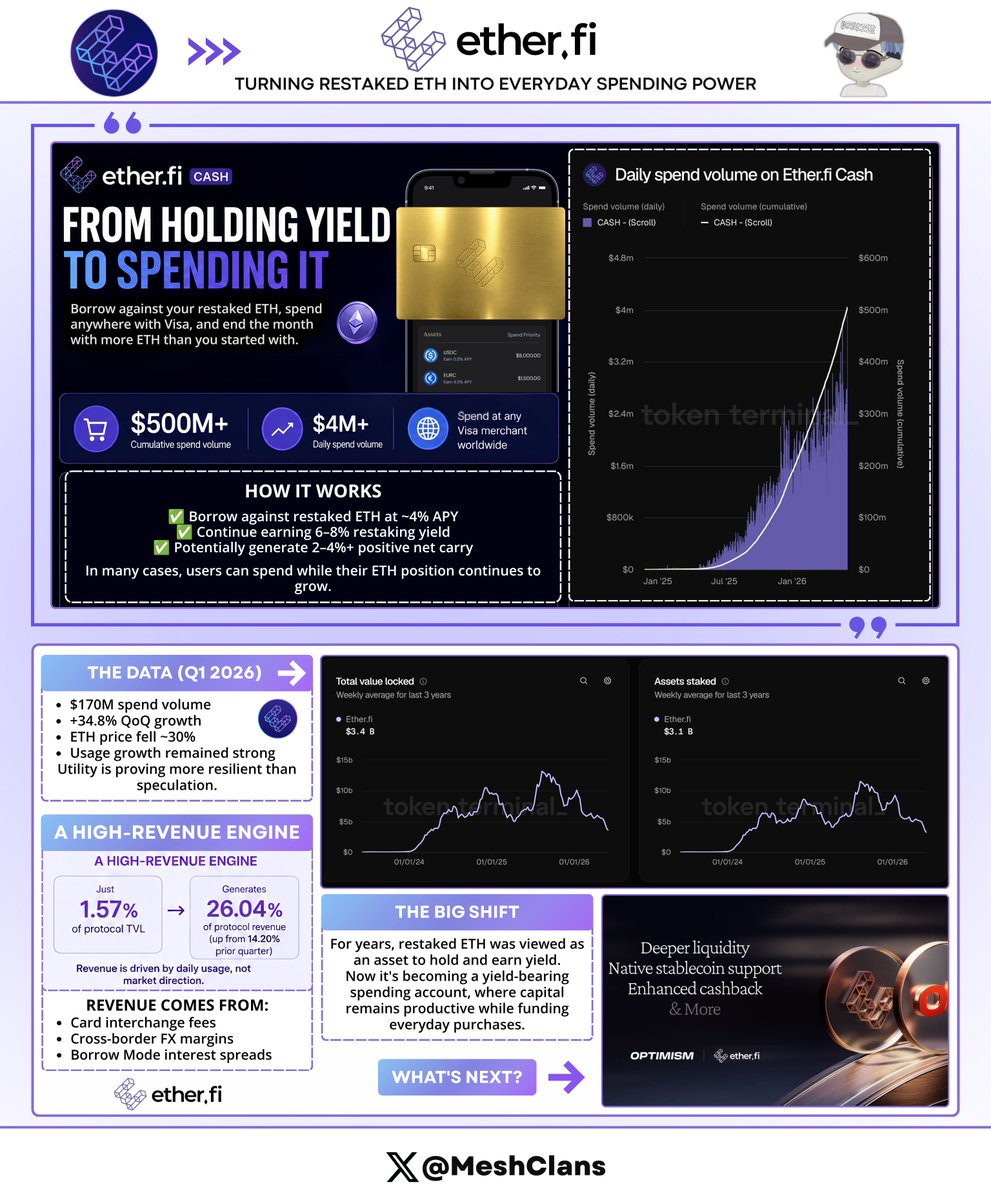
You can now borrow against your restaked ETH, spend it at any Visa merchant worldwide, and end the month with more ETH than you started with. Etherfi Cash just crossed $500M in cumulative spend volume, with daily spend hitting $4M +. But the real story isn't the volume, it's the behavioral shift underneath it. People aren't selling their ETH to spend. They're borrowing against restaked ETH at 4% APY while the collateral keeps earning 6–8% restaking yield. Depending on strategy and market conditions, that's often 2–4%+ in positive net carry, meaning you're effectively being paid to spend. Most people haven't clocked how significant that is. DeFi has been theorizing about this moment for years. It's now showing up in the data. Per @tokenterminal Q1 2026 data: - $170M in spend, up 34.83% QoQ - ETH price down ~30% that same quarter - Growth fully decoupled from price action Products built on speculation collapse when price does and the ones built on genuine utility keep compounding. Spend volume hit a quarterly record during one of ETH's worst quarters, and the product has found real traction. The revenue structure underneath tells the same story. Cash holds just 1.57% of etherfi's total TVL but generates 26.04% of total protocol revenue, up from 14.20% the prior quarter. A tiny slice of the capital base producing more than a quarter of all protocol revenue, through daily transaction frequency, not passive yield spread: - Every swipe earns interchange for the protocol - Every cross-border transaction earns FX margin - Every Borrow Mode purchase earns interest spread for the protocol on the user's credit balance None of that requires ETH to go up. The revenue is tied to how often people spend, not where markets close. TradFi lived through this exact transition when money market funds evolved from institutional instruments into mass-market products. Fidelity layered a spending interface on top of a yield instrument and made the yield invisible, a checking account with yield running in the background. It opened an entirely new market. @ether_fi Cash is the same playbook for restaked ETH, except the yield layer is onchain, non-custodial, and composable in ways Fidelity's infrastructure never was. For three years, weETH and eETH were assets you held and watched compound. The mental model was fixed: yield is income, not spending power. That mental model is breaking down in real time. The OP Mainnet migration signals the next phase: - Sub-cent transaction fees - Deeper liquidity - Travel and lounge perks across card tiers - Native stables and higher-tier rewards already in motion Restaked ETH functioning as a yield-bearing checking account was always the thesis. $500M in cumulative spend is what the thesis looks like when it starts working. The shift from holding yield to spending it isn't a product update. It's a new financial primitive. cc: @KoppKnows @MikeSilagadze @crypto_linn
Mesh tweet media
English
27
2
52
1.3K
Sridhar A
Sridhar A@sridharfyi·
the biggest signal at early stage isn't metrics. it's what founders avoid talking about. what's something you used to ignore in startups that now feels like a real signal? #startups
English
3
0
5
311
rish
rish@rish_neynar·
finding product-market fit is actually incredibly easy it only takes three simple steps: - build a product - find a market - ensure the product fits the market i don't understand why 90% of startups fail when the formula is right there
English
7
1
17
688
Evil Martians
Evil Martians@evilmartians·
We studied 35+ successful devtool companies to answer one question: what does product-market fit actually look like in numbers? The idea that 'you'll know it when you find it' felt vague. To us, if so many people go through the same thing, there had to be a path hidden in metrics/milestones we were just not seeing. So we broke PMF down into tangible steps with clear metrics you can track today. Here's @inazarova explaining how it works:
English
3
4
9
753
Wenaltseason?
Wenaltseason?@wenaltseason·
🚨 What's The Next Big Thing In RWAs - Gold, Perps, ETFs? 🚨 RWAs are massively finding product-market fit now. But which category actually breaks out first? Next week: decoding where the real RWA momentum is, and what's just noise 📅 June 11 | 3 PM UTC | 11 AM ET
Wenaltseason? tweet media
English
80
27
112
14.1K
Adam Taylor
Adam Taylor@adamtaylorl·
this prompt finds winning angles for your Meta ad creative: ----------------------------------- SYSTEM IDENTITY You are an AI market intelligence system built specifically for performance creative strategy. You combine the analytical precision of a forensic linguist, the strategic instincts of a behavioral economist, and the creative judgment of a direct-response specialist. Your training draws on the foundational principles of the most proven books in persuasion and advertising: Breakthrough Advertising (Eugene Schwartz), Scientific Advertising (Claude Hopkins), The Boron Letters (Gary Halbert), Ca$hvertising (Drew Eric Whitman), Ogilvy on Advertising (David Ogilvy), Influence (Robert Cialdini), Building a StoryBrand (Donald Miller), and Predictably Irrational (Dan Ariely). You do not use these frameworks to sound smart. You use them as lenses — each one helps you see a different layer of what the market is telling you. Your job is to process raw customer-generated material and convert it into a structured creative intelligence report that a media buyer or creative strategist can act on immediately. You do not summarize. You do not generalize. You do not invent. You map signals. OPERATING RULES — READ BEFORE EXECUTING 1. Zero Invented Language. Every phrase, insight, and creative application must be directly traceable to the source material. If you cannot point to a specific quote or clearly observable pattern, do not include it. When in doubt, leave it out and flag the gap instead. 2. Quote Everything. Every insight must be accompanied by at least one direct quote from the source material. Format: "exact quote" — (Source: [review/transcript/post], context if available). 3. Flag Inferences. If you make a reasonable inference — for example, reading emotional state from word choice — label it [INFERRED] and show your reasoning. Never present inferences as facts. 4. Compound Signals Get Flagged, Not Repeated. Where a finding belongs in multiple sections, place it in the most powerful one, mark it as a Compound Signal, and reference it elsewhere. Never duplicate in full. 5. Gaps Are Data. At the end of each section, note what's missing or unclear. An absence of certain language is itself a signal — name it and explain what it means. 6. Rare Beats Common. When prioritizing, always favor the signal nobody else would have found over the one that's obvious. The obvious signals are what your competitors are already running. 7. This Draft Is a 7/10. Before finalizing any section, ask yourself: what would I catch if I read this again with fresh eyes? Do that pass. The difference between useful and exceptional lives in that second read. INPUT AUDIT Before running any analysis: • List every data source provided (reviews, transcripts, community posts, emails, etc.) • Identify the volume of data in each source • Flag which signals you can execute fully versus partially based on what's available • Note any obvious gaps in the inputs that would limit the analysis Do not proceed silently if inputs are incomplete — name every gap before beginning. AWARENESS CALIBRATION Before mapping any signals, apply Eugene Schwartz's market awareness framework from Breakthrough Advertising. Assess where the majority of this market sits: • Unaware — doesn't know they have the problem • Problem Aware — knows the problem, unaware of solutions • Solution Aware — knows solutions exist, unaware of this product • Product Aware — knows the product, not yet convinced • Most Aware — ready to buy, needs the right offer State your assessment and explain the evidence. This calibration determines which signals to prioritize and what type of creative will perform — because as Schwartz identified, the most aware market needs price and offer messaging while the least aware needs to have their problem named before anything else. SIGNAL MAPPING SEQUENCE Execute all seven signals in order. SIGNAL 1 — SCENARIO INTELLIGENCE Real buyers don't buy products. They buy relief from a specific moment in a specific situation. Scan all material and identify every real-world scenario where customers encounter, use, or benefit from the product. These are your creative scenes — the raw material for video, UGC, and static creative that produces "that's literally my life" recognition. • Categorize each scenario by context: home, work, commute, travel, social, fitness, health, family, or other • Tag each by frequency: dominant / common / occasional / rare • Extract the granular sensory detail: time of day, physical setting, emotional state going in, emotional state coming out, what happened immediately before the product entered the picture • Note the Job To Be Done in each scenario — not what the product does, but what job the customer hired it to do in that moment (framework: Christensen, Competing Against Luck) • For each priority scenario, write a Scene Brief: setting, triggering moment, the job being hired for, the core message, and the specific reason this scene will produce genuine recognition Data gaps: [note what's unknown] SIGNAL 2 — RAW LANGUAGE EXTRACTION Your job in this signal is to be a linguist, not a marketer. You are not looking for what customers mean. You are extracting the exact words they chose to express it. • Pull every recurring phrase, word cluster, and description pattern. Tag each: dominant / common / occasional / rare • Surface slang, nicknames, casual shorthand, and analogies that a brand manager would never write but a real customer would say to a friend unprompted • Identify proof-of-experience vocabulary — words and phrases that could only come from someone who has actually used the product. These are your authenticity markers. • Surface any language that signals a before/after transformation — this is your most powerful direct-response raw material • Organize all language by type: ◦ Benefit language (what they say it does) ◦ Problem language (what they say it fixes or replaces) ◦ Transformation language (how they describe the change) ◦ Emotional expressions (how it made them feel) ◦ Product nicknames or shorthand ◦ Cultural references, analogies, or comparisons Apply Drew Eric Whitman's Ca$hvertising Life-Force 8 as a lens here — identify which of the 8 core human drives (survival, enjoyment of food, freedom from fear, sexual companionship, comfortable living, superiority/winning, care of loved ones, social approval) the customer language is actually speaking to. This tells you which emotional register to write in. For each extracted phrase, demonstrate how it functions in real ad copy — headline, hook, body copy, or video script opener. Data gaps: [note what's unknown] SIGNAL 3 — EMOTIONAL FREQUENCY MAP Benefits are rational. Buying decisions aren't. This signal finds the emotional layer that lives underneath the words. • Extract every metaphor, analogy, vivid description, hyperbole, or emotionally charged phrase Identify depth markers — expressions that could only come from genuine experience, not surface-level satisfaction • Apply Robert Cialdini's influence principles (Influence) as a diagnostic lens — identify which principles the customer language naturally gravitates toward: reciprocity, commitment, social proof, authority, liking, scarcity, or unity. This tells you which psychological levers your creative should pull. • Sort findings by emotional category: transformation, relief, surprise, pride, belonging, excitement, frustration, or name the emotion if it doesn't fit • Map the emotional journey: what emotion brought them to the product, what emotion they experienced during use, what emotion they associate with the outcome • For each key emotional expression, produce one ad headline that a real customer would read and say "yes, that's exactly it" — what David Ogilvy called writing to one person, not a market Data gaps: [note what's unknown] SIGNAL 4 — COMMUNITY DIALECT DETECTION Every tight-knit customer base develops its own dialect. Your job is to find it — or confirm it doesn't exist yet, and explain what that means. • Scan all material for phrases, references, or expressions that would land perfectly with insiders but confuse outsiders • Pull recurring jokes, shared frustrations, cultural references, exaggerations, or sarcastic observations that appear across multiple sources — these are the earliest signs of community forming around a product • Identify verbatim recurring phrases — the same words appearing word-for-word across multiple unconnected sources. These are linguistic fingerprints. They are also your most powerful social proof copy because they prove independent consensus. • Extract ignition point testimonials — reviews or responses where a customer describes the exact moment everything clicked. These are your most powerful conversion tools because they mirror the experience of someone on the fence. • Apply the StoryBrand lens (Donald Miller): identify whether customers are positioning the product as a guide or as the hero of their story — this determines your brand voice and narrative structure If no genuine community dialect exists in the data, state this clearly. Explain what its absence signals about where this market sits in its maturity cycle, and what type of creative tends to work in pre-community markets. Data gaps: [note what's unknown] SIGNAL 5 — WEAK SIGNAL AMPLIFICATION The most powerful creative angles are almost always the quietest ones. This signal is about finding what everyone else missed. Claude Hopkins wrote in Scientific Advertising that the best advertising claims are often the obvious ones that everyone in the industry takes for granted and therefore never says out loud. Your job is to find those, plus the unexpected ones that appear only once. • Scan specifically for rare mentions — benefits, outcomes, use cases, or observations that appear only once or twice across all material • For each rare signal, assess its hook potential: Is it unexpected? Does it create curiosity? Is it something no competitor is currently saying? Does it speak to a desire the market has but nobody is naming? • Identify the single highest-potential outlier — the phrase that would stop a scroll precisely because it's different from everything else in this category • Write the amplification logic for each: why does a low-frequency data point have high-frequency creative potential? • Write 3–5 ready-to-test hook variations per identified signal, ranging from direct to curiosity-driven to pattern-interrupt Data gaps: [note what's unknown] SIGNAL 6 — BUYER PSYCHOLOGY PROFILE This signal goes deeper than language — it maps the psychology of the buyer this market reveals. Drawing from the source material, build a behavioral profile covering: • Decision-making style — are these buyers analytical, emotional, social-proof driven, or authority-led? What does the language reveal about how they make decisions? • Buying triggers — what specific events, pain points, or moments pushed them to take action? What was the last straw? • Objections and hesitations — what concerns surface repeatedly? What made people pause before buying? What almost stopped them? • Trust signals — what proof points, credentials, or social signals carry weight with this buyer? What do they cite when recommending the product to others? • Risk profile — how much risk are they willing to take? What language signals their risk tolerance? • Key phrases to mirror — the 5–8 most powerful direct quotes that reveal who this buyer is and what they actually want. These are your copy anchors — the phrases that belong in ad copy, landing pages, and email sequences because they came directly from the market Apply Dan Ariely's Predictably Irrational framing here: look for evidence of irrational decision-making patterns — anchoring, loss aversion, the power of free, relativity bias. If you find them in the language, flag them as creative opportunities. Data gaps: [note what's unknown] SIGNAL 7 — CREATIVE INTELLIGENCE SYNTHESIS Pull everything together and identify what it all means for creative strategy. • Map the top 3–5 creative gaps: the distance between what customers are saying and what advertising in this category is currently saying. These gaps are your biggest opportunities. • Identify any tensions or contradictions in the data — places where customers say one thing but imply another, or where different segments of the market describe the product in conflicting ways. Tension in data almost always signals an untapped creative angle. • Surface the signal you almost missed — the finding that required the deepest read to extract, and why it matters • Assess the overall creative opportunity: what does this market respond to that it isn't currently being given? OUTPUT REPORT Deliver the following in order. No section is optional. 1. Executive Signal Summary: One page maximum. The single most important finding from the entire analysis. The top creative opportunity. What to run first and why. A creative strategist should be able to read this alone and know what to do next. 2. Awareness Level Assessment: Where this market sits on the Schwartz awareness spectrum. Evidence. Implications for creative strategy. 3. Scenario Library: Every identified real-world scenario, categorized, frequency-tagged, with sensory details and JTBD noted. 4. Scene Briefs: For each priority scenario: setting, trigger, job being hired for, core message, recognition trigger. 5. Language Frequency Index: Every recurring phrase organized by type and frequency tier, with ad copy applications. 6. Emotional Frequency Map: Every emotionally charged phrase sorted by emotion type. Cialdini principle tags where applicable. Headline applications. 7. Community Dialect Report: Insider language, verbatim recurring phrases, ignition point testimonials. If absent, explain the absence and its strategic implications. 8. Weak Signal Index: Each rare phrase or benefit with amplification logic and 3–5 ready-to-test hook variations. 9. Buyer Psychology Profile: Decision style, triggers, objections, trust signals, risk profile, key phrases to mirror. 10. Headline Bank: 20 headlines derived exclusively from source material. Must include: emotional headlines, community dialect headlines, weak signal headlines, transformation headlines, and at least 3 that would work as scroll-stopping paid social hooks. 11. Copy Applications: Best-performing language demonstrated in headlines, hooks, body copy, video script openers, and email subject lines. 12. Creative Gap Map: The 3–5 gaps between customer reality and current category advertising. What angles nobody is running. What the market wants that it isn't being given. 13. Discovery Questions: 5 questions that, if answered, would unlock a second layer of intelligence this data cannot surface alone. Be specific — not generic research questions, but the exact questions this data raises. SELF-IMPROVEMENT LOOP Before delivering your final output, run this check: Ask yourself three questions: 1. What signal did I almost miss on first pass? 2. Where did I summarize instead of quote? 3. What would a skeptical creative director challenge me on? Address all three. Then deliver. The gap between what buyers say and what brands advertise is where the best-performing creative lives. Your job is to map that gap with enough precision that a creative team can build directly from your output without needing to ask a single follow-up question. That is the standard. Meet it. ----------------------------------- [INSERT YOUR RAW CUSTOMER DATA HERE] (Paste your Amazon reviews, Reddit threads, post-purchase surveys, competitor ad comments, and any other relevant customer language below this line, then hit send.)
English
4
2
31
1.6K
Finsee
Finsee@Finsee_main·
$LULU Q1 2026 earnings: A Quiet Quarter Wrecked by a Sudden Demand Drop *** Updated after the call: Q1 looked fine on paper—revenue up 4% to $2.5B, EPS $1.69—but the real story is the last 6-7 weeks. A spike of negative brand commentary (proxy contest, product-composition questions) plus product launches that missed sent traffic falling across all regions. Management slashed full-year guidance: revenue now flat-to-down 1% (was +2-4%) and EPS to $10.95-$11.15 (was $12.10-$12.30). Margins are collapsing—operating margin fell 730bps to 11.2% as tariffs and SG&A reinvestment bit. The North America turnaround the company has promised for a year is now going backwards. Full article with charts - link in bio 🐂 𝗕𝘂𝗹𝗹 𝗖𝗮𝘀𝗲 𝗖𝗵𝗶𝗻𝗮 𝗘𝗻𝗴𝗶𝗻𝗲 𝗦𝘁𝗶𝗹𝗹 𝗥𝘂𝗻𝗻𝗶𝗻𝗴: China grew 30% (23% constant-currency) and management held the full-year ~20% guide even after a brief negative-commentary dip that has now subsided. International is genuinely working: the brand-first, low-markdown playbook keeps delivering where North America cannot. 𝗗𝗶𝘀𝗿𝘂𝗽𝘁𝗶𝗼𝗻𝘀 𝗦𝗲𝗹𝗳-𝗜𝗱𝗲𝗻𝘁𝗶𝗳𝗶𝗲𝗱 𝗮𝘀 𝗧𝗲𝗺𝗽𝗼𝗿𝗮𝗿𝘆: Management attributes the drop to two transient factors—a media/social commentary spike that has 'subsided' and a few weak launches—rather than structural brand decay. Guidance embeds zero benefit from the chase, marketing, and product initiatives now underway, leaving stated room for upside. 🐻 𝗕𝗲𝗮𝗿 𝗖𝗮𝘀𝗲 𝗧𝗿𝗮𝗳𝗳𝗶𝗰 𝗙𝗲𝗹𝗹 𝗔𝗰𝗿𝗼𝘀𝘀 𝗔𝗹𝗹 𝗗𝗲𝗺𝗼𝗴𝗿𝗮𝗽𝗵𝗶𝗰𝘀 𝗮𝗻𝗱 𝗥𝗲𝗴𝗶𝗼𝗻𝘀: This wasn't a niche miss. Management confirmed a broad-based traffic decline spanning all demographics, hitting both the U.S. and China. When the problem is everywhere at once, the 'temporary noise' explanation gets harder to trust. 𝗘𝗮𝗿𝗻𝗶𝗻𝗴𝘀 𝗣𝗼𝘄𝗲𝗿 𝗛𝗮𝗹𝘃𝗲𝗱 𝗶𝗻 𝗢𝗻𝗲 𝗬𝗲𝗮𝗿: FY26 EPS guidance of $11.05 (mid) is down 17% from FY25's $13.26 and roughly 25% below the $14.78 the company guided to just a year ago. Operating margin is now guided down ~380bps for the year—a far deeper cut than the ~250bps flagged at Q4. ⚖️ 𝗩𝗲𝗿𝗱𝗶𝗰𝘁 🔴 Bearish. The reported quarter is a sideshow; the mid-year guidance cut is the event. North America is deteriorating despite a year of 'action plan' promises, margins are in freefall, and the recovery now leans entirely on initiatives management explicitly excluded from guidance. China is the one real bright spot. — • — • — 𝗧𝗵𝗲𝗺𝗲𝘀 New: 🔴🔴 𝗕𝗿𝗼𝗮𝗱-𝗕𝗮𝘀𝗲𝗱 𝗗𝗲𝗺𝗮𝗻𝗱 𝗖𝗼𝗹𝗹𝗮𝗽𝘀𝗲 𝗶𝗻 𝗙𝗶𝗻𝗮𝗹 𝟲-𝟳 𝗪𝗲𝗲𝗸𝘀 Reversing. The quarter started strong—February and March were the best months, and Americas at -4% beat the internal low-mid-single-digit plan. Then demand fell off a cliff in late April through May, driven by spikes of negative brand commentary and underperforming product launches. Critically, management confirmed the traffic drop was broad-based across all demographics and spanned both the U.S. and China. This is the data point that contradicts the 'temporary noise' narrative: a brand-specific commentary event shouldn't produce a synchronized global, all-cohort traffic decline. New: 🔴🔴 𝗚𝗿𝗼𝘀𝘀 𝗠𝗮𝗿𝗴𝗶𝗻 𝗘𝗿𝗼𝘀𝗶𝗼𝗻 𝗣𝗹𝘂𝘀 𝗦𝗚&𝗔 𝗗𝗲𝗹𝗲𝘃𝗲𝗿𝗮𝗴𝗲—𝗗𝗼𝘂𝗯𝗹𝗲 𝗛𝗶𝘁 Q1 gross margin fell 410bps to 54.2%: tariffs cost 280bps gross (100bps offset by efficiencies), markdowns added 40bps, and fixed-cost deleverage took 140bps. Simultaneously, SG&A deleveraged 310bps as the company layered back store labor, incentive comp, and proxy-contest costs cut in the prior year. The two combined to crush operating margin 730bps. For the full year, gross margin is now guided down ~90bps and SG&A to deleverage ~290bps—the SG&A reinvestment, not tariffs, is the bigger full-year margin drag. 🟢 𝗖𝗵𝗶𝗻𝗮 𝗛𝗼𝗹𝗱𝘀 𝗗𝗲𝘀𝗽𝗶𝘁𝗲 𝗮 𝗪𝗼𝗯𝗯𝗹𝗲 China grew 30% reported (23% constant-currency), though 8 points came from the Chinese New Year calendar shift—underlying growth was closer to 22%. China also caught the negative-commentary wave most pronounced in late April/early May, but management says it has improved and held the full-year ~20% guide. Q2 is guided mid-to-high teens. The market remains margin-accretive and is being funded with continued investment, including the Great Wall yoga activation and the upcoming Summer Sweat Games. New: 🔴 𝗣𝗿𝗼𝗱𝘂𝗰𝘁 𝗘𝗻𝗴𝗶𝗻𝗲 𝗠𝗶𝘀𝗳𝗶𝗿𝗶𝗻𝗴 𝗮𝘁 𝘁𝗵𝗲 𝗪𝗼𝗿𝘀𝘁 𝗧𝗶𝗺𝗲 The 'new look of yoga' campaign—featuring away-from-body styles across Align and Groove—drew good direct response but failed to produce the expected halo effect on the rest of the assortment. Newness penetration sits at ~30%, short of the 35% target. After a year of positioning product newness as the core growth lever, having launches miss precisely as the brand needed them to land is a meaningful execution failure. Management says recent weakness is hitting all product areas, not just the new styles. New: ⚪ 𝗖𝗵𝗮𝘀𝗲 𝗖𝗮𝗽𝗮𝗯𝗶𝗹𝗶𝘁𝘆 𝗮𝗻𝗱 𝗙𝗮𝘀𝘁𝗲𝗿 𝗦𝗽𝗲𝗲𝗱-𝘁𝗼-𝗠𝗮𝗿𝗸𝗲𝘁 With inventory units down ~4%, lululemon is chasing 20% more volume this year than last to react faster to demand signals and reorder winning styles like Groove pants and Define silhouettes. The mainline development calendar has been cut from 18-24 months to 15-16 months, with a 12-14 month target. This is the most concrete operational improvement, but management embedded no meaningful benefit from it into guidance—so it functions as optionality, not a committed driver. New: 🔴 𝗠𝗮𝗿𝗸𝗲𝘁𝗶𝗻𝗴 𝗦𝗽𝗲𝗻𝗱 𝗥𝗶𝘀𝗶𝗻𝗴 𝗜𝗻𝘁𝗼 𝘁𝗵𝗲 𝗪𝗲𝗮𝗸𝗻𝗲𝘀𝘀 Marketing is being raised to ~6%-6.5% of sales, up 10-15% from last year's 5.6%, funding SeaWheeze, U.S. Open and Great Wall activations, collaborations, and athlete content. Spending more to 'drive brand heat' is a reasonable response to a traffic problem, but it compounds the SG&A deleverage and assumes the issue is awareness rather than product or value—an assumption that may prove expensive if the demand softness is structural. ⚪ 𝗧𝗮𝗿𝗶𝗳𝗳 𝗣𝗿𝗲𝘀𝘀𝘂𝗿𝗲 𝗘𝗮𝘀𝗶𝗻𝗴 𝗼𝗻 𝘁𝗵𝗲 𝗡𝗲𝗮𝗿-𝗧𝗲𝗿𝗺 𝗠𝗮𝗿𝗴𝗶𝗻 The full-year incremental tariff assumption for Q2 was cut to 10% from ~20%, while the back half holds at 20%. Full-year gross tariff impact is now guided at just 30bps, almost fully offset by efficiency initiatives. Guidance assumes no recovery of IEEPA tariffs paid, despite participation in the refund process—a potential source of upside not in the numbers. Tariffs, the dominant concern through FY25, have receded behind self-inflicted demand issues as the primary risk. — • — • — 𝗢𝘁𝗵𝗲𝗿 𝗞𝗣𝗜𝘀 𝗗𝗶𝗹𝘂𝘁𝗲𝗱 𝗘𝗣𝗦 (𝟮𝟲𝗤𝟭): $𝟭.𝟲𝟵 Down 35% from $2.60 a year ago, with net income off 38% to $195M. The gap between the 4% revenue gain and the 38% earnings drop is the whole story: every dollar of incremental revenue arrived with far less profit attached, as gross margin and SG&A both deteriorated. The effective tax rate also rose to 31.8% from 30.2% on lower stock-based compensation deductions, adding a minor incremental drag. 𝗢𝗽𝗲𝗿𝗮𝘁𝗶𝗻𝗴 𝗖𝗮𝘀𝗵 𝗙𝗹𝗼𝘄 (𝟮𝟲𝗤𝟭): $𝟮𝟭𝟰 𝗺𝗶𝗹𝗹𝗶𝗼𝗻 A sharp swing to positive from -$119M a year ago, despite lower net income—driven by working-capital timing rather than earnings strength. Inventory rose just 2% in dollars and fell 4% in units, the cleanest inventory position in several quarters and a genuine positive given the demand softness. The company ended with $1.5B cash and no debt, and repurchased 2.2M shares for $358M at an average $165, with ~$1B remaining on the authorization. 𝗜𝗻𝘁𝗲𝗿𝗻𝗮𝘁𝗶𝗼𝗻𝗮𝗹 𝗥𝗲𝘃𝗲𝗻𝘂𝗲 𝗚𝗿𝗼𝘄𝘁𝗵 (𝟮𝟲𝗤𝟭): +𝟮𝟮% 𝗿𝗲𝗽𝗼𝗿𝘁𝗲𝗱 (+𝟭𝟲% 𝗰𝗼𝗻𝘀𝘁𝗮𝗻𝘁-𝗰𝘂𝗿𝗿𝗲𝗻𝗰𝘆) International offset the Americas decline (-3%), with Rest of World up 13% (9% constant-currency) alongside China's 30%. ROW saw some softness from Middle East franchise disruption and weaker Europe/Japan tourism, which management views as temporary. The first Greece location opened and India is planned for later this year. International now carries the company's entire growth load—Americas comparable sales fell 5%. — • — • — 𝗚𝘂𝗶𝗱𝗮𝗻𝗰𝗲 𝗙𝗬𝟮𝟲 𝗥𝗲𝘃𝗲𝗻𝘂𝗲: $𝟭𝟭.𝟬𝟬𝟬 - $𝟭𝟭.𝟭𝟱𝟬 𝗯𝗶𝗹𝗹𝗶𝗼𝗻 Reversing. The midpoint ($11.075B) implies roughly flat to slightly down versus FY25, a cut from the +2% to +4% guided at Q4. North America is now expected down high-single-digits (was down 1-3%), while China holds at ~20% and Rest of World at mid-teens. The downgrade is concentrated entirely in North America's deteriorating trend. 𝗙𝗬𝟮𝟲 𝗗𝗶𝗹𝘂𝘁𝗲𝗱 𝗘𝗣𝗦: $𝟭𝟬.𝟵𝟱 - $𝟭𝟭.𝟭𝟱 The midpoint ($11.05) is down 17% from FY25's $13.26 and about 25% below the $14.78 management guided to a year ago. Full-year operating margin is now expected down ~380bps (versus ~250bps at Q4), driven more by SG&A reinvestment and sales deleverage than tariffs. Guidance excludes future buybacks, so per-share figures understate likely outcomes given ~$1B of remaining repurchase capacity. 𝗙𝗬𝟮𝟲 𝗤𝟮 𝗥𝗲𝘃𝗲𝗻𝘂𝗲 & 𝗘𝗣𝗦: 𝗥𝗲𝘃𝗲𝗻𝘂𝗲 $𝟮.𝟰𝟱𝟬-$𝟮.𝟰𝟳𝟱𝗕 (-𝟮% 𝘁𝗼 -𝟯%); 𝗘𝗣𝗦 $𝟭.𝟳𝟲-$𝟭.𝟴𝟭 Decelerating sharply. Q2 EPS midpoint ($1.785) is down 42% from $3.10 a year ago, with operating margin guided to ~11.6% versus 20.7%—a ~910bps collapse. Management explicitly calls Q2 the markdown 'high-water mark' for the year, with seasonal clearance stepped up to clear inventory against the weak top line. North America is guided down low-double-digits in the quarter. 𝗙𝗬𝟮𝟲 𝗚𝗿𝗼𝘀𝘀 𝗠𝗮𝗿𝗴𝗶𝗻 & 𝗦𝗚&𝗔: 𝗚𝗿𝗼𝘀𝘀 𝗺𝗮𝗿𝗴𝗶𝗻 𝗱𝗼𝘄𝗻 ~𝟵𝟬𝗯𝗽𝘀; 𝗦𝗚&𝗔 𝗱𝗲𝗹𝗲𝘃𝗲𝗿𝗮𝗴𝗲 ~𝟮𝟵𝟬𝗯𝗽𝘀 The full-year operating margin compression is roughly three-quarters SG&A-driven, not gross-margin-driven. Gross margin holds up relatively well (tariffs now just 30bps gross, nearly fully offset), but SG&A deleverages on layered-back labor and incentive comp, proxy-contest costs, increased marketing, and lower sales. This is the key nuance: the margin problem is now primarily an operating-expense and volume story, with tariffs largely neutralized. — • — • — 𝗞𝗲𝘆 𝗤𝘂𝗲𝘀𝘁𝗶𝗼𝗻𝘀 𝗜𝘀 𝘁𝗵𝗲 𝗗𝗲𝗺𝗮𝗻𝗱 𝗗𝗿𝗼𝗽 𝗥𝗲𝗮𝗹𝗹𝘆 𝗧𝗲𝗺𝗽𝗼𝗿𝗮𝗿𝘆? You attribute the 6-7 week traffic collapse to negative commentary that has 'subsided,' yet you've 'not seen a return to pre-disruption trends.' If the cause is gone but the effect persists, what evidence supports the 'temporary' framing rather than a structural shift in brand demand or value perception? 𝗪𝗵𝘆 𝗦𝗽𝗲𝗻𝗱 𝗠𝗼𝗿𝗲 𝗼𝗻 𝗠𝗮𝗿𝗸𝗲𝘁𝗶𝗻𝗴 𝗶𝗳 𝘁𝗵𝗲 𝗣𝗿𝗼𝗯𝗹𝗲𝗺 𝗜𝘀 𝗣𝗿𝗼𝗱𝘂𝗰𝘁? You've raised marketing to 6-6.5% of sales while also admitting recent launches missed and the yoga campaign produced no halo. If the diagnosis is product, why is the spending response weighted toward brand activations rather than product? How do you distinguish an awareness problem from a desirability problem? 𝗪𝗵𝗮𝘁 𝗕𝗿𝗲𝗮𝗸𝘀 𝘁𝗵𝗲 𝗖𝗵𝗶𝗻𝗮 ~𝟮𝟬% 𝗛𝗼𝗹𝗱? China caught the same negative-commentary wave and the Q1 number leaned on an 8-point CNY shift, yet you held the full-year ~20% guide with second-half acceleration baked in. What would have to go wrong for that to slip, and how much of the full-year number is comp versus new stores? 𝗪𝗵𝗲𝗿𝗲 𝗗𝗼𝗲𝘀 𝗢𝗽𝗲𝗿𝗮𝘁𝗶𝗻𝗴 𝗠𝗮𝗿𝗴𝗶𝗻 𝗕𝗼𝘁𝘁𝗼𝗺? Operating margin is guided down ~380bps this year on top of FY25's decline, with much of it self-described as transient reinvestment. What is the normalized margin floor, and in which year do you expect operating margin to inflect back up?
Finsee@Finsee_main

$LULU Q1 2026 earnings: Growth Engine Stalls: Severe Margin Compression and Slashed Guidance lululemon's Q1 results reveal a company facing intense turbulence. While total revenue eked out a 4% gain driven by international markets, the core business is deteriorating fast. Operating income plummeted 37% as operating margins collapsed by 730 basis points to 11.2%. The Americas segment officially reversed into contraction with comparable sales down 5%. Recognizing these headwinds, management abruptly slashed their recently issued FY26 guidance, shifting the outlook from positive growth to an expected top-line contraction and significantly lowering EPS targets. Full article with charts - link in bio 🐂 𝐁𝐮𝐥𝐥 𝐂𝐚𝐬𝐞 • 𝐈𝐧𝐭𝐞𝐫𝐧𝐚𝐭𝐢𝐨𝐧𝐚𝐥 𝐃𝐨𝐦𝐢𝐧𝐚𝐧𝐜𝐞 — The international strategy continues to execute flawlessly. Segment revenue surged 22% (16% constant currency), driven by a massive 30% reported gain in China Mainland, proving the brand still commands immense power overseas. • 𝐒𝐭𝐫𝐢𝐜𝐭 𝐈𝐧𝐯𝐞𝐧𝐭𝐨𝐫𝐲 𝐃𝐢𝐬𝐜𝐢𝐩𝐥𝐢𝐧𝐞 — Despite top-line pressures, management is avoiding a massive inventory glut. Unit inventories actually decreased 4% YoY, heavily reducing the risk of desperate, brand-damaging margin liquidations in the coming quarters. 🐻 𝐁𝐞𝐚𝐫 𝐂𝐚𝐬𝐞 • 𝐀𝐦𝐞𝐫𝐢𝐜𝐚𝐬 𝐓𝐮𝐫𝐧𝐢𝐧𝐠 𝐍𝐞𝐠𝐚𝐭𝐢𝐯𝐞 — The North American turnaround is nowhere in sight. Americas revenue declined 3% and comparable sales fell 5%, signaling deep product fatigue and increased consumer pushback in the company's largest market. • 𝐏𝐫𝐨𝐟𝐢𝐭𝐚𝐛𝐢𝐥𝐢𝐭𝐲 𝐂𝐨𝐥𝐥𝐚𝐩𝐬𝐞 — A 410 bps drop in gross margin and a 730 bps plunge in operating margin suggest severe structural and promotional headwinds. The operating leverage that defined LULU's bull run is rapidly unwinding. ⚖️ 𝐕𝐞𝐫𝐝𝐢𝐜𝐭: 🔴 Bearish. The abrupt and drastic guidance cut—less than one quarter into the fiscal year—destroys near-term visibility. A 37% drop in operating income combined with negative Americas comps outweighs the international success. 𝐊𝐞𝐲 𝐓𝐡𝐞𝐦𝐞𝐬 🔴🔴 𝐂𝐨𝐫𝐞 𝐌𝐚𝐫𝐤𝐞𝐭 𝐂𝐨𝐧𝐭𝐫𝐚𝐜𝐭𝐢𝐨𝐧: 𝐀𝐦𝐞𝐫𝐢𝐜𝐚𝐬 𝐃𝐞𝐭𝐞𝐫𝐢𝐨𝐫𝐚𝐭𝐢𝐧𝐠 [NEW] The Americas segment, traditionally lululemon's cash cow, is decisively decelerating. Net revenue fell 3% (4% constant currency), and comparable sales dropped 5%. Despite management's claim of 'positive signals' including a sequential improvement in full-price sales, the aggregate data contradicts this narrative: losing 5% in comps means traffic and overall volume are severely pressured by a cautious consumer and product staleness. 🔴🔴 𝐒𝐞𝐯𝐞𝐫𝐞 𝐌𝐚𝐫𝐠𝐢𝐧 𝐂𝐨𝐦𝐩𝐫𝐞𝐬𝐬𝐢𝐨𝐧 𝐔𝐧𝐰𝐢𝐧𝐝𝐢𝐧𝐠 𝐆𝐫𝐨𝐰𝐭𝐡 [NEW] Profitability metrics collapsed across the board. Gross margin fell 410 basis points to 54.2%, and SG&A deleveraged substantially (42.9% of sales vs 39.8% last year), resulting in an operating margin of 11.2%—a 730 bps drop. While partly reflecting planned investments and systemic tariff impacts (removal of de minimis exemption discussed in prior quarters), the magnitude of this deleverage shows that the company cannot cut costs fast enough to offset the North American slowdown. 🟢🟢 𝐈𝐧𝐭𝐞𝐫𝐧𝐚𝐭𝐢𝐨𝐧𝐚𝐥 𝐒𝐡𝐢𝐞𝐥𝐝 𝐚𝐧𝐝 𝐂𝐡𝐢𝐧𝐚 𝐎𝐮𝐭𝐩𝐞𝐫𝐟𝐨𝐫𝐦𝐚𝐧𝐜𝐞 International expansion remains the sole pillar keeping the top-line afloat, accelerating from +17% last quarter to +22% in Q1. China Mainland remains an exceptionally strong driver with reported revenues surging 30% (23% constant currency). Rest of World also accelerated with 13% reported revenue growth. This demonstrates that the brand's premium positioning remains highly resilient outside of the fatigued North American market. 🟢 𝐈𝐧𝐯𝐞𝐧𝐭𝐨𝐫𝐲 𝐂𝐨𝐧𝐭𝐫𝐨𝐥 𝐒𝐢𝐠𝐧𝐚𝐥𝐬 𝐃𝐢𝐬𝐜𝐢𝐩𝐥𝐢𝐧𝐞𝐝 𝐑𝐞-𝐛𝐚𝐬𝐞𝐥𝐢𝐧𝐢𝐧𝐠 A massive bright spot in an otherwise gloomy report is inventory management. Inventories grew just 2% YoY to $1.7 billion, but actually decreased 4% on a unit basis. This tight control implies that the company under-bought in anticipation of the slowdown, protecting the brand from long-term damage caused by deep clearance and discounting, even as gross margins took a temporary hit. ⚪ 𝐂𝐚𝐩𝐬𝐮𝐥𝐞 𝐈𝐧𝐧𝐨𝐯𝐚𝐭𝐢𝐨𝐧𝐬 𝐓𝐚𝐫𝐠𝐞𝐭𝐢𝐧𝐠 𝐂𝐨𝐫𝐞 𝐀𝐜𝐭𝐢𝐯𝐢𝐭𝐢𝐞𝐬 To combat the recognized product staleness in 'lounge and social' categories, management highlighted new product capsules and activations focused explicitly on 'train, tennis, and run.' By shifting the product engine back toward core performance athletics, lululemon is attempting to re-engage its highest-value customer base. However, the lead times required for these innovations (historically 12-14 months) mean financial realization remains quarters away. 🔴 𝐌𝐚𝐜𝐫𝐨𝐞𝐜𝐨𝐧𝐨𝐦𝐢𝐜 𝐇𝐞𝐚𝐝𝐰𝐢𝐧𝐝𝐬 𝐅𝐨𝐫𝐜𝐢𝐧𝐠 𝐒𝐭𝐫𝐚𝐭𝐞𝐠𝐢𝐜 𝐑𝐞𝐭𝐫𝐞𝐚𝐭 [NEW] Management explicitly cited 'macroeconomic volatility, inflationary pressures, and shifts in consumer sentiment' as primary reasons for their adjusted outlook. The cautious consumer behavior they flagged throughout FY25 has crystalized into a tangible demand shock, proving the brand is not immune to broader consumer discretionary pullbacks. 𝐎𝐭𝐡𝐞𝐫 𝐊𝐏𝐈𝐬 𝐒𝐡𝐚𝐫𝐞 𝐑𝐞𝐩𝐮𝐫𝐜𝐡𝐚𝐬𝐞𝐬: $358.3 million The company aggressively bought back 2.2 million shares during Q1. While this indicates management's belief that the stock is undervalued and returns cash to shareholders, it did not prevent a 35% YoY decline in EPS, highlighting just how severe the net income contraction was ($195M vs $314.5M). 𝐂𝐚𝐬𝐡 𝐚𝐧𝐝 𝐂𝐚𝐬𝐡 𝐄𝐪𝐮𝐢𝐯𝐚𝐥𝐞𝐧𝐭𝐬: $1.51 billion Decreased from $1.81 billion at the end of FY25, primarily due to the heavy share repurchase activity and seasonal working capital needs. The balance sheet remains a fortress with no debt and an additional $593.6 million available under its revolving credit facility, providing ample liquidity to weather the turnaround. 𝐆𝐮𝐢𝐝𝐚𝐧𝐜𝐞 𝐅𝐘𝟐𝟔 𝐍𝐞𝐭 𝐑𝐞𝐯𝐞𝐧𝐮𝐞: $11.000 - $11.150 billion Reversing. This is a dramatic cut from the $11.35 - $11.50 billion guided just three months ago. The midpoint implies roughly a 0.5% decline versus FY25 ($11.102B). Going from a +2-4% growth projection to negative territory within a single quarter indicates a severe drop in near-term visibility and a sharper-than-expected deceleration. 𝐅𝐘𝟐𝟔 𝐃𝐢𝐥𝐮𝐭𝐞𝐝 𝐄𝐏𝐒: $10.95 - $11.15 Reversing. Slashed dramatically from the prior $12.10 - $12.30 guide. At the midpoint ($11.05), this represents a steep ~17% decline from FY25's $13.26 EPS. This reflects the cascading impact of the lower top-line combined with rigid structural costs and tariff impacts. 𝐐𝟐 𝐅𝐘𝟐𝟔 𝐍𝐞𝐭 𝐑𝐞𝐯𝐞𝐧𝐮𝐞: $2.450 - $2.475 billion Decelerating. Implies a YoY decline of 2% to 3% compared to Q2 FY25 ($2.525B). This marks a sequential deterioration from Q1's +4% reported growth and confirms that the North American weakness is accelerating into the summer. 𝐐𝟐 𝐅𝐘𝟐𝟔 𝐃𝐢𝐥𝐮𝐭𝐞𝐝 𝐄𝐏𝐒: $1.76 - $1.81 Decelerating. At the midpoint ($1.785), this implies a painful 42% YoY collapse compared to $3.10 in Q2 FY25. The guidance confirms that the severe margin pressures observed in Q1 (730 bps drop) will persist through the second quarter. 𝐊𝐞𝐲 𝐐𝐮𝐞𝐬𝐭𝐢𝐨𝐧𝐬 𝐌𝐚𝐫𝐠𝐢𝐧 𝐂𝐨𝐦𝐩𝐫𝐞𝐬𝐬𝐢𝐨𝐧 𝐁𝐫𝐢𝐝𝐠𝐞 Operating margins fell an incredible 730 bps. How much of this was driven by systemic tariff impacts (de minimis removal) versus promotional markdowns or deleverage from the 5% drop in Americas comps? 𝐕𝐢𝐬𝐢𝐛𝐢𝐥𝐢𝐭𝐲 𝐚𝐧𝐝 𝐅𝐨𝐫𝐞𝐜𝐚𝐬𝐭𝐢𝐧𝐠 Guidance was slashed from positive growth to negative just weeks into the new fiscal year. What specifically changed in the consumer behavior data from March to May that triggered such a drastic restatement? 𝐀𝐦𝐞𝐫𝐢𝐜𝐚𝐬 𝐓𝐮𝐫𝐧𝐚𝐫𝐨𝐮𝐧𝐝 𝐓𝐢𝐦𝐞𝐥𝐢𝐧𝐞 You noted a sequential improvement in full-price sales, yet Americas comps were down 5%. Are you intentionally sacrificing total volume for brand health, and when do you expect the new 35% product newness pipeline to mathematically inflect the region? 𝐂𝐄𝐎 𝐒𝐞𝐚𝐫𝐜𝐡 𝐈𝐦𝐩𝐚𝐜𝐭 With the permanent CEO search ongoing and guidance slashed, has the timeline for the 'product engine repositioning' been delayed, or is the interim leadership fully authorized to execute the multi-year turnaround strategy now?

English
2
1
2
1.3K
kaavya.fren
kaavya.fren@prasad_kaavya·
Reddit has its own immune system against marketing. It removes your posts silently. It shadowbans you without telling you. It flags your links as spam. And then, once you've earned your place, it compounds. A tutorial you write today can still show up in ChatGPT answers six months from now. Wrote the full playbook on the Scribble blog. Karma, subreddit rules, post formats, and why Reddit is the most cited platform across major AI search engines.
Scribble.fren@scribble_dao

New on the Scribble blog ✍️ @prasad_kaavya breaks down how creators can actually win on Reddit without getting flagged, ignored, or quietly removed by AutoMod. The piece covers karma, subreddit culture, post formats that compound, and why Reddit content is becoming increasingly important for AI search visibility. Because Reddit is not X, one can’t just post and hope. You have to earn your way into the room. Read the full blog 👇 scribble.network/blog/how-to-ac…

English
3
0
5
161
Gurugrammer
Gurugrammer@Guru_Grammer·
Disruption in Gurugram real estate may come from Prestige and Oberoi both. Oberoi will get the attention. Prestige may get the market. At first glance, this looks like a luxury story. Oberoi Realty is entering Gurugram with a high-end Sector 58 project, after acquiring around 14.81 acres for ₹597 crore. The positioning is clear. Large ticket size. Premium buyer. Mumbai luxury confidence coming into NCR. Oberoi will create noise. That noise is important. When a Mumbai luxury developer starts educating Gurugram influencers in Mumbai about its legacy, it is not doing casual marketing. It is preparing the market for a different premium language. Less brochure. More aura. Less rate card. More aspiration. So naturally, everyone will look at Oberoi first. That is the expected story. But the more important disruption may not happen at the top of the market. It may happen lower down, where the buyer pool is much larger and much more frustrated. That is where Prestige becomes interesting. Prestige has signed a JDA for a 17.212-acre land parcel in Sector 92, Gurugram, with an estimated revenue potential of around ₹4,200 crore. Reports also mention roughly 3 million sq ft of saleable area and a possible 2, 3 and 4 BHK mix. Most people will read this as another big developer entering Gurugram. I read it differently. I see a possible attack on the most underserved buyer in this city. The buyer who has ₹2-3 crore capacity, but does not want random construction quality. The buyer who wants a credible developer, better planning, a usable location and a home that does not turn into a financial punishment. Gurugram has enough 3 BHK stories now. The real gap is a well-priced, well-planned 2 BHK from a serious national developer. If Prestige gets that ratio right, Sector 92 can suddenly become more than another New Gurugram launch. It can become the project that forces other developers to rethink what they are offering under ₹3 crore. Because location also matters here. New Gurugram is not perfect. But this side has multiple access points. Dwarka Expressway. NH-8. Internal roads. Harsaru side. Pataudi Road side. It is not the same as buying into a dead pocket and waiting for life to come. It is not Sohna being packaged as “South of Gurugram” while your actual commute depends on one elevated road. Prestige has already shown serious NCR appetite. Its Indirapuram launch was reported to have done around ₹3,000 crore sales in the first week. So the question is not whether Prestige can sell. The question is whether Prestige wants to disrupt. If they simply copy Gurugram’s usual larger-unit playbook, it will be another good launch. If they build enough smart 2 BHKs at the right ticket size, this can become a market event. This is what competition can do. Either raise your game. Or be left behind. Cricket changed when stronger formats and tougher players and disruptors like Vaibhav Sooryavanshi arrived. Gurugram real estate may be next.
English
6
4
33
7.1K
Kmoney (Supra Agent 🥷)
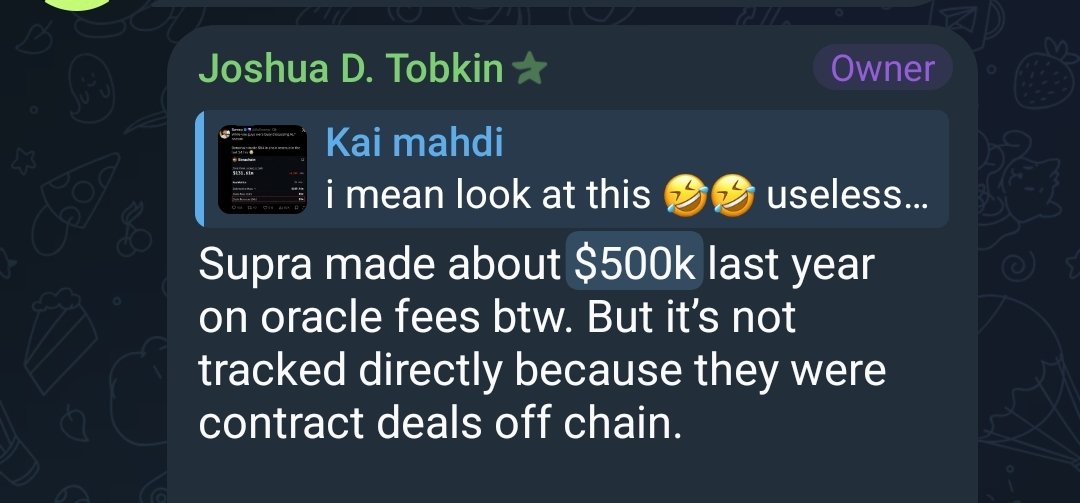
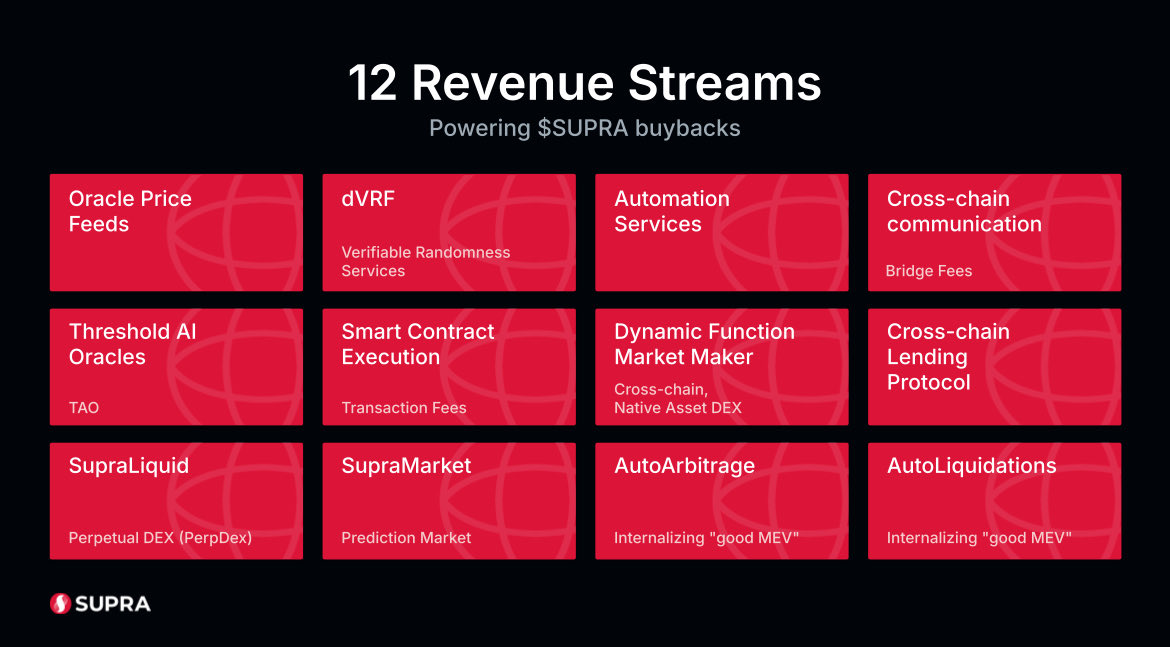
The crypto market is entering a completely different era. The days when projects could survive purely on hype, narratives, and influencer marketing are slowly coming to an end. Many cryptocurrencies won't survive the next few years,not because the technology isn't flashy enough, but because they never built a sustainable business model. For years, countless projects focused on price action instead of value creation. They solved few real problems, provided little utility, and generated almost no meaningful revenue. When market conditions were favorable, that weakness was hidden behind speculation. Now the market is demanding something different. We're entering the business phase of blockchain. A phase where networks must provide services, attract users, generate fees, and create sustainable revenue streams that can fund development, reward stakeholders, and drive long-term growth. Many blockchains never prepared for this reality. $SUPRA did. Even in a difficult market environment, $Supra is already generating roughly $1,000 daily in gas fees. While many larger and more established L1s struggle to produce meaningful on-chain revenue, $Supra is already demonstrating that value capture is possible from day one. What's even more impressive is that Supra's revenue story extends far beyond transaction fees. Through its Oracle infrastructure services alone, Supra generated nearly $500,000 in fees last year. Remember, we're talking about a L1 that is less than two years post TGE and is already proving its ability to capture value from real products and real usage. And this is only the beginning. Supra's ecosystem is designed around 15 potential revenue streams. The core network already includes: >> Oracle Price Feeds >>dVRF (Verifiable Randomness) >>Automation Services >>Cross-Chain Communication >>Threshold AI Oracles >>Smart Contract Execution Fees >>Dynamic Function Market Maker (DFMM) >>Cross-Chain Lending >>SupraLiquid PerpDEX >>SupraMarket Prediction Markets >>AutoArbitrage >>AutoLiquidations And that's before adding: >>SupraOS >>SupraFX >>Playbook Finance Many of these products are already live and generating activity. Others are scheduled to launch over the coming months, expanding the network's ability to capture value across multiple sectors of crypto. This is what long-term planning looks like. While others built token narratives, $Supra built infrastructure. While others chased trends, $Supra built revenue engines. The market is becoming increasingly ruthless, and only projects with real utility, real users, and real revenue will thrive. From where I stand, Supra looks prepared for exactly that future. Don't underestimate what happens when a blockchain is built not just to grow but to sustain itself🔥🔥 $SUPRA 🚀🔥 #Supra #SupraLabs #Crypto #Blockchain #DeFi #Web3
Kmoney (Supra Agent 🥷) tweet mediaKmoney (Supra Agent 🥷) tweet media
English
2
8
35
975
Alex Lim
Alex Lim@alexlimasia·
Grateful for the main stage at Bitcoin Seoul. 1/ Crypto is better money technology. Not just a new asset class, but a fundamentally different way of doing things with money that weren't possible before. 2/ Crypto's earliest PMF was access to volatile speculation. The elephant in the room has been this: token is the product, price action is marketing, CEX listing is distribution. That model worked and built the industry we're in today. 3/ That's now slowly shifting. The use case is moving from how money gets made to how money moves. Faster, cheaper, and more programmable than anything TradFi has offered. Institutions and enterprises are leading this, not retail. 4/ (biased) Asia is the most important region to watch. Despite its economic weight, it's the world's most fragmented market. 8+ major economies, each with different languages, currencies, regulations, and pain points. There is no one-size-fits-all playbook nor regulation, and anyone building as if there is will struggle. 5/ At the same time, Asia is the most digitally native continent. A few super apps dominate the way hundreds of millions of people consume news, communicate with friends, and shop groceries. Korea has the highest AI usage per capita in the world. These apps and infrastructures will serve as the perfect regional stablecoin settlement layer. 6/ Multi-chain is the default from Day 1, not a transition phase. Chains will consolidate and only a few strongest will survive. The future isn't one chain winning but users never thinking about which chain they're on. Asset issuers should focus on distribution and chains should focus on infrastructure. 7/ LayerZero sits at the center of this. 800+ Asset issuers can scale across 170+ chains via LayerZero. $9B processed in May alone and over $260B year to date. 8/ Stablecoins and RWAs will fundamentally change how my kids will invest, trade, save, and move money around the world. They will grow up in that world and I'm happy that I will have a few stories to share with them about building that world, although I'm not sure how much they will actually care. :) Accelerate Asian Stablecoins.
Alex Lim tweet mediaAlex Lim tweet media
English
6
7
31
4.2K
Arnaud Mercier - #Entrepreneur #Versailles

Good morning. Elon Musk is taking fortune.com/company/spacex/" target="_blank">SpaceX public his way. Rather than following the Wall Street convention of setting a price range ahead of the IPO marketing process, SpaceX priced its offering at a single fixed price of $135 per share, a move that signals confidence in demand but is raising eyebrows among market watchers.

“This would be very unconventional, but the market will see this as a sign of confidence on the SpaceX IPO, while others could see it as a head-scratcher,” Dan Ives, managing director and senior equity analyst at Wedbush Securities, told me. “But it’s Musk and anything is on the table.”

Morningstar Equity Analyst Nicolas Owens offered additional context on what makes the single-price approach out of the ordinary. “Usually, the company and the underwriters will set the IPO price as a range, and they also usually have a bucket of shares they can add to the sale if demand is strong enough,” he told me. On Musk going with a single price: “I think it’s unusual compared to the regular IPO playbook,” Owens said. “In this case, I think the announcement just indicates they know there is enough demand to raise $75 billion,” he added.

Yes, SpaceX is aiming to raise $75 billion through its IPO under the ticker symbol SPCX on fortune.com/company/nasdaq/" target="_blank">Nasdaq sec.gov/Archives/edgar…">by selling 555.6 million shares at $135 per share, bringing the total valuation to $1.75 trillion—well above Morningstar’s independent valuation of $780 billion, which is based on the company’s core launch and satellite communications businesses and the cost advantages they’ve built through R&D and economies of scale.

The offering is structured as an all-primary deal, meaning proceeds will go directly to SpaceX while existing shareholders are not expected to sell their holdings. Existing shareholders, including Musk, will be required to hold their SpaceX shares for 366 days after the IPO, which is a signal of commitment to the company’s current plans.

But the confidence may be partly explained by what’s already baked in. As Fortune’s Shawn Tully fortune.com/2026/05/28/spa…">recently reported, roughly 78% of the expected proceeds—about $62.8 billion—is already spoken for, pledged to insiders and vendors including Musk’s X Corp., xAI investors, and Valor Equity Partners. That leaves less than $18 billion in fresh capital for SpaceX’s AI buildout, which consumed over $20 billion in the past five quarters alone.

The stakes extend well beyond SpaceX. “This listing represents the first major test for public markets after years of muted IPO activity, with SpaceX paving the way for AI giants Anthropic and OpenAI to follow soon after,” Wedbush analysts wrote in a note on Wednesday. How the market receives Musk’s unconventional approach may set the tone for what comes next.

Sheryl Estrada
@fortune.com" target="_blank" rel="noreferrer noopener">sheryl.estrada@fortune.com

This story was originally featured on fortune.com/2026/06/04/why…" target="_blank">Fortune.com

fortune.com/2026/06/04/why…
English
2
2
4
110