@simongerman600 Seems like the gap between the median age of the US population and the median age of legislators has remained constant, and may even have declined recently.
English
Jean-Paul Rodrigue
875 posts

@ecojpr
Professor, Dept of Maritime Business Administration, Texas A&M University - Galveston. Transport and logistics enthusiast.









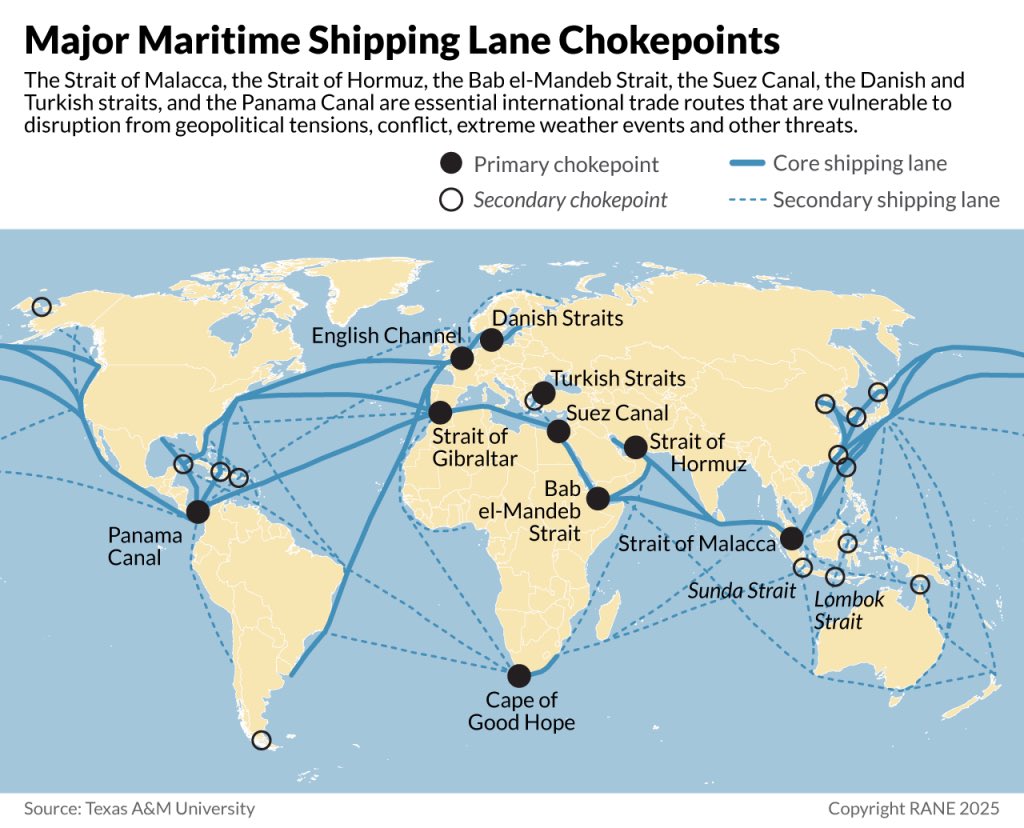
The US and China are now competing over control of chokepoints ahead of a conflict both sides increasingly see as inevitable. China spent a decade building leverage over critical supply chain choke points essential to the US industrial base. Now the Gulf War has handed Washington leverage over the energy and supply chain arteries critical to China’s industrial base. Hormuz matters far more to China than it does to the United States. But if the US Navy is now responsible for safely escorting ships and the DFC has a monopoly backstopping war risk insurance, then Washington becomes the gatekeeper of security at the world’s most important energy chokepoint. The US can now decide which cargoes get the lowest friction access and which buyers get priority. Squeeze the US on rare earths and the US squeezes back on Hormuz. China built a stranglehold over critical supply chains to deter the US. But the Gulf war may have given the US a reciprocal lever over China’s supply chain.