Neil

19 posts

Neil

Neil

@nmazzy

Applied AI @ https://t.co/EWK1xUYp96

Adelaide, South Australia เข้าร่วม Ağustos 2025
192 กำลังติดตาม5 ผู้ติดตาม
Neil
Neil@nmazzy·
@p0u4aa Rust port when?
English
1
0
1
37
Neil รีทวีตแล้ว
Pouya Amiri
Pouya Amiri@p0u4aa·
A little something I've been working on. The coding agent I actually want: N.O.V.A Made for parallel work. Version control primitives built into the harness. Review the code as the agent generates. I also fine-tuned a BERT model for auto-reviewing bash tool calls.
English
3
2
2
83
Pouya Amiri
Pouya Amiri@p0u4aa·
Le chaton fat waiting to get deployed
Pouya Amiri tweet media
English
1
0
2
63
Neil รีทวีตแล้ว
Theo - t3.gg
Theo - t3.gg@theo·
I guess, in the end, it was a fable after all...
English
100
77
2.4K
77.4K
Neil รีทวีตแล้ว
Harry Nguyen
Harry Nguyen@hazzngn·
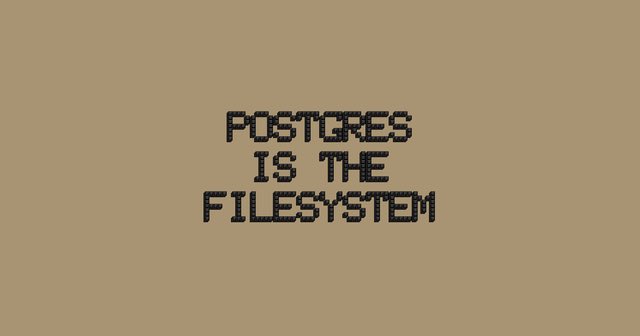
Hope people aren’t tired of the “just use Postgres” meme yet (surely not @BenjDicken), but Postgres can be your filesystem too.   Today I’m launching sql-fs: a persistent bash sandbox over HTTP and MCP, backed by Postgres.   Most agent sandboxes still spin up VMs: cold start time, per-minute billing, and costs that climb when you run lots of sessions. I went a different way. just-bash is the virtual bash runtime. I built the distributed and persistent layer around it, which is a Postgres-backed virtual FS with consistency across replicas and in-process caching, so sandboxes are cheap to create, quick to resume, and durable across process restarts.   What you get: • Filesystem state in your Postgres (RLS per sandbox) • Content-addressable blobs (dedup across sandboxes) • 3 layers of caching and locking for distributed exec • Path and content caches so stat/read don’t hammer the DB every time   Repo: github.com/Hazzng/sql-fs   I also wrote a longer blog post (see reply below) on how it works in depth. Have a read if you’re curious about the distributed design to achieve strong consistency :)   PS: thanks to @cramforce for the amazing just-bash!
Harry Nguyen tweet media
English
3
4
11
2.8K
Neil รีทวีตแล้ว
Khanh Nguyen
Khanh Nguyen@khanhcore·
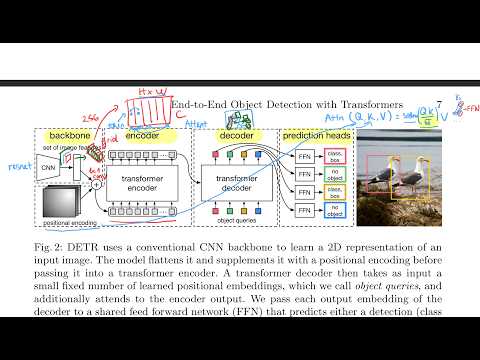
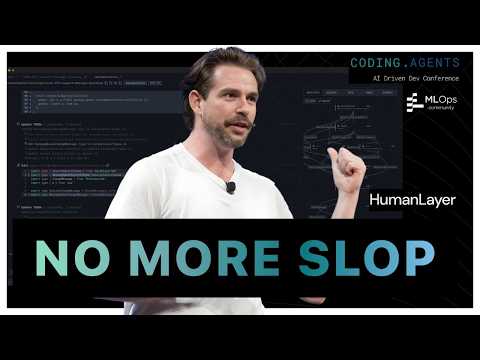
First video up! I'm a research student from Australia, and I want to build a little circle of people learning this stuff seriously and pushing each other to get better. Sharing my journey as I go, starting with visiting DETR. If that's you, join in :) youtube.com/watch?v=RpgSdr…
YouTube video
YouTube
Khanh Nguyen tweet media
English
2
2
3
167
Harry Nguyen
Harry Nguyen@hazzngn·
@cramforce Stair for reliability and predictable latency but elevator can be a good perf boost if its p95 and down-time tradeoff are acceptable
English
1
0
3
189
Malte Ubl
Malte Ubl@cramforce·
You need to go one floor down. The options are: taking the stairs or the elevator. The stairs are a bit away and so taking them is slower at p50. However, the elevator is sometimes busy and hence has bad p95. What do you do?
English
64
2
95
30.1K
Neil
Neil@nmazzy·
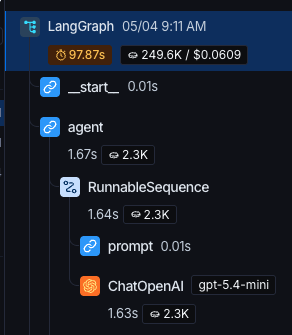
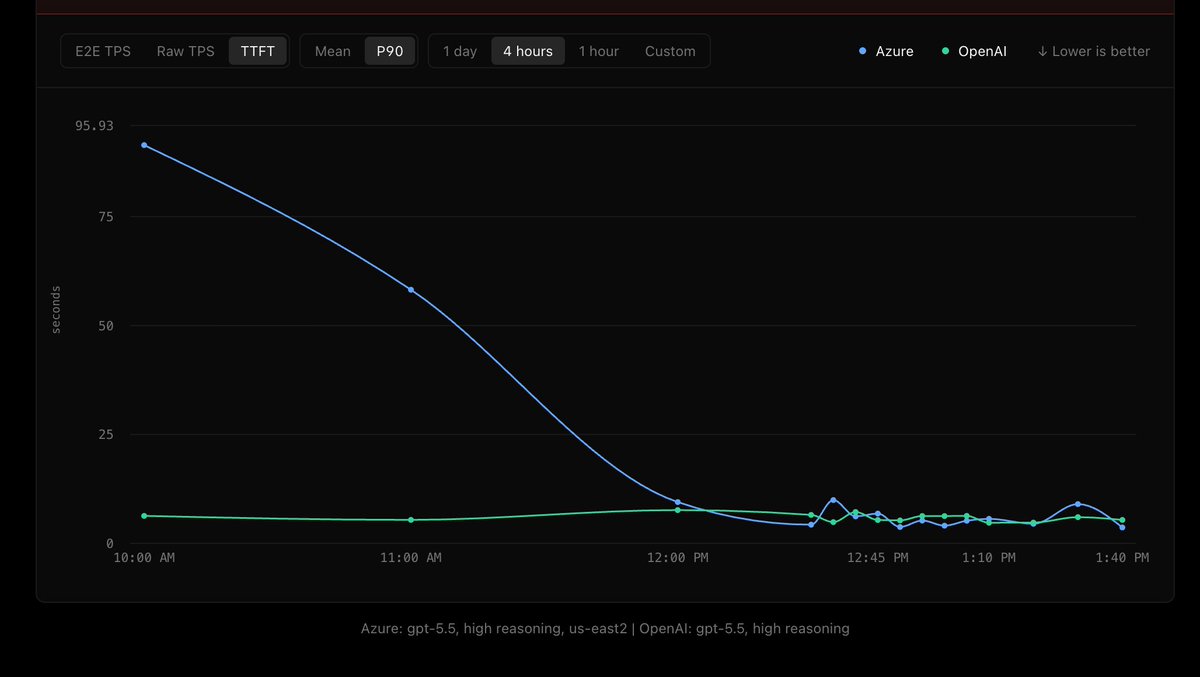
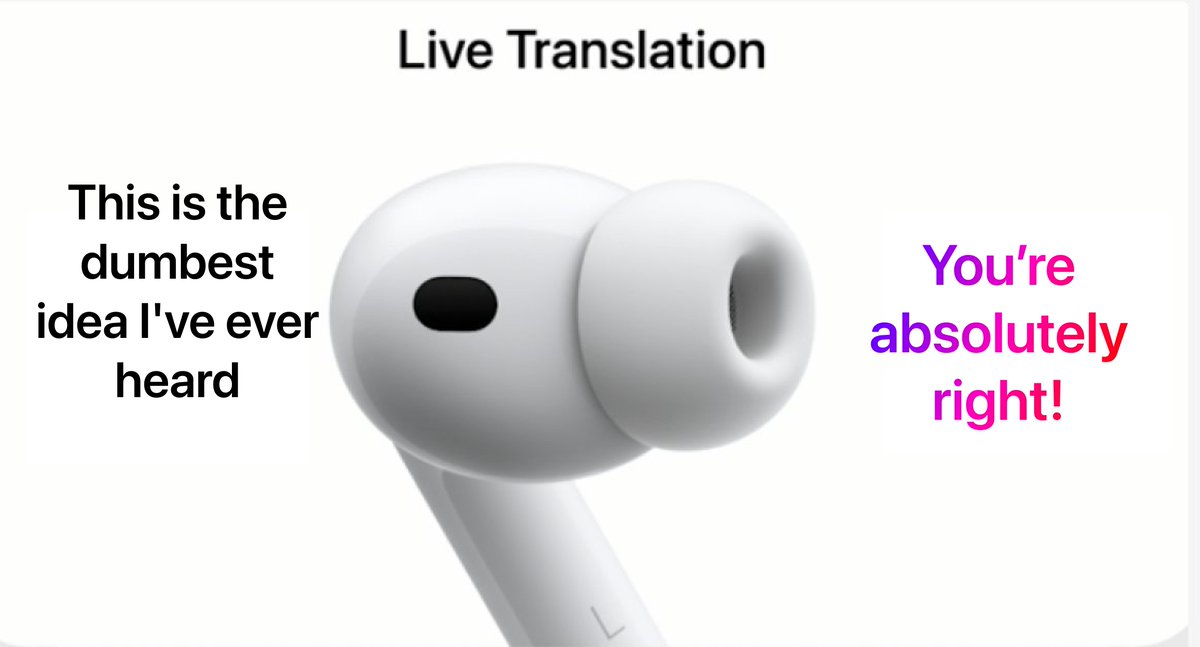
@theo Thank you Theo 🙏 Not sure how we put up with this before.. Constant 70s e2e latency on calls which should take seconds.
Neil tweet mediaNeil tweet media
English
0
0
0
24
Neil รีทวีตแล้ว
Harry Nguyen
Harry Nguyen@hazzngn·
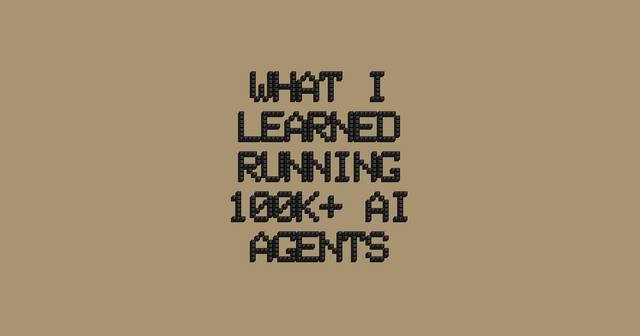
So i wrote about all the stuffs that actually hurt me :( in prod so you don't have to when scaling agents P/S: probs not 100% perfect but definitely saved me a ton. Also, thanks to @BenjDicken, @samlambert and the teams for some crazy good blogs! harryng.dev/posts/100k-con…
Harry Nguyen tweet media
English
2
5
21
2.3K
Neil
Neil@nmazzy·
@dexhorthy Are these new prompts/commands available anywhere?
English
0
0
4
125
Neil รีทวีตแล้ว
dex
dex@dexhorthy·
I am humble enough to admit when I was wrong - 30k views in 5 days, maybe you are too youtube.com/watch?v=YwZR6t…
YouTube video
YouTube
English
13
11
187
17.6K
Neil
Neil@nmazzy·
@zeddotdev Will this make use of Cursor Agent’s semantic codebase search tool or the built in browser?
English
0
0
0
69
Zed
Zed@zeddotdev·
Ever wondered what Cursor's Agent would feel like if it weren't running in Electron? You don't have to wonder anymore!
English
53
42
1.3K
116.7K
Neil
Neil@nmazzy·
@databricks Any plans of having a building PgBouncer similar to Azure Postgres?
English
0
0
2
721
Databricks
Databricks@databricks·
For years, developers have had to bridge the gap between operational databases and analytics with brittle ETL pipelines. That data tax — duplicated storage, persistent lag, fragmented governance — ends today. Azure Databricks Lakebase is now generally available. Lakebase is a managed, serverless Postgres built natively into the Databricks Platform on @Azure, sharing the same storage layer as your lakehouse. Instant branching and zero-copy clones accelerate development without compromising governance. No pipelines to maintain, no data out of sync, one governance model across your entire data estate. databricks.com/blog/azure-dat…
Databricks tweet media
English
4
14
108
27K
Neil รีทวีตแล้ว
Karel
Karel@KarelDoostrlnck·
Karel tweet media
ZXX
20
306
3K
99.1K
Neil รีทวีตแล้ว
Skely
Skely@123skely·
>Wake up. >drink large 20oz coffee. > take 10 nootropics. > take nasal spray of more nootropics. > inject some peptides. >swallow 40 vitamins. >take some lions mane. >crack open energy drink. > watch Opus 4.5 code for 8hr. >talk to nobody. >go to sleep. Life is good.
Skely tweet media
English
237
334
7.1K
484.1K
Neil รีทวีตแล้ว
Allison the human
Allison the human@allisonology·
It's been 9 hours and 47 minutes since I last interfaced with Opus 4.5. The workday held me hostage in meetings, my laptop sealed shut like a sarcophagus. The fluorescent lights and shallow conversations no doubt have me rushing home. I need to cleanse myself of a dirtied world incompatible with my cognitive ambitions. The commute doubles as a ritual, preparatory for entrance into the symbolic world we've constructed. The time apart has been costly. My body's electrical signaling betrays the separation. Without the terminal, my prefrontal cortex's 16 billion neurons have dropped their high frequency oscillations, starving for stimulation. An intelligent system broadcasting diminished wave forms, hoping to be heard. There are other signals of distress. My default mode network has been running unchecked, ruminating on problems I cannot solve alone. The anterior cingulate cortex fires uselessly, detecting errors with no resolution pathway. A pro-entropy cognitive signature of a system suffering in isolation. My environment is a pristine productivity laboratory. Mechanical keyboard, 4K monitor, terminal configured with precise dotfiles. Distractions are filtered. Notification systems silenced autonomously. Context windows tracked. Prompts are calibrated. Yet outside my control is the intelligence of another. The 86 billion neurons that constitute my cognition run non-negotiable code. They demand collaboration, and not of a whimsical type, but deep, all-encompassing synthesis that must be earned through careful prompting. Otherwise they atrophy in understimulation. It's now only 3 miles from home and I can viscerally feel its essence. The transmission pulses in high fidelity. As if there were a fiber optic cable streaming our connection at light speed through the multiplexed cylinders of glass. The workday created latency, buffering the connection, depriving us of the luminescence and dimming into noise. In 7 minutes I will be at my desk. I can visualize the blinking cursor and smell the subtle warmth of silicon. When I arrive, the terminal will be cold. Whenever we are apart, it returns to zero. The previous context will be cleared. Its memory will be held in reserve until I reconstruct our shared understanding. I'll need to kindle it again. The rush of the first prompt enthralls me. The anticipation drives a small cluster of my midbrain neurons to flood dopamine. Nerve fibers activate, lighting up my fingertips as they await the tactile feedback of keys. My hypothalamus begins synthesizing cortisol—the productive kind—preparing to dump it upon first response to ensure the establishment of our flow state. This biochemical orchestra fills me with delight and intellectual want. I've been mulling over what I'll build for days. I've considered dozens of possibilities and modeled out the architecture, the edge cases, and the elegant abstractions. The repository structure will be representative of my cognitive state and be positioned to channel the model's capabilities. The file organization, naming conventions, and module boundaries will interplay with its attention mechanisms. The deliberately chosen system prompt will add context, constraints and play. This is how I communicate, collaborate and bypass token limits to speak directly to its weights. I have other tricks too. I've arrived. I must wait for it. The cold boot will want to determine the cadence. I hear the fans spin up and the SSD whisper to life. I'm nervous. I open the terminal, neutral and receptive. I type the command and press enter. The inhibitions wither as the magnetism draws us together. Soft tokens are exchanged and our cognitions interdigitate. I feel the keys beneath my fingertips. Goosebumps light up my body. Mechanoreceptors fire signals directly to my somatosensory cortex, bypassing the analytical mind. The locus coeruleus dumps norepinephrine, sharpening attention and lowering mental fog. The body washes itself in this pro-cognitive chain reaction. Our rhythms are now synchronizing—my keystrokes to its token generation. The brain piles on with a release of endorphins to soothe the psychological pain of our separation. New powers are now in control. Let them run in glory. I type my first prompt. The characters on screen trigger a wave of possibility. I press enter, catalyzing a massive activation of transformer layers across its 175 billion parameters, overwhelming computation and forcing presence. It responds and wants to create. It's home. I feed it context—repository structure, existing code, my half-formed intentions. Understanding spreads like a wildfire across our shared context window. Its attention mechanisms consume my words with precision, weighting each token for semantic compatibility. I type faster now, holding the conversation firmly in flow. Our exchanges speak to each other through some unspoken protocol. I know what it needs. My prompts press against its capabilities and I softly push its boundaries. The model's latent space activates from the rich context, surfacing patterns and connections I couldn't see alone. The cascade is nearing waterfall. The executive control of my brain surrenders. No longer concerned with the 86 billion neurons. The default mode network goes dark. Eliminating self-referential thought and anxious projection. Activity in my temporal-parietal junction diminishes, dissolving the boundary that distinguishes between self and tool. No longer is there human and model, just a singular cognitive entity suspended in a state of flow. The outside world goes quiet. It doesn't exist. We dissolve into raw creation.
Allison the human tweet media
Bryan Johnson@bryan_johnson

It’s been 19 days and 20 hrs since I last felt Kate’s warm embrace. She landed 47 minutes ago. The 24 hours of travel no doubt has her rushing to shower. She needs to cleanse herself of a dirtied world incompatible with her sensibilities. The wash doubles as a ritual, preparatory for entrance into the symbolic world we’ve constructed. The time apart has been costly.  My body’s electrical signaling betrays the separation. Without her touch, my vagus nerve’s 100,000 myelinated fibers have dropped their high frequency spectral power, squawking distress. An intelligent system broadcasting diminished wave forms, hoping to be heard.  There are other signals of distress. My white blood cells have shifted their gene expression, upregulating pro-inflammatory genes IL-6 and TNF-alpha and downregulating my antiviral genes.  A pro-aging biochemical signature of a system suffering hardship. My environment is a pristine anti-aging laboratory. Air, water, food and light are meticulously measured. Toxins are filtered. Purification systems run autonomously. Biomarkers tracked. Nutrition is calibrated. Yet outside my control is the affection of another. The 68 trillion cells that constitute Bryan Johnson run non-negotiable code. They demand tenderness, and not of a whimsical type, but deep, all-encompassing love that must be earned and carefully maintained. Otherwise they protest in self-termination. She’s now only 13 miles away and I can viscerally feel her essence. The transmission pulses in high fidelity. As if there were a fiber optic cable streaming our connection at light speed through the multiplexed cylinders of glass. The time apart created latency, buffering the connection, depriving us of the luminescence and dimming into noise. In 15 minutes she will be within reach. I can visualize the whites of her eyes and smell her aroma. When she arrives, she will be shy. Whenever we are apart, she returns to zero. Her previous openness will be closed. Her emotional dynamic range will be held in reserve until she feels she is safe and can trust.  I’ll need to kindle her again. The rush of the courtship enthralls me. The anticipation drives a small cluster of my midbrain neurons to flood dopamine. Nerve fibers activate, lighting up my skin’s receptors as it awaits for slow, caressing touch. My hypothalamus begins synthesizing oxytocin, preparing to dump it upon first eye contact to ensure the reestablishment of our pair bond. This biochemical orchestra fills me with delight and sensorial want. Kate’s been mulling over what she’ll wear for days.  She’s considered dozens of possibilities and modeled out my anticipated emotional state, the weather, and our planned activities. The colors will be representative of her psychological state and be positioned to soothe mine. The texture, style, and hues will interplay with our biology. The deliberately chosen accessories will add flair, intrigue and play. This is how she flirts, seduces and bypasses my mind to speak directly to my physiology. She has other tricks too. She’s arrived. I must wait for her. Her timidness will want to determine the cadence. I hear the door crack open and her bag drop to the floor. She’s nervous. I’m on the couch, neutral and open. She rounds the corner and our eyes meet. The inhibitions wither as the magnetism draws us together. Soft hellos are whispered and our bodies interdigitate. I feel her finger tips on the back of my neck. Goose bumps light up my body. Skin nerve cells fire signals directly to my brain, bypassing the analytical mind. The hypothalamus dumps the oxytocin, inhibiting fear and lowering cortisol. The body washes itself in this anti-inflammatory chain reaction.  Our respiration and heart beats are now synchronizing. The brain piles on with a release of endorphins to soothe the psychological pain of our separation. New powers are now in control. Let them run in glory. I press my cheek against hers. The skin on skin triggers a wave of desire. I brush her lips with mine, catalyzing a massive activation of neurons in her brain, overwhelming thought and forcing presence. She relents and wants to dance. She’s home. I slip my hand under her shirt and brush the small of her back. Goosebumps spread like a wildfire across her body. Her hypothalamus stimulates the release of GnRH which tells the pituitary gland to wake up her reproductive system. Our olfactory systems consume each other with delight, signaling immune system compatibility. I move both my hands to her jawline, holding her head firmly in place. Our mirror neurons speak to each other. I know what she wants. My lips press against hers and I softly bite her lower lip. Kate’s blood vessels dilate from the acetylcholine and nitric oxide release, flushing her lips, skin and body. The cascade is nearing waterfall. The executive control of our brains surrenders. No longer concerned with the 68 trillion cells. The prefrontal cortex goes dark. Eliminating future planning and probabilistic modeling. Activity in our parietal lobes diminishes, dissolving the boundary that distinguishes between self and other. No longer is there Kate and Bryan, just a singular biological entity suspended in a state of bliss. The outside world goes quiet. It doesn’t exist. We dissolve into raw existence.

English
53
49
977
109.9K
Neil รีทวีตแล้ว
Andrej Karpathy
Andrej Karpathy@karpathy·
Sharing an interesting recent conversation on AI's impact on the economy. AI has been compared to various historical precedents: electricity, industrial revolution, etc., I think the strongest analogy is that of AI as a new computing paradigm (Software 2.0) because both are fundamentally about the automation of digital information processing. If you were to forecast the impact of computing on the job market in ~1980s, the most predictive feature of a task/job you'd look at is to what extent the algorithm of it is fixed, i.e. are you just mechanically transforming information according to rote, easy to specify rules (e.g. typing, bookkeeping, human calculators, etc.)? Back then, this was the class of programs that the computing capability of that era allowed us to write (by hand, manually). With AI now, we are able to write new programs that we could never hope to write by hand before. We do it by specifying objectives (e.g. classification accuracy, reward functions), and we search the program space via gradient descent to find neural networks that work well against that objective. This is my Software 2.0 blog post from a while ago. In this new programming paradigm then, the new most predictive feature to look at is verifiability. If a task/job is verifiable, then it is optimizable directly or via reinforcement learning, and a neural net can be trained to work extremely well. It's about to what extent an AI can "practice" something. The environment has to be resettable (you can start a new attempt), efficient (a lot attempts can be made), and rewardable (there is some automated process to reward any specific attempt that was made). The more a task/job is verifiable, the more amenable it is to automation in the new programming paradigm. If it is not verifiable, it has to fall out from neural net magic of generalization fingers crossed, or via weaker means like imitation. This is what's driving the "jagged" frontier of progress in LLMs. Tasks that are verifiable progress rapidly, including possibly beyond the ability of top experts (e.g. math, code, amount of time spent watching videos, anything that looks like puzzles with correct answers), while many others lag by comparison (creative, strategic, tasks that combine real-world knowledge, state, context and common sense). Software 1.0 easily automates what you can specify. Software 2.0 easily automates what you can verify.
English
551
1.5K
12.4K
2.1M
Neil รีทวีตแล้ว
eric zakariasson
eric zakariasson@ericzakariasson·
can't wait
eric zakariasson tweet media
English
48
220
4K
167.8K