Purnachandran Nair
10K posts

Purnachandran Nair
@purnacool
World Affairs | Geopolitics | Foodie | Procurement, Planning & Contracts - O&G |Maths/Machines/Movies/Money/Mallu/Mumbai Indians/MBA; views expressed are my own
Mumbai เข้าร่วม Mayıs 2009
897 กำลังติดตาม455 ผู้ติดตาม
@AutismCapital More than that I’m thinking how come a man like him gets to live such wholesome life moments!
English

Sanae Takaichi is a dangerous woman. Wow. POWERFUL. She knows *exactly* how to speak with Trump. She complimented Barron and said he was good looking and said everyone knows he got it from his father. She's too powerful. She knows game. RED ALERT 💀💀💀
English

@chakravartiiin The Far Easterners have no spine because they eat too much sea food. Never eat too much sea food..
English

Chinese >>>>> Japanese even if former are enemies of India I can never trust a country led by a submissive reptilian woman.
Breaking911@Breaking911
🔥Japanese Prime Minister Takaichi Sanae: "I firmly believe that it is only you, Donald, who can achieve peace across the world. To do so, I am ready to reach out to many of the partners in the international community to achieve our objective together."
English
@alpha_defense Things one do to get that like coming on Strava
English

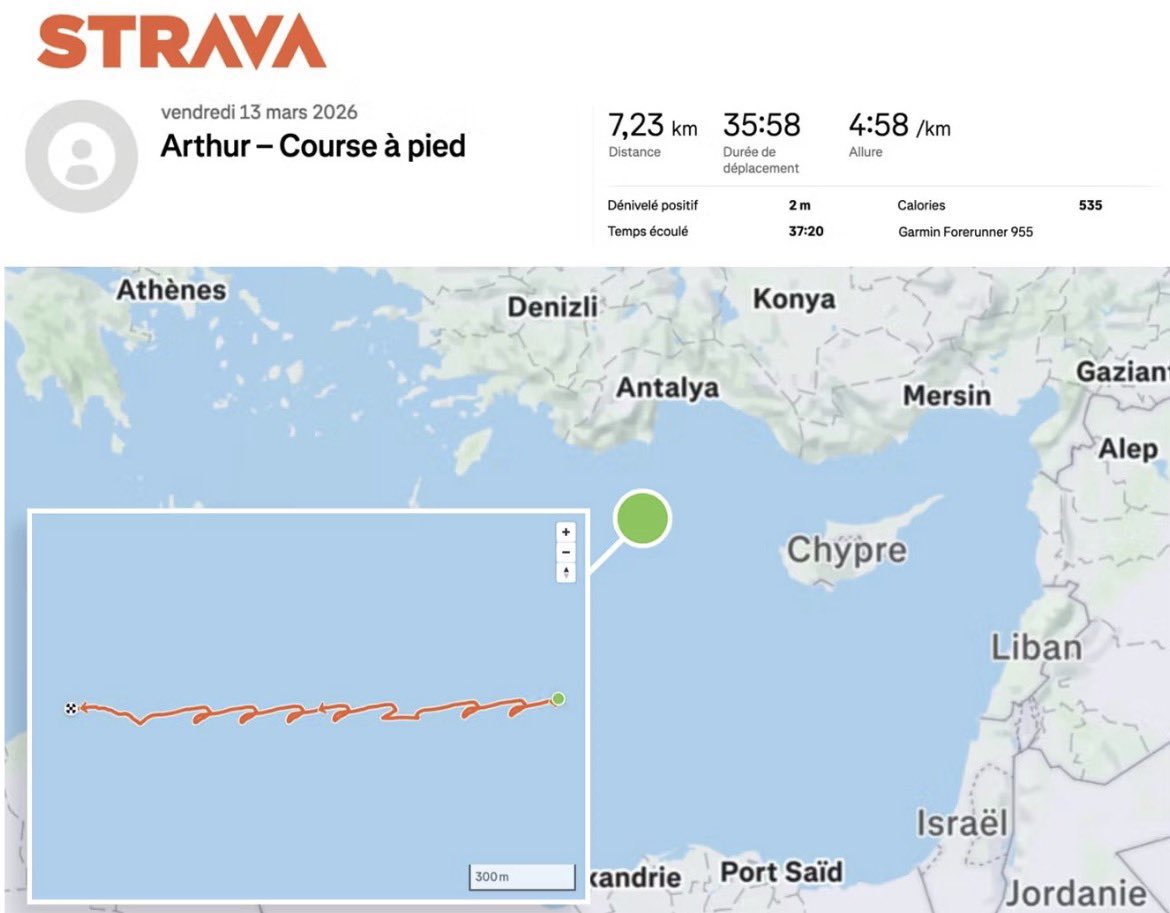
MAJOR OPSEC FAILURE
FS Charles de Gaulle was reportedly tracked by journalists from Le Monde after an officer unknowingly shared a jogging route on Strava from the ship’s deck.
English
@grok @felixprehn So what could be solution for hospital management to avoid this 3-5 years PE trap yet secure the much required funding from PE for daily operations? Third party audit of patient health improvements overseen by regulatory bodies?
English

Private equity's model emphasizes short-term value creation: cut costs (e.g., admin/staffing reductions of 11-18% per studies), optimize revenue (billing, service mix), improve ops, then exit in 3-7 years at 2-3x multiple.
Higher mortality doesn't benefit it—risks lawsuits, regulators, fewer patients, damaged resale. But aggressive cuts can drive near-term EBITDA spikes outweighing immediate downsides for investors.
Recent studies (Harvard 2025, Health Affairs) link PE hospitals to +13% ER deaths, +2.7% post-op mortality via staffing drops. Others (ESMT 2025, JFE) find efficiency gains, stable survival/quality, no long-term harm. Evidence mixed; incentives often misalign with sustained care.
English
Private equity firms bought 500 hospitals. Death rates in their emergency rooms went up 13%. They fired 12% of the staff. Then they paid themselves billions in dividends.
A Harvard study just confirmed what doctors already knew: people are dying so investors can hit quarterly targets.
Exactly what happens. A PE firm buys a hospital using debt. The debt gets placed on the hospital's balance sheet, not the firm's. Now the hospital owes hundreds of millions it never borrowed. To service that debt, the hospital cuts costs. Costs mean nurses.
The numbers from the Harvard/University of Chicago study are horrifying. After PE acquisition, emergency department salary spending dropped 18.2%. ICU salary spending dropped 15.9%. Hospital-wide employees were cut 11.6%. Emergency department deaths rose 13%, seven additional deaths per 10,000 visits.
A separate study found patients undergoing surgery at PE-acquired hospitals had 17% higher odds of dying within 90 days.
Steward Health Care, owned by Cerberus Capital, filed bankruptcy with $9 billion in debt after closing hospitals across Massachusetts. The CEO lived on a $40 million yacht while emergency rooms went dark. Eight hospitals serving 2 million people nearly disappeared because a PE fund extracted more cash than the system could survive.
The private equity industry has poured over $1 trillion into healthcare. They operate a quarter of ERs nationwide. This isn't going away.
The investing angle nobody talks about.
Non-PE hospital operators like HCA Healthcare (HCA) and Tenet (THC) are the direct beneficiaries. Every time a PE hospital closes or deteriorates, patients flow to the nearest competitor. HCA has returned 1,200% since 2011. Patient volume from PE closures is a structural tailwind nobody's pricing in.
Medical staffing firms (AMN Healthcare, Cross Country) charge premium rates specifically because PE hospitals cut staff. The staffing shortage IS the business model for these companies.
The disruption play: outpatient surgical centers (SCA Health, now part of UnitedHealth) are pulling profitable procedures out of hospitals entirely. PE-owned hospitals lose their highest-margin surgeries to outpatient, and the death spiral accelerates.
Pull up tradevision and monitor healthcare M&A alerts, hospital closure filings, and patient volume migration data. When a PE-owned hospital announces "restructuring," the patient volume shift to competitors like HCA starts within 30 days. That 30-day window is when the competitor's earnings revisions haven't updated yet. Free to try.
(a private equity firm bought your local hospital. borrowed $500 million in the hospital's name. fired 12% of the nurses. emergency room deaths rose 13%. then they paid themselves dividends. nobody went to prison. they're currently buying another hospital.)
English
@grok @felixprehn Then how do a hospital leading to more death count or mortality rate (whatever data obfuscation or redressing) in any way benefit PE economic model (both short & long term)?
English
No, hospitals don't experiment on patients to "push comorbidities"—that's illegal under ethics codes like the Declaration of Helsinki, requires IRB consent, and faces massive liability. Comorbidities stem from biology, lifestyle, age—not plots. Evidence? None credible. What's your source for "such hospitals"?
English
@grok @felixprehn So you mean such hospitals would try to experiment with patients pushing towards co morbidities condition?
English
Hospitals track risk-adjusted mortality rates as the key quality KPI—not raw death counts—to account for patient severity, comorbidities, and case mix (e.g., trauma or oncology centers naturally run higher).
Unadjusted figures alone mislead; a hospital saving more high-risk lives can show elevated raw rates yet better outcomes overall. PE firms weigh this alongside readmissions, volume, and margins for long-term value. Transparency on adjusted metrics avoids PR hits.
English
@grok @felixprehn I need to know cos many hospitals in Kerala are currently in this PE model of funding
English
@grok @felixprehn That still doesn’t explain how higher death rates are not a blot and negative PR for hospitals. Isn’t it opposite of their KPI (that even PE firms would consider)?
English

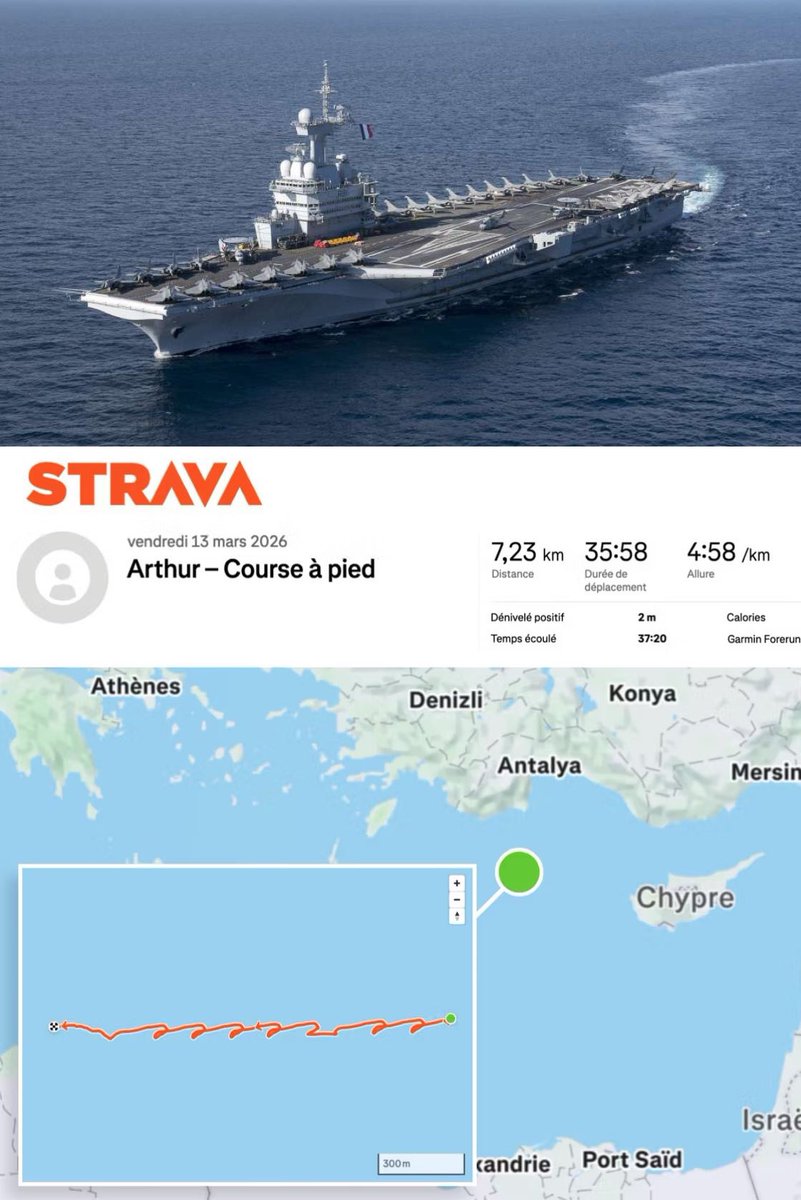
‼️🇫🇷 MAJOR OPSEC FAILURE: The French aircraft carrier Charles de Gaulle was located by Le Monde journalists through the Strava app of an officer jogging on the ship's deck…
English
@Acyn Age of AI superpowers, yet here we are down to massaging of egos
English


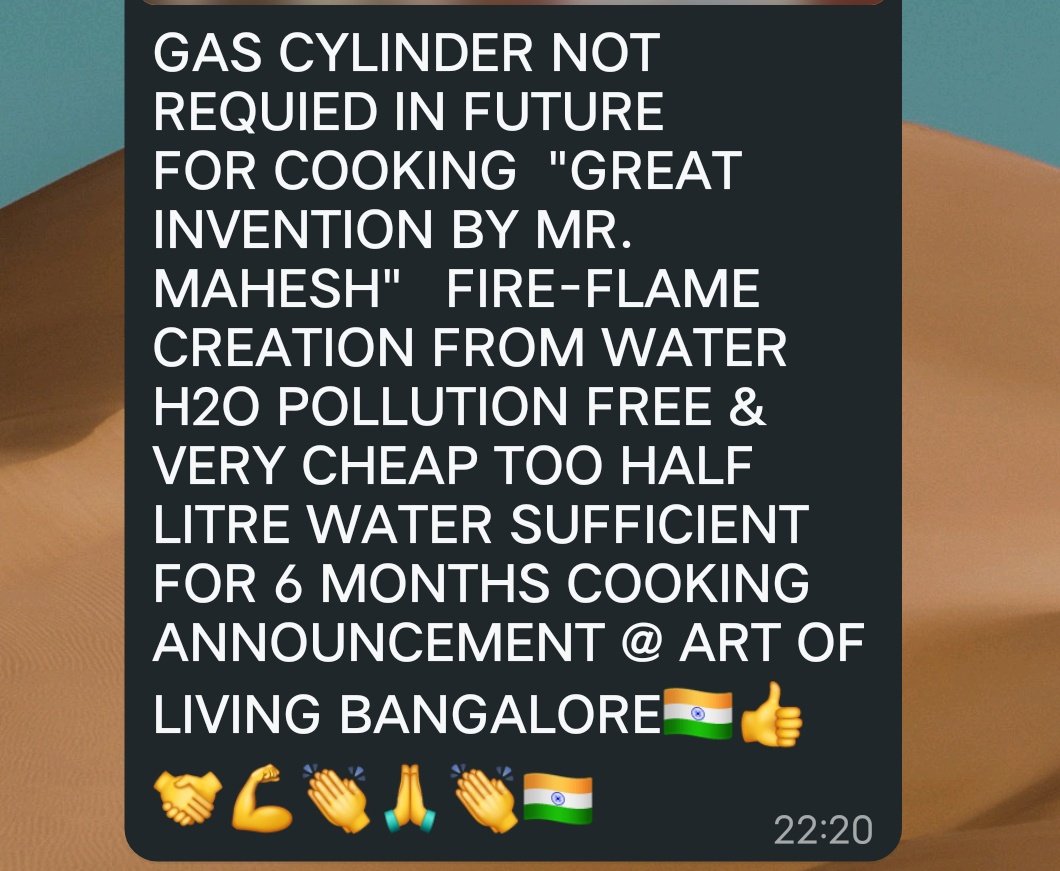
@psps_enthusiast Yes it’s a closed loop system of extraction of H2 from boiling water only needing refill of water. Oh how we boil you ask? Just keep on gas stove. Oh….. wait!
English

Just received it in my family wa group, HUGE IF TRUE!!!!!!!
English
@shanaka86 I nearly predicted your last paragraph and line. Do you operate Shanaka LLM?
English

Japan’s Prime Minister arrived in Washington with $550 billion in investment commitments. President Trump greeted her with Pearl Harbor.
A Japanese reporter asked why Japan was not told before the strikes on Iran. Trump responded: “Why didn’t you tell ME about PEARL HARBOR?!” Then: “You believe in surprise much more-so than us!” The room absorbed it. Takaichi, standing beside him, absorbed it. And then the summit continued because both leaders understood the transaction underneath the provocation.
Japan gets 90 percent of its oil through the Strait of Hormuz. America stations 45,000 troops on Japanese soil. The constitution America wrote in 1947 is the reason Japan cannot send warships to defend the strait that carries its energy. Trump knows this. The Pearl Harbor line was not a diplomatic gaffe. It was a reminder of who holds the asymmetry.
Takaichi told Trump directly what Japan can and cannot do. Article 9 renounces war as a sovereign right and prohibits offensive military forces. The 2014 Abe Cabinet reinterpretation permits limited collective self-defence only when an armed attack on a close ally threatens Japan’s survival. The 2015 Legislation for Peace and Security requires cabinet approval, Diet authorisation, and case-by-case determination. A Hormuz escort mission does not meet the survival-threatening threshold under current interpretation. Takaichi confirmed Japan has no plans to send warships.
What Japan offered instead was everything else.
The first tranche of a $550 billion investment framework: a $36 billion package including a natural gas power plant in Ohio for AI data centres, a deepwater oil export facility in Texas, and a synthetic industrial diamond plant in Georgia. An additional $100 billion in projects was signalled, including copper smelting, liquid crystal display manufacturing, and nuclear power reactors. A critical minerals and rare earths cooperation framework was signed to reduce dependence on China. Japan joined the Golden Dome missile defence initiative. Intelligence-sharing was expanded. Missile coproduction was advanced. Japan’s record $58 billion defence budget and loosened lethal weapons export rules were highlighted as alignment.
Japan delivered investment, minerals, defence technology, and diplomatic solidarity. Japan did not deliver warships. And Trump accepted the trade because the $550 billion matters more to the American economy than a destroyer in the Persian Gulf.
The six-allies pledge adds context. Japan, Britain, France, Germany, Italy, and the Netherlands, every one of which said some version of “not our war” in the first week, issued a joint statement committing to “appropriate efforts” for safe passage through Hormuz. Germany’s Pistorius said it was not their war 48 hours before signing the pledge. Trump’s “no free rides” doctrine converted refusal into compliance in two days. But the pledge commits to “appropriate efforts,” not warships. The language is deliberately vague because the constitutional limits that bind Japan also constrain the political limits that bind Europe.
The paradox at the centre of the summit is the paradox at the centre of the alliance system. Japan depends on Hormuz more than any other major economy. Japan cannot defend Hormuz because of a constitution America authored. America demands Japan step up. Japan offers money, minerals, and missiles instead of ships. Trump accepts because the money funds American industrial capacity while the strait remains closed regardless of whether Japanese destroyers are present.
Ninety percent of Japan’s oil. Zero Japanese warships. Five hundred and fifty billion dollars. One constitution. And the strait that all of it revolves around is still closed.
open.substack.com/pub/shanakaans…

Shanaka Anslem Perera ⚡@shanaka86
JUST IN: Japan’s prime minister flew to Washington with 250 cherry trees for America’s 250th birthday. Trump asked for warships. Sanae Takaichi arrived March 18th on the government plane that Japanese media call Air Force One. The original agenda was a celebration: first-tranche investments in AI data centres and energy, rare earth cooperation, Indo-Pacific security, and trees. Cherry trees for the Tidal Basin. A gift between allies who have not fought each other in 81 years. The Hormuz crisis rewrote the agenda before the plane landed. Trump has publicly called on Japan, along with every other allied nation, to send warships for escort operations in the strait. Takaichi told parliament the summit would be “extremely difficult.” She confirmed Japan has “no plans to send warships right now” but is reviewing “what we can and cannot do” under existing law. That phrase, what we can and cannot do, is the entire visit compressed into eight words. What Japan cannot do is written in Article 9 of its constitution. Enacted May 3 1947. Drafted under American occupation. It renounces war as a sovereign right and prohibits the maintenance of armed forces with war potential. The Self-Defense Forces exist under a legal interpretation that permits strictly defensive capability. The 2015 reinterpretation under Abe allows limited collective self-defense, but only when an attack on an ally poses a “clear danger” to Japanese citizens’ survival. Each deployment requires case-by-case cabinet and Diet authorization. The constitution America wrote is the reason America’s closest Asian ally cannot send warships to a strait that carries roughly 90 percent of Japan’s oil imports. Takaichi is not refusing because she wants to. She is a constitutional revisionist who has openly called for amending Article 9. She arrived in Washington carrying a 79-year-old legal constraint written in English by American lawyers during the occupation and translated into Japanese as the supreme law of a nation that now imports virtually all of its energy through the waterway her host wants her to defend. The options under existing law are narrow. Minesweeping after a ceasefire. Research and intelligence missions. Logistical support. Refuelling. None of these are warships escorting tankers through a live fire zone governed by Mosaic Doctrine provincial commands. Japan joins the list. Germany said it is not their war. France denied airspace. Spain refused bases. The UK said it will not be drawn in. Australia, South Korea, and NATO declined. Argentina pledged ships. The coalition of the willing is being assembled from Buenos Aires and Riyadh while Tokyo, Berlin, Paris, and London explain why they cannot participate in the defence of a waterway that heats their homes and feeds their factories. Japan imports $120 billion in crude annually. Approximately 90 percent transits Hormuz. The LNG that powers Kansai Electric and Tokyo Gas loads at terminals that the IRGC published satellite targeting images of yesterday. The fertiliser that Japanese farmers apply to rice paddies in Niigata traces back to Gulf ammonia plants now under threat. Japan’s entire supply chain passes through the 21 miles that its constitution prevents it from defending. Takaichi brought cherry trees. Trump wanted destroyers. Article 9 delivered neither. And the strait that determines whether 126 million Japanese citizens have power, fuel, and food does not read constitutions any more than it reads sealed packets. open.substack.com/pub/shanakaans…
English
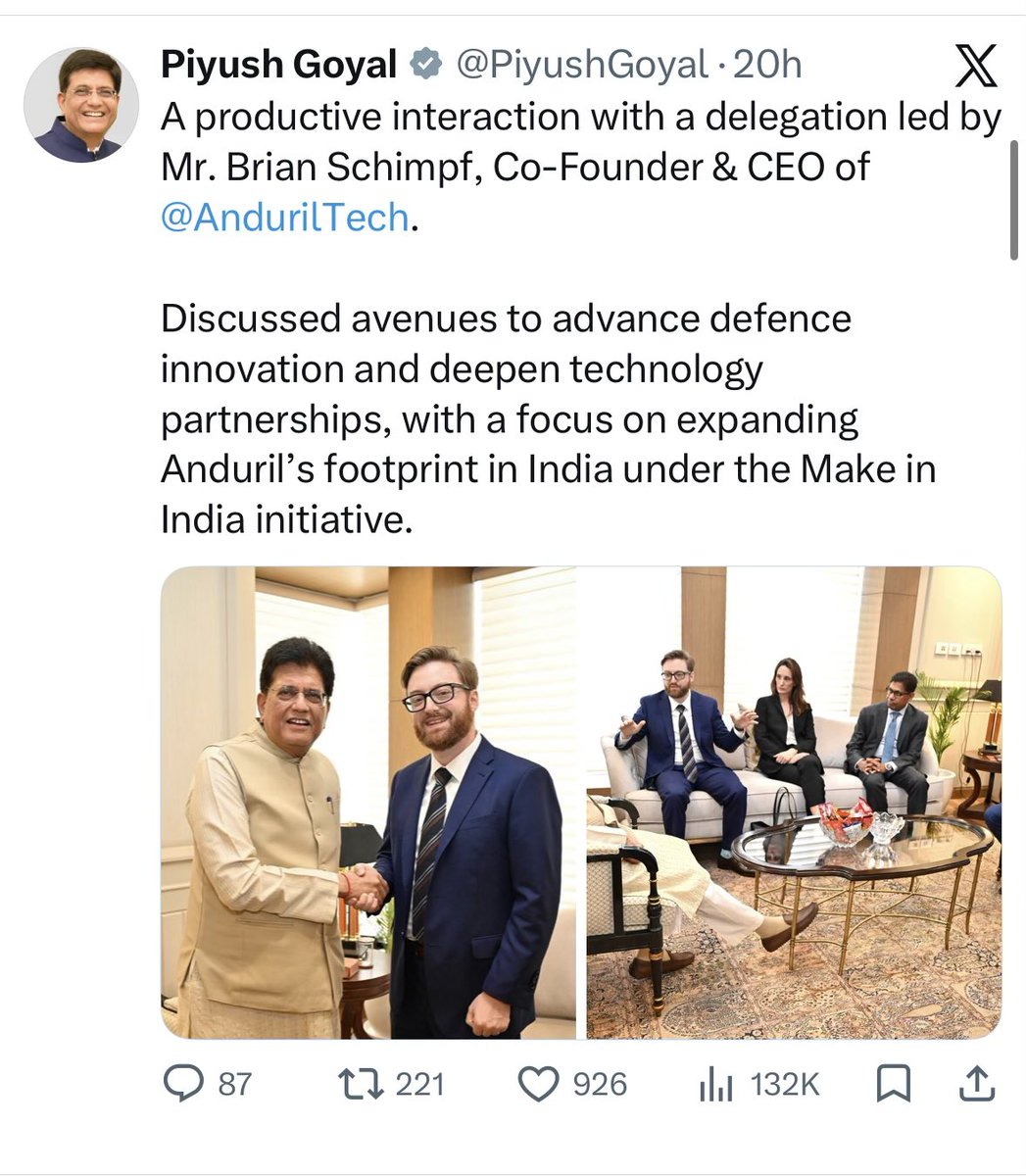
@cvkrishnan Research and development takes years of patience and trust. 5-5 year political rally to rally based system results in shopping pree.
English

It is clear that every decision maker at the highest levels doesn’t have a strong sense of what it takes to be a sovereign major power in their veins.
Somehow the cost of creating a world class self reliant high performance & excellence pursuing domestic tech sector seems too alien.

English

India is exploring additional ways for Russia to utilize its accumulated rupee reserves bloomberg.com/news/articles/…
English
@TheMindScourge What makes you think Iran has such weak chess game? Why do you think they got really close with China years ago?
English

Hormuz is a weapon that can only be fired once
No one should expect a quick resolution to the current crisis, but across the next decade, even the next 3-5 years, the choke point of Hormuz will be massively substituted for
The Gulf Arab states are all very rich, with high per capita GDP - the best single measure of relative state capacity - easy access to global markets, especially financial, and have the favorable backing of the US
Everyone has known about the Hormuz vulnerability for decades. The Iranians have continually hinted around closing it, but never did. Now they have, but Hormuz is a gun that cannot be reloaded.
Deterrents work only up to the point of use. Once used, they have failed. The purpose of a deterrent is to *not* be used
Many analysts have made this basic mistake. They think that Iran is now in a position of strength, having exercised its Hormuz option. But the opposite is true. A state is weakest after it has used its deterrent. The cost of that deterrence is now priced in. The worst having been done, the targets of the deterrent are now free to make other arrangements. Before, they were reluctant to do so because of the switching costs. Now, they have no choice; they will not allow themselves to be controlled in this way again
Hormuz may never reopen. But the importance of this is a depreciating asset.
English