

Seth Joseph
241 posts
Seth Joseph
@sethbjoseph
Data-driven optimist. Digital health strategy. Believe in the power of platforms and network effects to solve problems in healthcare.
Rhode Island เข้าร่วม Haziran 2019
390 กำลังติดตาม679 ผู้ติดตาม

@RobertMSterling @NewTitterUser By your reasoning, though, is it fair to question the value that investors in general play? If Bezos et al's value creation efforts were of their own singular efforts (and part of a broader array of actors), investors themselves create no value, fair?
English

@NewTitterUser Great question. Soros—as much as I dislike him—created excess financial returns for his fund investors. That’s a valuable service.
English
Jeff Bezos is worth $238 billion, even though Amazon has a $2.6 trillion market cap. In other words, he’s created $2.4 trillion of value for other shareholders—plus trillions more for employees, customers, suppliers, governments, and other stakeholders.
Jensen Huang is worth $164 billion, while NVIDIA’s market cap is $5 trillion. That’s $4.8 trillion of value for other people (not to mention the immeasurable value created for non-equity stakeholders).
Larry Page and Sergey Brin? $300 billion vs. $3.3 trillion. That’s $3 trillion of value for everyone else. And remember how bad search was before Google and how clunky email was before Gmail?
Mark Zuckerberg? $248 billion vs. $1.8 trillion.
The list goes on. There are hundreds more examples across technology, energy, medicine, manufacturing, and every other industry that keeps the American economy running and our society flourishing.
Billionaires don’t extract value from the rest of us. They create value FOR the rest of us, in exchange for just pennies on the dollar.
We should be grateful for every last one of them.

English
@GabrielSPerna Fair, but hard to root for Devers after his antics this spring.
English

My timeline is part "wow the Red Sox swept the Yankees," part "wow why the hell did they trade Devers." It's depressing.
No one makes it harder to root for the Sox than the people who run this team.
English
@JeanMarieAngel0 @BCBSRI Short version is I was able to solve the problem by sleuthing through the portal. Longer version is I remain disappointed by lack of access to human beings who can answer questions, have responsibility, and be held accountable.
English

@sethbjoseph @BCBSRI Any luck @sethbjoseph? @bcbsri has put me through the ringer for over a year trying to get one claim paid. Really feeling like they do this on purpose in the hopes I’ll give up. Won’t get back to me and won’t provide a single contact to unpack and resolve the mess.
English
Trying this...
@BCBSRI can you explain why my premium has gone up >25% in 2025, and no human will pick up your support line to answer basic questions about this?
English
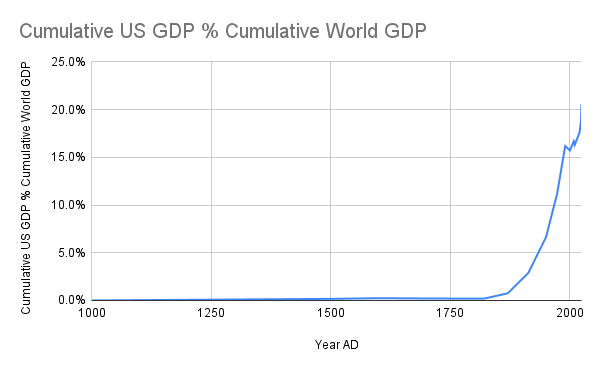
@mariots This seems like a fairly silly graph. The first three quarters of it are fantasy: there was no United States until 1789.
English

Of all economic value ever collectively and cumulatively produced by humanity since the year 1 AD, the 20% threshold was passed in 2020 by the US, so Leo XIV got elected pope
English
Seth Joseph รีทวีตแล้ว

Particle's flare gun may have attracted the attention they wanted.
Jonathan Kanter gave an empassioned speech in Pittsburgh a few days ago about the platformization of healthcare.
justice.gov/opa/speech/ass…
While it seems mostly focused on payers/PBMs, this particular line is worth calling out:
𝘈𝘤𝘳𝘰𝘴𝘴 𝘩𝘦𝘢𝘭𝘵𝘩 𝘤𝘢𝘳𝘦 𝘸𝘦 𝘴𝘦𝘦 𝘴𝘪𝘮𝘪𝘭𝘢𝘳 𝘤𝘰𝘯𝘤𝘦𝘳𝘯𝘴: 𝘮𝘰𝘢𝘵-𝘣𝘶𝘪𝘭𝘥𝘪𝘯𝘨, 𝘴𝘵𝘦𝘦𝘳𝘪𝘯𝘨 𝘢𝘯𝘥 𝘤𝘰𝘦𝘳𝘤𝘪𝘰𝘯 𝘢𝘯𝘥 𝘳𝘦𝘨𝘶𝘭𝘢𝘵𝘰𝘳𝘺 𝘨𝘢𝘮𝘦𝘴𝘮𝘢𝘯𝘴𝘩𝘪𝘱. 𝘈𝘵 𝘵𝘩𝘦 𝘈𝘯𝘵𝘪𝘵𝘳𝘶𝘴𝘵 𝘋𝘪𝘷𝘪𝘴𝘪𝘰𝘯, 𝘸𝘦 𝘩𝘢𝘷𝘦 𝘤𝘰𝘯𝘧𝘳𝘰𝘯𝘵𝘦𝘥 𝘮𝘢𝘯𝘺 𝘰𝘧 𝘵𝘩𝘦𝘴𝘦 𝘴𝘢𝘮𝘦 𝘤𝘩𝘢𝘭𝘭𝘦𝘯𝘨𝘦𝘴 𝘢𝘯𝘥 𝘤𝘩𝘢𝘳𝘢𝘤𝘵𝘦𝘳𝘪𝘴𝘵𝘪𝘤𝘴 𝘪𝘯 𝘰𝘵𝘩𝘦𝘳 𝘪𝘯𝘥𝘶𝘴𝘵𝘳𝘪𝘦𝘴, 𝘪𝘯𝘤𝘭𝘶𝘥𝘪𝘯𝘨 "𝘉𝘪𝘨 𝘛𝘦𝘤𝘩." 𝘐𝘯 𝘦𝘧𝘧𝘦𝘤𝘵, 𝘸𝘦 𝘢𝘳𝘦 𝘸𝘪𝘵𝘯𝘦𝘴𝘴𝘪𝘯𝘨 𝘪𝘯 𝘳𝘦𝘢𝘭-𝘵𝘪𝘮𝘦 𝘵𝘩𝘦 𝘦𝘮𝘦𝘳𝘨𝘦𝘯𝘤𝘦 𝘰𝘧 𝘉𝘪𝘨 𝘏𝘦𝘢𝘭𝘵𝘩𝘤𝘢𝘳𝘦 𝘱𝘭𝘢𝘵𝘧𝘰𝘳𝘮𝘴 𝘢𝘯𝘥 𝘸𝘦 𝘢𝘳𝘦 𝘢𝘵 𝘳𝘪𝘴𝘬 𝘰𝘧 𝘰𝘶𝘳 𝘮𝘢𝘳𝘬𝘦𝘵𝘴 𝘵𝘪𝘱𝘱𝘪𝘯𝘨 𝘵𝘰 𝘰𝘯𝘦 𝘰𝘳 𝘵𝘸𝘰 𝘮𝘢𝘫𝘰𝘳 𝘯𝘢𝘵𝘪𝘰𝘯𝘢𝘭 𝘱𝘭𝘢𝘵𝘧𝘰𝘳𝘮𝘴.
You're not pumped to see this line if you're Epic - it's hard to read it about anyone but them.
@sethbjoseph also released a new monopolization and antitrust perspective against Epic (following up from his pieces last spring in Forbes) on @THCBstaff. I disagree with some arguments (in particular the portrayal of MyChart as whitewashing provider brands) but the pricing strategy, if true, does read anticompetitive.
thehealthcareblog.com/blog/2024/11/1…
Yes, there will almost certainly be a change to the leadership of the DOJ (Kanter) and FTC (Khan) with the new administration, but it's worth noting that the populist groundswell that has propelled recent antitrust action is somewhat bipartisan - the case against Google that the DOJ just posed their (pretty poorly structured) remedy for began in the first Trump administration. Consumer welfare is increasingly not the prerogative - small business welfare and the distrust of "big" will likely continue, especially in regards to tech.
Epic and other tech companies will need to factor this into their strategies or risk a "spin off Chrome to a new company" level remedy in the event of future antitrust.
English
Seth Joseph รีทวีตแล้ว

There's been a lot of controversy about Epic the EHR giant this year. @sethbjoseph is wondering about their moves with the consumer service MyChart
The Health Care Blog@THCBstaff
This is part 3 of @sethbjoseph series about Epic that has generated much interest and a little controversy and we are happy to host it on THCB. Part 1 and Part 2 were published on Forbes earlier this year thehealthcareblog.com/blog/2024/11/1…
English
@healthapiguy Modest correction: I don't believe this is the 'subscribe to receive notifications' product, but one in which customers can receive regular, periodic feeds of patient lists they attest they manage care for.
Agree it's an interesting move. Many q's remain: coverage, etc
English
First post-PE move by Surescripts is to open up their Medication History for Populations product to payers.
This product is not their medication history query that many EHR users are familiar with. Instead, customers enroll/subscribe their populations and receive updates whenever a new prescription is dispensed (or missed). It's also FHIR native (although it was STU3 when I last checked) whereas the medication history query is NCPDP.
It's more a strategic/legal move rather than a pure product one, seemingly. I'm curious if they always had data right to share data from pharmacies (this product, at least historically, pulls from pharmacies and not PBMs) for non-Treatment use cases or if they had to make legal changes/negotiations behind the scenes to accomplish this.
surescripts.com/press-releases…
English
@JamesSurowiecki Pretty sure someone wise wrote a book about this. Something about the Wisdom of Crowds?
English

The chance that your judgment is better than the collective judgment of a cognitively diverse crowd of people is incredibly low.
Vivek Ramaswamy@VivekGRamaswamy
When the pack runs in one direction, run the other way. Be contrarian & be right.
English
@bijans Seems to be a bigger deal for what it signals (first shot, perhaps more coming) than likely what it is and the likelihood of success. But curious about why you think this is huge.
English
@StuartBlitz @chrissyfarr To be fair, I think the same 1% to 5% applies to health plan employees, and probably PBM employees, too.
Guessing pharmacists have highest knowledge, would clock in at 95%+. Except they'd use more four letter words in the description.
English

A survey I'd be fascinated to see if someone did it:
What percentage of practicing clinicians could explain what a PBM is in detail if asked (without being able to look it up).
Thoughts on what the % would be?
English
@mattripkey @dvasishtha Unless we're talking about a prescription written by a MinuteClinic prescriber, then I don't believe Epic is involved here. CVS developed its pharmacy system (RxConnect) and rolled it out in 2008. Believe that's the relevant system. Frustrating either way.
English

@dvasishtha Crazy part is they’re running Epic back there it should be straightforward.
English

Trying to get my very common prescription transferred to the nearby CVS from my local CVS.
Unfortunately they make it impossible to speak to someone at the pharmacy and ask you to use their app instead. After 7-10 clicks I find out you can't transfer the prescription on the app so I'm just going in person.
How's someone who isn't tech savvy or has easy access to transportation supposed to figure this out?
English
Telehealth news seems to be headed in one direction: down. Optum and Walmart shutting down telehealth groups, Teladoc CEO out.
I looked into why AmWell's market cap is less than the cash on its balance sheet (despite no debt)
bit.ly/amwellunderval…
English
@rshawnm @ShelbyJLiv Agree. And/or how many practices does UHG's subsidiary Optum have under ownership or management control
English

@ShelbyJLiv Follow up would be - how many practices/groups does UHG have under ownership or management control?
English

!!! We finally got clarity on how many doctors UnitedHealth actually employs. CEO Andrew Witty just told Senate Finance Committee that United employs fewer than 10,000 doctors. That's way less than the 90k that gets thrown around frequently.
English

@B_Madden4 Don’t sweat the semantics. Was a great article written in good faith. Keep givin’er!
English

If I had to redo this post, I'd back off the language "private equity BELONGS" into "private equity is a necessary force"
I think the post got sensationalized pretty quickly after that opening and detracts from the conversation I was trying to have along w the essay I wrote...
Blake Madden 🏥@B_Madden4
Private equity belongs in healthcare. PE isn't the villain; it's the lack of transparency in healthcare overall, which isn't limited to PE. That's why @mcuban's @costplusdrugs prioritizes radical transparency in healthcare as a core differentiating factor👇 While radical transparency more broadly may be elusive, we can work to improve PE transparency. With more scrutiny than ever in the space, here's what policymakers are trying to accomplish related to PE-owned healthcare assets: ⭐ Labor ⭐ Thanks to the Biden administration, non-compete reform is on the horizon. ⭐ Ownership Transparency ⭐ There'll be increased clarity and openness regarding who owns Medicare-certified facilities, beginning with Skilled Nursing Facilities (SNFs). ⭐ Physician skepticism ⭐ Heightened doctor and clinician wariness of PE may lead to recruitment challenges, impacting long-term sustainability. ⭐ Pre-disclosure of healthcare-related sales at the state level⭐ McGuireWoods is covering ongoing state-led efforts to scrutinize healthcare M&A deals and the number of state initiatives (note: mostly in blue states) doing so is growing. State guidelines vary, but key provisions involve pre-notification of pending sales, review of larger deals, and more. Fun fact: Indiana's transaction notice law is broader than other states'. It applies to healthcare entity mergers or acquisitions involving at least one Indiana entity and assets over $10M. Unraveling who owns what in healthcare ownership is key to decoding market forces on pricing and labor. Going forward, expect more crackdowns on corporate practice of medicine, stronger antitrust enforcement (especially for vertically integrated entities), heightened scrutiny on the effects of the labor market, and more. As the saying goes “every industry can merge, except for healthcare.” If you enjoyed this post, join 28K+ other investors, execs, and healthcare professionals by subscribing to Hospitalogy; my 2x/week newsletter dedicated to healthcare industry news and analysis👇 workweek.com/discover-newsl…
English
Can someone explain why a man would use an electric razor? A basic razor seems better in all respects - it's faster and a better shave. What am I missing?
English
Sharing our report on platforms in healthcare!
Encourage anybody who's building marketplaces, networks or platforms in healthcare to check it out. Data, analysis, insights from those who have built and invested in platforms.
summithealth.io/insights/2024h…
English
@spartoviMD @StuartBlitz @spartoviMD if you have any interest in connecting with the #1 ambulatory EHR in LATAM, let's chat. Great company, great team.
English

@StuartBlitz Philips! We have KLAS award winning EMR in LATAM, #2 in market share (Philips Tasy). You would love the hands free charting. We’re working hard to remove keyboard & mouse from exam room. Sadly it’s not available in US
English
The problem with US healthcare is physicians are burned out since they spend way too much time charting, not enough w/ patients.
If you created a health system that did *zero* charting, you'd attract the best physicians and all patients would go there.
Who is working on this?
English
@ottosipe @chrissyfarr Take a look at DocStation, if you haven't already. Novel platform connecting pharmacists and payers, allowing pharmacists to provide (and get reimbursed for) select medical services.
English

@chrissyfarr Deloitte always knows how to fix things!
But really the issue is that it’s hard for pharmacists to bill your medical insurance for the care they offer. MDs (really health systems) have a lock on that market via the PCP charade.
English
A whole contingent of (so far only) U.S. MDs are very unhappy I said pharmacists should do more patient care. Which is too bad. Because they are trusted health professionals, accessible on a local level plus highly trained.
Good read here 👇
www2.deloitte.com/uk/en/insights…
Antigua and Barbuda 🇦🇬 English