
Naka-pin na Tweet
BradCole
13.6K posts


BradCole
@AgentRaster
yoga junkie, designer/digital artist, liberty enthusiast.
Minneapolis Sumali Mart 2009
1.3K Sinusundan667 Mga Tagasunod
Our Parliamentary Leader @jeremycorbyn joined a solidarity trip to Cuba amid the US blockade.
No to American imperialism! We stand with the Cuban people 🇨🇺
English

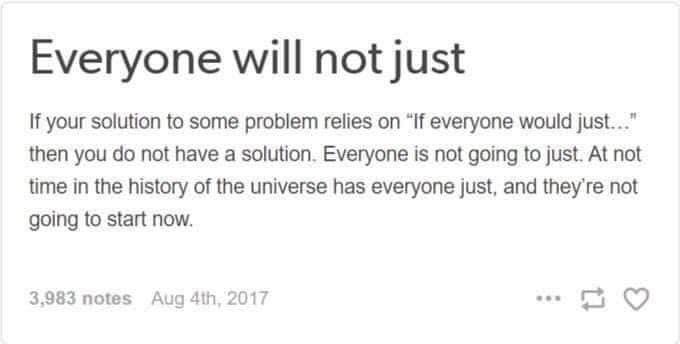
This basic concept is kryptonite to a leftist.
It's their per capita.
English


Why does this state just love to tax the ever living hell out of its citizens?
The Minnesota Star Tribune@StarTribune
Minnesota car registration fees are higher than ever. Don’t expect them to go down. startribune.com/minnesota-car-…
English
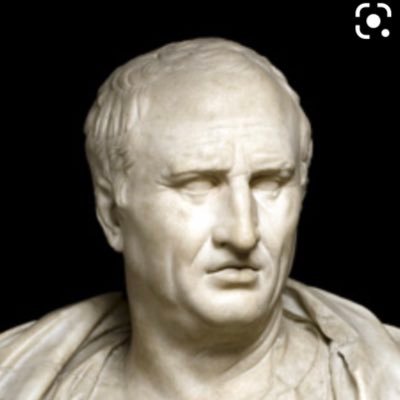
I think she has been combing her hair with a fork
Amy Klobuchar@amyklobuchar
Today I called on the Administration to allow for year round E-15. Increasing the amount of biofuels in our fuel supply is common sense. With gas prices skyrocketing and a war in the Middle East, we must be doing everything we can to bring down prices and decrease volatility.
English

Everything costs less than the cost of high speed rail from SF to LA, which is infinite.
robyn@_robyn_smith
Why does it cost less to build a base on the moon than high speed rail from sf to la
English
@TruffleStax @zerohedge Take the Drug War for example. At least with Prohibition they respected the constitution and created amendment, then repealed.
They passed Drug War through commerce clause which was abusive use of law.
English
Fair enough! Full disclosure I'm quite skeptical of a lot of Republicans as well. I just view global Leftism as particularly toxic and harmful. I tend to like Republicans rhetoric more when they dont have power. Things like limited govt and fiscal responsibility. Republicans blow off those items when they get power. I'm a constitutionalist first since it was the first system invented to limit govt because they understood govt is exploitive and incetives corruption. We've moved far from that.
Thanks for thoughtful dialog.
English

Chicago Approves 19% Hotel Tax To Fund Tourism Push zerohedge.com/markets/chicag…
English
Marxism is the most sinister forces humans have ever developed. Here we have some elitist academic justifying millions dead after starvation to serve an ideology.
x.com/i/status/20365…
The Atlas Society@TheAtlasSociety
History’s worst moments start with logic like this.
English
Sora is closing and now I'm seeing these hilarious videos like this for the first time.
Bad kitty!
wyatt@gorilla_rape
the single best sora
English

@AgentRaster @runninhatchet @AlanRMacLeod @grok By the way obviously I never even said that that what you say didn't happen you're fighting an imaginary bogeyman.
English

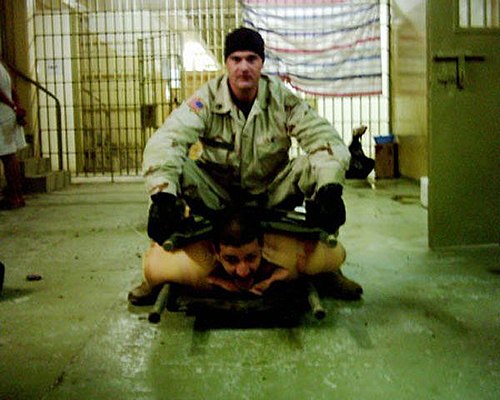
This is literally capitalism.
Bleu Blanc Rouge ! 🇫🇷@LBleuBlancRouge
Le communisme en une image.
English
No dipshit. Don't blame me because you don't know the history of communism, where that pic is from.
Grok isn't working here atm, so I asked grok app to help educate your dumb ass.
The Great Leap Forward (1958–1962) was a radical socioeconomic campaign launched by Mao Zedong and the Chinese Communist Party (CCP) to rapidly transform China from a largely agrarian society into a modern industrialized communist state. It formed part of the Second Five-Year Plan and aimed to surpass the industrial output of Great Britain within 15 years while advancing toward full communism faster than the Soviet Union.
Background and Goals
After the founding of the People's Republic of China in 1949 and the completion of land reform and initial collectivization, Mao sought to accelerate development without relying heavily on Soviet-style heavy machinery or capital investment. Instead, the plan emphasized mass mobilization of China's vast rural population through labor-intensive methods.
Key objectives included:
Doubling or tripling steel production.
Boosting agricultural output dramatically.
Achieving these through ideological enthusiasm ("Going all out, aiming high") rather than gradual economic planning.
The campaign rejected "rightist" caution and promoted the idea that human will and collective effort could overcome material limitations.
Main Policies and Implementation
People's Communes: Rural areas were reorganized into massive communes (often encompassing thousands of households) that combined agriculture, industry, and local governance. Private plots were largely eliminated, and communal dining halls provided meals. This was intended to boost efficiency, free up labor for industry, and foster socialist consciousness.
Backyard Steel Furnaces: Millions of small, improvised furnaces were built in villages, backyards, and neighborhoods. Peasants and workers were mobilized to smelt steel from scrap metal, household items (like pots and tools), and even farm implements. The goal was to rapidly increase steel output without large modern factories.
Agricultural "Innovations": Deep plowing, close planting of crops, and other unproven techniques (often based on pseudoscience or exaggerated reports) were promoted. Labor was diverted from farming to irrigation projects, steel production, and other industrial tasks. Local officials faced intense pressure to report inflated production figures ("exaggeration wind") to meet or exceed unrealistic quotas.
These policies were enforced with political campaigns that labeled skeptics or those reporting problems as counter-revolutionaries, leading to widespread fear and falsified data.
What Went Wrong
The campaign quickly unraveled due to a combination of poor planning, ideological rigidity, and mismanagement:
Steel Quality: Backyard furnaces produced vast quantities of low-grade, unusable "steel" (often just pig iron or slag). Valuable farm tools were melted down, reducing future agricultural capacity.
Agricultural Collapse: Diverting millions of able-bodied workers from fields to furnaces and construction meant crops went unharvested or poorly tended. Exaggerated harvest reports led the government to procure (seize) far more grain than was actually available for urban areas and exports, leaving rural populations with critically low rations.
Communal System Issues: Inefficiencies in large communes, destruction of incentives (no private plots or rewards for extra effort), and compulsory communal dining wasted food and demoralized peasants.
Suppression of Information: Bad news was hidden or punished. When famine set in, officials continued exporting grain and denied the crisis to maintain the appearance of success.
Natural factors—drought in some regions and flooding in others—exacerbated the problems in 1959–1961, but historians widely agree that policy failures were the primary driver.
The Great Chinese Famine (1959–1961)
The result was one of the deadliest famines in recorded history. Grain production plummeted (by some estimates, halved in key years), leading to widespread starvation, disease, and malnutrition. Peasants resorted to eating tree bark, roots, and in extreme cases, cannibalism in isolated reports.
Death toll estimates vary due to incomplete records and political sensitivities, but scholarly consensus places excess deaths (mostly from starvation, with some from violence or overwork) in the range of 15–55 million, with many common figures around 30–45 million. Some analyses suggest at least 2–3 million deaths involved direct violence or execution for "crimes" like stealing food or criticizing policies.
The famine was most severe in rural provinces like Anhui, Sichuan, and Henan. Urban areas were somewhat shielded by grain requisitions from the countryside.
End and Aftermath
By late 1960 and 1961, the crisis became undeniable even to top leaders. Mao stepped back from day-to-day control (though he retained ultimate power), and more pragmatic figures like Liu Shaoqi and Deng Xiaoping introduced adjustments: smaller production teams, limited private plots, and disbanding of many communal dining halls. The Great Leap Forward was quietly abandoned by 1962, with a return to more moderate policies that helped agricultural recovery.
Mao later faced criticism within the Party for the disaster, contributing to tensions that led to the Cultural Revolution (1966–1976) as he sought to reassert radicalism and purge rivals.
Legacy
The Great Leap Forward is widely regarded as a catastrophic failure of central planning and utopian ideology. It demonstrated the dangers of prioritizing political goals and mass mobilization over practical economics, expertise, and feedback mechanisms. In China today, official narratives downplay the scale or attribute it largely to natural disasters and external factors (e.g., Soviet withdrawal of aid), while private scholarship and survivor accounts reveal the human cost more fully.
Economically, China recovered but the event delayed industrialization. Demographically, the lost generation and long-term health effects from malnutrition had lasting impacts. It remains one of the starkest examples in history of how policy decisions can lead to immense suffering on a national scale.
English
@TubeRich17041 @runninhatchet @AlanRMacLeod @grok please give TubeRich an explanation of Great Leap Forward and how the Red Guard killed millions and then Mao had the army kill off Red Guard
English
@AgentRaster @runninhatchet @AlanRMacLeod Using an irrelevant picture just to not refute a point is crazy.
English
@PeterLBrandt This is valuable! I'm new to trading and made some money last year but had it all evaporate in this last pull back.
Good advice, thank you.
English



This administration just spent 1 BILLION dollars of your money to make sure wind farms don't get built.
You''ll have them to thank for higher electric bills each month.
The New York Times@nytimes
Breaking News: The Trump administration will pay a French energy giant nearly $1 billion to abandon its plans to build wind farms off the East Coast. nyti.ms/4lNat07
English
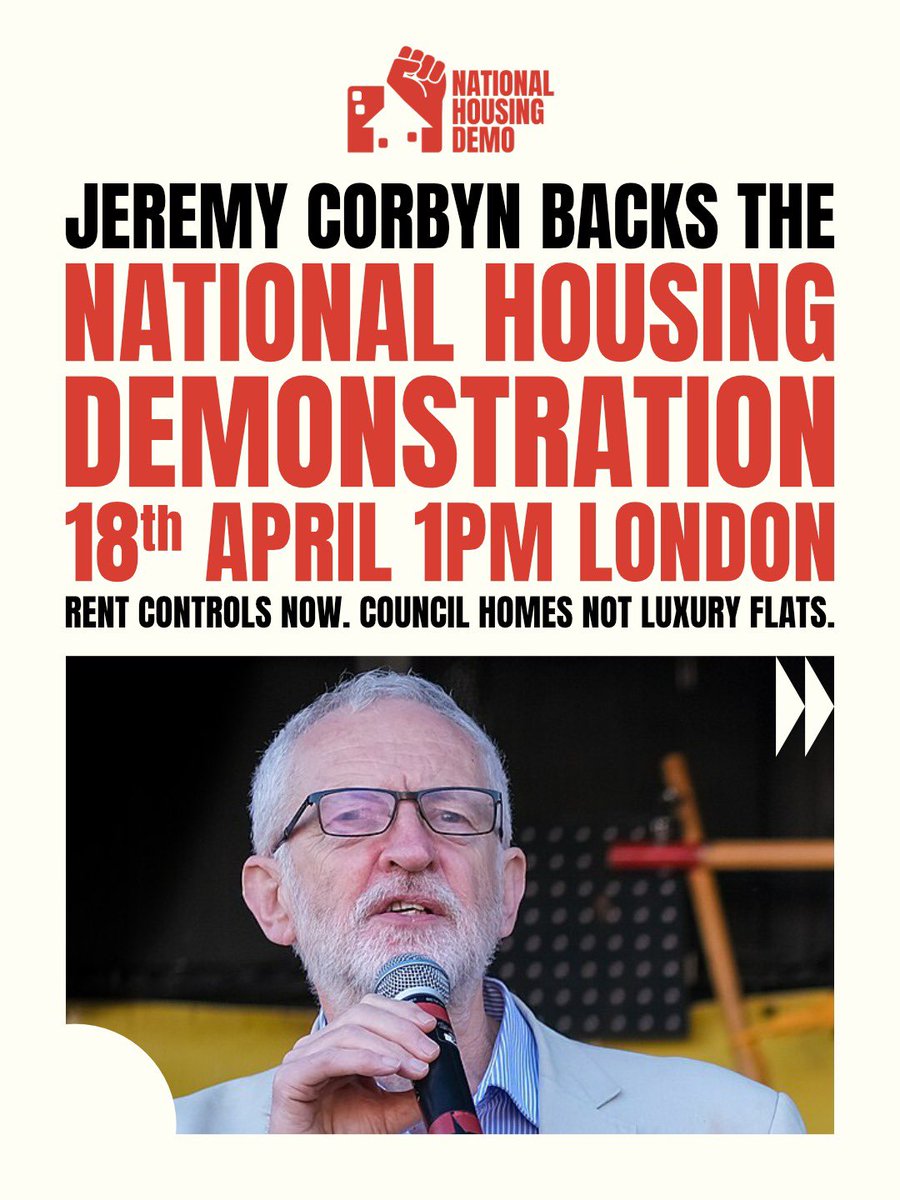
Everyone deserves a warm, safe and decent place to live. Is that really such a radical idea?
Join us on April 18th for the National Housing Demonstration to reclaim housing as a public good!
English
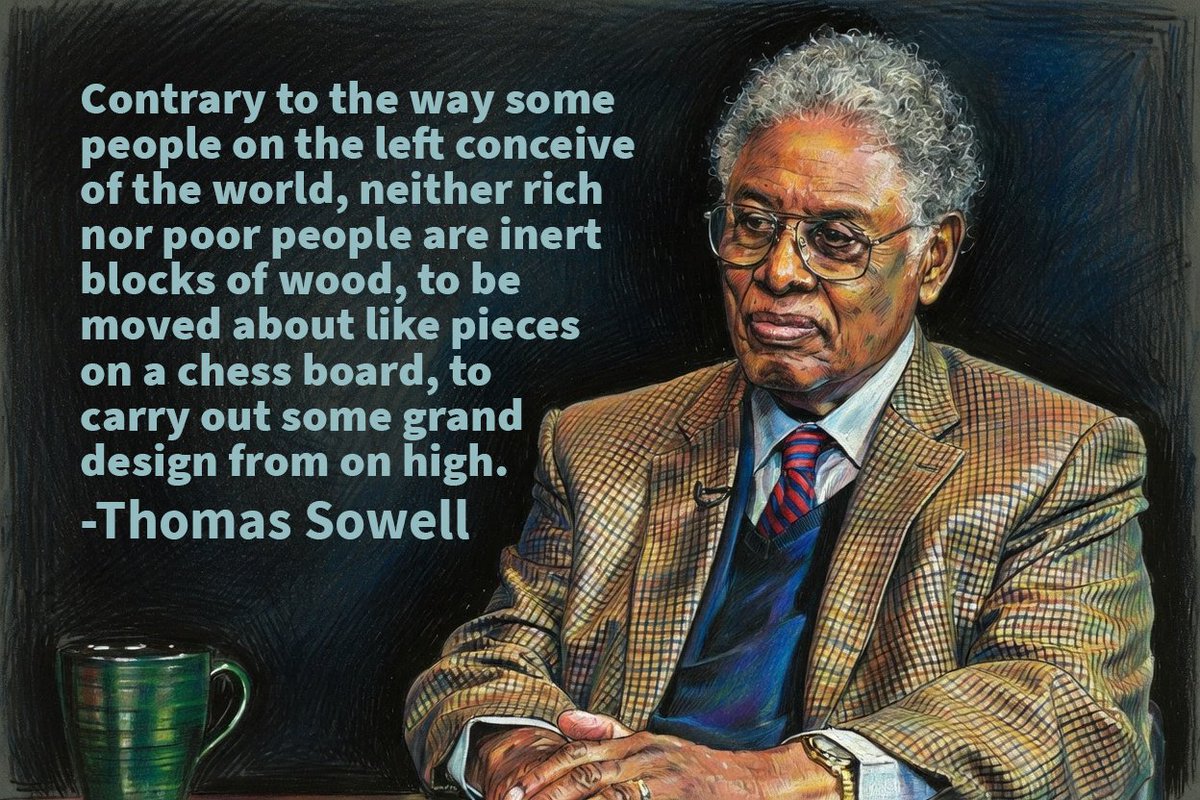
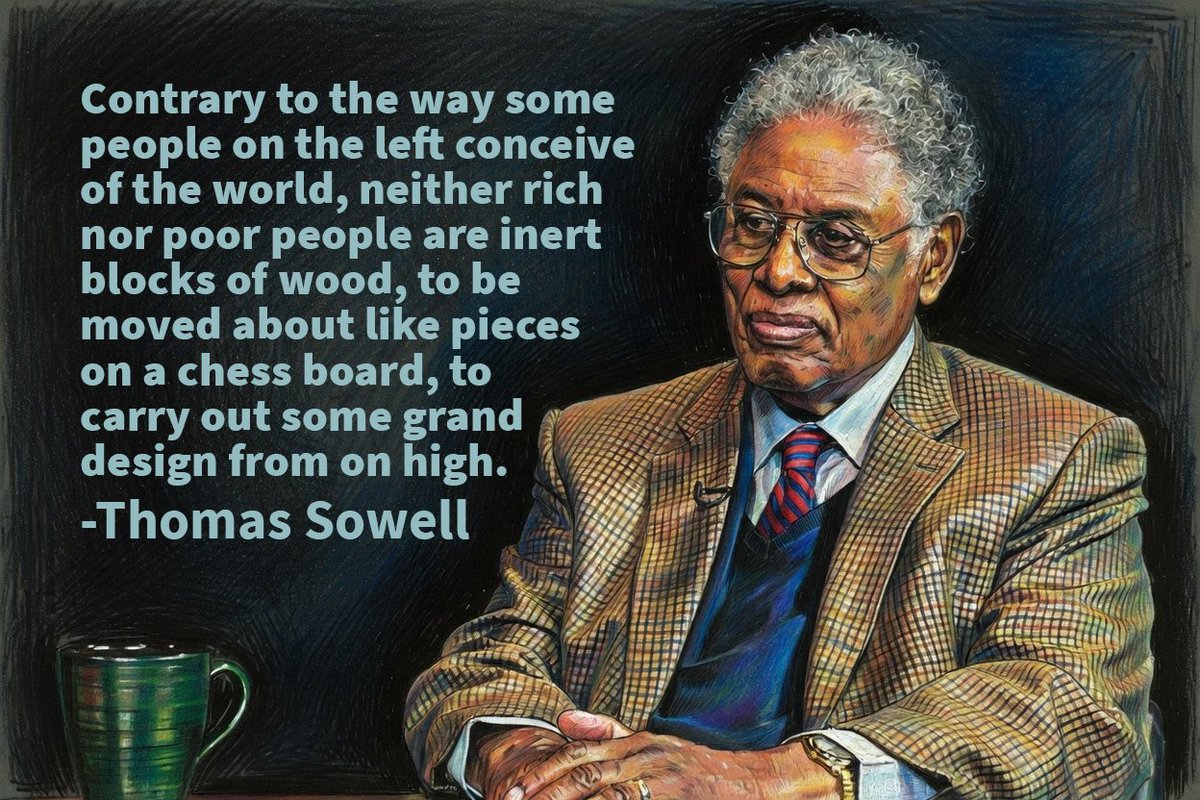
@xjoshwalker @RealAngelaMc Incentives matter. Leftists always do this. They act like the world is a chess board they can move around and the chess pieces won't respond to the incentives. Then Leftist shriek that people have responded to incentives.
GIF
English

@RealAngelaMc Workers demand to work in places that won’t maim, injure, and harm them while making a livable wage.
The capitalist utopia: let’s move our operation overseas where they are poorer and won’t care if they are maimed and injured.
Sounds like the pinnacle of civilization to me.
English

Economic literacy matters. If you don't understand why the manufacturing industry left the USA, you are in no position to lead a political movement. (Hint, it's not just overseas labor. It's a massive regulation problem.)
English

English
I've thought about lot about your comment, my friend.
You are talking about not being a victim. It's bad enough to be disabled, its worse to be a victim imposed on you by White Knights who swoop in to rescue disabled people, when there's people like you, strong, who dont need Leftism to rescue. Bless you friend.
English

these people LOVED covid. inside all day, censorship online, greenlight to be moral busybodies/scold people for being maskless/not trusting the science, overly cautious, bubblewrapped society. the world was a massive longhouse, a shitlib paradise
BLAIRE WHITE@BlaireWhite
My first instinct was to clown her, but I actually feel bad. She’s in a prison.
English