JAY

6.8K posts

JAY banner
JAY

JAY

@jaymohan

Medical Innovation | AI | Neurorehab cutting-edge treatments for autism, stroke, dementia & neuro disorders. Follow for insights. Co-founder Walk Again Rehab

Beigetreten Eylül 2009
323 Folgt1.6K Follower
Angehefteter Tweet
JAY
JAY@jaymohan·
Neuro-technology redefining spinal cord injury rehabilitation. At Walk Again Rehab, the world’s only brain-controlled exoskeleton restores brain–body communication, helping individuals with #SpinalCordInjury regain voluntary movement, improve mobility, and rebuild functional independence beyond conventional therapy. 📩 DM us or email inquiry@walkagainrehab.com #SpinalCordInjury #NeuroRobotics #NeuroRehab #WalkAgainRehab #NeuroTech Cc: @spinalinjuries @backuptrust @NeuroRehabSci @teachplaygrub @lifeafterpara
English
1
2
6
1K
JAY
JAY@jaymohan·
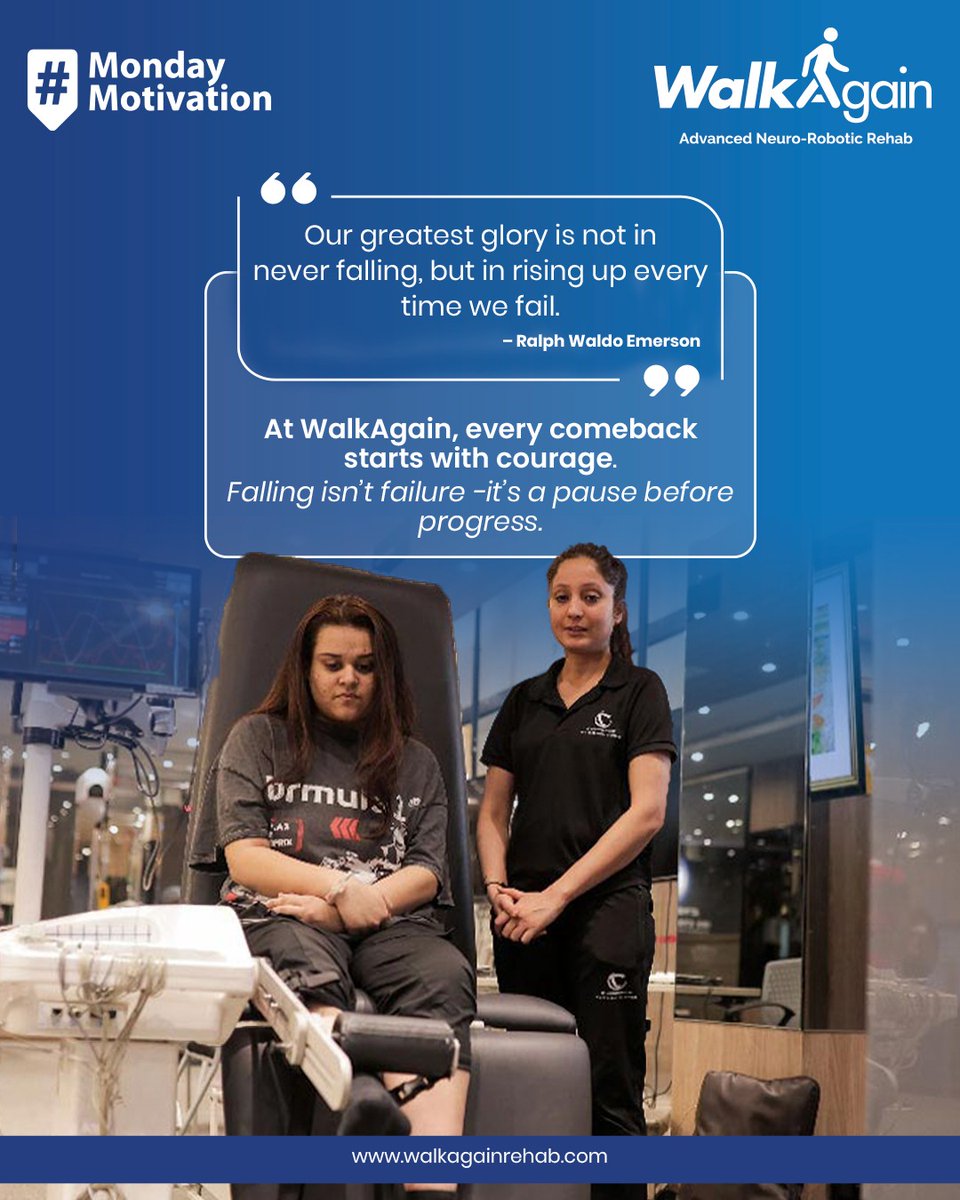
Not every fall is a failure. Some are the beginning of a comeback. At Walk Again Rehab, we retrain the brain through advanced neuro-rehabilitation to rebuild strength, confidence, and movement. Recovery happens with the right science, consistent effort, and a dedicated team. 📩 DM us | 📧 inquiry@walkagainrehab.com #MondayMotivation #WalkAgain #NeuroRehab #MedTech
JAY tweet media
English
0
0
3
15
JAY
JAY@jaymohan·
Post‑stroke fatigue isn’t “just being tired,” it’s a real condition where up to half of survivors feel a constant lack of physical and mental energy that makes even basic tasks exhausting. Studies show this fatigue is tightly linked with mood, anxiety, and quality of life, and it can slow down rehab because it’s harder to focus, practice exercises, or stay motivated when your body and brain feel wiped out. If this is you, you’re not lazy or weak, fatigue after stroke is common and treatable, and it deserves the same kind of attention as blood pressure, mobility, or speech in your recovery plan.
English
0
0
1
21
JAY
JAY@jaymohan·
If your appetite feels “broken,” start by making your meals more satisfilling instead of more restrictive. Satiety research keeps pointing to the same levers: meals that combine a solid protein source, plenty of fiber, some healthy fats, and high‑volume foods (like fruits, vegetables, and soups) keep you fuller on fewer calories than low‑fiber, ultra‑processed options. In practice, that can look like building each plate around protein (eggs, Greek yogurt, chicken, lentils), adding something fibrous and bulky (beans, oats, veggies, whole grains), and then using flavors and textures you actually enjoy so the meal feels psychologically satisfying too, not just “clean.”
English
0
0
0
39
JAY retweetet
Curiosity
Curiosity@CuriosityonX·
🚨: Every time you express gratitude, your brain physically rewrites itself, making you naturally more positive and resilient, neurology says.
Curiosity tweet mediaCuriosity tweet media
English
140
1.1K
6.8K
562.9K
JAY
JAY@jaymohan·
@drjenwolkin the call takes 2 minutes the recovery takes 2 hours 😅
English
1
0
7
124
JAY
JAY@jaymohan·
@ChrisWillx attention is expensive and most people give it away for free
English
0
0
0
31
Chris Williamson
Chris Williamson@ChrisWillx·
The Most Valuable Thing You’re Giving Away Daily (Don’t Be A Puppet)
English
9
35
381
22.7K
JAY
JAY@jaymohan·
@drmarkhyman cacao really out here being healthy chocolate 😅
English
0
0
0
79
Mark Hyman, M.D.
Mark Hyman, M.D.@drmarkhyman·
What’s your favorite way to have cacao? Dr. William Li explains how we can leverage food to optimize every system of the body. Here, he explains the many benefits of incorporating cacao into your diet. Find the full conversation on The Dr. Hyman Show wherever you listen to podcasts.
English
16
20
129
13.9K
JAY
JAY@jaymohan·
@drwilliamwallac your body really said slow down I can’t process all that at once 😅
English
0
0
0
305
William A. Wallace, Ph.D.
William A. Wallace, Ph.D.@drwilliamwallac·
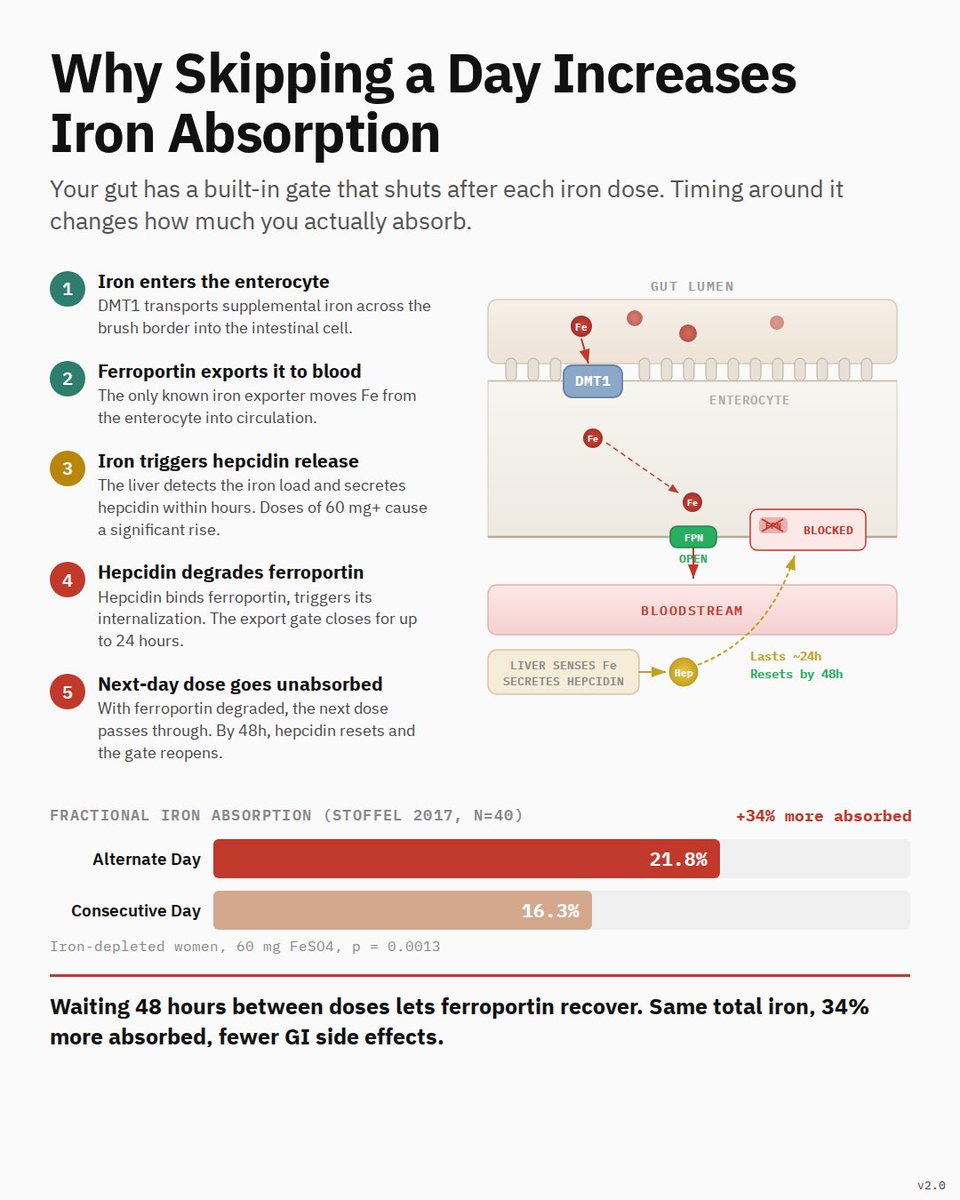
Iron supplements are typically dosed daily, sometimes split into two doses. Both strategies fight the body's own regulatory system. When you take 60 mg or more of elemental iron, the liver releases hepcidin, a hormone that binds ferroportin, the only iron export channel on intestinal cells, and degrades it. With ferroportin gone, the next dose sits in the enterocyte and never reaches the bloodstream. This shutdown lasts about 24 hours. By 48 hours, hepcidin clears and ferroportin is restored. Stoffel et al. (2017) tested this in 40 iron-depleted (but not anemic) women given 60 mg ferrous sulfate on consecutive vs alternate days. The alternate-day group absorbed 21.8% per dose versus 16.3% for consecutive dosing. Total iron absorbed was also higher: 175 mg vs 131 mg. A 2019 follow-up tested women with iron-deficiency anemia, a population where hepcidin is already partially suppressed by the body's demand for red blood cells. Even there, fractional absorption was 40-50% higher on alternate days. That's the stronger finding: the hepcidin rebound still limits absorption even when the body is actively trying to override it. Caveat: all studies used ferrous sulfate in women. Whether the effect holds for other iron forms or in men is untested. Moretti et al., Blood, 2015. Stoffel et al., Lancet Haematology, 2017. Stoffel et al., Blood, 2019.
William A. Wallace, Ph.D. tweet media
English
10
132
458
29.5K
JAY
JAY@jaymohan·
@dr_ericberg your gut really loves that fermented stuff more than you do 😅
English
0
0
1
198
Dr. Eric Berg
Dr. Eric Berg@dr_ericberg·
Sauerkraut may be one of the best foods to help with colon polyps. It contains lactobacillus, which helps reduce inflammation, block harmful bacteria, and protect the colon lining. See how this fermented food could support colon health. drbrg.co/47mg7RE
Dr. Eric Berg tweet media
English
13
94
611
27.3K
JAY
JAY@jaymohan·
@thegarybrecka sunlight is basically your brain’s natural alarm clock
English
0
0
0
17
Gary Brecka
Gary Brecka@thegarybrecka·
You don’t wake up tired because you “need more sleep.” You wake up tired because your circadian rhythm is off. Your brain needs a strong cortisol spike in the morning to feel alert. That spike is triggered by light hitting your eyes early in the day. No light = no signal = groggy brain.
English
16
26
300
19K
JAY
JAY@jaymohan·
@hyderabaddoctor med school really said here’s a puzzle go figure it out
English
0
0
1
618
Dr Sudhir Kumar MD DM
Dr Sudhir Kumar MD DM@hyderabaddoctor·
Teaching Video for junior doctors Analyze the gait of this 60-year old man; also observe his hands. He has had these symptoms for the past one year. He has no clinical evidence of supranuclear gaze palsy or backward falls. He also has no bladder or bowel symptoms. 1. Describe your findings. 2. What is the likely diagnosis? #medtwitter #neurotwitter
English
29
34
168
46K
JAY
JAY@jaymohan·
@bryan_johnson once you see behind the curtain it’s hard to unsee 😬
English
0
0
0
11
Bryan Johnson
Bryan Johnson@bryan_johnson·
Seeing healthcare behind the scenes is like working in a restaurant kitchen, you never want to eat there again.
English
146
153
3K
118.6K
JAY
JAY@jaymohan·
@siimland basically the darker the berry the better the boost
English
0
0
2
743
Siim Land
Siim Land@siimland·
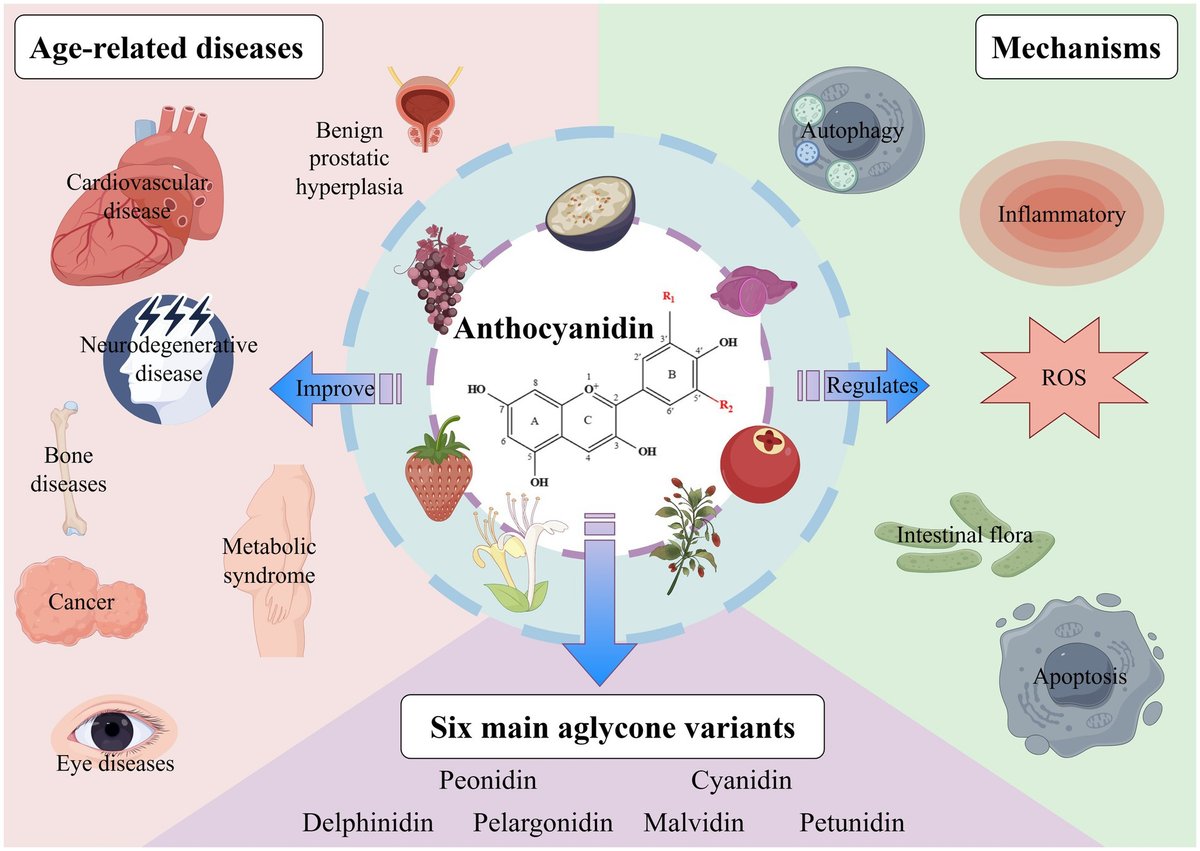
Highest anthocyanin-containing foods: 1. Black elderberry: 1,317 mg per 100 g 2. Black chokeberry (aronia): 878 mg per 100 g 3. Blackcurrant: 592 mg per 100 g 4. Black raspberry: 589 mg per 100 g 5. Black rice: 325 mg per 100 g 6. Bilberry: 299 mg per 100 g 7. Highbush blueberry: 114 mg per 100 g Graph: PMID: 40626227
Siim Land tweet media
English
13
72
388
36K
JAY
JAY@jaymohan·
@BrandonLuuMD understanding beats memorizing every single time 😅
English
1
0
1
241
Brandon Luu, MD
Brandon Luu, MD@BrandonLuuMD·
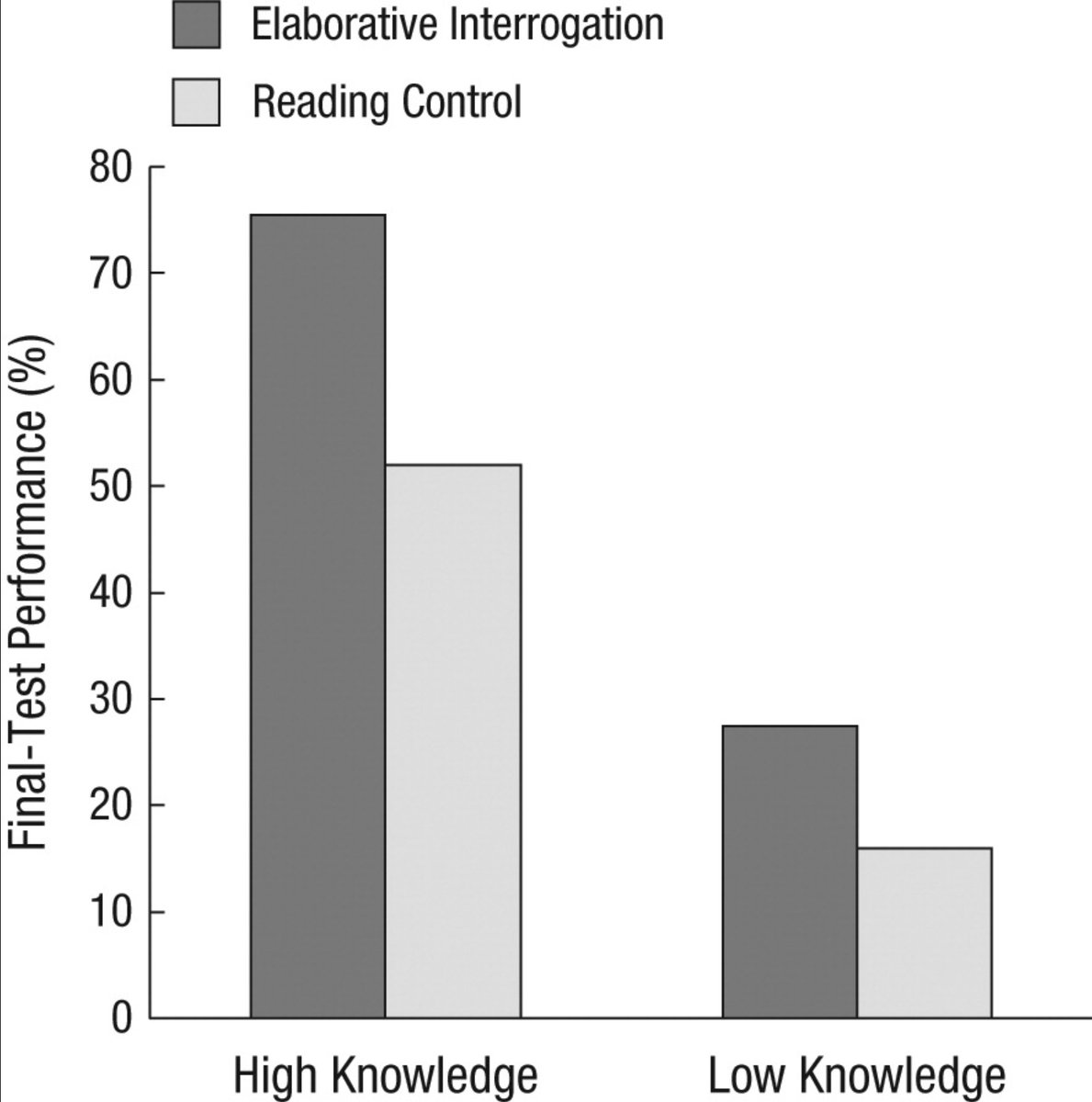
Stop rereading everything. After an important fact, ask: "Why is this true?”. This is called elaborative interrogation. In one study, it improved final-test scores by 24% in high-knowledge domains vs 12% in low-knowledge ones.
Brandon Luu, MD tweet media
English
5
53
542
21.9K
JAY
JAY@jaymohan·
@fmfclips one pill a day really trying to buy your brain some extra time
English
0
0
0
140
FoundMyFitness Clips
A daily multivitamin may be one of the simplest ways to slow cognitive aging In 3 large randomized controlled trials, older adults age 65+ who took a standard multivitamin showed meaningful cognitive benefits after about a year Their overall cognitive performance improved by the equivalent of about 2.1 fewer years of brain aging, while episodic memory (memory for experiences, people, and events) improved by about 4.9 years Not every supplement earns the hype, but this is one of the clearest cases for covering your bases
English
18
40
509
22K
JAY
JAY@jaymohan·
@davidasinclair aging really said it’s a process not a sentence
English
0
0
1
59
David Sinclair
David Sinclair@davidasinclair·
Age is not fixed.
It’s dynamic. This is one of the most remarkable discoveries of the century
English
72
143
2K
66.2K
JAY
JAY@jaymohan·
@drwilliamwallac vitamin c really out here doing way more than fighting colds 😅
English
0
0
0
79
William A. Wallace, Ph.D.
William A. Wallace, Ph.D.@drwilliamwallac·
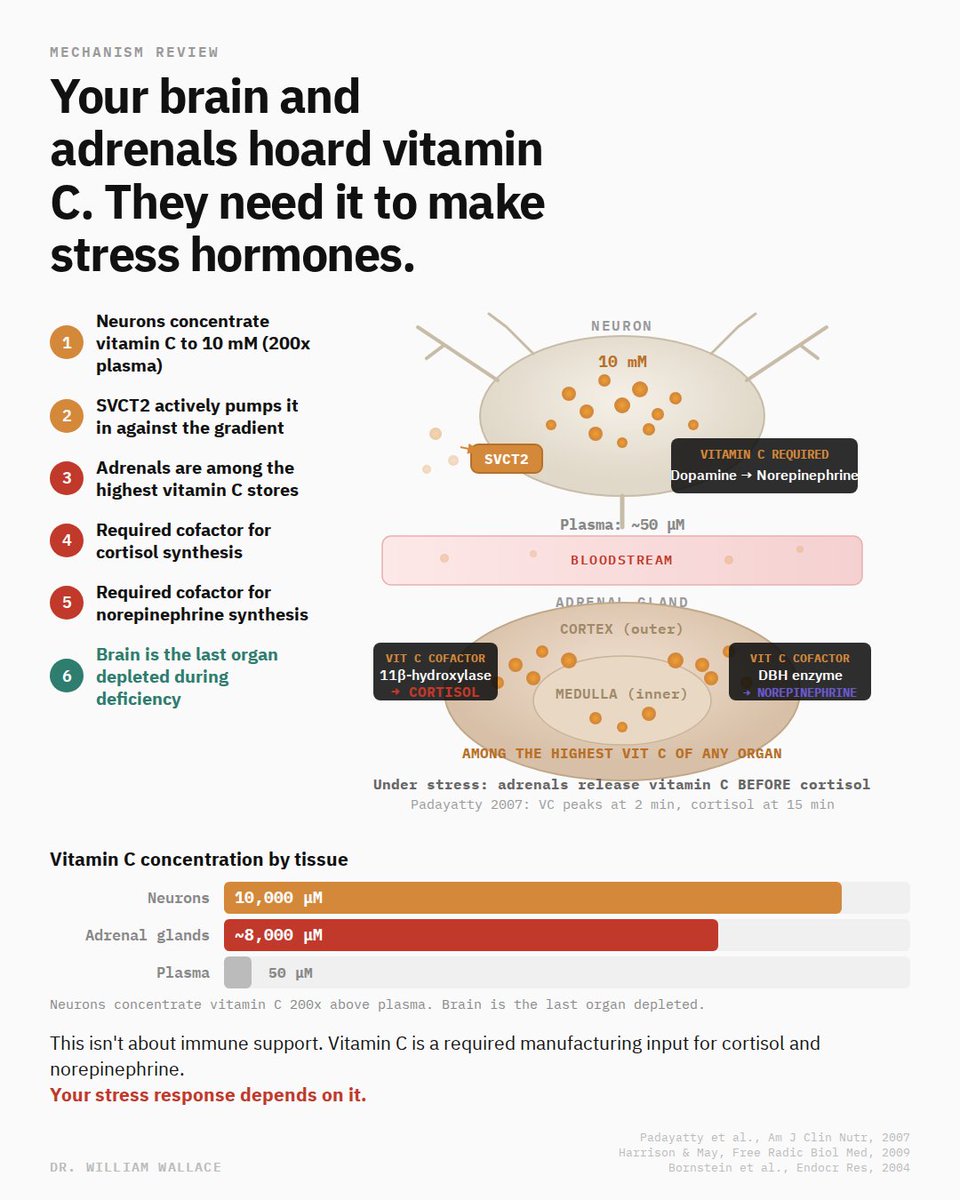
Vitamin C is more than just "immune support" Neurons accumulate vitamin C to approximately 10 mM intracellularly, roughly 200 times the concentration found in plasma. This gradient is maintained by SVCT2, a sodium-dependent transporter expressed almost exclusively in neurons in vivo. The brain is also the last organ to be depleted during deficiency. In guinea pigs (which, like humans, cannot synthesize vitamin C), the brain retained 24% of its vitamin C stores after 14 days of zero intake, while the adrenal glands dropped to 4% and the spleen to 3%. The body prioritizes the brain above everything else. The adrenal glands are the other major site of accumulation. Vitamin C is a required cofactor for two enzymes central to the stress response: 11β-hydroxylase, which catalyzes the final step of cortisol synthesis in the adrenal cortex, and dopamine β-hydroxylase, which converts dopamine to norepinephrine in the adrenal medulla. Padayatty et al. (2007) measured this directly in 26 human patients. After ACTH administration, adrenal vein vitamin C concentration surged from 39 to 162 μmol/L within 2 minutes, while cortisol did not peak until 15 minutes. The adrenals released vitamin C before they released cortisol. This sequence suggests ascorbate must be mobilized for steroidogenesis to proceed. This doesn't mean mega-dosing vitamin C will improve your stress response. Most of this work describes what happens during deficiency or acute demand, not supplementation above adequate intake. But it does reframe what vitamin C actually does in your body: it's not primarily an antioxidant or immune molecule. It's a required manufacturing input for cortisol and catecholamines, concentrated exactly where those hormones are made. Harrison & May, Free Radic Biol Med, 2009. Padayatty et al., Am J Clin Nutr, 2007. Bornstein et al., Endocrine Research, 2004.
William A. Wallace, Ph.D. tweet media
English
6
59
223
6.3K
JAY
JAY@jaymohan·
@ShiningScience basically your body’s wifi but way more important 😅
English
0
0
0
45
Shining Science
Shining Science@ShiningScience·
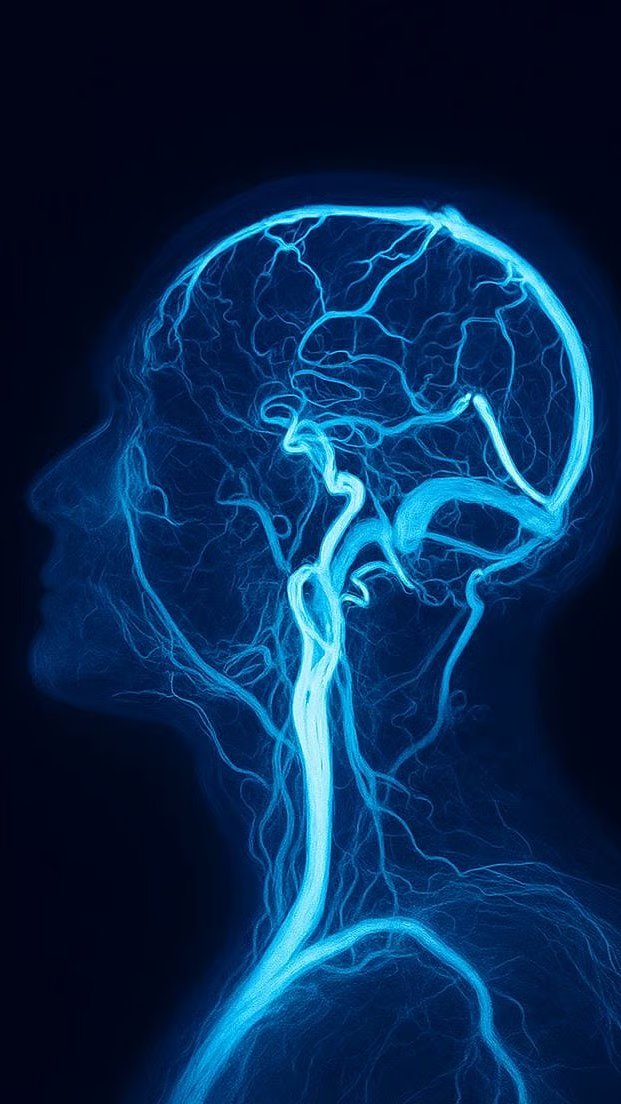
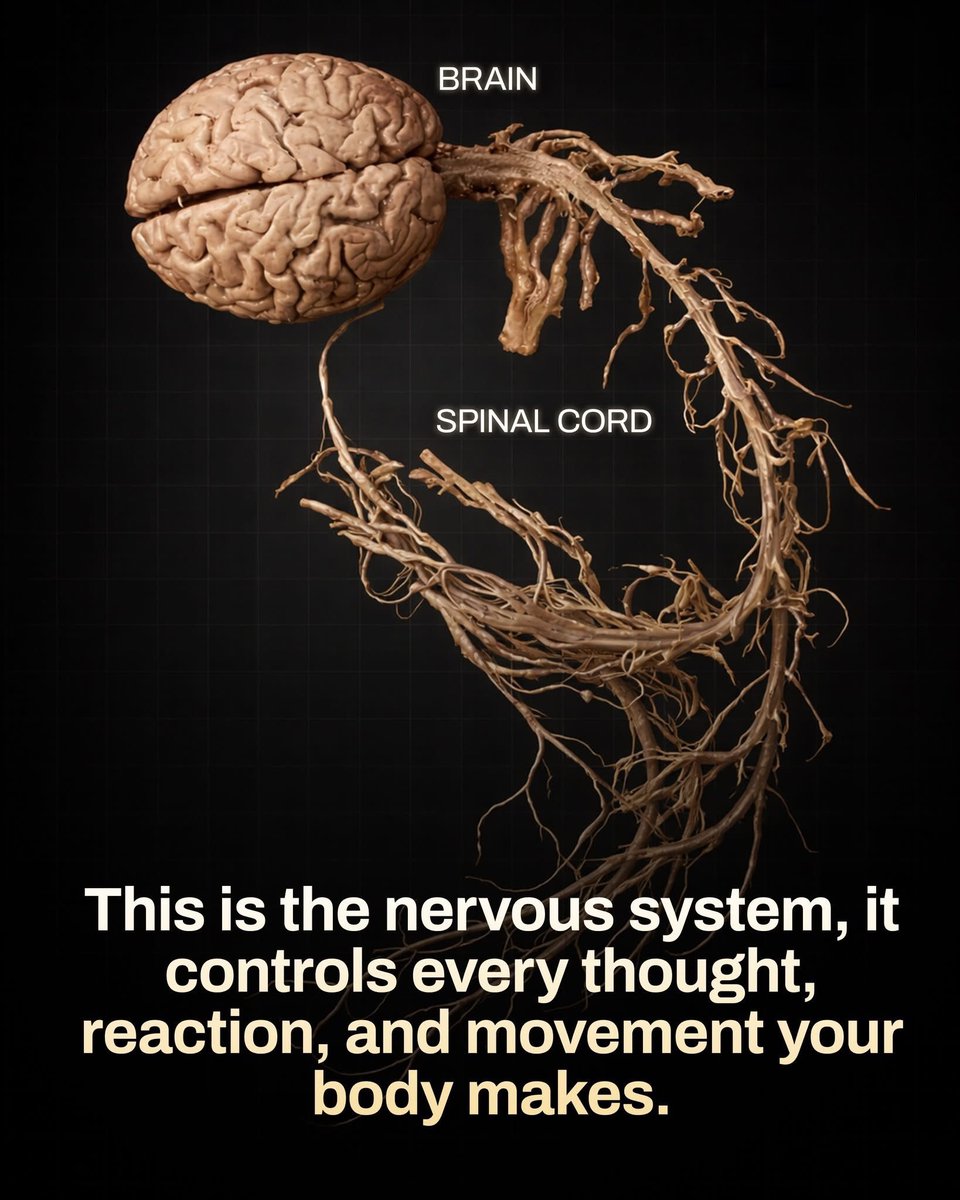
The nervous system is the control and communication network of the human body. It includes the brain, spinal cord, and a vast network of nerves that connect every part of the body. This system is responsible for processing information, generating thoughts, and coordinating actions. It allows you to sense your environment, react to changes, and control movements. Together, it keeps the body functioning, responsive, and aware at all times.
Shining Science tweet media
English
14
72
272
7.3K
JAY
JAY@jaymohan·
@thegarybrecka fix your habits and the cravings fix themselves 😅
English
0
0
0
15
Gary Brecka
Gary Brecka@thegarybrecka·
Your phone isn’t the real problem. The problem is your dopamine baseline is too low. When dopamine drops, your brain looks for fast stimulation: scrolling, sugar, caffeine. Raise your baseline with sleep, movement, and sunlight… and the need for constant stimulation starts to fade.
English
19
13
195
13.9K
JAY
JAY@jaymohan·
There’s growing interest in how structured eating windows and fasting might affect mood and brain health, not just weight. Early human data and clinical experience suggest that, when done safely, intermittent fasting and moderate calorie restriction can improve energy, reduce negative mood, and may support better cognitive function by nudging brain metabolism, neuroplasticity, and resilience pathways. But fasting is a stressor, so it needs to be paired with enough protein, movement, sleep, and medical oversight, especially if you have a history of disordered eating, metabolic disease, or take medications, otherwise the risks can outweigh the potential mental‑health upside.
English
0
0
0
49