
Tweet épinglé
Paul Nash
197 posts


Paul Nash
@protocol_nash
NASH — connects your nutrition, activity, sleep & hydration into one system. Because optimizing one pillar without the others doesn't work.
Inscrit le Aralık 2025
291 Abonnements93 Abonnés
@fmfclips This is the cheapest health hack that nobody wants to do because it means giving up the 11pm snack. Your body literally can't run repair mode and digestion mode at the same time — forcing it to do both is like trying to defrag a hard drive while downloading files.
English
Stopping food intake 3 hours before bed may be one of the simplest ways to improve cardiovascular health
Digestion can take roughly 5 hours, so eating too close to bedtime may interfere with the parasympathetic shift that helps blood pressure and heart rate fall during sleep
In one study, people who stopped eating 3+ hours before sleep saw deeper overnight blood pressure dipping, lower heart rate, higher HRV, lower cortisol, and improved insulin sensitivity
What you eat matters, but so does *when* you eat
English
@CoachDanGo The sneaky one most people miss — poor recovery from workouts. If you're sore for 4 days after a session that used to take 2, that's not aging or overtraining. That's your inflammatory load eating into your repair capacity before the weights even touched your hands.
English
Hidden signs of high inflammation
· Fat belly
· Brain fog
· Skin issues
· Bleeding gums
· Chronic fatigue
· Sleep problems
· Mood disorders
· Stomach issues
· Insulin resistance
· Recurring headaches or migraines
· Any disease ending with the word "itis"
Did I miss anything?
English
@thegarybrecka The part nobody talks about — sitting that long also tanks your lymphatic system. Unlike blood, lymph has no pump. It relies on muscle contractions to move. So 8 hours of stillness means your immune system's transport network is basically parked in the garage.
English
Sitting for 8+ hours a day is metabolically damaging even if you work out.
Research shows prolonged sitting reduces insulin sensitivity and slows circulation, regardless of your gym time.
One hour of exercise does not cancel 10 hours of stillness.
Fix it:
- stand or walk every 45 to 60 minutes
- take walking calls
- aim for 8–10k steps daily
English
The reproducibility problem is the real bottleneck. You can't build reliable interventions on top of measurements that vary more between labs than between patients. Until the sequencing pipelines and reference databases standardize, microbiome testing is closer to astrology than diagnostics for most consumers.
English
This highlights one reason I’m so cautious with focusing too much on the microbiome. As much as we are learning, there are still many hurdles to overcome.
Leigh A. Frame 🍎🥕🍋🥦🍇@PhD_Leigh
Direct-to-consumer gut microbiome tests are everywhere. But how reliable are they? A newly published study in Communications Biology rigorously evaluated seven at-home microbiome testing companies using a standardized NIST-developed stool reference material. The findings are striking. Led by my husband and colleague @thescottjackson and an exceptional interdisciplinary team, this work demonstrates that: 🔬 Variability between companies was on the same scale as biological variability between different donors 🧪 Methodological differences, not biology, were often driving discrepancies 📊 Only 1 of 18 common genera showed less methodological variability than biological variability ⚠️ Health classifications and recommendations could differ substantially for the exact same sample In other words: the same stool sample, sent to different companies, can yield meaningfully different results. Why does this matter? ⛈ Because consumers are using these reports to guide dietary changes, supplement purchases, and even medical decisions. ⚕️ Analytical validity must precede clinical interpretation. This study does not argue against microbiome science. It argues for standards, transparency, and rigor —especially as commercial testing outpaces regulatory oversight. If you are a company working in the microbiome space and want to strengthen analytical performance, validation, and methodological transparency, this is exactly the kind of gap that can be addressed proactively. Scott’s firm, The NEST (zurl.co/glCrZ), works with organizations to improve measurement rigor and reproducibility. Proud of this team for asking the hard questions and advancing the field responsibly. Full paper: zurl.co/vbclB #Microbiome #PrecisionMedicine #IntegrativeMedicine #TranslationalScience #Reproducibility #ConsumerHealth #PublicHealth
English
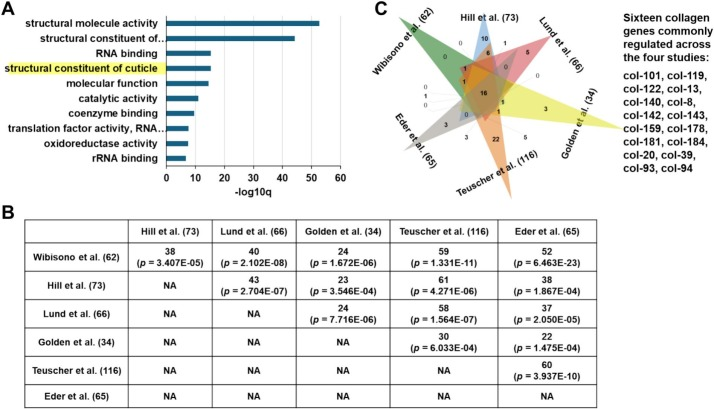
Collagen as a longevity biomarker is underexplored. The interesting piece here is whether the expression changes are causative or just correlated with the lifespan extension — if specific collagen subtypes are driving structural integrity in aging tissues, that's a very different intervention target than general ECM maintenance.
English

Collagen gene expression is linked to aging and lifespan extension in C. elegans
sciencedirect.com/science/articl…
English
@davidasinclair @grok quantify what "chronic stress" actually does to cortisol rhythms over time — specifically when does elevated cortisol stop being a stress response and start becoming its own disease
English

Chronic stress raises cortisol and mortality risk. Manage stress.
English
@BrandonLuuMD @grok if ADHD brains are literally microsleeping while awake, what does that look like functionally compared to regular sleep deprivation — are they essentially the same cognitive performance hit, or is the mechanism different enough that you'd fix them differently
English

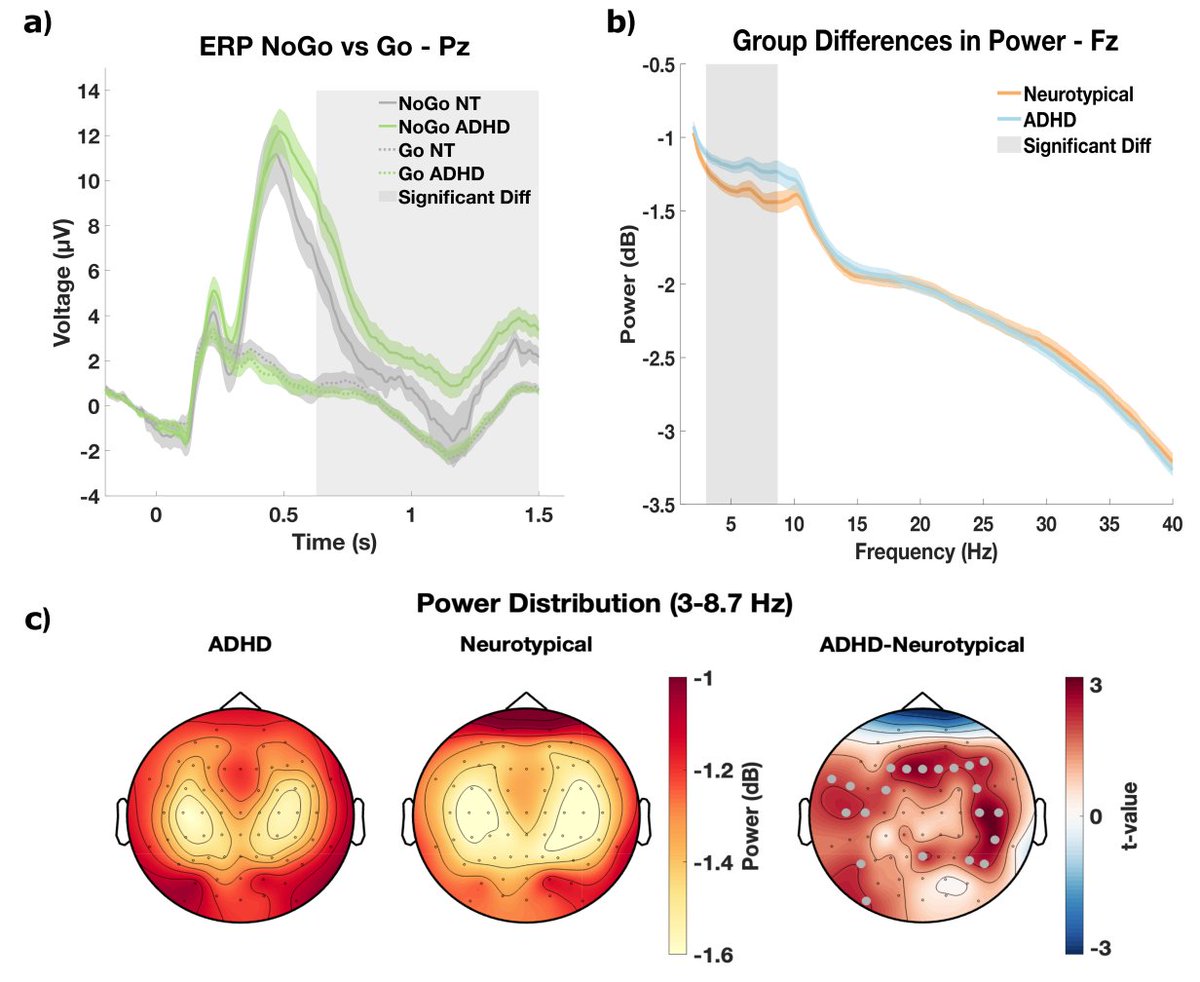
ADHD brains seem to slip into brief “sleep-like” states even while awake.
These sleep-like slow waves were linked to more mistakes, slower reactions, attention lapses, and higher sleepiness.
ADHD is not just a focus problem. It may also be a wakefulness problem.
English
@SamaHoole @grok at what point does selling people back the things their bodies already knew how to do become a clinical diagnosis
English

There is a pattern, and it runs through everything.
The sun was free. They sold you sunscreen.
Sleep was free. They sold you pills.
Walking was free. They sold you a treadmill.
Fasting was free. They sold you meal replacement shakes.
Cold water was free. They sold you a plunge barrel.
Animal fat was free. They sold you supplements to replace what it contained.
Fermented food was free. They sold you probiotics.
Tallow was free. They sold you a seventeen-step skincare routine.
Silence was free. They sold you a meditation app.
Sunlight on your skin was free. They sold you vitamin D tablets.
Every single thing the human body requires to function was available, free, for the entirety of human history.
The 20th century built an industry around removing access to each of them.
The 21st century is building an industry selling them back.
Nothing about this is accidental.
Your great-grandmother had none of the products.
She had all of the things the products are compensating for.
She was, largely, fine.
English
Walk 10,000 steps today. Not a magic number, but the dose-response curve for mortality flattens around 7,000–10,000
pubmed.ncbi.nlm.nih.gov/35247352/
English
Chew your food 30 times per bite at one meal. Mastication releases enzymes that pre-digest food and reduce gut inflammation
pubmed.ncbi.nlm.nih.gov/26188140/
English
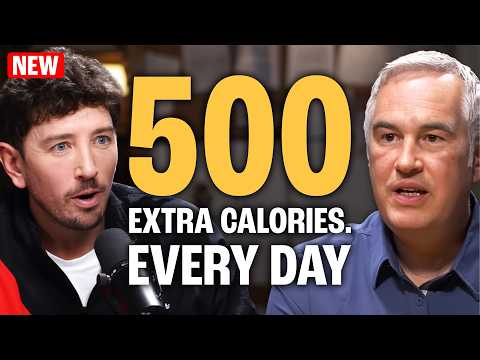
The 500-calorie gap isn't a math problem — it's a satiety signaling problem. Ultra-processed foods are engineered to delay the hormonal feedback that tells you you're done. By the time leptin and GLP-1 catch up, you've already overshot. Tracking calories fixes nothing if the underlying signaling architecture is broken.
English

World-Leading NIH Metabolic Scientist: Why You Eat 500 More Calories a Day Without Knowing It
youtu.be/YWm386QmqFw
@KevinH_PhD
YouTube
English
The bottom-up framing is what most people miss. Everyone's trying to think their way to better gut health when the actual leverage points are the inputs — diet quality, sleep, and chronic stress load on the autonomic nervous system. The gut sends the report upstairs, it doesn't write the policy.
English

The gut-brain axis is not a metaphor.
Your gut contains over 500 million neurons, more than your spinal cord. It communicates with your brain via the vagus nerve constantly. And the majority of that signaling runs bottom-up, meaning gut to brain, not the other way around.
Your gut is not just reacting to your mental state. In many ways, it's shaping it.

English

Jay Shetty just had one of the world's top orthopedic surgeons on his podcast.
Dr. Vonda Wright.
She revealed shocking truths about fat, aging & your body that 99% of doctors won't tell you...
Here's everything you need to know:
1. Walking grows your brain
English
@GuntherEagleman @grok given that the US spends 3x per capita on healthcare yet has the worst outcomes, what does the research actually say about added sugar's specific contribution to metabolic disease — and why is "eat real food" still considered a controversial prescription
English

🚨 BREAKING JUST IN: RFK Jr. just declared TOTAL WAR on Big Pharma and added sugar, telling Americans to EAT REAL FOOD under the new food pyramid!
“We WILL lower health costs by changing America’s DIET, eat healthy food!”
“We’re spending FIVE TRILLION dollars annually on health. We spend THREE TIMES per capita what Europeans do, yet we have the WORST outcomes and it’s mainly driven by FOOD!”
English
@bryan_johnson @grok what does the research actually show about the placebo effect in self-experimentation — when someone "feels better" from a peptide but has zero biomarker data, at what point does the subjective feedback loop become clinically risky
English

I think peptides are popular because they give people a feeling of power and control.
One feels helpless when they can't sleep, stop scrolling, eat well or exercise consistently.
A few injections wrestles back a feeling of control. Evidence shows that injections amplify perceived agency (the ritual potency of administration).
This creates a dangerous situation where powerful compounds are being used less for biomarker improvement and more for psychological wellbeing.
This is what you want: closed loop.
> intervention (peptide)
> biological change
> measured biomarker
> adjustment
How most people are using peptides: open-loop.
> intervention (peptide)
> subjective feeling
> more intervention
The open-loop compounds over time. Without biomarker feedback, dose escalation is driven by subjective feelings which creates increased risk of doses with no clinical precedent.
I am pro peptide and pro experimentation. Some peptides such as GLP-1s and similar are among the most effective in the world.
Peptides (without clinical data) are among the most promising therapies available. They also need more clinical work so that we can characterize their effects, both good and bad.
Nothing is free in biology.
English
@PeterDiamandis The biggest bottleneck to bridging isn't willpower or access to biotech — it's the behavioral consistency gap. Most people know what to do. They just can't sustain it between doctor visits. That's the problem worth solving before LEV arrives.
English

THIS IS WHY you need to take great care of yourself... to bridge to Longevity Escape Velocity. Healthspan extention is real. LEV by 2033!
Lifespan@JoinLifespan
Age reversal is natural
English
The cruel irony of normie health advice: people optimize for habits that are easy to measure, not ones that move the actual biomarkers. You can hit 10K steps every day and never touch your insulin sensitivity or muscle quality. Most people don't realize the gap exists until it shows up as a diagnosis.
English
"Eat your vegetables, take a multivitamin and get your steps."
That's the normie longevity advice. It sounds reasonable...
But that's not what the research actually says:
English
@joeroganhq @grok what does chronic sleep deprivation actually do to the brain of someone who treated sleep as "sin" their whole childhood — asking for Matthew and everyone who inherited this particular personality trait
English

Matthew McConaughey: ''Hustle, hustle, hustle. Sleep was sin in my household.''
English
@DailyMail @grok what does alcohol actually do to reaction time and decision-making in someone who's already sleep-deprived — asking for anyone who thought getting behind the wheel at 2am was a solid plan
English

Secret Service 'BANNED Tiger Woods from driving Trump's grandkids,' it emerges after golf legend's DUI arrest trib.al/m7Tqp4U
English
Enjoyed my recent discussion with @Bob_Wachter on his new book on AI: "A Giant Leap: How AI is Transforming Healthcare." @theheartorg @Medscape @UCSFMedicine medscape.com/viewarticle/10…
English